 Kitchen Table Wisdom: Stories that Heal
Quotes from the Book
Most of us lead far more meaningful lives than we know. Often finding meaning is not about doing things differently; it is about seeing familiar things in new ways.
89
Our purpose in life is to grow in wisdom and in love.
30
Perhaps real wisdom lies in not seeking answers at all. Any answer we find will not be true for long. An answer is a place where we can fall asleep as life moves past us to its next question. After all these years I have begun to wonder if the secret of living well is not in having all the answers but in pursuing unanswerable questions in good company.
20
How strange to think that great pain may be impermanent. Something in us all seems to want to carve it in granite, as if only this would do full honor to its terrible significance. But even pain is blessed with impermanence... p 259
20
It has been said that sometimes we need a story more than food in order to live. p 374
14
Life wastes nothing. Over and over again every molecule that has ever been is gathered up by the hand of life to be reshaped into yet another form. p 259
10
The marks life leaves on everything it touches transform perfection into wholeness. Older, wiser cultures choose to claim this wholeness in the things that they create. In Japan, Zen gardeners purposefully leave a fat dandelion in the midst of the exquisite, ritually precise patterns of the meditation garden. In Iran, even the most skilled of rug weavers includes an intentional error, the “Persian Flaw,” in the magnificence of a Tabriz or Qashqai carpet…and Native Americans wove a broken bead, the “spirit bead,” into every beaded masterpiece. Nothing that has a soul is perfect. When life weaves a spirit bead into your very fabric, you may stumble upon a wholeness greater than you had dreamed possible before.
7
All life has in it the dimension of the Unknown; it is a thing forever unfolding. It seems important to consider the possibility that science may have defined life too small. If we define life too small, we will define ourselves too small as well.
2
: Whether we are aware of it or not, we will refine the quality of our humanity throughout the course of our lives. More and more, people seek spiritual techniques to help them do this. But joy and suffering will do this for you, too. Every lifetime offers countless opportunities to become more whole. Life offers its wisdom generously. Everything teaches. Not everyone learns. Life asks of us the same thing we have been asked in every class: "Stay awake." "Pay attention." But paying attention is no simple matter. It requires us not to be distracted by expectations, past experiences, labels, and masks. It asks that we not jump to early conclusions and that we remain open to surprise. Wisdom comes most easily to those who have the courage to embrace life without judgment and are willing to not know, sometimes for a long time. It requires us to be more fully and simply alive than we have been taught to be. It may require us to suffer. But ultimately we will be more than we were when we began.
2
Sometimes just being in someone's presence is strong medicine.
2
A colleague told me that he thinks of his life as an orchestra. Reclaiming his integrity reminds him of that moment before the concert when the concertmaster asks the oboist to sound an A. 'At first there is chaos and noise as all parts of the orchestra try to align themselves with that note. But as each instrument moves closer and closer to it, the noise diminishes and when they all finally sound it together, there is a moment of rest, of homecoming.' 'That is how it feels to me,' he told me. 'I am always tuning my orchestra. Somewhere deep inside there is a sound that is mine alone, and I struggle daily to hear it and tune my life to it. Sometimes there are people and situations that help me to hear my note more clearly; other times, people and situations make it harder for me to hear. A lot depends on my commitment to listening and my intention to stay coherent with this note. It is only when my life is tuned to my note that I can play life's mysterious and holy music without tainting it with my own discordance, my own bitterness, resentment, agenda, and fears.' Deep inside, our integrity sings to us whether we are listening or not. It is a note that only we can hear.
2
She walked on in this way for several more minutes and at last came to a place in the labyrinth close to the circumference of the circle where the path unexpectedly turns sharply to the right. As you turn, you discover that you have reached the end of the path and a few more steps will take you to the center of the circle. Turning to the right, Glory suddenly felt the pinecone in her hands move as if it had become her own living heart. Deeply shaken, she looked up for the first time and found an unmistakable Presence in the center of the labyrinth, waiting for her. For just the briefest moment she could see Him quite clearly. His heart was open, a place of refuge for all who suffer. It had been broken open by the suffering in the world in the same way hers had been. Suddenly she understood why others had come to her for refuge since her childhood. The suffering she was able to feel had made her trustworthy. She stumbled the last few steps into the center of the labyrinth, knelt down, and for the first time since she was a child, she wept. In a talk about compassion, a former teacher of mine once said that practice prepares the mind, but suffering prepares the heart. Perhaps the final step in the healing of all wounds is the discovery of the capacity for compassion, an intuitive knowing that no one is singled out in their suffering, that all living beings are vulnerable to loss, attachment, and limitation. It is only in the presence of compassion that we can show our wounds without diminishing our wholeness. The Dalai Lama has said that “compassion occurs only between equals.” For those who have compassion, woundedness is not a place of judgment but a place of genuine meeting.
1
pinecone in her hands move as if it had become her own living heart. Deeply shaken, she looked up for the first time and found an unmistakable Presence in the center of the labyrinth, waiting for her. For just the briefest moment she could see Him quite clearly. His heart was open, a place of refuge for all who suffer. It had been broken open by the suffering in the world in the same way hers had been. Suddenly she understood why others had come to her for refuge since her childhood. The suffering she was able to feel had made her trustworthy. She stumbled the last few steps into the center of the labyrinth, knelt down, and for the first time since she was a child, she wept. In a talk about compassion, a former teacher of mine once said that practice prepares the mind, but suffering prepares the heart. Perhaps the final step in the healing of all wounds is the discovery of the capacity for compassion, an intuitive knowing that no one is singled out in their suffering, that all living beings are vulnerable to loss, attachment, and limitation. It is only in the presence of compassion that we can show our wounds without diminishing our wholeness. The Dalai Lama has said that “compassion occurs only between equals.” For those who have compassion, woundedness is not a place of judgment but a place of genuine meeting.
1
When people are blessed they discover that their lives matter
looking for Immy’s gown. It had taken half an hour but they had found it, neatly folded, with the medal still attached. I was astonished. “The people who work in the laundry room must have been very surprised to see you all there, and especially with Dr. X himself. Did he say why he asked you to do this?” “Oh, yes,” the resident replied. Surrounded by mountains of clean sheets and towels, Dr. X had told the elite young surgeons he was training that it was as important to care for people’s souls as it was to care for their hearts.
to her parents in relief, I asked if it was another one. “No,” her mother said, “it was the same one that was lost.” Dr. X had come that afternoon and brought it to them. I told them how glad I was that it had been found. “Yes,” her father said. “We are too.” Then he smiled. “She is safe now, no matter what happens,” he told me. The following morning, the surgery resident told me how the medal had been found. On the previous day, Dr. X had made his patient care rounds much as usual, followed by a dozen of the young surgeons he was training. But instead of ending the rounds in the ICU, he had taken them all to the laundry department in the subbasement of the hospital. There, he explained what had happened, and then he and all his residents and fellows had gone through the pediatric laundry from the day before
the hospital to tape it to the closed door of Dr. X’s office. I had signed it and on the way back to my bed I began to worry. What if I had done something really foolish? If the surgical resident didn’t care about such things, why should Dr. X? I was off call the next day and, exhausted, I spent most of the time asleep. When I returned to the hospital for the evening shift, the pediatric day resident told me that Immy was no better. For the next few hours I took care of whatever was most urgently needed on the service, but later in the evening I stopped by the Intensive Care Unit to examine Immy and speak with her family. I found her parents in the waiting room. Together we went to see Immy. She was still unconscious. Leaning over to listen to her chest, I suddenly noticed a medal pinned to her hospital gown. Turning to her parents in relief, I asked if it was another one. “No,” her mother said, “it was the same one that was lost.” Dr. X had come that afternoon and brought it to them. I told them how glad I was that it had been found. “Yes,” her father said. “We are too.” Then he smiled. “She is safe now, no matter what happens,” he told me.
Perhaps you should tell Dr. X,” I told him. He began to laugh. “Don’t be absurd,” he said. That night I could not sleep. At two in the morning I dressed and returned to the hospital to look in on Immy. She was no better. Her parents had not left the ICU waiting room, and several other family members had joined them there. We sat together talking for awhile, but I had no news and could offer little comfort. My heart ached for them and for Immy. Back in the house staff residence, once again I undressed for bed, but I still could not sleep. I kept thinking of the lost medal and what Immy’s parents had told me. At last, I took some paper and wrote to Dr. X, telling him what had happened and how important the medal was to Immy’s family. Folding the note in half, I dressed once more and went back to
team working on two children who had been thrown from the back of their father’s pickup truck onto the roadway. By the time I reached the floor, Immy had been taken upstairs to surgery. The surgery had lasted almost twelve hours, and things had not gone well. The bypass pump, a relatively new technology, had malfunctioned for several minutes and Immy had lost a great deal of blood. She was on a respirator, unconscious and unresponsive, in the Intensive Care Unit. On the day after surgery, Immy’s mother told me in a shaking voice that Immy’s gown had been removed in the operating room and thrown into the hospital laundry. The medal was gone. Concerned, I called the surgery resident and told him what had happened. “Why are you telling me this?” he asked me.
Immy spent the next day or two undergoing tests, and I saw her several more times. The medal had been moved from her shirt to her hospital gown. It had seemed so important to her parents that I mentioned it in passing to the cardiac surgery resident as we sat writing chart notes in the nursing station on the evening before the surgery. He gave me a cynical smile. “Well, to each his own,” he said. “I put my faith in Dr. X,” he said, mentioning the name of the highly respected cardiac surgeon who would be heading Immy’s surgical team in the morning. “I doubt he needs much help from Lourdes.” I made a note to myself to be sure to take the medal off Immy’s gown before she went to surgery in the morning so it wouldn’t get lost in the OR or the recovery room. But I spent that morning in the emergency room, as part of
across its chest. I examined Immy carefully. Her heart sounds bore no resemblance whatever to the organized sounds of a normal heart. Once again, I marveled at her endurance. As I helped her to dress, I noticed a Saint Christopher medal pinned to her tiny pink undershirt. “What is this?” I asked her parents. Hesitantly her mother told me that a family member had made a special trip to Rome to have the medal blessed and then dipped into the healing waters at Lourdes. “We feel that it will protect her,” she said simply. Her husband nodded. I was touched.
The medal had been moved from her shirt to her hospital gown. It had seemed so important to her parents that I mentioned it in passing to the cardiac surgery resident as we sat writing chart notes in the nursing station on the evening before the surgery. He gave me a cynical smile. “Well, to each his own,” he said. “I put my faith in Dr. X,” he said, mentioning the name of the highly respected cardiac surgeon who would be heading Immy’s surgical team in the morning. “I doubt he needs much help from Lourdes.” I made a note to myself to be sure to take the medal off Immy’s gown before she went to surgery in the morning so it wouldn’t get lost in the OR or the recovery room. But I spent that morning in the emergency room, as part of
with me to the children’s ward to examine Immy. She greeted us with her wonderful take-no-prisoners smile. She was holding a new teddy bear. Someone had put a white bandage across its chest. I examined Immy carefully. Her heart sounds bore no resemblance whatever to the organized sounds of a normal heart. Once again, I marveled at her endurance. As I helped her to dress, I noticed a Saint Christopher medal pinned to her tiny pink undershirt. “What is this?” I asked her parents. Hesitantly her mother told me that a family member had made a special trip to Rome to have the medal blessed and then dipped into the healing waters at Lourdes. “We feel that it will protect her,” she said simply. Her husband nodded. I was touched. Immy spent the next day or two undergoing tests, and I saw her several more times.
to live until she was big enough to undergo extensive open-heart surgery. She had been followed since birth in our Pediatric Cardiology Clinic at the New York Hospital, and many of the pediatricians knew her and her family. Despite her physical difficulties she took full possession of all the hearts around her, including mine. When the time for her surgery finally came, her parents were deeply anxious. These were early days for many cardiac surgery techniques, and the risks were considerable, but without surgery, she would not survive childhood. As the senior pediatric resident, I met with Immy’s parents before the surgery to do an intake interview and summarize Immy’s long story. They were committed and ready and very pale. As we spoke, they sat close together holding hands. Afterward I took them
LOST AND FOUND IMMY WAS A frail little girl, the only child of older parents. At three, she was only as big as the average eighteen-month-old toddler. She was unable to walk more than a few blocks without tiring and did not have the strength to play games you could not play sitting down. A desperately wanted and long-awaited baby, she had been born with a hole in her heart and a badly formed heart valve. Only the most careful medical management had helped her
people seemed to seek her out at times of pain and despair. It was hard for her to understand why this was. As a young person and later as a doctor, she had been there for them, had comforted and stood with them. They had thought her heart was whole, had trusted in it. She touched the pinecone in her lap. “I have hidden this all of my life, Rachel,” she said, speaking to me from across the room. We all sat in silence for a few minutes: there was nothing anyone could say. Our retreat center has a labyrinth exactly the dimensions of the one in the cathedral at Chartres in France. The Chartres labyrinth is a walking meditation that has roots in the fourteenth century, a path enclosed in a circle inscribed on the floor. The path inside the circle is long and convoluted and eventually leads into the center; it is more than a third of a mile into the center of the circle and out again. The following afternoon, during the period of meditation, Glory decided to walk this path alone. At the beginning, she had clasped her hands behind her back and started walking slowly and deliberately, looking down, trying to keep her balance on the narrow path. She had been walking step by step by step for about ten minutes or so and was becoming a little bored when she began to experience an urge to hold her hands out, palms up. She fought this impulse for a while, telling herself it was irrational. Finally, she had surrendered to it, and walked on with her hands held out before her. Within a minute or two she had the distinct impression that her pinecone was resting on her upturned palms. She knew she had left it on the bed in her room, but with her eyes on the floor she could feel the weight of it quite clearly in her hands. She felt as if she was being told to offer it to others, just as it was. It was a strange and puzzling thought, but it somehow seemed the right thing to do. She walked on in this way for several more minutes and at last came to a place in the labyrinth close to the circumference of the circle where the path unexpectedly turns sharply to the right. As you turn, you discover that you have reached the end of the path and a few more steps will take you to the center of the circle. Turning to the right, Glory suddenly felt the
REMEMBERING COMPASSION TAKES time, and sometimes the most profound learnings are not a part of a curriculum but are come upon by chance or even grace, the way that Glory found the pinecone. She brought it with her to the afternoon class; a large cone, split down the middle and attached to a Y-shaped branch. I stared at it in fascination, resting there in her lap, and hoped that she would say something about it. If you squinted your eyes, it was exactly the size and shape of a human heart. Glory is a young family practitioner who practices in a small rural town. Her patients range from the newborn to the very old, and her practice has afforded her a profound window on life. I met her at one of the physicians’ retreats I teach on detoxifying death. During the first evening’s discussion, she had said that she would find her own death a relief; in fact, life being as it is, she couldn’t imagine why anyone would struggle to live if there was a way to leave with honor. She had felt this way for as long as she could remember. It was an unusual thing for a physician to say, and the group who listened were surprised. She did not seem suicidal or even depressed, merely matter-of-fact. As she spoke, I found myself wondering what lay behind her words. I had some ideas, but, as it turned out, I couldn’t have been more wrong. When she began to talk about the pinecone, all this became clearer. In a voice that we could barely hear, she told us that she had found it on the path as she was coming in to lunch and had known instantly that it was hers. She looked at it lying there in her lap. “It’s my heart,” she told us. “It’s broken. Split in half.” She began to tell us about a vast sadness that she had experienced all her life, a personal sense of the suffering in the world that goes on and on. She had felt this suffering even as a child. It had broken her heart, made her unwilling to live any longer than she had to. Yet brokenhearted though she was,
Sand is a way of life for an oyster. If you are soft and tender and must live on the sandy floor of the ocean, making pearls becomes a necessity if you are to live well.
I recall vividly the night before one of my own early surgeries, an eight-hour affair that would alter my body permanently. I was twenty-seven and unmarried at the time. Late in the evening a pleasant elderly woman, a technical aide, had come to my hospital room to shave my abdomen in preparation for the procedure. As she went about this humble task with great skill, she had asked me about the next day's surgery. Filled with resentment, self-pity, and a sense of victimhood, I told her what was planned and burst into tears. She had seemed quite surprised. "How would YOU feel if they were going to do this to YOU tomorrow?" I asked her angrily. she had taken my question literally and had thought it over. Then, patting me gently, she had said, "If I needed it to live, I would be glad for the help." Her answer had changed everything.
Watch on YouTube
About Rachel Naomi Remen
We have collected 58 quotes from 2 books by Rachel Naomi Remen on BookQuoters.
More about the author →More by Rachel Naomi Remen
Kitchen Table Wisdom: Stories that Heal
About the book
In My Grandfather's Blessings, Rachel Naomi Remen, a cancer physician and master storyteller, uses her luminous stories to remind us of the power of our kindness and the joy of being alive.
Dr. Remen's grandfather, an orthodox rabbi and scholar of the Kabbalah, saw life as a web of connection and knew that everyone belonged to him, and that he belonged to everyone. He taught her that blessing one another is what fills our emptiness, heals our loneliness, and connects us more deeply to life.
Life has given us many more blessings than we have allowed ourselves to receive. My Grandfather's Blessings is about how we can recognize and receive our blessings and bless the life in others. Serving others heals us. Through our service we will discover our own wholeness—and the way to restore hidden wholeness in the world.
Book details
- First published
- 2001
- Author
- Rachel Naomi Remen
- Genre
- Nonfiction
- Goodreads rating
- 4.40 (3k ratings)
Keep reading
Kitchen Table Wisdom: Stories that Heal
 Now Is the Time to Open Your Heart
 Stitches: A Handbook on Meaning, Hope, and Repair
 Confessions of a Funeral Director: How the Business of Death Saved My Life
 Range of Motion
 When Breath Becomes Air
 Any Ordinary Day
 Cancer Ward
 Anthropology of an American Girl
 Everything Happens for a Reason: And Other Lies I've Loved
 In Shock: My Journey from Death to Recovery and the Redemptive Power of Hope
 Letter to My Daughter
 The Art of Hearing Heartbeats
 Cutting for Stone
 10 Minutes 38 Seconds in This Strange World
 Simply Love
 Many Lives, Many Masters: The True Story of a Prominent Psychiatrist, His Young Patient, and the Past Life Therapy That Changed Both Their Lives
 Refuge: An Unnatural History of Family and Place
 Managing Expectations: A Memoir in Essays – A Poignant Collection of Personal Stories on Acting, Failure, and Motherhood's Joy
 The Invitation
 The Book of Awakening: Having the Life You Want by Being Present to the Life You Have
 An Invisible Thread
 Heart Bones
 Expecting Adam: A True Story of Birth, Rebirth, and Everyday Magic
 A Widow's Story
 A Matter of Death and Life
 Sacred Journey of the Peaceful Warrior
 Heartwood
 The Library of Fates
 For Small Creatures Such as We: Rituals for Finding Meaning in Our Unlikely World
 Laurus
 The Zahir
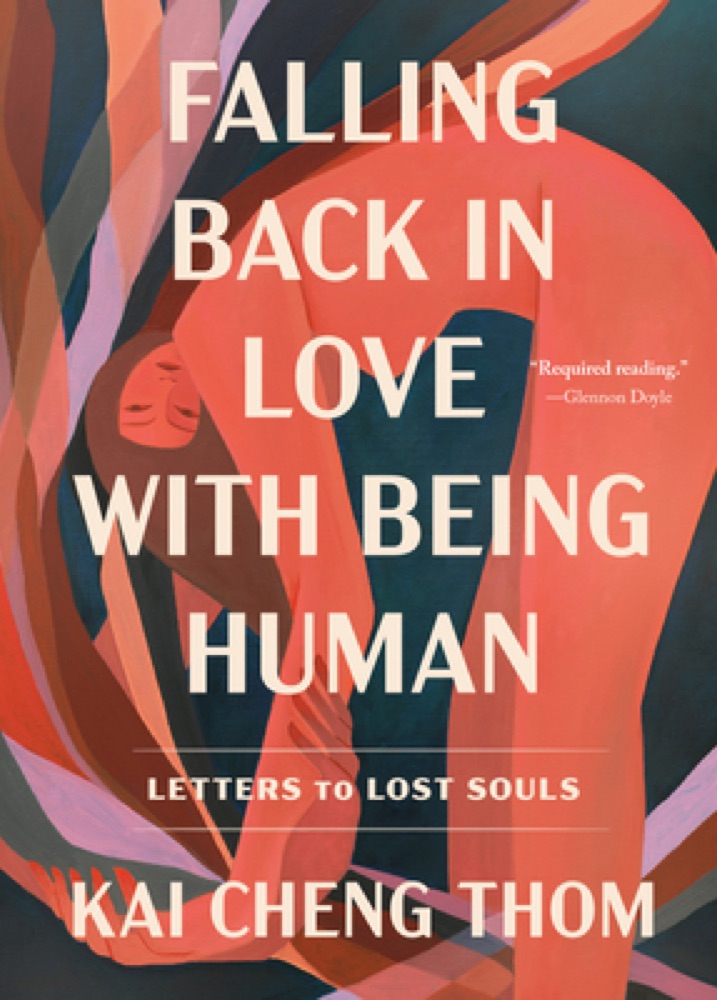 Falling Back in Love with Being Human: Letters to Lost Souls
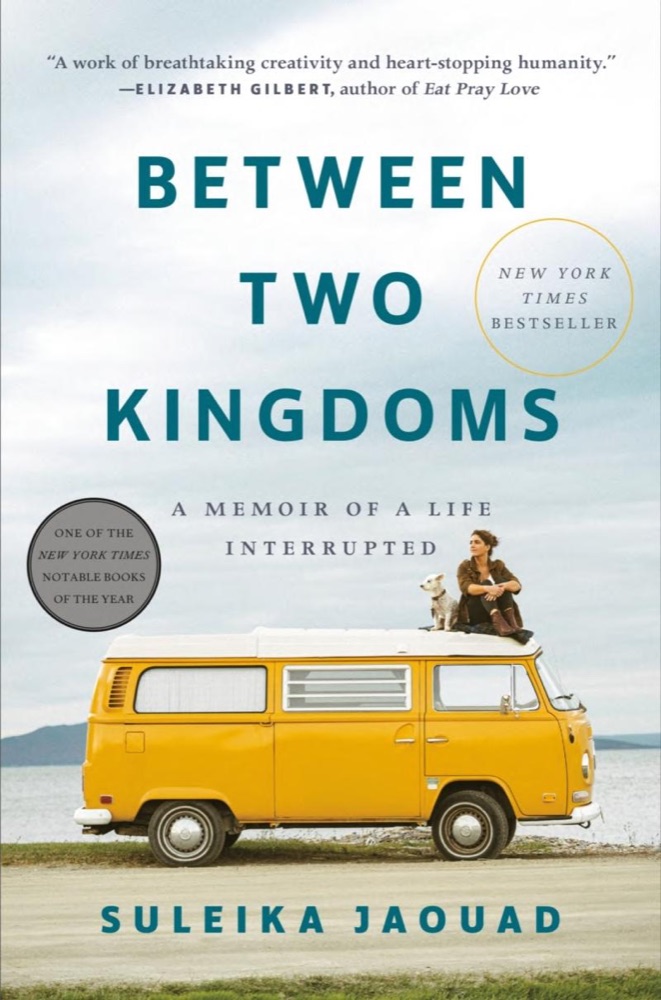 Between Two Kingdoms: A Memoir of a Life Interrupted
 Children of the Mind
 My Mother's Secret
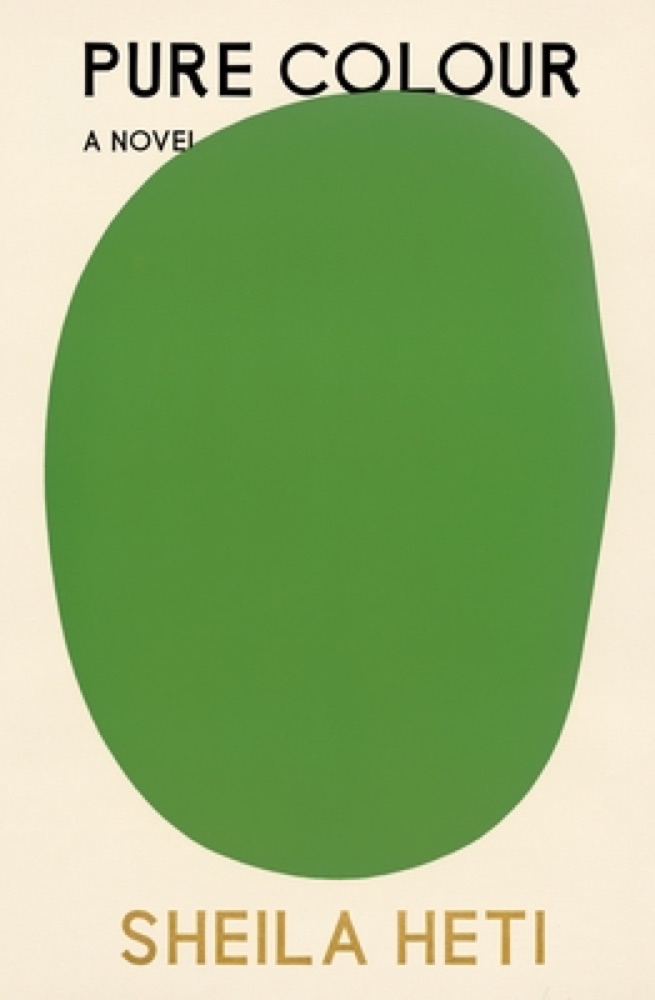 Pure Colour
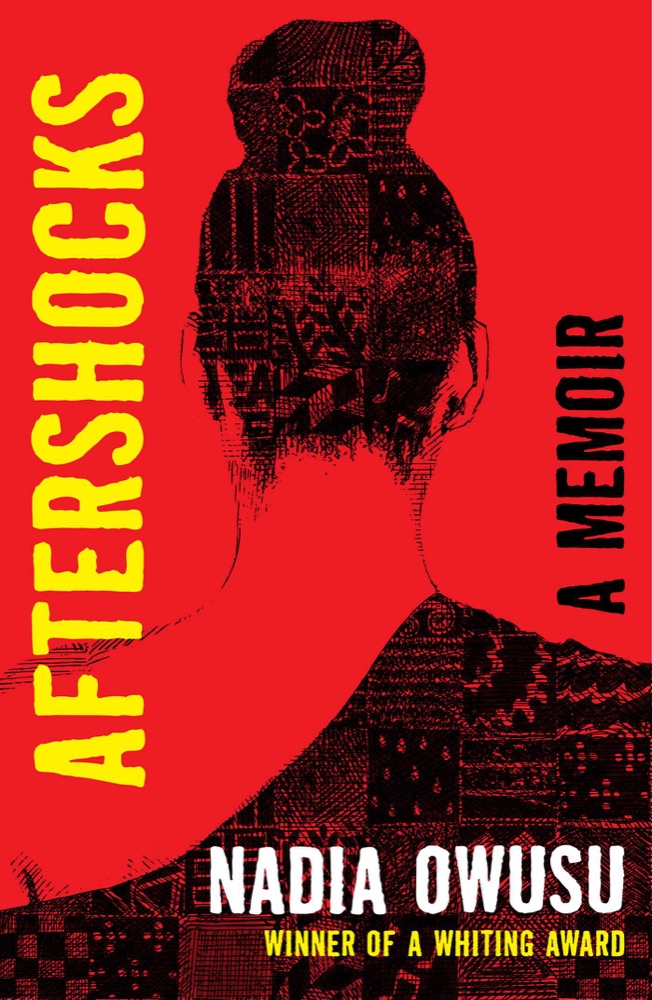 Aftershocks
 The Book of Dreams
 Tattoos on the Heart: The Power of Boundless Compassion
 Messages from the Masters: Tapping into the Power of Love
 Imagine Me Gone
 Happiness Becomes You: A Guide to Changing Your Life for Good
 The Tell: A Memoir
 Stay with Me
 Into the Magic Shop: A Neurosurgeon's Quest to Discover the Mysteries of the Brain and the Secrets of the Heart
 Held
Held
 Just as I Am
 The Journey Home
 Becoming Human
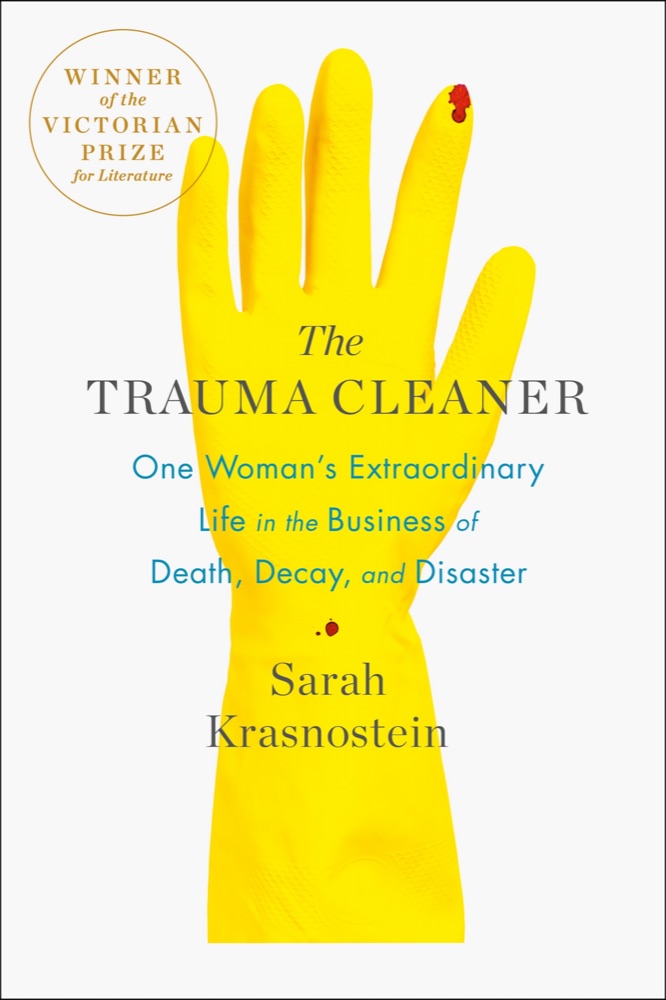 The Trauma Cleaner: One Woman's Extraordinary Life in the Business of Death, Decay, and Disaster
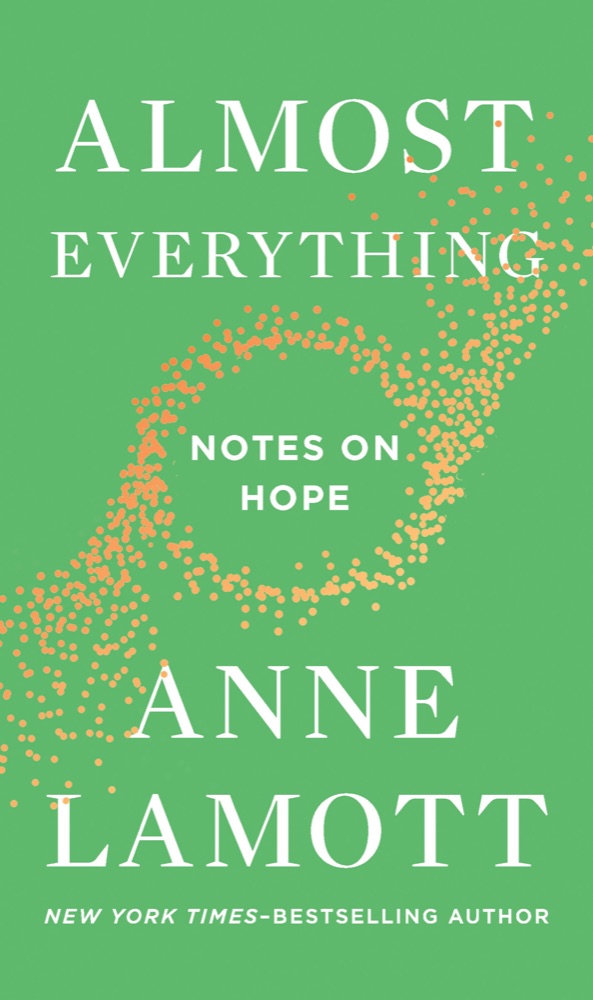 Almost Everything: Notes on Hope
 The Beauty of Living Twice
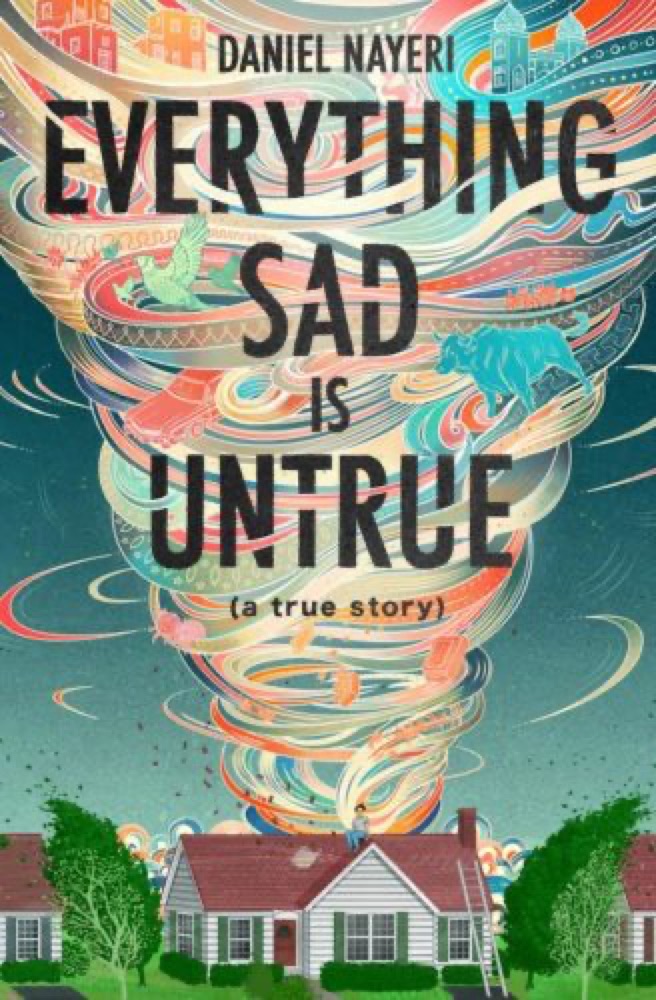 Everything Sad Is Untrue
 Becoming Wise: An Inquiry into the Mystery and Art of Living
 The Sea Keeper's Daughters
 Briefly Perfectly Human: Making an Authentic Life by Getting Real About the End
 Perennials
 The Clockmaker's Daughter
 Of Mess and Moxie: Wrangling Delight Out of This Wild and Glorious Life