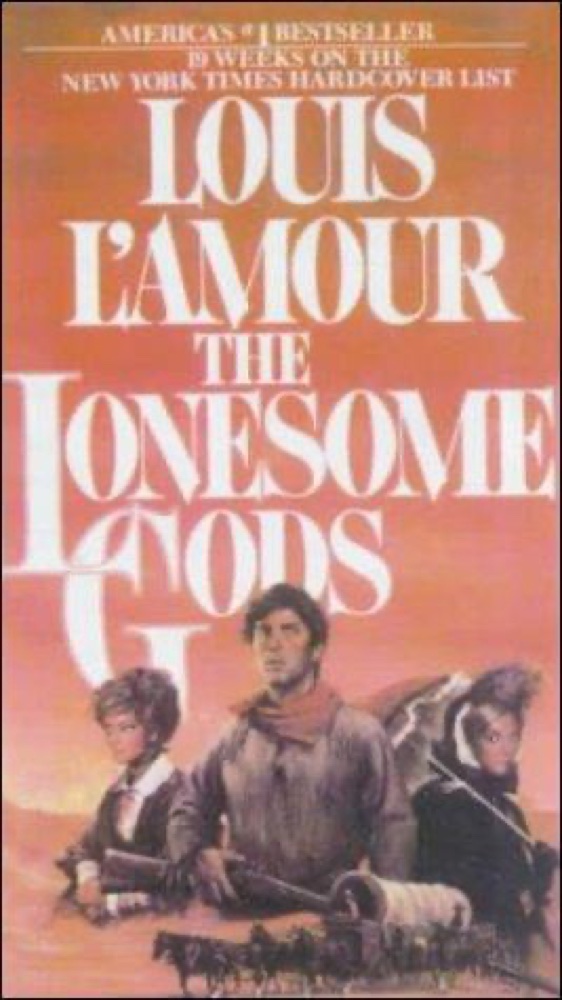
 The Lonesome Gods
Quotes from the Book
The Apache don't have a word for love," he said. "Know what they both say at the marriage? The squaw-taking ceremony?" "Tell me." "Varlebena. It means forever. That's all they say.
63
Destarte! How musical! What does it mean?" "You can't say it except in Mescalero. It means Morning, but that isn't what it means, either. Indian words are more than just that. They also mean the feel and the sound of the name. It means like Crack of Dawn, the first bronze light that makes the buttes stand out against the gray desert. It means the first sound you hear of a brook curling over some rocks-some trout jumping and a beaver crooning. It means the sound a stallion makes when he whistles at some mares just as the first puff of wind kicks up at daybreak. "It means like you get up in the first light and you and her go out of the wickiup, where it smells smoky and private and just you and her, and kind of safe with just the two of you there, and you stand outside and smell the first bite of the wind coming down from the high divide and promising the first snowfall. Well, you just can't say what it means in English. Anyway, that was her name. Destarte.
20
- This Indian wife you have... - Had. She's dead. - I'm sorry. I didn't mean to bring up an unhappy memory. - I can't remember anything unhappy about Destarte.
9
There was a curious affinity between man and dog. Both were untamed, both were creatures born and bred to fight, honed and tempered fine by hot winds and long desert stretches, untrusting, dangerous, yet good companions in a hard land.
6
NO MAN KNOWS the hour of his ending, nor can he choose the place or the manner of his going. To each it is given to die proudly, to die well, and this is, indeed, the final measure of the man.
4
Under a quiet sky the planet turned, and horses ate, and men slept, and death waited for morning. —
2
There was something her father had said. “We do not own the land, Angie. We hold it in trust for tomorrow. We take our living from it, but we must leave it rich for your son and for his sons and for all of those who shall follow.
2
But a long time ago I made me a rule: I let people do what they want to do.
2
Destarte! How musical! What does it mean?” “You can’t say it except in Mescalero. It means Morning, but that isn’t what it means, either. Indian words are more than just that. They also mean the feel and the sound of the name. It means like Crack of Dawn, the first bronze light that makes the buttes stand out against the gray desert. It means the first sound you hear of a brook curling over some rocks—some trout jumping and a beaver crooning. It means the sound a stallion makes when he whistles at some mares just as the first puff of wind kicks up at daybreak. “It means like you get up in the first light and you and her go out of the wickiup, where it smells smoky and private and just you and her, and kind of safe with just the two of you there, and you stand outside and smell the first bite of the wind coming down from the high divide and promising the first snowfall. Well, you just can’t say what it means in English. Anyway, that was her name. Destarte.” Rather amazed, Angie stared at him. “Why, that’s poetry!
1
It is my privilege. It is so written.
1
To each of us is given a life. To live with honor and to pass on having left our mark, it is only essential that we do our part, that we leave our children strong. Nothing exists long when its time is past. Wealth is important only to the small of mind. The important thing is to do the best one can with what one has. These things her father had taught her, these things she believed. A woman’s task was to keep a home, to rear her children well, to give them as good a start as possible before moving on. That was why she had stayed. That was why she had dared to remain in the face of Indian trouble. This was her home. This was her fireside. Here was all she could give her son aside from the feeling that he was loved, the training she could give, the education. And she could give him this early belief in stability, in the rightness of belonging somewhere
and studied the terrain. Twice that morning he had seen unshod hoofprints. There were Apaches around. He walked back to the boy and ate his share of the rabbit while Johnny was brushing the spines from a tuna the way he had shown him earlier. As the boy ate the desert fruit, he thought about how fast the morning had gone, how much he had enjoyed it. And this was the son
Indians got a story,” Hondo said, “about a hunter who chased a puma until he caught him. Then it was the other way around.
Empty gun’s no use to anybody, ma’am. If you need that, you’ll need it fast.
Watch on YouTube
About Louis L'Amour
We have collected 167 quotes from 11 books by Louis L'Amour on BookQuoters.
More about the author →More by Louis L'Amour
All books by Louis L'Amour →
About the book
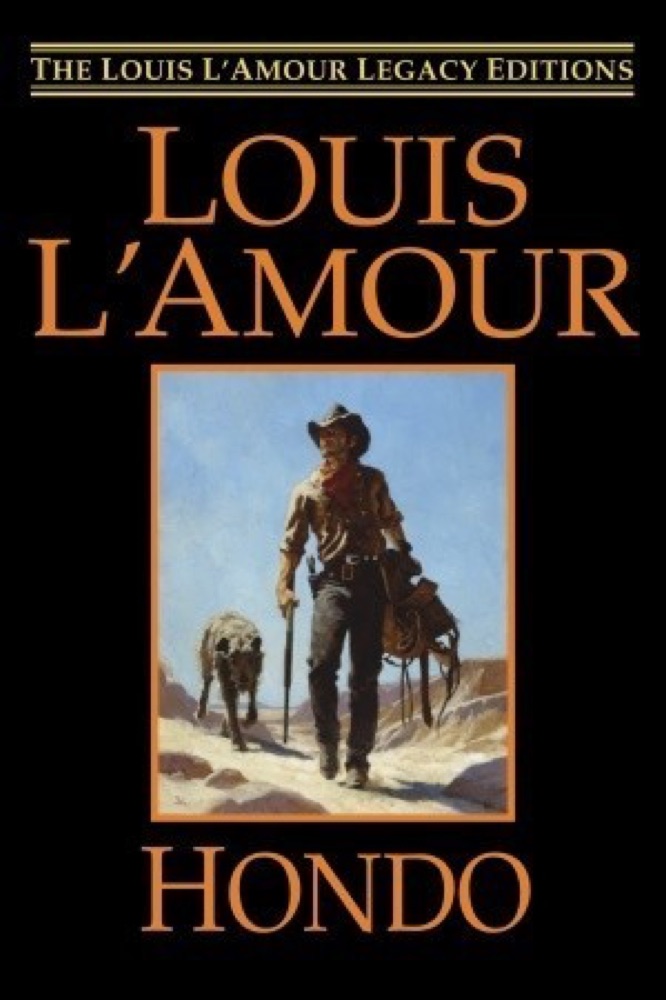
He was etched by the desert’s howling winds, a big, broad-shouldered man who knew the ways of the Apache and the ways of staying alive. She was a woman alone raising a young son on a remote Arizona ranch. And between Hondo Lane and Angie Lowe was the warrior Vittoro, whose people were preparing to rise against the white men. Now the pioneer woman, the gunman, and the Apache warrior are caught in a drama of love, war, and honor.
Book details
- First published
- 1953
- Author
- Louis L'Amour
- Genre
- Fiction
- Goodreads rating
- 4.06 (15k ratings)
Keep reading
 House Made of Dawn
 The Virginian
 The Great Hunt
 King Solomon's Mines
 A Thousand Nights
 Comanche Moon
 The Son
 The Last of the Mohicans
 Warrior Girl Unearthed
 The Pearl
 The Night Watchman
 The Fires of Heaven
 Redemption in Indigo
 Sword & Citadel
 Wolves of the Calla
 The Buffalo Hunter Hunter
 Neither Wolf Nor Dog: On Forgotten Roads with an Indian Elder
 Shadow Country
 Black Leopard, Red Wolf
 Black Sun
 Reservation Blues
 Homegoing
 Sackett's Land
 The Stardust Thief
 The Known World
 The Toughest Indian in the World
 The Last Coyote
 A Thousand Moons
 Fifteen Dogs
 Let Us Descend
 Assassin's Quest
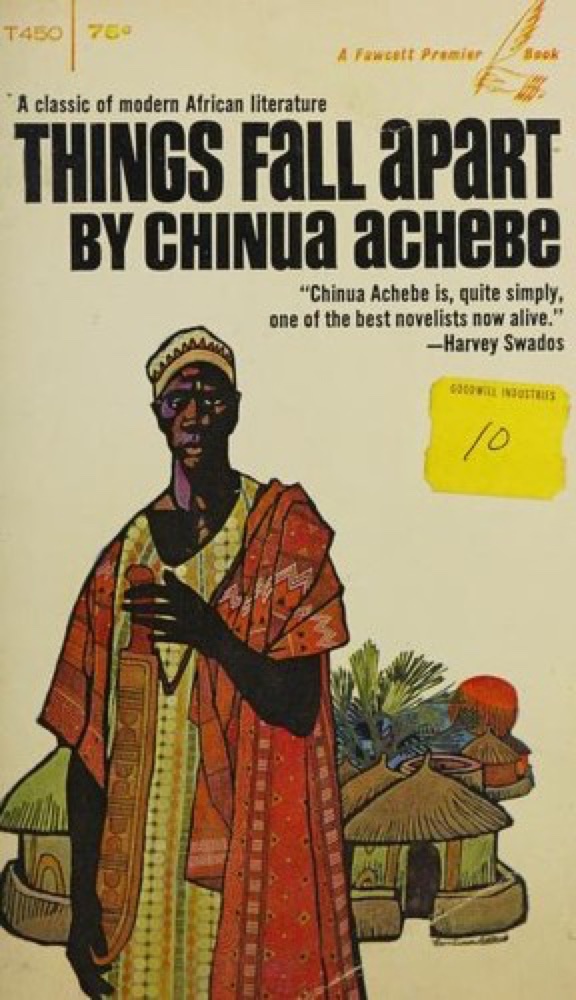 Things Fall Apart
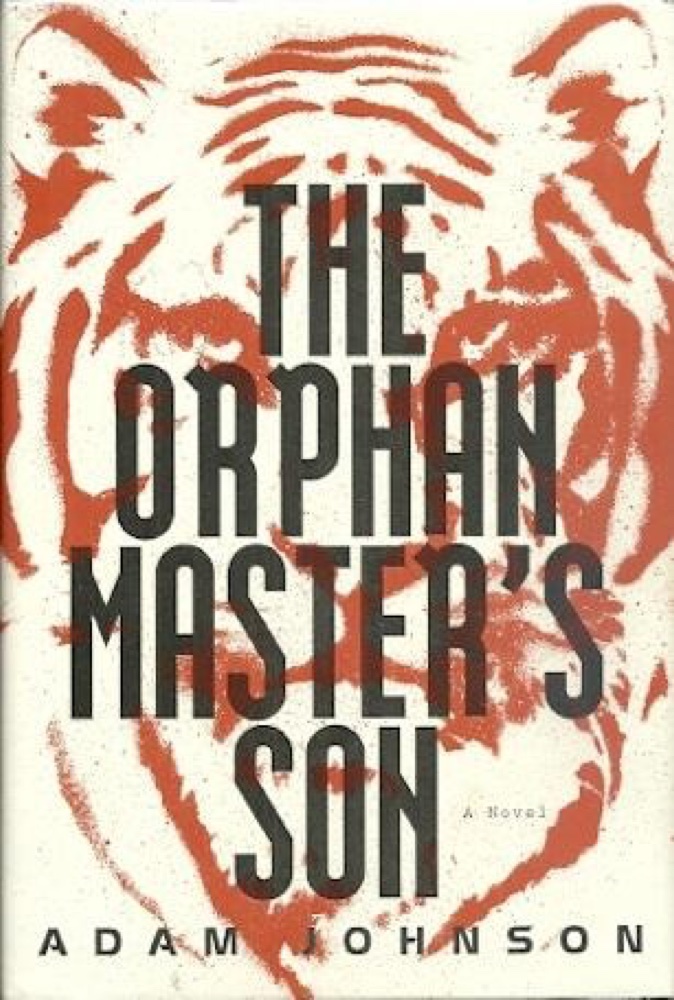 The Orphan Master's Son
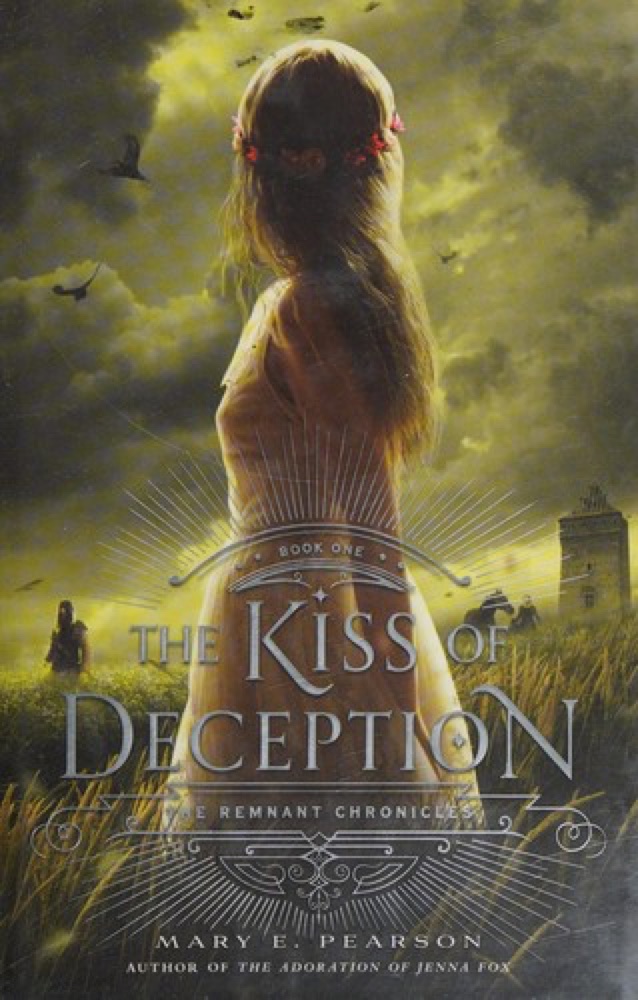 The Kiss of Deception
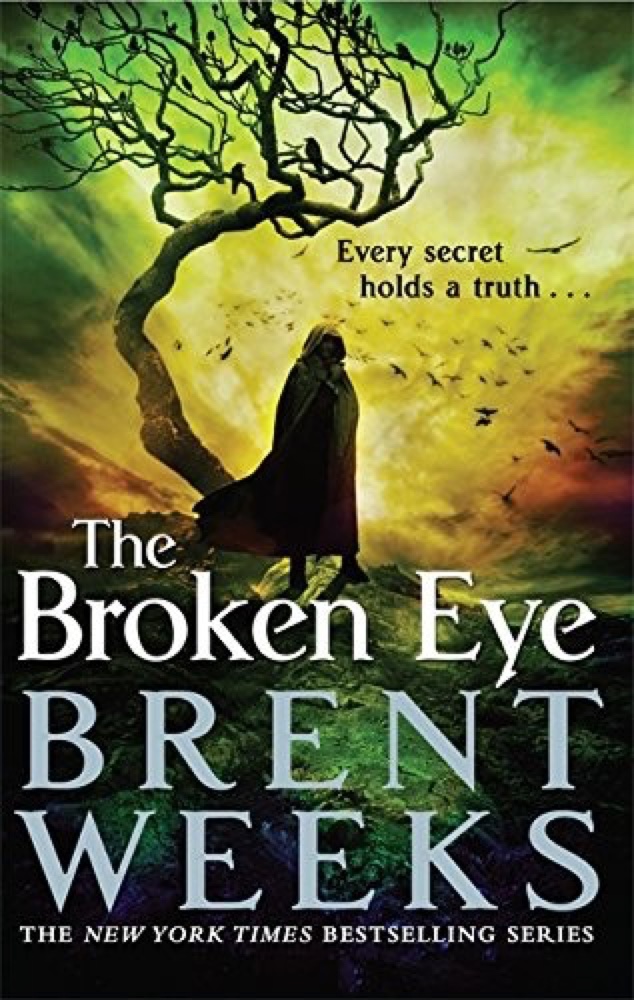 The Broken Eye
 Ride the Dark Trail
 Bury My Heart at Wounded Knee: An Indian History of the American West
 Under the Volcano
 Assassin's Fate
 The Education of Little Tree
 Something Wicked This Way Comes
 New Spring
 The Lone Ranger and Tonto Fistfight in Heaven
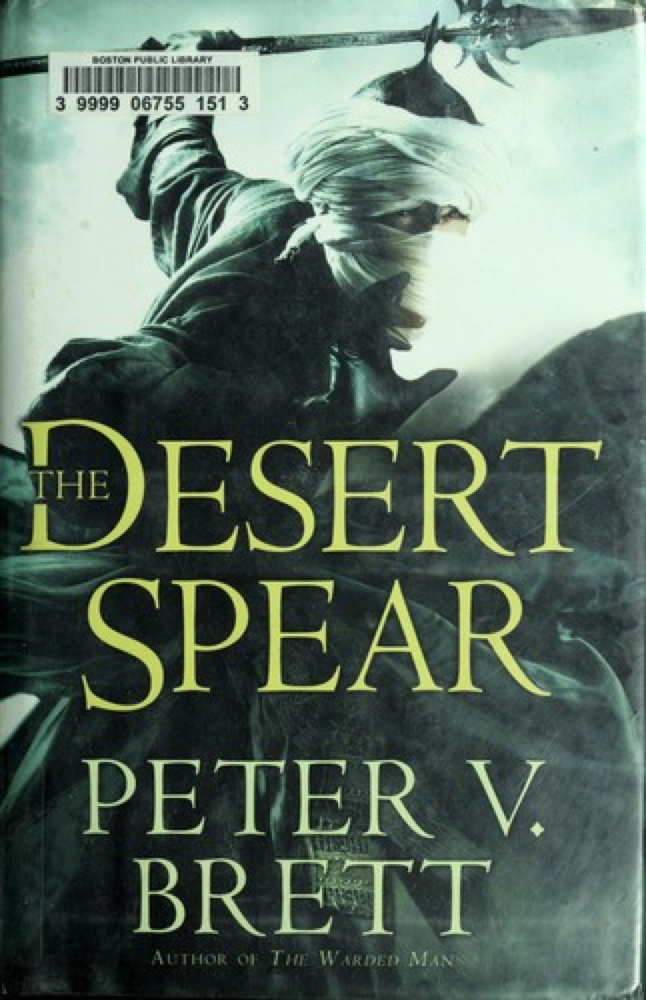 The Desert Spear
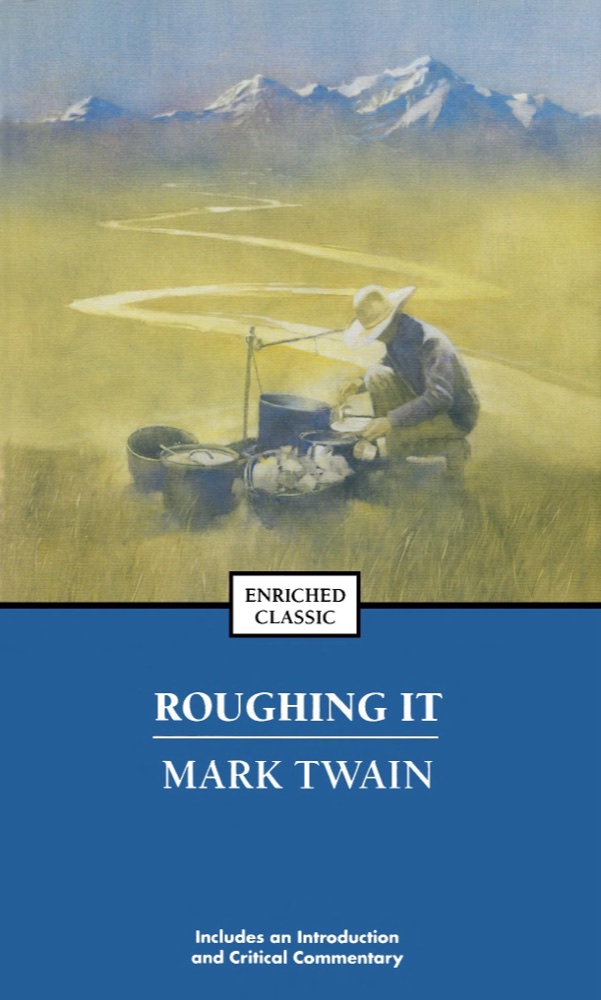 Roughing It
 Go Down, Moses
 Allegiance of Honor
 The Moor's Account
 A Conjuring of Light
 The Scorpion Rules
 A Song to Drown Rivers
 Jubal Sackett
 Always Coming Home
 The Valley of Horses
 Whiskey When We're Dry
 Wayfarer
 Toll the Hounds
 Royal Assassin
 The Wars
 The Adventures of China Iron