
 Death at La Fenice
Quotes from the Book
Revenge, that deformed child of justice, fed itself with blind desire, incapable of seeing what was ahead, caring nothing about means or method, about what it left destroyed in its wake.
1
friends knew the reasons for the divorce, the unfinished degree, the move to a smaller apartment, the lost job, while the chips could provide only the written records. Chips read the documents; friends try to read the heart.
In Campo Manin, the bodies of dead shops lined the way to the canal. There was a dead Middle Eastern fast-food place, a dead sporting goods shop, a dead clothes shop with two dead mannequins in the window, and, at last, the dead travel agency. Luckily, shops didn't have toes, for then each of them would have had a tag tied to their left big toe listing their name, age and presumed cause of death. Those here in the campo had all died of Covid.
While del Balzo spoke, Brunetti turned off his ears and observed the speaking man, a habit he had developed during years of interrogating suspects, listening to witnesses, or sometimes hearing his children explain their school grades. Usually, some uncontrolled part of the bod–-a foot, a finger, or even a nose--gave evidence of the state of affairs inside the speaker; further, the non-listening listener could not be lulled by flattery or charm, nor by persuasive numbers. He simply watched a person, looking for evidence that what they were saying was not what they knew or believed.
He slowed his pace to hers, and they walked automatically, neither of them having to hesitate about where to turn or which bridge to take: the unconscious navigation of the average Venetian is surpassed only by that of the albatross.
Still recovering from the idea that there existed people who sent money through the post, Brunetti asked, ‘Anyone else?
Cicero’s Against Verres and its denunciation of a corrupt official, Brunetti’s
Have you been reading the letters of Rosa Luxemburg again, Donatella?’ Brunetti asked in a normal voice. She laughed her bright laugh, a sound he delighted in hearing because to be thought clever or amusing by this woman was, to Brunetti, a jewel of great price. ‘No dear, not recently. Besides, they’re very serious and filled with lofty thoughts about the inner contradictions of capitalism, and I’m too old to enjoy reading things like that.’ She gave him a level glance as though she were testing how far she could go – the same look he had sometimes been given by her daughter – and added, ‘And too rich.’ This time it was Brunetti who laughed.
The autumn had been unseasonably dry, and the vines that had taken up residence on the canal side of the brick wall surrounding the property extended themselves in parched desperation towards the water. Brunetti was struck by the resemblance between the vines, exposed to the sun almost all day, every day, and The Raft of the Medusa. The human limbs in the foreground of the painting, like the vines on the wall, fell weakly towards the water, while the figures behind stretched towards a glimpse of what might be a boat, a speck of land, or yet another swiftly arriving wave, bent on their destruction. How much worse the vines looked than the men on the raft, even though the accounts of the incident that had inspired the painting spoke of dehydration and starvation.
He remembered, years ago, trying to tell her that they did the same thing, he and she: they tried to discover why people did things. They listened to people talk about themselves and others, and they realized that some of them were, and some were not, telling the truth. They realized further that some people said things that were not true because they’d been told them by people who were lying or mistaken. The last time they’d talked about this, Brunetti said that what his daily routine lacked was the luxury of a reliable narrator. Paola did nothing more than smile.
Brunetti was certain she had gone to Catholic schools: it was only there that children mastered the alchemical formula of untruth and hypocrisy that was sure to persuade even the most sceptical listener.
time had been busy with the flesh around her eyes and under her chin.
Watch on YouTube
About Donna Leon
We have collected 76 quotes from 9 books by Donna Leon on BookQuoters.
More about the author →More by Donna Leon
All books by Donna Leon →

About the book
Brunetti is forced to confront the price of loyalty, to his past and in his work, as a seemingly innocent request leads him into troubling waters.
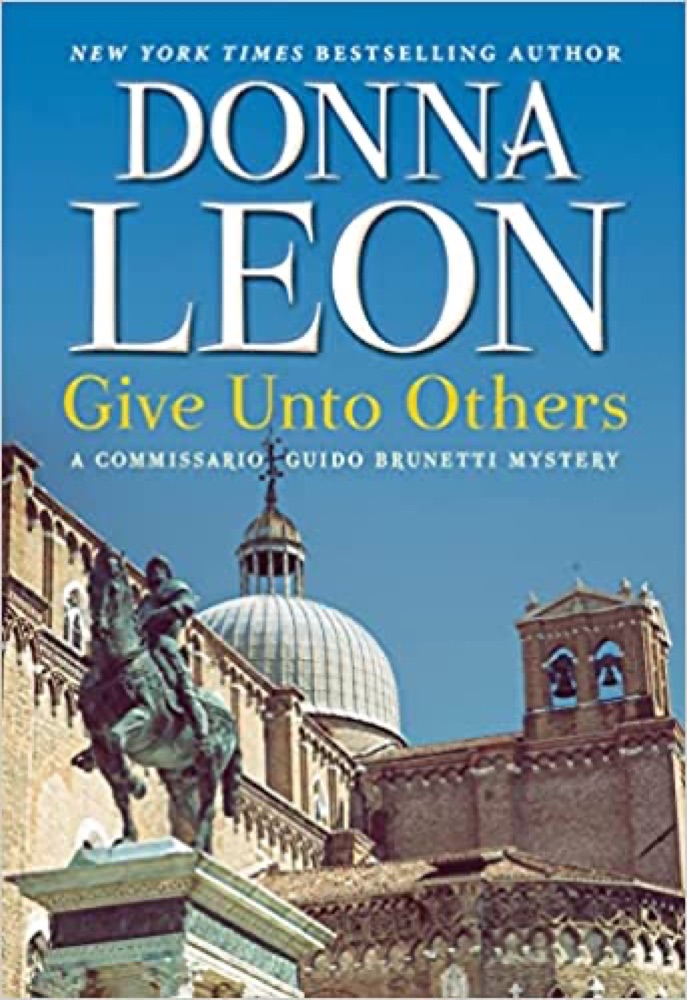
What role can or should loyalty play in the life of a police inspector? It's a question Commissario Guido Brunetti must face and ultimately answer in Give Unto Others, Donna Leon's splendid 31st installment of her acclaimed Venetian crime series.
Brunetti is approached for a favor by Elisabetta Foscarini, a woman he knows casually, but her mother was good to Brunetti's mother, so he feels obliged to at least look into the matter privately, and not as official police business. Foscarini's son-in-law, Enrico Fenzo, has alarmed his wife (her daughter) by confessing their family might be in danger because of something he's involved with. Since Fenzo is an accountant, Brunetti logically suspects the cause of danger is related to the finances
Book details
- First published
- 2022
- Author
- Donna Leon
- Genre
- Mystery
- Goodreads rating
- 4.07 (10k ratings)
The buzz
- Kirkus ReviewsReview in Kirkus Reviewsprofessional review (via Book Marks)
- Publishers WeeklyReview in Publishers Weeklyprofessional review (via Book Marks)
- BooklistReview in Booklistprofessional review (via Book Marks)
- ArtsfuseReview in Artsfuseprofessional review (via Book Marks)
Keep reading
 So Shall You Reap
 About Face
 By Its Cover
 Down Cemetery Road
 Flowers Over the Inferno
 Armadale
 The Leopard
 The Novel Habits of Happiness
 Mohawk
 Don't Look Now and Other Stories
 The Wings of the Dove
 Ship of Fools
 The Little Friend
 Call for the Dead
 The Fraud
 Romola
 What Is Not Yours Is Not Yours
 The Children Act
 Close
Close
 Career of Evil
 Zero History
 My Brilliant Friend
 Belgravia
 Mercury Pictures Presents
 Birnam Wood
 The Custom of the Country
 The Brutal Telling
 Strangers on a Train
 The Magician's Apprentice
 Little Dorrit
 Shut Your Eyes Tight
 All Passion Spent
 The Complete Saki
 The Buccaneers
 The Jewel in the Crown
 No Name
 The Bonfire of the Vanities
 The Complete Stories
 Clown Town
 Those Who Leave and Those Who Stay
 Amongst Our Weapons
 The Transit of Venus
 The Enchantress of Florence
 The Body in the Library
 Joe Country
 The Mask of Dimitrios
 Transcription
 Venetia
 Capital
 A Trick of the Light
 The Light in the Ruins
 Under the Volcano
 Case Histories
 The Expats
 Lapvona
 Velvet Was the Night
 Blue Shoes and Happiness
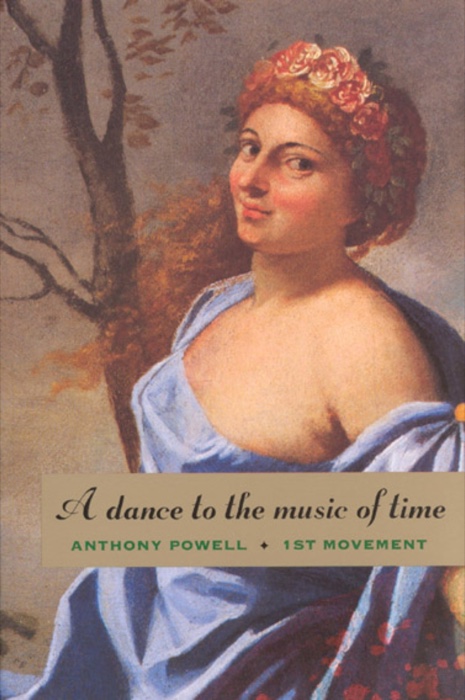 A Dance to the Music of Time: 1st Movement
 A Slow Fire Burning
 Our Country Friends