

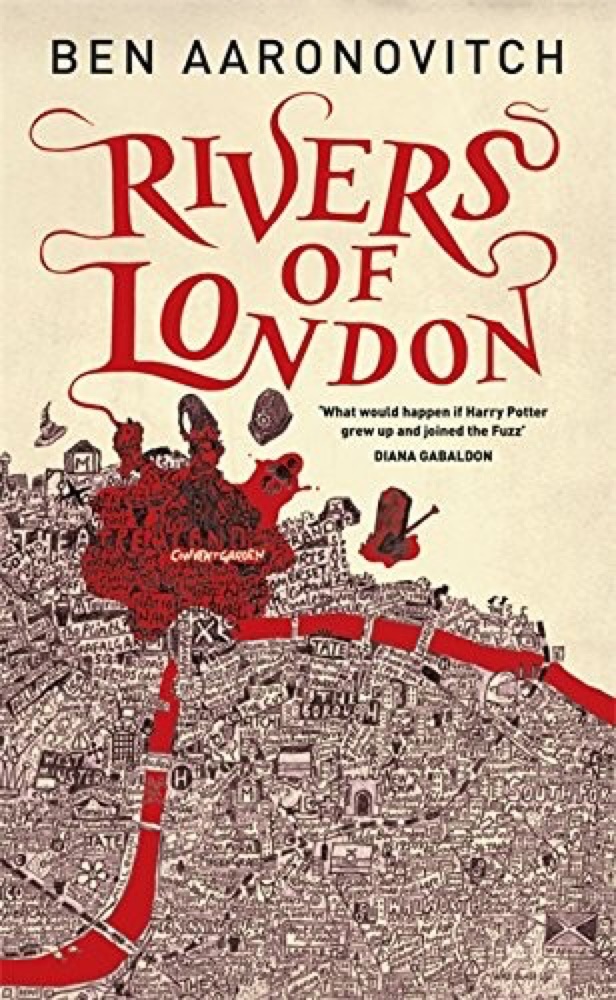
 Rivers of London
Quotes from the Book
Exurge domine et judica causum tuam,’ said Nightingale. ‘“Arise, O God, judge thy own cause.”’ ‘Psalm 73,’ said Postmartin. ‘The motto of the Spanish Inquisition.’ ‘Well, fuck me,’ said Seawoll. ‘I wasn’t expecting them.
5
It never seemed to occur to Heather that Francisca might be a refugee from the dim and distant past—not even when she fainted at her first sight of an airliner. I’d have sussed it on the first day—which just goes to show why more science fiction should be included in the National Curriculum.
4
Then you check for paraphernalia, always bearing in mind that the line between cosplay, magic practice, and niche sex play can get pretty blurry.
4
and part of a successful relationship is learning to live with your beloved’s questionable taste.
4
Whoever had converted the warehouse into offices and flats had obviously done it back in the carefree sixties, when lifts were for wimps and people with disabilities hadn’t been invented.
3
I saw nothing suspicious—which is unusual. A copper can usually find something suspicious if they look hard enough.
3
She bought it, but it took a bit more coaxing to bring out the ring, which she kept on a silver chain around her neck. She even dropped it into my palm after I promised not to throw it down the nearest volcano.
2
Now I was used to it, the bell-like silence was louder than ever, and I was starting to get undertones of orange blossom and incense. You have to be careful with this stuff or you begin to sound like a wine taster—with about the same amount of meaningless bollocks.
2
Perhaps dragons were a Northern thing, like flat caps and an ingrained sense of grievance.
2
and I gave him the police stare. The aim of the stare is to convey cynicism combined with weary patience. I know you’re about to lie to me but because I am a hugely magnanimous agent of state power, I’m willing to give you a moment to think better of it.
2
my therapist constantly tried to convince me that the networking was a displacement activity to help me avoid dealing with my own emotional issues.
1
This was not a room that had been decorated. Rather it had accumulated over time around someone with a yen for comfort and a wicked sense of color.
1
What makes you think I know?' asked Zach, who, if questioned, would deny his own existence out of sheer habit.
1
This was all news to us lower ranks who, while we’d theoretically known Seawoll had parents, had always assumed that he’d been assembled in a factory somewhere outside Wakefield.
1
Every so often we could hear a low keening sound from the foxes, who had been banished to the patio and were staring into the house like the poor starving waifs they definitely weren’t.
1
Psalm 73,” said Postmartin. “The motto of the Spanish Inquisition.” “Well, fuck me,” said Seawoll. “I wasn’t expecting them.
1
Yes,” I said, because you can’t show weakness to posh people or they’ll mercilessly take advantage. I think it’s something they learn at school in between conversational French and practical condescension.
1
Then there were the angels composed of interlocking wheels covered in sparkling eyes, and the seraphim who had six wings and spent their days circling God’s throne, bigging him up through song.
1
That’s the zeitgeist, isn’t it?” I said. “Back in medieval times she would have described it as an angel or a devil or a fairy. Nowadays everything is aliens.
1
Oh great, a bloody side quest,” said Seawoll. But in policing, like in open world RPGs, you get used to chasing after collectables in the hope they’ll help you move things along.
Yes, I’m using the m-word, Peter, because it’s traditional with rings. Don’t get used to it.
If you’re dead, in England and Wales you belong to the local coroner. Invested with powers that predate the Magna Carta, they’re the ones that are charged with finding out what exactly did you in. Originally this was to determine whether the Crown had a right to hoover up your estate—royalty always being short of cash in those days.
What makes you think I know?” asked Zach, who, if questioned, would deny his own existence out of sheer habit.
You can generally tell when and by who a spell was perfected by the name it’s given. Old Newton himself was crap at names, or more precisely didn’t really give a shit. Thus we get telescopium for the telescope spell and kisef for a spell that is supposed to determine the purity of gold but really doesn’t. In the period between Newton’s publication of the second Principia and the founding of the Society of the Wise, the diverse bunch of quacks, ambitious apothecaries, and dangerously independently minded women who were his immediate heirs named their spells however they liked. Dancing Dog does what it says on the tin, although you can use it on most mammals, not just dogs. Not that I’ve seen it in action on account of ethical considerations, and Toby would probably bite me if I tried. I think the posh women that went on to become the Society of the Rose used ancient Greek for some reason, and then there are spells named things like Shazorami!, with an exclamation mark, which comes straight from the music hall.
It was clever, coming as a man, because we were expecting a woman. I would love to say that it was something subtle, like the fact that Nathan always takes his parka off the moment he steps inside and never walks with his hands in his pockets. But really it was because she hadn’t quite got his face right. Lips too thick and nose too wide—he looked like he’d stepped out of an early Asterix comic. Subconscious racism, I thought—it will fuck you up every time.
Back in the Regency, when the Folly was built, the gentry were very clear about the role of servants in society. They were to be helpful, subservient, and, above all, as invisible as possible. To this end, the Folly was built with a number of corridors and stairs to allow the maids and stewards to circulate unseen. They also had semi-secret doors into public areas, and these doors had spyholes to allow loyal servants to check the coast was clear before entering. That this allowed the lower classes to spy on their betters never seemed to occur to the latter.
Prior to Newton,” said Postmartin, “a great deal of weight was given to the notion of correspondence. The idea that one thing, either through resemblance or a symbolic connection, could be used to influence another thing.
I tuned back in at 1478, when Seville became host to the first Spanish Tribunal of the Holy Office of the Inquisition. Three years later they held their first auto-da-fé, which is Latin for “act of faith,” in which sinners were helped to give penance for their sins by being set on fire in front of a festival crowd. Most of these sinners were new Christians who had been judged insufficiently Christian—or worse, secretly Jewish.
Postmartin had briefed us that the Pope had authorized the jolly Dominican friars who formed the bulk of the Inquisition to use torture for information only—not punishment. I’m sure that had been a comfort to the poor sods who were set on fire in the public piazza.
Classic case of recruitment,” said Sugar Niner. I looked over to where the young fox was still sitting on the chair and looking pleased with himself, and asked what he meant. “What’s it worth?” asked Sugar Niner. “You know the rules,” I said. “Information first, payment second.” “What if you don’t like the information?” “Then you don’t get paid.” Sugar Niner gave such a huge and human sigh that I was certain it was put on for effect. “It’s a pattern of behavior,” he said. “The best agent you can have is a trusted member of the opposition, and that’s the same for them, too. So you need to be able to spot someone on your own side who’s been recruited.” “Do foxes join the opposition?” I asked, even as I wondered who the opposition was. “No, but we learn about it in training so we can keep an eye on our human allies.” And Sugar Niner had been taught about Henry Busybody, who worked for the Department of Important Business and thus had access to war secrets. “Which war are we talking about?” I asked. “Not relevant,” said Sugar Niner. “This is a training hypothetical.” So the opposition has three main weapons to gain Henry Busybody’s cooperation—money, sex, and ideology, or, as Sugar Niner put it, “Cheese puffs, mating, and cat dependency.
Watch on YouTube
About Ben Aaronovitch
We have collected 178 quotes from 6 books by Ben Aaronovitch on BookQuoters.
More about the author →More by Ben Aaronovitch
All books by Ben Aaronovitch →
About the book
Now in hardcover, the ninth book of the bestselling Rivers of London urban fantasy series returns to the adventures of Peter Grant, detective and apprentice wizard, as he solves magical crimes in the city of London.
This next book in the bestselling UK series follows Peter Grant, an ordinary constable turned magician's apprentice, as he solves crimes across London in a sensational blend of inventive urban fantasy, gripping mystery thriller, and hilarious fantasy caper.
Book details
- First published
- 2022
- Author
- Ben Aaronovitch
- Genre
- Fantasy
- Goodreads rating
- 4.32 (21k ratings)
Keep reading
 Lies Sleeping
 Broken Homes
 Foxglove Summer
 The Rise and Fall of D.O.D.O.
 The Aeronaut's Windlass
 The Hexologists
 Clown Town
 The Truth: Stage Adaptation
 Interesting Times
 The Rook
 London Rules
 Zero History
 Unseen Academicals
 Carpe Jugulum
 A Beautiful Blue Death
 Dead Lies Dreaming
 Rogues
 Side Jobs: Stories from the Dresden Files
 Spiderlight
 The Midnight Mayor
 Speaking from Among the Bones
 Jonathan Strange & Mr Norrell
 The Fear Institute
 Dexter By Design
 The Absolute Book
 Authority
 A Perilous Undertaking
 The Woman Who Died a Lot
 Whose Body?
 The Tainted Cup
 Pastoralia
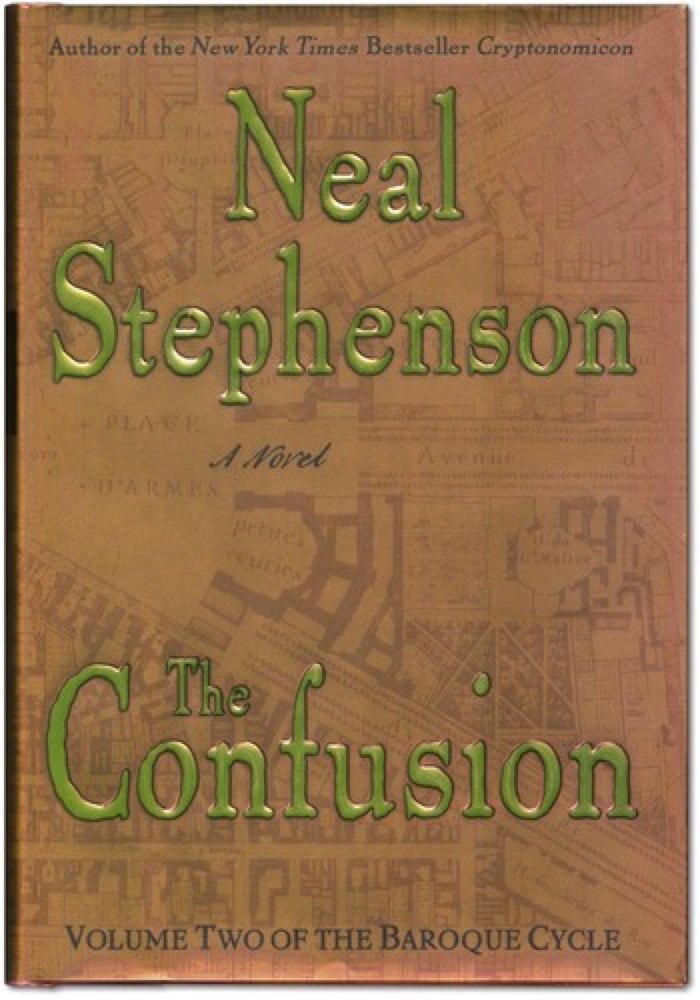 The Confusion
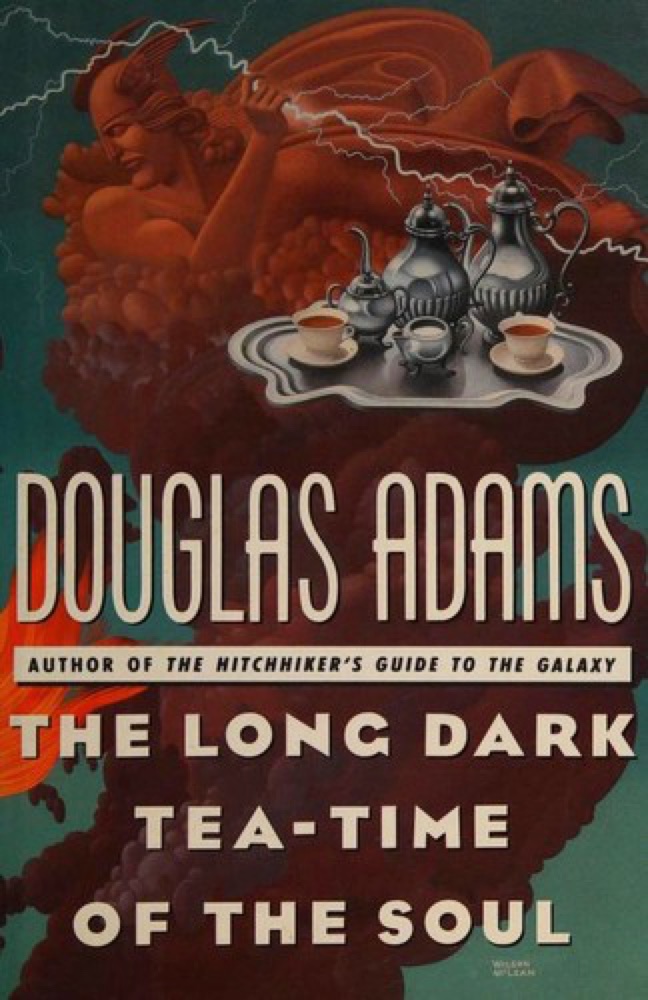 The Long Dark Tea-Time of the Soul
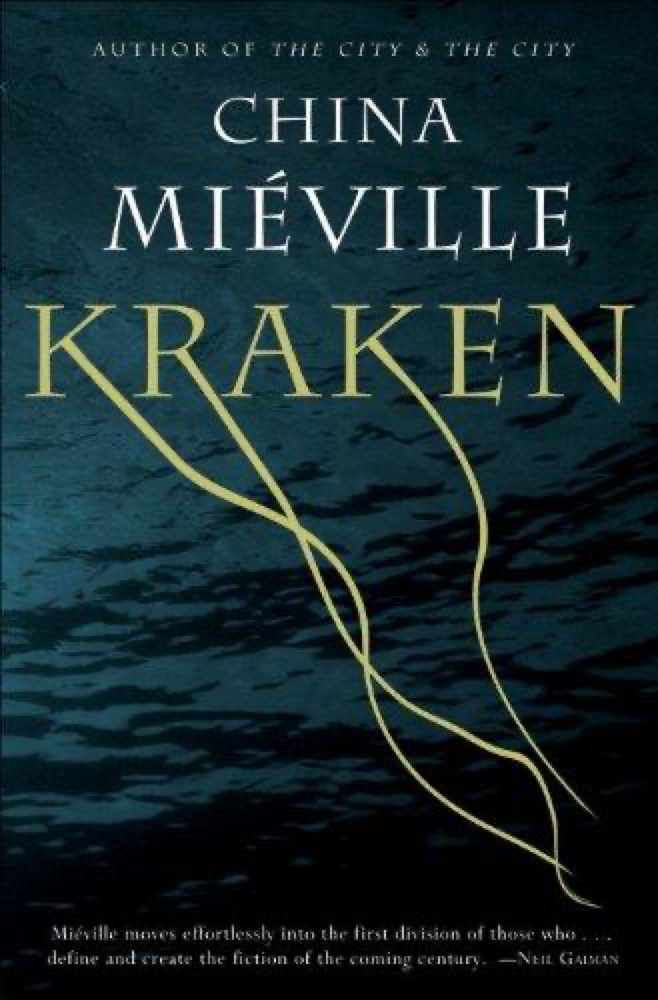 Kraken
 The Peripheral
 The Diviners
 The Blood Mirror
 The Clocks
 The City & the City
 Omens
Omens
 The Palace Job
 Slough House
 Sweep in Peace
 Fifth Business
 Anathem
 Thrice the Brinded Cat Hath Mew'd
 Competence
 The Song of the Quarkbeast
 What Time the Sexton's Spade Doth Rust
 Sixty Stories
 What Is Not Yours Is Not Yours
 The Emperor's Edge
 A Drop of Corruption
 Bloodshot
 NGLND XPX
 Hemlock & Silver
 Revelation Space
 The Eyre Affair
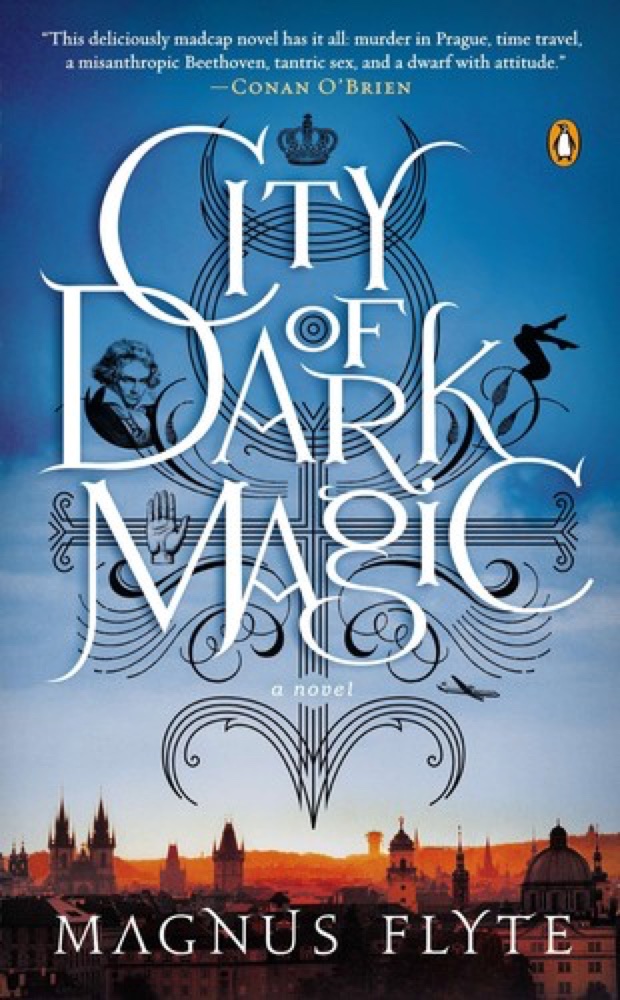 City of Dark Magic
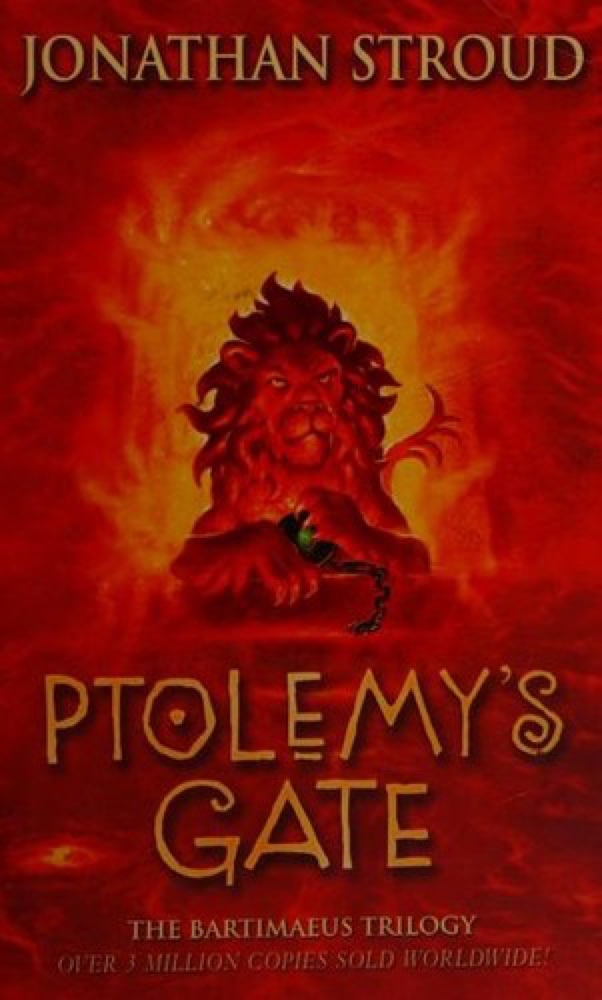 Ptolemy's Gate