
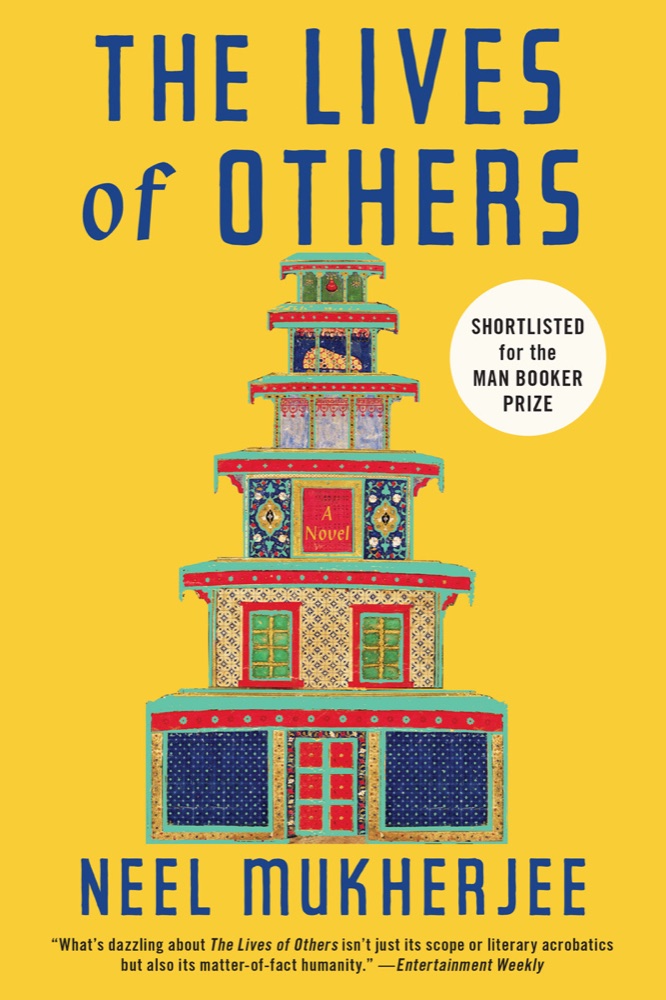
 The Lives of Others
Quotes from the Book
it’s not we who control money, it’s the money that controls us. When there’s only a little, it behaves meekly; when it grows, it becomes brash and has its way with us.
49
When you have no choice, you have no discontent either.
39
Words, after all, are nothing by themselves. They burst into meaning only in the minds they’ve entered.
36
On that day I became convinced that it is the words of women that deeply wound other women.
20
The well-being of any household rests on selective acts of blindness and deafness.
16
Language communicates in terms of what is already know; it chokes up when asked to deal with entirely unprecedented.
15
Ours is a joint family. We live in the same house - my wife and I, my parents, my uncle and Malati. Malati is my older sister, back home now after having left her husband. It is natural to wonder, I suppose, why the six of us should want to live together. What can I say - it is one of the strengths of families to pretend that they desire what is unavoidable.
8
That single moment's intensity hasn't been matched in my life before or since. A woman I didn't know had chosen to accept me, in body and mind. Perhaps it is this instant that forms the basis of traditional marriage—a complete stranger is suddenly mine. And then, I am hers, too; I must offer her my all. I want her to wield her power over me as an acknowledgment of my love. The rush of those feelings all at once is too much to describe. Language communicates in terms of what is already known; it chokes up when asked to deal with the entirely unprecedented.
8
Words after all are nothing by themselves. They burst into meaning only in the minds they’ve entered.
6
Silence descended on the house. [....] Amma must have sensed that this was the sort of silence that, left unchallenged, could consume the family from within.
6
Amma and i went to each house to tell them we were leaving. They all said, 'Don't forget us. Keep visiting.' At the age I was then, this seemed absurd. i had grown up among them - how was it even possible to forget these people? Now I see what they meant.
4
Words after all are nothing by themselves.
4
the sword of insult seldom cuts on the surface. No, it lacerates from within and leaves wounds that reopen with remembrance.
3
what agent of death is as discreet as words?
3
If we wanted new clothes, we knew exactly how much he could spare and what cuts would have to be made elsewhere. The result was that we simply did not desire what we couldn't afford. When you have no choice, you have no discontent, either.
3
Cakes as good as the coins they cost.
3
the last strands of a relationship can break from a single glance or a moment of silence.
2
Appa enjoys our current prosperity with considerable hesitation, as if it were undeserved. He’s given to quoting a proverb that says wealth shouldn’t strike suddenly like a visitation, but instead grow gradually like a tree.
2
It’s true what they say – it’s not we who control money, it’s the money that controls us. When there’s only a little, it behaves meekly; when it grows, it becomes brash and has its way with us.
2
Language communicates in terms of what is already known; it chokes up when asked to deal with the entirely unprecedented.
1
We were thrown off balance by her love for one of us, and so we tore into her with such vengeance that she collapsed to the ground, sobbing.
1
It's true what they say- it's not we who control money, it's the money that controls us. When there's only a little, it behaves meekly; when it grows, it becomes brash and has its way with us. -Ghachar Ghochar
1
Now, unlike rats and cats, ants don't make things fall in the night and wake people up. I can only imagine the clamour they must have created in her mind.
1
The result was that we simply did not desire what we couldn’t afford. When you have no choice, you have no discontent either.
1
Sir, you may want to wash your hand. There's blood on it.
1
We had no compunction toward our enemies [the ants] and took to increasingly desperate and violent means of dealing with them. If we noticed they'd laid siege to a snack, we might trap them in a circle drawn with water and take away whatever they were eating, then watch them scurry about in confusion before wiping them off the floor with a wet cloth. I took pleasure in seeing them shrivel into black points when burning coals were rolled over them. When they attacked an unwashed pan or cup they'd soon be mercilessly drowned. I suppose initially each of us did these things only when we were alone, but in time, we began to be openly cruel. We came around to Amma's view of them as demons come to swallow our home and became a family that took pleasure in their destruction. We might have changed houses since, but habits are harder to change.
1
It’s true what they say – it’s not we who control money
it is the words of women that deeply wound other women. I’d
Look, Sarasa, it’s not enough just to inspect the upper surface while buying a dosa pan. You should look at its base too. It too must have an even surface. And if you start using it from day one as if it’s a non-stick – that’s it! Your dosas will stick to the pan and come out a mess. There’s a procedure to get it ready for use. In our house we’d apply oil to the pan and keep it near the stove’s flame for several days. Sometimes we’d keep it out in the sun too. After it was heated up we’d wash it, scrubbing it with coconut coir. We’d keep doing this till the pan soaked up all the oil and became ready. An ideal pan should be coarse enough for the batter not to slide away, but smooth enough that the dosa shouldn’t stick when lifted. That’s when a pan is ready …
Watch on YouTube
About Vivek Shanbhag
About the book
A young man's close-knit family is nearly destitute when his uncle founds a successful spice company, changing their fortunes overnight. As they move from a cramped, ant-infested shack to a larger house on the other side of Bangalore, and try to adjust to a new way of life, the family dynamic begins to shift. Allegiances realign; marriages are arranged and begin to falter; and conflict brews ominously in the background. Things become “ghachar ghochar”—a nonsense phrase uttered by one meaning something tangled beyond repair, a knot that can't be untied.
Elegantly written and punctuated by moments of unexpected warmth and humor, Ghachar Ghochar is a quietly enthralling, deeply unsettling novel about the shifting meanings—and consequences—of financial gain in contemporary India.
Book details
- First published
- 2013
- Author
- Vivek Shanbhag
- Genre
- Fiction
- Goodreads rating
- 3.88 (21k ratings)
The buzz
- The New York TimesReview in The New York Timesprofessional review (via Book Marks)
- The Wall Street JournalReview in The Wall Street Journalprofessional review (via Book Marks)
- The GuardianReview in The Guardianprofessional review (via Book Marks)
- NPRReview in NPRprofessional review (via Book Marks)
- AsianreviewofbooksReview in Asianreviewofbooksprofessional review (via Book Marks)
Keep reading
The Lives of Others
 The Jewel in the Crown
 The Handmaid's Tale
 The Kite Runner
 The Story of a New Name
 Cuckold
 The Ministry of Utmost Happiness
 Trust
Trust
 Anthills of the Savannah
 That Hideous Strength
 A Fraction of the Whole
 Ancillary Sword
 Sacred Hunger
 White Teeth
 The Mime Order
 Q & A
Q & A
 Out of Oz
 Possession
 The Testaments
 The Moonstone
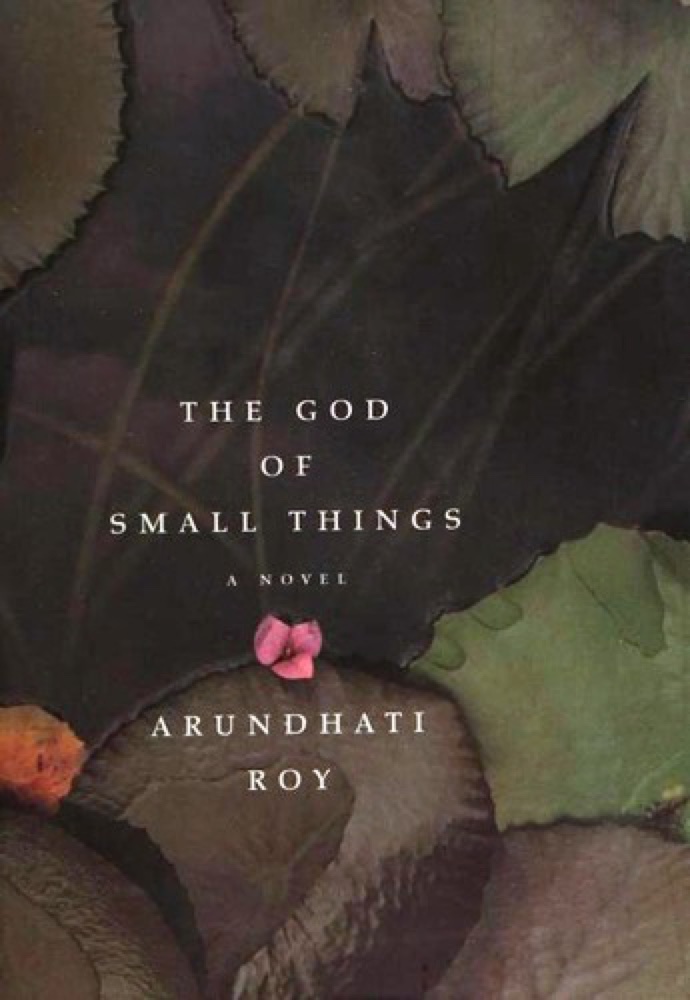 The God of Small Things
 Embassytown
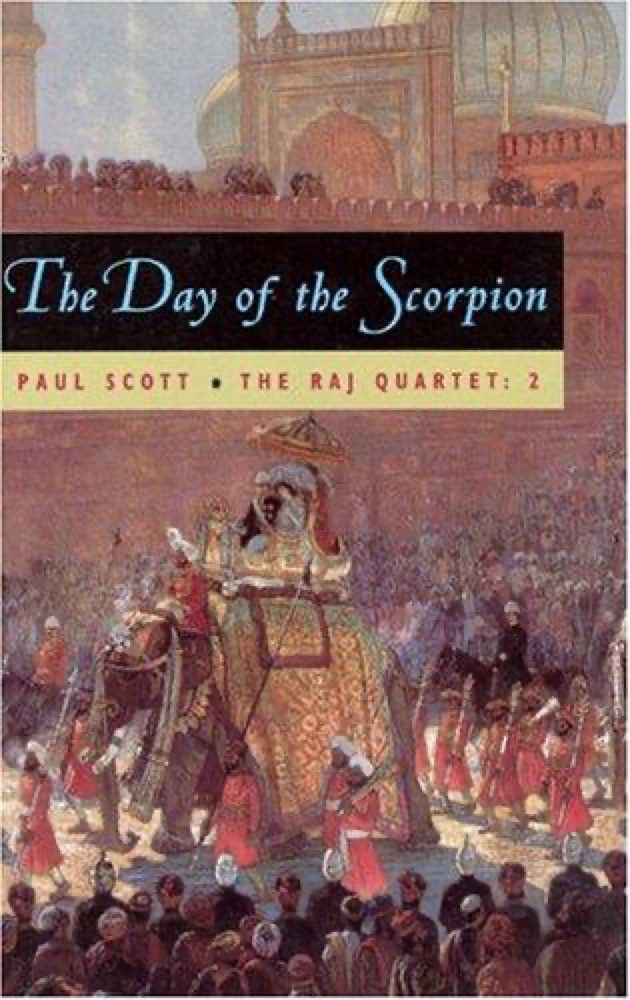 The Day of the Scorpion
 The Fall of Babel
 Red Mars
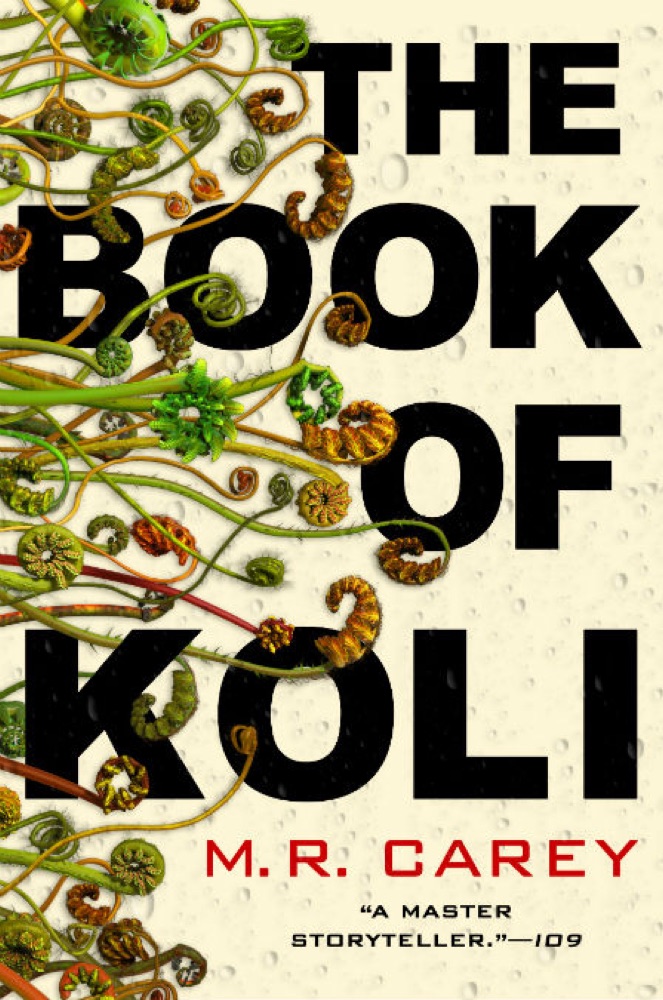 The Book of Koli
 The Quiet Game
 Speaking from Among the Bones
 Embers
 The Bone Clocks
 The Fall
 The Death of the Heart
 Death Comes as the End
 We Were the Mulvaneys
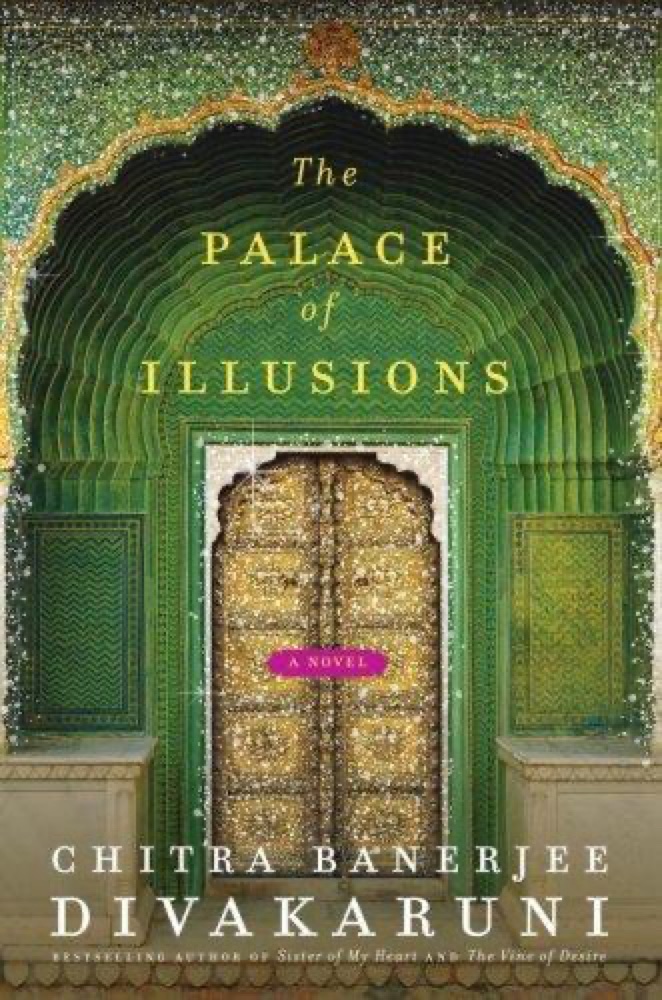 The Palace of Illusions
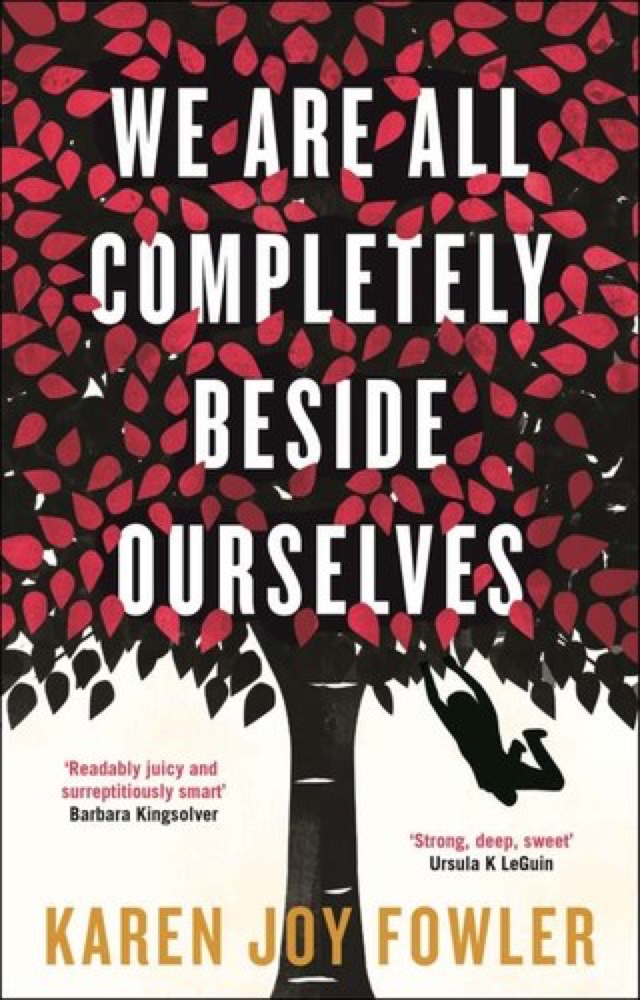 We Are All Completely Beside Ourselves
 Here I Am
 Ghostwritten
 Hold Tight
 Children of the Mind
 The Razor's Edge
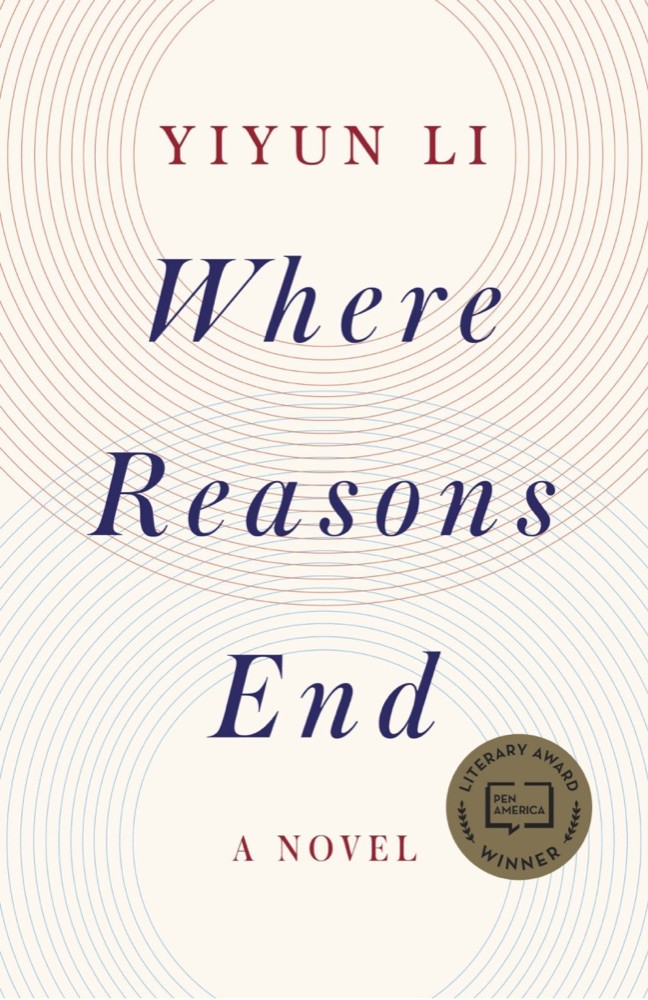 Where Reasons End
 The Hour I First Believed
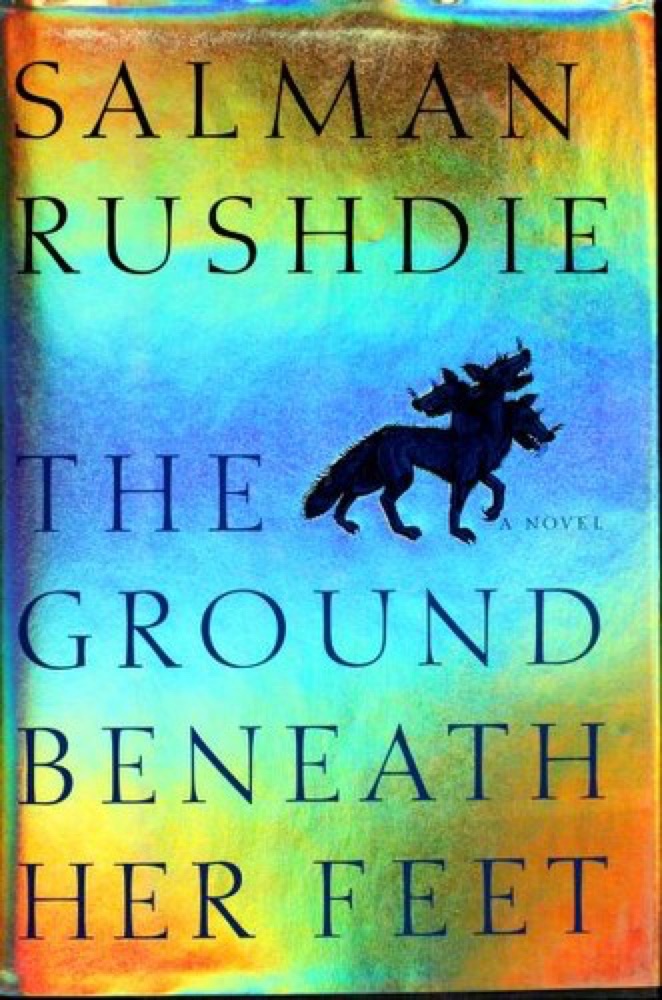 The Ground Beneath Her Feet
 What Time the Sexton's Spade Doth Rust
 The Invasion of the Tearling
 All the King's Men
 Sixty Stories
 The Power
 Rapture
 The Story of the Lost Child
 The Hod King
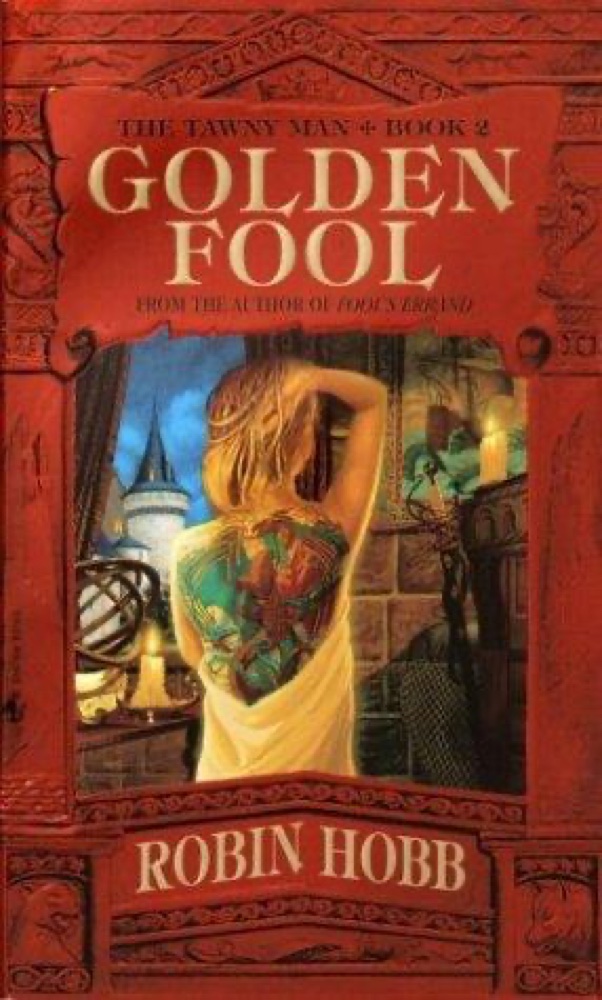 Golden Fool
 The Tsar of Love and Techno
 Too Much Happiness: Stories
 Em and The Big Hoom
 Shadow of the Hegemon
 The Dinner
 What Is Not Yours Is Not Yours
 The Devil Takes You Home