 Treasure Island
Quotes from the Book
If he be Mr. Hyde" he had thought, "I shall be Mr. Seek.
552
Quiet minds cannot be perplexed or frightened but go on in fortune or misfortune at their own private pace, like a clock during a thunderstorm.
539
If I am the chief of sinners, I am the chief of sufferers also.
343
It is one thing to mortify curiosity, another to conquer it.
304
I learned to recognise the thorough and primitive duality of man; I saw that, of the two natures that contended in the field of my consciousness, even if I could rightly be said to be either, it was only because I was radically both.
278
With every day, and from both sides of my intelligence, the moral and the intellectual, I thus drew steadily nearer to the truth, by whose partial discovery I have been doomed to such a dreadful shipwreck: that man is not truly one, but truly two.
233
You must suffer me to go my own dark way.
220
All human beings, as we meet them, are commingled out of good and evil: and Edward Hyde, alone, in the ranks of mankind, was pure evil.
152
I sat in the sun on a bench; the animal within me licking the chops of memory; the spiritual side a little drowsed, promising subsequent penitence, but not yet moved to begin.
136
There comes an end to all things; the most capacious measure is filled at last; and this brief condescension to evil finally destroyed the balance of my soul.
134
Jekyll had more than a father's interest; Hyde had more than a son's indifference.
115
She had an evil face, smoothed by hypocrisy; but her manners were excellent.
110
You start a question, and it's like starting a stone. You sit quietly on the top of a hill; and away the stone goes, starting others...
109
I incline to Cain's heresy," he used to say quaintly: "I let my brother go to the devil in his own way.
74
The secret to a happiness is a small ego. And a big wallet. Good wine helps, too. But that's not really a secret, is it?
71
Good and evil are so close as to be chained together in the soul.
58
I have been made to learn that the doom and burden of our life is bound forever on man’s shoulders; and when the attempt is made to cast it off, it but returns upon us with more unfamiliar and more awful pressure.
54
I sometimes think if we knew all, we should be more glad to get away.
53
I rushed to the mirror. At the sight that met my eyes, my blood was changed to something thin and icy. Yes, I had gone to bed Henry Jekyll, I had awakened Edward Hyde. How was this to be explained? I asked myself; and then, with another bound of terror - how was it to be remedied?
52
Some day...after I am dead, you may perhaps come to learn the right and wrong of this. I cannot tell you.
49
The less I understood of this farrago, the less I was in a position to judge of its importance.
49
I had learned to dwell with pleasure as a beloved daydream on the thought of the separation of these elements. If each I told myself could be housed in separate identities life would be relieved of all that was unbearable the unjust might go his way delivered from the aspirations and remorse of his more upright twin and the just could walk steadfastly and securely on his upward path doing the good things in which he found his pleasure and no longer exposed to disgrace and penitence by the hands of this extraneous evil.
45
I have been doomed to such a dreadful shipwreck: that man is not truly one, but truly two. I say two, because the state of my own knowledge does not pass beyond that point. Others will follow, others will outstrip me on the same lines; and I hazard the guess that man will be ultimately known for a mere polity of multifarious, incongruous and independent denizens. I, for my part, from the nature of my life, advanced infallibly in one direction and in one direction only. It was on the moral side, and in my own person, that I learned to recognise the thorough and primitive duality of man; I saw that, of the two natures that contended in the field of my consciousness, even if I could rightly be said to be either, it was only because I was radically both; and from an early date, even before the course of my scientific discoveries had begun to suggest the most naked possibility of such a miracle, I had learned to dwell with pleasure, as a beloved daydream, on the thought of the separation of these elements. If each, I told myself, could be housed in separate identities, life would be relieved of all that was unbearable; the unjust might go his way, delivered from the aspirations and remorse of his more upright twin; and the just could walk steadfastly and securely on his upward path, doing the good things in which he found his pleasure, and no longer exposed to disgrace and penitence by the hands of this extraneous evil. It was the curse of mankind that these incongruous faggots were thus bound together—that in the agonised womb of consciousness, these polar twins should be continuously struggling. How, then were they dissociated?
44
His affections, like ivy, were the growth of time, they implied no aptness in the object.
38
Strange as my circumstances were, the terms of this debate are as old and commonplace as man; much the same inducements and alarms cast the die for any tempted and trembling sinner; and it fell out with me, as it falls with so vast a majority of my fellows, that I chose the better part and was found wanting in the strength to keep to it.
36
I feel very strongly about putting questions; it partakes too much of the style of the day of judgement. You start a question, and it's like starting a stone. You sit quietly on the top of a hill; and away the stone goes, starting others; and presently some bland old bird (the last you would have thought of) is knocked on the head in his own back garden, and the family have to change their name. No, sir, I make it a rule of mine: the more it looks like Queer Street, the less I ask.
34
It was for one minute that I saw him, but the hair stood upon my head like quills. Sir, if that was my master, why had he a mask upon his face?
34
This was the shocking thing; that the slime of the pit seemed to utter cries and voices; that the amorphous dust gesticulated and sinned; that what was dead, and had no shape, should usurp the offices of life. And this again, that that insurgent horror was knit to him closer than a wife, closer than an eye; lay caged in his flesh, where he heard it mutter and felt it struggle to be born; and at every hour of weakness, and in the confidence of slumber, prevailed against him, and deposed him out of life.
31
Under the strain of this continually impending doom and by the sleeplessness to which I now condemned myself, ay, even beyond what I had thought possible to man, I became, in my own person, a creature eaten up and emptied by fever, languidly weak both in body and mind, and solely occupied by one thought: the horror of my other self.
28
I have lost confidence in myself.
26
Did you know?
- The book was published in January 1886, with the American Scribner's edition appearing a few days before the British Longmans edition.
- Stevenson said the central idea came to him in a dream, and he reportedly wrote the first draft in a matter of days.
- The character of the duplicitous Jekyll was partly inspired by the real Edinburgh figure Deacon Brodie, a respectable craftsman by day and burglar by night.
- It sold close to 40,000 copies in Britain within six months and an estimated quarter of a million copies in the United States by 1901.
- The phrase "Jekyll and Hyde" has entered common usage to describe a person with a dual or contradictory personality.
About Robert Louis Stevenson
Robert Louis Stevenson (1850-1894) was a Scottish novelist, essayist, and poet best known for "Treasure Island", "Kidnapped", and "Strange Case of Dr Jekyll and Mr Hyde". Plagued by ill health, he traveled widely and spent his final years in Samoa.
More about the author →More by Robert Louis Stevenson
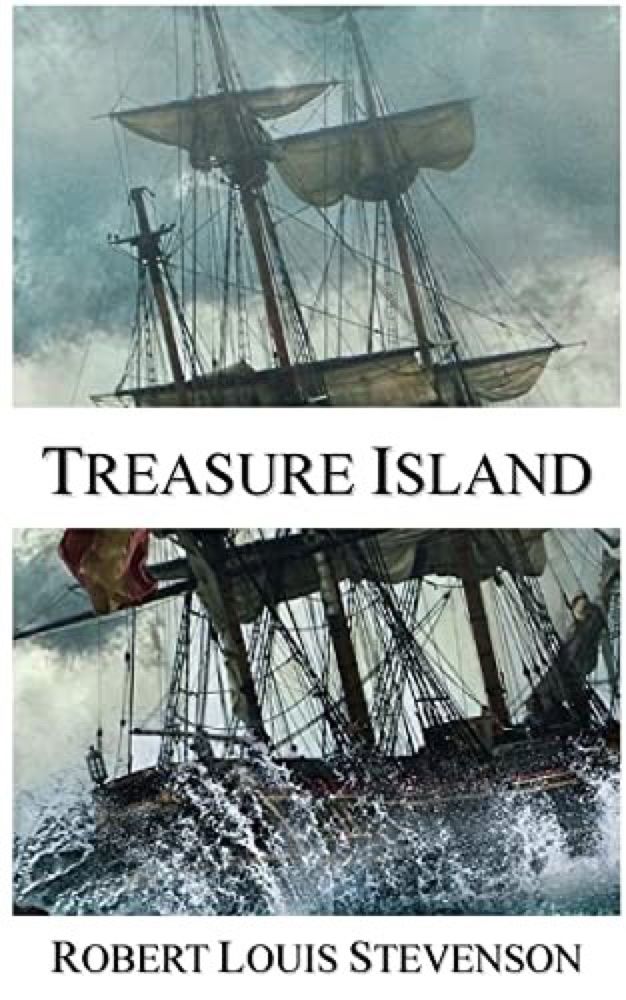
Treasure Island
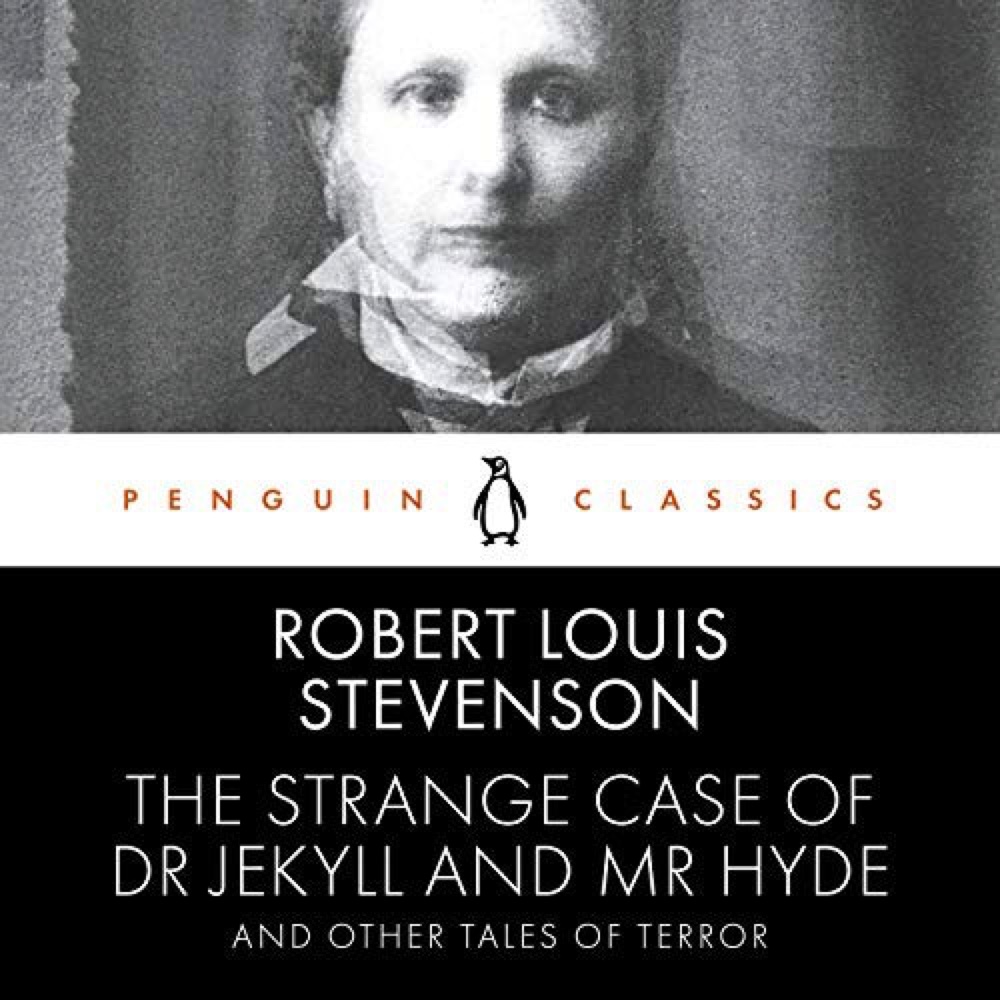 The Strange Case of Dr. Jekyll and Mr. Hyde and Other Tales of Terror
 A Child's Garden of Verses
 The Black Arrow
About the book
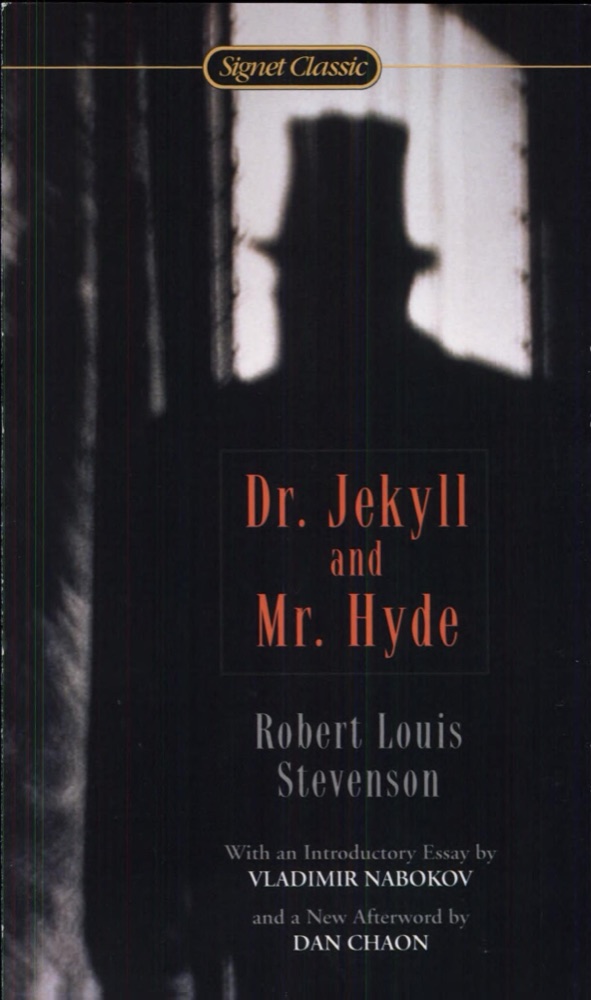
Robert Louis Stevenson's "Strange Case of Dr Jekyll and Mr Hyde" is a short Gothic novella told largely through the eyes of the London lawyer Gabriel John Utterson, who grows alarmed by the strange hold a brutish young man named Edward Hyde seems to have over his respected friend, the physician Dr. Henry Jekyll. As Utterson investigates a chain of disturbing events, the mystery builds toward the revelation of how Jekyll and Hyde are connected.
At its heart the book is a study of the duality of human nature: the tension between outward Victorian respectability and the private appetites it suppresses. Stevenson dramatizes ideas of good and evil, repression and indulgence, and the self-destructive pull of what reads like addiction, all set against the fog and shadow of a divided London.
Published in early 1886, the novella was an immediate commercial and critical success, selling tens of thousands of copies within months and hundreds of thousands in the United States by the turn of the century. It quickly entered popular culture, spawning more than a hundred stage and screen adaptations, and the phrase "Jekyll and Hyde" became shorthand for a split or contradictory personality.
Key characters
- Gabriel John UttersonLondon lawyer and friend of Jekyll whose investigation drives the story
- Dr. Henry JekyllRespected physician hiding a dark secret
- Edward HydeA violent, repellent man mysteriously linked to Jekyll
- Dr. Hastie LanyonPhysician and former friend of Jekyll estranged over his ideas
- Mr. EnfieldUtterson's relative who first witnesses Hyde's cruelty
- PooleJekyll's loyal butler
Book details
- First published
- 1886
- Length
- 141 pages
- Reading time
- 2 hours
- Author
- Robert Louis Stevenson
- Genre
- Classics
- Goodreads rating
- 3.83 (686k ratings)
- First line
- “Mr. Utterson the lawyer was a man of a rugged countenance that was never lighted by a smile; cold, scanty and embarrassed in discourse; backward in sentiment; lean, long, dusty, dreary and yet somehow lovable.”
Critical reception
- The novella achieved immediate success on publication in 1886.
- It sold roughly 40,000 copies in Britain within six months of release.
- By 1901 it had sold an estimated 250,000 copies in the United States.
- It has been adapted into well over a hundred stage and film versions and is regarded as a classic of English literature.
Movie & TV adaptations
- IMDb
- IMDb
- IMDb
- IMDb
Keep reading
The Strange Case of Dr. Jekyll and Mr. Hyde and Other Tales of Terror
 Frankenstein
 The Lifted Veil
 Faust
Faust
 The Untouchable
 The Lords of Discipline
 Shadow & Claw
 A Hero of Our Time
 Confessions
 Wieland and Memoirs of Carwin the Biloquist
 Jude the Obscure
 Melmoth the Wanderer
 Lord Jim
 Diary of a Drug Fiend
 Daniel Deronda
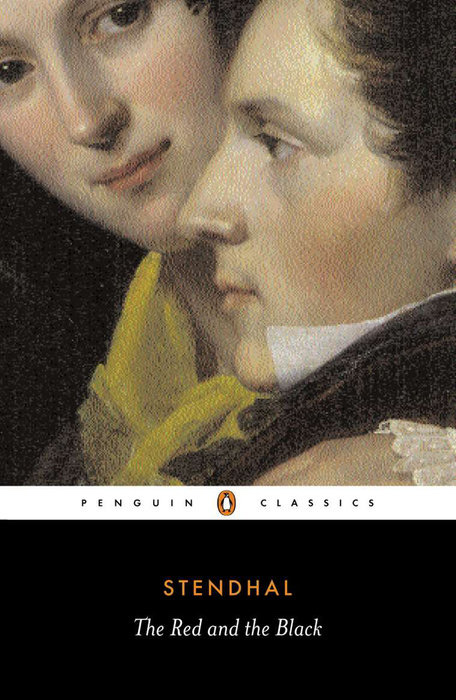 The Red and the Black
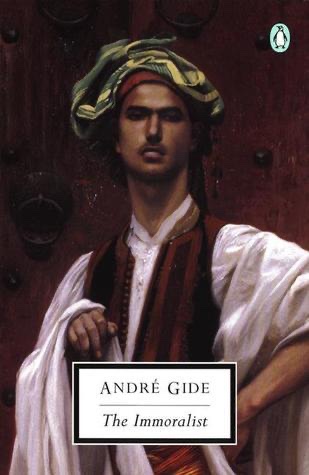 The Immoralist
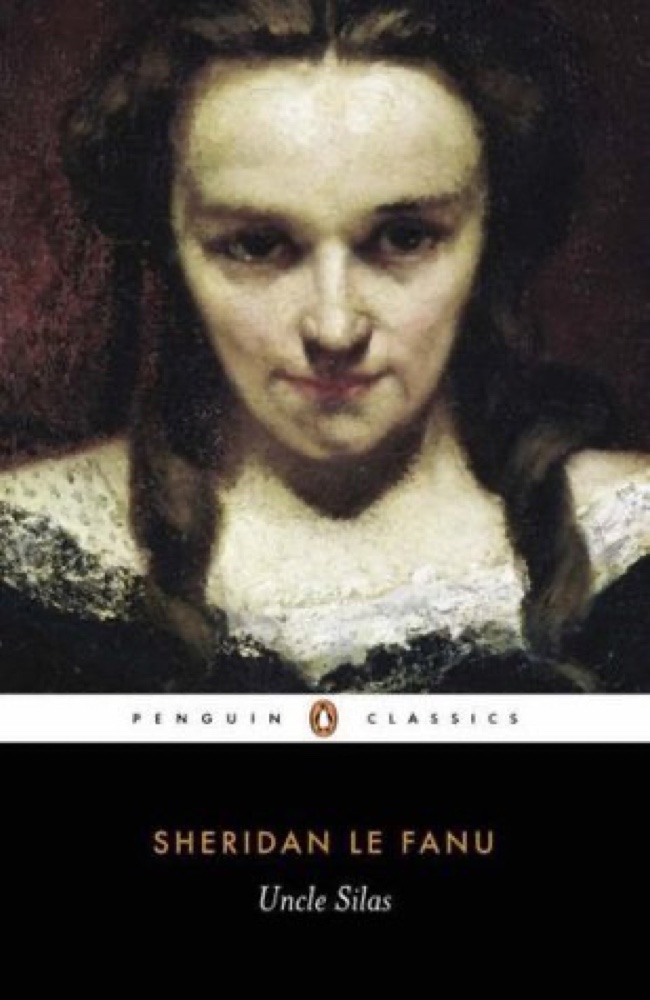 Uncle Silas
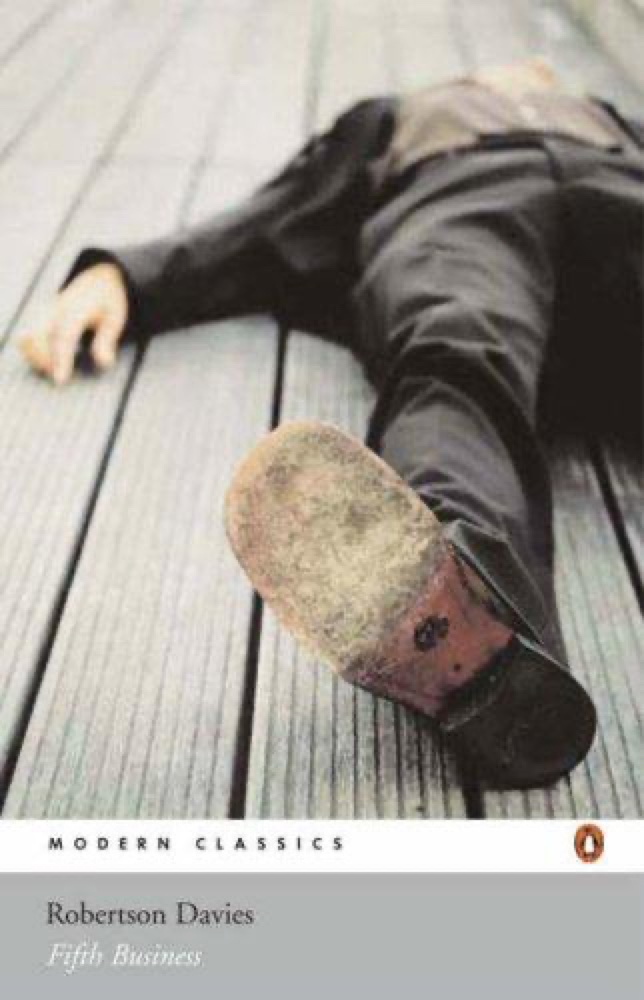 Fifth Business
 The Turn of the Screw
 Les Chants de Maldoror
 Uncle Tom's Cabin
 Humboldt's Gift
 The Blithedale Romance
 The Damnation Game
 Invitation to a Beheading
 March
March
 Laura
Laura
 The Story of a New Name
 Crime and Punishment
 Lost in the Funhouse
 Beyond Good and Evil
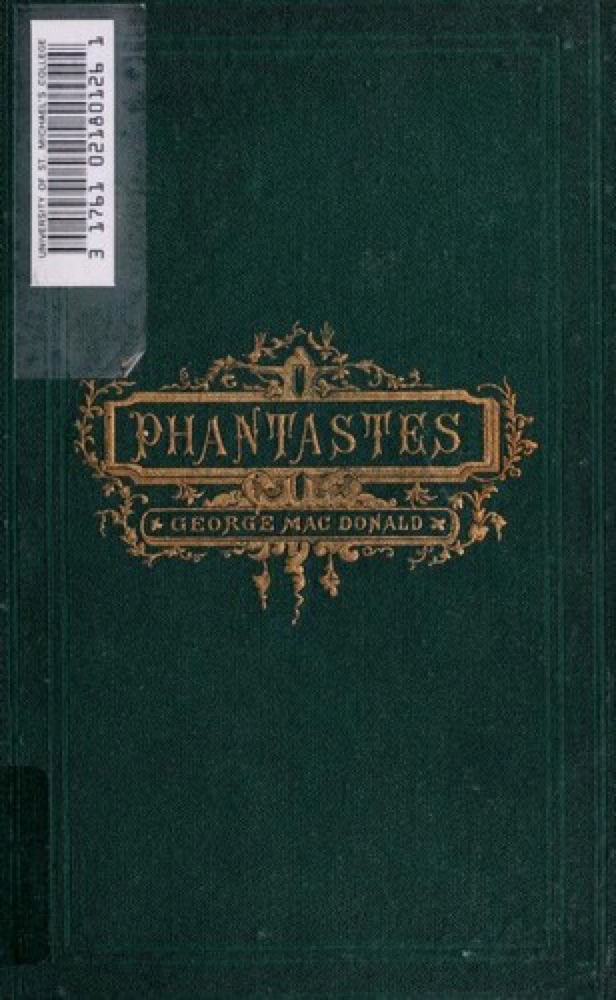 Phantastes
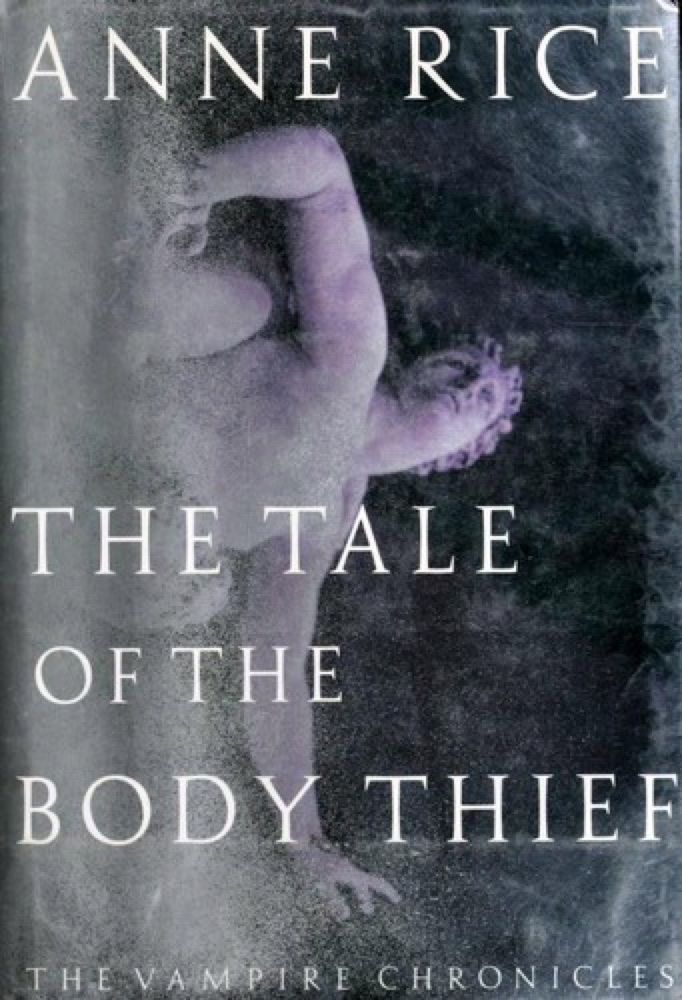 The Tale of the Body Thief
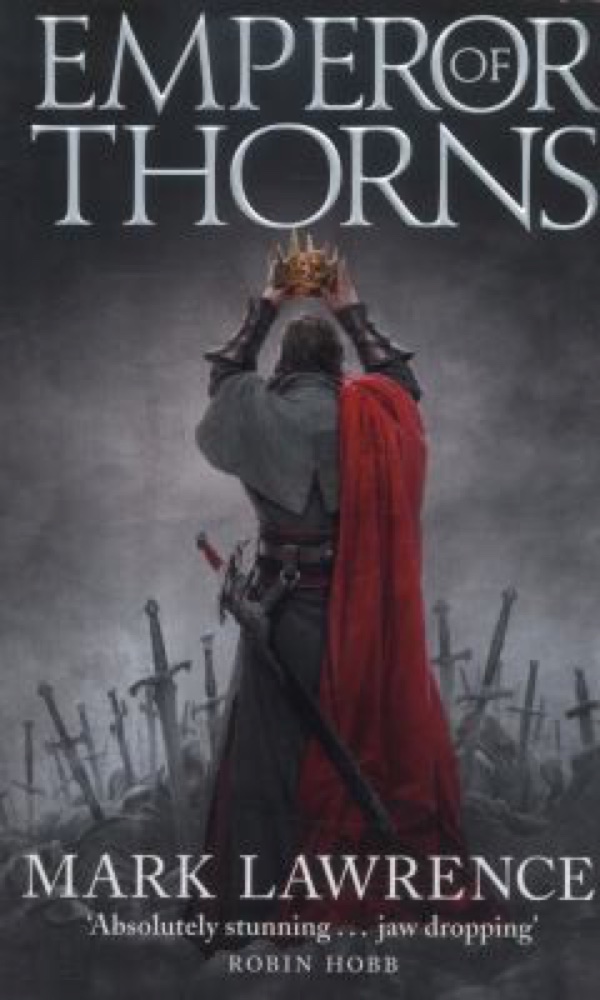 Emperor of Thorns
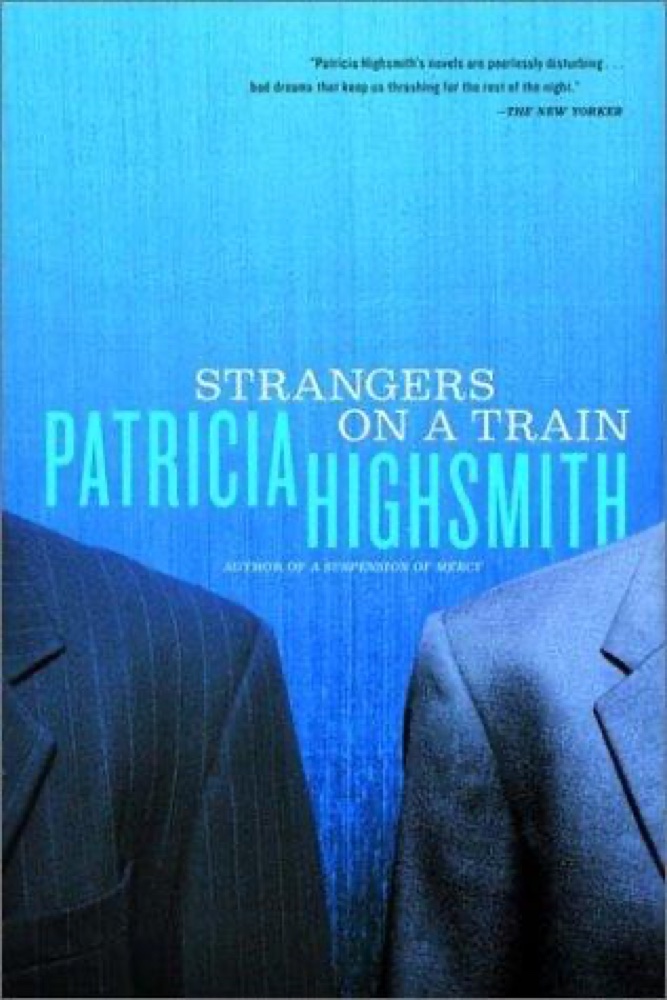 Strangers on a Train
 The Story of the Lost Child
 The Scapegoat
 Washington Black
 Barnaby Rudge
 The Last Man
 The Lost World
 Memnoch the Devil
 A Perilous Undertaking
 A Fatal Inversion
 Assassin's Apprentice
 The Secret History
 That Hideous Strength
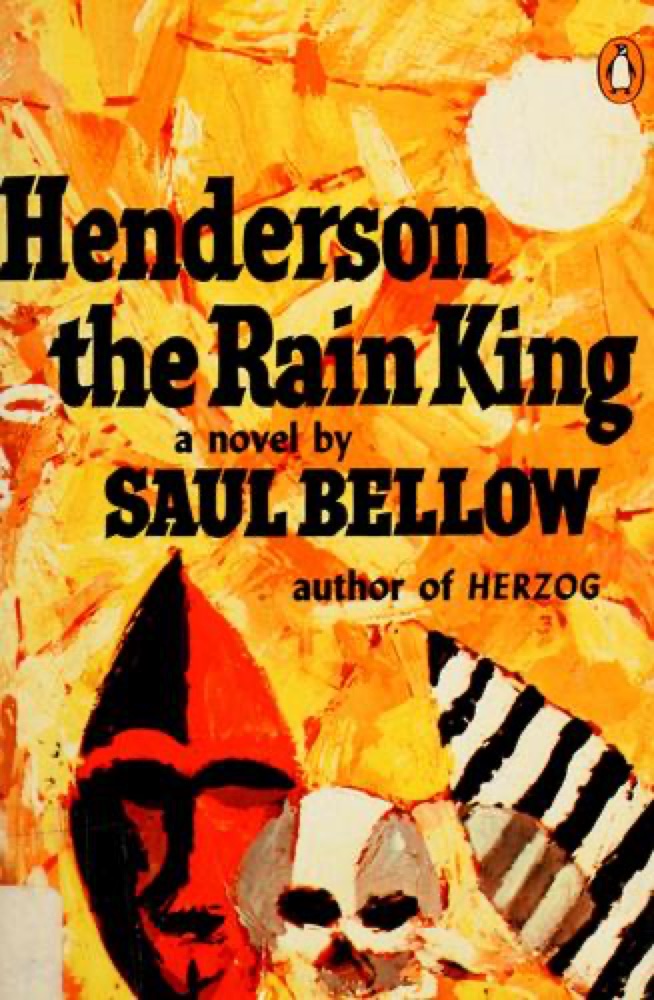 Henderson the Rain King
 The Claw of the Conciliator
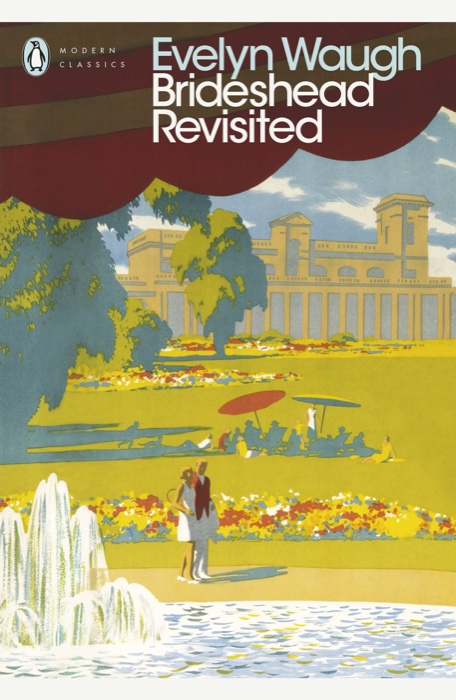 Brideshead Revisited: The Sacred and Profane Memories of Captain Charles Ryder
 The Gadfly
 Light in August
 Molloy, Malone Dies, The Unnamable
 Martin Eden
 Tropic of Capricorn
 False Memory
 Heart of Darkness
 The Scarlet Letter
 Kidnapped