
 Outlander
Quotes from the Book
I stood still, vision blurring, and in that moment, I heard my heart break. It was a small, clean sound, like the snapping of a flower's stem.
I will find you," he whispered in my ear. "I promise. If I must endure two hundred years of purgatory, two hundred years without you - then that is my punishment, which I have earned for my crimes. For I have lied, and killed, and stolen; betrayed and broken trust. But there is the one thing that shall lie in the balance. When I shall stand before God, I shall have one thing to say, to weigh against the rest." His voice dropped, nearly to a whisper, and his arms tightened around me. Lord, ye gave me a rare woman, and God! I loved her well.
Blood of my Blood," he whispered, "and bone of my bone. You carry me within ye, Claire, and ye canna leave me now, no matter what happens, You are mine, always, if ye will it or no, if ye want me or nay. Mine, and I wilna let ye go.
I talk to you as I talk to my own soul," he said, turning me to face him. He reached up and cupped my cheek, fingers light on my temple. "And Sassenach," he whispered, "Your face is my heart.
Babies are soft. Anyone looking at them can see the tender, fragile skin and know it for the rose-leaf softness that invites a finger's touch. But when you live with them and love them, you feel the softness going inward, the round-cheeked flesh wobbly as custard, the boneless splay of the tiny hands. Their joints are melted rubber, and even when you kiss them hard, in the passion of loving their existence, your lips sink down and seem never to find bone. Holding them against you, they melt and mold, as though they might at any moment flow back into your body. But from the very start, there is that small streak of steel within each child. That thing that says "I am," and forms the core of personality. In the second year, the bone hardens and the child stands upright, skull wide and solid, a helmet protecting the softness within. And "I am" grows, too. Looking at them, you can almost see it, sturdy as heartwood, glowing through the translucent flesh. The bones of the face emerge at six, and the soul within is fixed at seven. The process of encapsulation goes on, to reach its peak in the glossy shell of adolescence, when all softness then is hidden under the nacreous layers of the multiple new personalities that teenagers try on to guard themselves. In the next years, the hardening spreads from the center, as one finds and fixes the facets of the soul, until "I am" is set, delicate and detailed as an insect in amber.
D'ye think I don't know?" he asked softly. "It's me that has the easy part now. For if ye feel for me as I do for you-then I'm asking you to tear out your heart and live without it.
You are mine, always, if ye will it or no, if ye want me or nay. Mine, and I willna let ye go
If it was a sin for you to choose me . . . then I would go to the Devil himself and bless him for tempting ye to it.
Oh, Claire, ye do break my heart wi' loving you.
Then let amourous kisses dwell On our lips, begin and tell A Thousand and a Hundred score A Hundred and a Thousand more
Lying on the floor, with the carved panels of the ceiling flickering dimly above, I found myself thinking that I had always heretofore assumed that the tendency of eighteenth-century ladies to swoon was due to tight stays; now I rather thought it might be due to the idiocy of eighteenth-century men.
...sitting and waiting is one of the most miserable occupations known to man - not that it usually is known to men; women do it much more often.
I do know it, my own. Let me tell ye in your sleep how much I love you. For there's no so much I can be saying to ye while ye wake, but the same poor words, again and again. While ye sleep in my arms, I can say things to ye that would be daft and silly waking, and your dreams will know the truth of them. Go back to sleep, mo duinne.
Lord, ye gave me a rare woman, and God! I loved her well.
When you took me from the witch trial at Cranesmuir--you said then that you would have died with me, you would have gone to the stake with me, had it come to that!" He grasped my hands, fixing me with a steady blue gaze. "Aye, I would," he said. "But I wasna carrying your child." The wind had frozen me; it was the cold that made me shake, I told myself. The cold that took my breath away. "You can't tell," I said, at last. "It's much too soon to be sure." He snorted briefly, and a tiny flicker of amusement lit his eyes. "And me a farmer, too! Sassenach, ye havena been a day late in your courses, in all the time since ye first took me to your bed. Ye havena bled now in forty-six days." "You bastard!" I said, outraged. "You counted! In the middle of a bloody war, you counted!" "Didn't you?" "No!" I hadn't; I had been much too afraid to acknowledge the possibility of the thing I had hoped and prayed for so long, come now so horribly too late. "Besides," I went on, trying still to deny the possibility, "that doesn't mean anything. Starvation could cause that; it often does." He lifted one brow, and cupped a broad hand gently beneath my breast. "Aye, you're thin enough; but scrawny as ye are, your breasts are full--and the nipples of them gone the color of Champagne grapes. You forget," he said, "I've seen ye so before. I have no doubt--and neither have you." I tried to fight down the waves of nausea--so easily attributable to fright and starvation--but I felt the small heaviness, suddenly burning in my womb. I bit my lip hard, but the sickness washed over me. Jamie let go of my hands, and stood before me, hands at his sides, stark in silhouette against the fading sky. "Claire," he said quietly. "Tomorrow I will die. This child...is all that will be left of me--ever. I ask ye, Claire--I beg you--see it safe.
Damn right I begrudge! I grudge every memory of yours that doesna hold me, and every tear ye've shed for another, and every second you've spent in another man's bed!
We are bound, you and I, and nothing on this earth shall part me from you.
You dinna need to understand me, Sassenach," he said quietly. "So long as you love me.
Do you really think we'll ever--" "I do," he said with certainty, not letting me finish. He leaned over and kissed my forehead. "I know it, Sassenach, and so do you. You were meant to be a mother, and I surely dinna intend to let anyone else father your children.
Jaime," I said softly, "are you happy about it? About the baby?" Outlawed in Scotland, barred from his own home, and with only vague prospects in France, he could pardonably have been less than enthused about acquiring an additional obligation. He was silent for a moment, only hugging me harder, then sighed briefly before answering. "Aye, Sassenach," His hand stayed downward, gently rubbing my belly. "I'm happy. And proud as a stallion. But I am most awfully afraid too." "About the birth? I'll be all right." I could hardly blame him for apprehension; his own mother had died in childbirth, and birth and its complications were the leading cause of death for women in these times. Still, I knew a thing or two myself, and I had no intention whatever of exposing myself to what passed for medical care here. "Aye, that--and everything," he said softly. "I want to protect ye like a cloak and shield you and the child wi' my body." His voice was soft and husky, with a slight catch in it. "I would do anything for ye...and yet...there's nothing I can do. It doesna matter how strong I am, or how willing; I canna go with you where ye must go...nor even help ye at all. And to think of the things that might happen, and me helpless to stop them...aye, I'm afraid, Sassenach. "And yet"--he turned me toward him, hand closing gently over one breast--"yet when I think of you wi' my child at your breast...then I feel as though I've gone hollow as a soap bubble, and perhaps I shall burst with joy.
Jamie," I said, "how, exactly, do you decide whether you're drunk?" Aroused by my voice, he swayed alarmingly to one side, but caught himself on the edge of the mantelpiece. His eyes drifted around the room, then fixed on my face. For an instant, they blazed clear and pellucid with intelligence. "och, easy, Sassenach, If ye can stand up, you're not drunk." He let go of the mantelpiece, took a step toward me, and crumpled slowly onto the hearth, eyes blank, and a wide, sweet smile on his dreaming face.
For I had come back, and I dreamed once more in the cool air of the Highlands. And the voice of my dream still echoed through ears and heart, repeated with the sound of Brianna's sleeping breath. "You are mine," it had said. "Mine. And I will not let you go.
Sassenach, I've been stabbed, bitten, slapped, and whipped since supper - which I didna get to finish. I dinna like to scare children an I dinna like to flog men, and I've had to do both. I've two hundred English camped three miles away, and no idea what to do about them. I'm tired, I'm hungry, and I'm sore. If you've anything like womanly sympathy about ye, I could use a bit!
You'll lie wi' me now," he said quietly. "And I shall use ye as I must. And if you'll have your revenge for it, then take it and welcome, for my soul is yours, in all the black corners of it.
For if you feel for me as i do for you - then I am asking you to tear out your heart and live without it.
I want to hold you like a kitten in my shirt, and still I want to spread your thighs and plow ye like a rotting bull. I dinna understand myself.
But I talk to you as I talk to my own soul," he said, turning me to face him. He reached up and cupped my cheek, fingers light on my temple. "And, Sassenach," he whispered, "your face is my heart.
I'll tell ye, Sassenach; if ever I feel the need to change my manner of employment, I dinna think I'll take up attacking women - it's a bloody hard way to make a living.
You're mine, damn ye, Claire Fraser! Mine, and I wilna share ye, with a man or a memory, or anything whatever, so long as both shall live.
Sassenach." He had called me that from the first; the Gaelic word for outlander, a stranger. An Englishman. First in jest, then in affection.
Did you know?
- It is the second novel in Diana Gabaldon's Outlander series, following the 1991 first book.
- The story unfolds across three time frames: Scotland in 1968, Paris in 1744, and Scotland in 1745.
- Much of the Paris storyline centers on attempts to cut off French funding for Charles Stuart's Jacobite cause.
- The novel builds toward the historically real Battle of Culloden.
- Its events were adapted as the second season of the Starz television series Outlander, which aired in 2016.
- In Paris, Claire becomes known by the nickname "La Dame Blanche."
About Diana Gabaldon
Diana Gabaldon is an American author, best known for the Outlander series of historical time-travel novels. She holds advanced degrees in science and worked in academia before turning to fiction with the first Outlander book in 1991.
More about the author →More by Diana Gabaldon
All books by Diana Gabaldon →
About the book
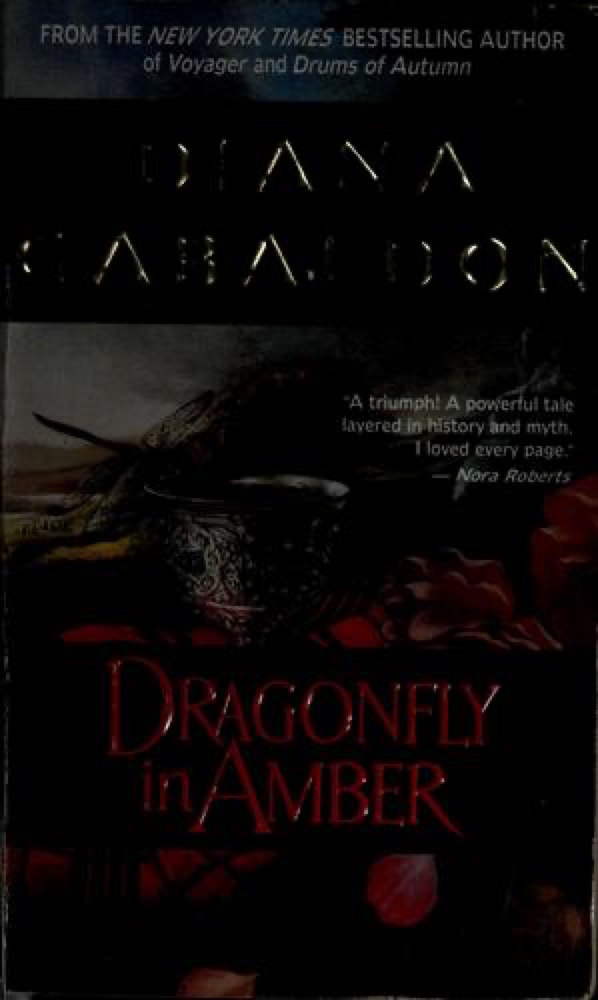
"Dragonfly in Amber" is Diana Gabaldon's 1992 novel, the second book in her Outlander series. Framed by a 1968 storyline in which Claire Randall returns to Scotland with her grown daughter Brianna and enlists the young historian Roger Wakefield, the bulk of the book flashes back two decades to the years 1744-45. Having already traveled through the standing stones into the eighteenth century, Claire and her Highland husband Jamie Fraser now try to avert the Jacobite rising they know will end in catastrophe for the Scots, first through court intrigue in Paris around Charles Stuart's bid for French funding, then back home in Scotland as the uprising gathers toward the Battle of Culloden.
Across its long span the novel braids together historical fiction, romance, and time-travel adventure, moving among Paris in 1744, Scotland in 1745, and the modern frame of 1968. Its central concern is whether history can be changed: knowing the doom that awaits the Highland cause, Claire and Jamie labor to divert events they may be powerless to stop. Alongside that fatalism run threads of marriage under strain, loss, political maneuvering, and the price of foreknowledge, as intimate personal stakes are set against the sweep of a real historical tragedy.
The book helped cement the Outlander series as a genre-crossing publishing success that blends meticulous period research with popular romance and speculative elements. Its plot forms the basis of the second season of the Starz television series Outlander, which aired in 2016. As the middle of the early trilogy, it deepens the saga's continuing characters and sets up the questions of survival and separation that the later novels resolve.
Key characters
- Claire Randall FraserTime-traveling twentieth-century nurse at the heart of the story
- Jamie FraserClaire's eighteenth-century Scottish Highlander husband
- BriannaClaire and Jamie's daughter, grown in the 1968 frame narrative
- Roger WakefieldYoung historian who helps Claire in the modern-day storyline
- Charles StuartJacobite claimant whose rising Claire and Jamie try to influence
- FergusFrench orphan boy taken in by Jamie in Paris
Book details
- First published
- 1992
- Length
- 752 pages
- Reading time
- 46 hours
- Author
- Diana Gabaldon
- Genre
- Fiction
- Goodreads rating
- 4.34 (392k ratings) →
Series & reading order
- 1 Outlander
- 2 Dragonfly in Amber
- 3 Voyager
Movie & TV adaptations
- IMDb
Keep reading
Outlander
 A Breath of Snow and Ashes
 Voyager
 Spell of the Highlander
 Marrying Winterborne
 Surrender
 Creatura
 Firelight
 Edenbrooke
 Seven Years to Sin
 Wuthering Heights
 Son of the Shadows
 Moonglow
 In the Veins of the Drowning
 The Falconer
 Blood & Honey
 Covet
Covet
 The Angel
 The Betrothed
 Bloodrose
 Daughter of the Forest
 Sacrifice
 The Bird and the Sword
 Affinity
 The Haunted
 The Goddess Inheritance
 A Court of Thorns and Roses
 Wicked Lovely
 Every Last Breath
 Beyond the Highland Mist
 Cruel Beauty
 The Queen of Nothing
 New Moon
 The Bitter Kingdom
 Surviving Raine
 True Love Story
 Becoming Calder
 Come to Me Quietly
 Wintersong
 Rhapsodic
 A River Enchanted
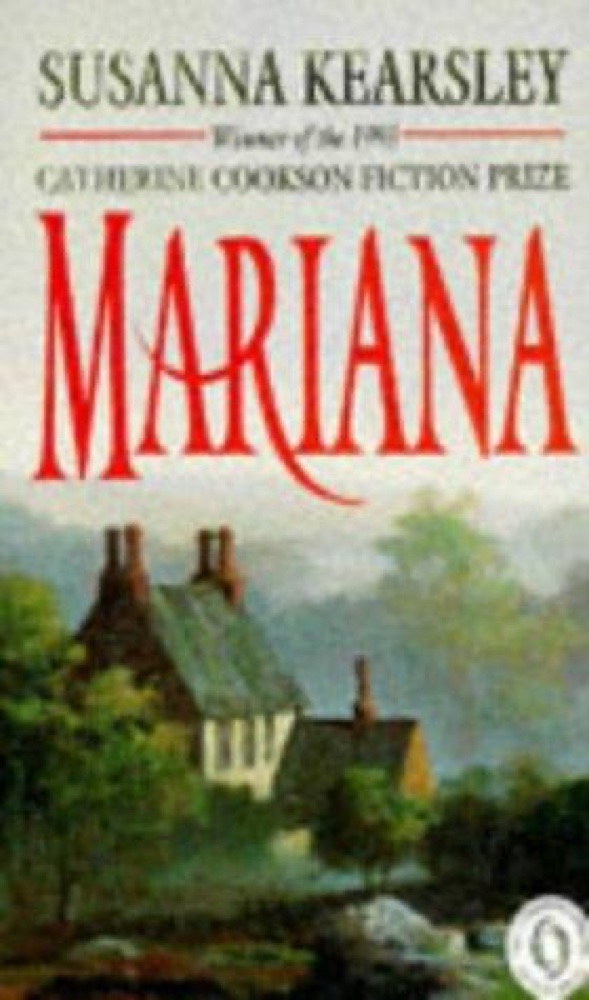 Mariana
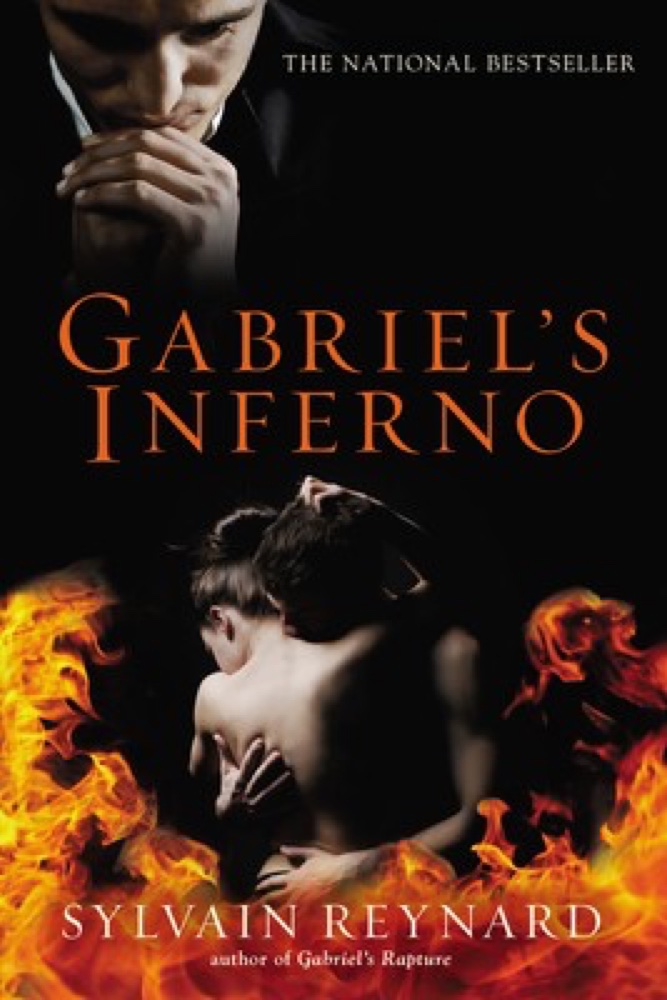 Gabriel's Inferno
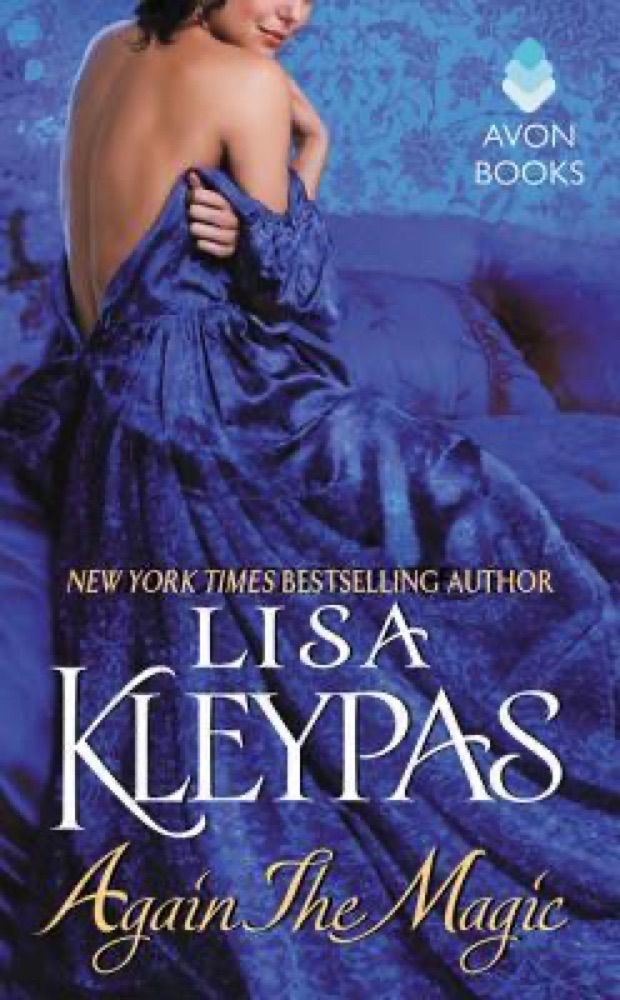 Again the Magic
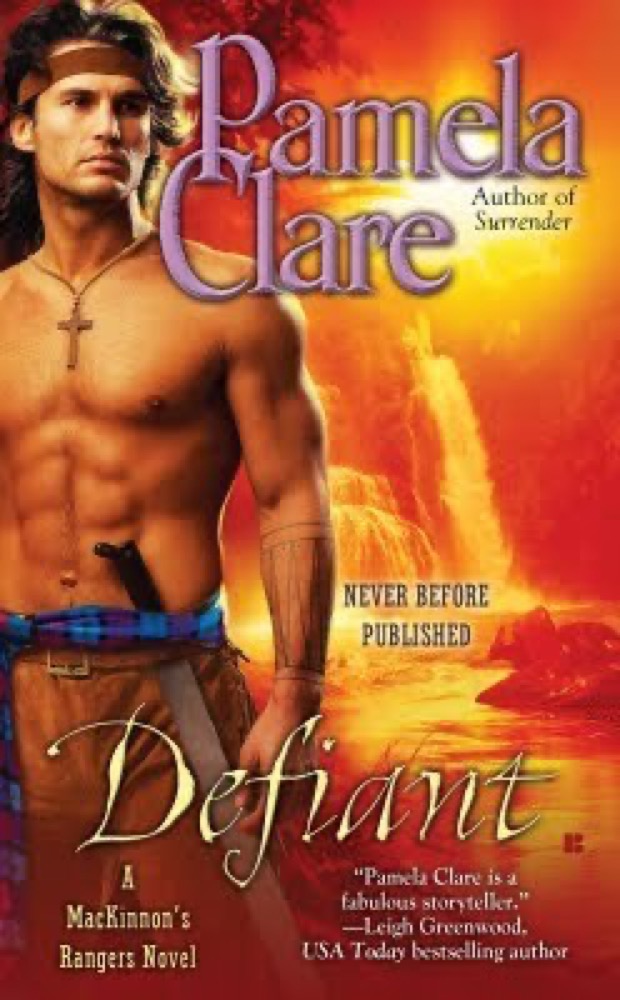 Defiant
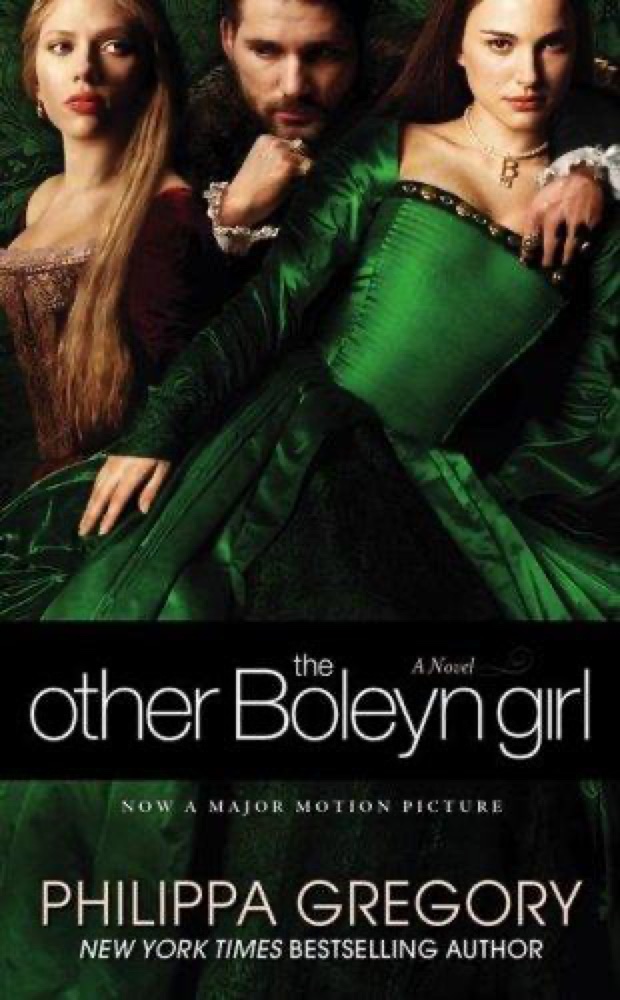 The Other Boleyn Girl
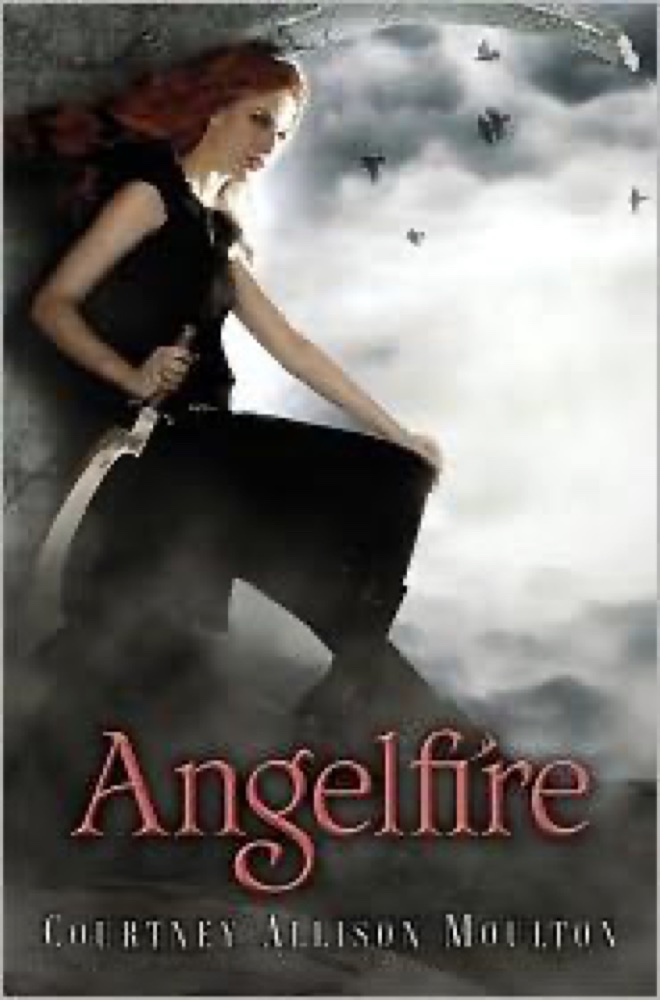 Angelfire
 Ella Enchanted
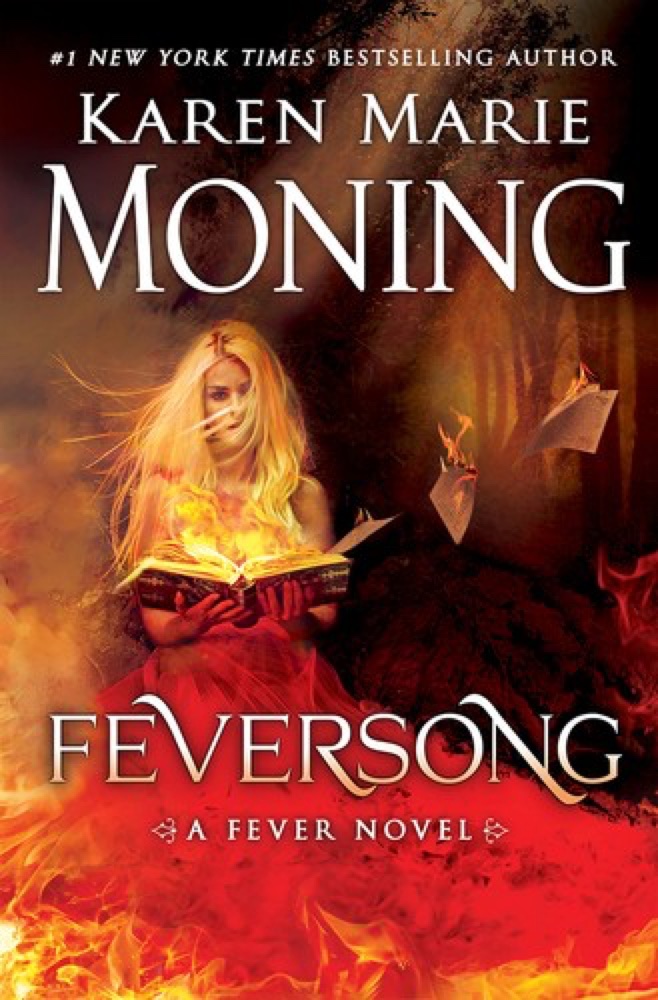 Feversong
 Clockwork Princess
 Reckless
 A Dowry of Blood
 A Court of Frost and Starlight
 Lament: The Faerie Queen's Deception
 Eclipse
 The Indigo Spell
 Froi of the Exiles
 Carmilla
 Devil in Winter
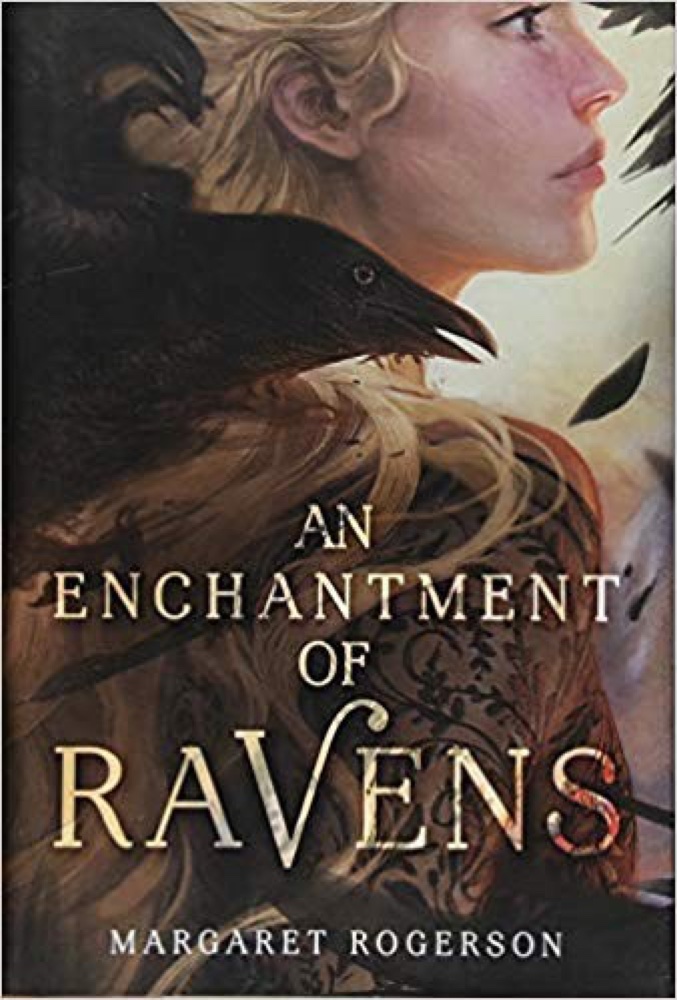 An Enchantment of Ravens