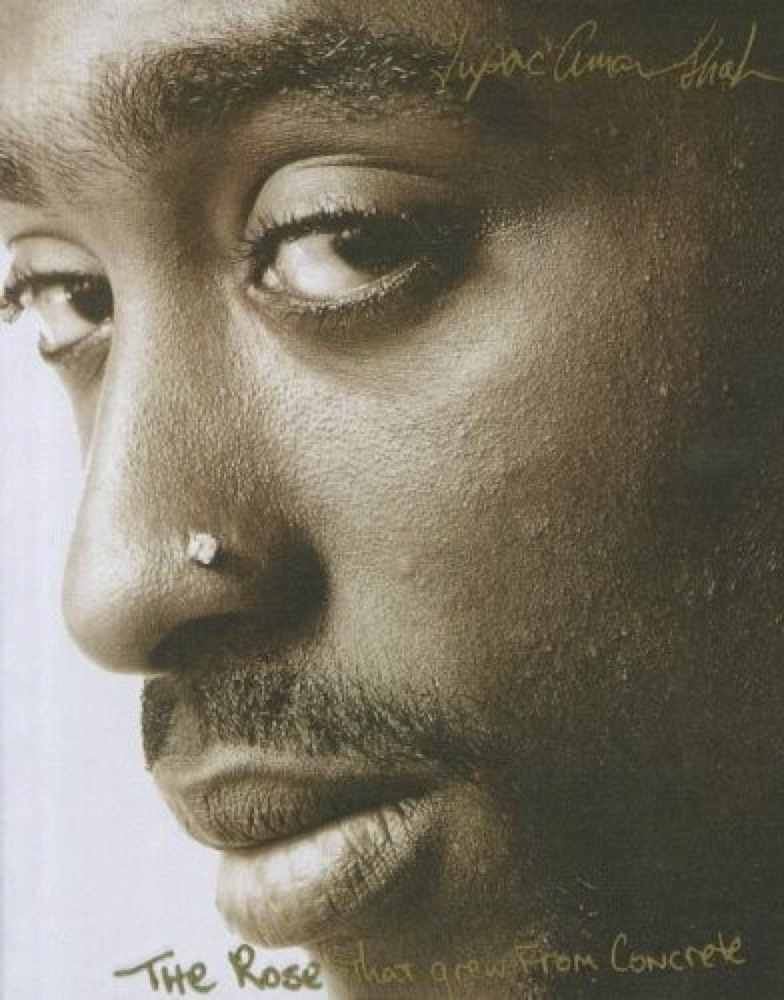

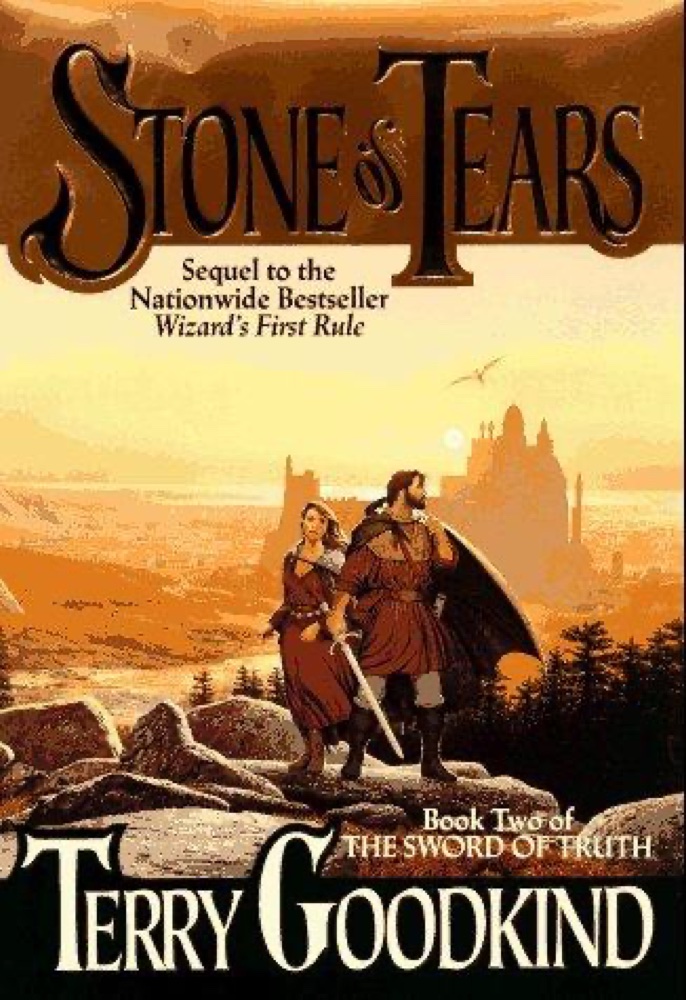
 Stone of Tears
Quotes from the Book
Did you hear about the rose that grew from a crack in the concrete? Proving nature's laws wrong, it learned to walk without having feet. Funny, it seems to by keeping it's dreams; it learned to breathe fresh air. Long live the rose that grew from concrete when no one else even cared.
we wouldn't ask why a rose that grew from the concrete for having damaged petals, in turn, we would all celebrate its tenacity, we would all love its will to reach the sun, well, we are the roses, this is the concrete and these are my damaged petals, dont ask me why, thank god, and ask me how
The seed must grow regardless Of the fact that it’s planted in stone
Did you hear about the rose that grew from a crack in the concrete proving nature's laws wrong it learned 2 walk without having feet
You never know how strong you can be until being strong is the only choice you have left." Tupac Shakur
Where There is a will there is a will to search and discover a better day Where a positive heart is all you need to rise beyond and succeed Where young minds grow and respect each other based on their deeds and not their color when times are dim say as I say "Where there's a will there's a way!
the evil the u are the brighter u will get
If you let a person talk long enough, you’ll hear their true intentions.
This so called 'Home of the Brave' why isn't anybody Backing us up! When they c these crooked ass Redneck cops constantly Jacking us up
They ordered the extermination of all minds they couldn't control
If I had an ear 2 confide in I would cry among my treasured friends But who do u know that stops that long to help another carry on The world moves fast and it would rather pass u by than 2 stop and c what makes u cry
As long as some suffer The River Flows Forever As long as there is pain The River Flows Forever As strong as a smile can be The River will Flow Forever
Please wake me when I'm free I cannot bear captivity 4 I would rather be stricken blind Than 2 live without expression of mind
Can one come 2 conclusions, Before the question is conceived?
my life was lived through falling rain so call on me if there be pain
where my culture I'm told holds no significance I'll wither and die in ignorance But my inner eye can c a race who reigned as kings in another place
People tend 2 choke that which they do not understand
Watch on YouTube
About Tupac Shakur
We have collected 17 quotes from 1 book by Tupac Shakur on BookQuoters.
More about the author →Book details
- Author
- Tupac Shakur
- Genre
- Literature
- Goodreads rating
- 4.41 (14k ratings) →
Keep reading
Stone of Tears
 The Broken Eye
 We Are All So Good at Smiling
 Cutting for Stone
 Outrun the Moon
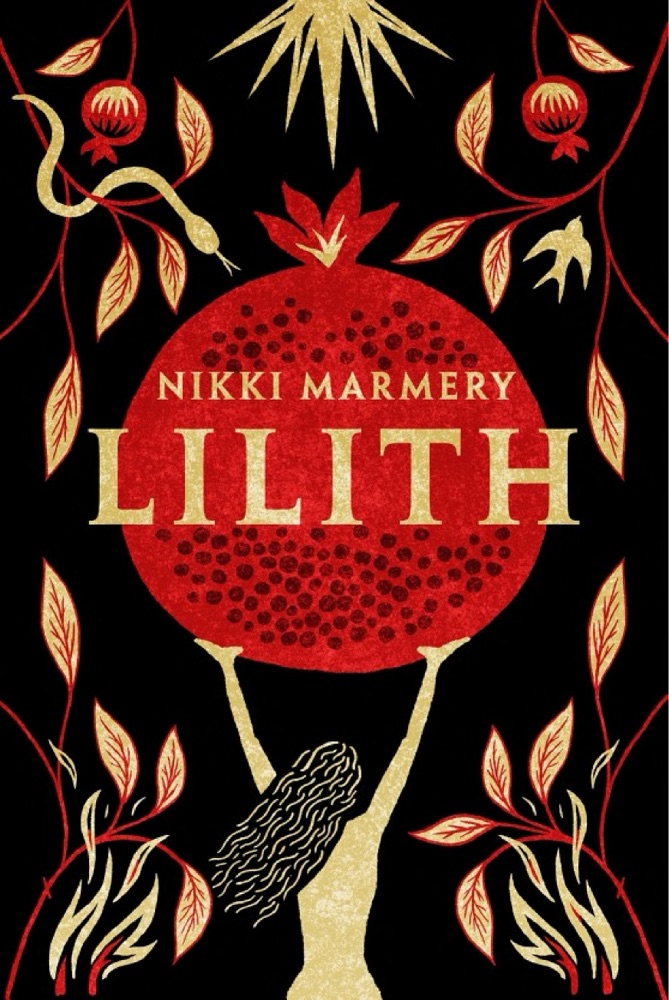 Lilith
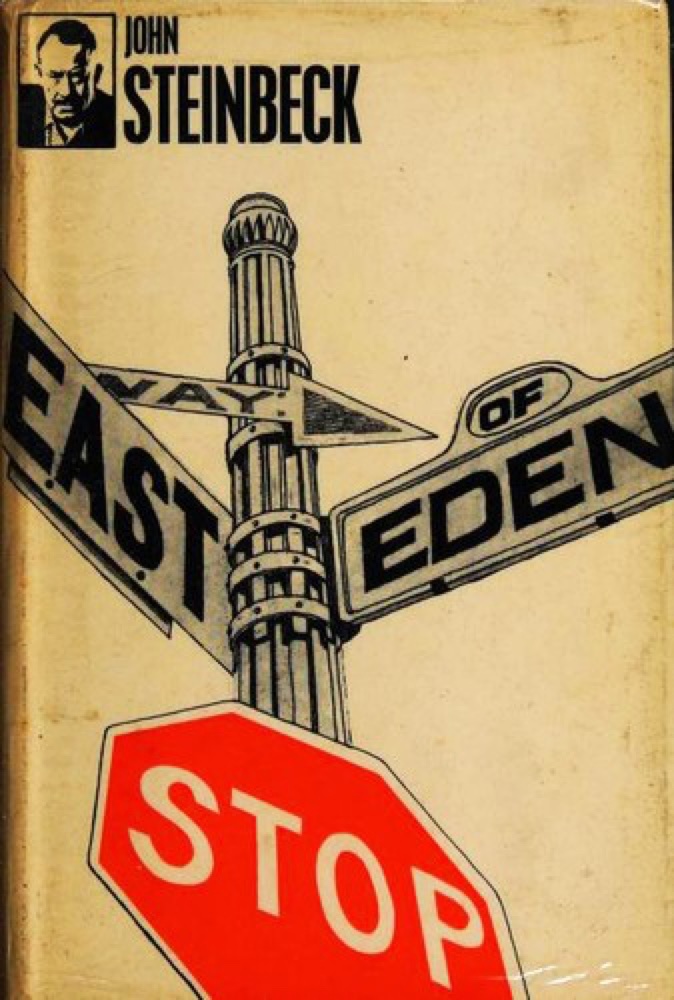 East of Eden
 Brave Story
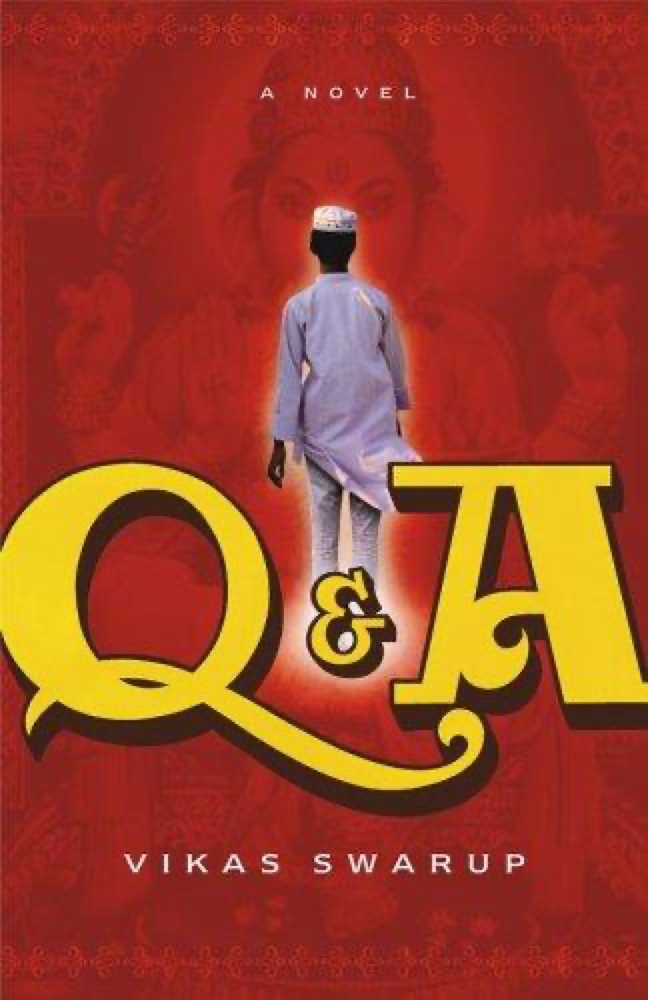 Q & A
Q & A
 Black Leopard, Red Wolf
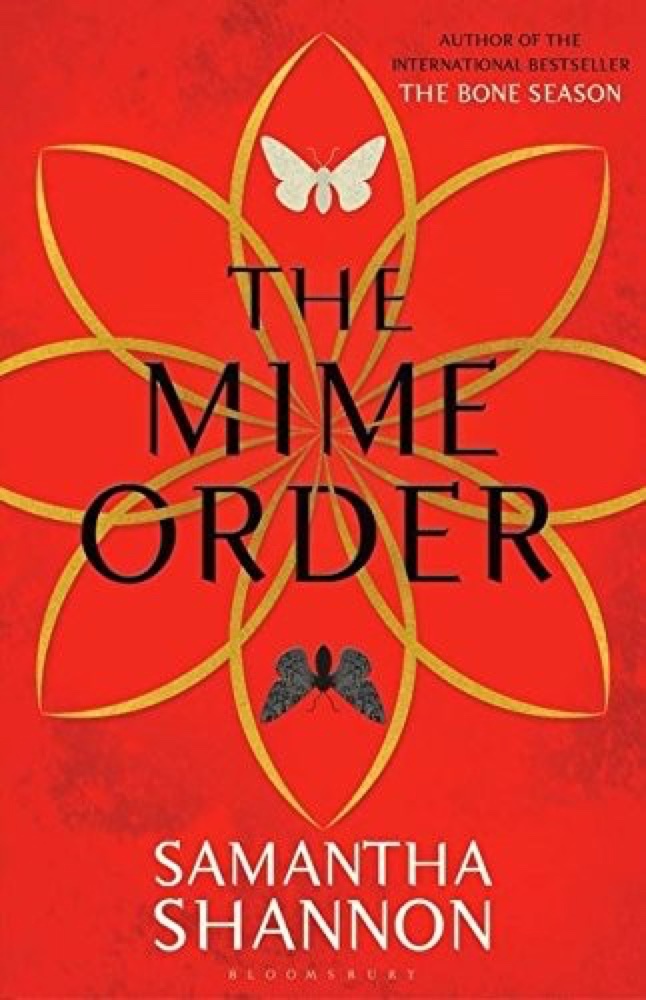 The Mime Order
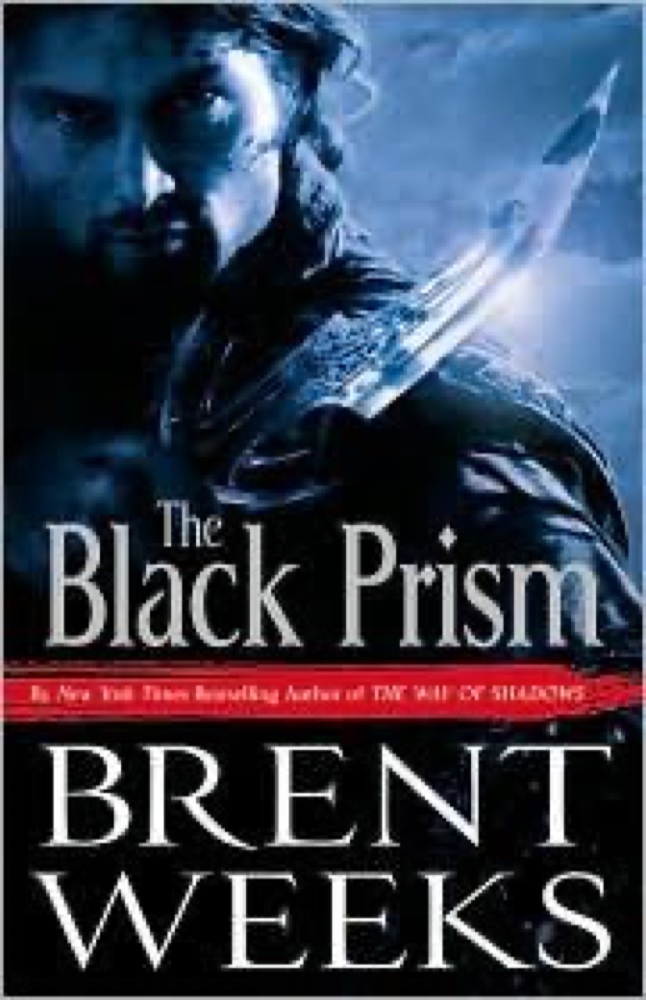 The Black Prism
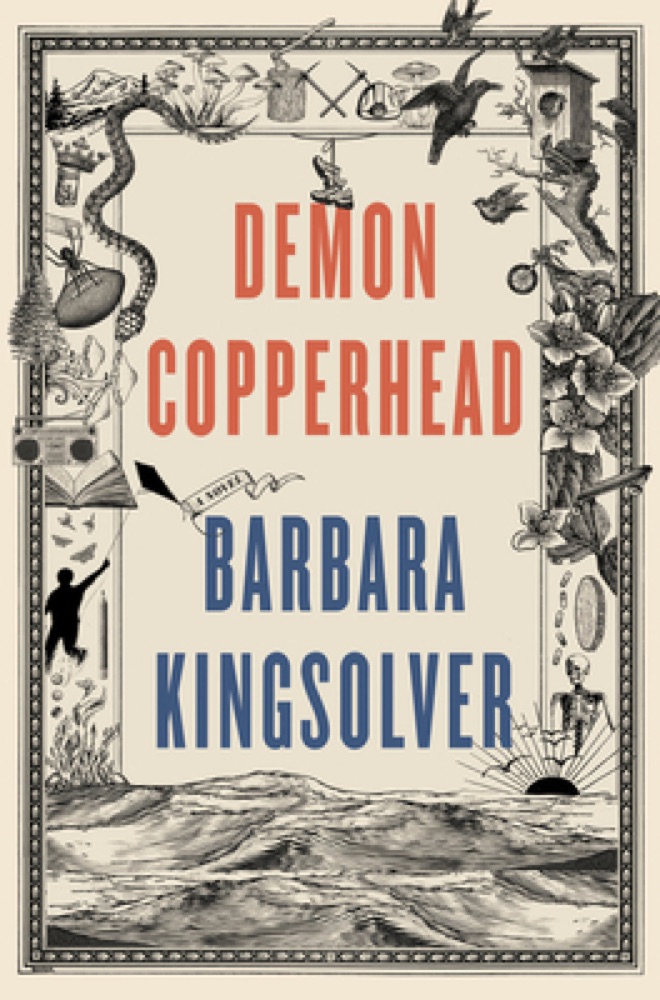 Demon Copperhead
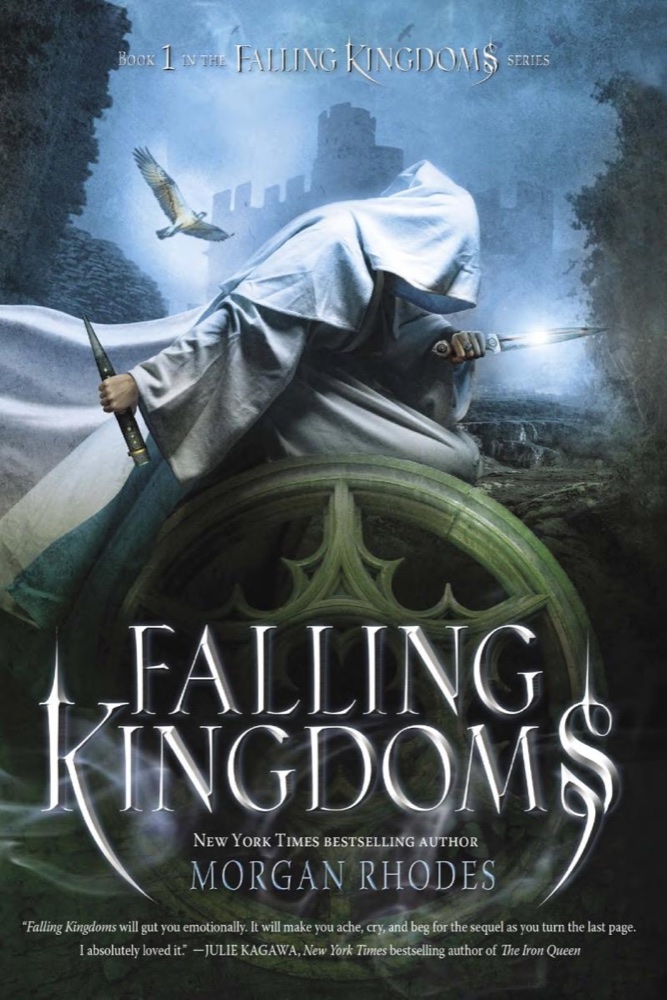 Falling Kingdoms
 The First Circle
 Chasing Fireflies: A Novel of Discovery
 The Hour I First Believed
 The Poisonwood Bible
 The Source
 The Jewel in the Crown
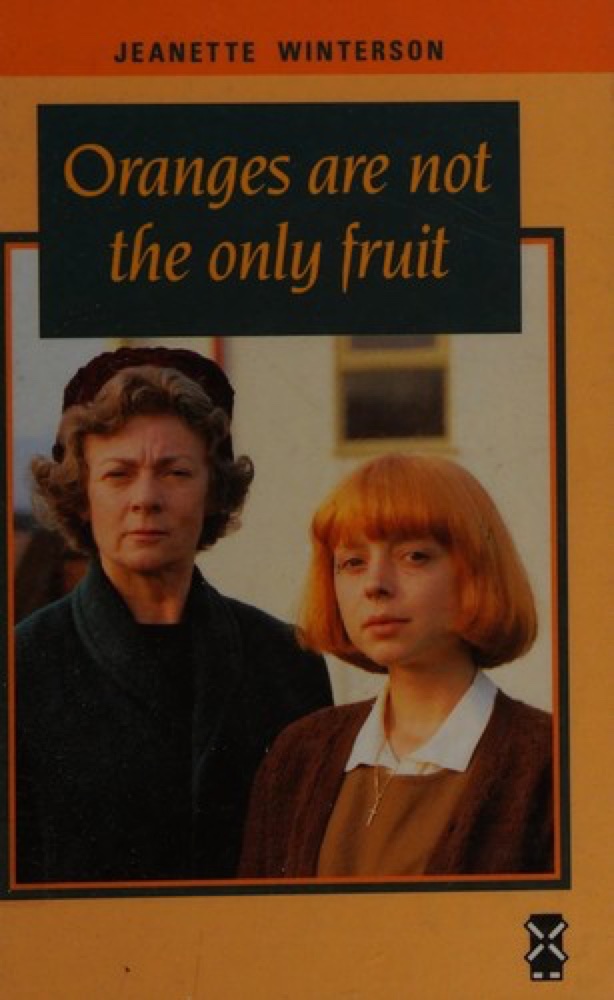 Oranges Are Not the Only Fruit
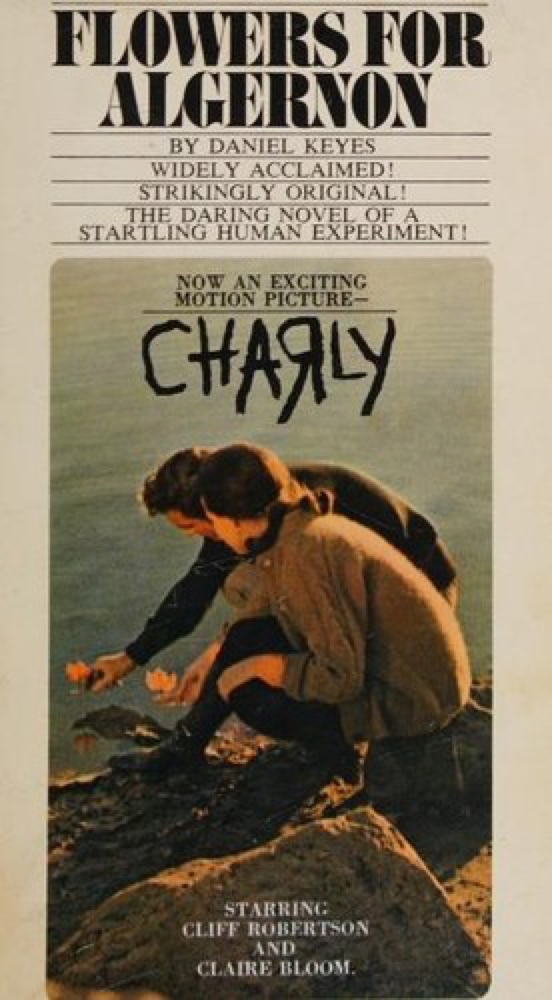 Flowers for Algernon
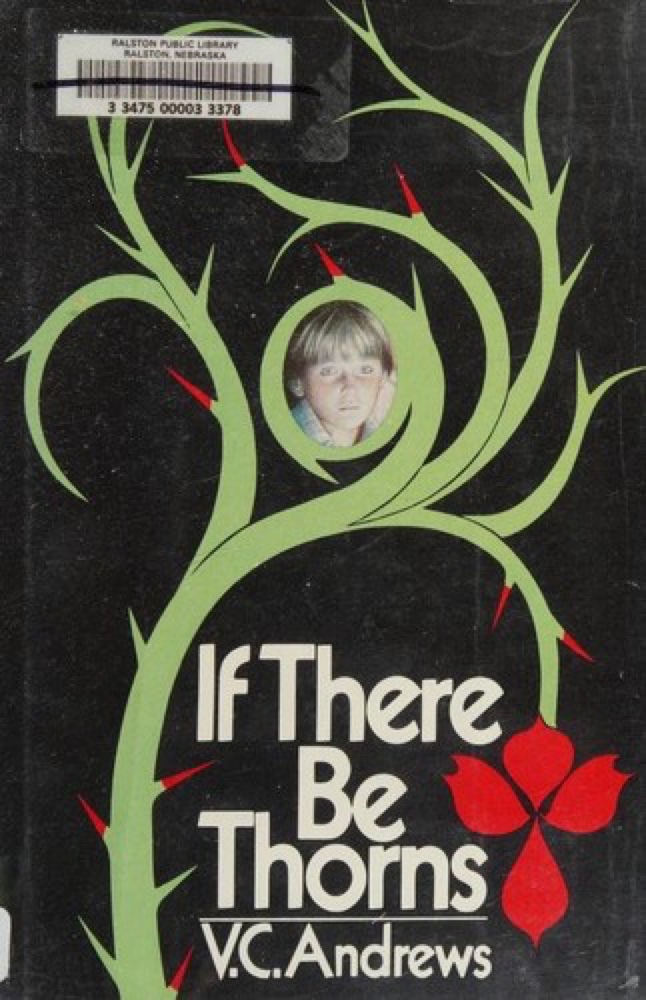 If There Be Thorns
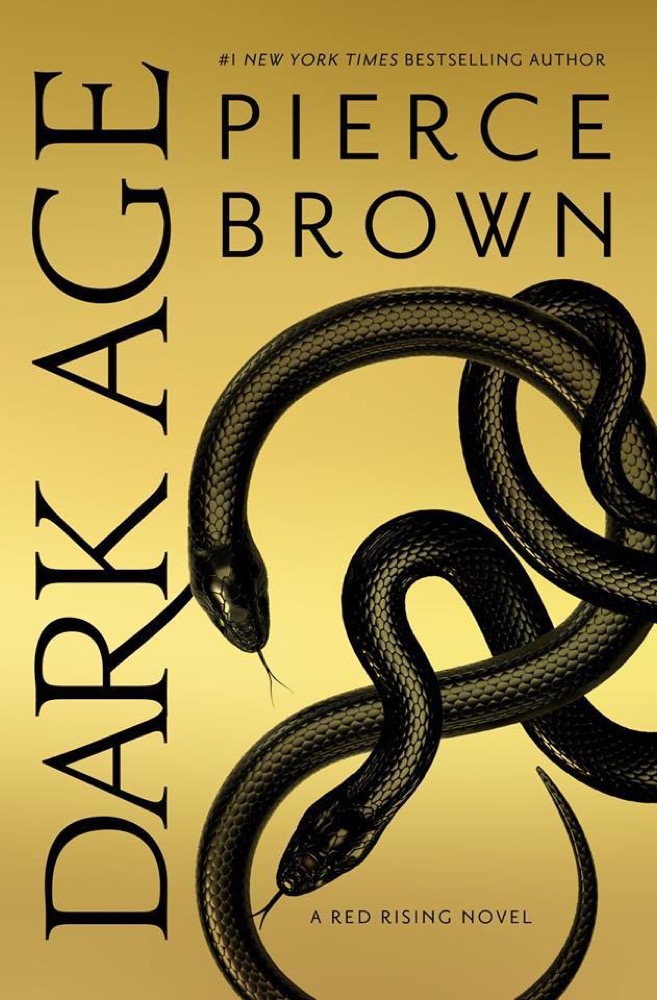 Dark Age
 Lifeblood
 The Power of One
 Henderson the Rain King
 The Resistance
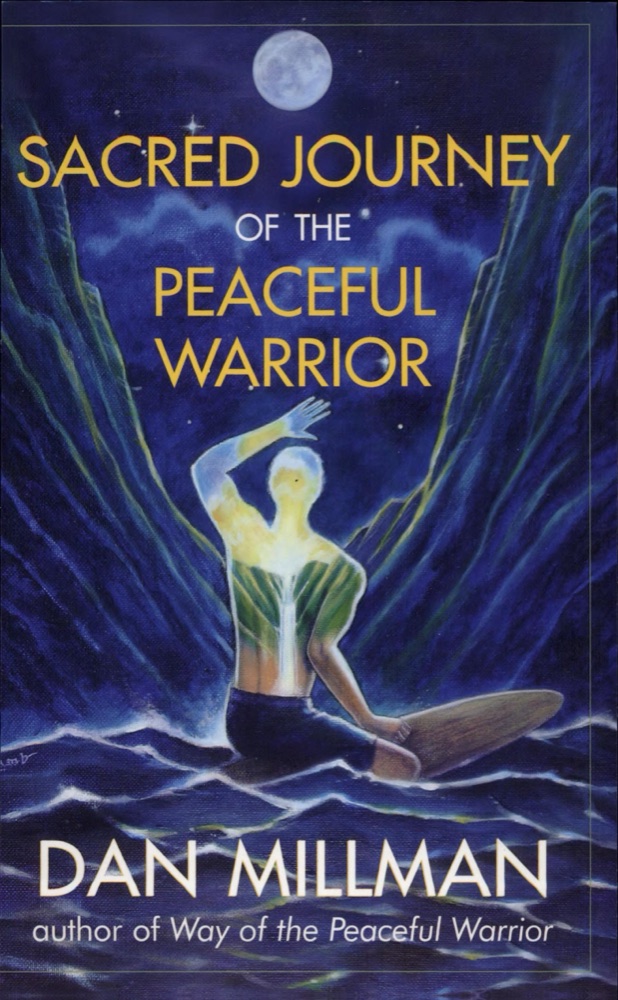 Sacred Journey of the Peaceful Warrior
 The Hour of the Star
 Every Heart a Doorway
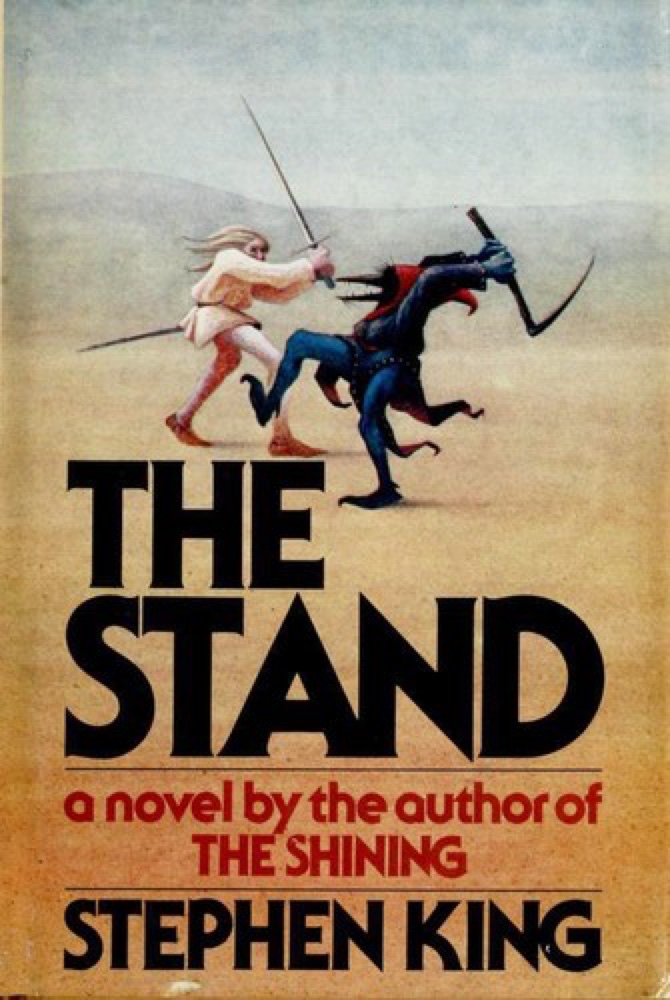 The Stand
 Invisible Man
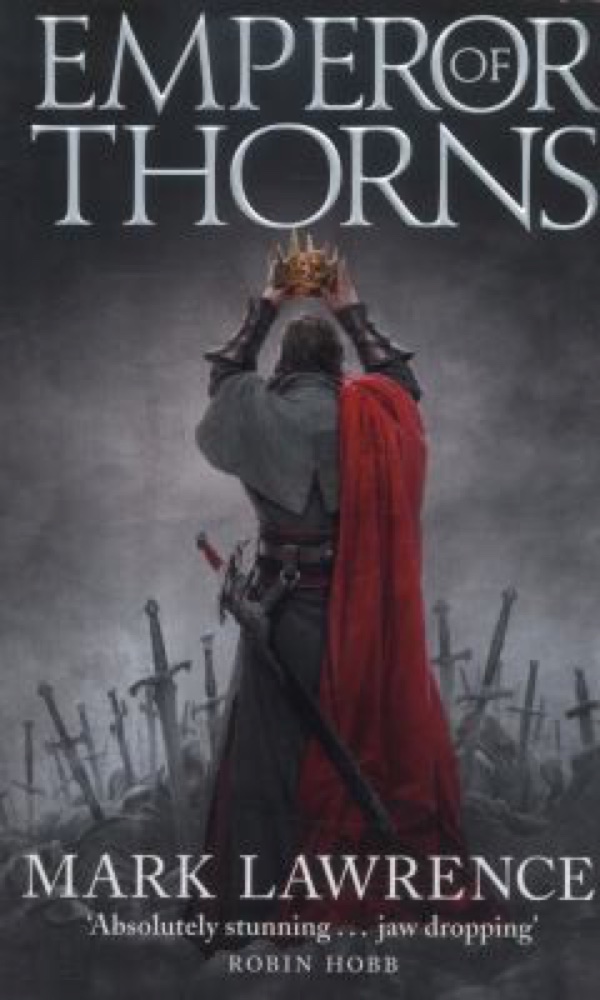 Emperor of Thorns
 Light in August
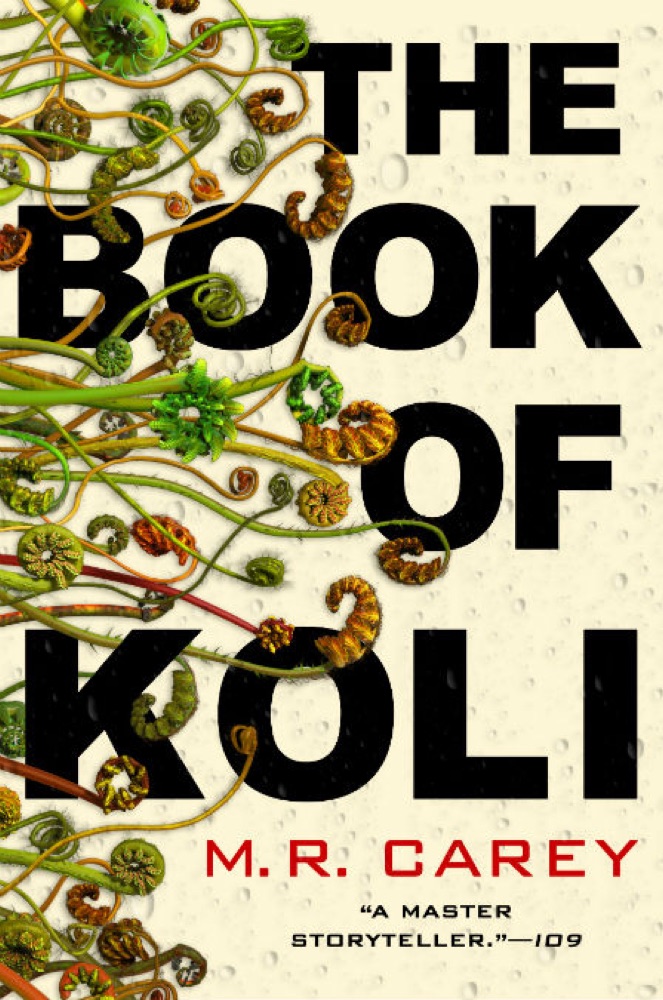 The Book of Koli
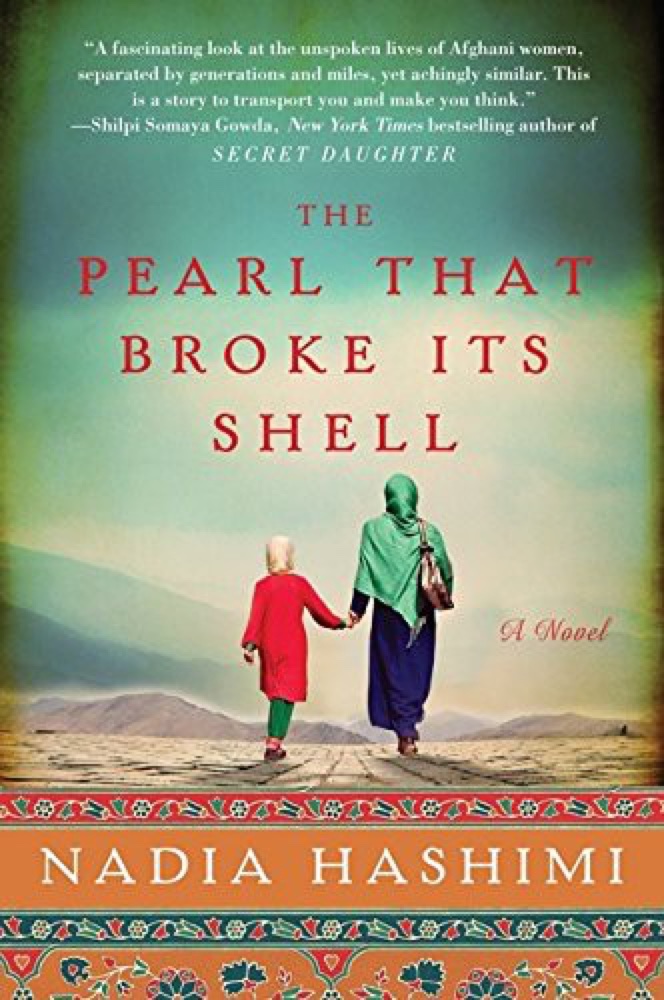 The Pearl That Broke Its Shell
 Beautiful Losers
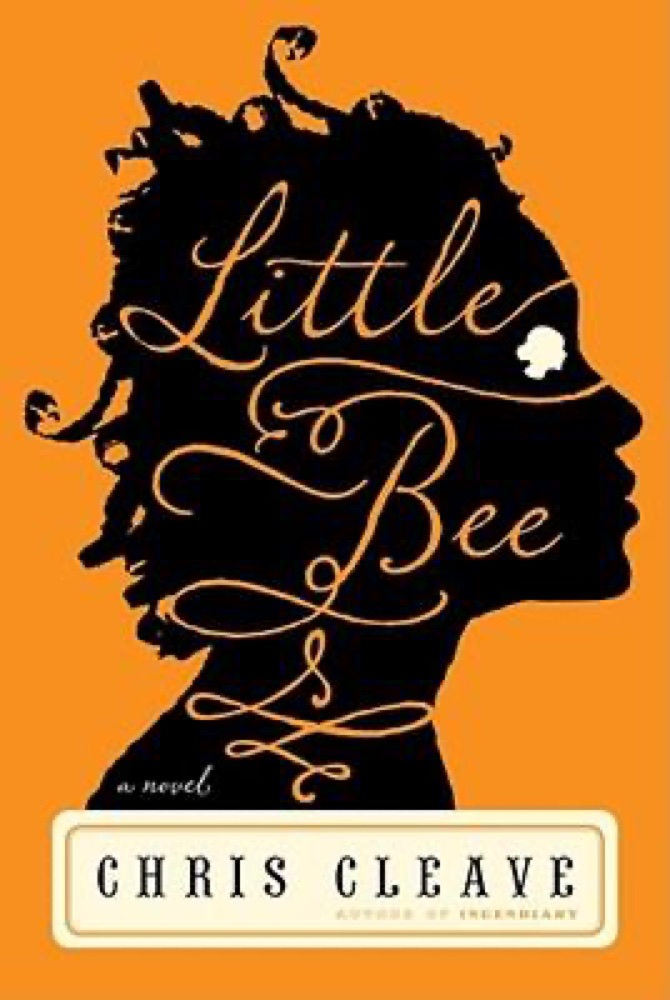 Little Bee
 Helium
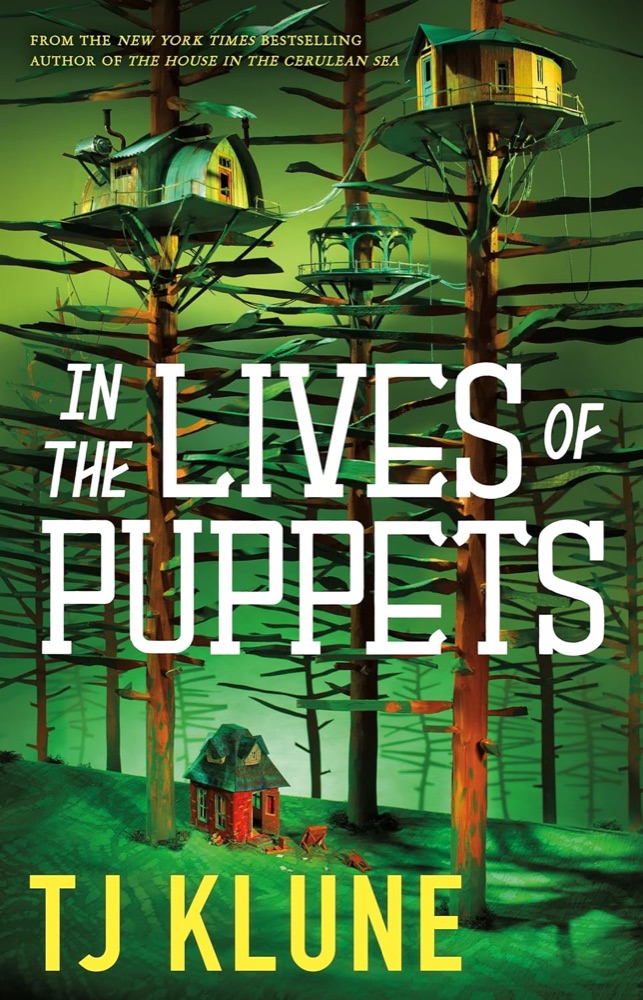 In the Lives of Puppets
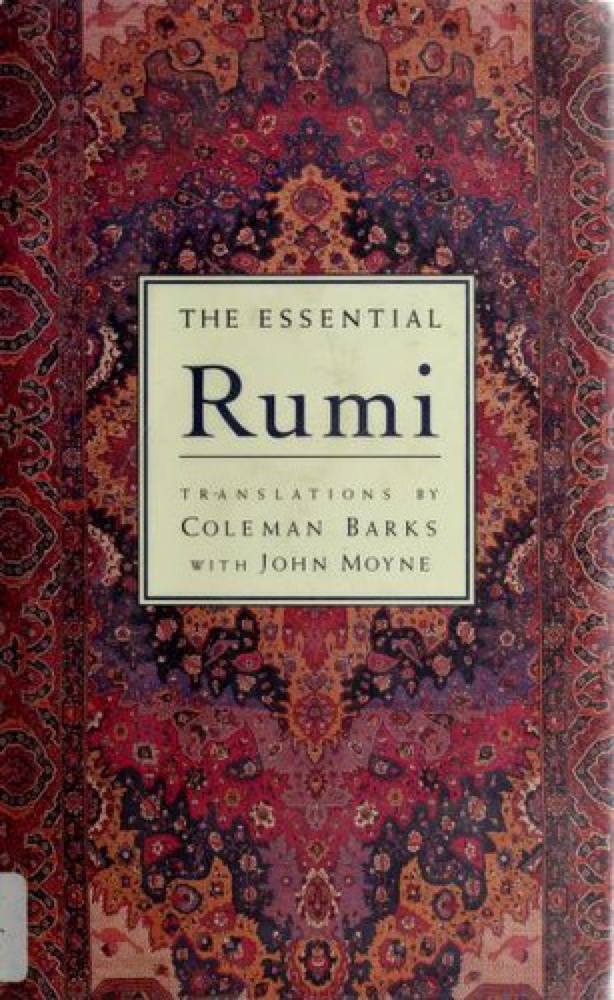 The Essential Rumi
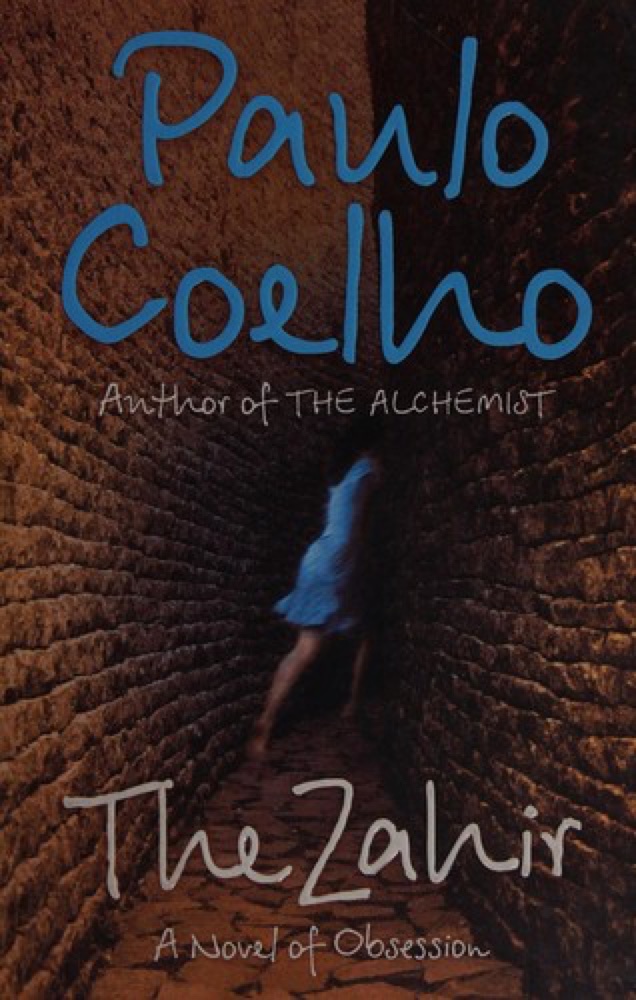 The Zahir
 Prince Lestat
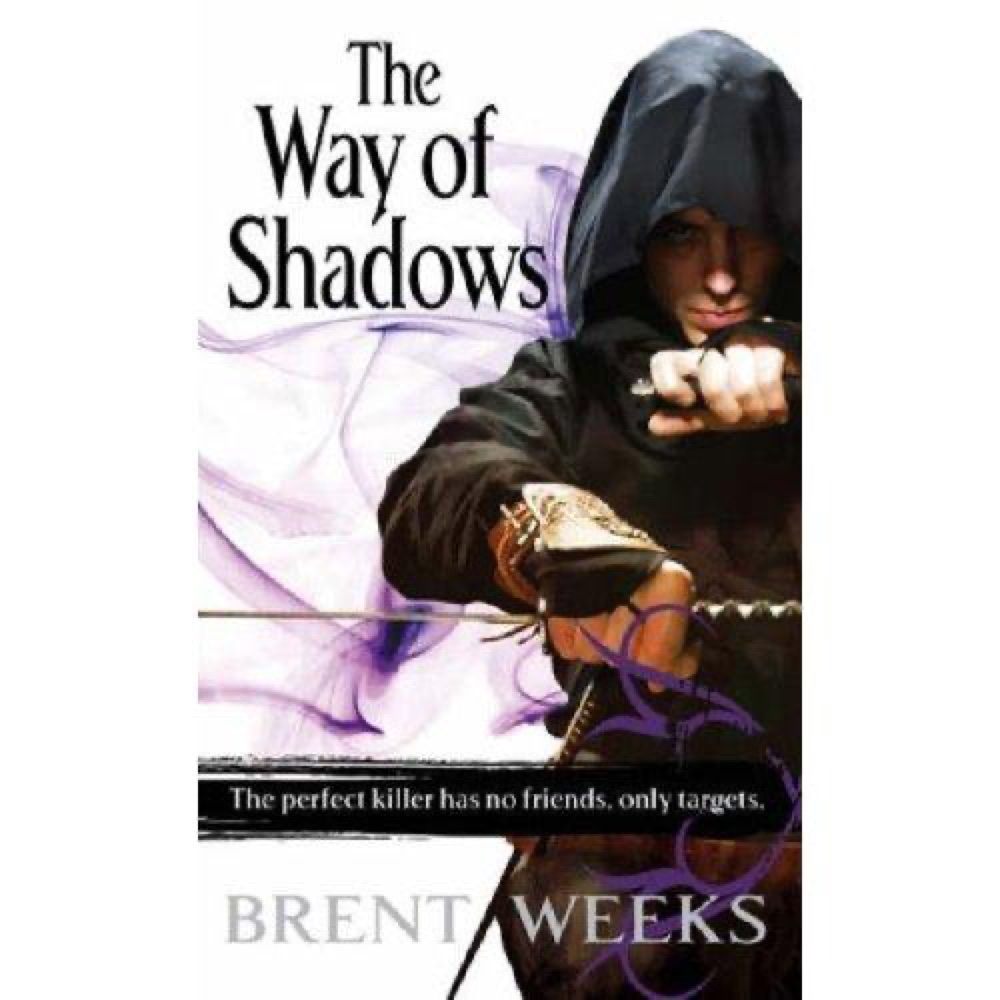 The Way of Shadows
 Born of Silence
 Odd Hours
 Petals on the Wind
 Slow Gods
 The Ground Beneath Her Feet
 Xenocide
 The Serpent King
 The Name of the Wind
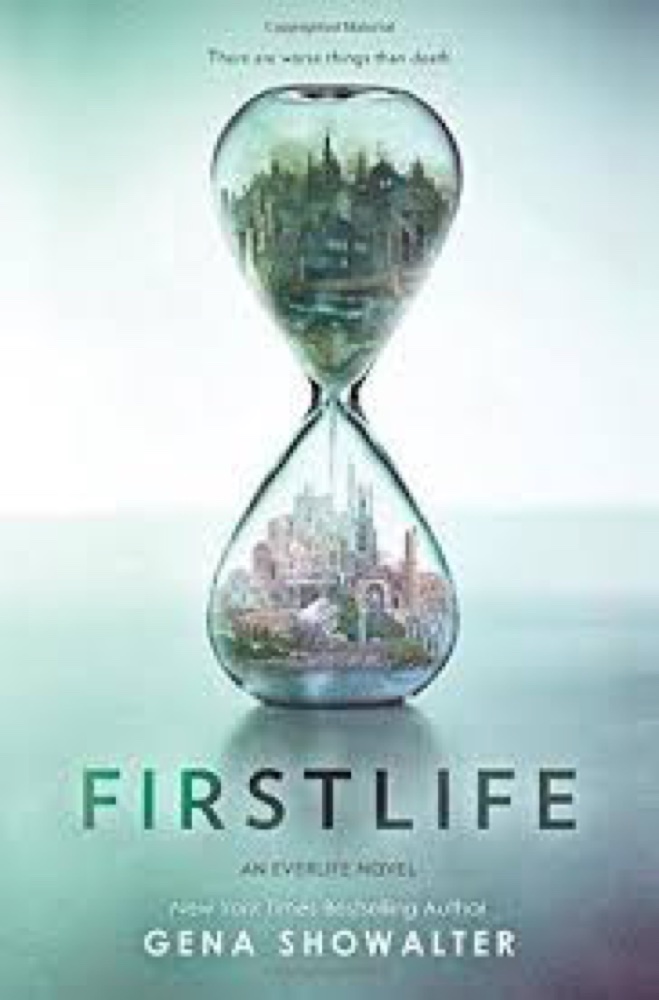 Firstlife
 No Exit and Three Other Plays
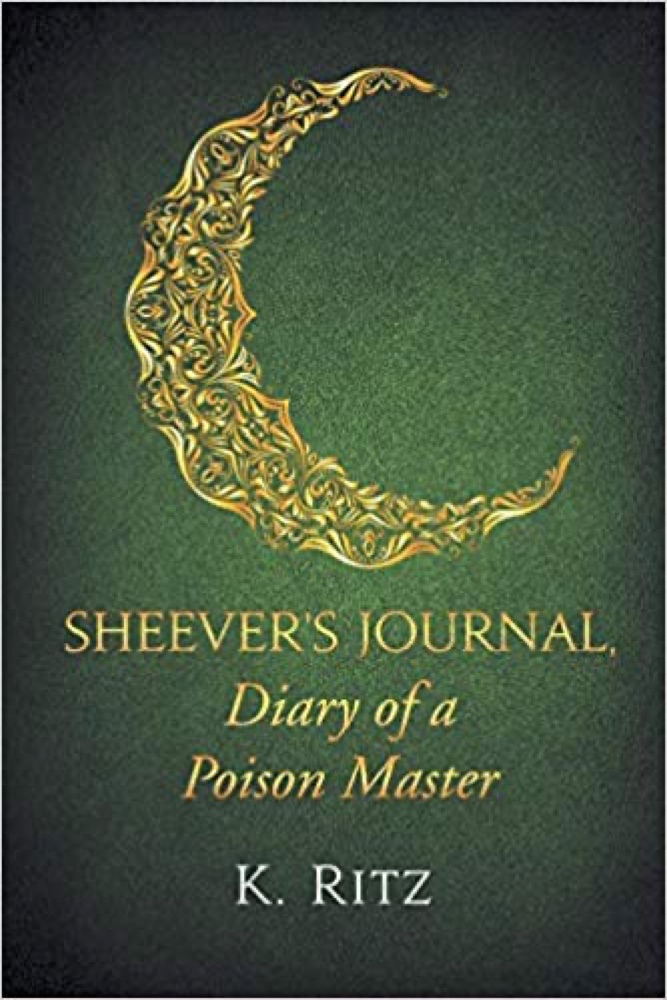 Sheever's Journal, Diary of a Poison Master
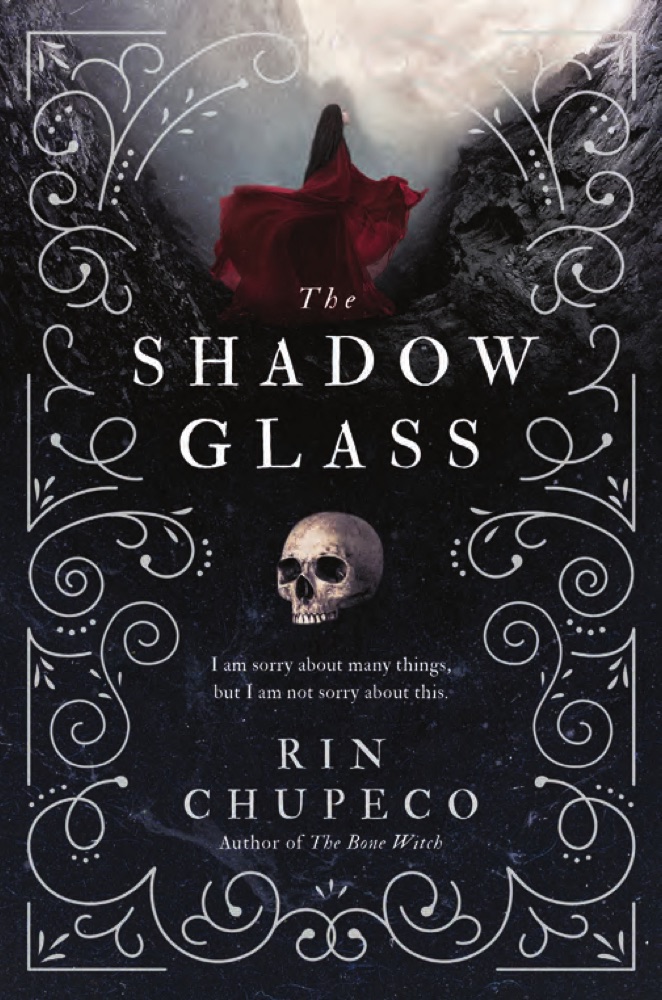 The Shadowglass
 The Idiot
 The Testaments
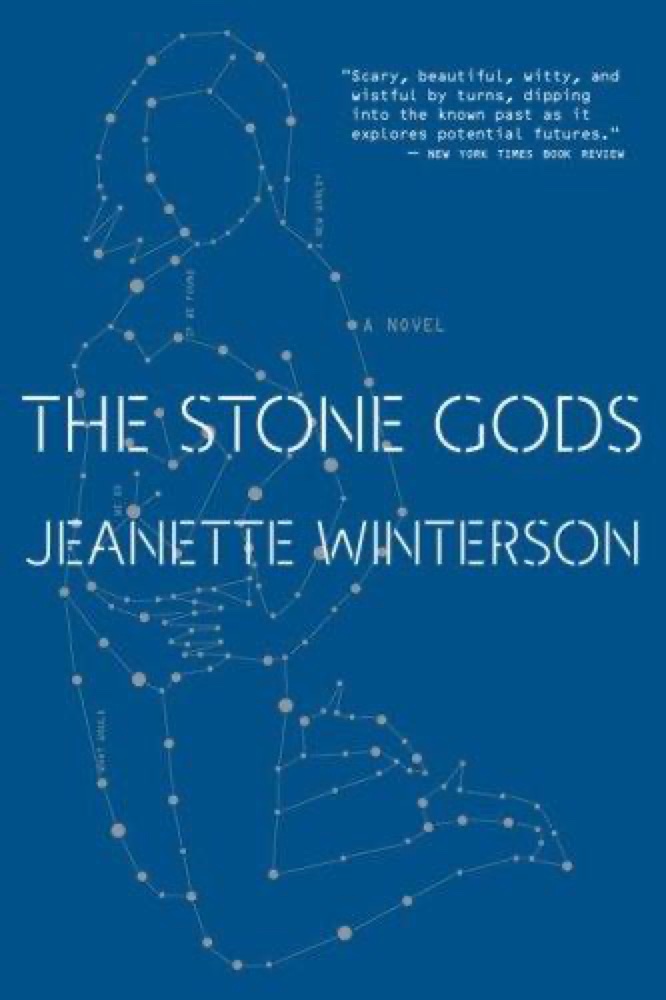 The Stone Gods