
 10 Minutes 38 Seconds in This Strange World
Quotes from the Book
Time may pass, but the memory of the people we've loved doesn't grow old. It is only we who age.
25
It isn't just the best things that come to an end, but also the worst.
17
Love is like therapy, it only works when you believe in it.
12
Later, Yui realized she had learned another important thing in that place of confinement: that silencing a man was equivalent to erasing him forever. And so it was important to tell stories, to talk to people, to talk about people. To listen to people talking about other people. Even to speak with the dead, if it helped.
9
Yui knew that the strongest kind of love is the kind that is taken for granted.
8
There was no addition or subtraction in life that did not require some time for adjustment.
7
love is a miracle. Even the second time around, even when it comes to you by mistake.
6
As children we see happiness as a thing. A toy train sticking out of a basket or the plastic film around a slice of cake. or a photograph of a scene in which we are at the centre, all eyes on us. As adults it gets more complicated. Happiness is success, work, a man or a woman. All vague, laborious things. Whether it's a word we use to describe our lives or not, it is mostly just that, a word. Childhood taught us something different about happiness, Yui thought, that all you needed to do was reach out your hand in the right direction and you could grasp it.
6
Every week had been a struggle; every month simply hours stacked up in the attic, for a future that might never arrive.
6
being loved comes with enormous responsibilities, at least as enormous as those of loving.
5
Anyone who has experienced great grief wonders at some point which is more difficult, learning or unlearning. There was a time when Yui wouldn't have been able to say, but now she was sure it was the second.
5
A famous citation from the American psychotherapist Virginia Satir (1916-1988) reads: 'We need four hugs a day for survival. We need eight hugs a day for maintenance. And we need twelve hugs a day for growth.
5
A man once told me that death is a very personal thing...' Suzuki-san said. 'To some extent, we try to build our lives exactly like everyone else's. But not death. Everyone reacts to death in their own way...
5
Knowing how to love life is a necessity, Takeshi, and she needs to learn to trust people. Not to hate them, there’s no way out of hate.
4
Yui and Takeshi gradually realised that the Wind Phone was like a verb that conjugated differently for each person: everybody's grief looked the same at first but was, ultimately, unique.
4
She [Yui] was convinced that nostalgia had nothing to do with memory, that we actually feel it most strongly for things we have never experienced.
4
And when happiness is a thing, anything that threatens its safety is the enemy.
4
Takeshi and Yui agreed that the things you end up missing most about somebody when they're gone are their flaws: the most ridiculous or annoying things. 'I wonder,' said Takeshi, 'whether it's because you had such a hard time accepting those things at first that now it's impossible to forget them.
4
The superficial knowledge of a subject is often more harmful than absolute ignorance.
4
Sometimes she cried, sometimes she laughed, because life could still be funny, even after a tragedy.
4
life decays, countless cracks form over time. But it was those very cracks, the fragility, that determined a person’s story; that made them want to keep going, to find out what happens next.
3
Grief, Yui had once told him, is something you ingest every day, like a sandwich cut into small pieces, gently chewed and then calmly swallowed. Digestion was slow. And so, Takeshi thought, joy must work the same way.
3
Yui concluded that memories were like objects, like the soccer ball that was found on the coast of Alaska a year after the tsunami, 3,000 miles away, on the other side of the Pacific Ocean. Sooner or later, they always floated back to the surface.
3
It was the right moment. It always is when something beautiful happens.
3
Yui developed her own theory: that for some people, life started loosening their joints when they were still in the cradle, and they had to work hard to hold the pieces together. She imagined those people juggling a bundle of limbs, ears, feet, and kidneys in their arms, like parts of the game Operation. But then, at some point, something would slot into place: they'd fall in love, start a family, get a well-paid job, a nice career, and they would begin to feel more stable. The truth was, though, they were just giving out parts of themselves to relatives and trusted friends; they were learning that it was normal not to be able to cope on your own, and that asking people for help was the only way forward if there were other things they wanted to do with their lives. They had to depend on others. And then? Then what would happen? That's where Yui believed luck came into it. Because if those people lost someone who had been looking after a fundamental piece of them, they would never be able to regain their balance. The harmony would be gone, along with their loved one.
3
fragility does not reside in things so much as in flesh. An object can be repaired or replaced, but the body cannot. Perhaps it is stronger than the soul, which once broken can remain so forever, but it is weaker than wood, lead, or iron.
3
It was an act of pure faith to pick up the receiver, dial a number, to be answered by a wall of silence and speak anyway. Fatih was the key to it all.
3
Being afraid of life and of people only makes you weaker.
2
A person can never have too many hugs.
2
But then she remembered a line, or even half a line, she had read in a book on raising children. She recalled it very clearly because it had unsettled her. It said that distance makes us love better and with greater respect. That distance wasn't, in fact, a bad thing. On the contrary, it was the lack of distance that could be harmful, and only the purest emotion, spontaneous and visceral love, was capable of healing a wound. Ah so, she remembered thinking, love is dangerous. And yet it's essential.
2
Watch on YouTube
About Laura Imai Messina
We have collected 30 quotes from 1 book by Laura Imai Messina on BookQuoters.
More about the author →About the book
The international bestselling novel sold in 21 countries, about grief, mourning, and the joy of survival, inspired by a real phone booth in Japan with its disconnected “wind” phone, a place of pilgrimage and solace since the 2011 tsunami When Yui loses both her mother and her daughter in the tsunami, she begins to mark the passage of time from that date onward: Everything is relative to March 11, 2011, the day the tsunami tore Japan apart, and when grief took hold of her life. Yui struggles to continue on, alone with her pain. Then, one day she hears about a man who has an old disused telephone booth in his garden. There, those who have lost loved ones find the strength to speak to them and begin to come to terms with their grief. As news of the phone booth spreads, people travel to it from miles around. Soon Yui makes her own pilgrimage to the phone booth, too. But once there she cannot
Book details
- First published
- 2020
- Author
- Laura Imai Messina
- Genre
- Fiction
- Goodreads rating
- 3.86 (26k ratings)
The buzz
- The TimesReview in The Timesprofessional review (via Book Marks)
- Kirkus ReviewsReview in Kirkus Reviewsprofessional review (via Book Marks)
- BooklistReview in Booklistprofessional review (via Book Marks)
- BookPageReview in BookPageprofessional review (via Book Marks)
- AsianreviewofbooksReview in Asianreviewofbooksprofessional review (via Book Marks)
- CsmonitorReview in Csmonitorprofessional review (via Book Marks)
Keep reading
10 Minutes 38 Seconds in This Strange World
 Tales from the Cafe
 Colorless Tsukuru Tazaki and His Years of Pilgrimage
 The Clockmaker's Daughter
 Panenka
 A Thousand Broken Pieces
 Beasts of a Little Land
 First Person Singular: Stories
 Leaving Time
 The Woman in the White Kimono
 Water Moon
 Audition
 The God of Small Things
 The Lake
 The Illusion of Separateness
 How High We Go in the Dark
 Sisterhood Everlasting
 The Words We Lost
 Forever in Blue: The Fourth Summer of the Sisterhood
 Hardboiled & Hard Luck
 Men Without Women
 The Book of Love
 Homeseeking
 Good Dirt
 The First Phone Call from Heaven
 P.S. I Love You
 Cursed Bunny
 The Story of Us
 Love Is the Higher Law
 The Art of Hearing Heartbeats
 Lisey's Story
 Eleven Minutes
 Everything Beautiful Began After
 You Have Seven Messages
 Teardrop
 Dreams of Falling
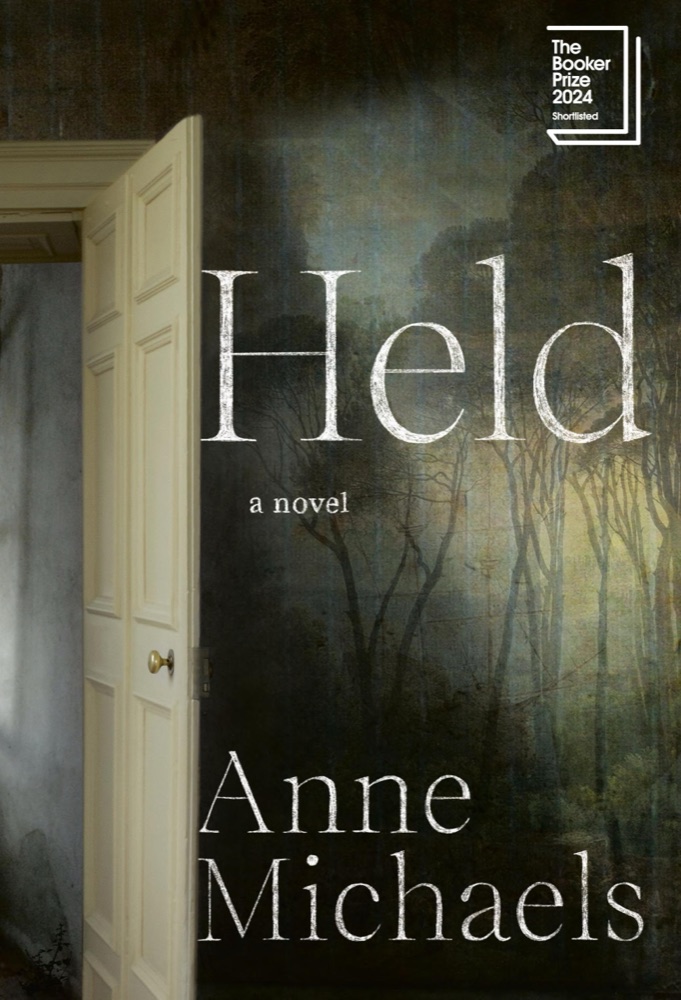 Held
Held
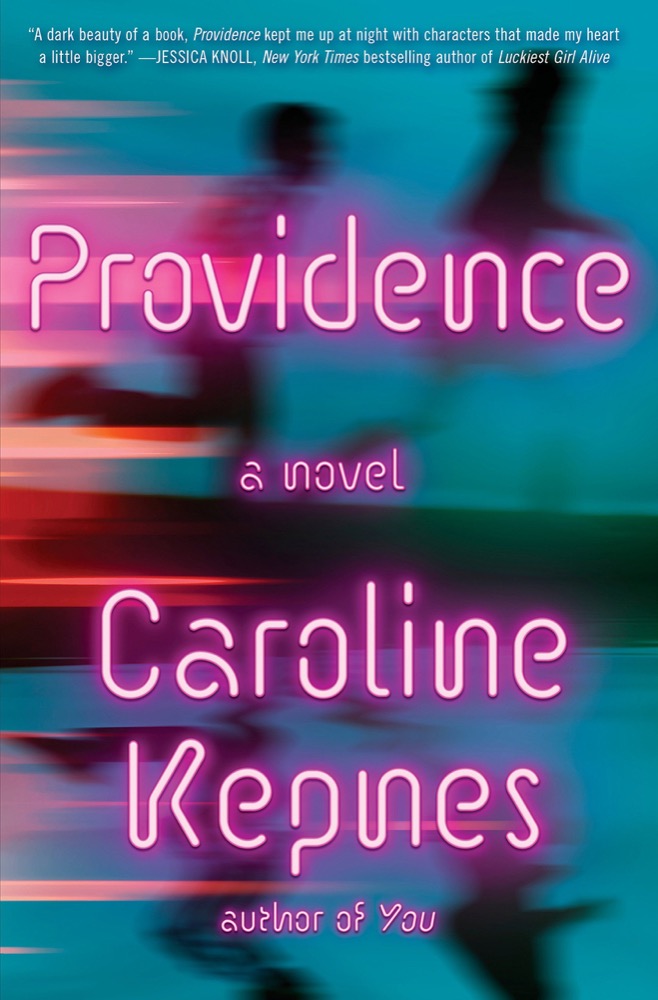 Providence
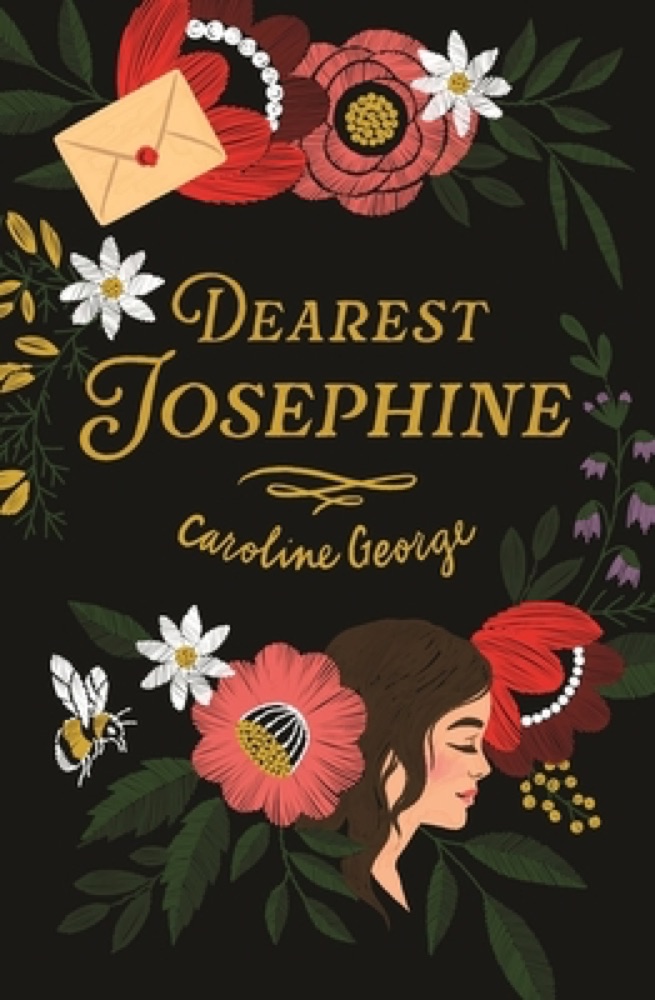 Dearest Josephine
 The Museum of Innocence
 The Secret Lives of People in Love
 The Bright Years
 Before Your Memory Fades
 All the Colors of the Dark
 The Gap of Time
 A Girl Like That
 Ghosts of Harvard
 Levels of Life
 Before the Coffee Gets Cold
 Arch of Triumph
 The Unfortunate Side Effects of Heartbreak and Magic
 They Call Her Dirty Sally
 When the World Tips Over
 Every Heart a Doorway
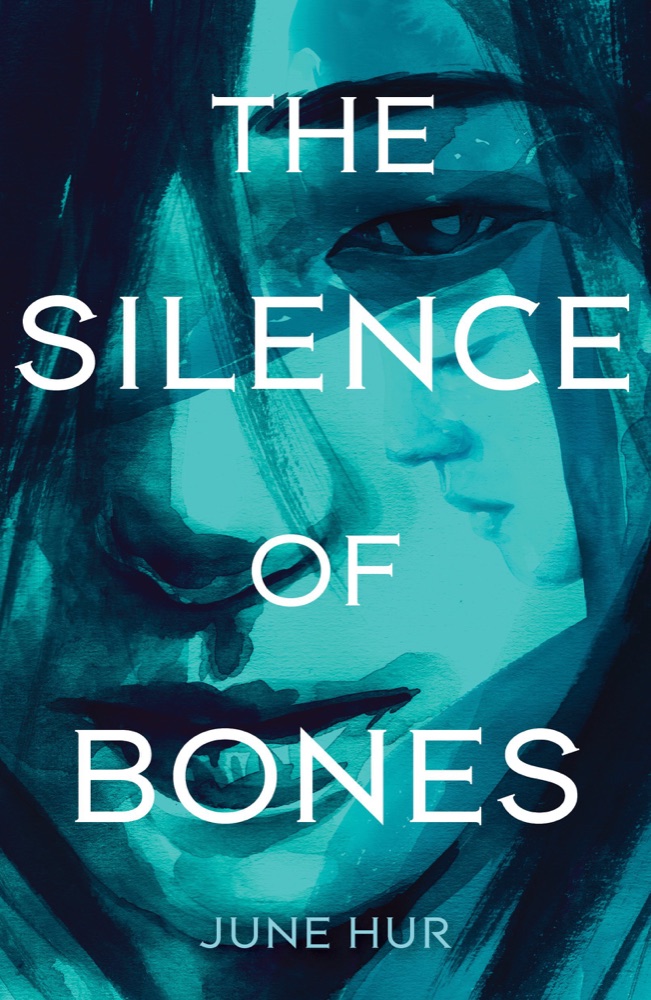 The Silence of Bones
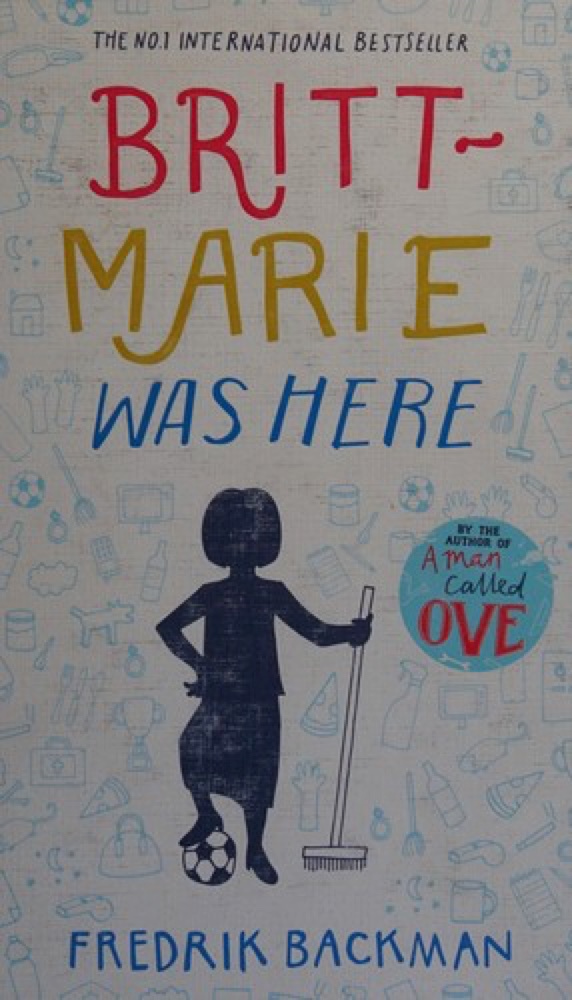 Britt-Marie Was Here
 The Story of Beautiful Girl
 The History of Love
 My Mother's Secret
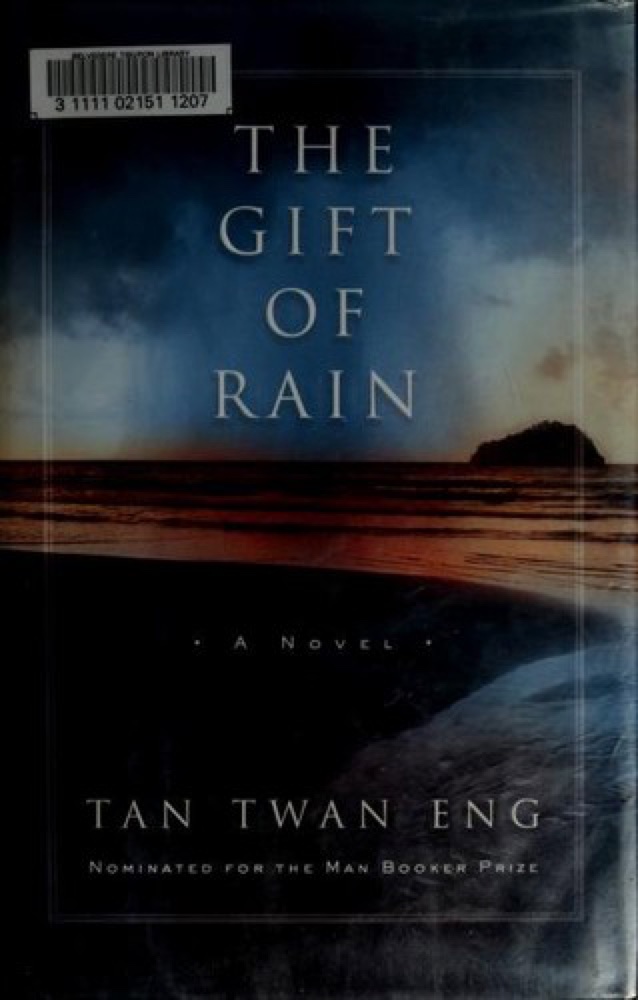 The Gift of Rain