 Snow Country
Quotes from the Book
After he became the Master, the world believed that he could not lose, and he had to believe it himself. Therein was the tragedy.
29
It may be said that the Master was plagued in his last match by modern rationalism, to which fussy rules were everything, from which all the grace and elegance of Go as art had disappeared, which quite dispensed with respect for elders and attached no importance to mutual respect as human beings. From the way of Go the beauty of Japan and the Orient had fled. Everything had become science and regulation. The road to advancement in rank, which controlled the life of a player, had become a meticulous point system. One conducted the battle only to win, and there was no margin for remembering the dignity and the fragrance of Go as an art. The modern way was to insist upon doing battle under conditions of abstract justice...
10
Stop. I don't like it. I don't like having people die.
3
From the way of Go the beauty of Japan and the Orient had fled. Everything had become science and regulation.
3
That play of black upon white, white upon black, has the intent and takes the form of creative art. It has in it a flow of the spirit and a harmony of music. Everything is lost when suddenly a false note is struck, or one party in a duet suddenly launches forth on an eccentric flight of his own. A masterpiece of a game can be ruined by insensitivity to the feelings of an adversary.
We were watching a battle, but it took clean forms.
En el mundo de los juegos de competencia, los espectadores no pueden evitar erigir héroes más allá de los reales poderes que tengan sus elegidos.
Watch on YouTube
About Yasunari Kawabata
We have collected 61 quotes from 5 books by Yasunari Kawabata on BookQuoters.
More about the author →More by Yasunari Kawabata
About the book
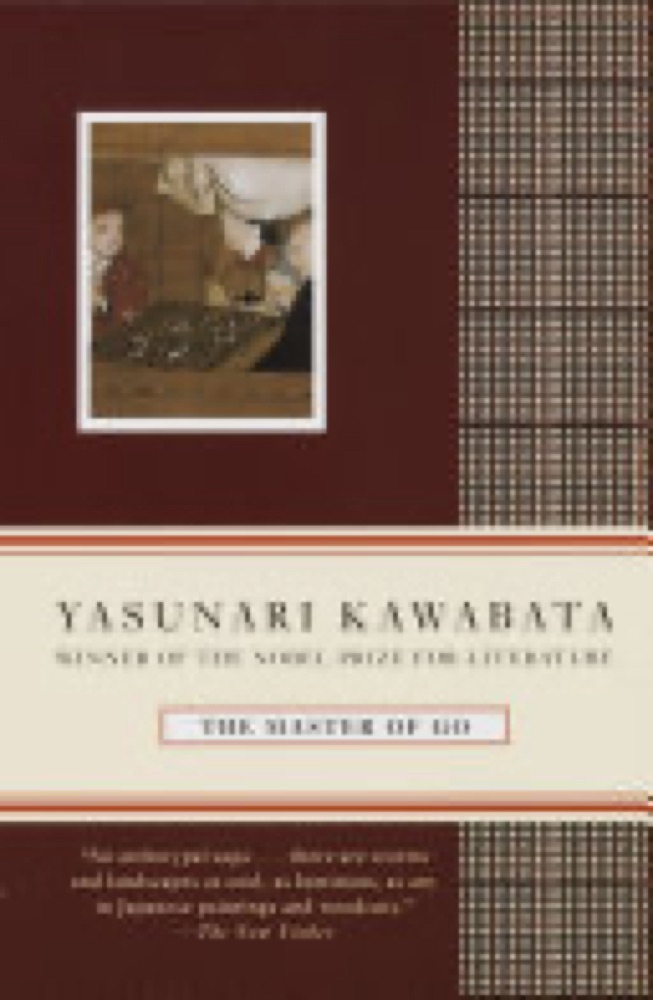
From the Nobel Prize-winning author and acclaimed writer of Thousand Cranes comes the luminous chronicle of a match of the Japanese game Go played between a master and a younger, more modern challenger that serves as a suspenseful elegy for an entire society.
Go is a game of strategy in which two players attempt to surround each other’s black or white stones. Simple in its fundamentals, infinitely complex in its execution, Go is an essential expression of the Japanese spirit. And in his fictional chronicle of a match played between a revered and heretofore invincible Master and a younger, more modern challenger, Yasunari Kawabata captured the moment in which the immutable traditions of imperial Japan met the onslaught of the twentieth century.
The competition between the Master of Go and his opponent, Otaké, is waged over several months and layered in ceremony. But beneath the game
Book details
- First published
- 1951
- Author
- Yasunari Kawabata
- Genre
- Fiction
- Goodreads rating
- 3.81 (6k ratings)
Keep reading
 Taiko: An Epic Novel of War and Glory in Feudal Japan
 Ninety-Three
 The Player of Games
 The Grace of Kings
 Last First Snow
 Pachinko
 The King's Blood
 Three Kingdoms
 Cloud of Sparrows
 The Way of Kings
 Speaking Bones
 The Last Watch
 Chess Story
 Shibumi
 Runaway Horses
 Forge of Darkness
 Musashi
 The Journey to the East
 The Damnation Game
 The Wall of Storms
 The Blood Mirror
 The Immortal Game: A History of Chess, or How 32 Carved Pieces on a Board Illuminated Our Understanding of War, Art, Science and the Human Brain
 Shōgun
 The Sunlit Man
 Red Mars
 Morality Play
 The Emperor's Blades
 Quicksilver
 Agamemnon
 Dust of Dreams
 Toll the Hounds
 Stormdancer
 Moving Pictures
 Playground
 Childhood's End
 Empire of Silence
 Blood Meridian: Or the Evening Redness in the West
 A Connecticut Yankee in King Arthur's Court
 Victory
 The Poppy War
 Cage of Souls
 The Street of a Thousand Blossoms
 Tiamat's Wrath
 Too Like the Lightning
 The Fencing Master
 The Defector
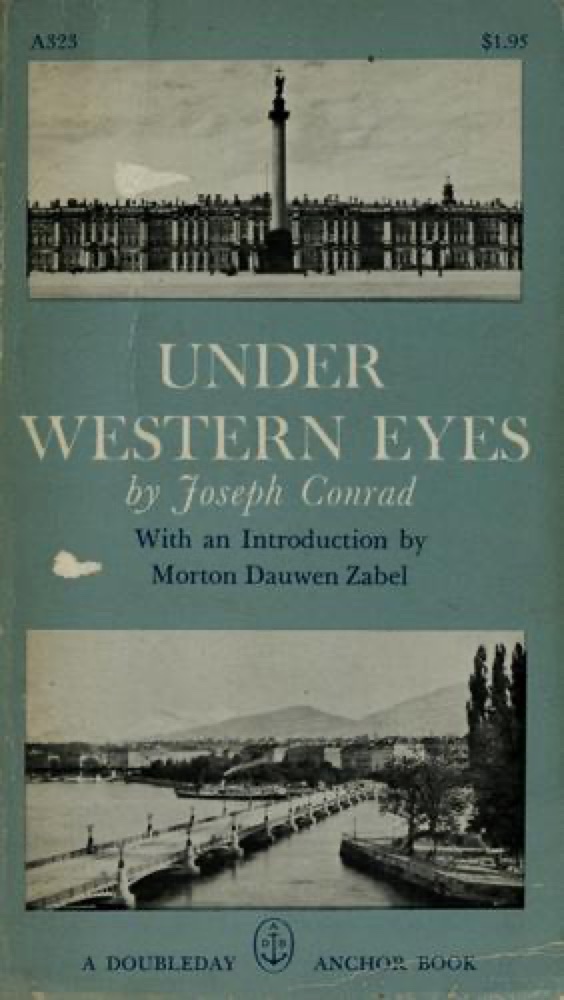 Under Western Eyes
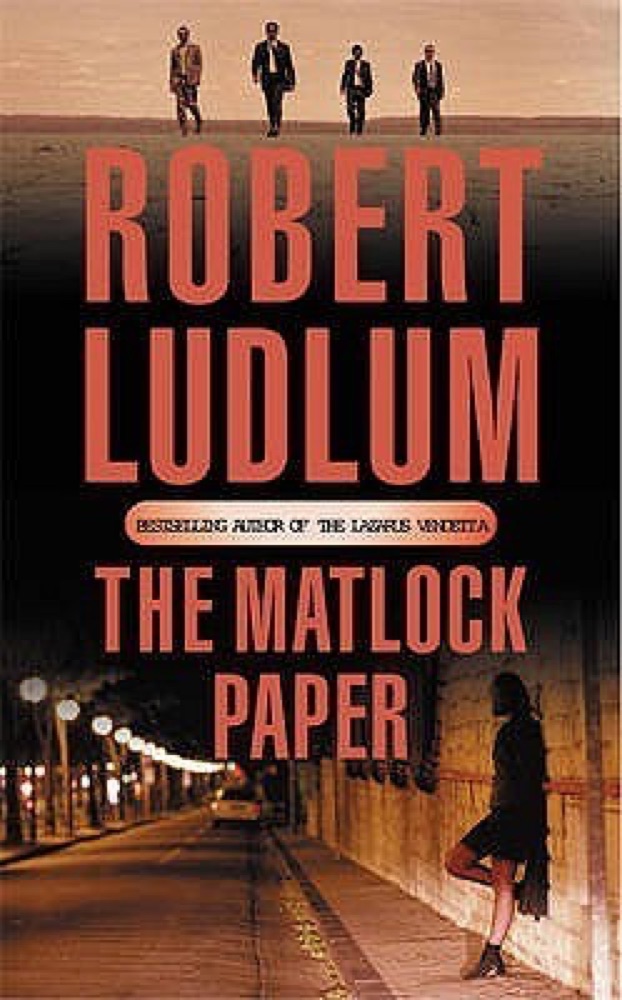 The Matlock Paper
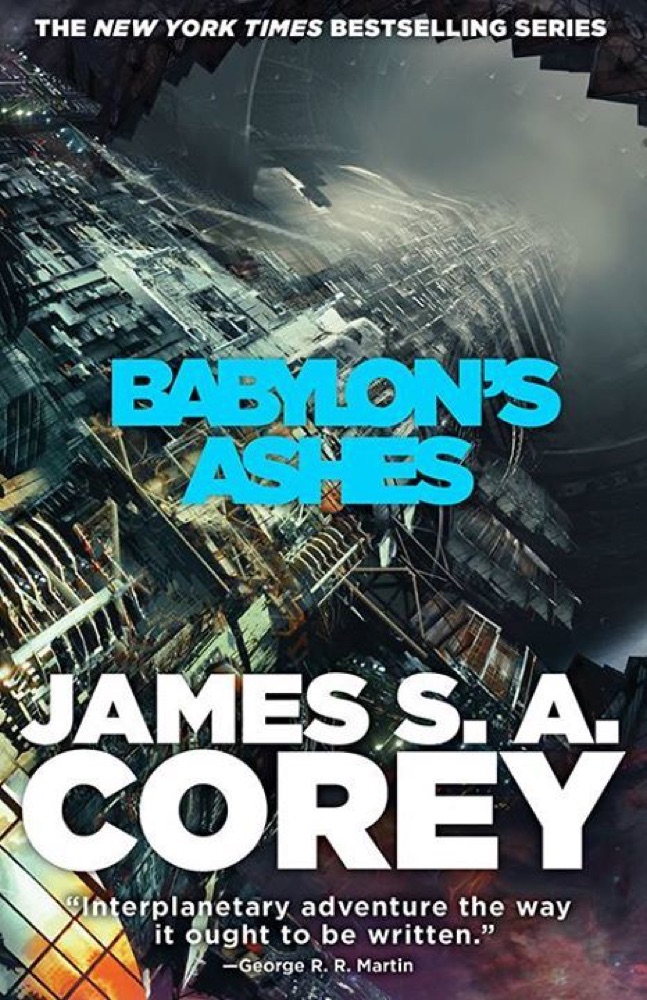 Babylon's Ashes
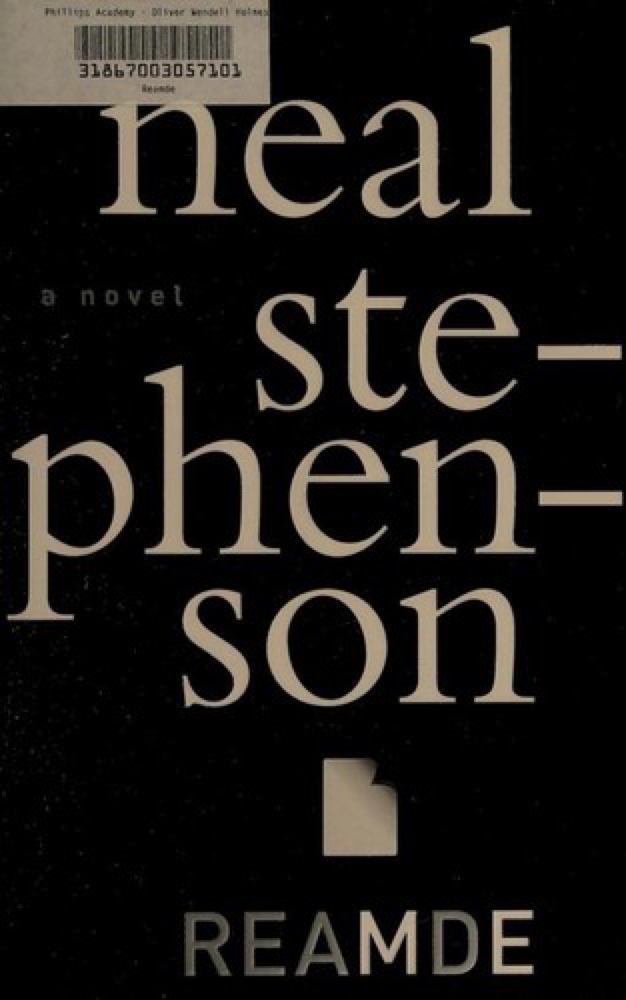 Reamde
 Use of Weapons
 Soul of the Fire
 Blood Meridian, or the Evening Redness in the West
 The Sailor Who Fell from Grace with the Sea
 Enchantment
 Ninefox Gambit
 Hagakure: The Book of the Samurai
 The Enchantress of Florence
 The Glass Bead Game
 The Temple of the Golden Pavilion