
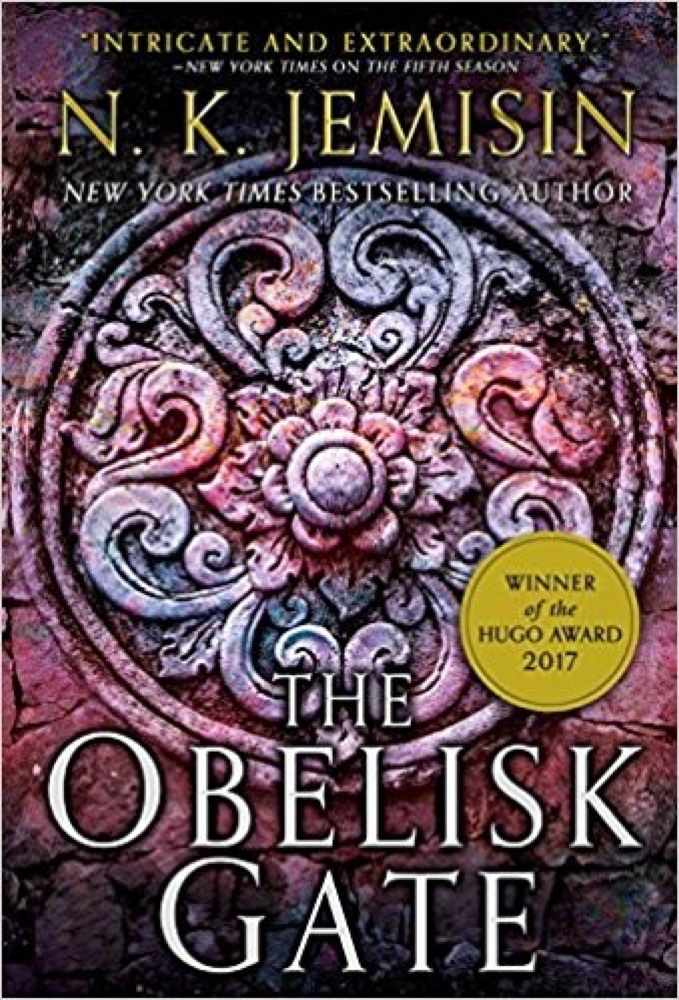
 The Obelisk Gate
Quotes from the Book
For all those that have to fight for the respect that everyone else is given without question.
Tell them they can be great someday, like us. Tell them they belong among us, no matter how we treat them. Tell them they must earn the respect which everyone else receives by default. Them them there is a standard for acceptance; that standard is simply perfection. Kill those who scoff at those contradictions, and tell the rest that the dead deserved annihilation for their weakness and doubt. Then they'll break themselves trying for what they'll never achieve
Home is what you take with you, not what you leave behind.
When we say “the world has ended,” it’s usually a lie, because the planet is just fine. But this is the way the world ends. This is the way the world ends. This is the way the world ends. For the last time.
This is why she hates Alabaster: not because he is more powerful, not even because he is crazy, but because he refuses to allow her any of the polite fictions and unspoken truths that have kept her comfortable, and safe, for years.
We aren't human." "Yes. We. Are." His voice turns fierce. "I don't give a shit what the something-somethingth council of big important farts decreed, or how the geomests classify things, or any of that. That we're not human is just the lie they tell themselves so they don't have to feel bad about how they treat us.
Who misses what they have never, ever even imagined?
neither myths nor mysteries can hold a candle to the most infinitesimal spark of hope.
Nothing to do but follow your crazy,
After all, a person is herself, and others. Relationships chisel the final shape of one's being. I am me, and you.
Let's start with the end of the world, why don't we? Get it over with and move on to more interesting things.
think you hate me because… I’m someone you can hate. I’m here, I’m handy. But what you really hate is the world.
There is an art to smiling in a way that others will believe. It is always important to include the eyes; otherwise, people will know you hate them.
When the reasoning mind is forced to confront the impossible again and again, it has no choice but to adapt.
You must remember, though, that most normal people have never seen an orogene, let alone had to do business with one, and—” She spreads her hands. “Isn’t it understandable that we might be… uncomfortable?” “Discomfort is understandable. It’s the rudeness that isn’t.” Rust this. This woman doesn’t deserve the effort of her explanation. Syen decides to save that for someone who matters. “And that’s a really shitty apology. ‘I’m sorry you’re so abnormal that I can’t manage to treat you like a human being.
The body fades. A leader who would last relies on more.
There passes a time of happiness in your life, which I will not describe to you. It is unimportant. Perhaps you think it wrong that I dwell so much on the horrors, the pain, but pain is what shapes us, after all. We are creatures born of heat and pressure and grinding, ceaseless movement. To be still is to be… not alive. But
Fear of a bully, fear of a volcano; the power within you does not distinguish. It does not recognize degree.
Listen, listen, listen well. There was an age before the Seasons, when life and Earth, its father, thrived alike. (Life had a mother, too. Something terrible happened to Her.)
The look on her face is one of horror, or perhaps sorrow so great that it might as well be horror. Past a certain point, it’s all the same thing.
It’s a gift if it makes us better. It’s a curse if we let it destroy us.
We must be polite, Syen,” he says. He’s still smiling, but he’s furious; she can tell because he’s flashing too many teeth. “We’re only orogenes, after all. And this is a member of the Stillness’s most esteemed use-caste. We are merely here to wield powers greater than she can comprehend in order to save her region’s economy, while she—” He waggles a finger at the woman, not even trying to hide his sarcasm. “She is a pedantic minor bureaucrat. But I’m sure she’s a very important pedantic minor bureaucrat.
You’ve read accounts of attempts by the Sixth University at Arcara to capture a stone eater for study, two Seasons back. The result was the Seventh University at Dibars, which got built only after they dug enough books out of the rubble of Sixth.
The children of the Fulcrum are all different: different ages, different colors, different shapes. Some speak Sanze-mat with different accents, having originated from different parts of the world. One girl has sharp teeth because it is her race's custom to file them; another boy has no penis, though he stuffs a sock into his underwear after every shower; another girl has rarely had regular meals and wolfs down every one like she's still starving. (The instructors keep finding food hidden in and around her bed. They make her eat it, all of it, in front of them, even if it makes her sick.) One cannot reasonably expect sameness out of so much difference, and it makes no sense for Damaya to be judged by the behavior of children who share nothing save the curse of orogeny with her.
But this is what it means to be civilized—doing what her betters say she should, for the ostensible good of all.
You know how these things are supposed to work, right? The good-looking popular guy suddenly shows interest in the mousy girl from the country. Everyone hates her for it, but she starts to gain confidence in herself. Then the guy betrays her and regrets it. It’s awful, but afterward she ‘finds herself,’ realizes she doesn’t need him, and maybe there’s some other stuff that happens”—he waggles his fingers in the air—“and finally she turns into the most beautiful girl ever because she likes herself. But it won’t work at all if you don’t stammer and blush and pretend you don’t like me.” She’s
And what do they even call this? It's not a threesome, or a love triangle. It's a two-and-a-half-some, an affection dihedron.
A commandment,” the man says, spreading his arms, “is set in stone.” Imagine that his face aches from smiling. He’s been smiling for hours: teeth clenched, lips drawn back, eyes crinkled so the crow’s feet show. There is an art to smiling in a way that others will believe. It is always important to include the eyes; otherwise, people will know you hate
Then she wonders why a part of her is trying to find value in degradation.
Did you know?
- It is the first book in N.K. Jemisin's Broken Earth trilogy, followed by The Obelisk Gate and The Stone Sky.
- It won the 2016 Hugo Award for Best Novel, making Jemisin the first Black author to win that award.
- Essun's chapters are narrated in the second person, an unusual choice for a fantasy novel.
- The story takes place on a supercontinent called the Stillness, plagued by recurring apocalyptic 'Fifth Seasons.'
- Jemisin went on to win the Hugo Award for Best Novel for all three books in the trilogy in consecutive years.
About N.K. Jemisin
N.K. Jemisin is an American speculative fiction writer whose Broken Earth trilogy made her the first author to win the Hugo Award for Best Novel three years in a row. She is known for fantasy and science fiction that engages with themes of oppression and social power.
More about the author →More by N.K. Jemisin
All books by N.K. Jemisin →
About the book
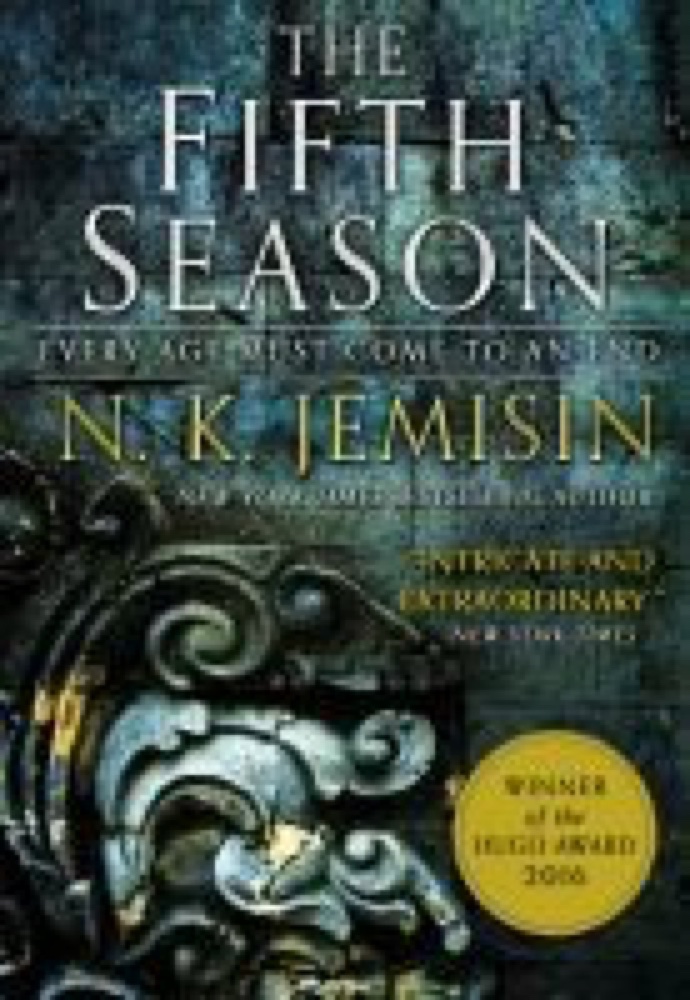
The Fifth Season is the opening novel of N.K. Jemisin's Broken Earth trilogy, set on a planet whose single supercontinent, the Stillness, is regularly wracked by apocalyptic climate catastrophes known as Fifth Seasons. The book braids together three narratives: Essun, a middle-aged woman whose husband has murdered their son and fled with their daughter just as a continent-splitting cataclysm begins; Damaya, a girl taken from her family to be trained as an orogene; and Syenite, a young orogene sent on a mission with the immensely powerful Alabaster. Orogenes are people who can sense and manipulate the earth's heat and movement, a power that makes them both essential to and feared by the society that enslaves them.
The novel is built around themes of oppression, bodily autonomy, and systemic exploitation, using the persecution of orogenes to examine how societies dehumanize the very people they depend on. Jemisin tells Essun's chapters in an unusual second person, and the interlocking timelines gradually reveal how the three women's stories are connected. The bleak, ash-choked world and the institutions that control orogenes serve as a sustained meditation on power, survival, and resistance.
The Fifth Season was widely acclaimed on publication and won the 2016 Hugo Award for Best Novel, making Jemisin the first Black author to win that award; she would go on to win it again for each of the trilogy's two sequels. The book helped cement Jemisin's reputation as a major voice in contemporary speculative fiction and is frequently cited as a landmark work of modern fantasy.
Key characters
- EssunA middle-aged orogene searching for her kidnapped daughter after her husband kills their son
- DamayaA young orogene taken from her family to be trained at the Fulcrum
- SyeniteA young orogene sent on a mission with the powerful Alabaster
- AlabasterA ten-ring orogene of the highest rank who knows hidden truths about the world
- SchaffaA Guardian who trains and controls orogenes through pain and discipline
- HoaA mysterious white-skinned boy who accompanies Essun and narrates her chapters
- JijaEssun's husband, who kills their son and abducts their daughter
Book details
- First published
- 2015
- Length
- 512 pages
- Reading time
- 31 hours
- Author
- N.K. Jemisin
- Genre
- Fiction
- Goodreads rating
- 4.28 (348k ratings) →
- First line
- “Let's start with the end of the world, why don't we?”
Series & reading order
- 1 The Fifth Season
- 2 The Obelisk Gate
- 3 The Stone Sky
If you liked this, read…
- 1The Obelisk GateThe direct sequel that continues Essun's story in the Broken Earth trilogy
- 2Parable of the SowerOctavia Butler's climate-apocalypse novel centering a powerful Black woman protagonist
- 3Ancillary JusticeAn award-winning SFF novel with unconventional narration and themes of power and control
Keep reading
 The Burning World
 The Long Way to a Small, Angry Planet
 Tiamat's Wrath
 Fragments
 The Gone-Away World
 The Atlas Complex
The Obelisk Gate
The Atlas Complex
The Obelisk Gate
 The Stone Sky
 The Shape of Water
 Come Tumbling Down
 The Handmaid's Tale
 The Broken Eye
 Embers
 The Stone Gods
 That Hideous Strength
 We the Living
 Xenocide
 Rot & Ruin
 Shadow's Edge
 Out of Oz
 A Visit from the Goon Squad
 White Teeth
 The Stars Are Legion
 Forever Odd
 City of Stairs
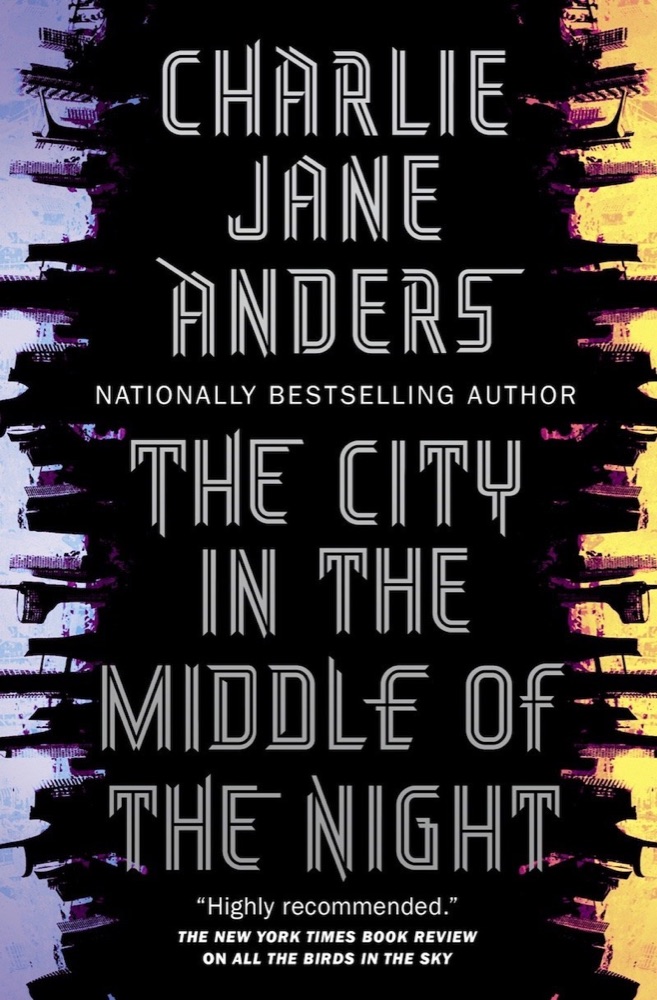 The City in the Middle of the Night
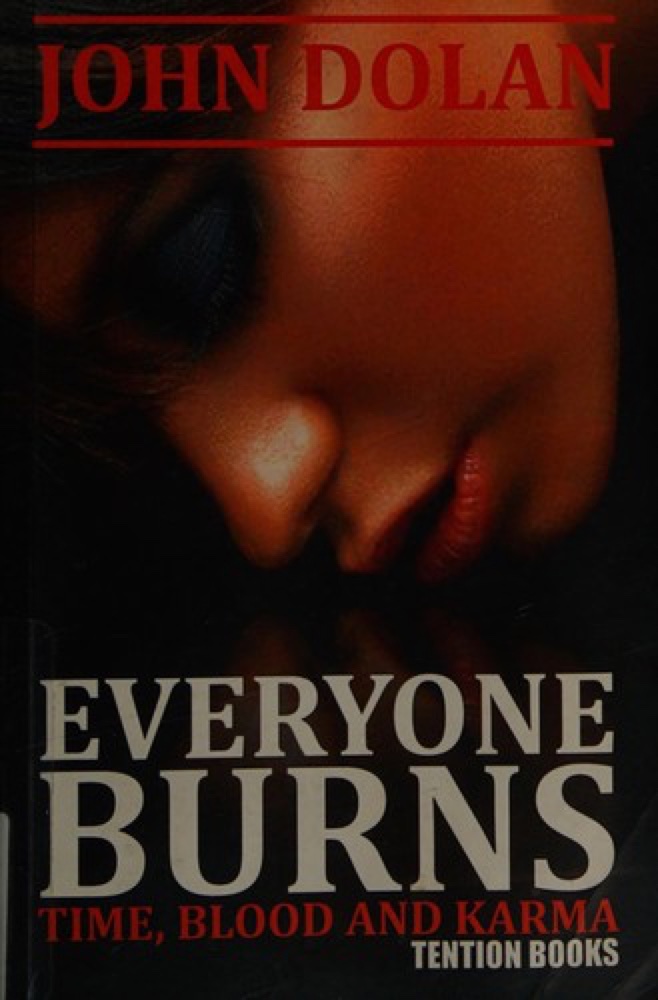 Everyone Burns
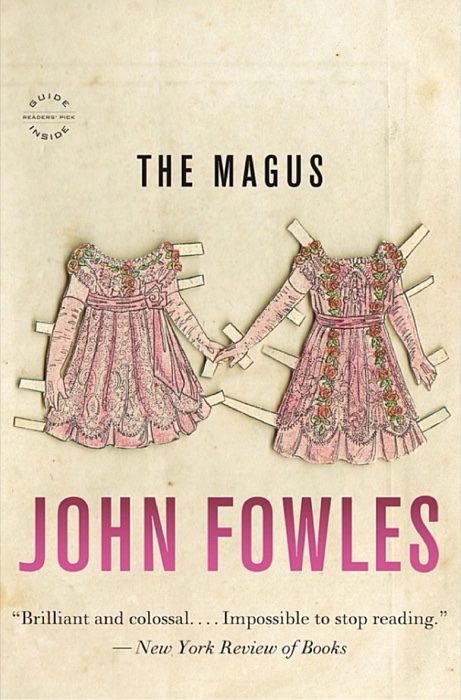 The Magus
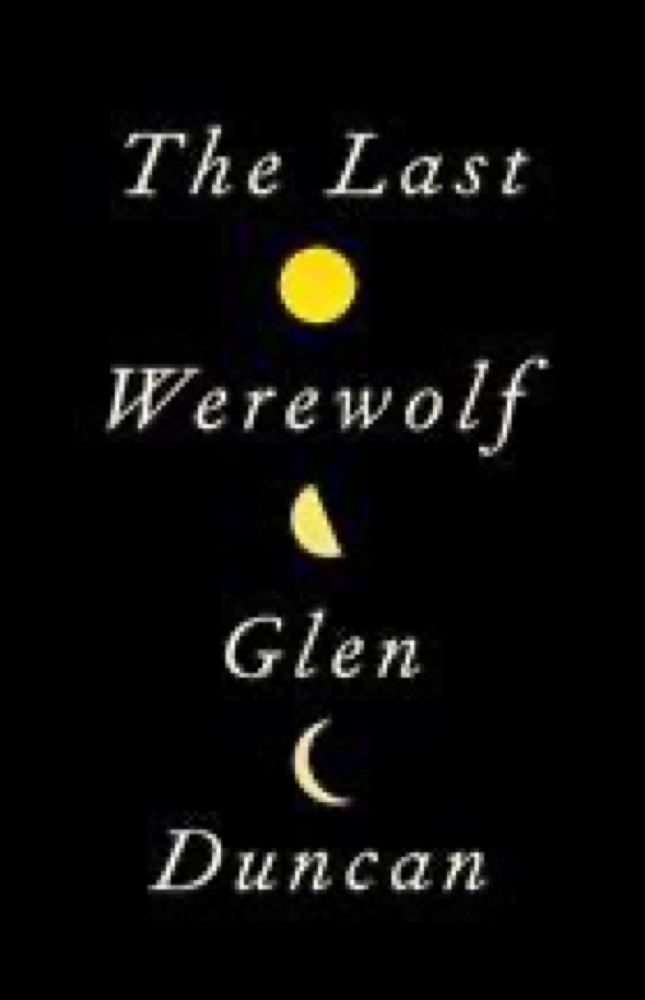 The Last Werewolf
 The Ground Beneath Her Feet
 Wicked: The Life and Times of the Wicked Witch of the West
 Children of the Mind
 East of Eden
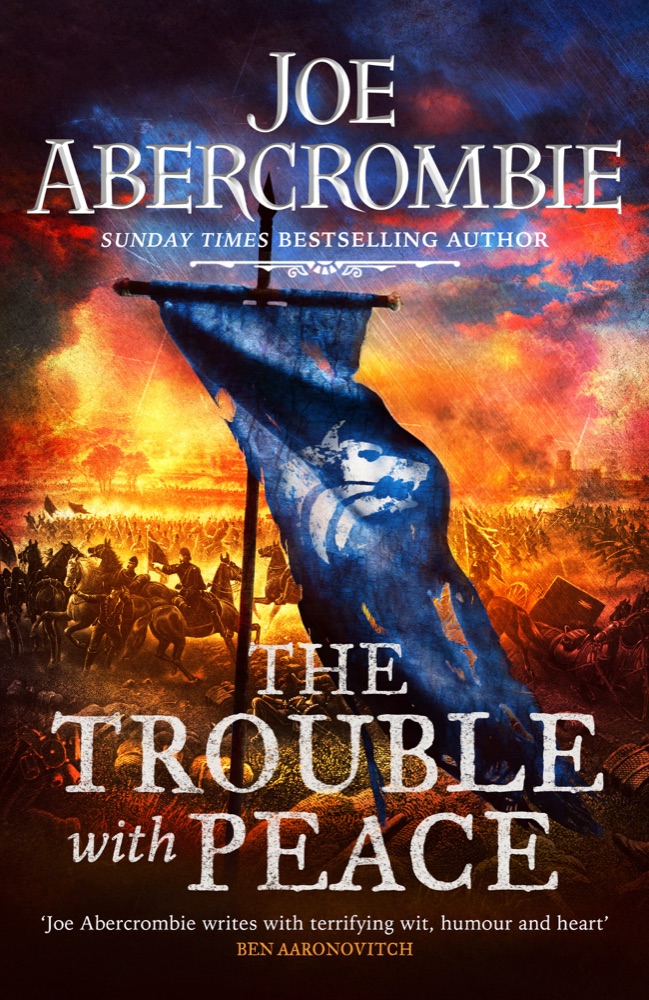 The Trouble with Peace
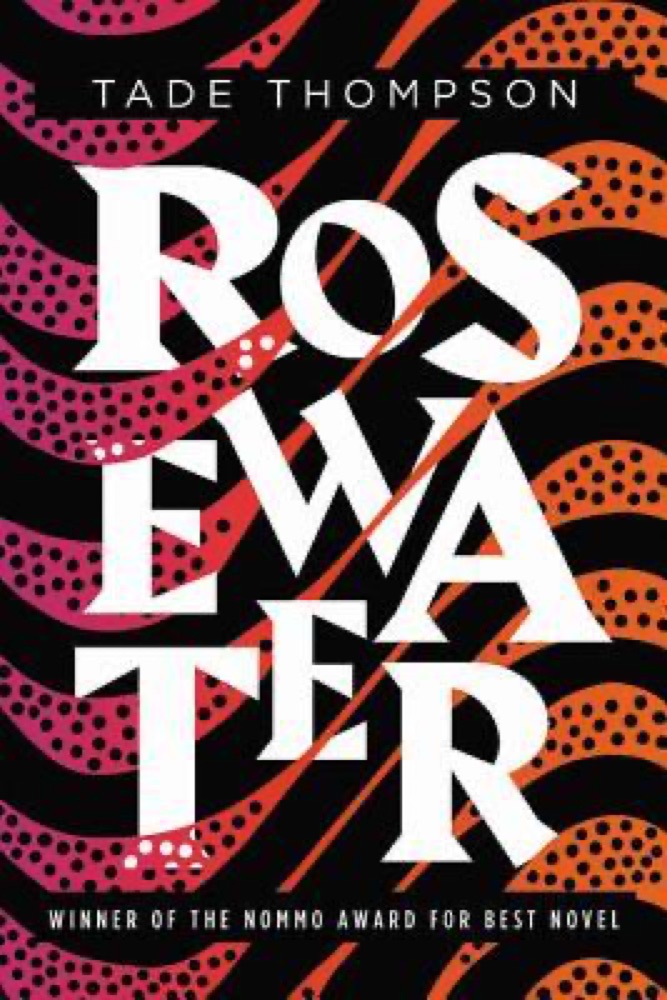 Rosewater
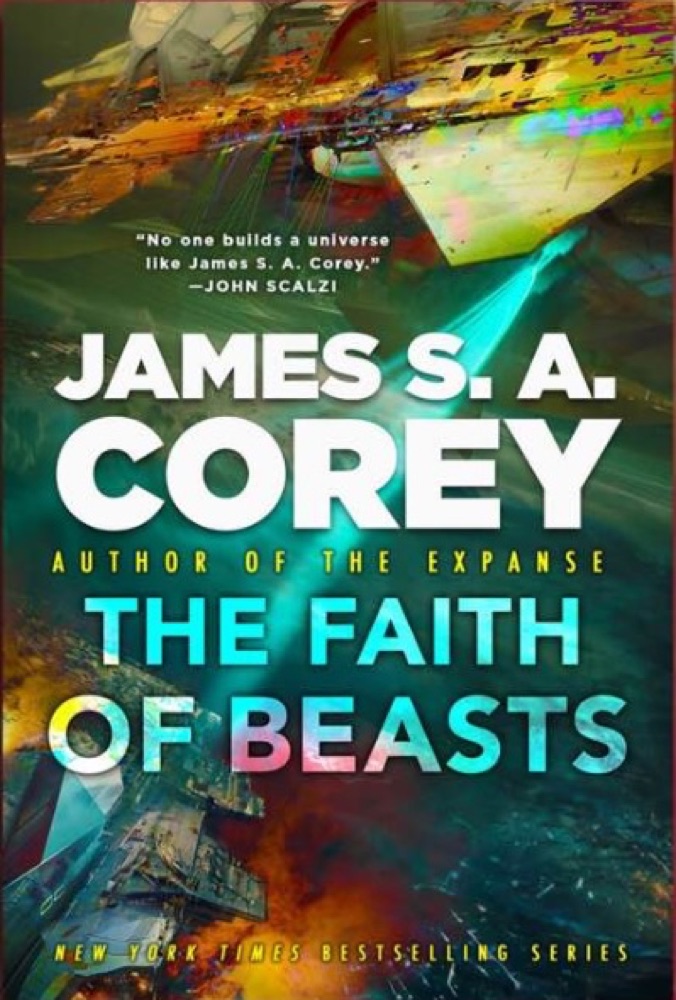 The Faith of Beasts
 The Storyteller
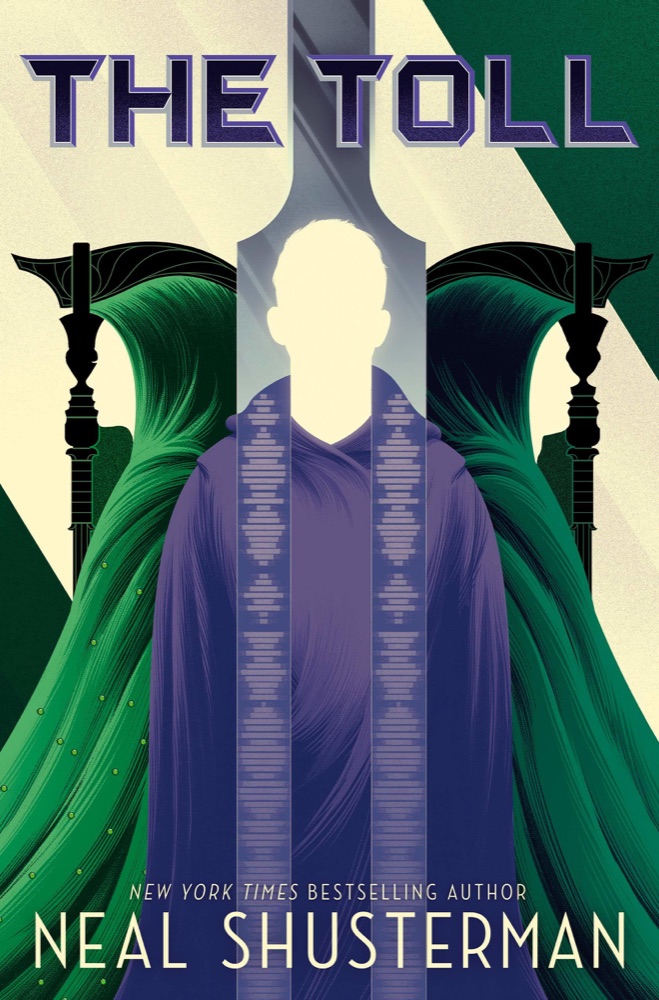 The Toll
 The Fall
 How Long 'til Black Future Month?
 Love from A to Z
 On Beauty
 Invisibility
 Varina
 UnWholly
 A Single Man
 Senlin Ascends
 Brother Odd
 Ruins
Ruins
 The Hod King
 Hard-Boiled Wonderland and the End of the World
 The 5th Wave
 The Fall of Babel
 Unwind
 Imaginary Numbers
 Robopocalypse
 The Signature of All Things
 The Atlas Paradox
 NW
NW
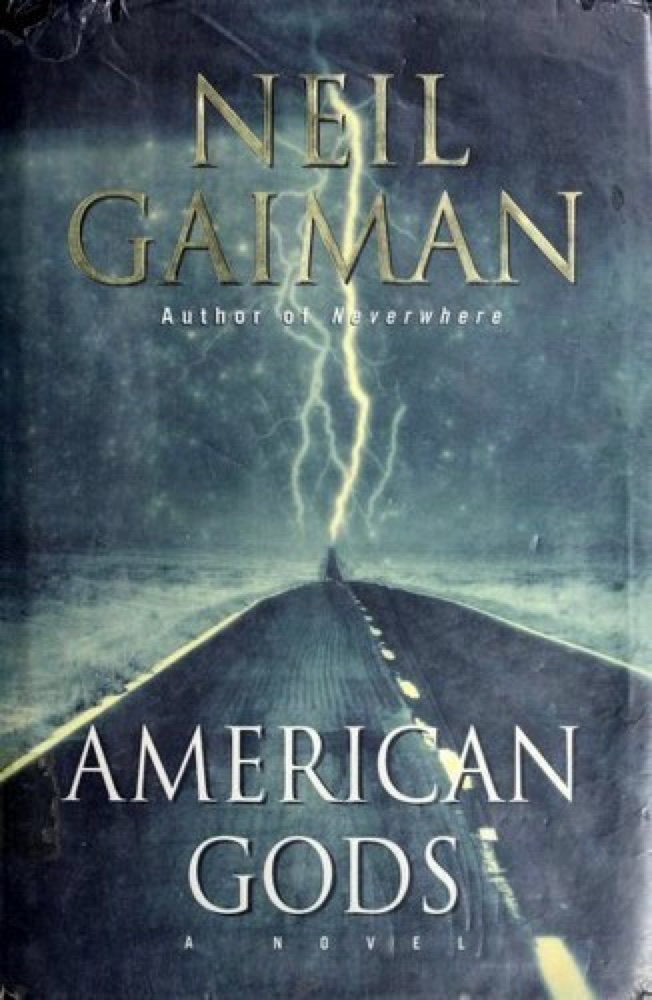 American Gods