
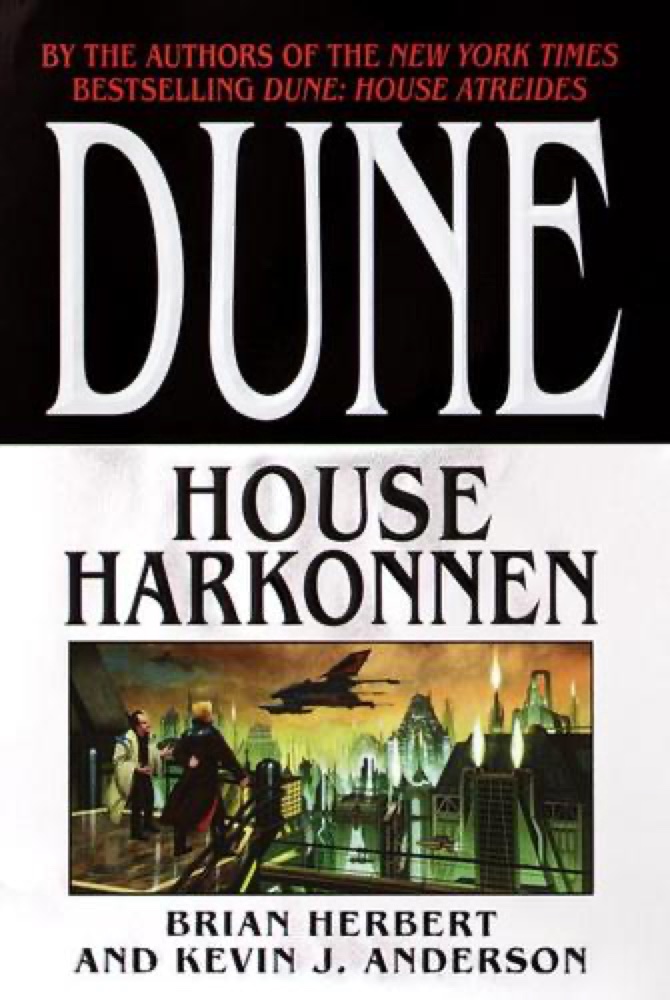
 House Harkonnen
Quotes from the Book
Some say it is better to rule in hell than serve in heaven. That is a defeatist attitude. I intend to rule everywhere, not just in Hell." - General Agamemnon New Memoirs
15
Successful creative energy involves the harnessing of controlled madness. I am convinced of this. —ERASMUS, The Mutability of Organic Forms
2
The greatest of mankind’s criminals are those who delude themselves into thinking they have done “the right thing.” —RAYNA BUTLER, sermons on Salusa Secundus
2
But our long struggle is held together by the slender threads of heroes and myths.
2
I cannot grasp the magnitude of your evil” “Proof that you lack imagination
2
The successful executive is like a poker player, either concealing his emotions or showing false ones, so that others cannot use them against him. —AURELIUS VENPORT, The Legacy of Business
1
Humans were foolish to build their own competitors—but they couldn’t help themselves. —ERASMUS, philosophical datanotes
1
up a series of ramparts that were guarded by neo-cymeks with translucent preservation canisters tucked safely in their undercarriages, like strange mechanical genitalia.
Stay on your guard,” Quentin transmitted over the comline. “He may just be playing dead.” “I hit him hard enough to make him play dead forever.
The gravest error a thinking person can make is to believe that one particular version of history is absolute fact. History is recorded by a series of observers, none of whom is impartial. The facts are distorted by sheer passage of time and—especially in the case of the Butlerian Jihad—thousands of years of humanity’s dark ages, deliberate misrepresentations by religious sects, and the inevitable corruption that comes from an accumulation of careless mistakes. The wise person, then, views history as a set of lessons to be learned, choices and ramifications to be considered and discussed, and mistakes that should never again be made. —PRINCESS IRULAN, preface to the History of the Butlerian Jihad
The history of warfare is made up of moments, and decisions, that could have gone either way. -Erasmus
Despite their biological flaws, human beings continue to see things that our most sophisticated sensors cannot detect, and they understand strange concepts that gelcircuitry minds cannot comprehend. It is no surprise, then, that so many of them go insane. —Erasmus Dialogues
Those who have everything value nothing. Those who have nothing value everything. —RAQUELLA BERTO-ANIRUL, Assessments of Philosophical Revelations
Many years ago, the robot had developed a special term in honor of Gilbertus’s burgeoning mental processes, his remarkable memory-organizational ability and capacity for logical thinking. “I am your mentor,” the robot had said. “You are my mentee. I am instructing you in mentation. Therefore, I will call you by a nickname I have derived from these terms. I will use the name whenever I am especially pleased with your performance. I hope you consider it a term of endearment.” Gilbertus had grinned at his master’s praise. “A term of endearment? What is it, Father?” “I will call you my Mentat.” And the name had stuck.
Loyalty is a clear-cut matter only for those with simple minds and no imagination. —GENERAL AGAMEMNON, New Memoirs
Death can be a friend, but only if he comes calling at the right time. —Navachristianity text (disputed translation)
Watch on YouTube
About Brian Herbert
We have collected 210 quotes from 8 books by Brian Herbert on BookQuoters.
More about the author →More by Brian Herbert
All books by Brian Herbert →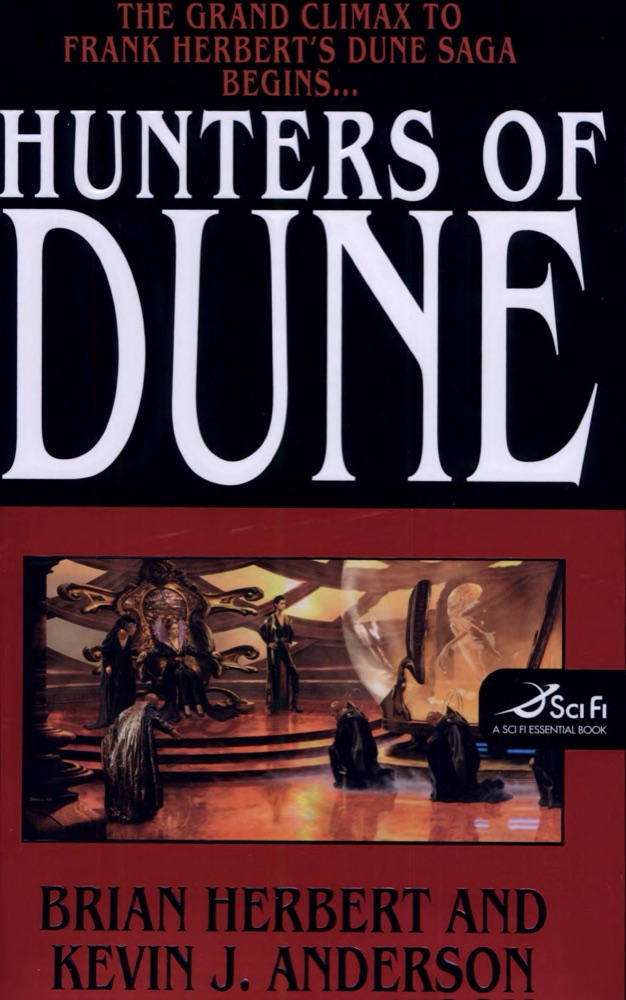
About the book
Alternate cover edition located here.
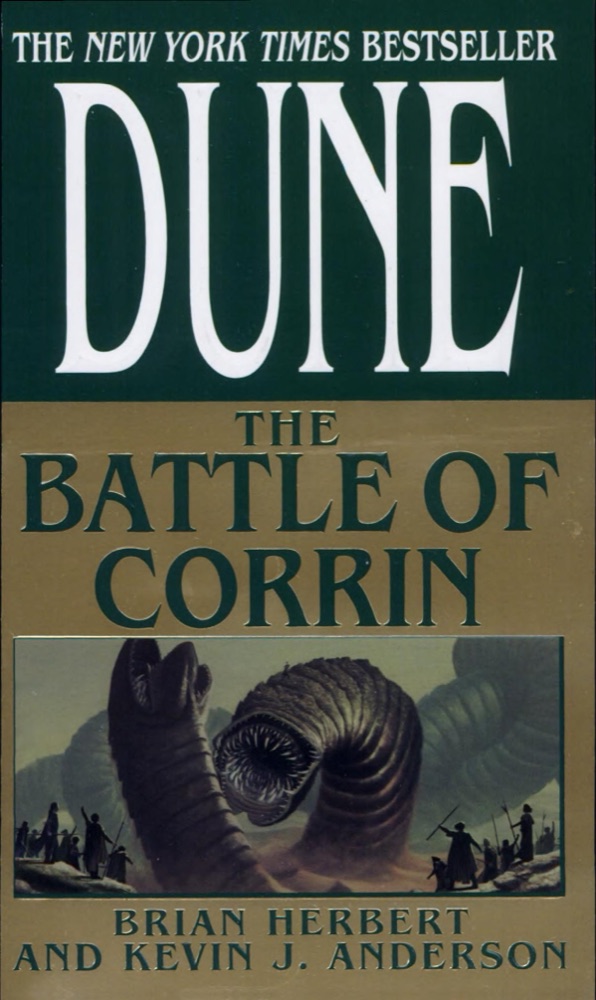
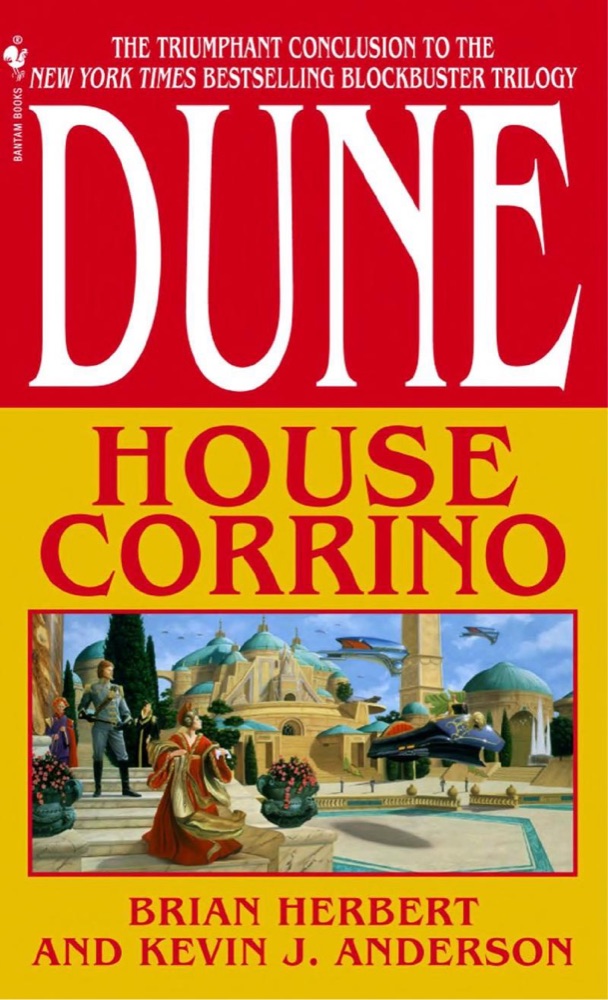
Following their internationally bestselling novels Dune: The Butlerian Jihad and Dune: The Machine Crusade, Brian Herbert and Kevin J. Anderson forge a final tumultuous finish to their prequels to Frank Herbert's Dune.
It has been fifty-six hard years since the events of The Machine Crusade. Following the death of Serena Butler, the bloodiest decades of the Jihad take place. Synchronized Worlds and Unallied Planets are liberated one by one, and at long last, after years of victory, the human worlds begin to hope that the end of the centuries-long conflict with the thinking machines is finally in sight.
Unfortunately, Omnius has one last, deadly card to play. In a last-ditch effort to destroy humankind, virulent plagues are let loose throughout the galaxy, decimating the populations of whole planets . . . and once again, the tide of the titan
Book details
- First published
- 2004
- Author
- Brian Herbert
- Genre
- Science Fiction
- Goodreads rating
- 3.82 (16k ratings)
Keep reading
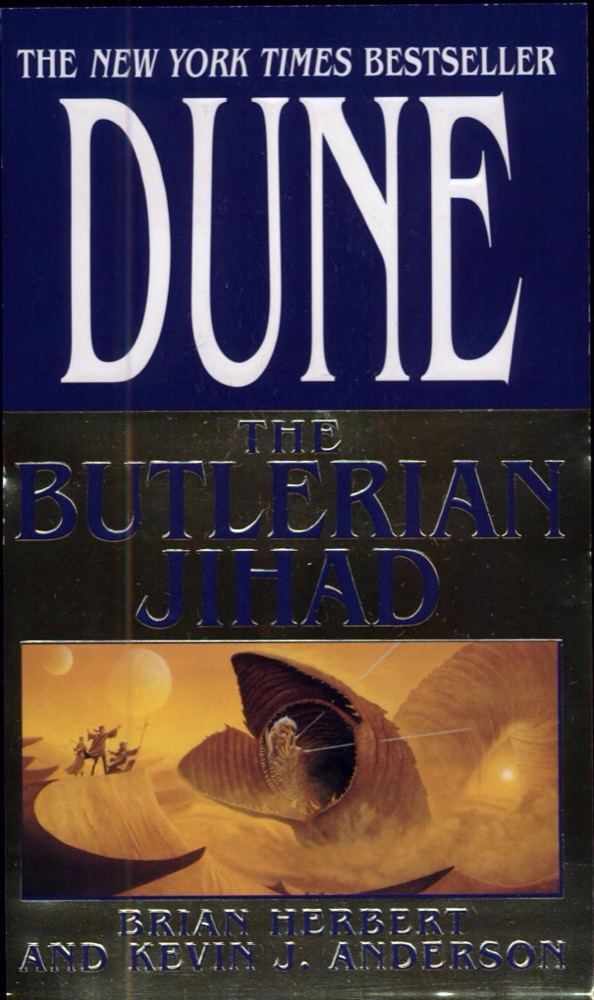 The Butlerian Jihad
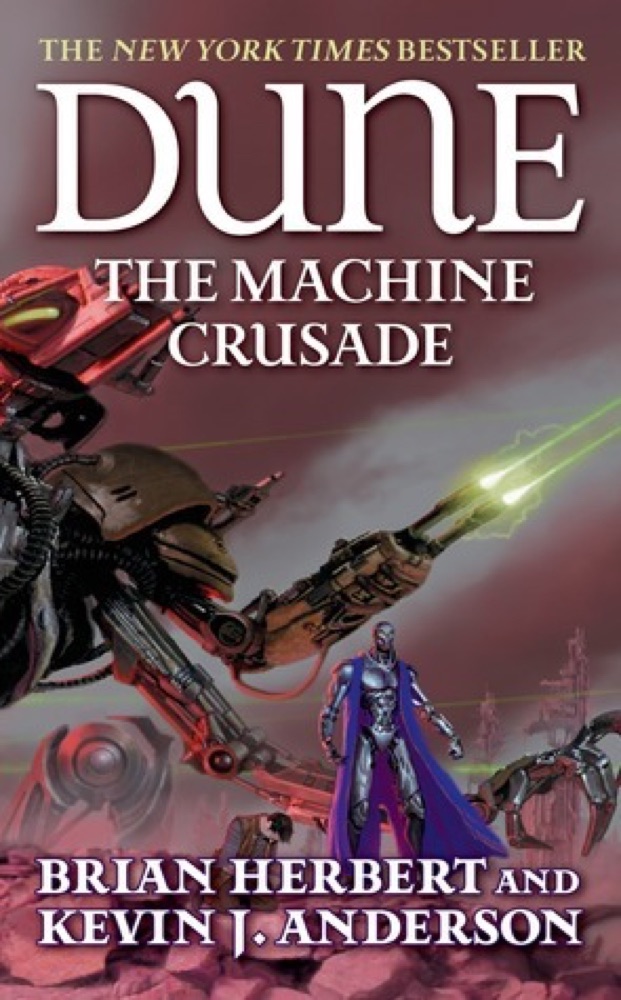 The Machine Crusade
 House Atreides
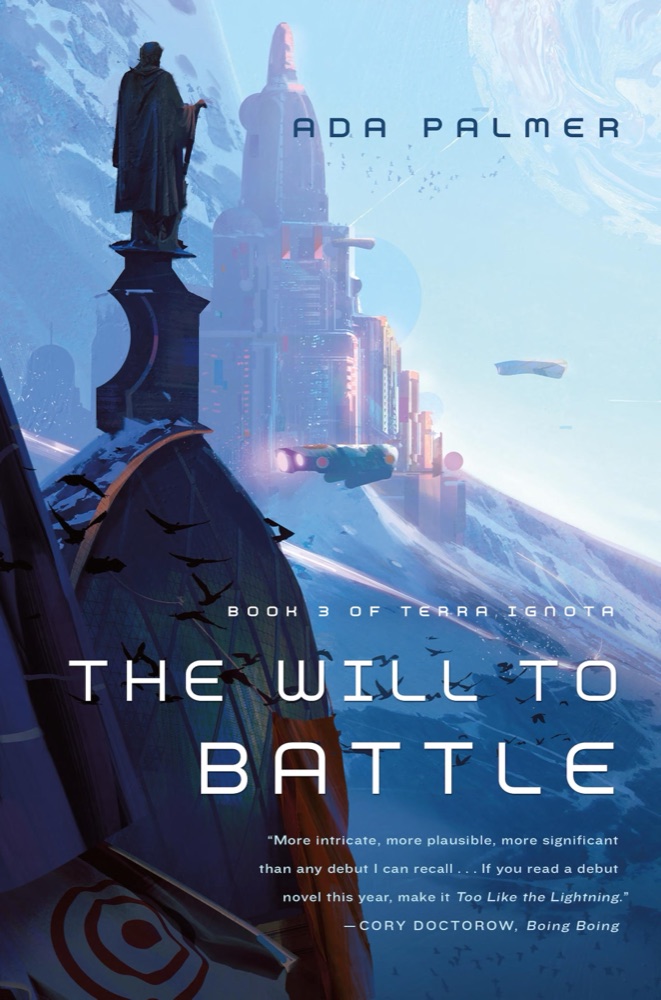 The Will to Battle
 Arm of the Sphinx
 Deadhouse Gates
 Toll the Hounds
 Queen of Fire
 Too Like the Lightning
 The Western Lands
 Sword & Citadel
 God Emperor of Dune
 The Hydrogen Sonata
 Ninety-Three
 Dust of Dreams
 Saturnine
 Seven Surrenders
 Children of Dune
 Xenocide
 The Sunlit Man
 The Star Diaries
 The Fall
 The Fall of Hyperion
 First Lord's Fury
 Empire of Silence
 The Ides of March
 Speaking Bones
 Shōgun
 Chapterhouse: Dune
 The Lost Sisterhood
 Two Years Eight Months and Twenty-Eight Nights
 The Monster Baru Cormorant
 Shadow & Claw
 Maldoror and the Complete Works
 Daybreak: Thoughts on the Prejudices of Morality
 Genesis
 Prince of Thorns
 The Claw of the Conciliator
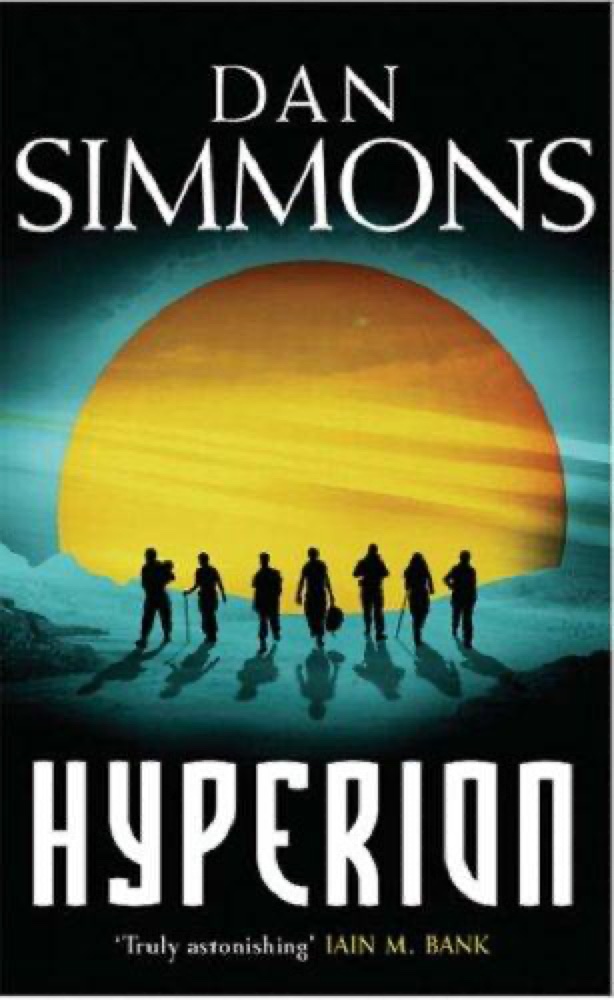 Hyperion
 Second Foundation
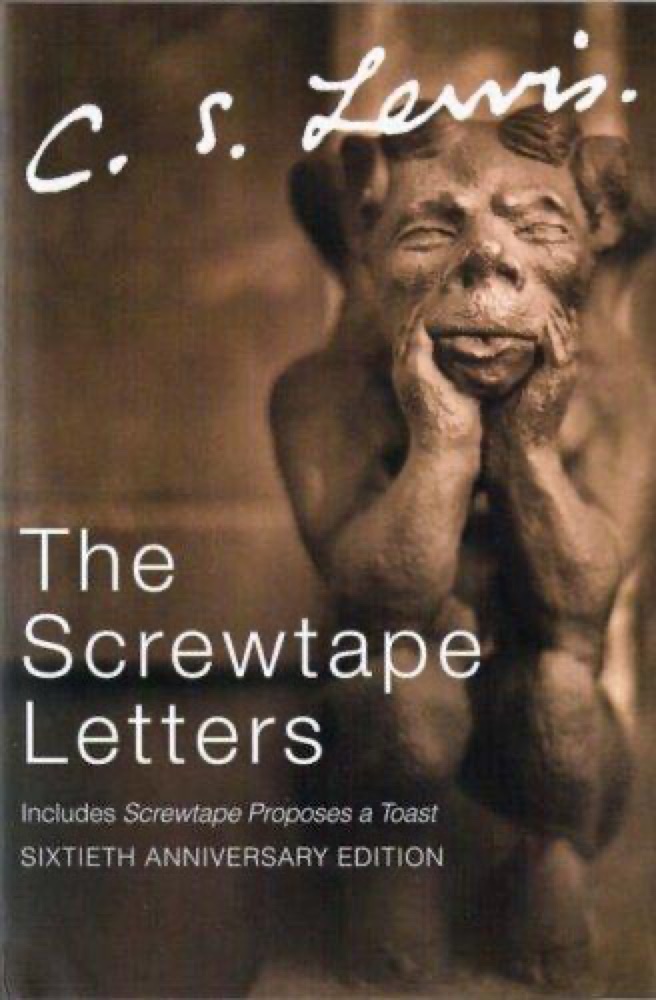 The Screwtape Letters
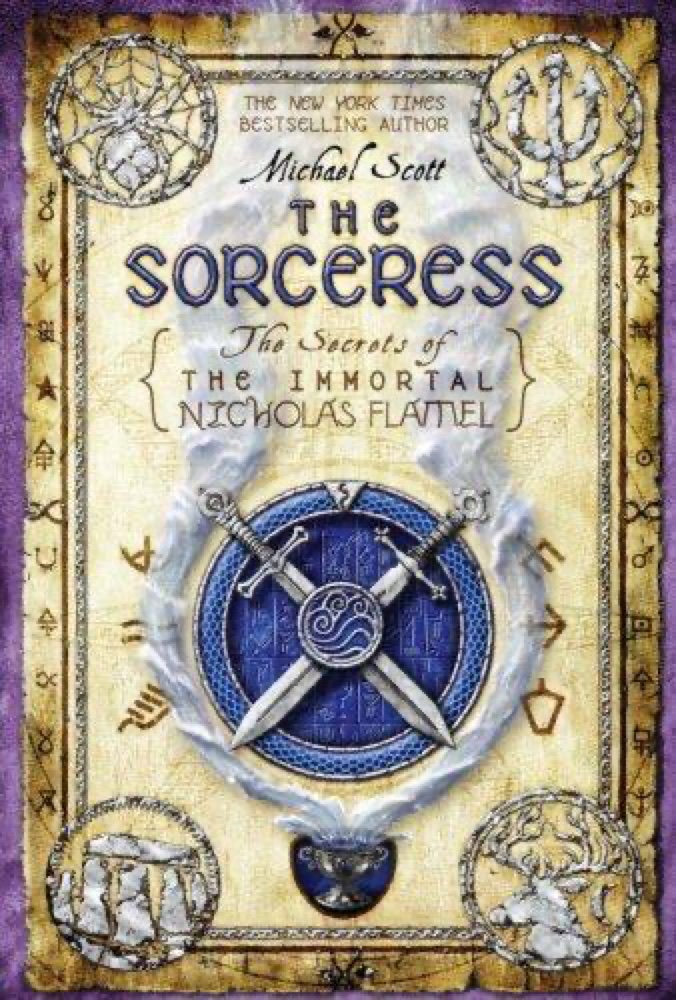 The Sorceress
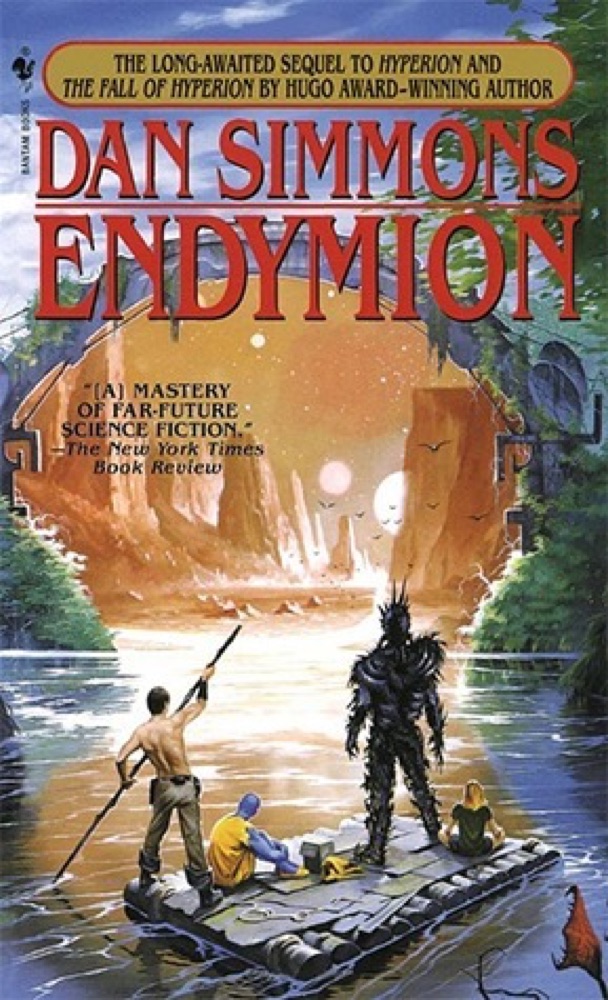 Endymion
 The Hangman's Replacement: Sprout of Disruption
 The Thousandfold Thought
 Heretics
 The White Luck Warrior
 Godblight
 Logicomix: An Epic Search for Truth
 Cloud of Sparrows
 The Last Watch
 Blade of Tyshalle
 Dark Age
 Gnomon
 The Man in the High Castle
 The End of Eternity
 The Wall of Storms
 The Fall of Babel
 The Futurological Congress: From the Memoirs of Ijon Tichy
 Scythe