
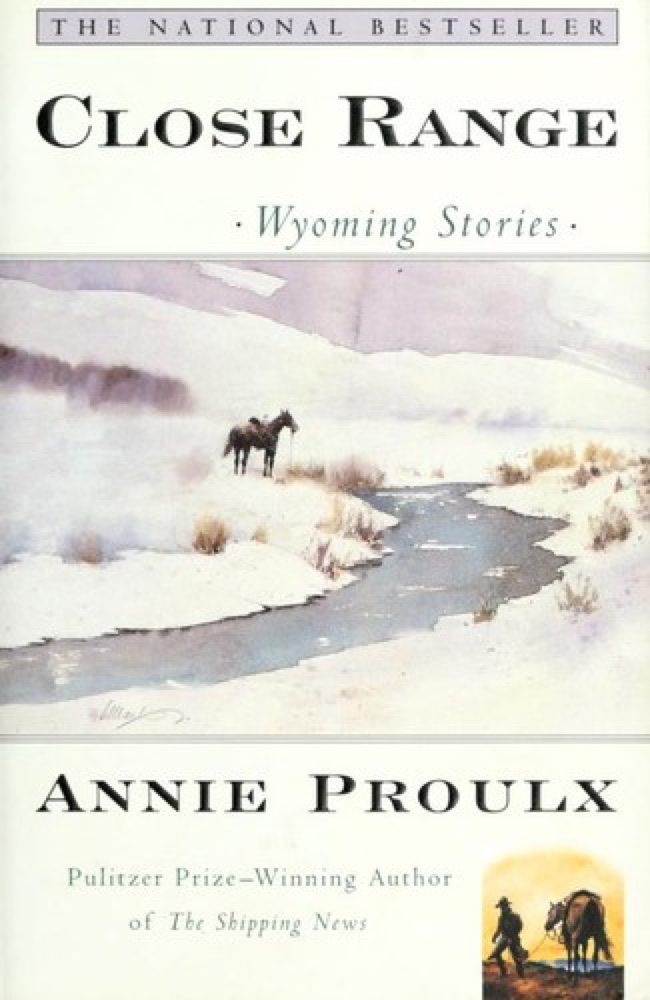
 Close Range
Quotes from the Book
Out of town I could simply be, I could feel my self, firm and calm and unmalleable as I could not when I was in school or in any of the usual human communities that seemed to weaken or scatter me. I could sit for an hour in the rocks above the Knife River, asking for no more discourse than that water’s monotonous gabble. I was an inward child, it was true, but beyond that, I felt a contentment outside human society that I couldn’t feel within it.
3
My mother feared for my soul, a phrase that sounds to me now comically overblown, yet I remember that those were precisely the words she used.
1
Women come and they want fresh paint.
But the wind has a different smell here. In North Dakota it always smelled like dirt. Even in the middle of winter with all that snow there could still be the smell of dirt in the air. As if the wind came from some open place that never froze. But here (Montana) the wind smells like the mountains. Like snow. Like stone. No matter how far away the mountains are, I sill fell them out there. I can't get used to it. I never will. I guess I'm a flatlander at heart.
You should have seen it, Gail,” he said. “By God, it was something. This Minneapolis big shot, this city boy, wouldn’t let up. Kept saying to Pop, ‘Mighty fine boots. Mighty fine. Just hope you’re not tracking in any cow shit with those boots.’ Wouldn’t stop.” “Shhh. Watch your language. David can hear you.” “Just reporting. That’s all. Just saying how it was. Finally Pop says, ‘You don’t let up, I’m going to stick one of these boots up your ass. Then I’m going to track your shit all over this bar.
Deputy sheriff.” He looked down at his shirt as though he expected to see his badge there. “Which I owe to your granddad and your dad. You know what your granddad said it means to be a peace officer in Montana? He said it means knowing when to look and when to look away. Took me a while to learn that.
People are leaving the bar right and left—probably afraid of these wild and woolly cowboys from Montana
Pop says, ‘Now you head on out of here and you better hope the snow covers your tracks because I’m going to finish this whiskey and then I’m coming
Out in Montana you wouldn’t be worth dirtying a man’s hands on. Or his boots. So we’d handle him this way. Nice and clean.
If you don’t like wind,” Grandfather replied, “you don’t like Montana. Because it blows here 360 days a year. Better get used to it.
Norwegian way of keeping all our earthly affairs from achieving too much importance.
was a phrase my mother inherited from her mother. I had heard Grandma Anglund use it for occasions ranging from a scraped knee (mine) to a family burned out of its farm.
On the western edge of the county and extending into two other counties was the Fort Warren Indian Reservation, the rockiest, sandiest, least arable parcel of land in the region. In 1948
Mercer County is in the far northeast corner of Montana,
Looking in the dead bird’s eye, I realized that these strange, unthought-of connections—sex and death, lust and violence, desire and degradation
Watch on YouTube
About Larry Watson
We have collected 15 quotes from 1 book by Larry Watson on BookQuoters.
More about the author →About the book
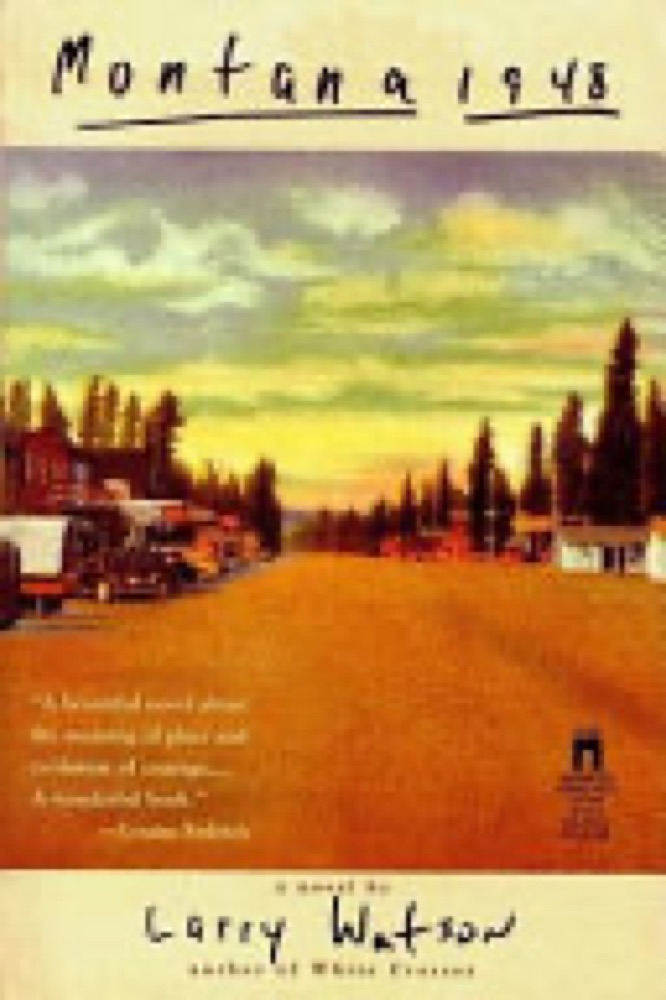
The events of that small-town summer forever alter David Hayden's view of his family: his self-effacing father, a sheriff who never wears his badge; his clear sighted mother; his uncle, a charming war hero and respected doctor; and the Hayden's lively, statuesque Sioux housekeeper, Marie Little Soldier, whose revelations are at the heart of the story. It is a tale of love and courage, of power abused, and of the terrible choice between family loyalty and justice.
Book details
- First published
- 1993
- Author
- Larry Watson
- Genre
- Fiction
- Goodreads rating
- 3.90 (17k ratings)
Keep reading
Close Range
 Tisha: The Story of a Young Teacher in the Alaskan Wilderness
 The Cold Dish
 A Thousand Moons
 The Buffalo Hunter Hunter
 Shadow Country
 The Night Watchman
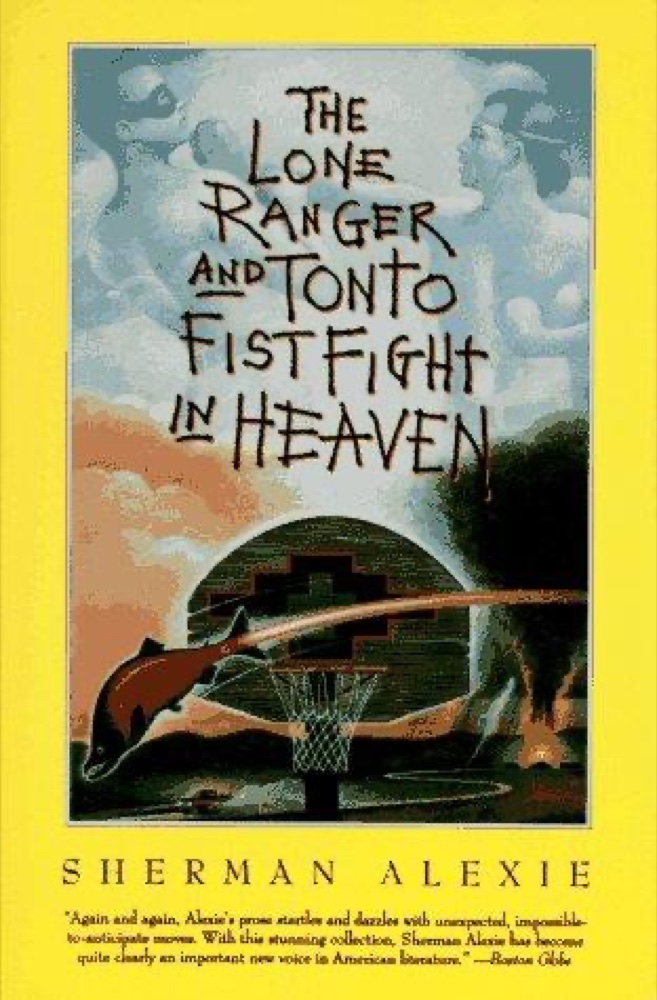 The Lone Ranger and Tonto Fistfight in Heaven
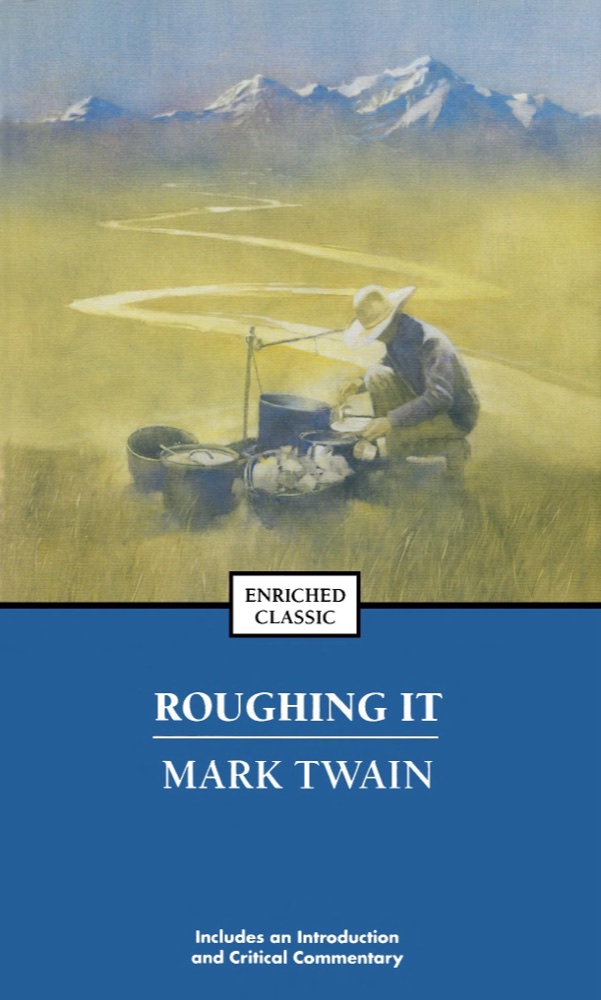 Roughing It
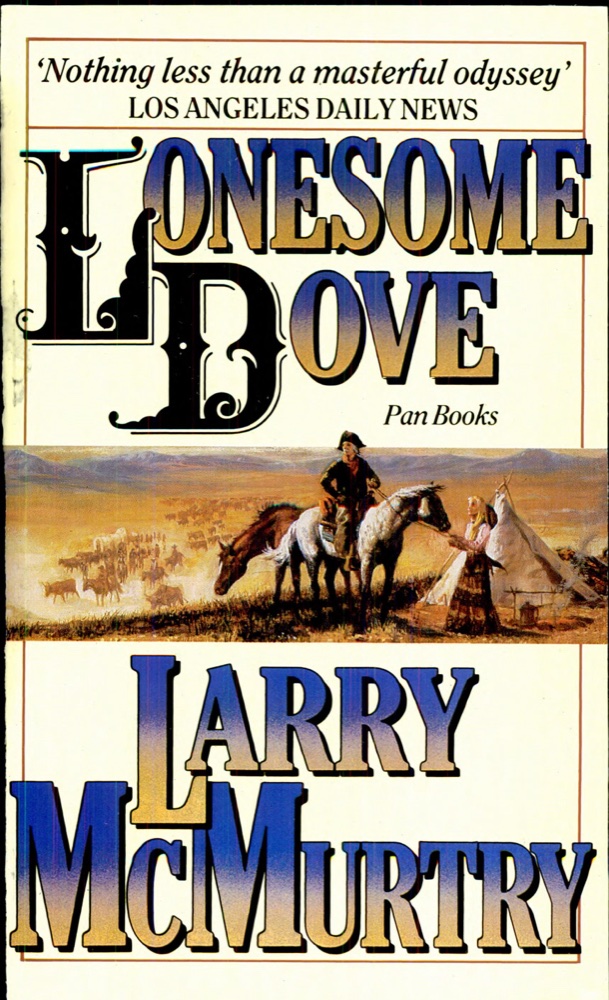 Lonesome Dove
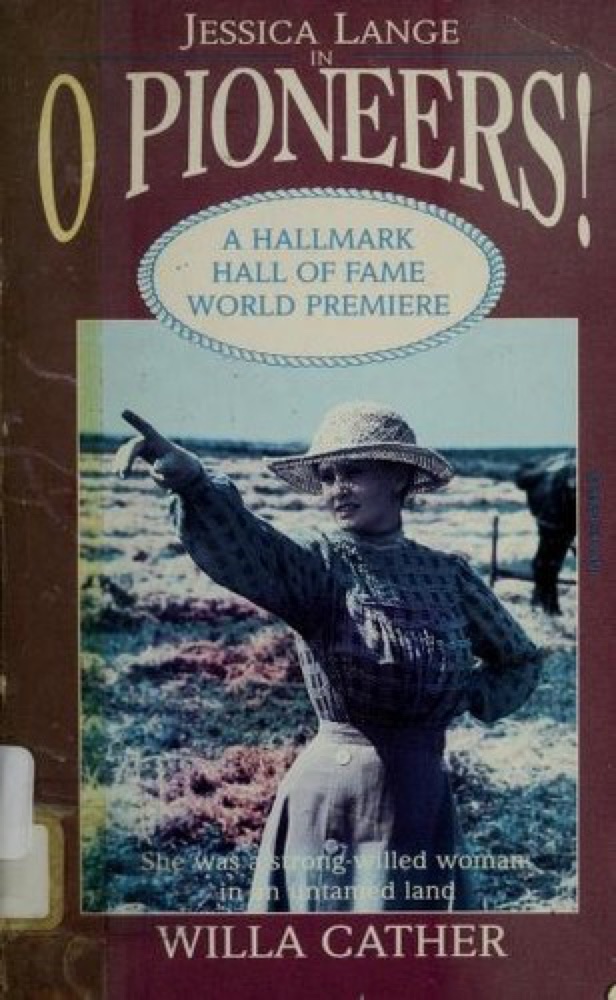 O Pioneers!
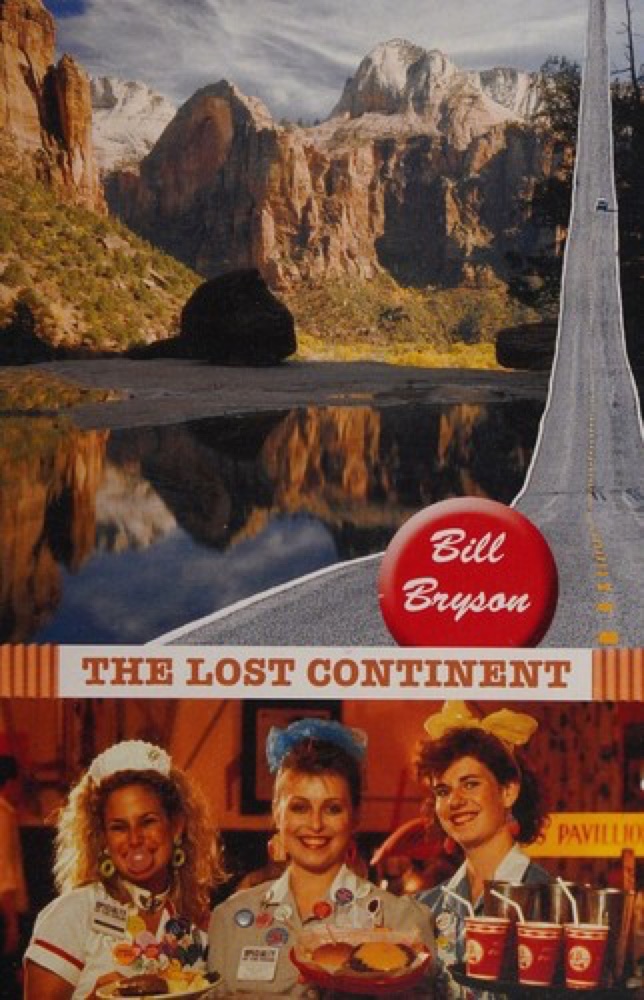 The Lost Continent: Travels in Small Town America
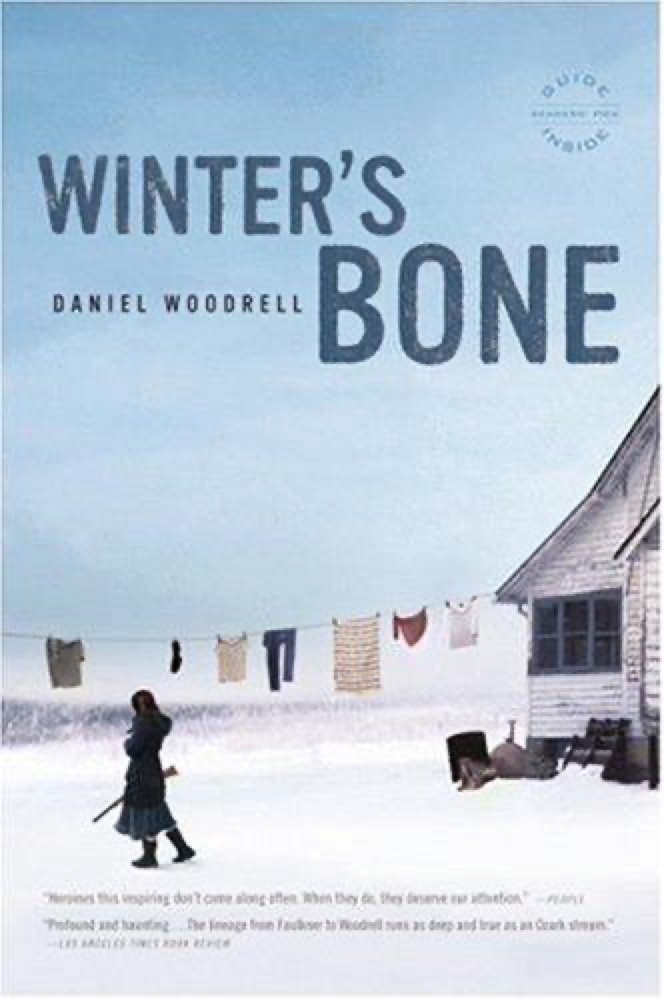 Winter's Bone
 Cold Mountain
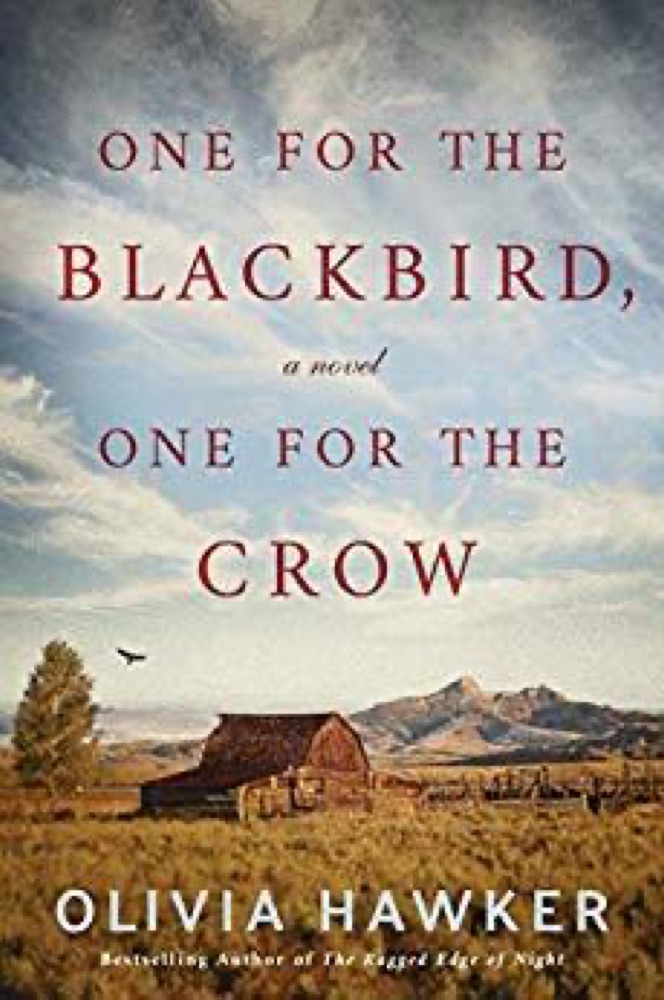 One for the Blackbird, One for the Crow
 The Bone Tree
 Hattie Big Sky
 August: Osage County
 Wayward
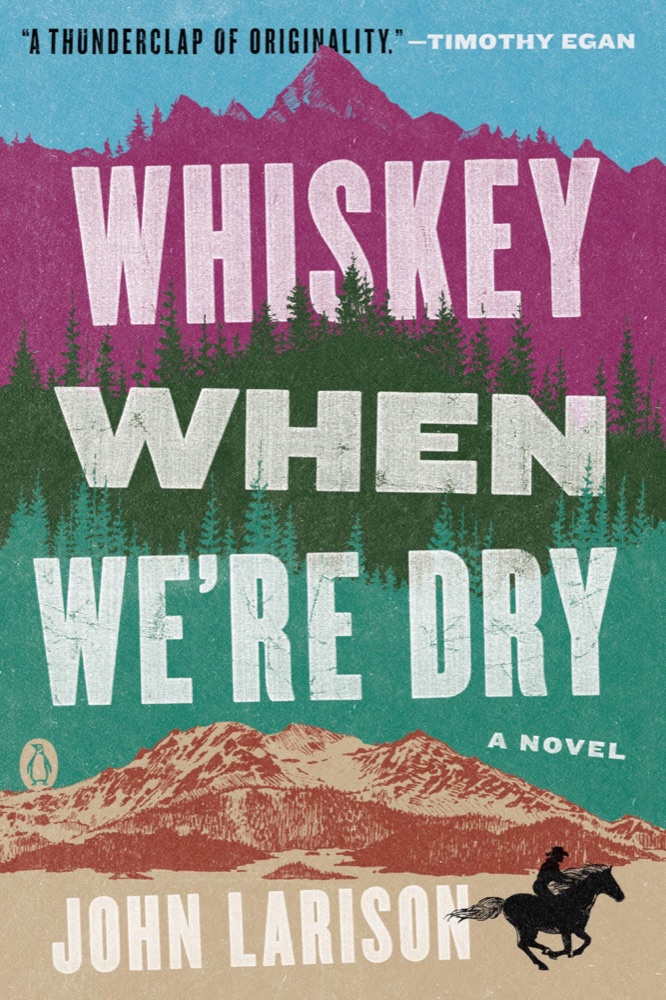 Whiskey When We're Dry
 Universal Harvester
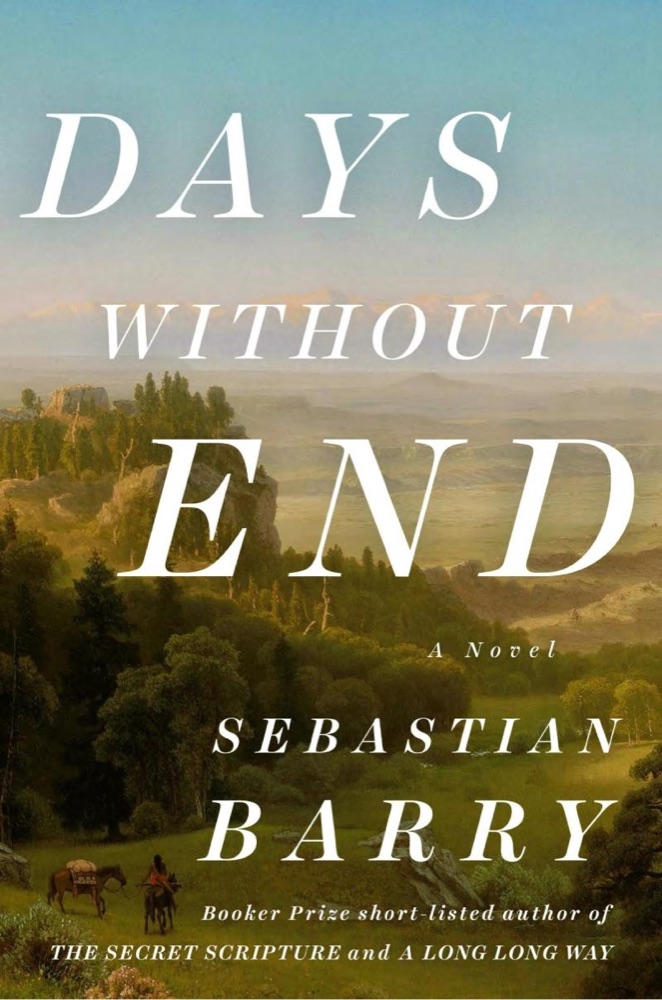 Days Without End
 The Monkey Wrench Gang
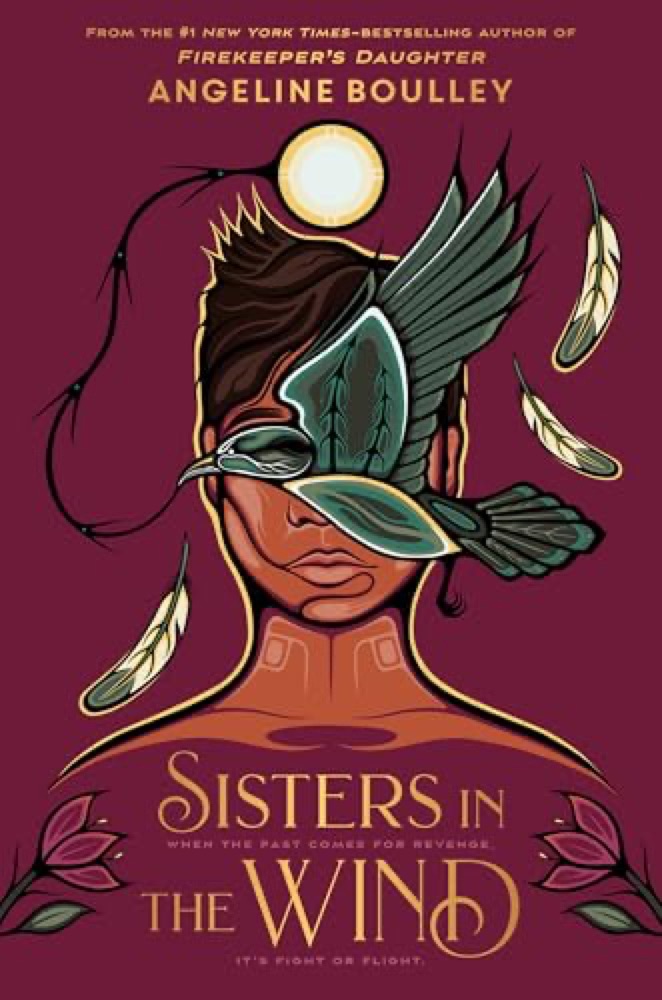 Sisters in the Wind
 Indian Horse
 Red Country
 This House of Sky: Landscapes of a Western Mind
 Mohawk
 The Wolf Road
 The Only Good Indians
 The Liars' Club
 The Wars
 Litani
 The Complete Stories
 Wizard and Glass
 The Long Way Home
 Gone for Good
 Twilight
 Sometimes a Great Notion
 The Seed Keeper
 Last Night in Twisted River
 In Cold Blood
 The Green Road
 Drown
Drown
 Needful Things
 Intruder in the Dust
 The Known World
 The Shepherd's Hut
 A Thousand Acres
 The Twelve Tribes of Hattie
 House Made of Dawn
 Like a River Glorious
 Blue Highways
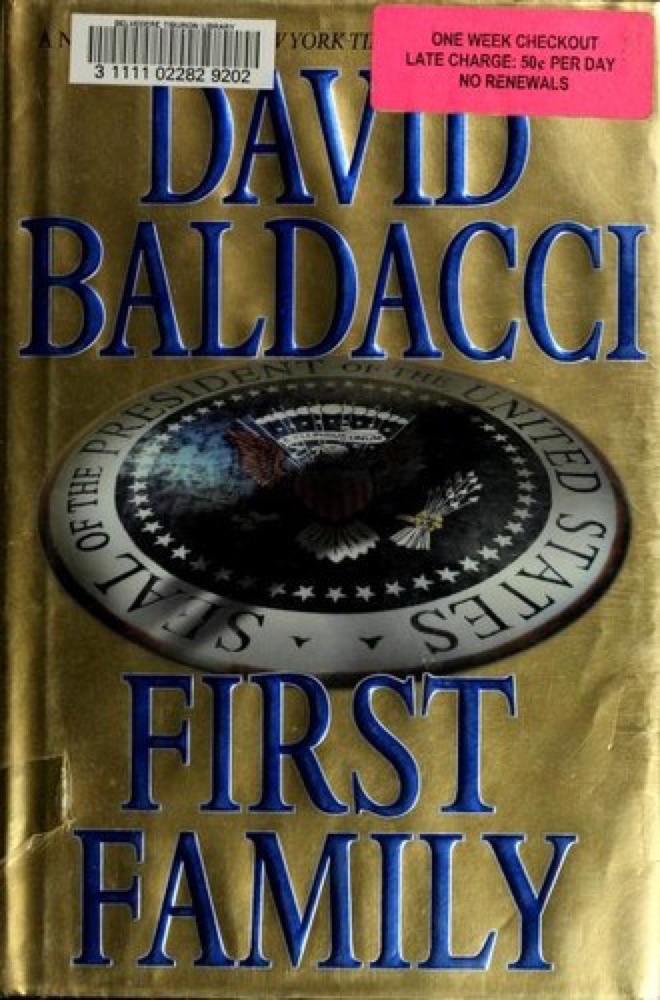 First Family
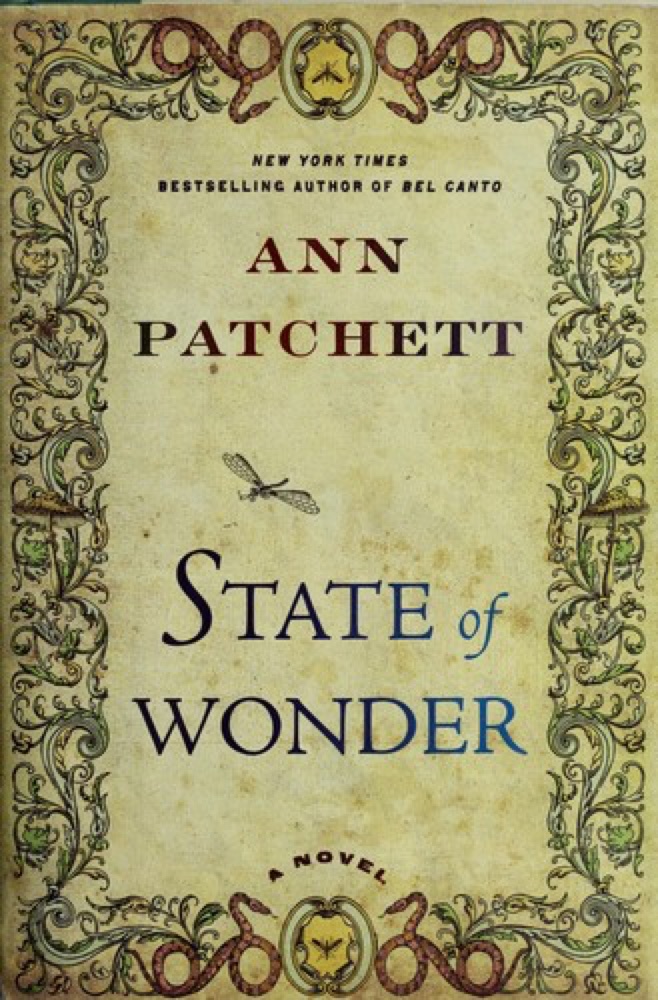 State of Wonder
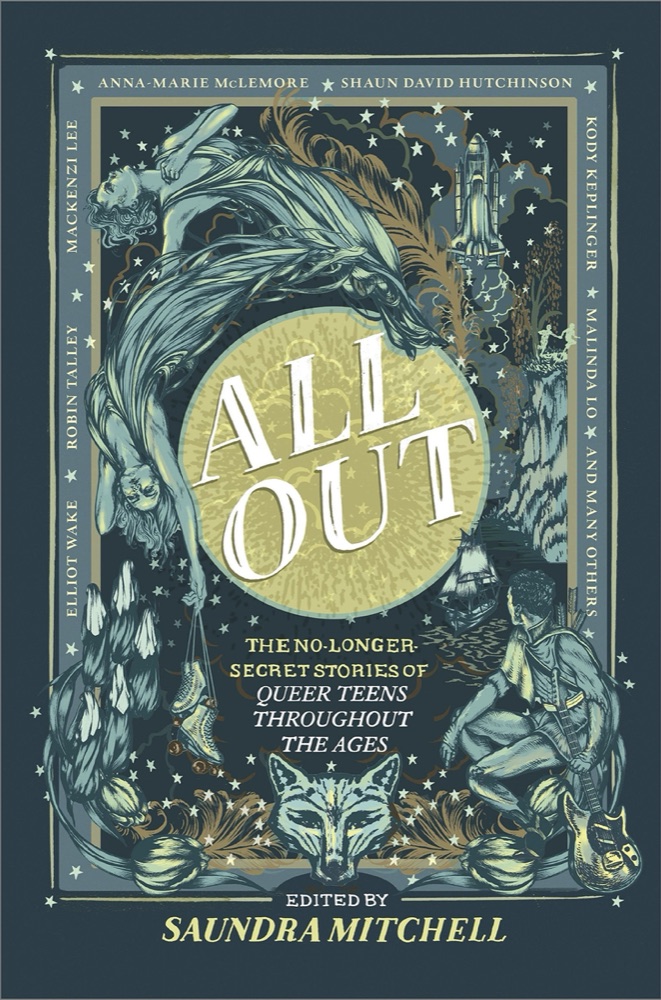 All Out: The No-Longer-Secret Stories of Queer Teens throughout the Ages
 A Bend in the River
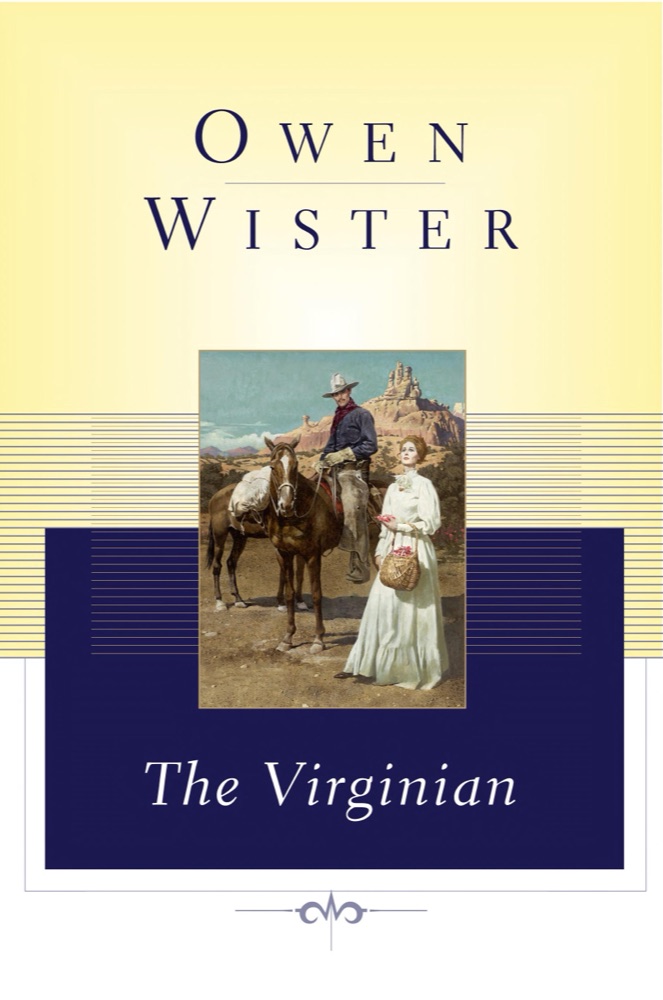 The Virginian