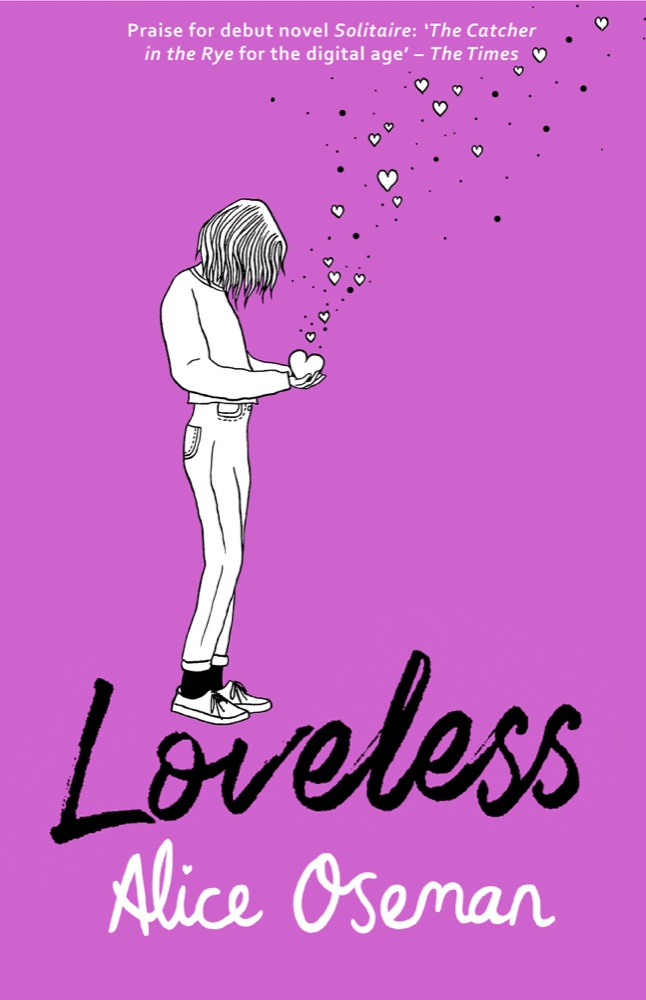

 Radio Silence
Quotes from the Book
Give your friendships the magic you would give a romance. Because they're just as important. Actually, for us, they're way more important.
763
I've learnt some Things. Like the way friendship can be just as intense, beautiful and endless as romance. Like the way there's love everywhere around me - there's love for my friends, there's love for my paintings, there's love for myself.
290
In the end, that was the problem with romance. It was so easy to romanticise romance because it was everywhere. It was in music and on TV and in filtered Instagram photos. It was in the air, crisp and alive with fresh possibility. It was in falling leaves, crumbling wooden doorways, scuffed cobblestones and fields of dandelions. It was in the touch of hands, scrawled letters, crumpled sheets and the golden hour. A soft yawn, early morning laugher, shoes lined up together dy the door. Eyes across a dance floor. I could see it all, all the time, all around, but when I got closer, I found nothing was there.
248
You know why people pair up into couples? Because being a human is fucking terrifying. But it's a hell of a lot easier if you're not doing it by yourself.
186
She's happy with who she is. Maybe it's not the heteronormative dream that she grew up wishing for, but... knowing who you are and loving yourself is so much better than that, I think.
177
Rooney dropped to her knees. ‘Georgia, I am never going to stop being your friend. And I don’t mean that in the boring average meaning of ‘friend’ where we stop talking regularly when we’re twenty-five because we’ve both met nice young men and gone off to have babies, and only get to meet up twice a year. I mean I’m going to pester you to buy a house next door to me when we’re forty-five and have finally saved up enough for our deposits. I mean I’m going to be crashing round yours every night for dinner because you know I can’t fucking cook to save my life, and if I’ve got kids and a spouse, they’ll probably come round with me, because otherwise they’ll be living on chicken nuggets and chips. I mean I’m going to be the one bringing you soup when you text me that you’re sick and can’t get out of bed and ferrying you to the doctor’s even when you don’t want to go because you feel guilty about using the NHS when you just have a stomach bug. I mean we’re gonna knock down the fence between our gardens so we have one big garden, and we can both get a dog and take turns looking after it. I mean I’m going to be here, annoying you, until we’re old ladies, sitting in the same care home, talking about putting on a Shakespeare because we’re all old and bored as shit.
130
I don't think I need to try everything to know I don't like it.
130
People are really out there just … thinking about having sex all the time and they can’t even help it?’ I spluttered. ‘People have dreams about it because they want it that much? How the – I’m losing it. I thought all the movies were exaggerating, but you’re all really out there just craving genitals and embarrassment. This has to be some kind of huge joke.
103
Friends are automatically classed as 'less important' than romantic partners. I'd never questioned that. It was just the way the world was. I guess I'd always felt that friendship just couldn't compete with what a partner offered, and that I'd never really experience real love until I found romance. But if that had been true, I probably wouldn't have felt like this.
86
I used to dream of a spellbinding, endless, forever romance. A beautiful story of meeting a person who could change your whole world. But now, I realised, friendship could be that too.
85
I'm at uni for three months and suddenly I'm not straight any more.
76
You're gonna be OK. There's nothing you have to do except be.
70
Picturing fanfic characters having sex? Great. Fine. Sexy. But picturing myself having sex with anyone, guy, girl, whoever, didn’t interest me. No – it was more than that. It was an immediate fucking turn-off.
70
The aromantic and asexual spectrums weren’t just straight lines. They were radar charts with at least a dozen different axes.
69
[...] and I realised that it was because what I was doing wasn't 'giving up'. It was acceptance.
58
I couldn't admit to them how desperately I wanted to be in a romantic relationship. Because I knew it was pathetic. Trust me. I completely understood that women should want to be strong and independent and you don't need to find love to have a successful life. And the fact that I so desperately wanted a boyfriend - or a girlfriend, a partner, whoever, someone - was a sign that I was not strong, or independent, or self-sufficient, or happy alone. I was really quite lonely, and I wanted to be loved.
54
Are they also …?’ ‘They’re asexual too.’ ‘Wow.’ Ellis grinned. ‘Well, that makes three of us.’ ‘There are more,’ I said. ‘A lot more. Out there. In the world.’ ‘Really?’ ‘Yeah.’ Ellis stared out of the window, smiling. ‘That would be nice. If there were lots out there.
51
Sunil said he felt indifferent about sex. I’d never heard anyone talk about sex like that before. Like it was a takeaway cuisine you thought was OK, but you wouldn’t personally choose it.
49
I've always hated being asked if I'm OK. The available answers are either to lie and say I'm fine, or to massively and embarrassingly overshare.
47
I knew liking girls could be hard when you're also a girl. It usually was, at least for a while. But it was beautiful too. So fucking beautiful. Liking girls when you're a girl was power. It was light. Hope. Joy. Passion. Sometimes it took girls who liked girls a little while to find that. But when they found it, they flew.
43
The crux of it all was that I did not feel sexual or romantic feelings for anyone. Not a single goddamn person I had ever met or would ever meet. So that really was me. Aromatic. Asexual.
40
If I could spend every night of my life eating snacks and watching something silly in a giant bed with one of my best friends, I'd be happy.
37
But... what if what I am is just... nothing?" I breathed out and blinked as the photographer took the first shot. "What if I'm nothing?" "You're not nothing," Sunil said. "You have to believe that." Maybe I could do that. Maybe I could believe.
37
Aromantic. Asexual. I came back to the words until they felt real in my mind, at least. Maybe they wouldn't be real in most people's minds. But I would make them real in mine. I could do whatever the fuck I wanted.
35
And the worst part of it was—even though I'd longed for these things, I knew that they'd never make me happy anyway. The idea was beautiful. But the reality made me sick. How could I feel so sad about giving up these things that I did not actually want? I felt pathetic for getting sad about it. I felt guilty, knowing that there were people out there like me who were happy being like this. I felt like I was grieving. I was grieving this fake life, a fantasy future that I was never going to live.
31
It was something adults said all the time. "You'll change your mind when you're older. You never know what might happen. You'll feel differently one day." As if we teenagers knew so little about ourselves that we could wake up one day a completely different person. As if the person we are right now doesn't matter at all.
29
I didn’t even know what was wrong. Everything. Myself. I didn’t know. How come everyone else could function and I couldn’t? How could everyone live properly yet I had some sort of error in my programming?
28
There were never any romantic feelings between Pip, Jason and me. But what we did have -afriendship of many years- was just as strong as that, I think. Stronger, maybe than a lot of couples I knew.
28
Yeah, but is the spark there?' How was I supposed to know that? What the fuck was the spark? What did the spark even feel like?
27
Did you know?
- The novel won the 2021 YA Book Prize.
- Its protagonist, Georgia Warr, is both aromantic and asexual, an identity rarely centered in young-adult fiction.
- Much of the story takes place at Durham University during Georgia's first year.
- It is part of Alice Oseman's interconnected 'Osemanverse', sharing a fictional world with her other novels.
- A US hardcover edition was published by Scholastic in 2022.
- Author Alice Oseman is also the creator of the Heartstopper series adapted by Netflix.
About Alice Oseman
Alice Oseman is a British author and illustrator born in 1994 in Kent, England, best known for the graphic novel series Heartstopper, which was adapted into a Netflix television show. She writes young-adult fiction, several of whose works share an interconnected cast known as the Osemanverse.
More about the author →More by Alice Oseman
All books by Alice Oseman →
About the book
"Loveless" follows eighteen-year-old Georgia Warr, who arrives at Durham University having never had a crush, kissed anyone, or felt romantic attraction, and who is determined to use her first year away from home to finally find love. Alongside her best friends Pip and Jason and her exuberant new roommate Rooney, Georgia throws herself into the university's drama society and a series of attempts at romance, only to confront the growing realization that her feelings do not map onto the scripts she has always assumed everyone follows.
Through Georgia's first year, the novel explores aromantic and asexual identity, the difference between romantic and platonic love, and the cultural pressure to treat finding a partner as the central goal of a happy life. It treats friendship as a form of love worthy of the same devotion usually reserved for romance, and follows Georgia as she learns that fulfilment does not depend on a soulmate.
"Loveless" was published in 2020 and won the 2021 YA Book Prize, and it has been widely recognized for centering an aromantic-asexual protagonist, a perspective rarely represented in young-adult fiction. Critics such as Kirkus Reviews praised it as a necessary portrayal of an underrepresented identity, and many readers have credited the book with helping them understand or affirm their own aro and ace identities.
Key characters
- Georgia WarrEighteen-year-old narrator who has never felt romantic attraction and explores being aromantic and asexual
- Rooney BachGeorgia's confident, sociable university roommate who prefers casual hook-ups to relationships
- Pip QuintanaGeorgia's best friend, a joking Shakespeare enthusiast and lesbian
- JasonGeorgia's longtime friend from school who joins her at university
Book details
- First published
- 2020
- Length
- 433 pages
- Reading time
- 7 hours
- Author
- Alice Oseman
- Genre
- Contemporary
- Goodreads rating
- 4.16 (123k ratings)
Critical reception
- Won the 2021 YA Book Prize.
- Kirkus Reviews described it as a messy, imperfect, and necessary portrayal of a drastically underrepresented identity.
- Widely praised for centering an aromantic and asexual protagonist, and credited by many readers with helping them understand their own identities.
Keep reading
 The Upside of Unrequited
 Let's Talk About Love
 Never Have I Ever: My Life (So Far) Without a Date
 The Unwritten Rule
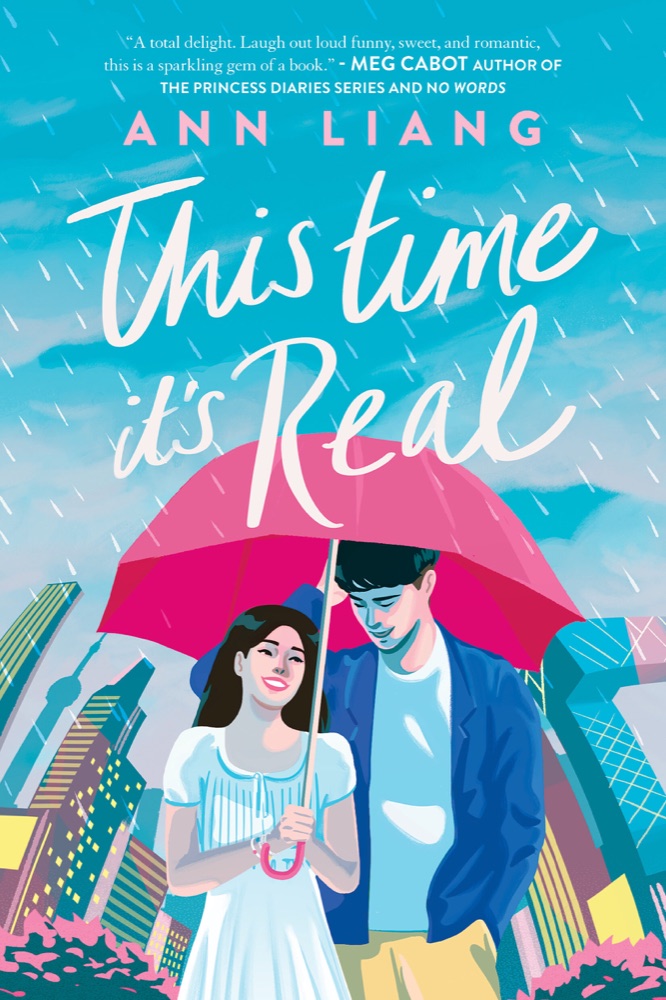 This Time It's Real
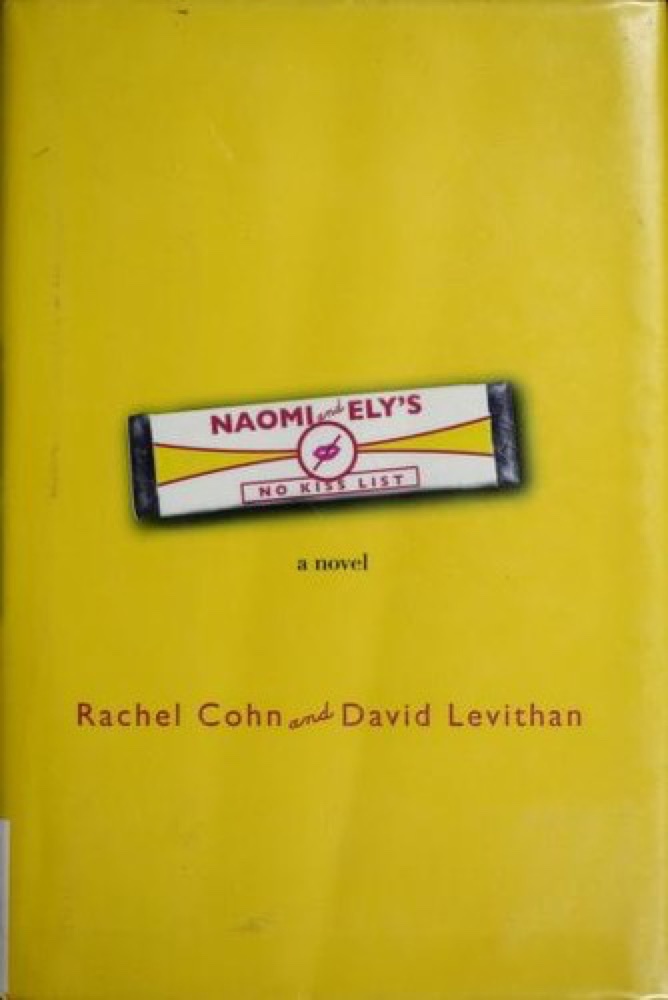 Naomi and Ely's No Kiss List
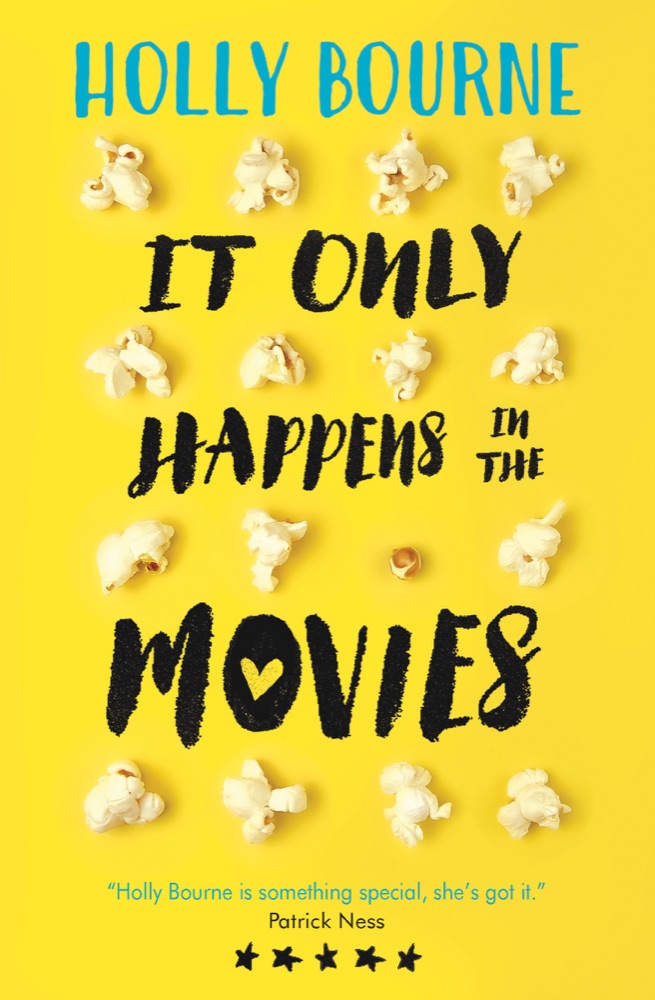 It Only Happens in the Movies
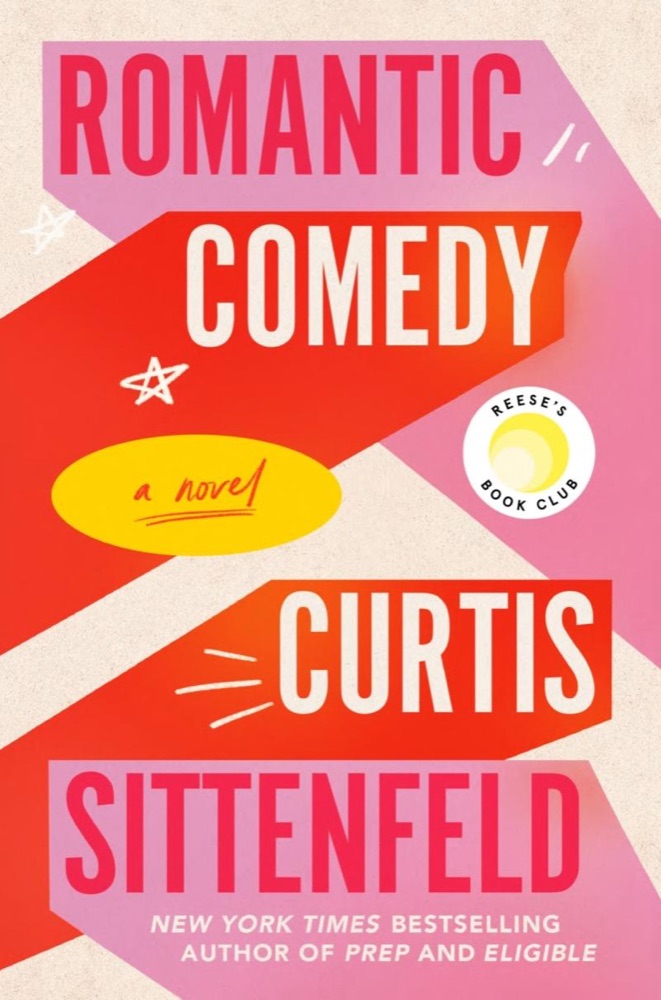 Romantic Comedy
 The Pisces
 Felix Ever After
 The Falling in Love Montage
 Charmed Thirds
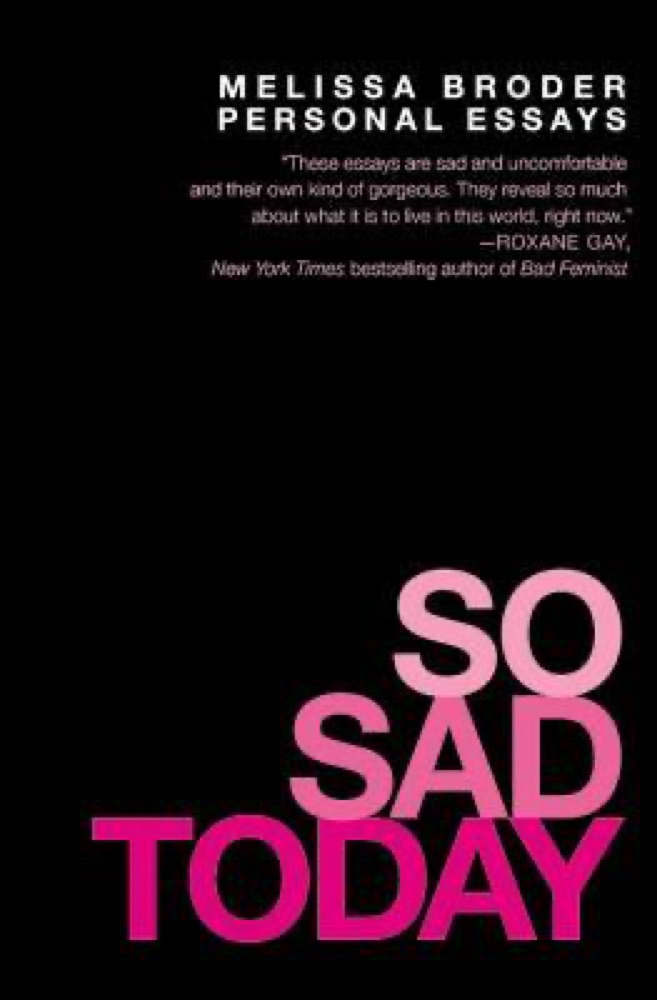 So Sad Today: Personal Essays
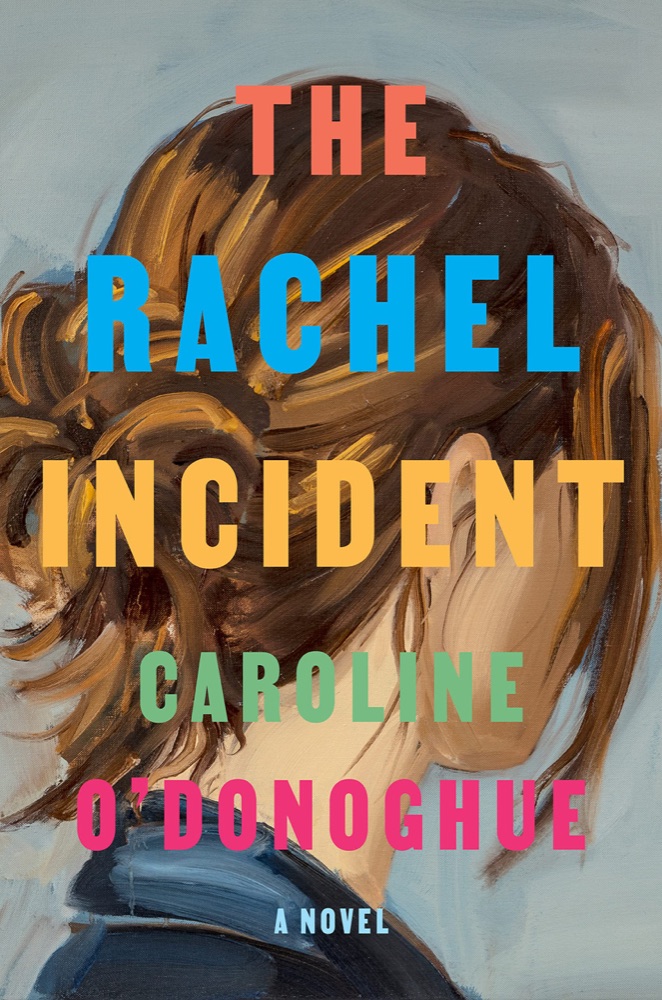 The Rachel Incident
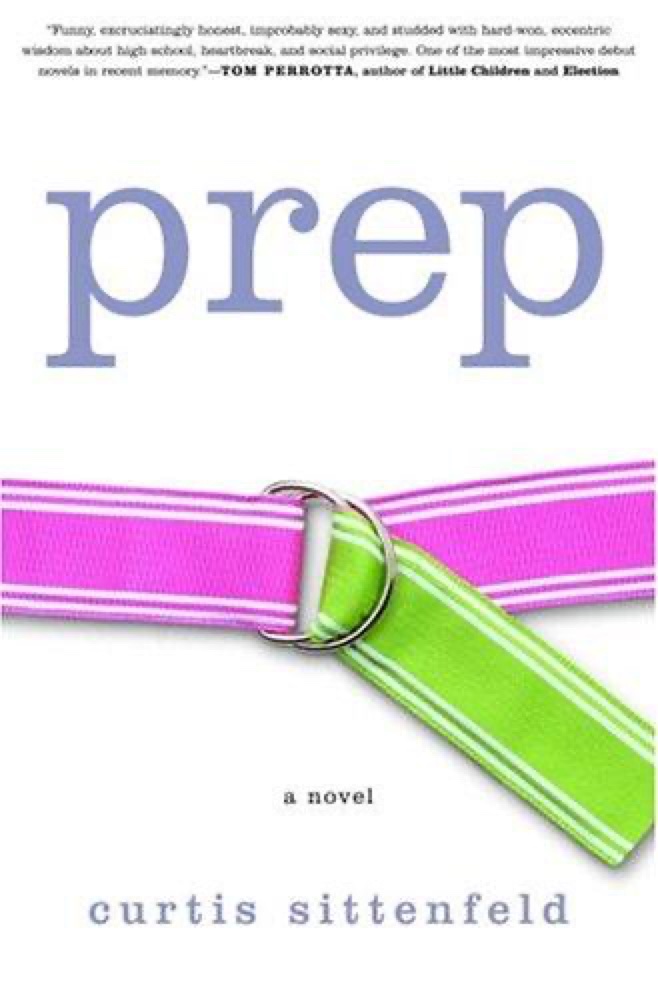 Prep
Prep
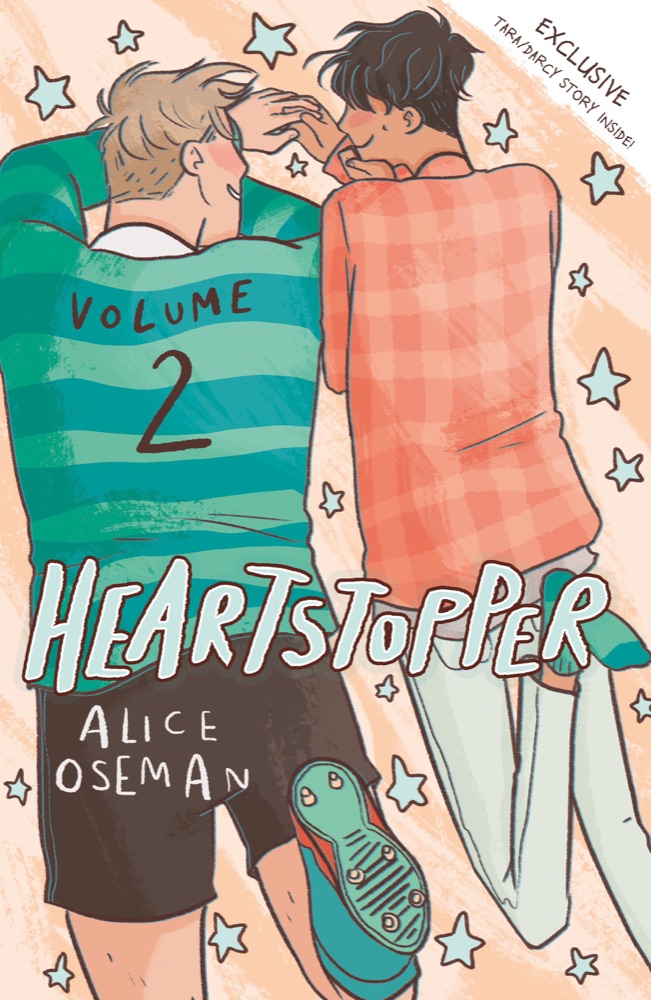 Heartstopper: Volume Two
 Attachments
 The Return
 Frenemies
 Love and Other Foreign Words
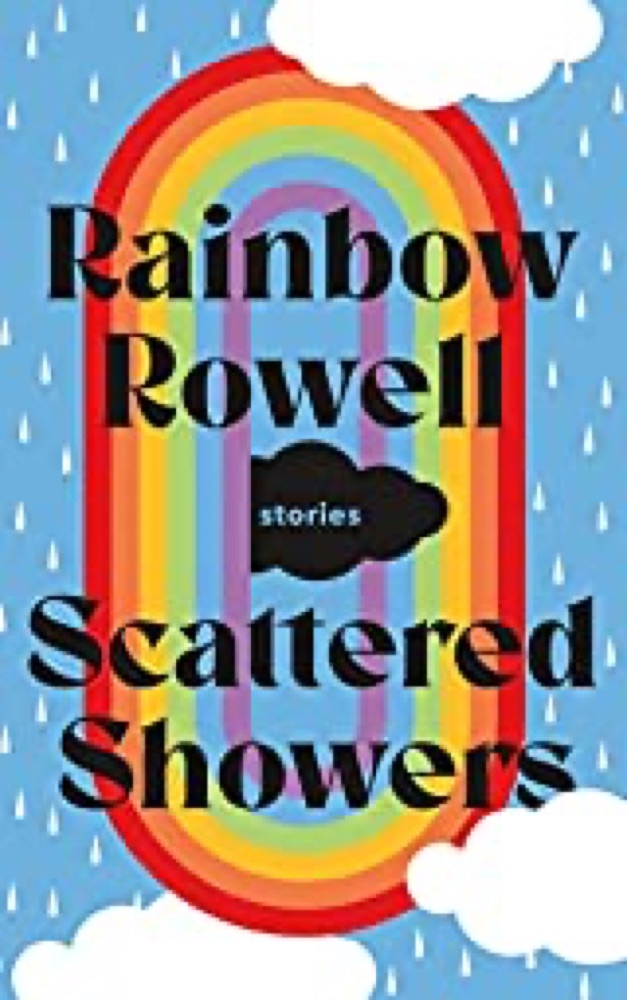 Scattered Showers: Stories
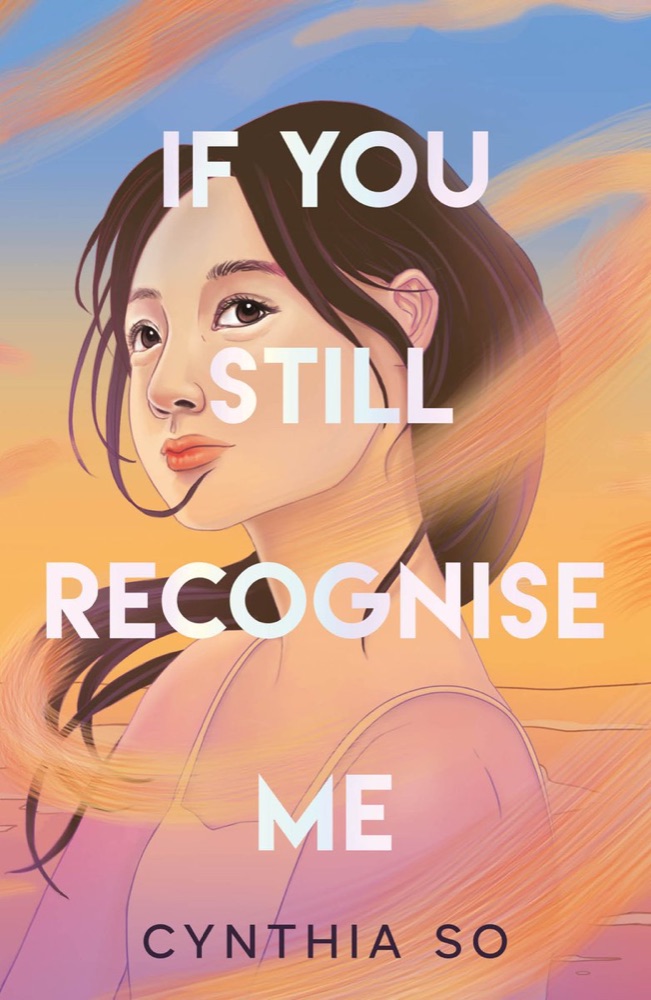 If You Still Recognise Me
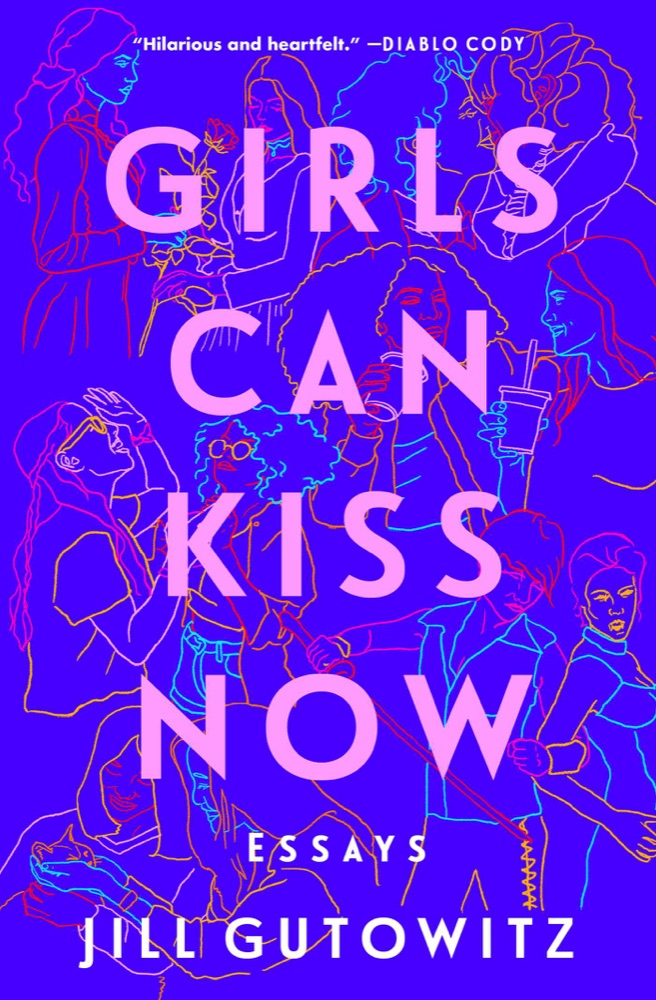 Girls Can Kiss Now: Essays
 Meant to Be
 Keeping You a Secret
 The Carrie Diaries
 The Fixer Upper
 The Loner
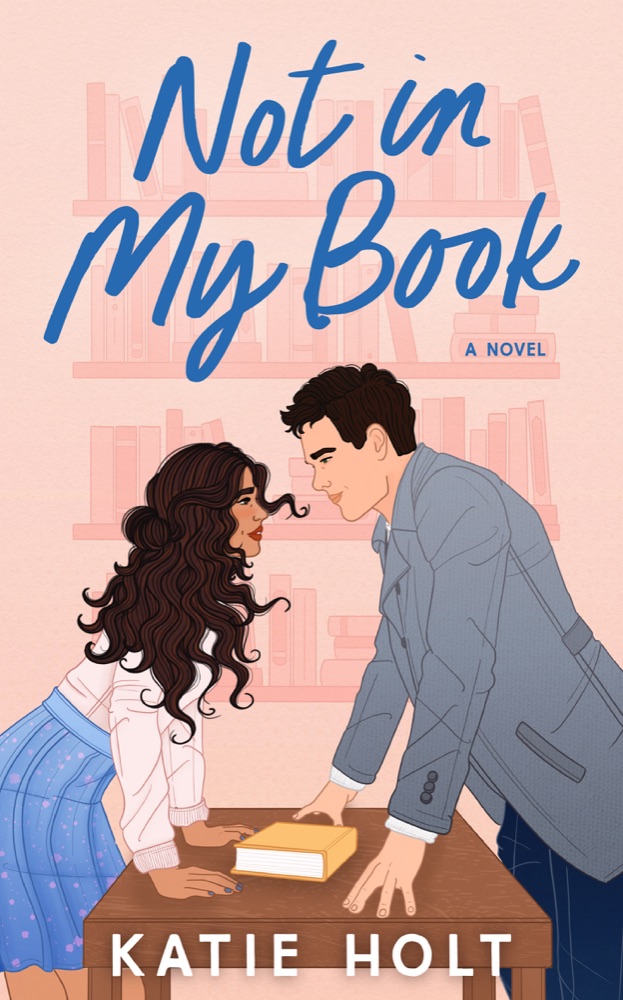 Not in My Book
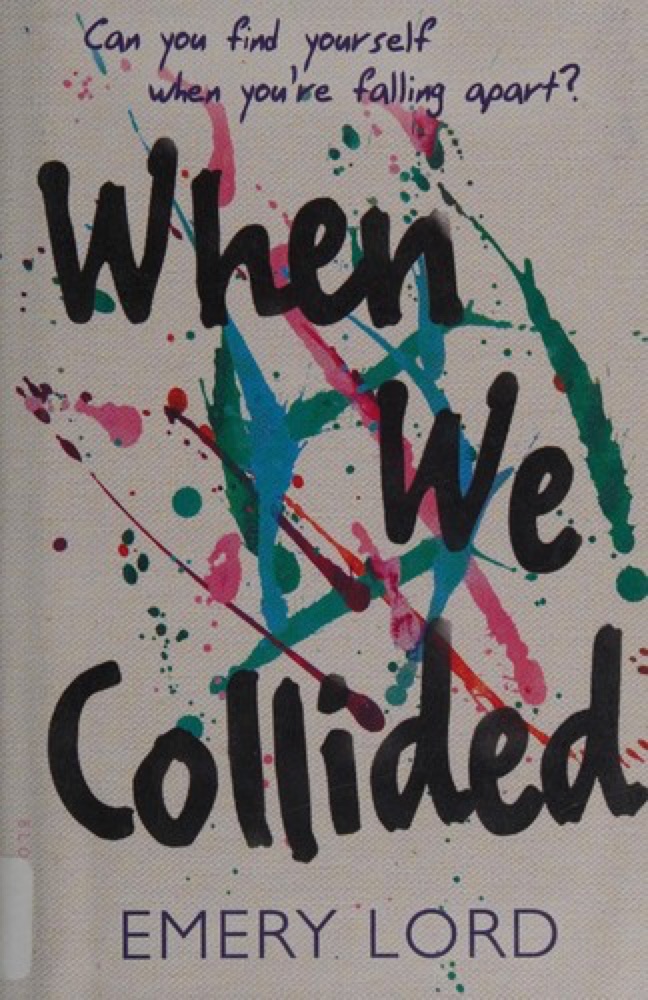 When We Collided
 The Boyfriend List: 15 Guys, 11 Shrink Appointments, 4 Ceramic Frogs and Me, Ruby Oliver
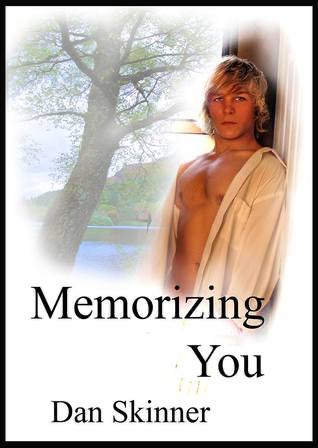 Memorizing You
 Perfect on Paper
 The Crane Wife: A Memoir in Essays
 Everything I Know About Love
 Summer Days and Summer Nights: Twelve Love Stories
 Honestly Ben
 Happy Hour
 A Match Made in High School
 Only Mostly Devastated
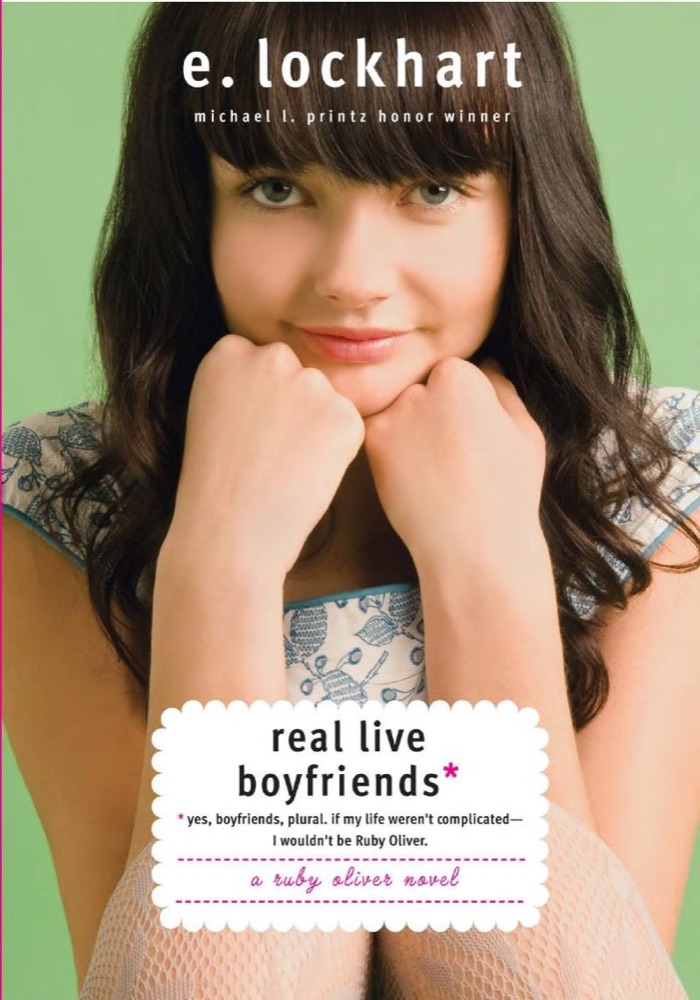 Real Live Boyfriends: Yes. Boyfriends, Plural. If My Life Weren't Complicated, I Wouldn't Be Ruby Oliver
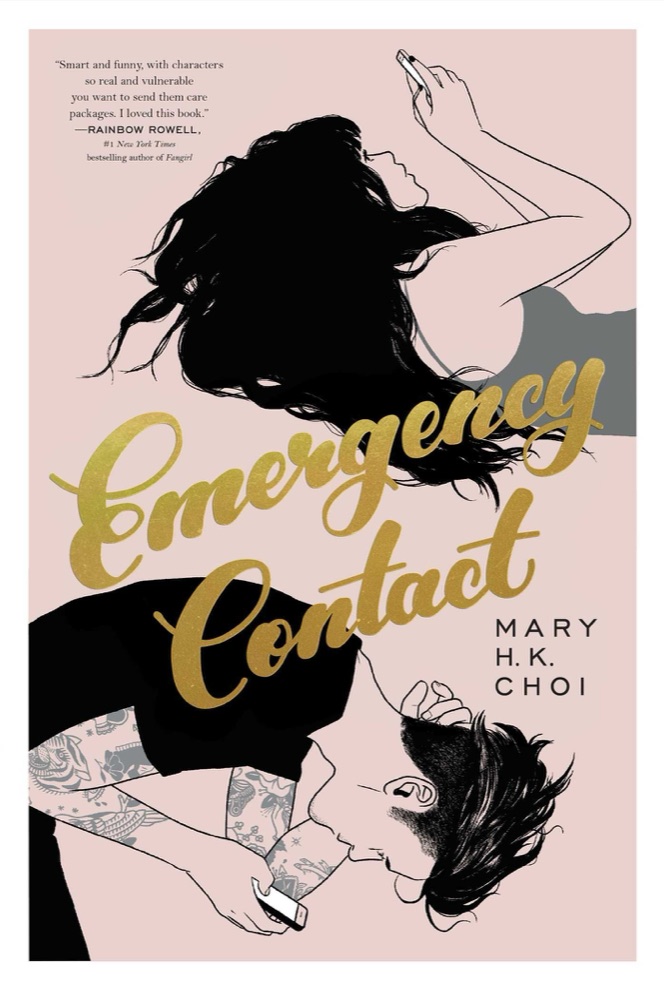 Emergency Contact
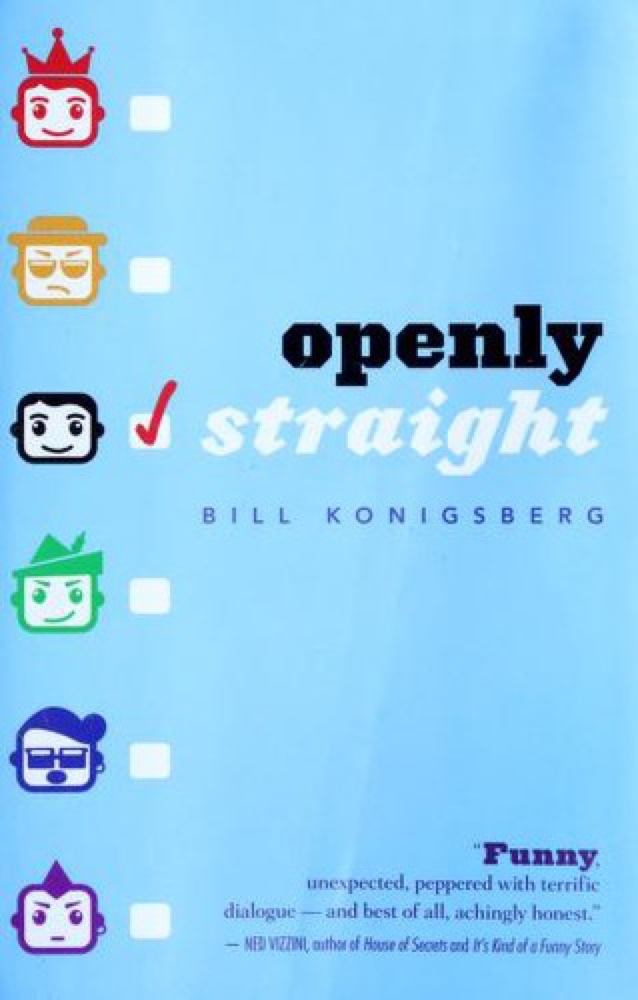 Openly Straight
 Unteachable
 Friends Without Benefits
 All the Lovers in the Night
 Your Voice in My Head
 After Forever Ends
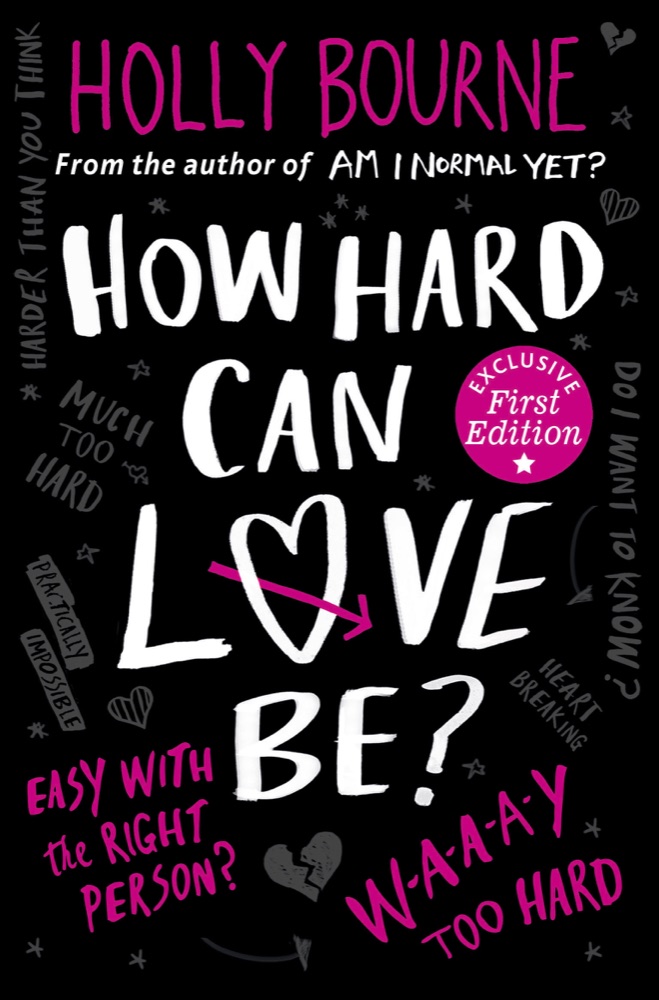 How Hard Can Love Be?
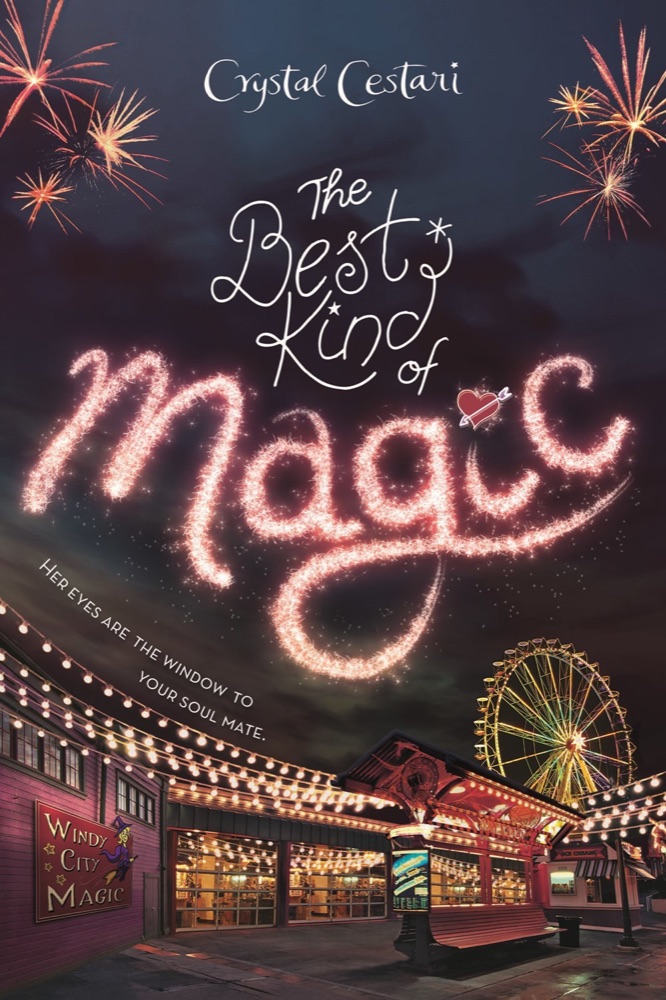 The Best Kind of Magic
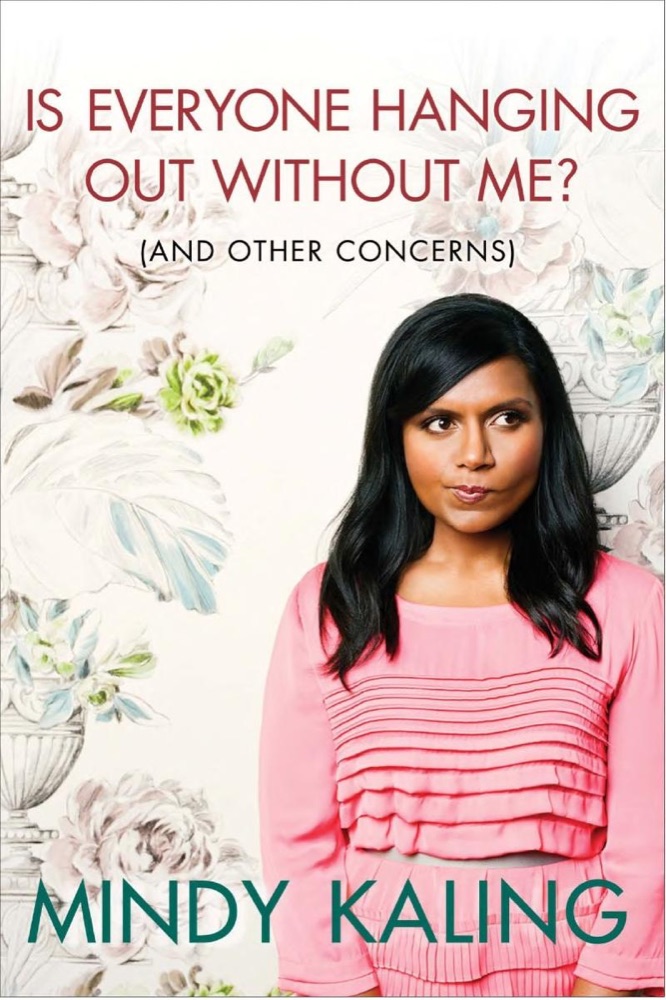 Is Everyone Hanging Out Without Me?
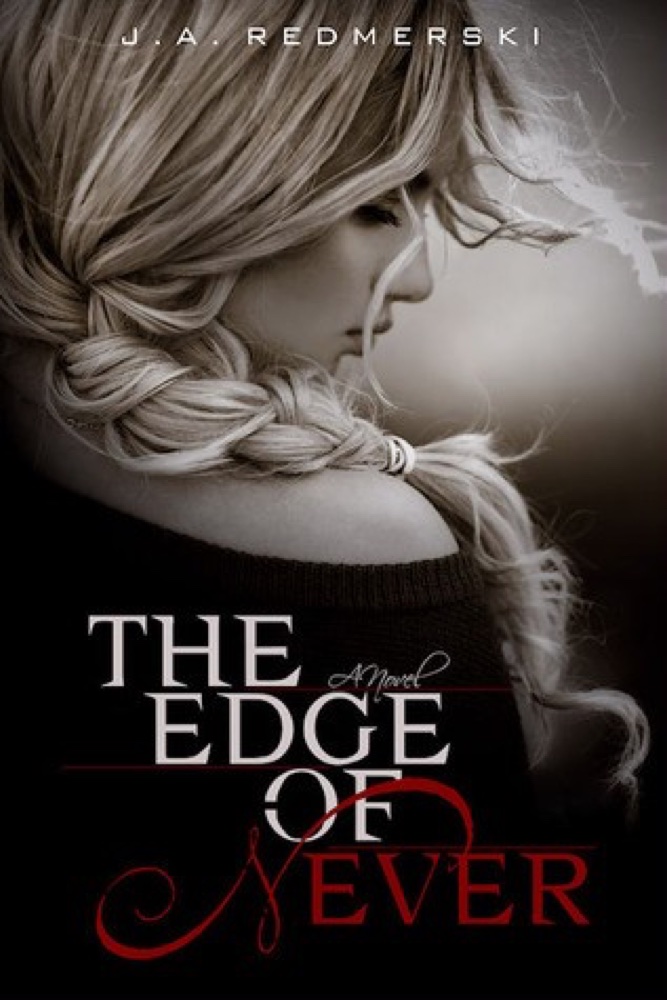 The Edge of Never
 Shut Out
 Yours Truly
 No One Belongs Here More Than You
 When It Happens
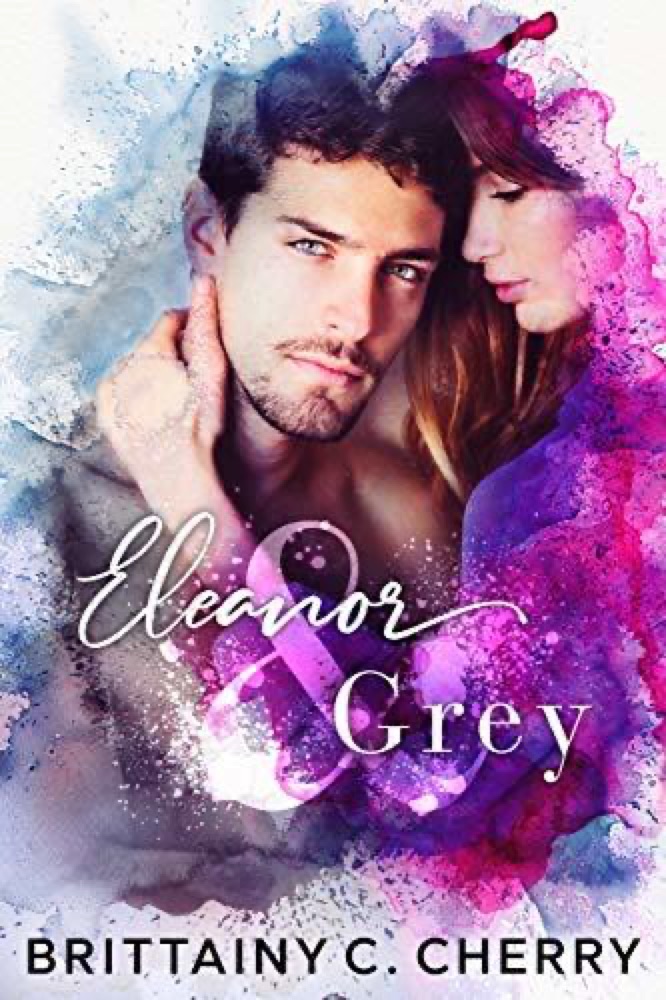 Eleanor & Grey
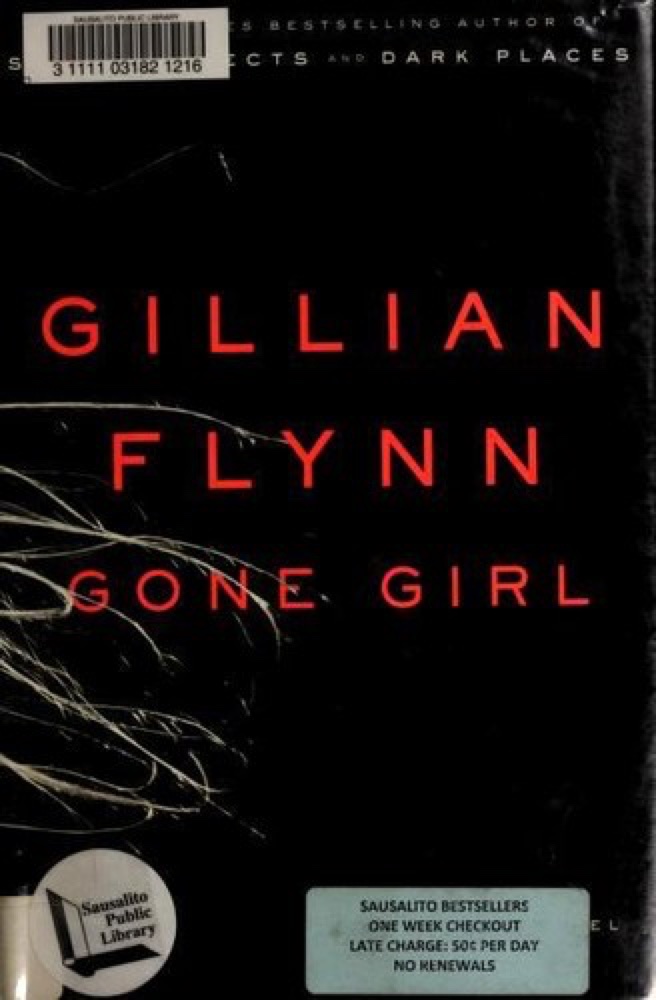 Gone Girl
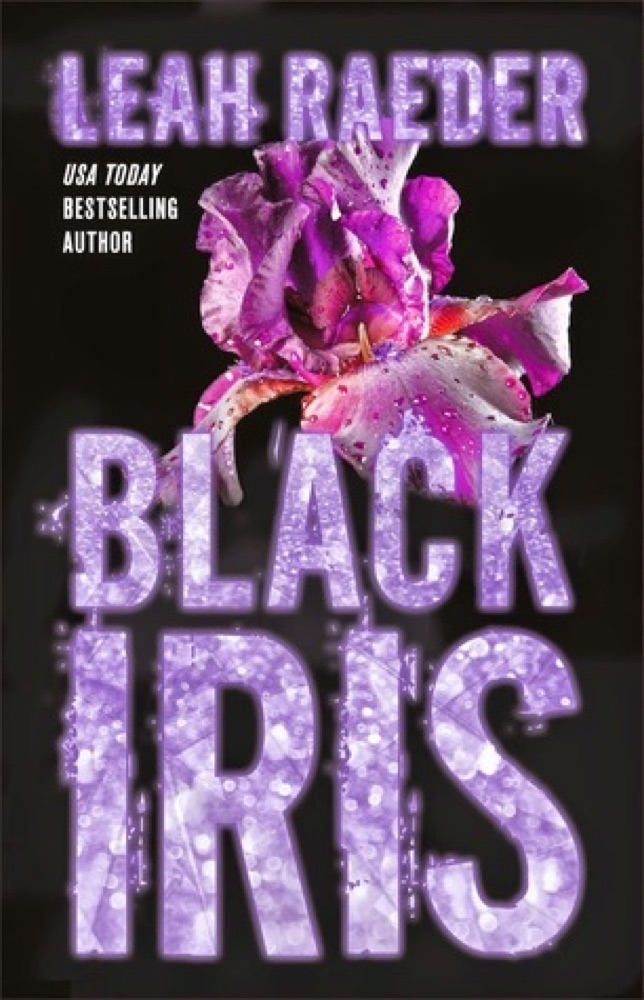 Black Iris
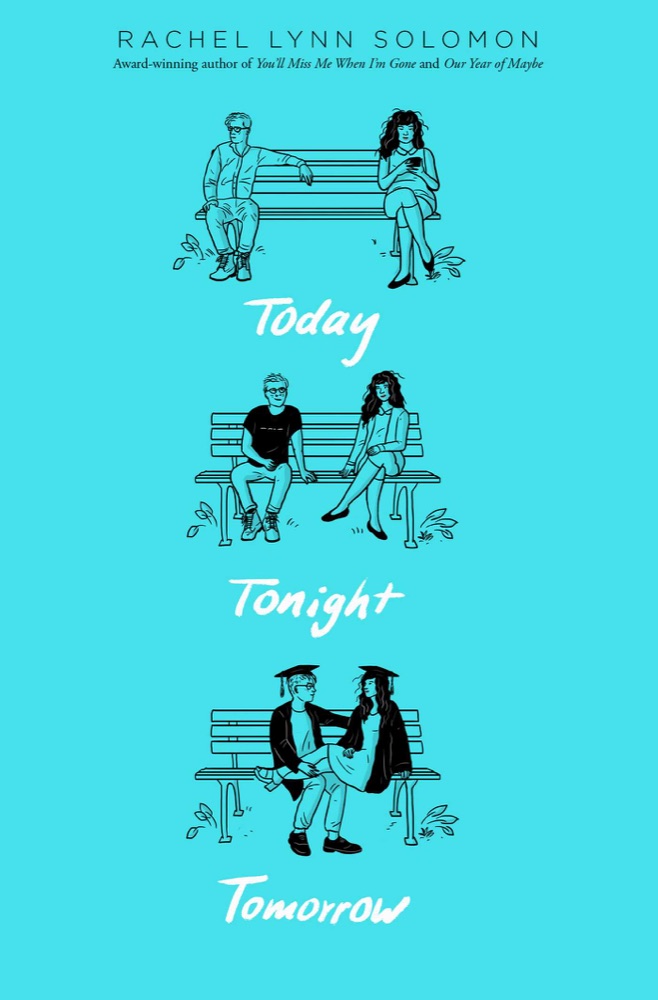 Today Tonight Tomorrow