
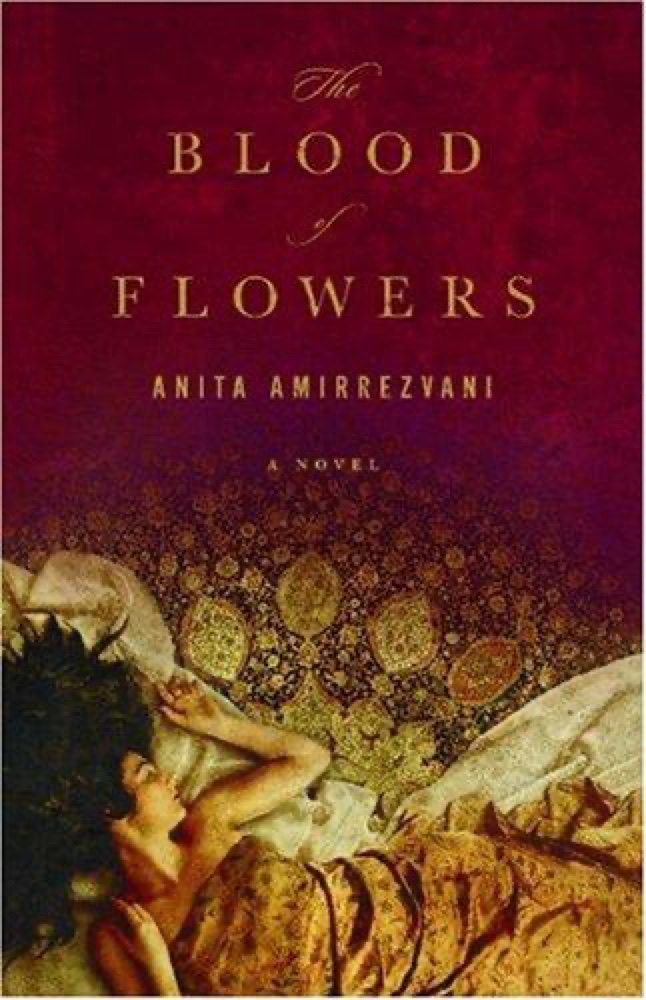
 The Blood of Flowers
Quotes from the Book
I recognized the poem from Maulana Rumi and felt touched to the depths of my heart when I realized that Pari was committing both of us to God’s care. “I will never abandon you. You are the star that I follow always.” Pari’s eyes misted. “Yes,” she said softly, “you alone of all my servants have truly loved me.” “With all my heart.
I don’t have royal blood,” I told her, “but we two could have been twins. It was as if we swam in the same fluids in our mother ’s womb, so that some of my maleness became hers and some of her femaleness mine. That made us strange in the eyes of the world, which does not care for in-between beings. We have both taken blows because of it. She was protean, as am I. She was fierce and affectionate and smart and unpredictable. That is why I loved her . . . that is why!
But when I allowed myself to think of her, I remembered the delicacy of her brown body under her orange robe, and I drew courage from knowing that she had needed nothing to guide her but her determined heart. Had there ever been a man who could claim to be as fearless? She had never even held the heavy swords and sharp daggers that gave soldiers their swagger. Khadijeh may have been a slave, but in her heart, she was a lion-woman.
Shamkhal and Majeed exchanged a glance of excitement and Majeed leapt up, his face glowing with triumph, to repeat what Ibrahim had said to another noble, and then he sped to the other side of the room to make sure the words traveled from man to man.
Watch on YouTube
About Anita Amirrezvani
We have collected 13 quotes from 2 books by Anita Amirrezvani on BookQuoters.
More about the author →More by Anita Amirrezvani
The Blood of Flowers
Book details
- Author
- Anita Amirrezvani
- Genre
- Literature
- Goodreads rating
- 3.75 (3k ratings) →
Keep reading
 A Light on the Hill
 The Golden Dynasty
 Crystal Crowned
 Like Flames in the Night
 Sea of Poppies
 A Thousand Nights
 The Wrath and the Dawn
 Wings of Starlight
 Ahab's Wife, or The Star-Gazer
 The Betrothed
 Affinity
 Every Last Kiss
 Of Fire and Stars
 A Court of Mist and Fury
 The Red Tent
 Sacrifice
 Lord of the Fading Lands
 The Heart of Betrayal
 Dracula in Love
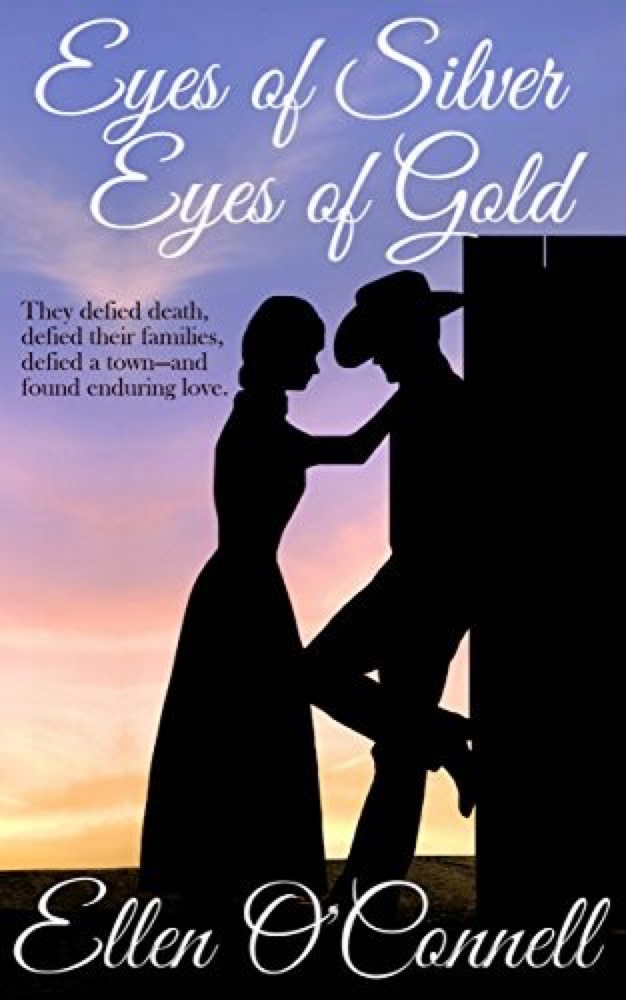 Eyes of Silver, Eyes of Gold
 Quintana of Charyn
 The Two Princesses of Bamarre
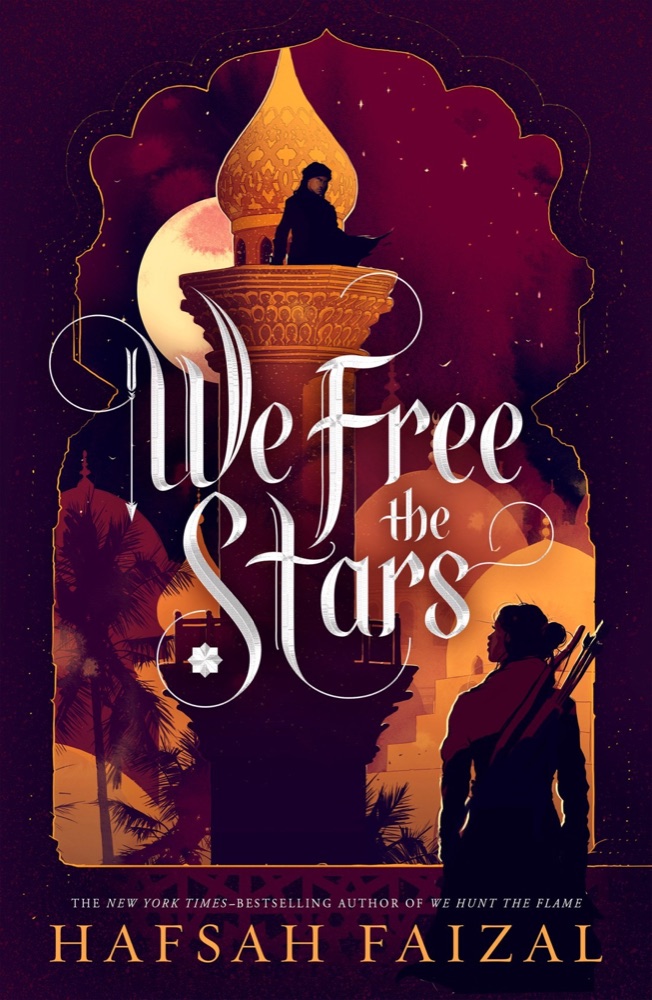 We Free the Stars
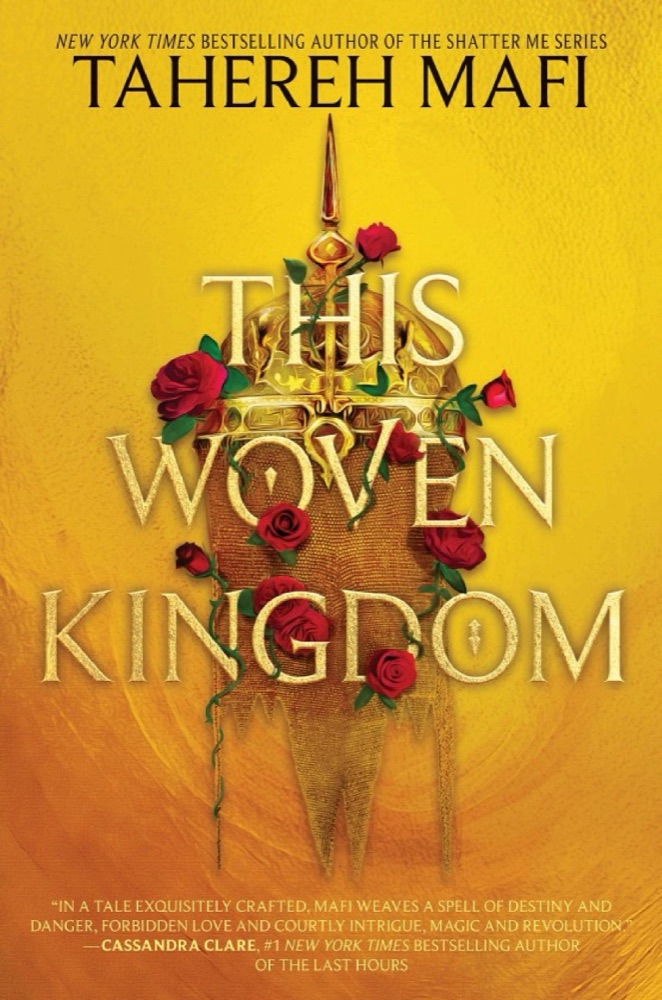 This Woven Kingdom
 Lady of Light and Shadows
 A Fire Endless
 Tower of Dawn
 Girl, Serpent, Thorn
 Surrender
 A Suitable Boy
 Midnight Sun
 The Night Ends with Fire
 Atalanta
 The Girl of Fire and Thorns
 Laddie: A True Blue Story
 Ice Queen
 Allegiance of Honor
 The Heretic Queen
 The Other Boleyn Girl
 The Aviator's Wife
 The Jasmine Throne
 A Queen This Fierce and Deadly
 Edenbrooke
 Rebel of the Sands
 The Fiery Cross
 Toxic Game
 The Marriage of Opposites
 The Force of Such Beauty
 Purple Hibiscus
 A Hero's Tale
 Wayfarer
 Voyage of the Damned
 The Red Palace
 Of Marriageable Age
 Mariana
 Pavilion of Women: A Novel of Life in the Women's Quarters
 Ella Enchanted
 Written in My Own Heart's Blood
 First Love
 The Empire of Gold