
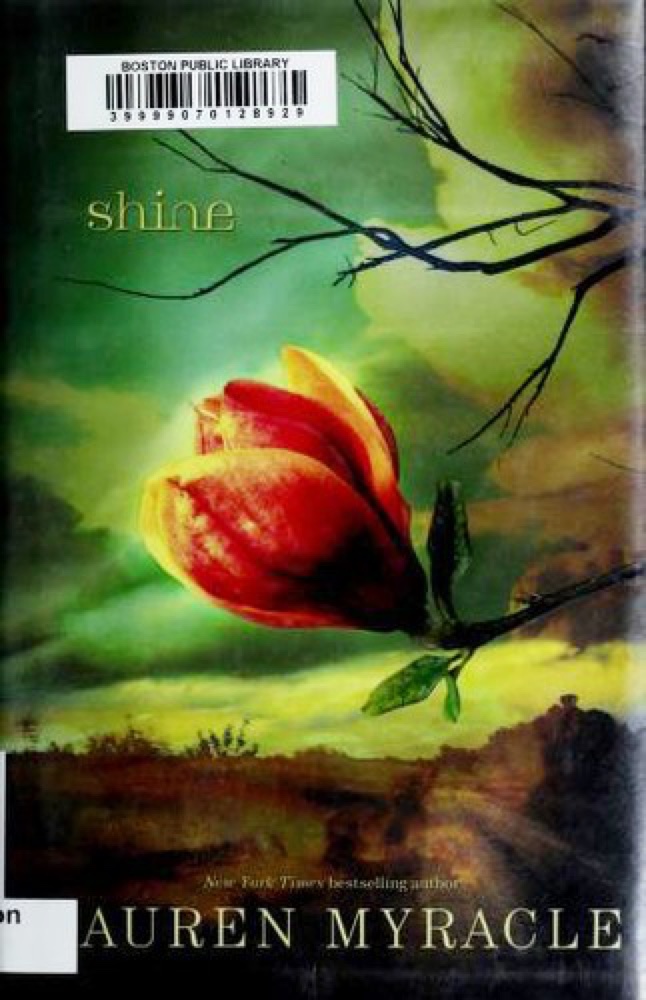
 Shine
Shine
Quotes from the Book
Just because you're into Kate...well, it doesn't necessarily mean you're gay. Although it's okay if you are. But if that's what's worrying you...' Ariel sighed. 'God. It shouldn't be so hard to talk about this stuff. All I'm saying is maybe you're gay and maybe you're not. Maybe you're bi. Or maybe it's totally a Kate thing. Maybe you'd want to be with her whether she was a girl or a boy.' I blinked. I didn't know if what she said made things better or worse.
You can rèmove a tattoo; it's just difficult. And supposedly it's pretty painful. Some things, on the other hand, can't be undone.
All I knew now was that nothing lasted forever, not even a friendship, and that being "different" felt the same as being alone.
I didn’t know what I thought, other than that nothing was easy anymore and no matter what I did, things got messed up.
But if I didn't know Kate, then maybe I didn't know myself-and if was that not-knowing that made my gut clench. Like losing your balance, that whoosh of almost falling, before pulling yourself back in line.
Watch on YouTube
About Lauren Myracle
We have collected 66 quotes from 6 books by Lauren Myracle on BookQuoters.
More about the author →
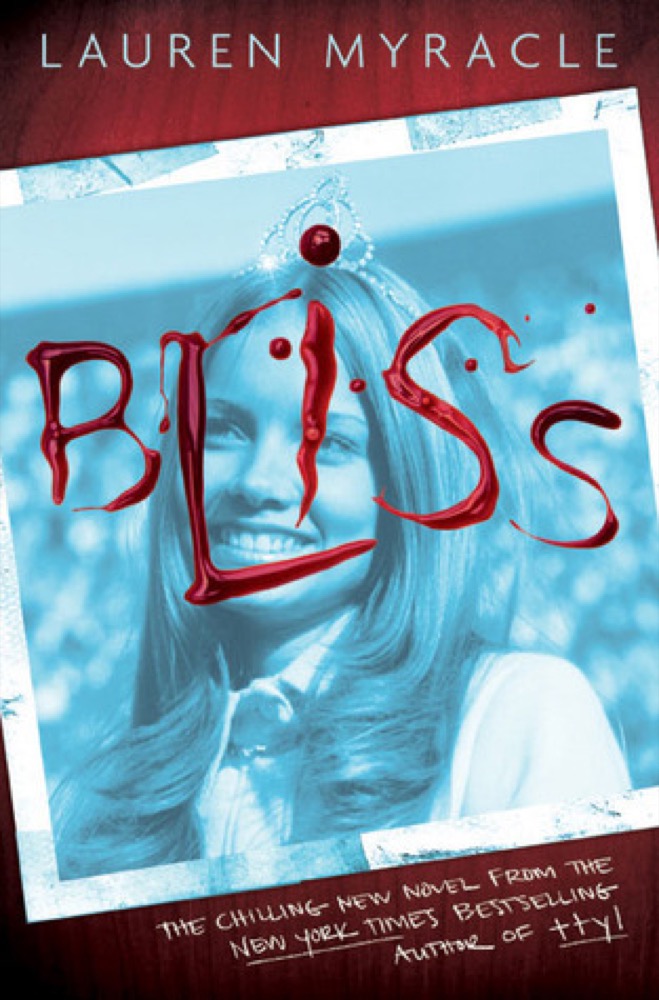
Book details
- Author
- Lauren Myracle
- Genre
- Contemporary
- Goodreads rating
- 3.68 (10k ratings) →
Keep reading
 The Beginning of After
 Prep
Prep
 Underdog
 Broken
 Breakable
 Honestly Ben
 Something Blue
 Emmy & Oliver
 The Girl Before
 Juliet, Naked
 Memoirs of a Teenage Amnesiac
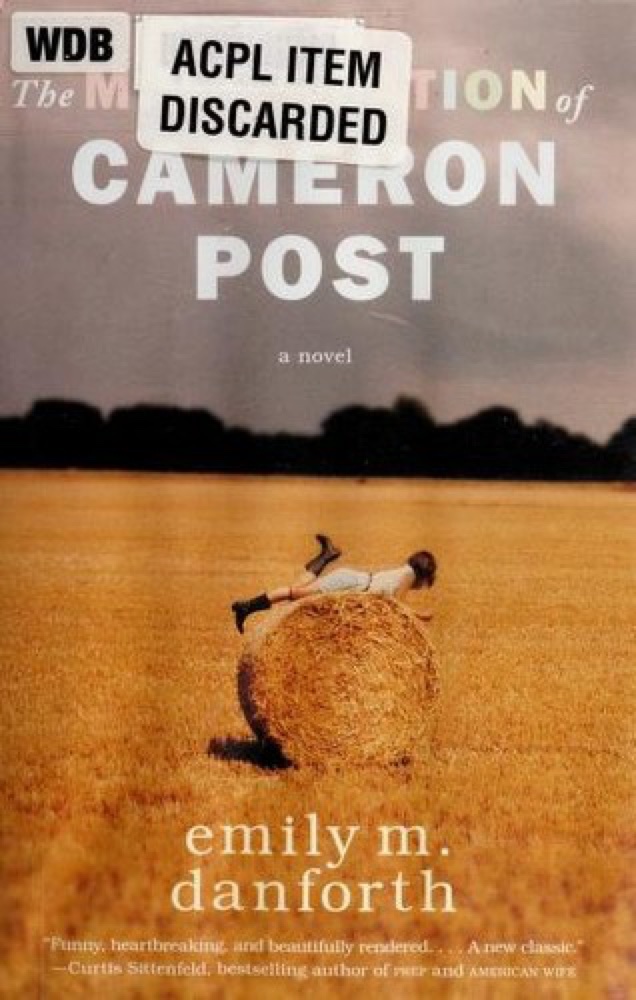 The Miseducation of Cameron Post
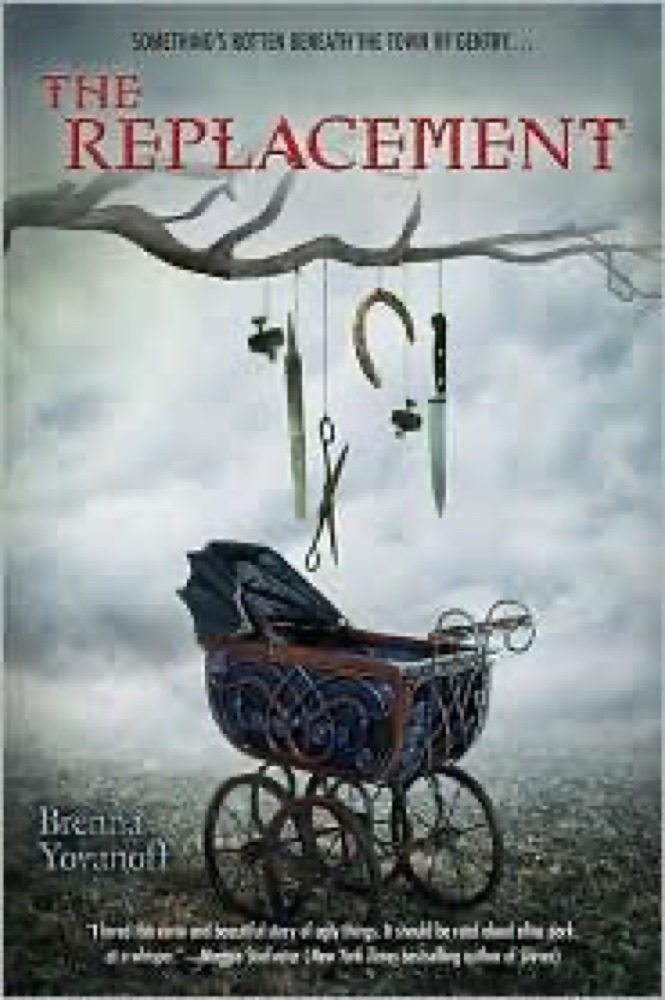 The Replacement
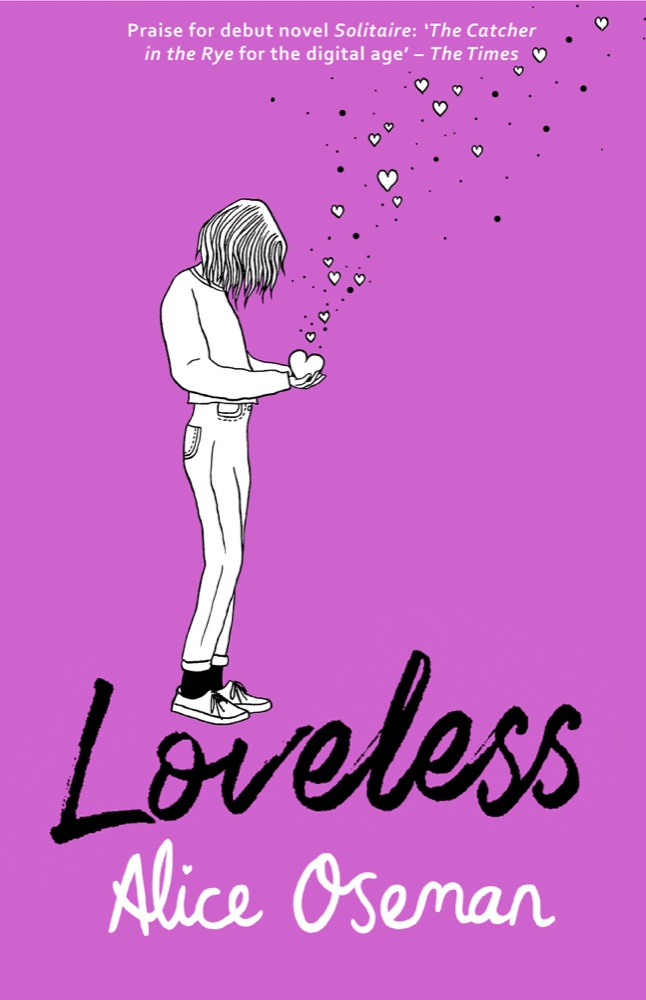 Loveless
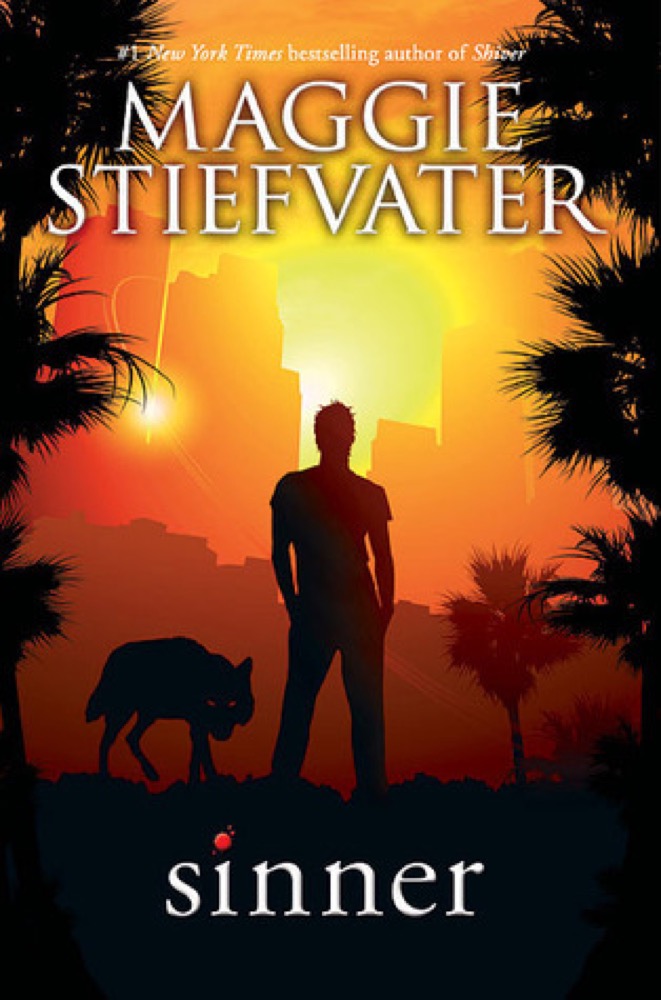 Sinner
 Noughts & Crosses
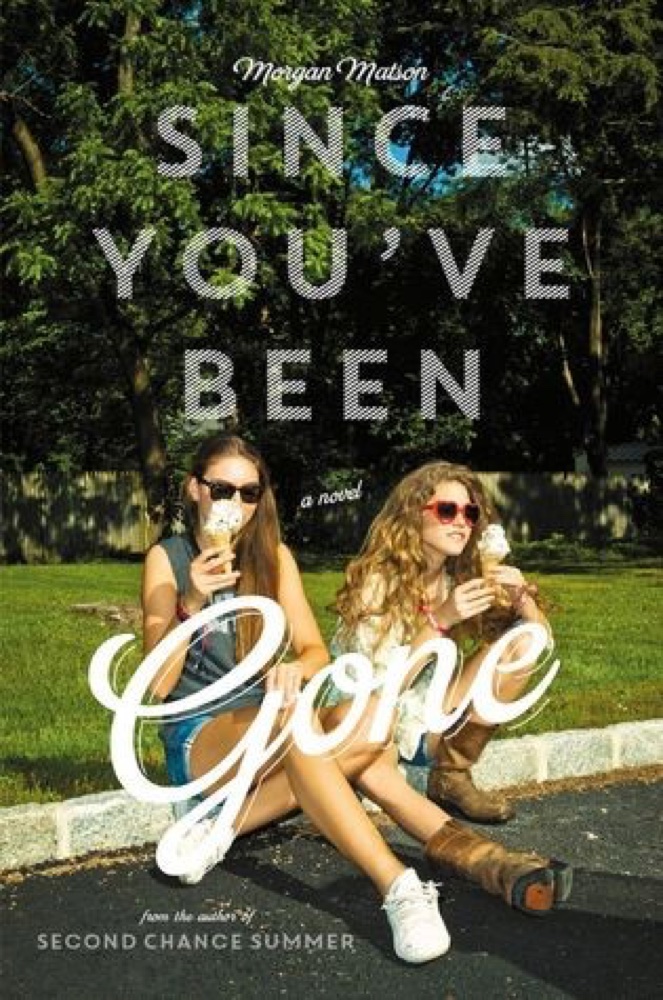 Since You've Been Gone
 No One Belongs Here More Than You
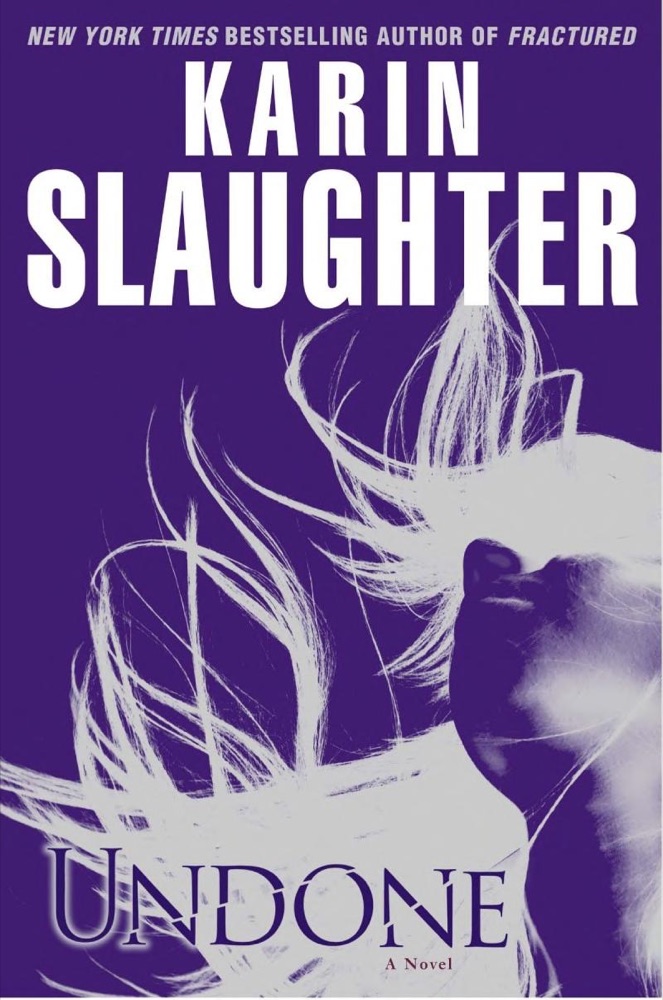 Undone
 The Goddess Test
 Keeping You a Secret
 The Beginning of Everything
 The Wonder Spot
 A Small Indiscretion
 First Love
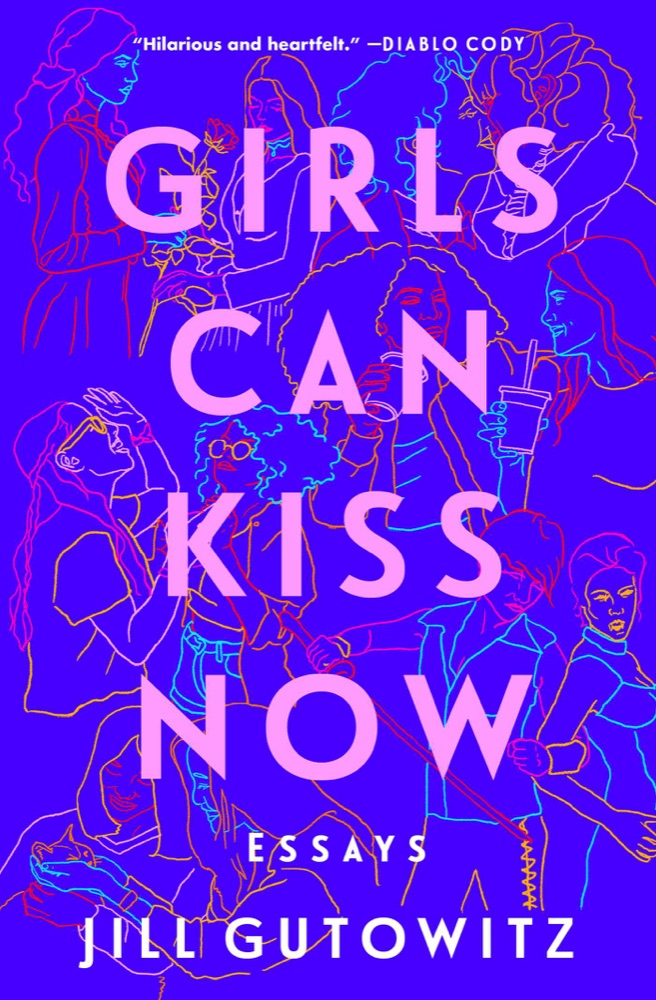 Girls Can Kiss Now: Essays
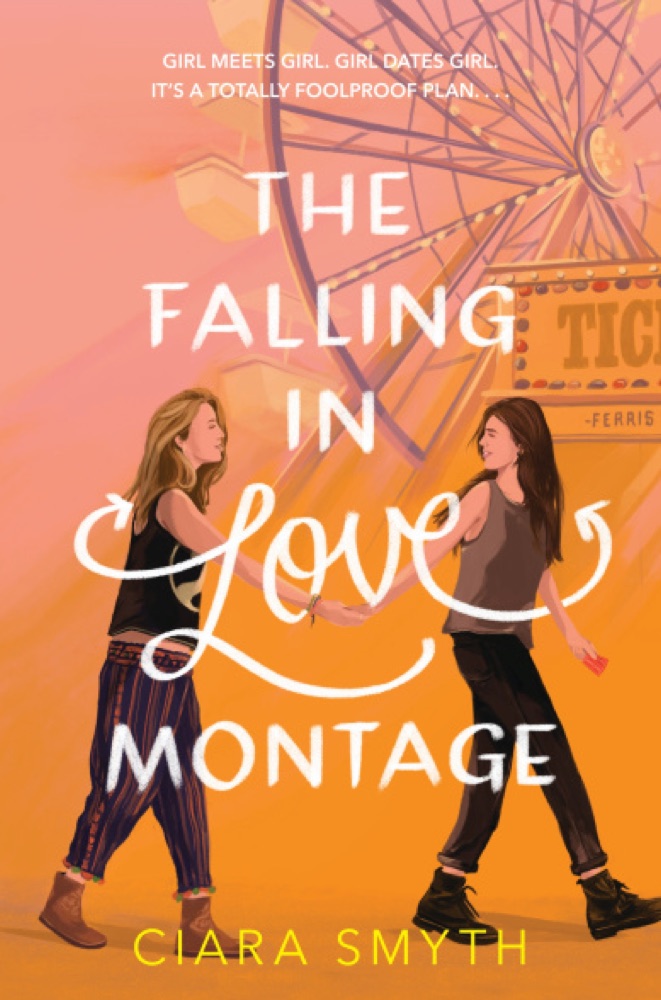 The Falling in Love Montage
 Body & Soul
 True Believer
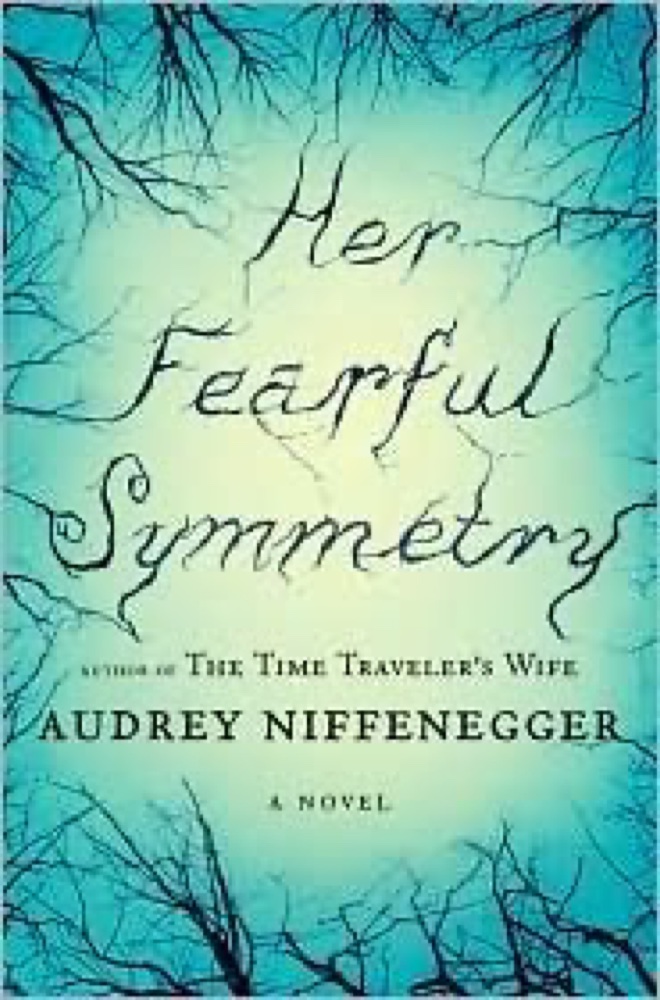 Her Fearful Symmetry
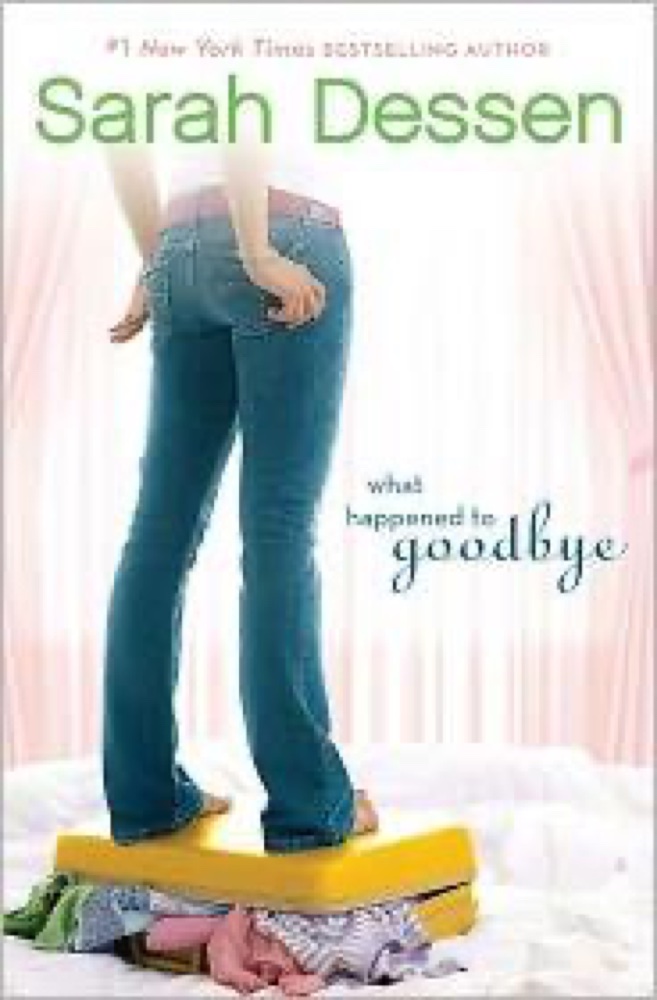 What Happened to Goodbye
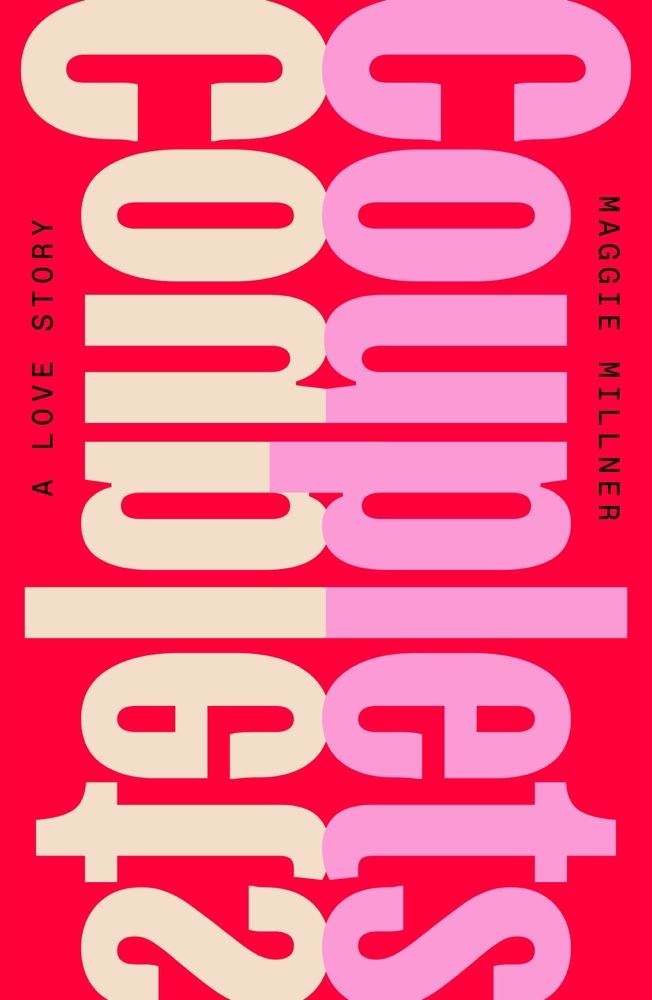 Couplets
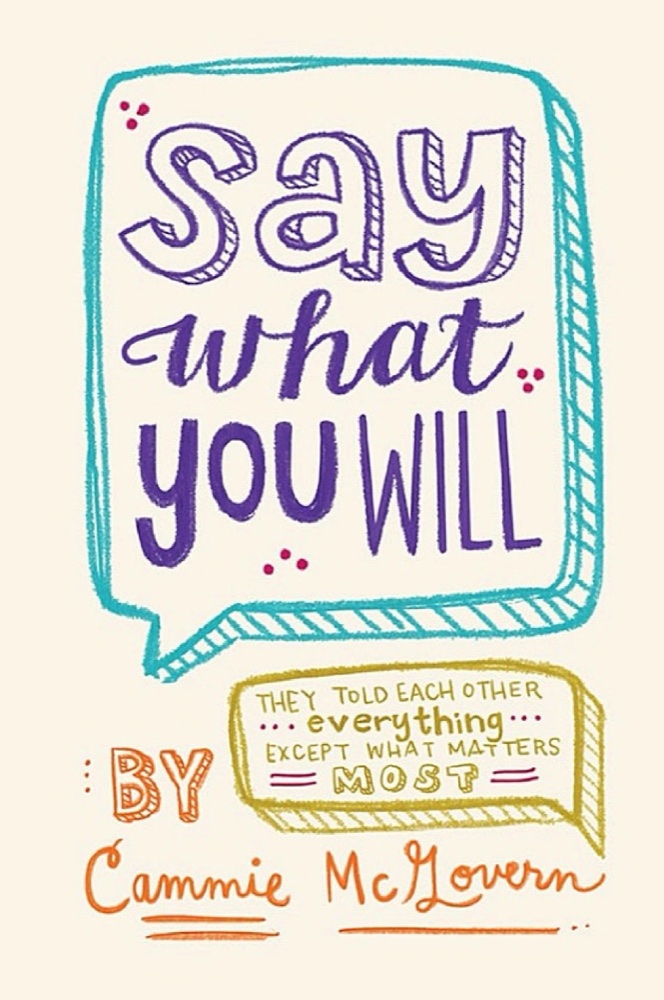 Say What You Will
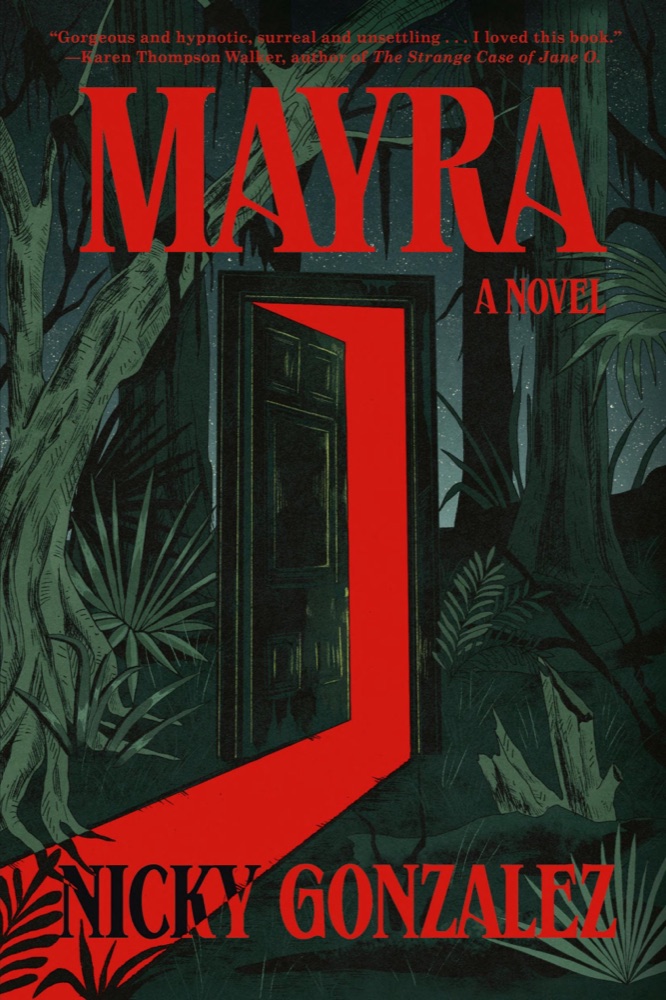 Mayra
Mayra
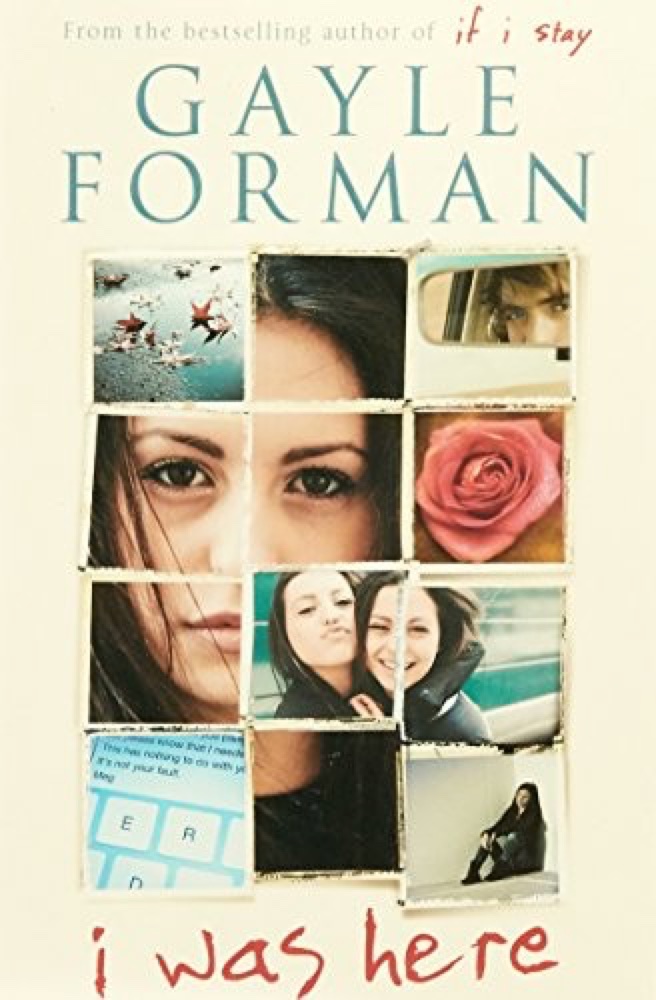 I Was Here
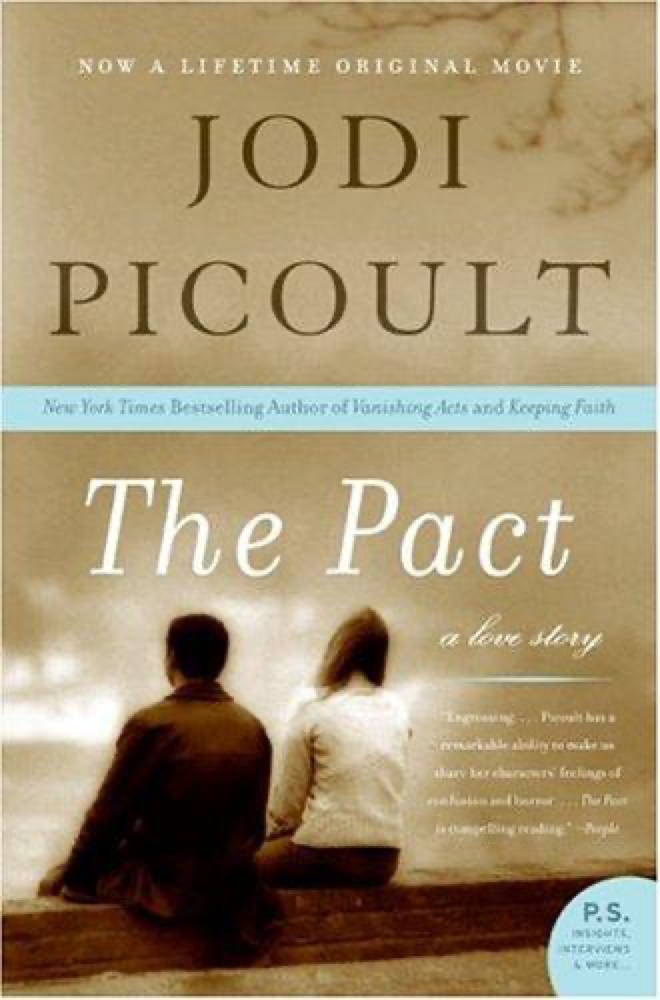 The Pact
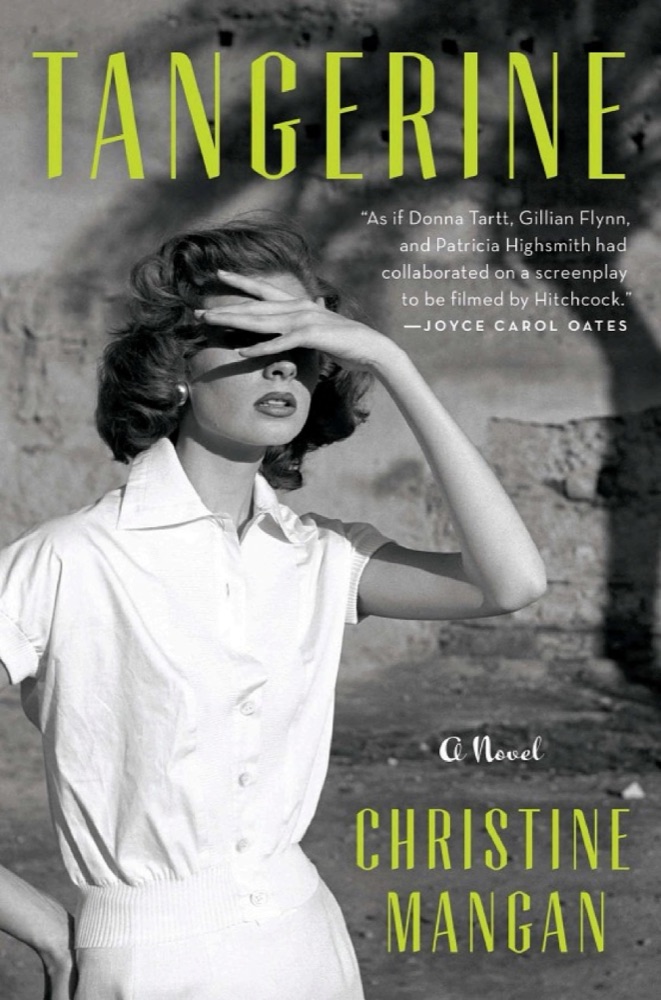 Tangerine
 Fallout
 Aristotle and Dante Discover the Secrets of the Universe
 Swimming in the Dark
 Animals Eat Each Other
 Story of a Girl
 Twilight / Life and Death
 The Rachel Incident
 A Walk to Remember
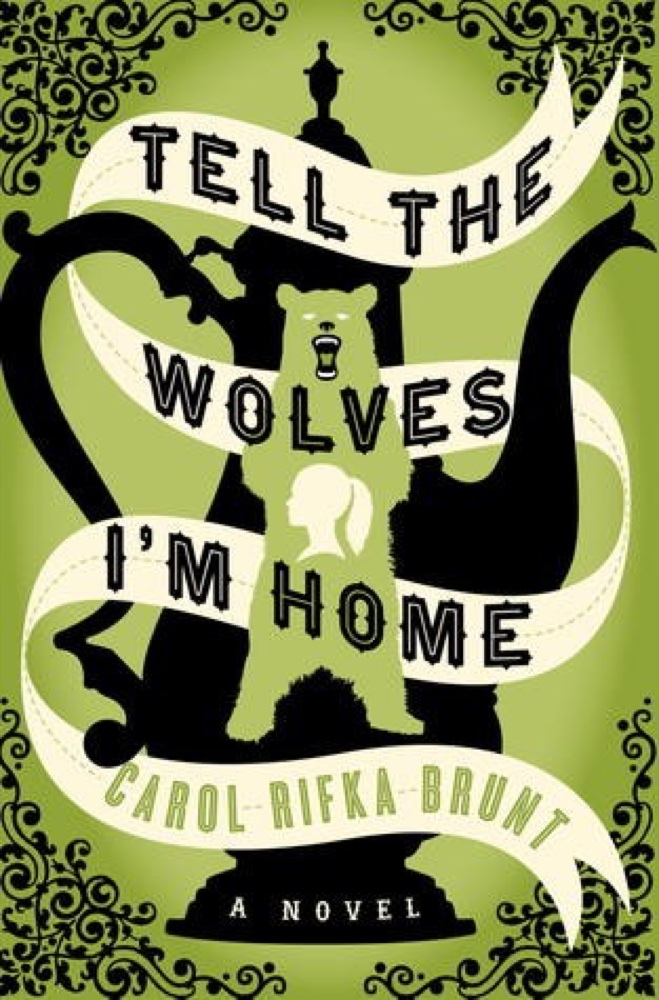 Tell the Wolves I'm Home
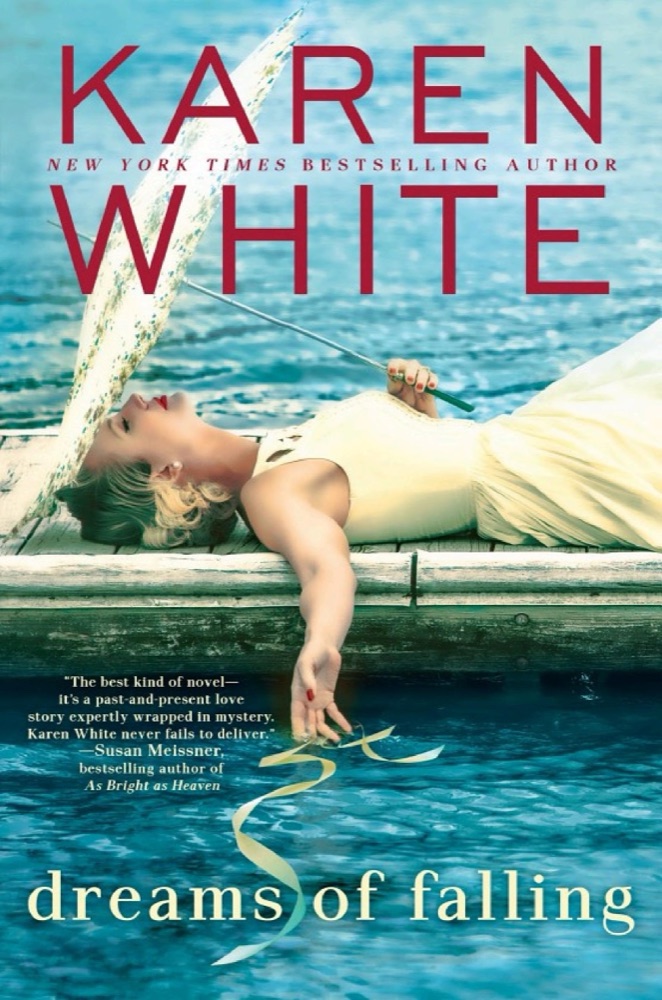 Dreams of Falling
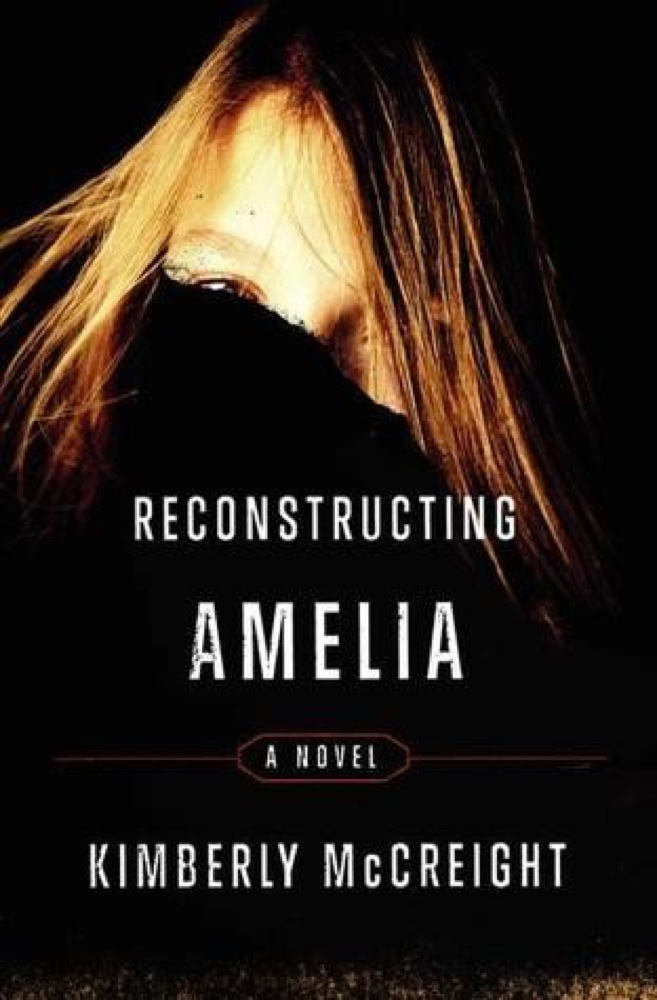 Reconstructing Amelia
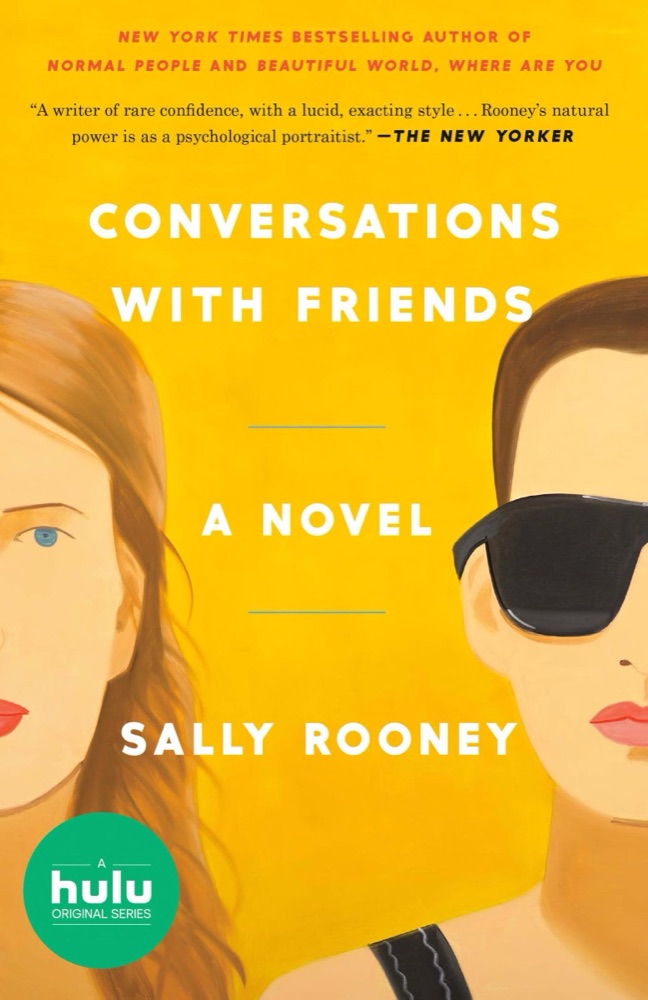 Conversations with Friends
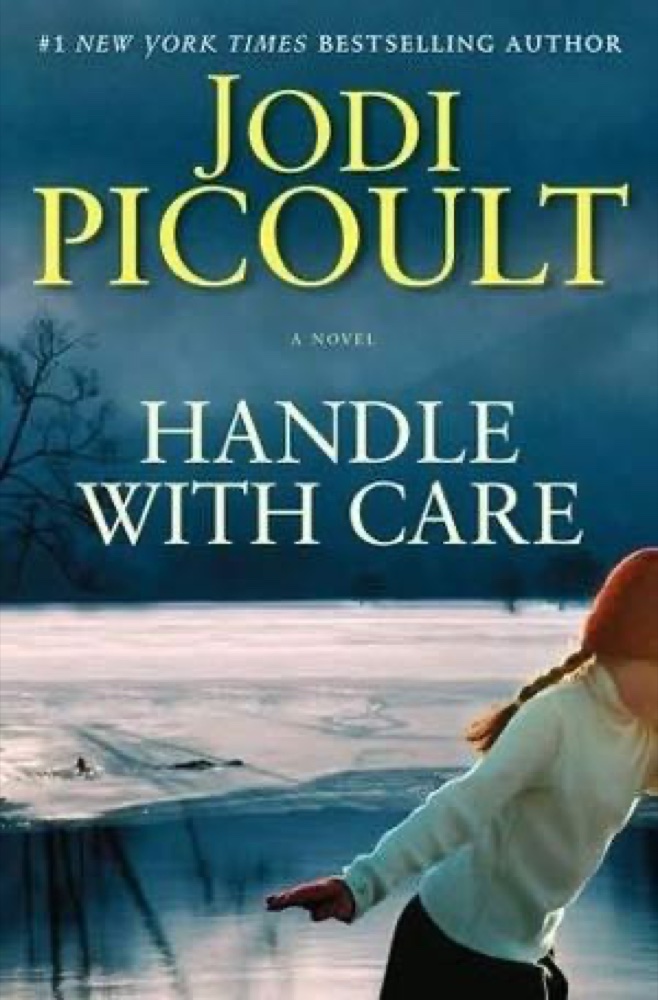 Handle with Care
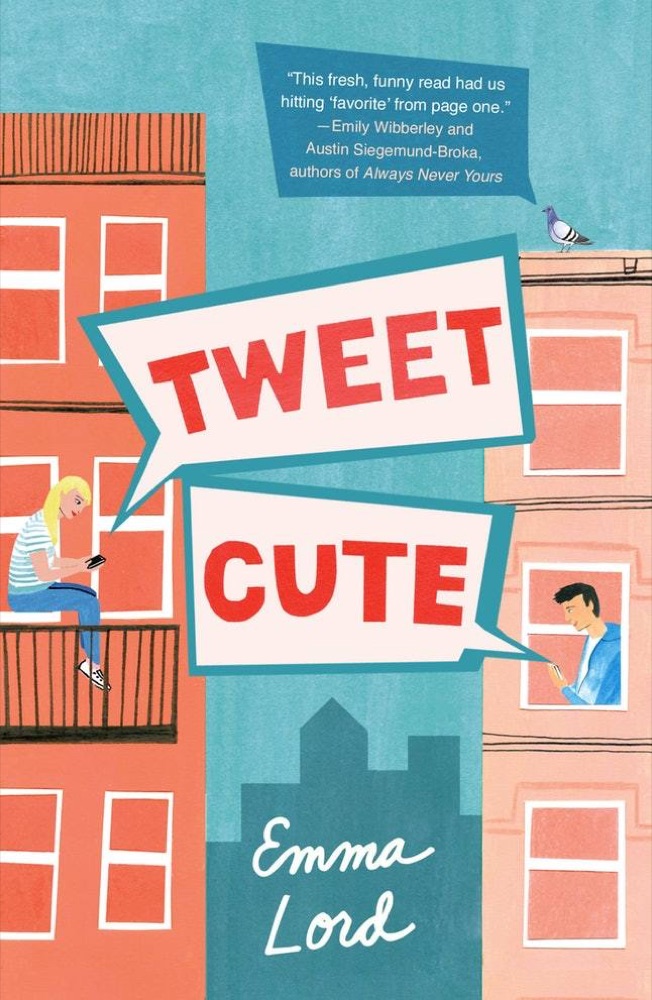 Tweet Cute
 One Hundred Names
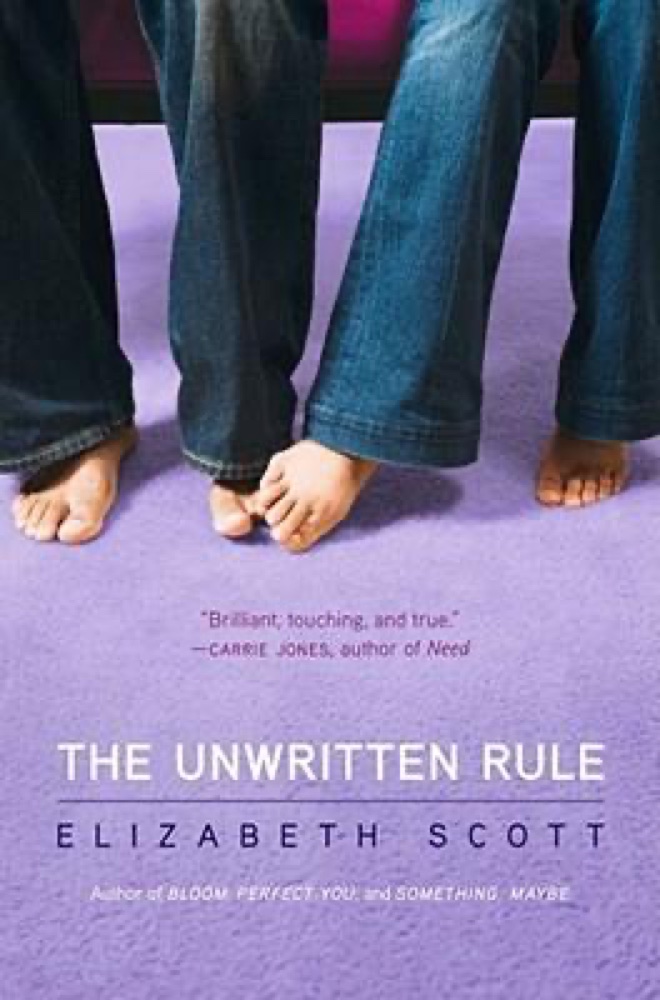 The Unwritten Rule
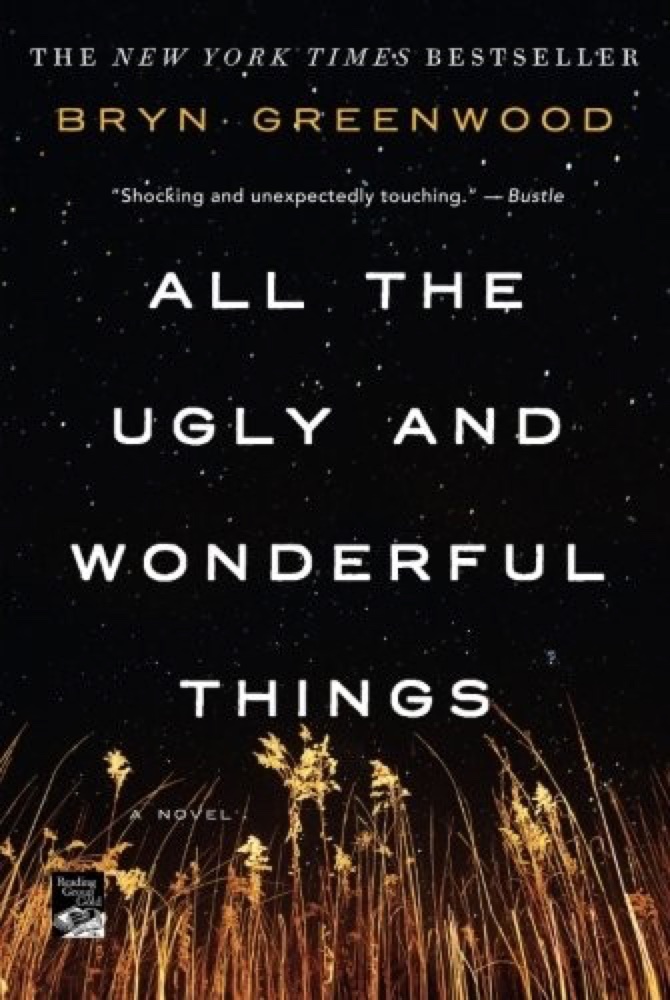 All the Ugly and Wonderful Things
 Extraordinary Means
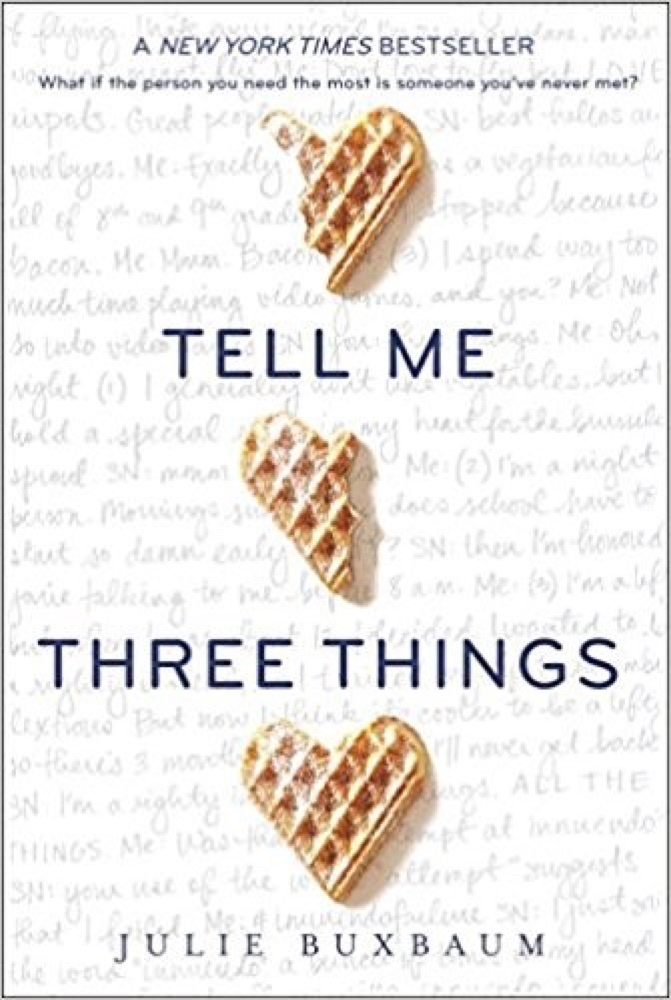 Tell Me Three Things
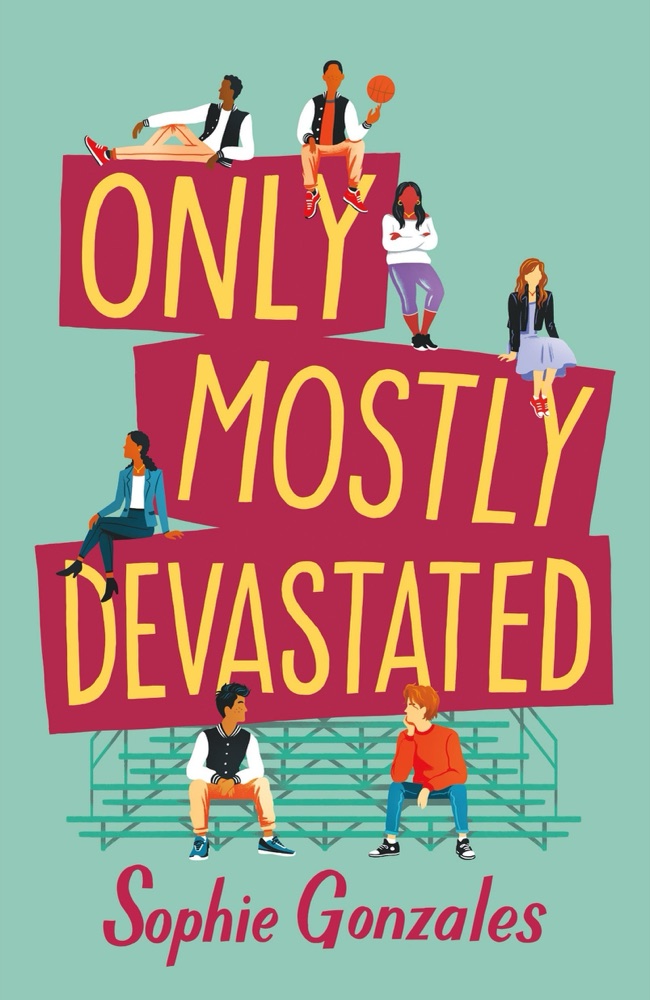 Only Mostly Devastated
 Tell No One
 The Dud Avocado
 The Loner