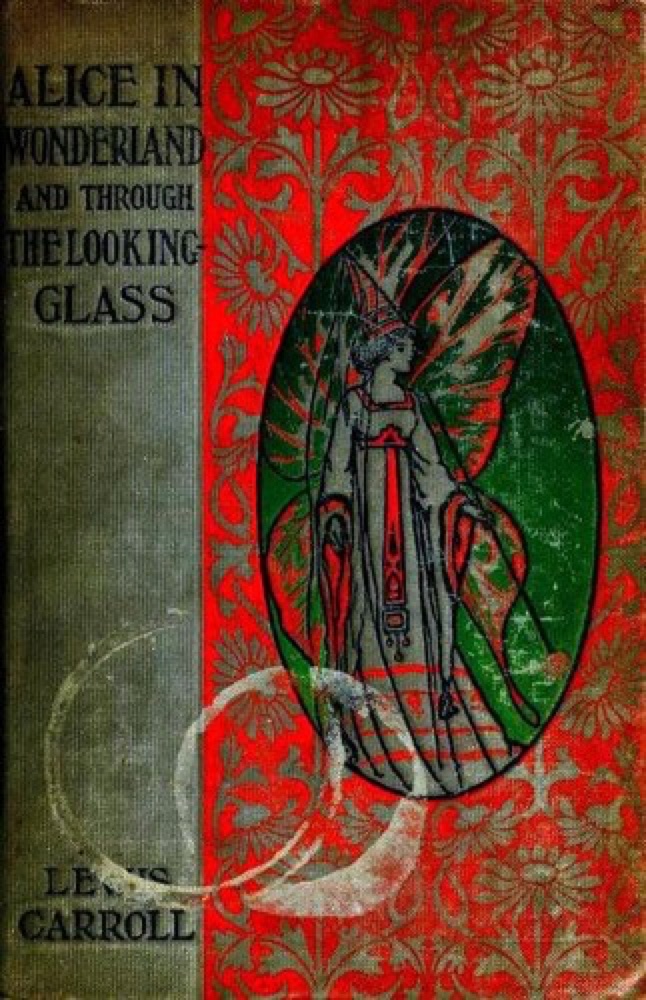
 Alice's Adventures in Wonderland & Through the Looking-Glass
Quotes from the Book
How puzzling all these changes are! I'm never sure what I'm going to be, from one minute to another.
And what is the use of a book," thought Alice, "without pictures or conversation?
In another moment down went Alice after it, never once considering how in the world she was to get out again.
Alice asked the Cheshire Cat, who was sitting in a tree, “What road do I take?” The cat asked, “Where do you want to go?” “I don’t know,” Alice answered. “Then,” said the cat, “it really doesn’t matter, does it?
That's the reason they're called lessons," the Gryphon remarked: "because they lessen from day to day.
Would you tell me, please, which way I ought to go from here?" "That depends a good deal on where you want to get to," said the Cat. "I don’t much care where--" said Alice. "Then it doesn’t matter which way you go," said the Cat. "--so long as I get SOMEWHERE," Alice added as an explanation. "Oh, you’re sure to do that," said the Cat, "if you only walk long enough.
Alice thought to herself "I don't see how he can ever finish, if he doesn't begin.
I almost wish I hadn't gone down that rabbit-hole—and yet—and yet—it's rather curious, you know, this sort of life!
Alice had begun to think that very few things indeed were really impossible.
at any rate, there's no harm in trying.
what you would seem to be"—or if you'd like it put more simply—"Never imagine yourself not to be otherwise than what it might appear to others that what you were or might have been was not otherwise than what you had been would have appeared to them to be otherwise.
if you drink much from a bottle marked 'poison,' it is almost certain to disagree with you, sooner or later.
but Alice had got so much into the way of expecting nothing but out-of-the-way things to happen, that it seemed quite dull and stupid for life to go on in the common way.
I could tell you my adventures--beginning from this morning,' said Alice a little timidly: 'but it's no use going back to yesterday, because I was a different person then.
I--I hardly know, sir, just at present-- at least I know who I WAS when I got up this morning, but I think I must have been changed several times since then.
Why, there's hardly enough of me left to make ONE respectable person!
If you knew Time as well as I do,’ said the Hatter, ‘you wouldn’t talk about wasting it. It’s him.
simply—"Never imagine yourself not to be otherwise than what it might appear to others that what you were or might have been was not otherwise than what you had been would have appeared to them to be otherwise.
I wish I hadn't cried so much!
How doth the little crocodile Improve his shining tail, And pour the waters of the Nile On every golden scale!
Dear, dear! How queer everything is to-day! And yesterday things went on just as usual. I wonder if I've been changed in the night? Let me think: was I the same when I got up this morning? I almost think I can remember feeling a little different. But if I'm not the same, the next question is, Who in the world am I? Ah, that's the great puzzle!
flamingoes and mustard both bite. And the moral of that is--"Birds of a feather flock together.
How long is forever? Sometimes just one second
She generally gave herself very good advice, (though she very seldom followed it), and
Begin at the beginning,' the King said gravely, 'and go on till you come to the end: then stop.
no use in crying like that!' said Alice to herself, rather sharply; 'I advise you to leave off this minute!
Would you tell me, please, which way I ought to go from here?’ ‘That depends a good deal on where you want to get to,’ said the Cat. ‘I don’t much care where —’ said Alice. ‘Then it doesn’t matter which way you go,’ said the Cat.
either the locks were too large, or the key was too small,
I can’t explain myself, I’m afraid, sir,’ said Alice, ‘because I’m not myself, you see.
her eye fell upon a little bottle that stood near the looking-glass. There was no label this time with the words 'DRINK ME,' but nevertheless she uncorked it and put it to her lips. 'I know SOMETHING interesting is sure to happen,' she said to herself, 'whenever I eat or drink anything; so I'll just see what this bottle does.
Did you know?
- The book was written by Charles Lutwidge Dodgson under the pen name Lewis Carroll.
- The story grew out of a tale Dodgson told to Alice Liddell and her sisters.
- The first edition was illustrated with 42 wood-engraved illustrations by John Tenniel.
- It is considered a foundational work of the literary nonsense genre.
- The novel has been translated into scores of languages and adapted many times for stage and screen.
About Lewis Carroll
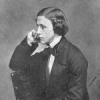
Lewis Carroll was the pen name of Charles Lutwidge Dodgson (1832-1898), an English author, mathematician, and photographer who spent much of his life as a scholar and Mathematical Lecturer at Christ Church, Oxford. He is best known for Alice's Adventures in Wonderland and its sequel, Through the Looking-Glass.
More about the author →More by Lewis Carroll
Alice's Adventures in Wonderland & Through the Looking-Glass
 Through the Looking Glass
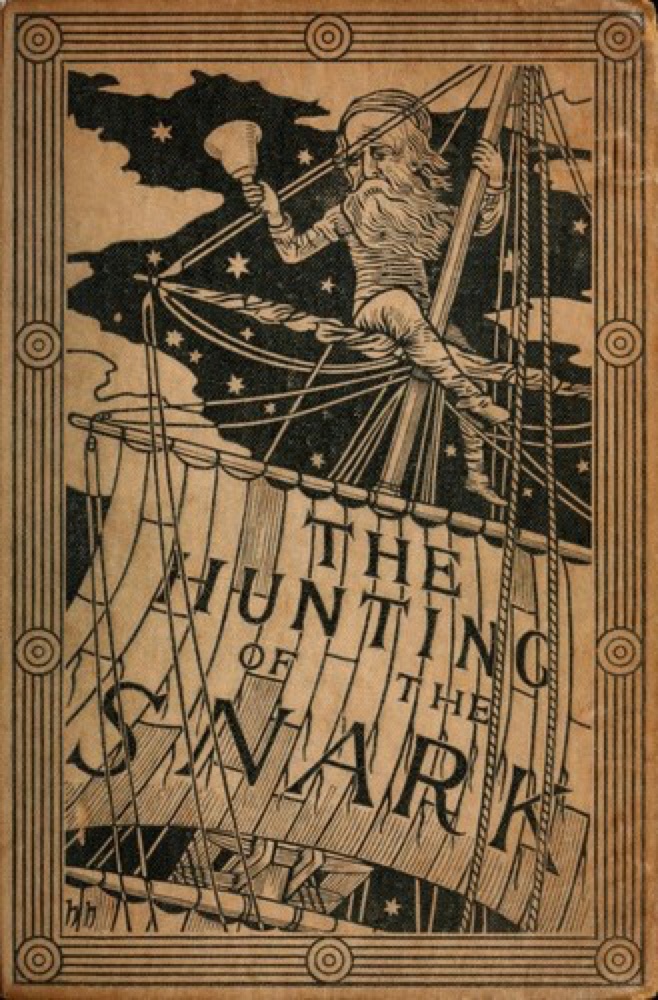 The Hunting of the Snark
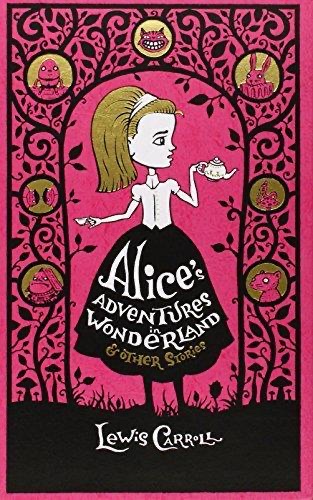 Alice's Adventures in Wonderland & Other Stories
About the book
Alice's Adventures in Wonderland is an 1865 children's novel by the English writer Lewis Carroll, the pen name of Oxford mathematician Charles Lutwidge Dodgson. A young girl named Alice follows a waistcoated White Rabbit down a rabbit hole and tumbles into Wonderland, a fantastical realm where she repeatedly changes size by eating and drinking curious things. Along the way she meets a cast of nonsensical creatures, including a hookah-smoking Caterpillar, a vanishing Cheshire Cat, the Mad Hatter's endless tea party, and the beheading-obsessed Queen of Hearts, before waking to find it was all a dream.
The book is a landmark of literary nonsense, delighting in wordplay, riddles, logical puzzles, and playful inversions of Victorian manners and schoolroom lessons. Its shifting sizes and absurd rules dramatize a child's bewilderment at an adult world whose logic seems arbitrary, while its humor and mathematical games have given the story lasting appeal to adults as well as children. Beneath the whimsy runs a preoccupation with identity, authority, and the slipperiness of language.
Illustrated by John Tenniel, the novel helped transform children's literature by trading stiff Victorian didacticism for a looser, sillier, nonsense style, and its influence stretches from later fantasists to writers as varied as James Joyce and Dr. Seuss. It has been translated into scores of languages and endlessly adapted for stage, screen, ballet, opera, and beyond, and its characters and images have become permanent fixtures of popular culture.
Key characters
- AliceThe curious young protagonist who falls into Wonderland
- The White RabbitA waistcoated, watch-checking rabbit whose hurrying leads Alice underground
- The CaterpillarA hookah-smoking creature who quizzes Alice and offers a size-changing mushroom
- The Cheshire CatA grinning cat who appears and vanishes at will
- The Mad HatterHost of the perpetual, nonsensical tea party
- The Queen of HeartsThe tyrannical ruler who constantly orders beheadings
Book details
- First published
- 1865
- Length
- 192 pages
- Reading time
- 3 hours
- Author
- Lewis Carroll
- Genre
- Classics
- Goodreads rating
- 3.99 (448k ratings) →
- First line
- “Alice was beginning to get very tired of sitting by her sister on the bank, and of having nothing to do:”
Movie & TV adaptations
- IMDb
- IMDb
If you liked this, read…
- 1Through the Looking-GlassCarroll's own sequel continuing Alice's nonsensical adventures
- 2The Wonderful Wizard of OzAnother child heroine swept into a strange fantasy land
- 3Peter PanA classic children's fantasy blending whimsy with darker undertones
Keep reading
Alice's Adventures in Wonderland & Through the Looking-Glass
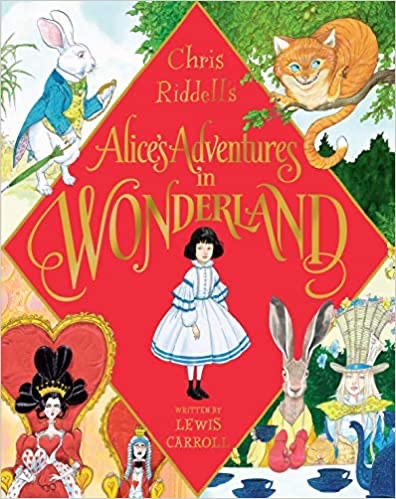 Alice in Wonderland
Through the Looking Glass
Alice in Wonderland
Through the Looking Glass
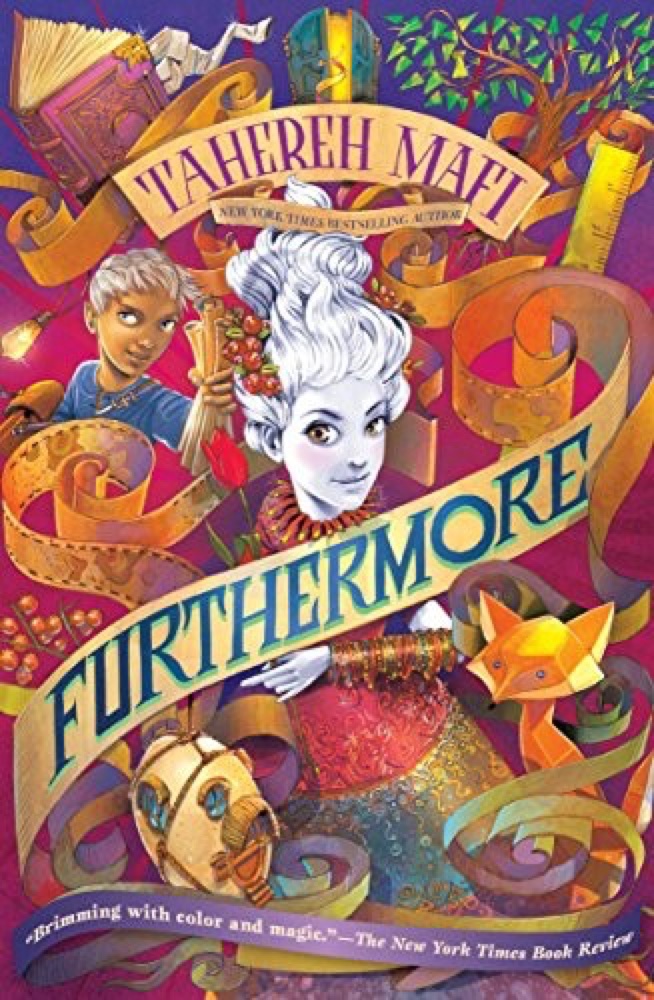 Furthermore
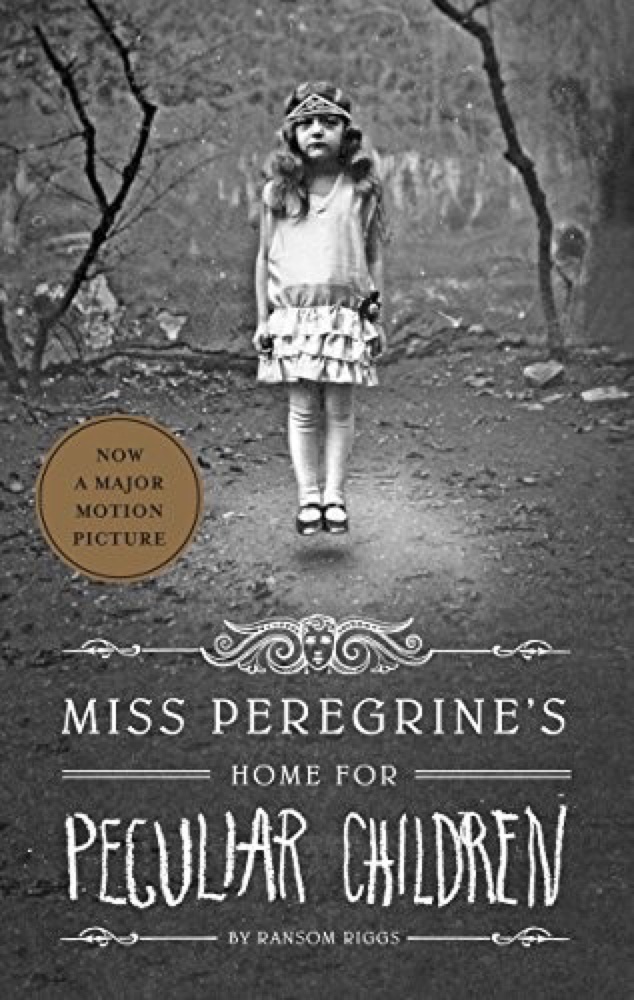 Miss Peregrine’s Home for Peculiar Children
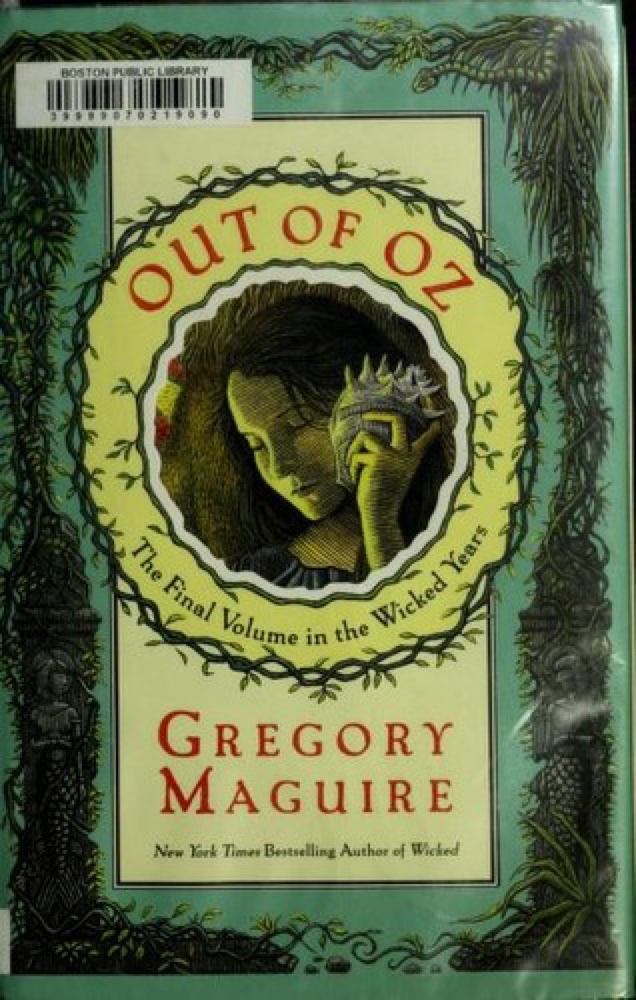 Out of Oz
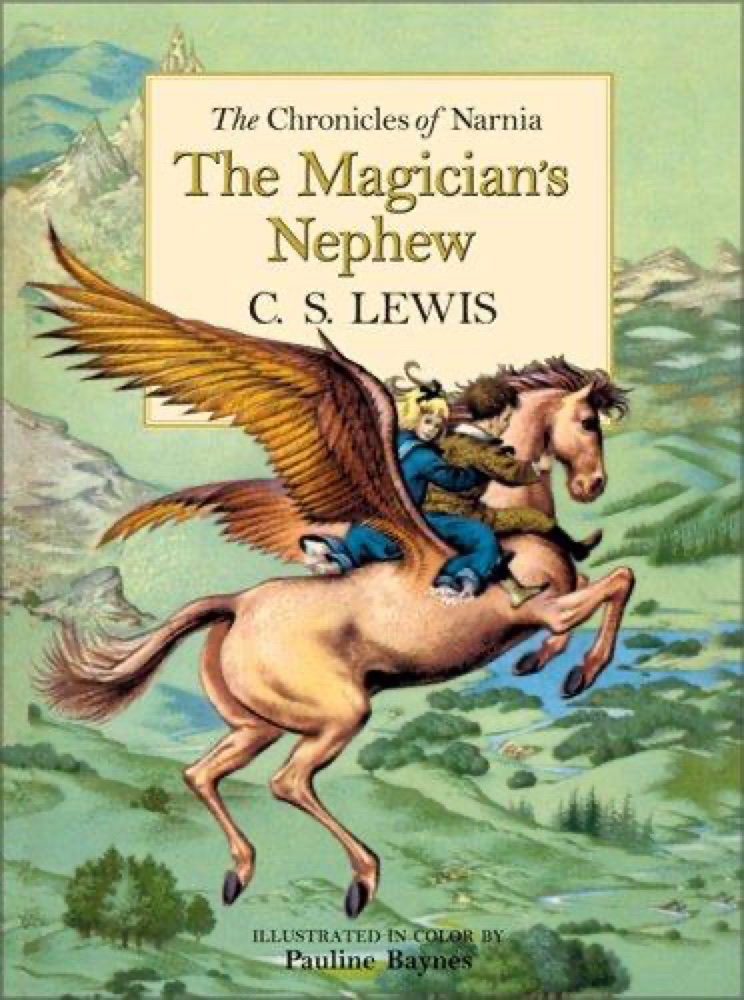 The Magician's Nephew
 Who Could That Be at This Hour?
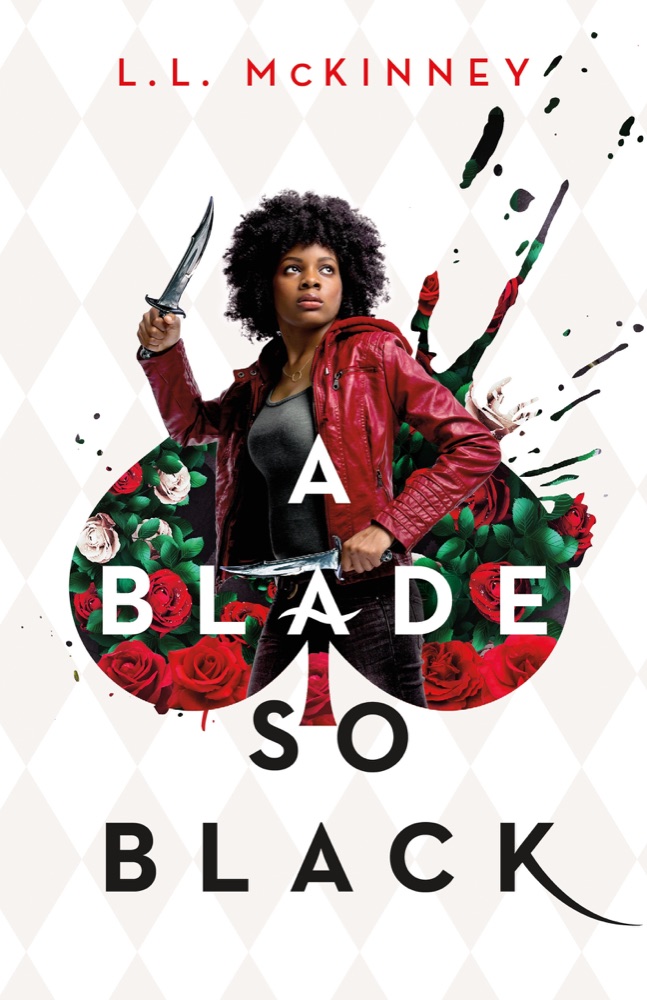 A Blade So Black
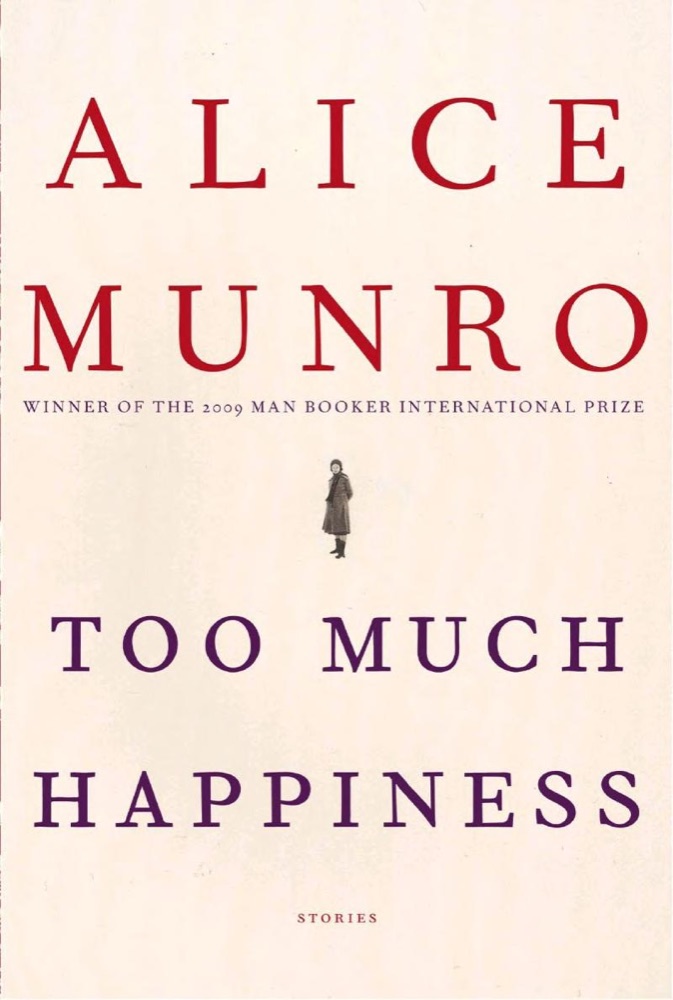 Too Much Happiness: Stories
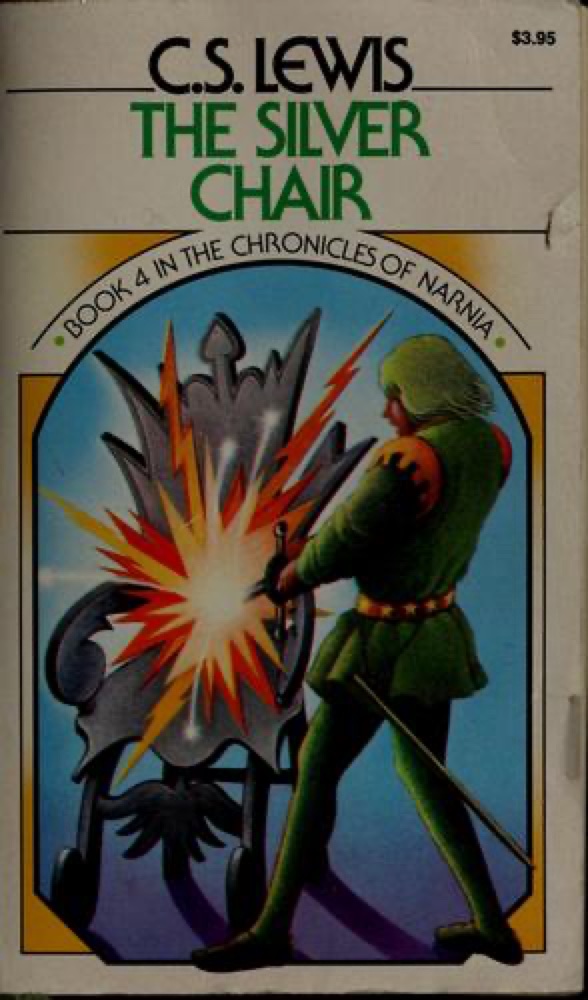 The Silver Chair
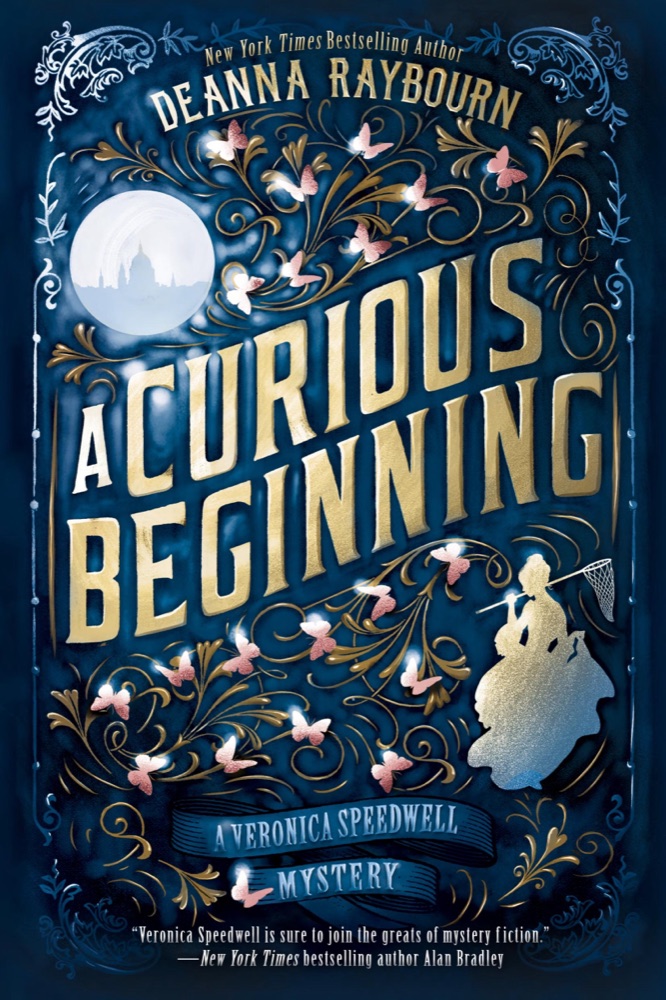 A Curious Beginning
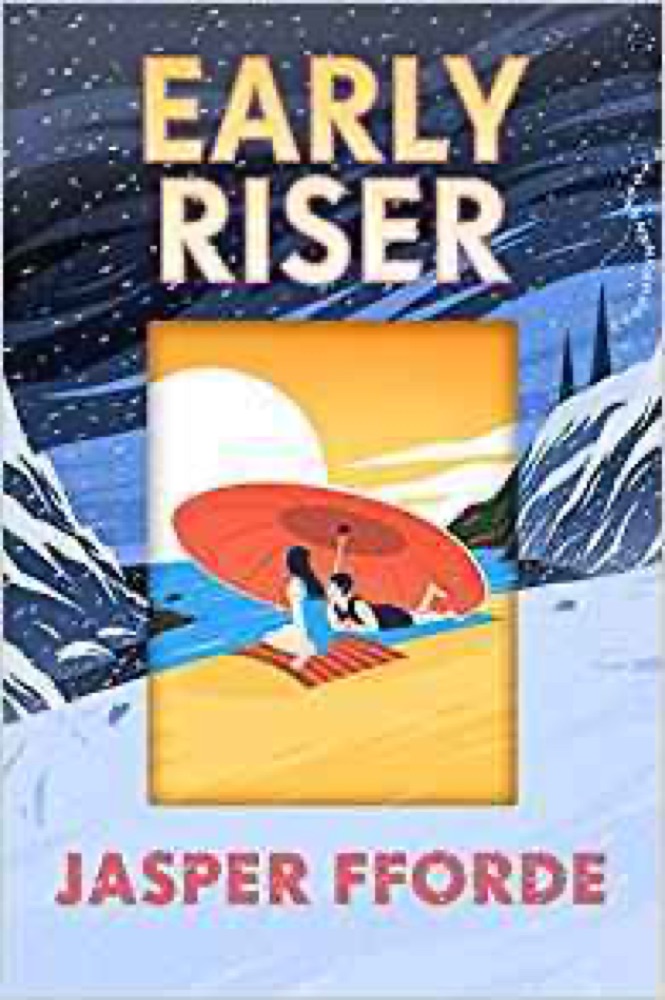 Early Riser
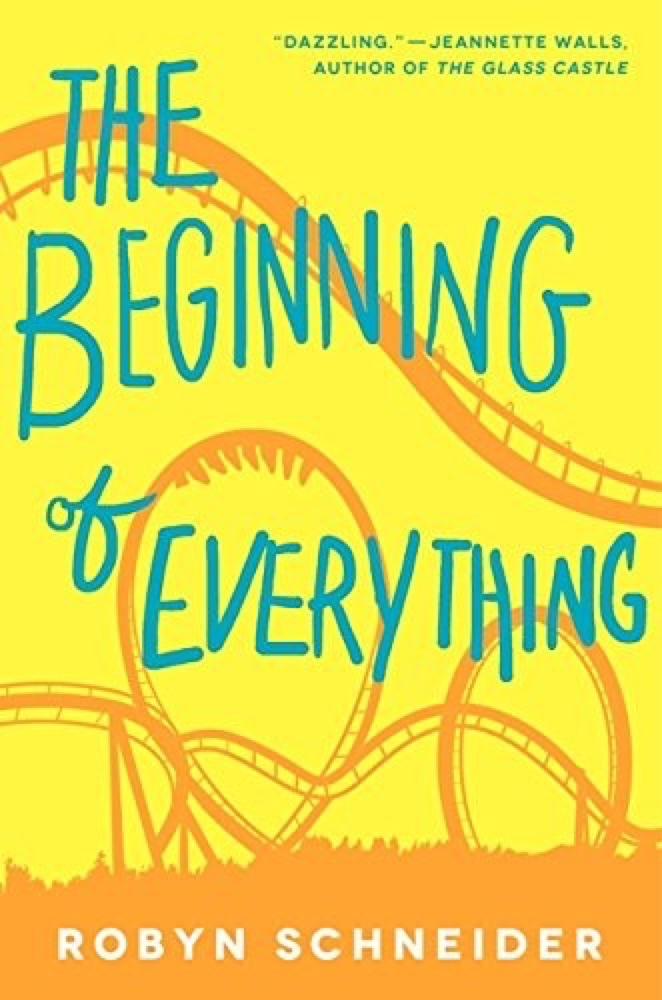 The Beginning of Everything
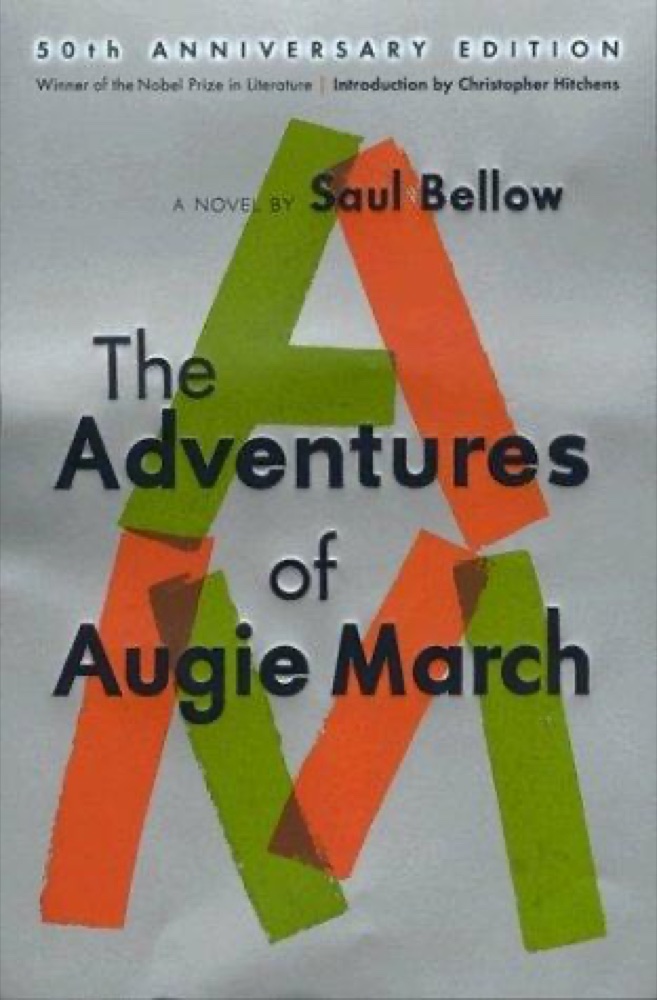 The Adventures of Augie March
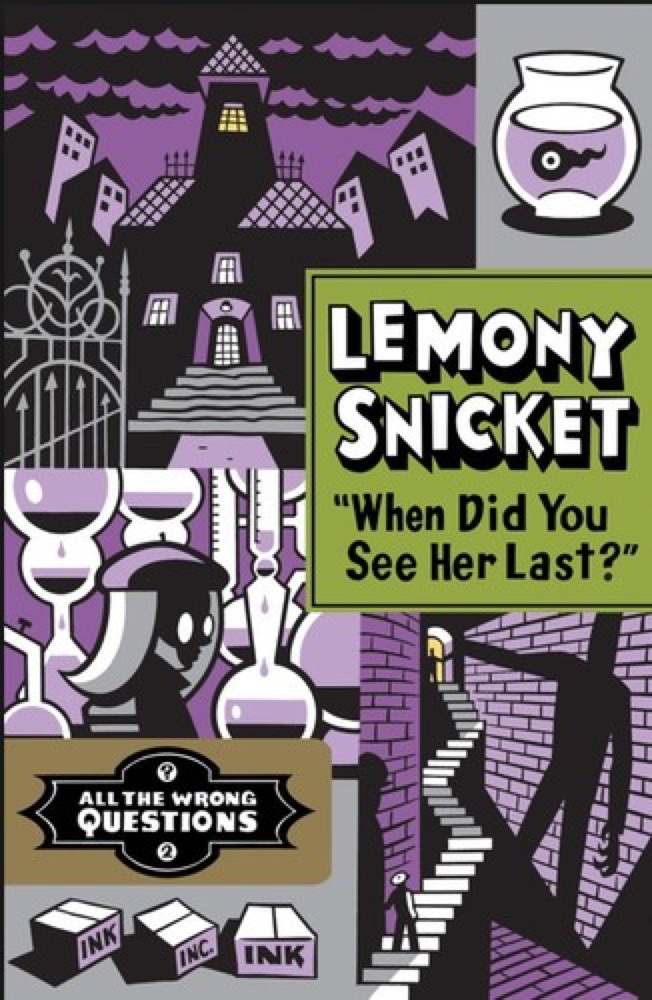 When Did You See Her Last?
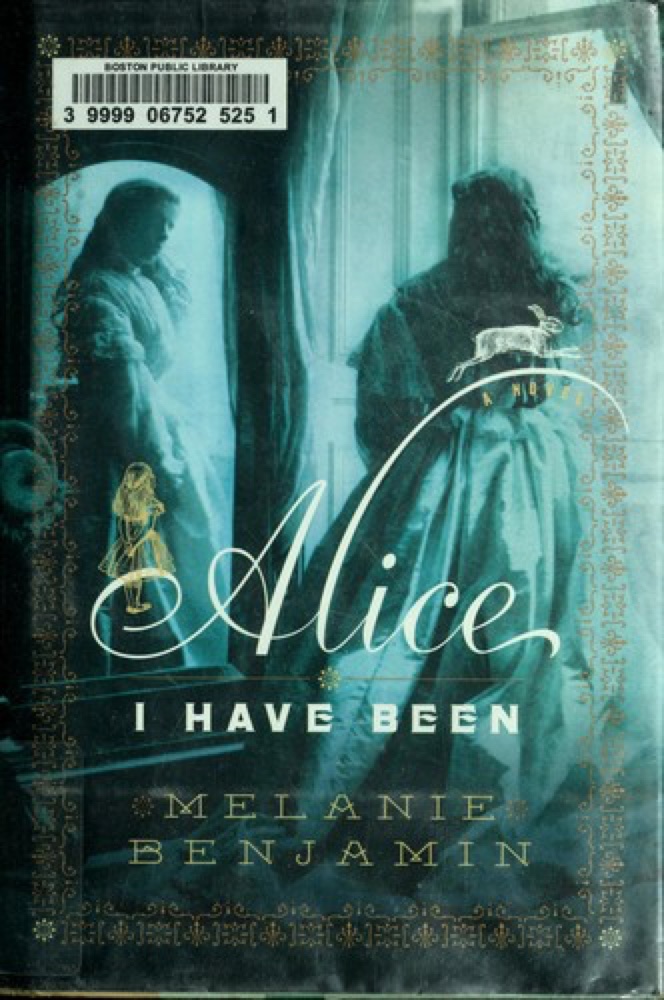 Alice I Have Been
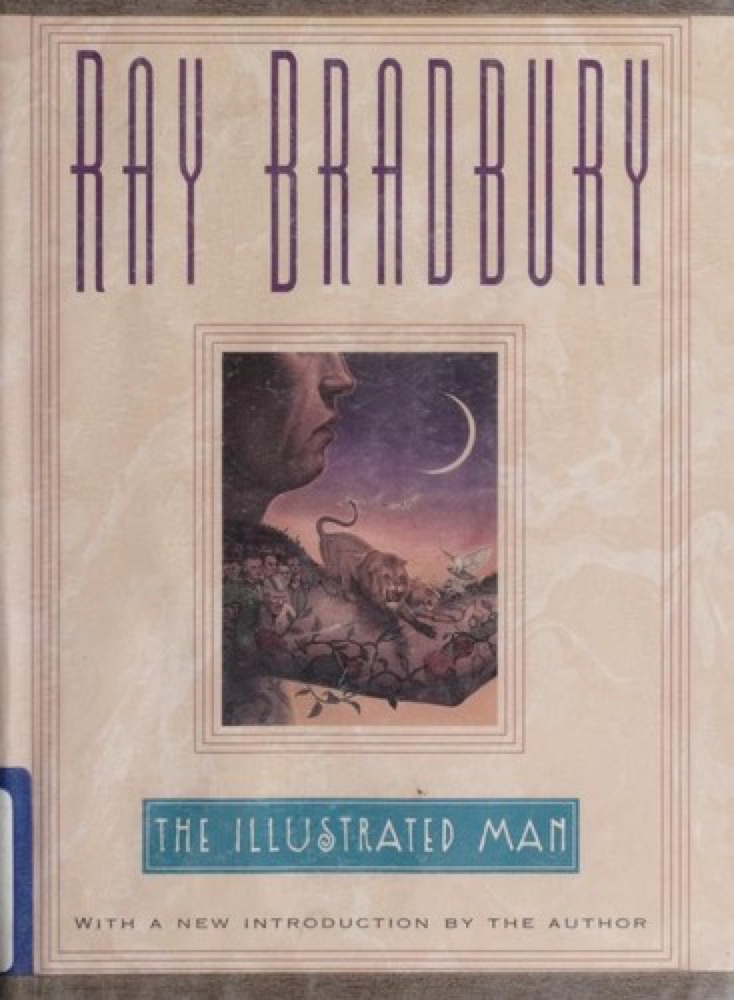 The Illustrated Man
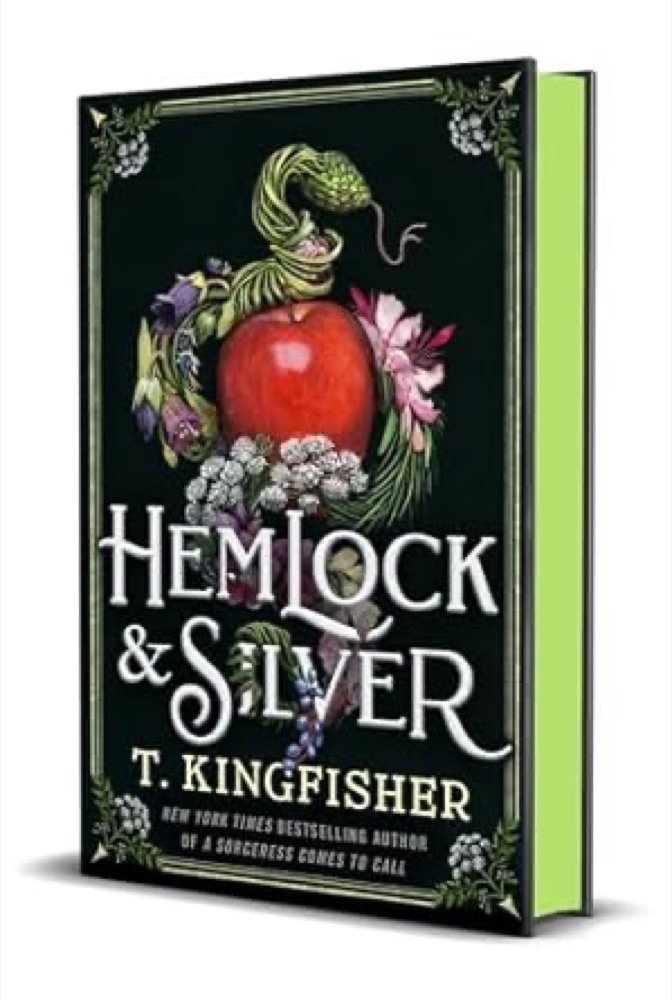 Hemlock & Silver
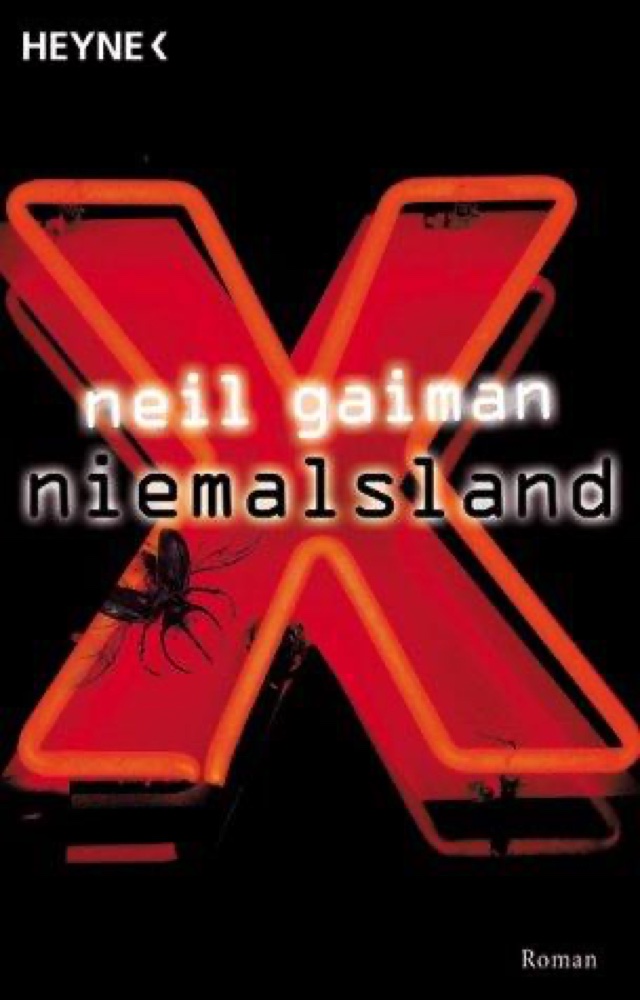 Neverwhere
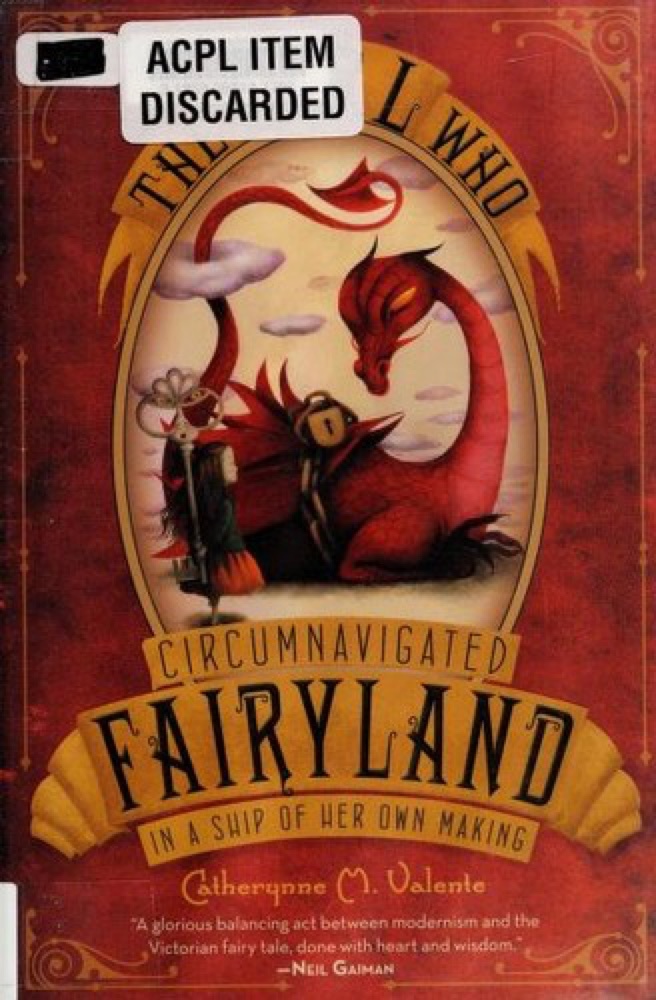 The Girl Who Circumnavigated Fairyland in a Ship of Her Own Making
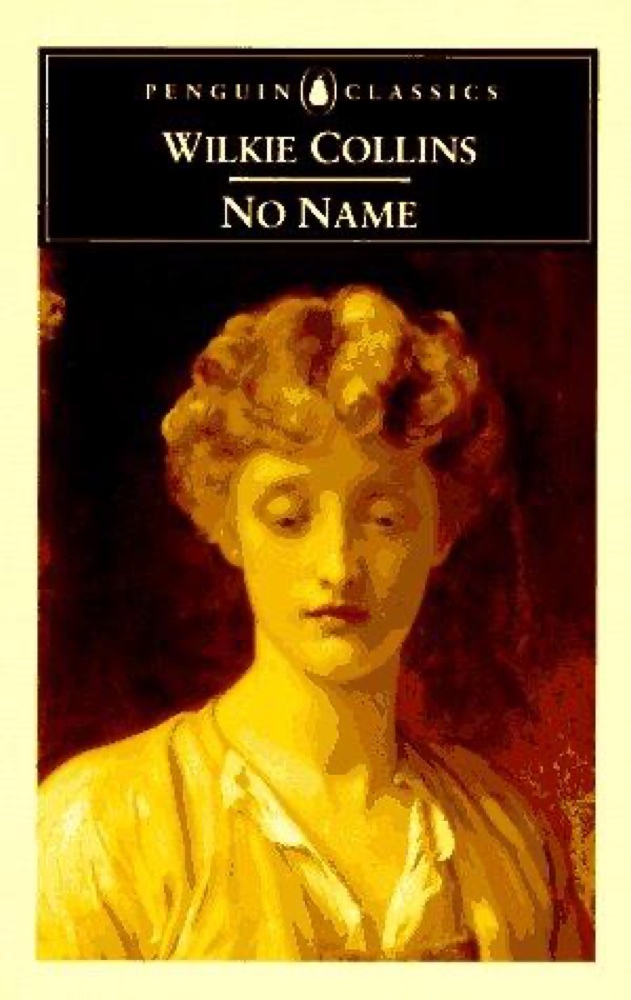 No Name
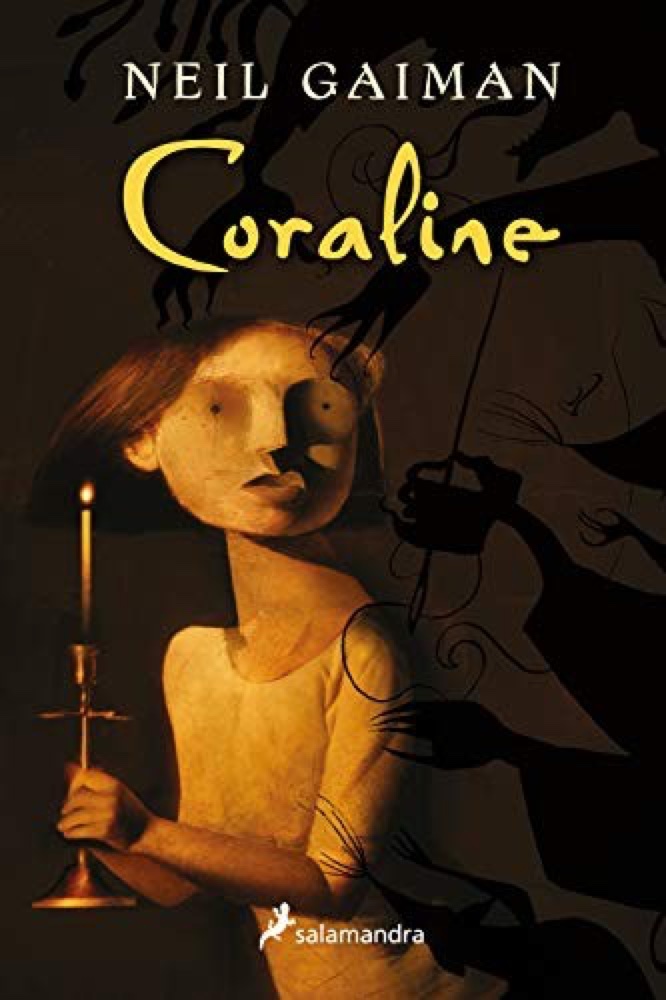 Coraline
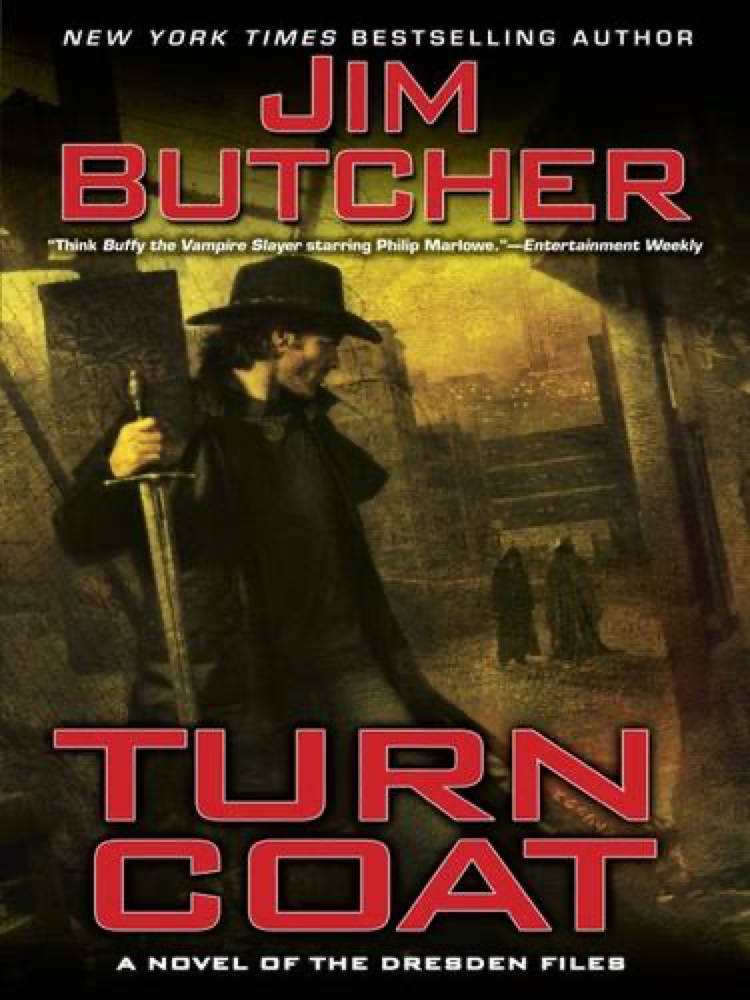 Turn Coat
 A Lion Among Men
 I Shall Wear Midnight
 A Wrinkle in Time
 Emma
Emma
 Tess of the D'Urbervilles
 The Moonstone
 The Turn of the Screw
 The Magician King
 Just One Day
 Kissing the Witch: Old Tales in New Skins
 David Copperfield
 A Madness of Angels
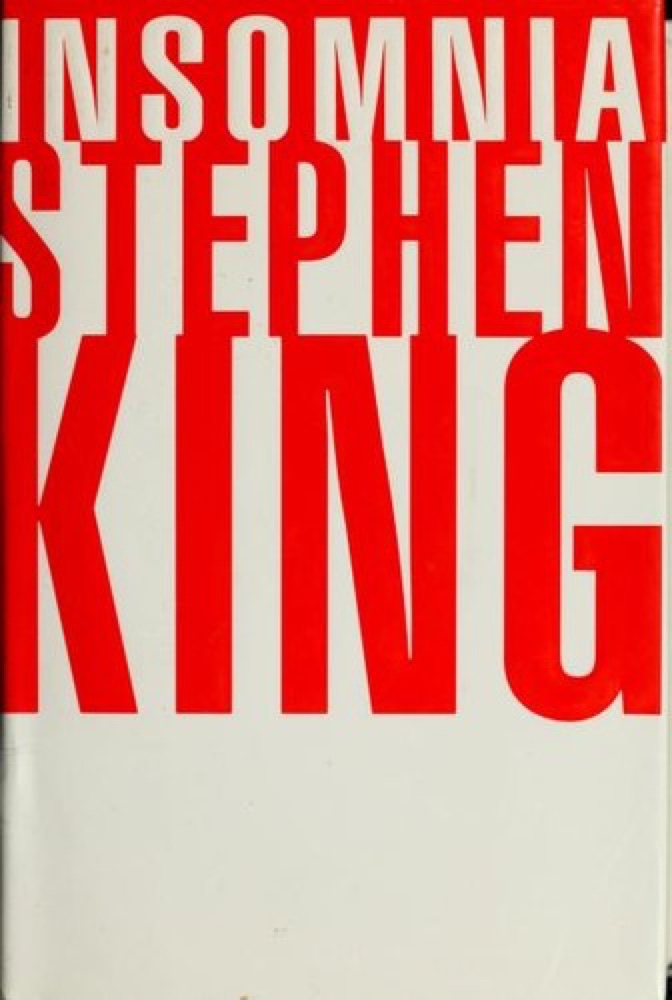 Insomnia
 Still Alice
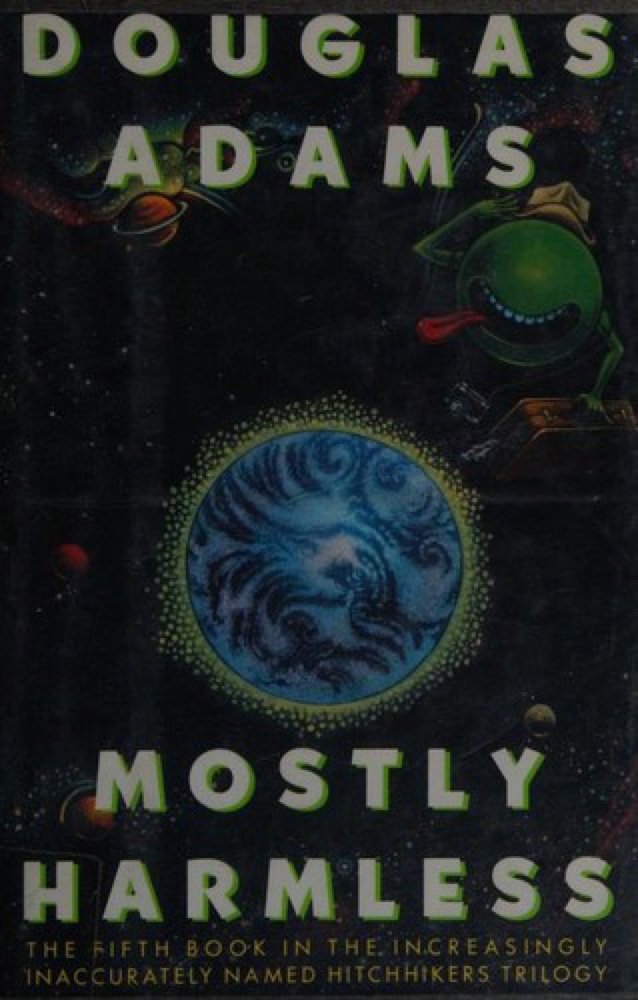 Mostly Harmless
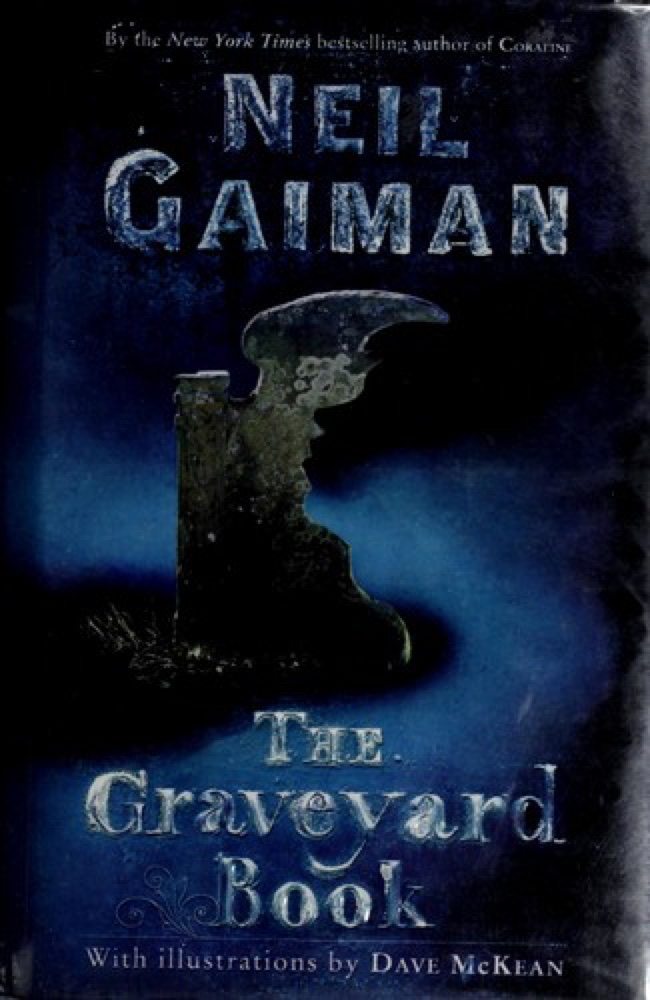 The Graveyard Book
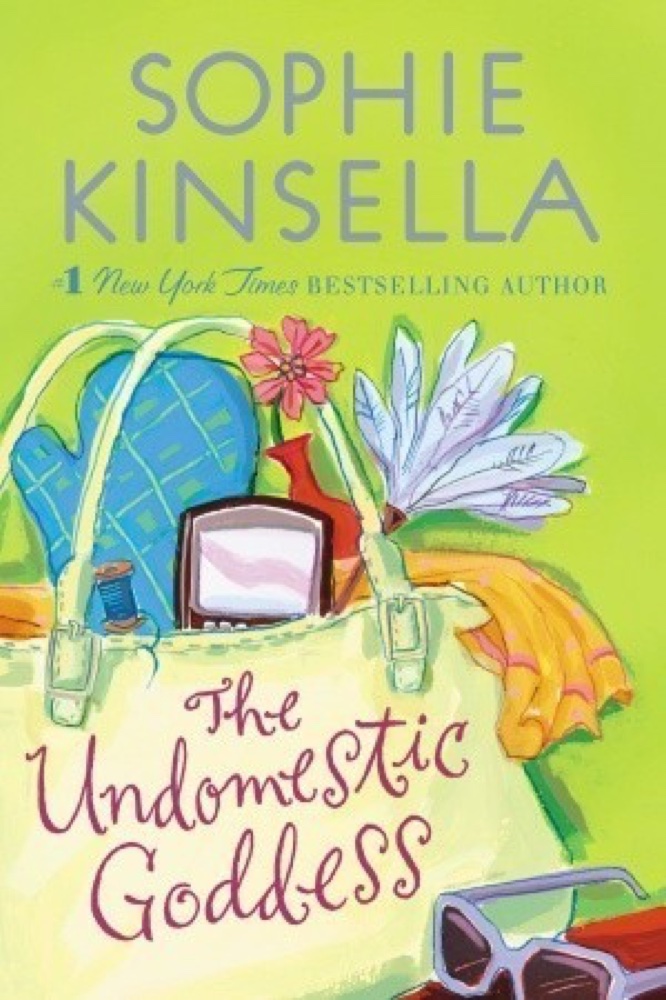 The Undomestic Goddess
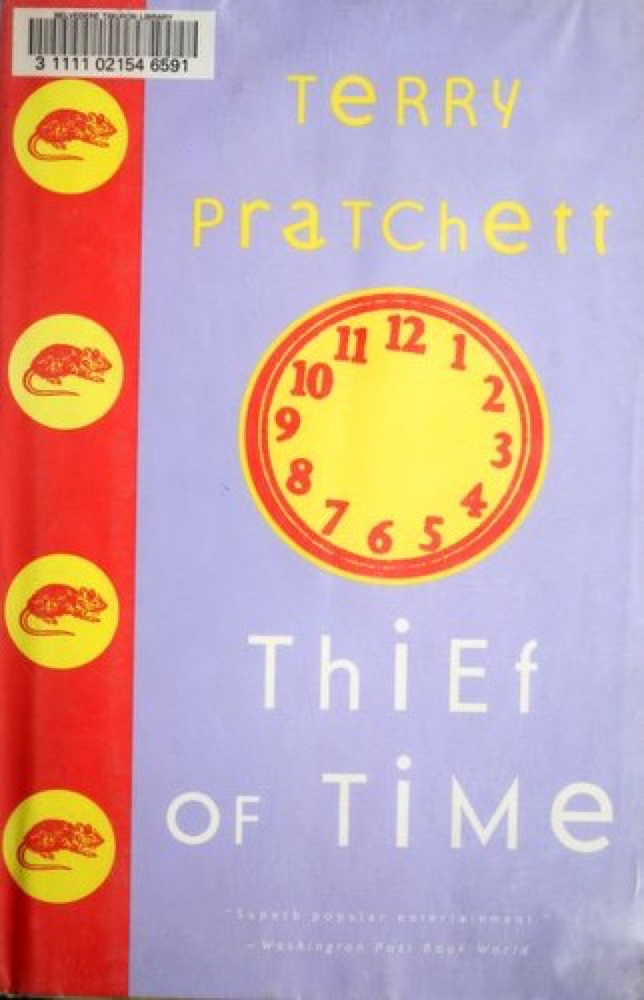 Thief of Time
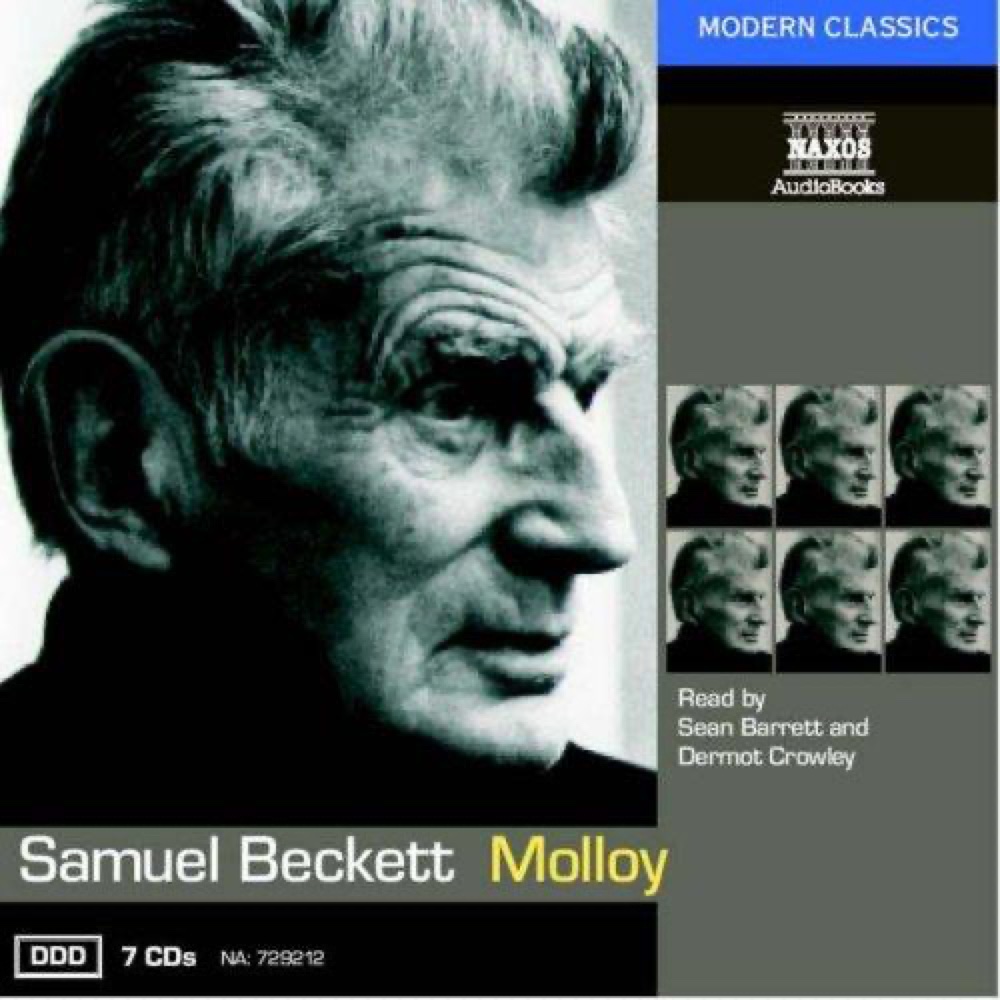 Molloy
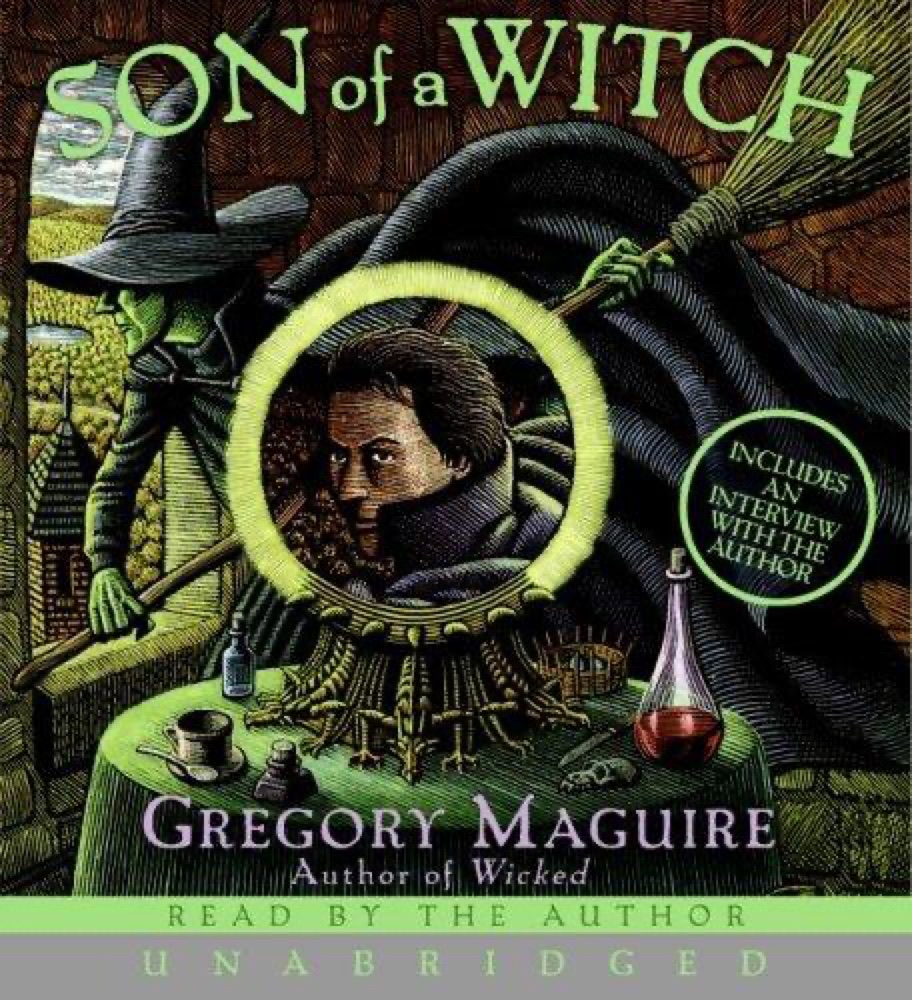 Son of a Witch
 Emily Climbs
 The Story of a New Name
 Crown Duel
 Flight Behavior
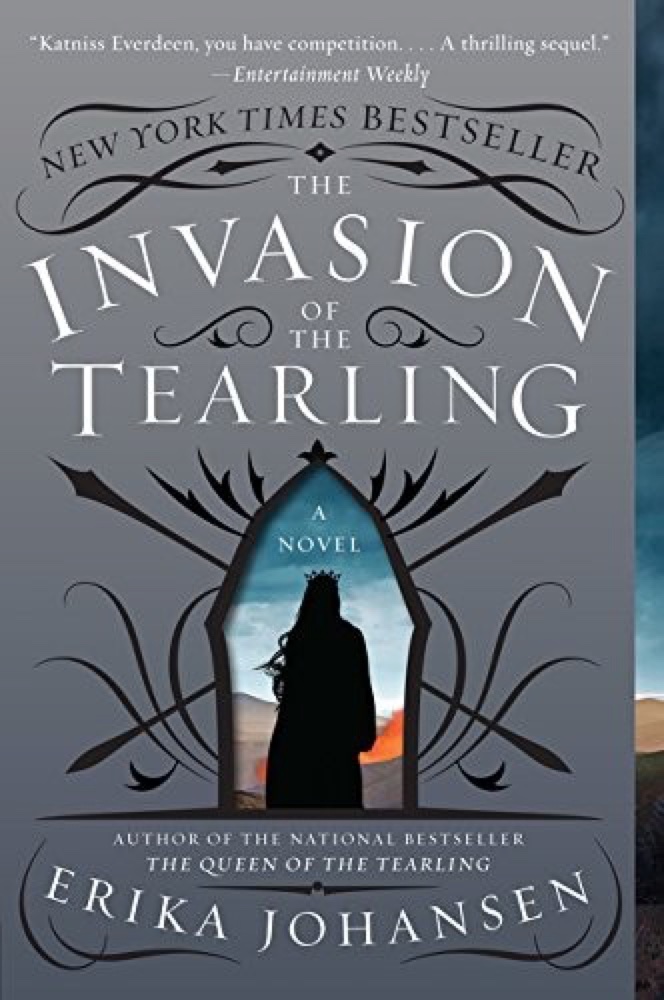 The Invasion of the Tearling
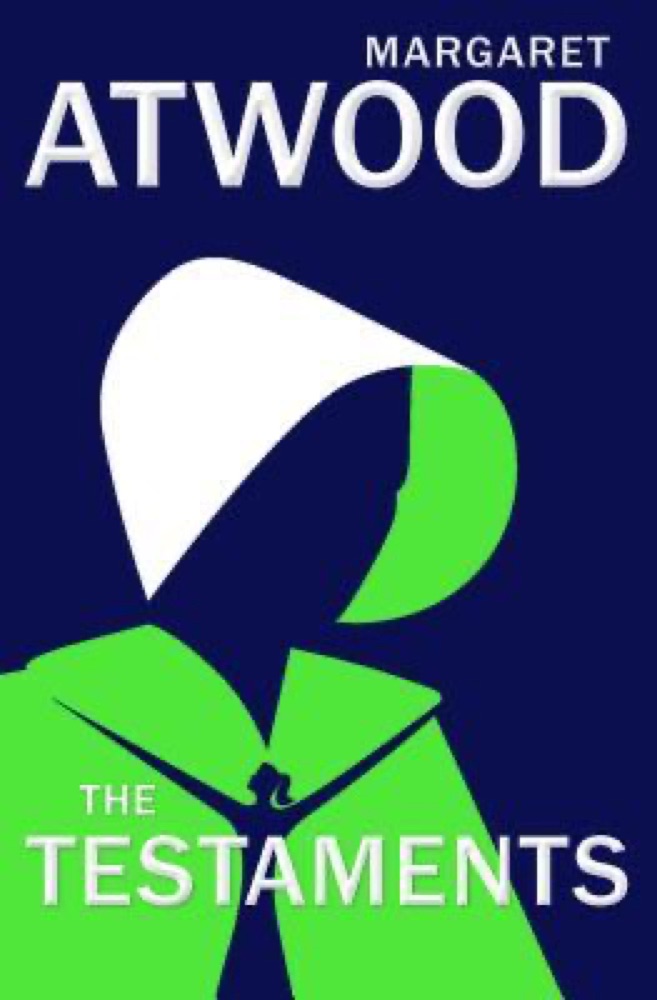 The Testaments
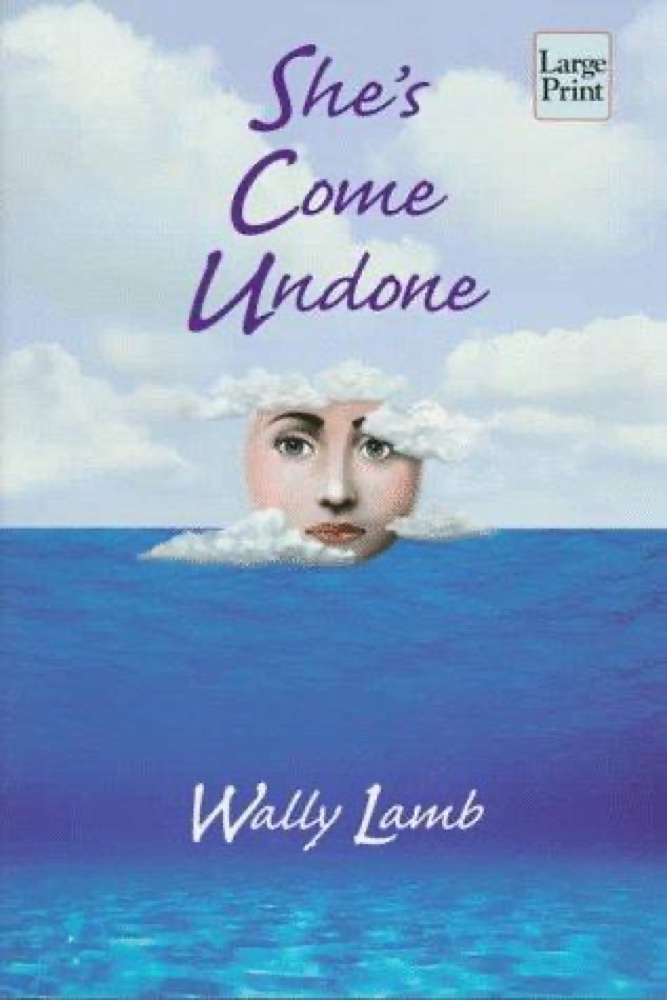 She's Come Undone
 The Go-Between
 Rebecca
 The Year of the Flood
 The Little Friend
 The Lion, the Witch and the Wardrobe
 The Moving Finger
 A Walk to Remember
 Fathers and Sons