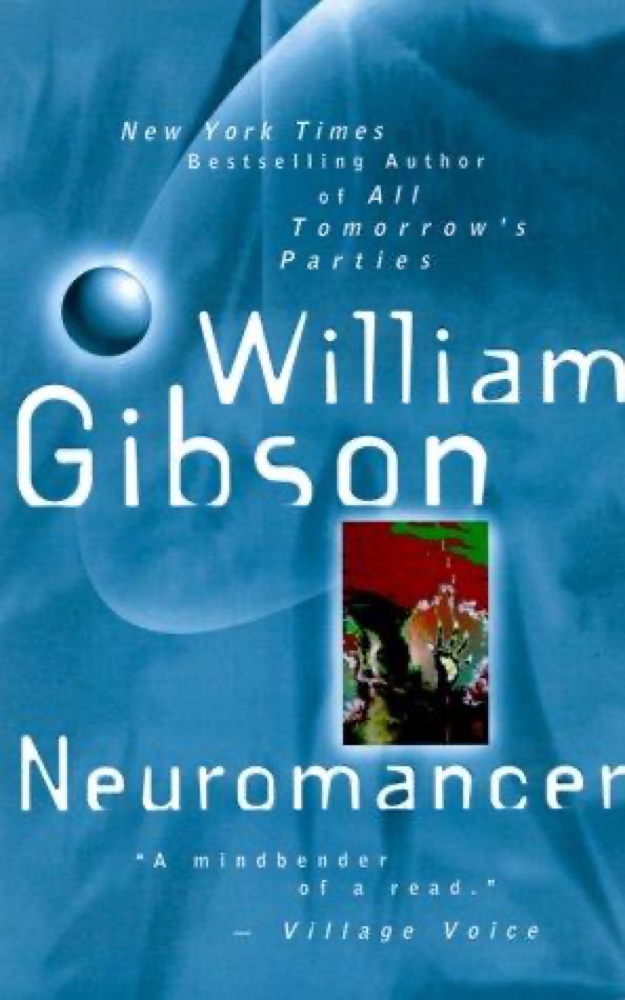

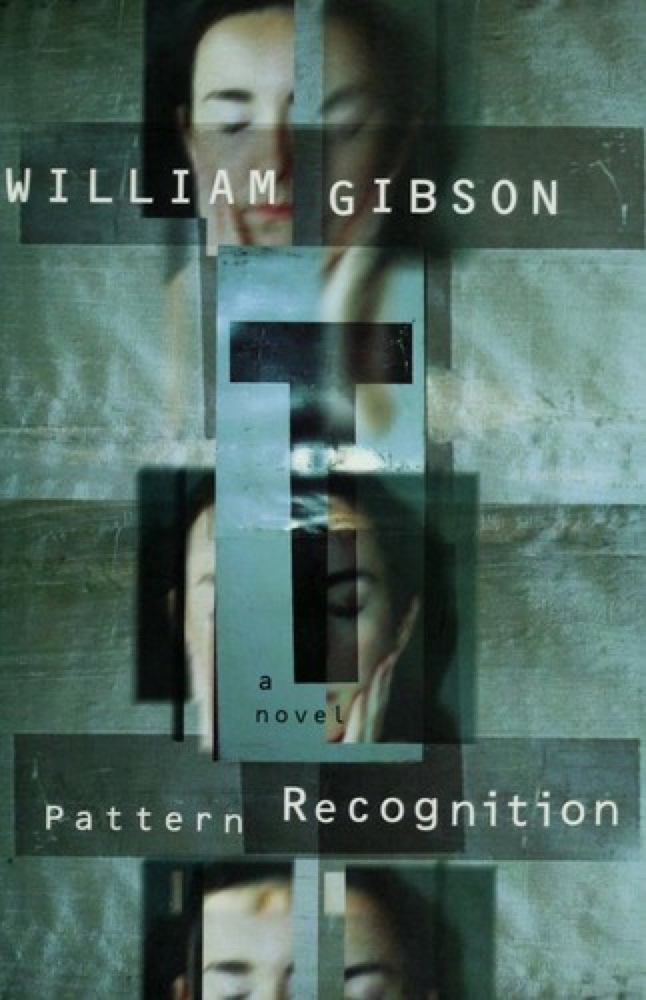
 Pattern Recognition
Quotes from the Book
The sky above the port was the color of television, tuned to a dead channel.
Cyberspace. A consensual hallucination experienced daily by billions of legitimate operators, in every nation, by children being taught mathematical concepts... A graphic representation of data abstracted from banks of every computer in the human system. Unthinkable complexity. Lines of light ranged in the nonspace of the mind, clusters and constellations of data. Like city lights, receding...
All the speed he took, all the turns he'd taken and the corners he'd cut in Night City, and still he'd see the matrix in his sleep, bright lattices of logic unfolding across that colorless void...
His eyes were eggs of unstable crystal, vibrating with a frequency whose name was rain and the sound of trains, suddenly sprouting a humming forest of hair-fine glass spines.
When the past is always with you, it may as well be present; and if it is present, it will be future as well.
You needed a new pancreas. The one we bought for you frees you from a dangerous dependency.” “Thanks, but I was enjoying that dependency.
Cyberspace. A consensual hallucination experienced daily by billions of legitimate operators, in every nation.
Night City was like a deranged experiment in social Dar- winism, designed by a bored researcher who kept one thumb permanently on the fast-forward button.
Lost, so small amid that dark, hands grown cold, body image fading down corridors of television sky.
We have sealed ourselves away behind our money, growing inward, generating a seamless universe of self.
Don't let the little fuckers generation gap you.
We monitor many frequencies. We listen always. Came a voice, out of the babel of tongues, speaking to us. It played us a mighty dub.
A year here and he still dreamed of cyberspace, hope fading nightly. All the speed he took, all the turns he'd taken and the corners he cut in Night City, and he'd still see the matrix in his dreams, bright lattices of logic unfolding across that colourless void... The Sprawl was a long, strange way home now over the Pacific, and he was no Console Man, no cyberspace cowboy. Just another hustler, trying to make it through. But the dreams came on in the Japanese night like livewire voodoo, and he'd cry for it, cry in his sleep, and wake alone in the dark, curled in his capsule in some coffin hotel, hands clawed into the bedslab, temper foam bunched between his fingers, trying to reach the console that wasn't there.
His teeth sang in their individual sockets like tuning forks, each one pitch-perfect and clear as ethanol.
Case shuffled into the nearest door and watched the other passengers as he rode. A pair of predatory-looking Christian Scientists were edging toward a trio of young office techs who wore idealized holographic vaginas on their wrists, wet pink glittering under the harsh lighting. The techs licked their perfect lips nervously and eyed the Christian Scientists from beneath lowered metallic lids. The girls looked like tall, exotic grazing animals, swaying gracefully and unconsciously with the movement of the train, their high heels like polished hooves against the gray metal of the car’s floor. Before they could stampede, take flight from the missionaries, the train reached Case’s station.
His vision crawled with ghost hieroglyphs, translucent lines of symbols arranging themselves against the neutral backdrop of the bunker wall. He looked at the backs of his hands, saw faint neon molecules crawling beneath the skin, ordered by the unknowable code. He raised his right hand and moved it experimentally. It left a faint, fading trail of strobed afterimages.
And in the bloodlit dark behind his eyes, silver phosphenes boiled in from the edge of space, hypnagogic images jerking past like a film compiled of random frames. Symbols, figures, faces, a blurred, fragmented mandala of visual information.
Rain woke him, a slow drizzle, his feet tangled in coils of discarded fiberoptics. The arcade's sea of sound washed over him, receded, returned. Rolling over, he sat up and held his head.
Something he’d found and lost so many times. It belonged, he knew – he remembered – as she pulled him down, to the meat, the flesh the cowboys mocked. It was a vast thing, beyond knowing, a sea of information coded in spiral and pheromone, infinite intricacy that only the body, in its strong blind way, could ever read.
The Matrix has its roots in primitive arcade games,' said the voice-over, 'in early graphics programs and military experimentation with cranial jacks.' On the Sony, a two-dimensional space war faded behind a forest of mathematically generated ferns, demonstrating the spatial possibilities of logarithmic spirals; cold blue military footage burned through, lab animals wired into test systems, helmets feeding into fire control circuits of tanks and war planes. 'Cyberspace. A consensual hallucination experienced daily by billions of legitimate operators, in every nation, by children being taught mathematical concepts... A graphic representation of data abstracted from the banks of every computer in the human system. Unthinkable complexity. Lines of light ranged in the nonspace of the mind, clusters and constellations of data. Like city lights, receding...
You will come with us. We are at home with situations of legal ambiguity. The treaties under which our arm of the Registry operates grant us a great deal of flexibility. And we create flexibility, in situations where it is required.
And the Flatline aligned the nose of Kuang's sting with the center of the dark below. And dove. Case's sensory input warped with their velocity. His mouth filled with an aching taste of blue. His eyes were eggs of unstable crystal, vibrating with a frequency whose name was rain and the sounds of trains, suddenly sprouting a humming forest of hair-fine spines. The spines split, bisected, split again, exponential growth under the dome of the Tessier-Ashpool ice.
It was the root of street cool, too, the knowing posture that implied connection, invisible lines up to the hidden levels of influence.
INTO HER DARKNESS, a churning synaesthesia, where her pain was the taste of old iron, scent of melon, wings of a moth brushing her cheek. She was unconscious, and he was barred from her dreams.
To call up a demon you must learn its name. Men dreamed that, once, but now it is real in another way. You know that, Case. Your business is to learn the names of programs, the long formal names, names the owners seek to conceal. True names . . .
Cliches became cliches for a reason; that they usually hold at least a modicum of truth, and the following cliche is truer than most: You can’t know where you’re going if you don’t know where you’ve been.
Maelcum a rude boy," said the other, "an' a righteous tug pilot.
Case fell into the prison of his own flesh.
Power, in Case's world, meant corporate power. The zaibatsus, the multinationals that shaped the course of human history, had transcended old barriers. Viewed as organisms, they had attained a kind of immortality. You couldn't kill a zaibatsu by assassinating a dozen key executives; there were others waiting to step up the ladder, assume the vacated position, access the vast banks of corporate memory...
Did you know?
- Neuromancer is the only novel to win the Hugo, Nebula, and Philip K. Dick awards in the same year, a feat known as the science fiction triple crown.
- It is the first book of Gibson's Sprawl trilogy, followed by Count Zero and Mona Lisa Overdrive.
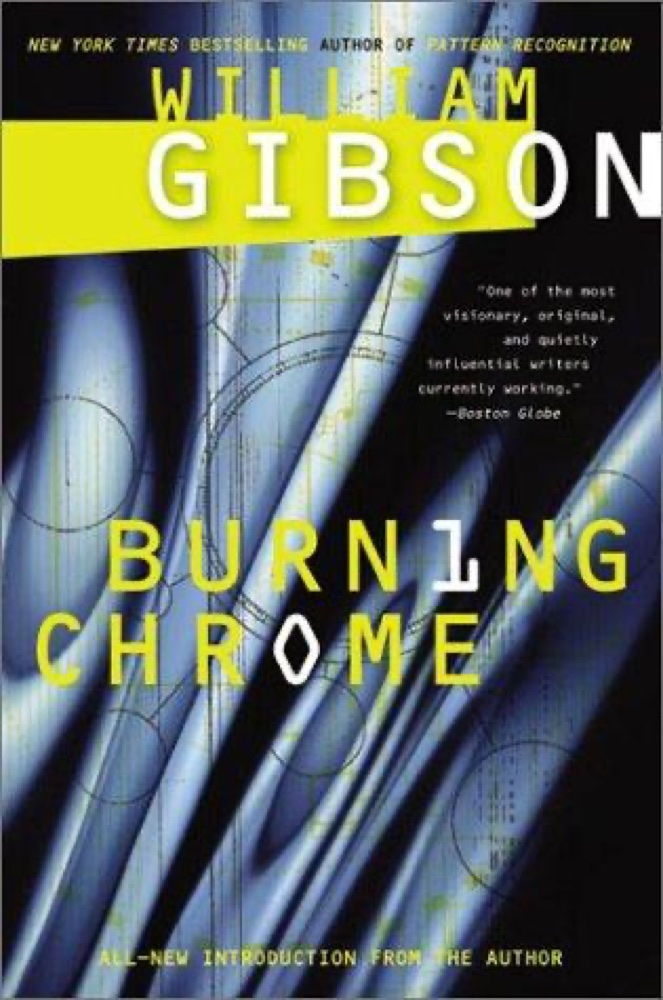
- The novel popularized the term cyberspace, which Gibson had first used in his earlier short story Burning Chrome.
- It is widely credited with launching and defining the cyberpunk subgenre of science fiction.
- The book was Gibson's debut novel.
About William Gibson
William Gibson is an American-Canadian speculative fiction writer widely regarded as a founder of the cyberpunk genre. Neuromancer was his debut novel, and he is credited with popularizing the concept and term cyberspace.
More about the author →More by William Gibson
All books by William Gibson →
About the book
Neuromancer is William Gibson's 1984 debut novel and the founding text of the cyberpunk genre. It follows Case, a burned-out computer hacker in a grimy near-future underworld who has been chemically crippled so he can no longer enter the virtual data-space he calls the matrix. A mysterious former military officer named Armitage cures him in exchange for his services, drawing Case and the mirror-eyed mercenary Molly into an elaborate heist orchestrated, it turns out, by an artificial intelligence named Wintermute that is trying to break free of the constraints placed upon it.
Gibson coined and popularized the vocabulary that now defines the digital age, most famously the term cyberspace, along with vivid images of the matrix, corporate zaibatsus, and body augmentation. The novel's themes center on the merging of humanity and technology, the erosion of the line between mind and machine, addiction and self-destruction, and the ambiguous emergence of artificial consciousness. Its dense, hard-boiled prose and neon-noir atmosphere gave the genre its signature look and feel.
Neuromancer became the only novel to win science fiction's so-called triple crown in a single year, taking the Hugo, Nebula, and Philip K. Dick awards. It launched Gibson's Sprawl trilogy and reshaped how popular culture imagines the internet, virtual reality, and the future, influencing films, games, and generations of writers. Decades on, its opening line and its vision of cyberspace remain touchstones of speculative fiction.
Key characters
- CaseBurned-out computer hacker and the novel's protagonist
- Molly MillionsAugmented street samurai and mercenary who partners with Case
- ArmitageShadowy ex-military officer who recruits and directs the team
- WintermuteArtificial intelligence orchestrating the heist to free itself
- NeuromancerThe other artificial intelligence that Wintermute seeks to merge with
Book details
- First published
- 1984
- Length
- 271 pages
- Reading time
- 6 hours
- Author
- William Gibson
- Genre
- Fiction
- Goodreads rating
- 3.89 (374k ratings) →
- First line
- “The sky above the port was the color of television, tuned to a dead channel.”
Series & reading order
- 1 Neuromancer
- 2 Count Zero
- 3 Mona Lisa Overdrive
Movie & TV adaptations
- IMDb
- IMDb
If you liked this, read…
- 1Snow CrashNeal Stephenson's cyberpunk classic exploring a virtual world and corporate dystopia
- 2Do Androids Dream of Electric Sheep?Philip K. Dick's noir meditation on AI and what it means to be human
- 3Altered CarbonRichard K. Morgan's hard-boiled future-noir of downloadable consciousness and augmented bodies
Keep reading
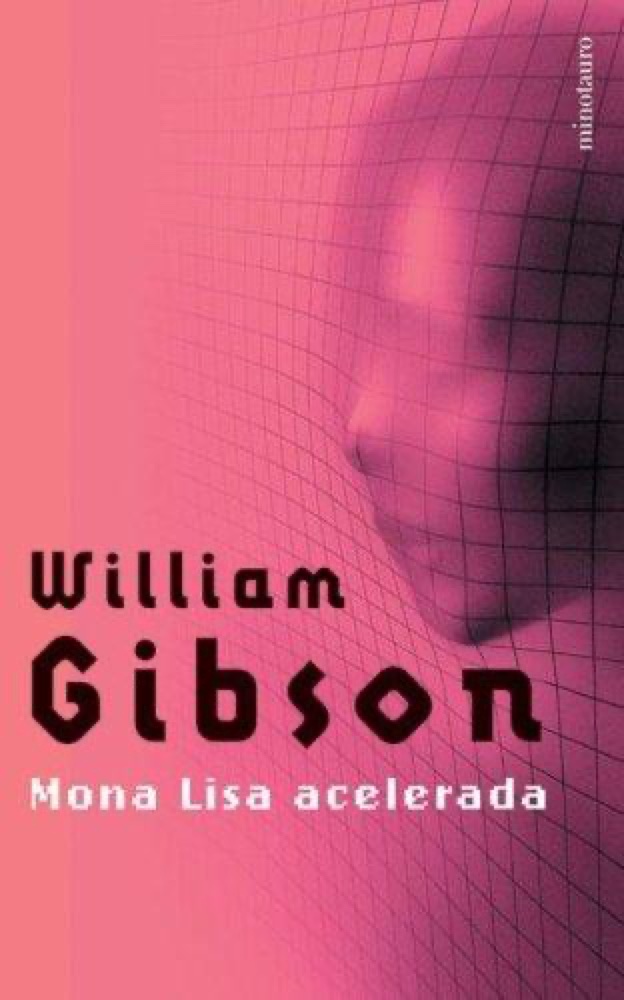 Mona Lisa Overdrive
 Perdido Street Station
 Revelation Space
 Authority
 Galatea 2.2
 Underworld
 The Star Fraction
 Burning Chrome
 The Atopia Chronicles
Pattern Recognition
The Atopia Chronicles
Pattern Recognition
 The Vorrh
 Solar
Solar
 Schismatrix Plus
 The Atrocity Exhibition
 A Scanner Darkly
 House of Suns
 Dreams and Shadows
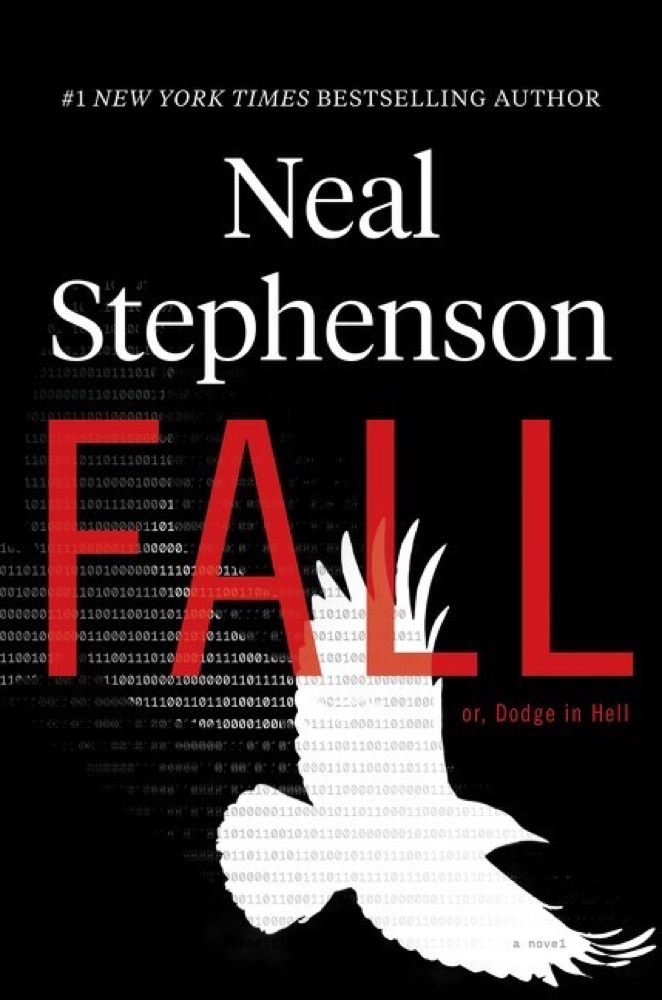 Fall; or, Dodge in Hell
 The Waste Lands
 Libra
Libra
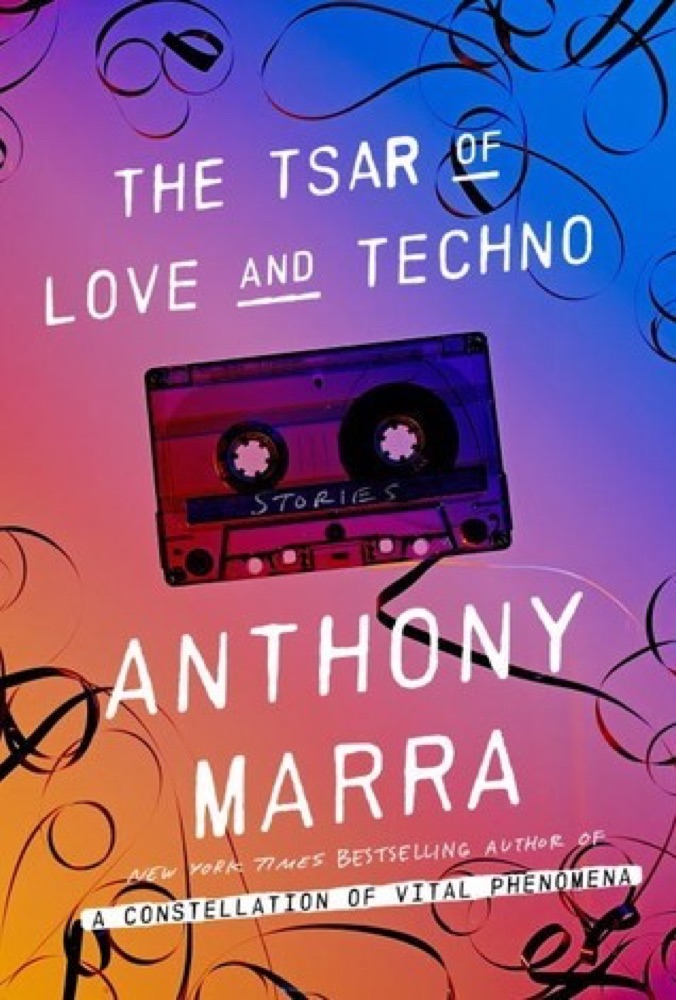 The Tsar of Love and Techno
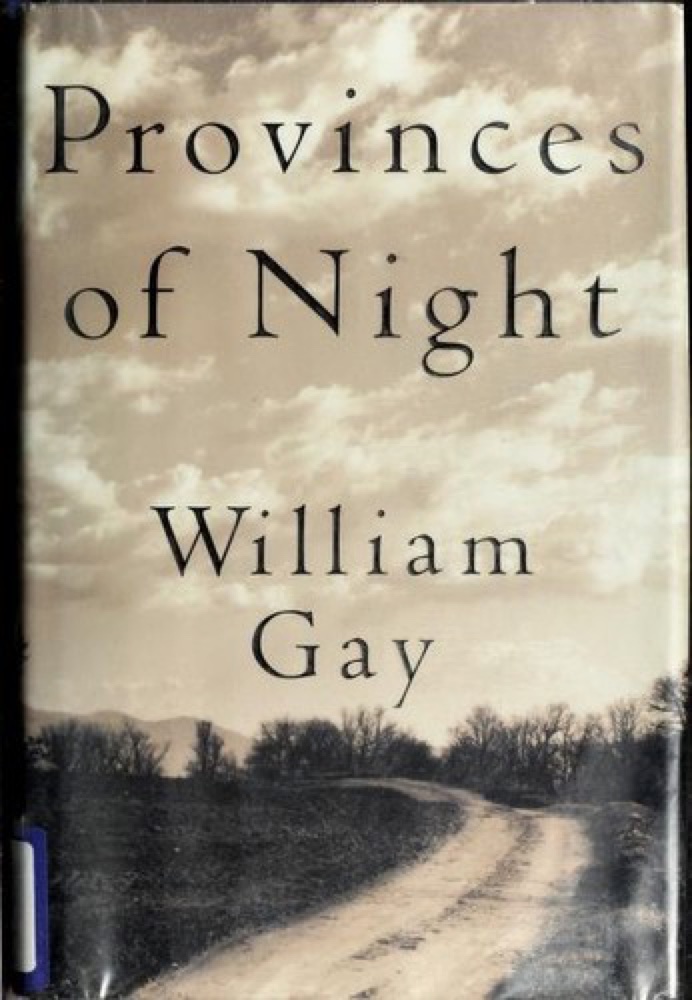 Provinces of Night
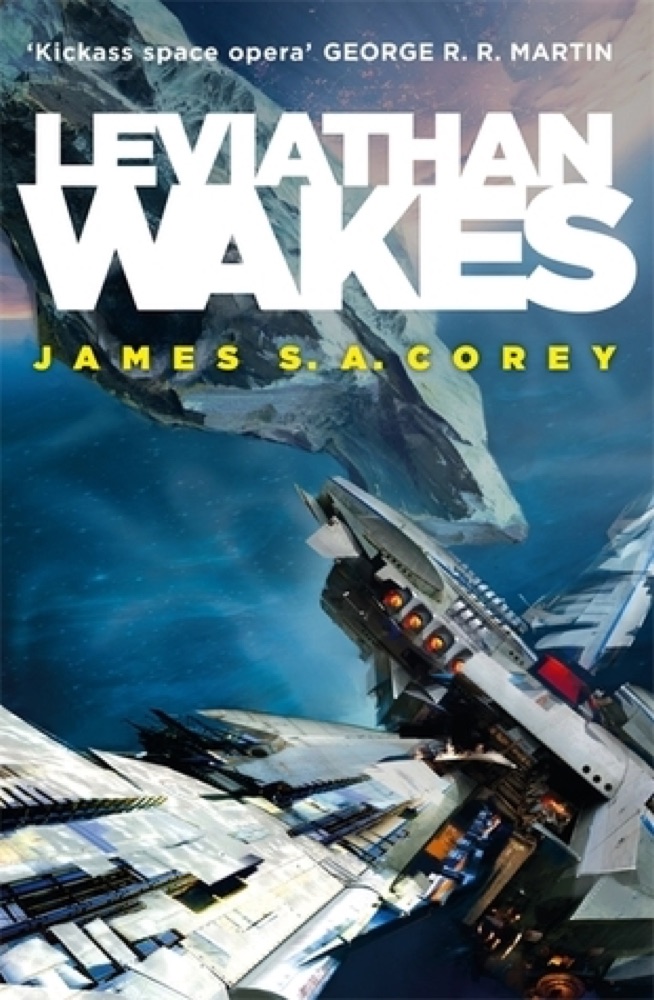 Leviathan Wakes
 False Memory
 Stay Awake
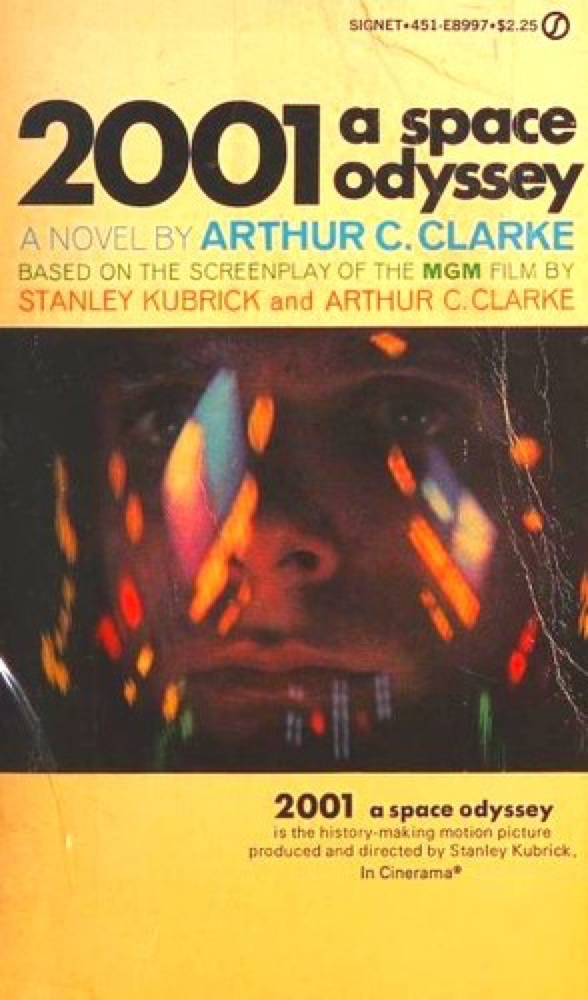 2001: A Space Odyssey
 Wayward
 Sag Harbor
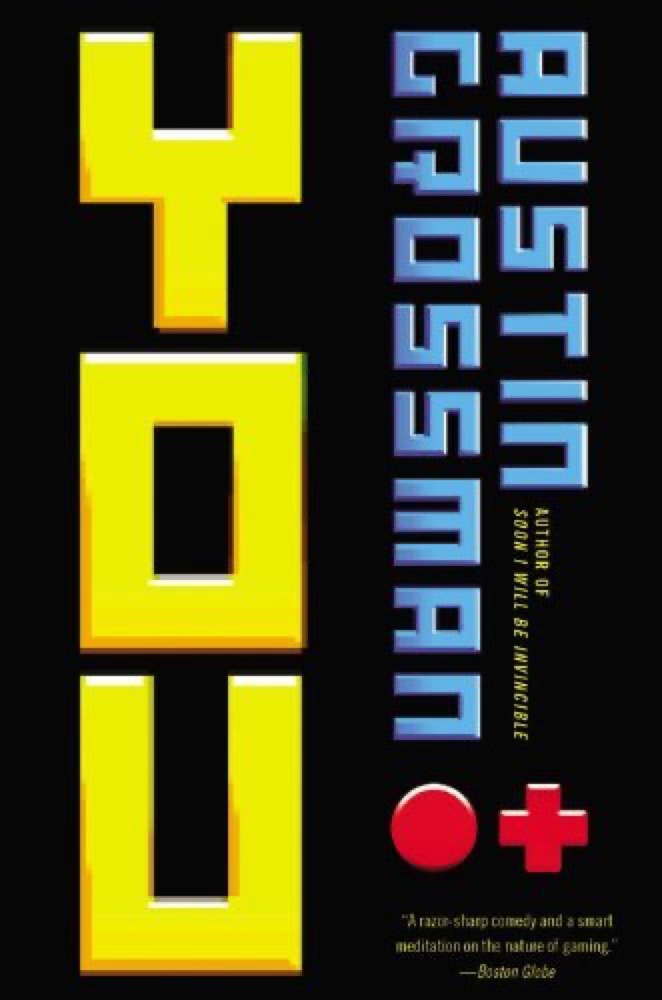 You
You
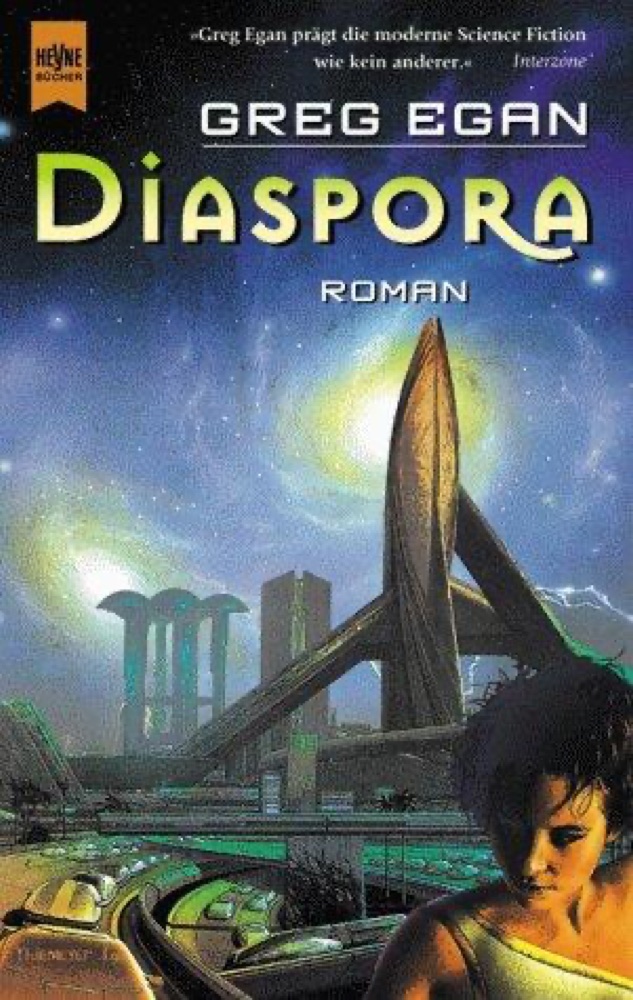 Diaspora
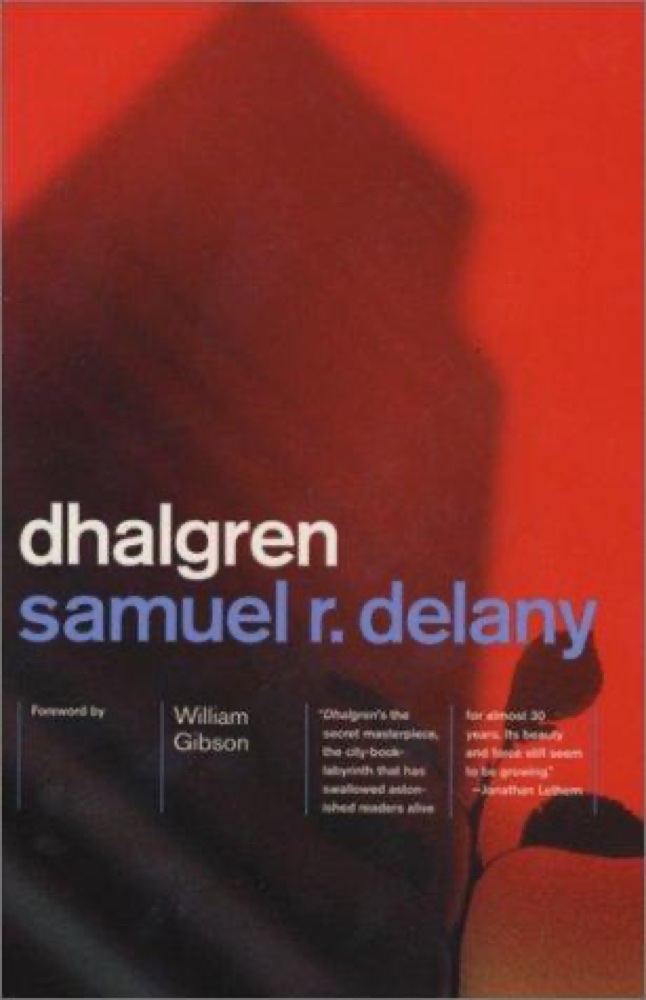 Dhalgren
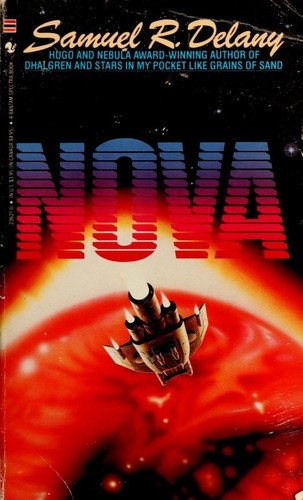 Nova
Nova
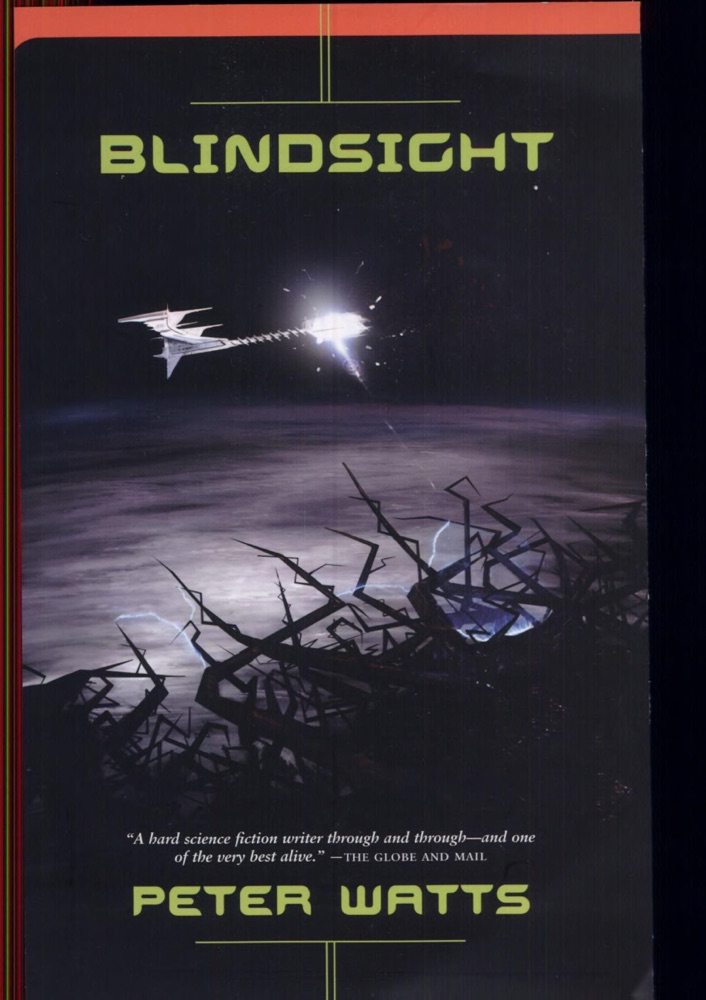 Blindsight
 Sum: Forty Tales from the Afterlives
 Leviathan
 Selected Stories of Philip K. Dick
 Songs of a Dead Dreamer and Grimscribe
 The Scar
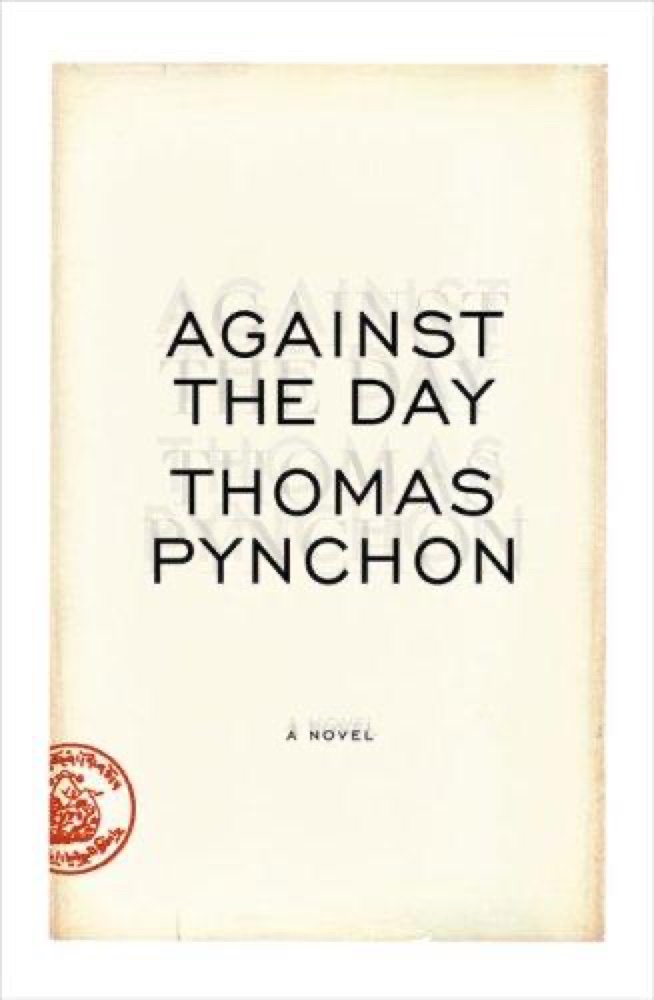 Against the Day
 Falling Man
 Oblivion
 Do Androids Dream of Electric Sheep?
 The Street of Crocodiles
 The Crying of Lot 49
 Excession
 Saturday
 V.
V.
 Mirror Dance
 Shift
Shift
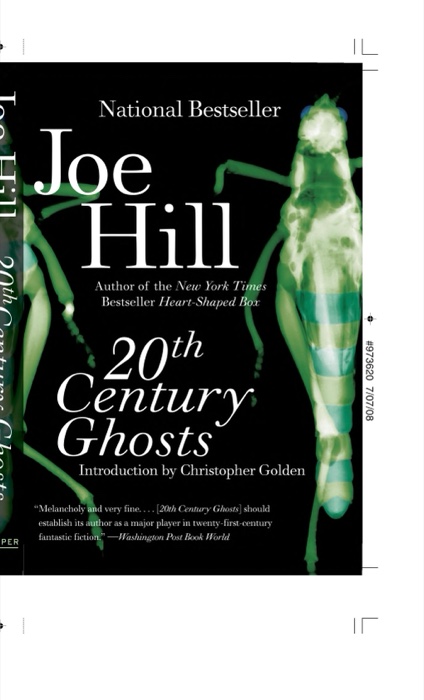 20th Century Ghosts
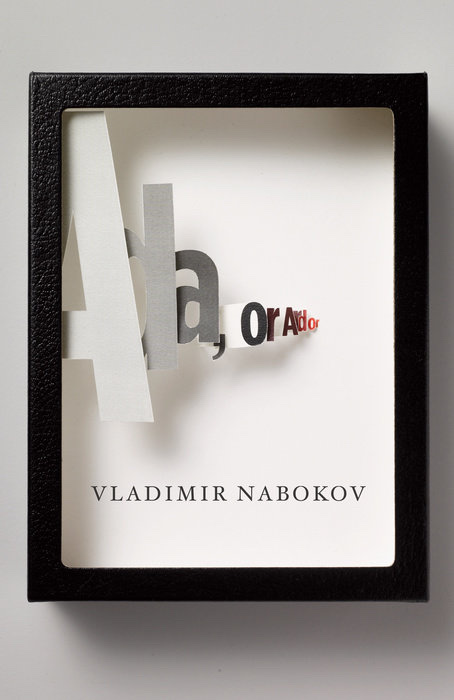 Ada, or Ardor: A Family Chronicle
 Songs of a Dead Dreamer
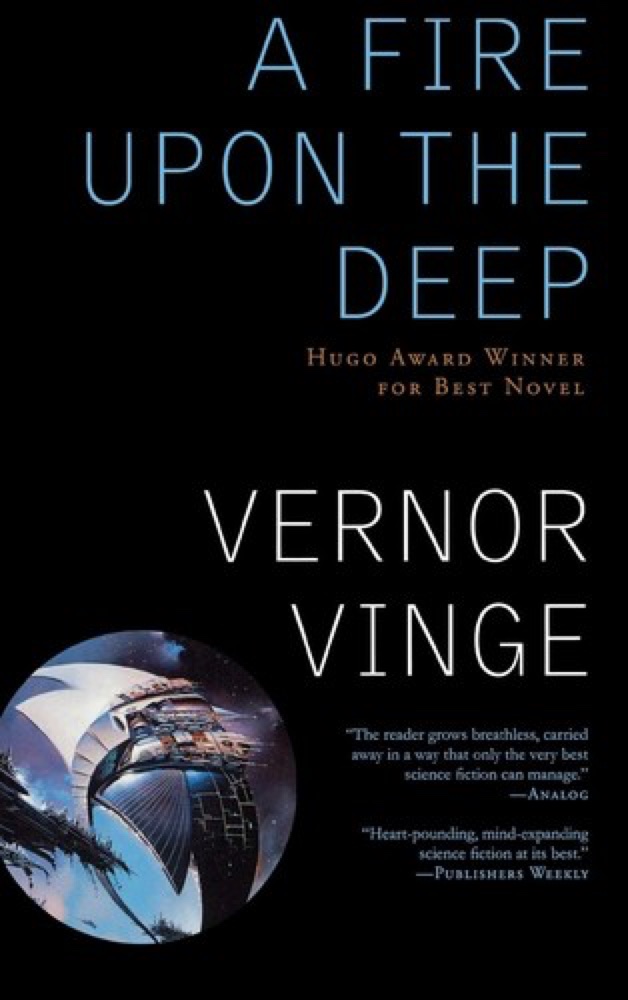 A Fire Upon the Deep
 The Staircase in the Woods
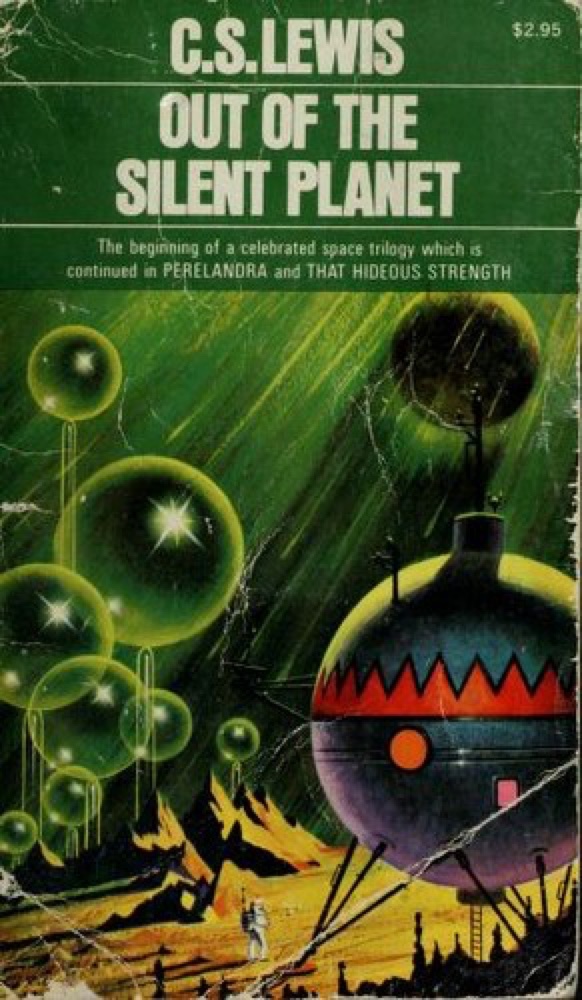 Out of the Silent Planet
 Sixty Stories
 Blue Remembered Earth
 Zone One
 The Time Machine
 A Constellation of Vital Phenomena