

 A Single Man
Quotes from the Book
The more I think about myself, the more I'm persuaded that, as a person, I really don't exist. That is one of the reasons why I can't believe in any orthodox religion: I cannot believe in my own soul. No, I am a chemical compound, conditioned by environment and education. My "character" is simply a repertoire of acquired tricks, my conversation a repertoire of adaptations and echoes, my "feelings" are dictated by purely physical, external stimuli.
28
Only those who are capable of silliness can be called truly intelligent.
16
Why do I prefer boys? Because of their shape and their voices and their smell and the way they move. And boys can be so romantic. I can put them into my myth and fall in love with them.
6
(…) there was terror in the Berlin air – the terror felt by many people with good reason – and Christopher found himself affected by it. Perhaps he was also affected by his own fantasies. He had always posed a little to his friends in England as an embattled fighter against the Nazis and some of them had encouraged him jokingly to do so. “Don’t get killed before I come,” Edward Upward had written, “I’ll see you unless you’ve been shot by Hitler.” Now Christopher began to have mild hallucinations. He fancied that he heard heavy wagons drawing up before the house, in the middle of the night. He suddenly detected swastika patterns in the wallpaper. He convinced hinself that everything in his room, whatever its superficial color, was basically brown, Nazi brown.
4
It was as crude as his drafts always were. But it accomplished the enormous feat of making this shapeless blob of potential material emerge ‘out of the everywhere into here.
3
For Christopher, the Cosy Corner was now no longer the mysterious temple of initiation in which he had met Bubi; Berlin was no longer the fantasy city in which their affair had taken place. Their affair had been essentially a private performance which could only continue as long as Wystan was present to be its audience. Now the performance was over. Berlin had become a real city and the Cosy Corner a real bar. He didn’t for one moment regret this. For now his adventures here were real, too; less magical but far more interesting. The
2
A grown man who can shed tears without embarrassment is like a yogi who has learned to expel toxic matter from his body by consciously speeding up the peristaltic rhythm. He can eliminate many of life's poisons
2
The gramophone keeps reiterating a statement about life with which I do not agree.
2
How could he possibly explain himself to these people? They wanted to learn English for show-off social reasons, or to be able to read Aldous Huxley in the original. Whereas he had learned German simply and solely to be able to talk to his sex partners. For him, the entire German language—all the way from the keep-off-the-grass signs in the park to Goethe’s stanza on the wall—was irradiated with sex. For him, the difference between a table and ein Tisch was that a table was the dining table in his mother’s house and ein Tisch was ein Tisch in the Cosy Corner. *
1
...I remember a rainy, depressing afternoon when she remarked 'What a pity we can't make love, there's nothing else to do,' and he agreed that it was and there wasn't.
1
Watch on YouTube
About Christopher Isherwood
We have collected 52 quotes from 3 books by Christopher Isherwood on BookQuoters.
More about the author →More by Christopher Isherwood
A Single Man
 Goodbye to Berlin
About the book
Originally published in 1976, Christopher and His Kind covers the most memorable ten years in the writer's life-from 1929, when Isherwood left England to spend a week in Berlin and decided to stay there indefinitely, to 1939, when he arrived in America. His friends and colleagues during this time included W. H. Auden, Stephen Spender, and E. M. Forster, as well as colorful figures he met in Germany and later fictionalized in his two Berlin novels-who appeared again, fictionalized to an even greater degree, in I Am a Camera and Cabaret. What most impressed the first readers of this memoir, however, was the candor with which he describes his life in gay Berlin of the 1930s and his struggles to save his companion, a German man named Heinz, from the Nazis. An engrossing and dramatic story and a fascinating glimpse into a little-known world, Christopher and His Kind remains one of Isherwood's
Book details
- First published
- 1976
- Author
- Christopher Isherwood
- Genre
- Nonfiction
- Goodreads rating
- 4.03 (4k ratings)
Keep reading
 The Manticore
 The Liar
 Nine Stories
 Sexus
Sexus
 The Untouchable
 Min kamp 2
 The Tunnel
 V.
V.
 Selected Stories
 The Good Soldier
 Martin Eden
 Antic Hay
 The Finkler Question
 Sixty Stories
 Eyeless in Gaza
 Selected Stories of Anton Chekhov
 Girl with Curious Hair
 Lord Arthur Savile's Crime and Other Stories
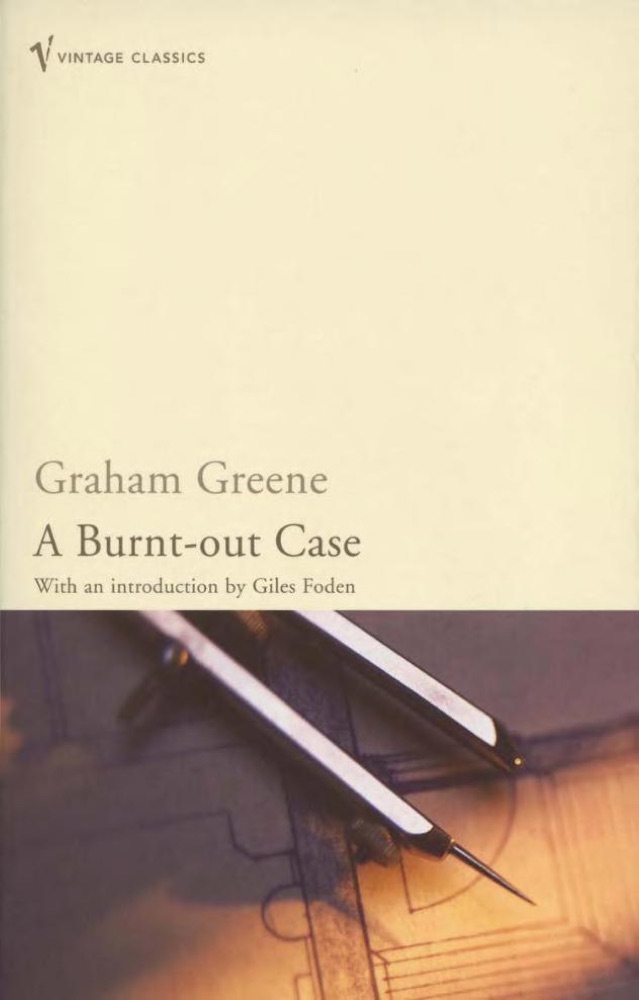 A Burnt-Out Case
 In the Heart of the Heart of the Country and Other Stories
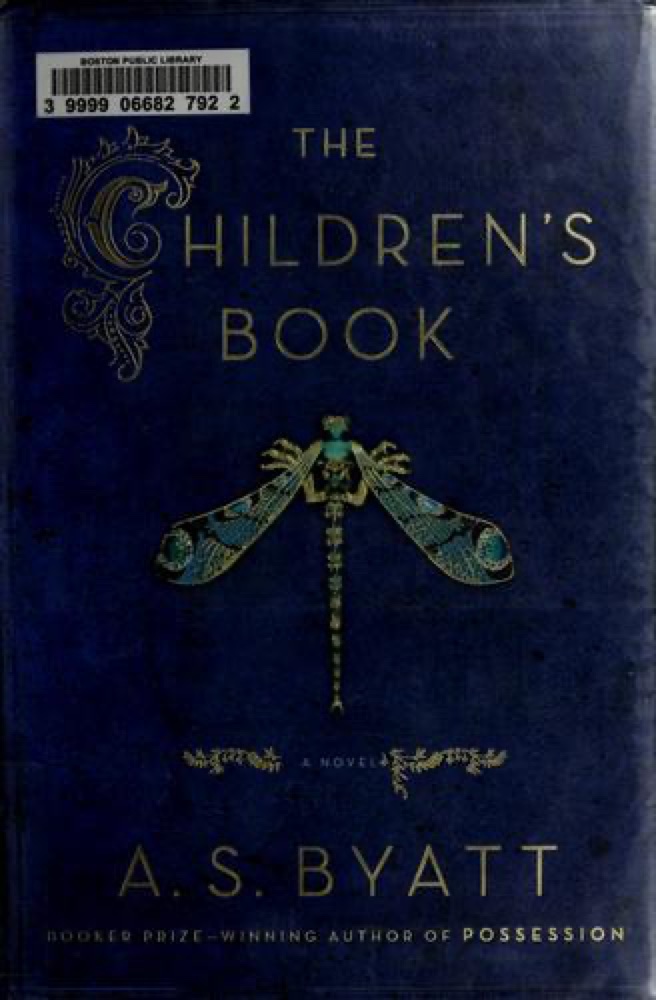 The Children's Book
 London Fields
 Cakes and Ale
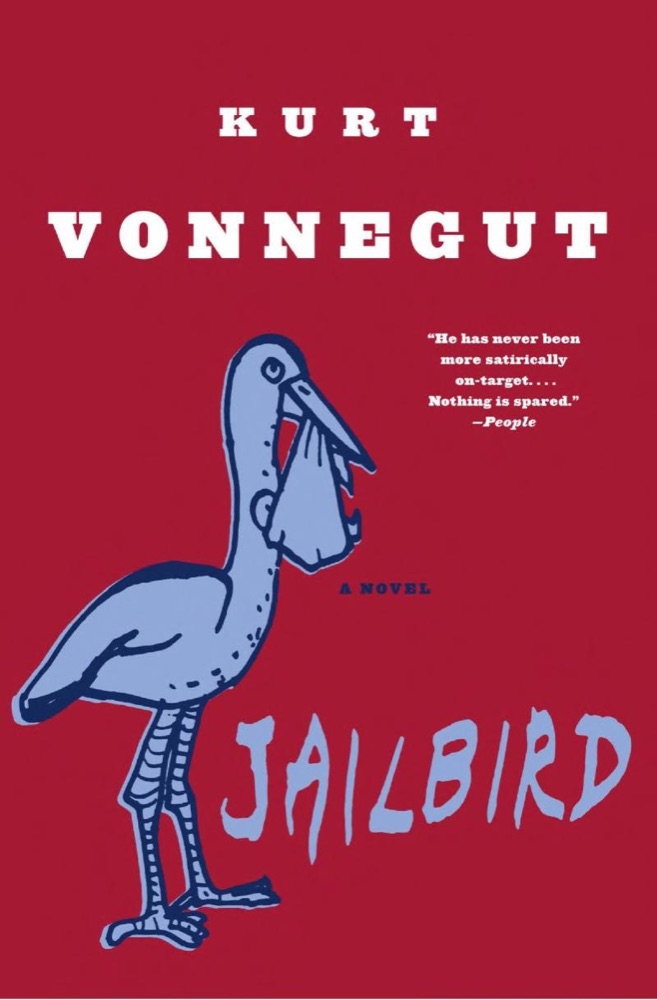 Jailbird
 The Swan Thieves
 The Real Life of Sebastian Knight
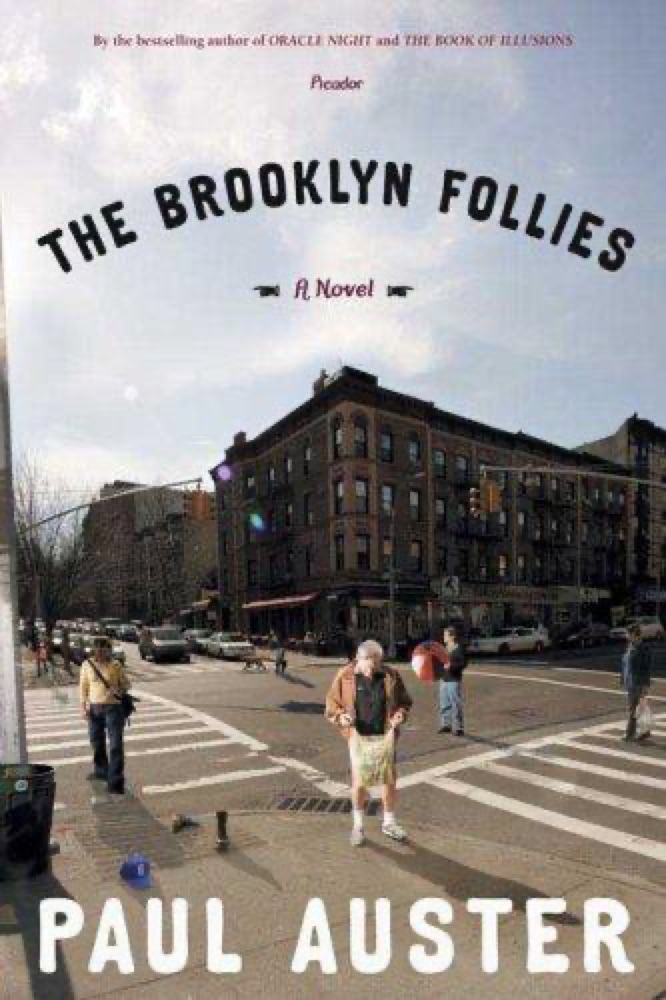 The Brooklyn Follies
 Essays of E.B. White
 Lanark
 Identity
 The Elementary Particles
 While England Sleeps
 The Last Samurai
 A Collection of Essays
 Fall of Man in Wilmslow
 The Naked Civil Servant
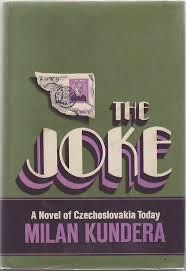 The Joke
 The Adolescent
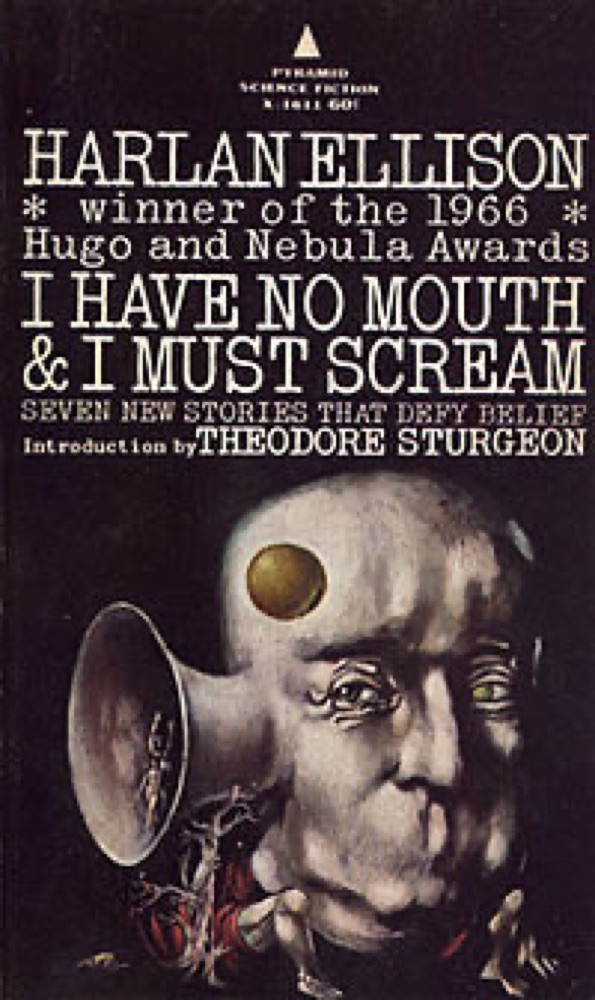 I Have No Mouth & I Must Scream
 The Rachel Papers
 The Stories of Vladimir Nabokov
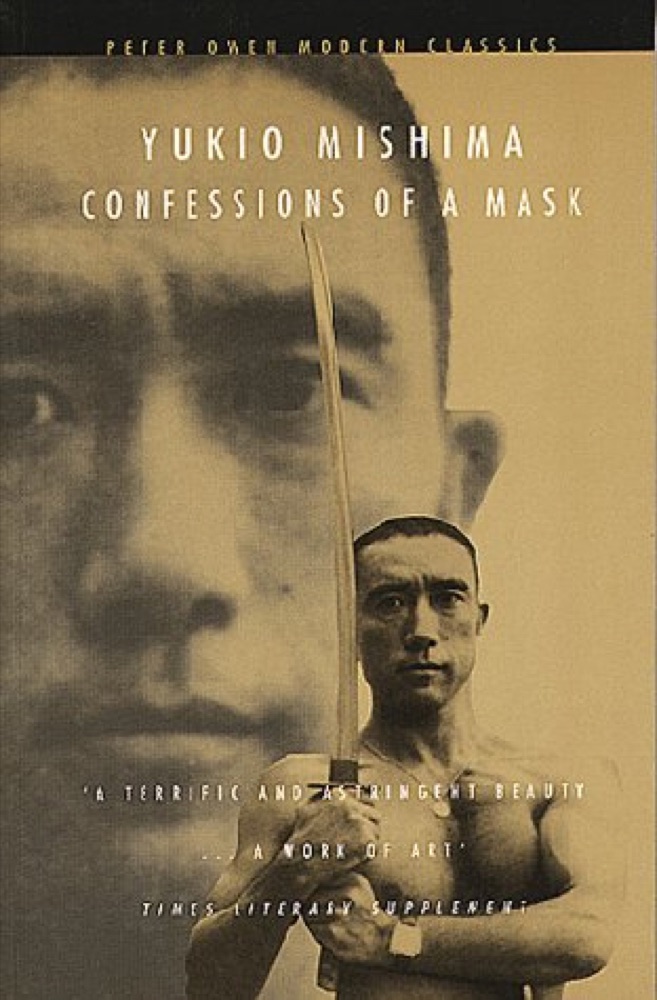 Confessions of a Mask
 Christmas Holiday
 NW
NW
 The Story of the Lost Child
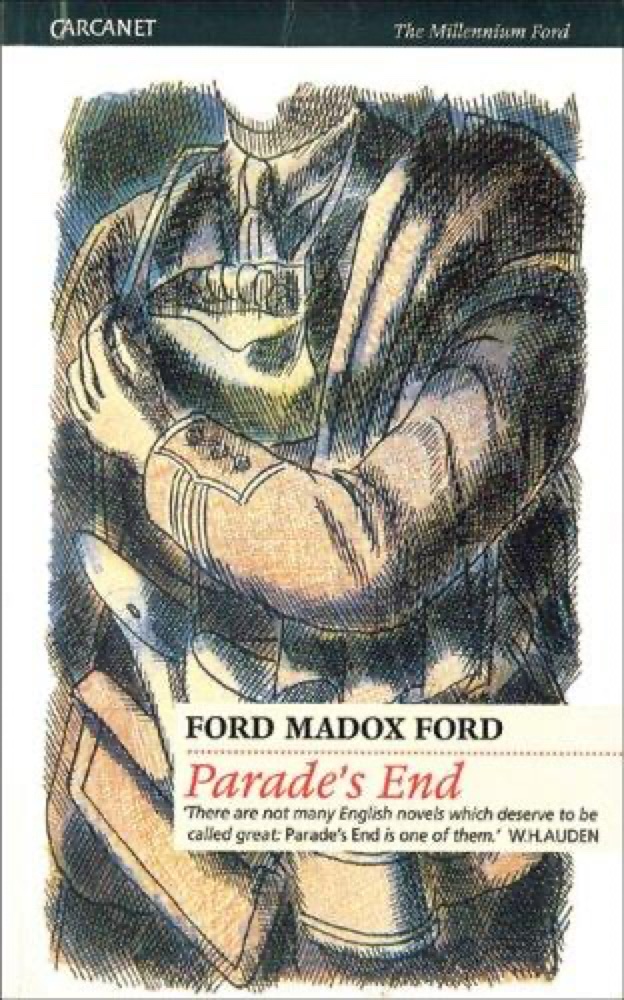 Parade's End
 Speedboat
 The Honourable Schoolboy
 The Counterlife
 The Idiot
 Omensetter's Luck
 Ragtime
 Brideshead Revisited: The Sacred and Profane Memories of Captain Charles Ryder
A Single Man
Brideshead Revisited: The Sacred and Profane Memories of Captain Charles Ryder
A Single Man
 That Hideous Strength
 Agatha Christie: An Autobiography
 Plainwater: Essays and Poetry
 Summertime
 Testament of Youth
 The Magus