
 The Mermaid
Quotes from the Book
I have a god inside me, too. The god of the sea.
2
Apparently,” said Tetsuko, frowning, “he says that we cannot build a strong country by paying heed to every claim of the uneducated poor.” “But isn’t listening to the opinions of only the rich and powerful dangerous for both the country and the people?
2
When did we ever put our trust in men?
2
She’d heard that Jesus took the form of a man and floated up into the sky. Well, why shouldn’t the god of the sea appear in the sea? Which was more ridiculous? She shook her head, perplexed.
1
The owner talked to me. Hes wrong. I wont die in my bed Ill die on the waves.
1
If these girls sold into prostitution had remained in the countryside, they would have gone their whole lives not knowing how to write, never straining to find words to express the beauty of flowers. They would have led lives where flowers were flowers, birds were birds, trees were trees, and that was that. It was a world without flaws but lacking in subtlety, taste, and suggestion. They would have worn rustic clothes and crawled around in muddy rice paddies, working up a seat, till they reached the end of their lives as stooped old women. If there was any benefit in becoming a prostitute, it was only the possibility of becoming literate and discovering the power of words.
1
For Ichi, the sight of a huge turtle three feet long was enough to make her shiver in awe. Sea turtles had no fear of humans and were perfectly happy to swim alongside them. Sometimes while they swam, one of them would look Ichi in the eye and wink—a signal that meant “Come here.” When she saw the big blue shadow of a sea turtle in the bright, radiant sea, Ichi felt she had seen the shadow of a god.
1
Ichi drifted off to sleep. In water shot through with sunlight and pearl-like bubbles, she saw the seven-tailed sea turtle from Watatsumi Palace come gliding toward her. She cast off all her clothes and became as smoothly naked as a fish. It felt good. “Thank you, everyone.” In her dream, Ichi offered thanks to no one in particular.
Tetsuzo,” said Shinonome in a quiet tone, “we all must die one day and be held to account for how we lived. Tonight you have a chance to do something good.” She was addressing a man who had once taken a human life.
Not even impoverished prostitutes unable to afford a rest could carry on their trade during their time of the month, and this was the reason. Being a woman was impractical, Shinonome concluded, sitting by the hibachi with one knee raised and holding her long thin pipe in one hand as she blew out a stream of smoke.
In Shinonome’s haiku, the darkness of water on which water lilies floated created a striking visual image. The baby had emerged from dark amniotic fluid in its mother’s womb. The poem seemed to be about a child whose birth brought little joy. Ichi’s baby, however, was a star child, innocent and pure. The first star of evening, outshining all the rest. By “home” she must mean her home island of Iojima, far off in the southern seas. Farther away even than the stars. Tetsuko had never read a haiku by Ichi before.
But I could never be honest with a client I dislike—how could I? Men all come here to enjoy themselves, even the ones who are disagreeable, boring, vulgar, old, or ugly. If a prostitute were always true to her feelings, she would have to tell them she didn’t like them and send them all home.” She continued to explain while Ichi ground ink. “For a woman of pleasure, lying is a virtue. The lies of an oiran are the greatest virtue of all.
Watch on YouTube
About Kiyoko Murata
We have collected 12 quotes from 1 book by Kiyoko Murata on BookQuoters.
More about the author →About the book
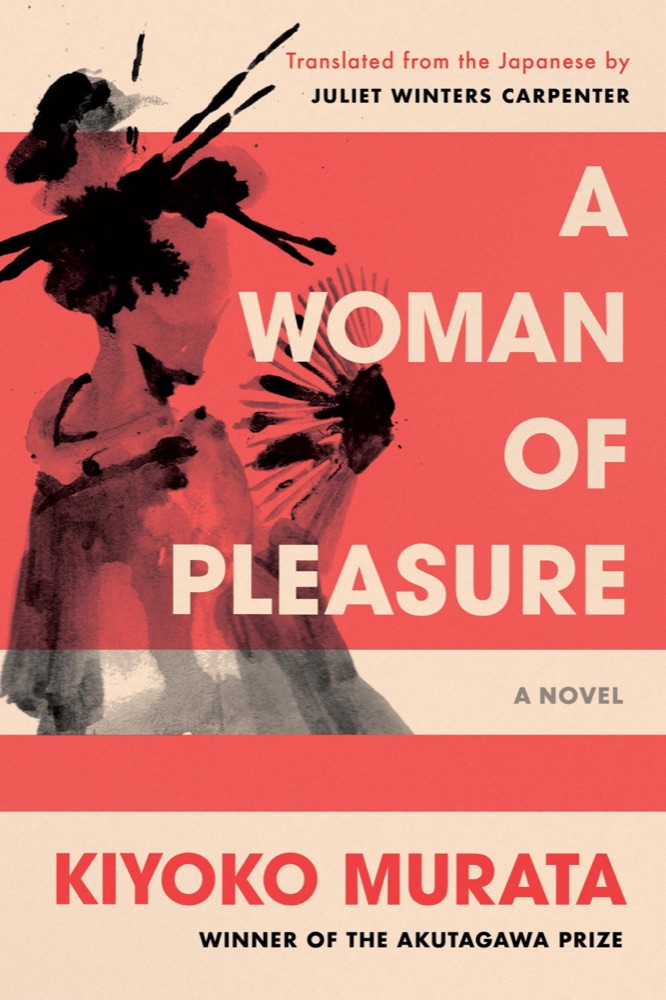
An unforgettable novel of fearless women banding together to pursue the lives they want, inspired by the real-life historic Japanese courtesan strike.
In 1903, a fifteen-year-old girl named Aoi Ichi is sold to the most exclusive brothel in Kumamoto, Japan. Despite her modest beginnings in a southern fishing village, she becomes the protégée of an oiran, the highest-ranking courtesan at the brothel. Through the teachings of her oiran, Shinonome, Ichi begins to understand the intertwined power of sex and money. And in her mandatory school lessons, her writing instructor, Tetsuko, encourages Ichi and the others to think clearly and express themselves. By banding together, the women organize a strike and walk away from the brothel and into the possibility of new lives.
Based on real-life events in Meiji-era Japan, award-winning and critically acclaimed veteran writer Kiyoko Murata re-c
Book details
- First published
- 2013
- Author
- Kiyoko Murata
- Genre
- Historical
- Goodreads rating
- 3.83 (3k ratings)
The buzz
- The New York TimesReview in The New York Timesprofessional review (via Book Marks)
- Kirkus ReviewsReview in Kirkus Reviewsprofessional review (via Book Marks)
- LibraryjournalReview in Libraryjournalprofessional review (via Book Marks)
Keep reading
The Mermaid
 The Rise of Kyoshi
 Audition
 Thirst for Love
 Sea of Poppies
 Confessions of a Mask
 The Windup Girl
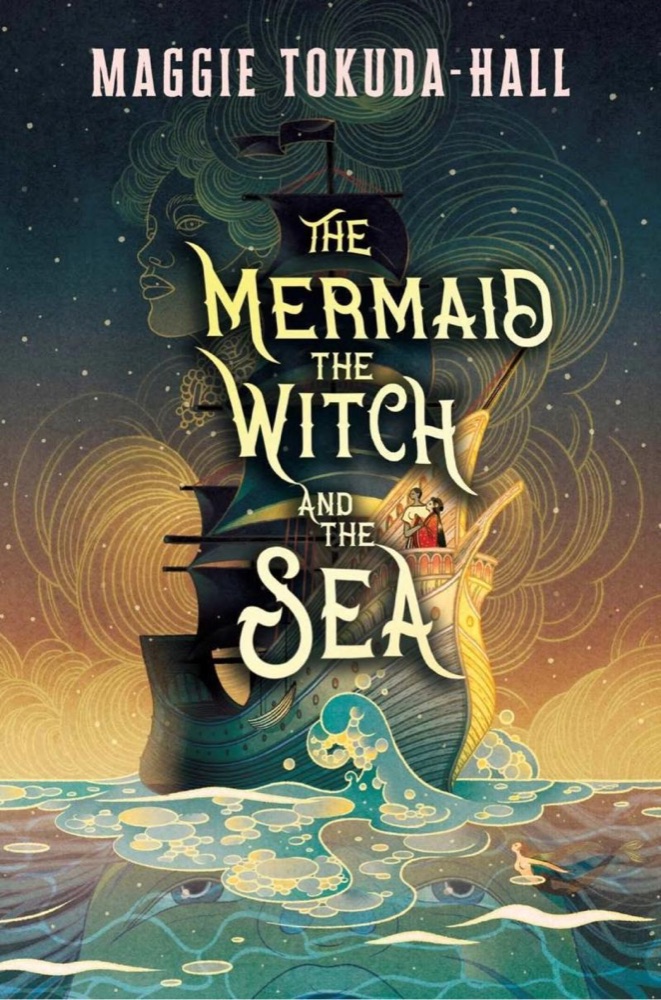 The Mermaid, the Witch, and the Sea
 Green Dolphin Street
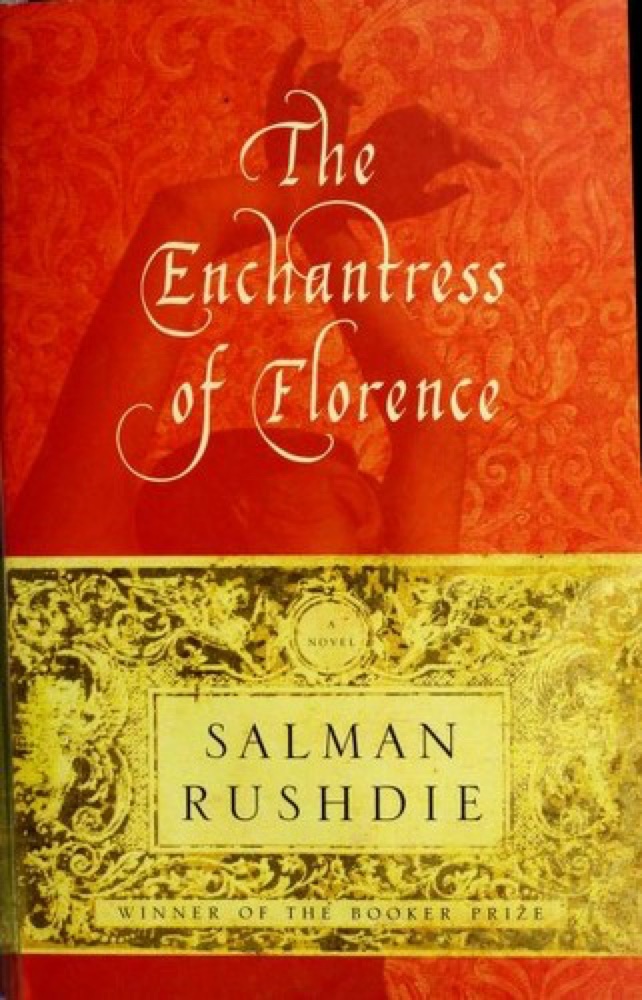 The Enchantress of Florence
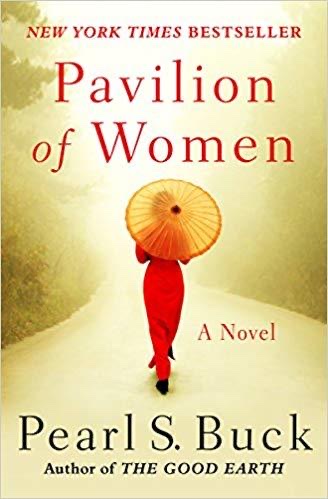 Pavilion of Women: A Novel of Life in the Women's Quarters
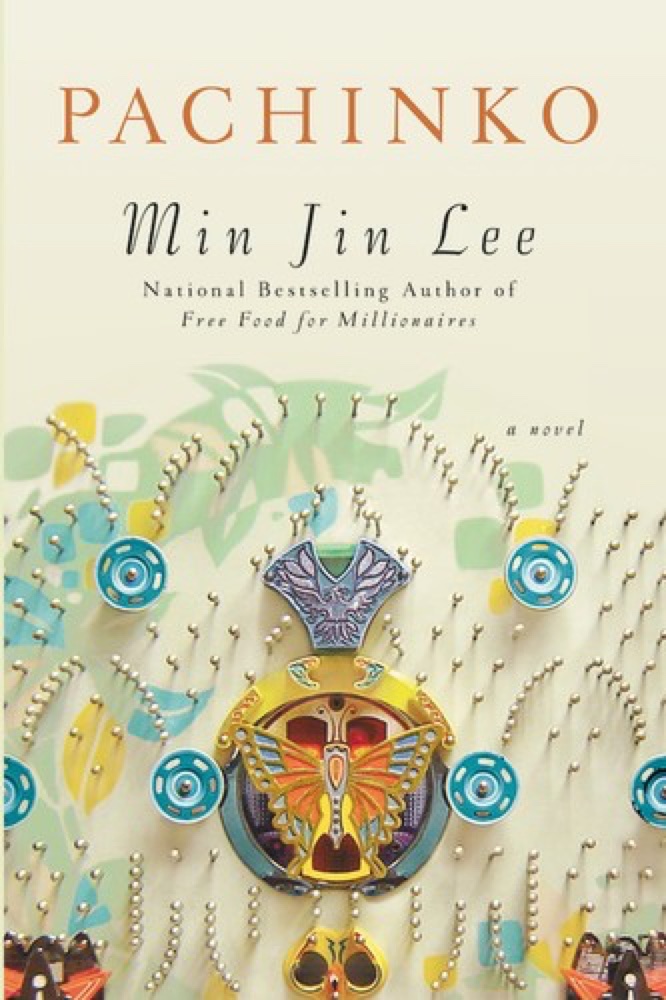 Pachinko
 And Then
 Homeseeking
 A Girl Is a Body of Water
 Petals of Blood
 The Sword of Kaigen
 Black Sun
 Ahab's Wife, or The Star-Gazer
 Rain and Other South Sea Stories
 A Song to Drown Rivers
 Lagoon
 Kwaidan: Stories and Studies of Strange Things
 Shōgun
 Scattered All Over the Earth
 The Penelopiad
 Redemption in Indigo
 Sword & Citadel
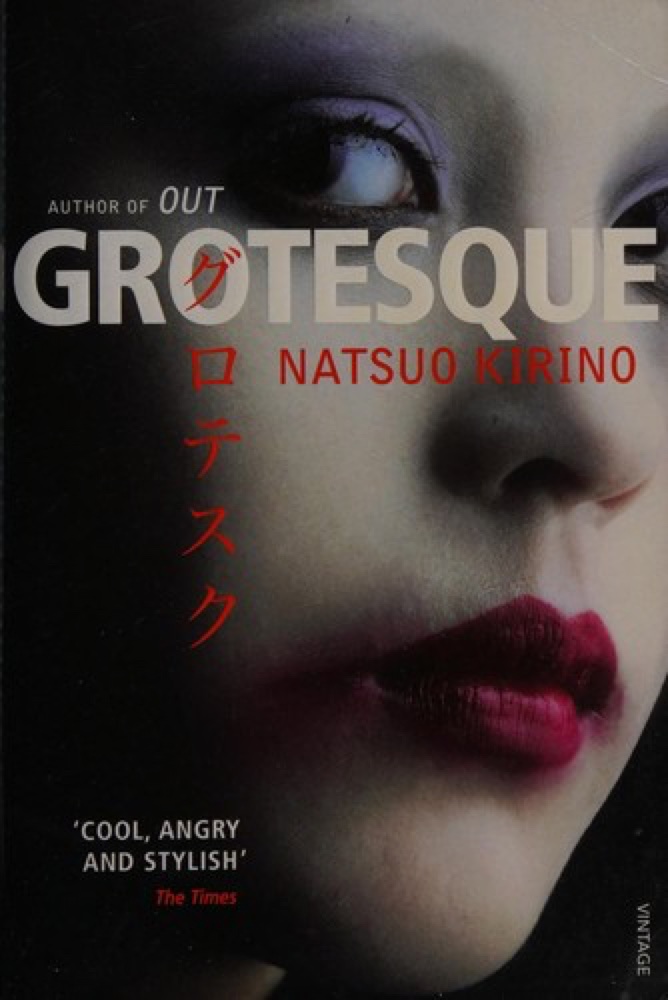 Grotesque
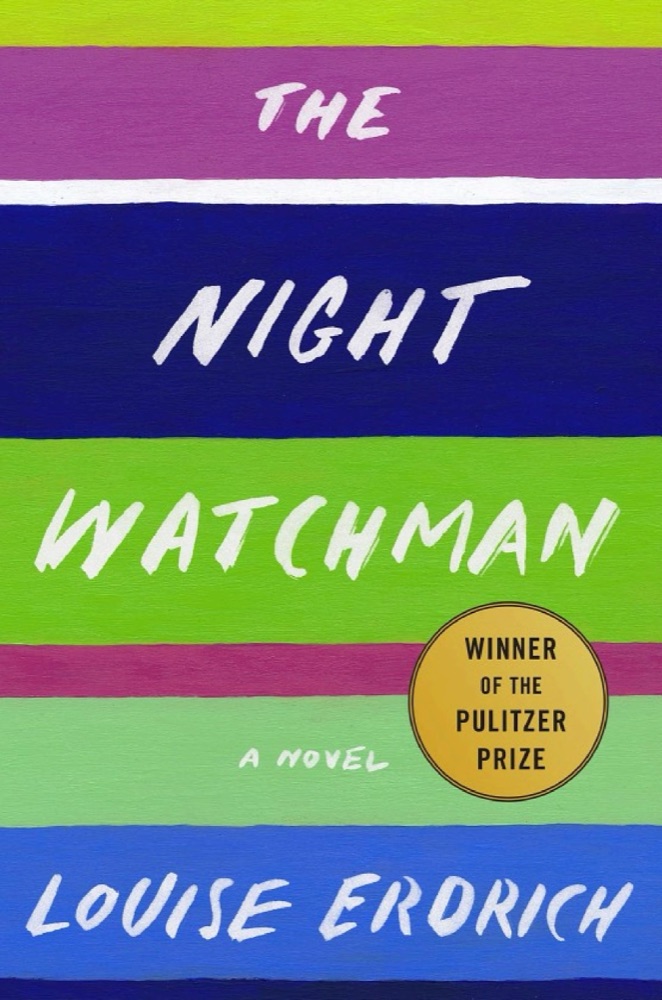 The Night Watchman
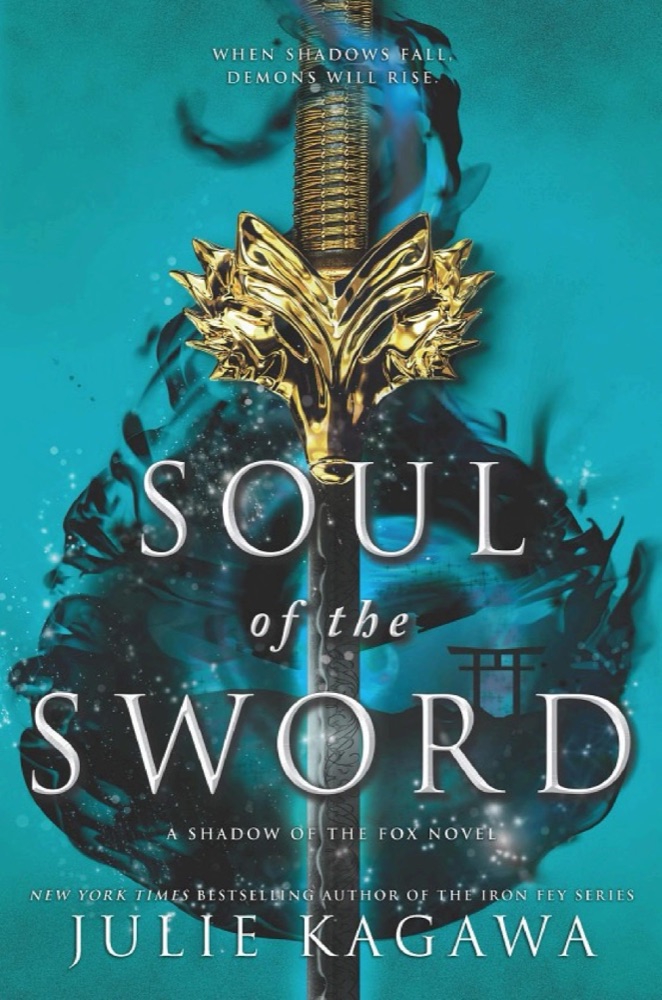 Soul of the Sword
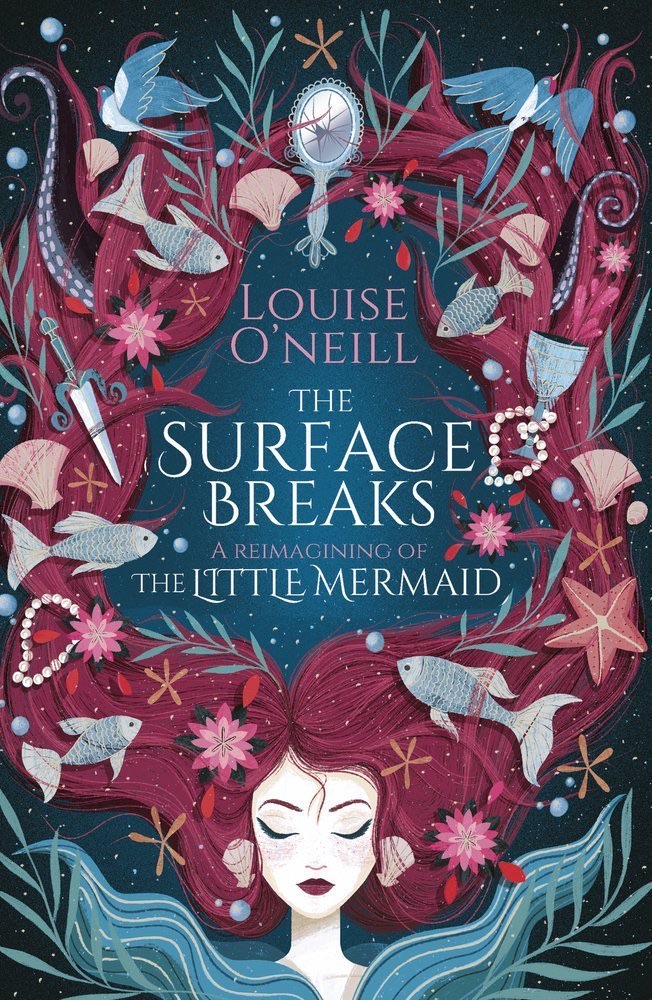 The Surface Breaks
 Age of Myth
 Moloka'i
 The Girl with a Thousand Faces
 Forest of a Thousand Lanterns
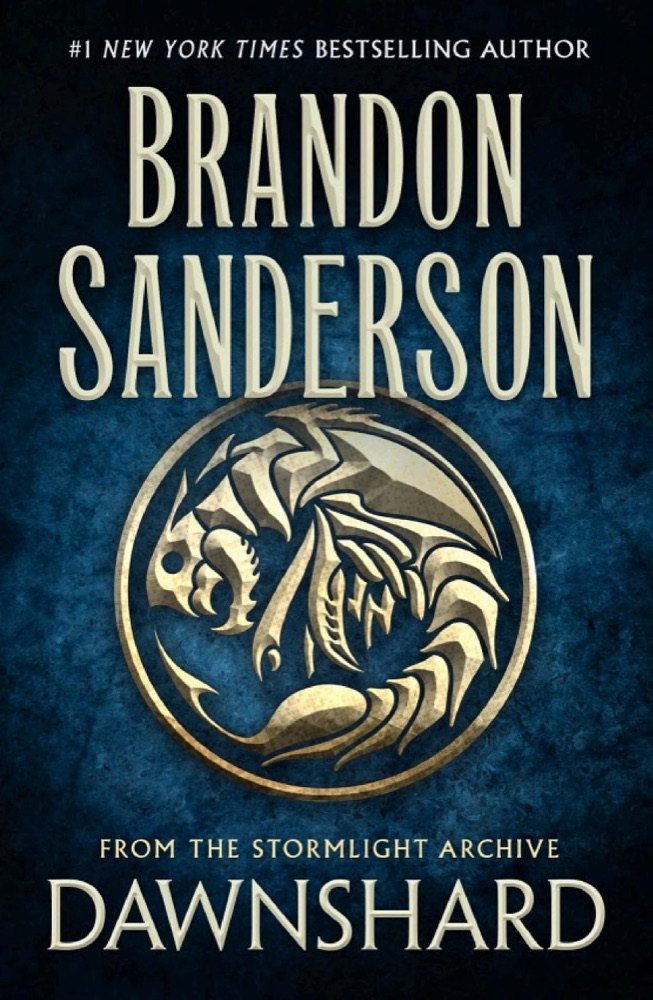 Dawnshard
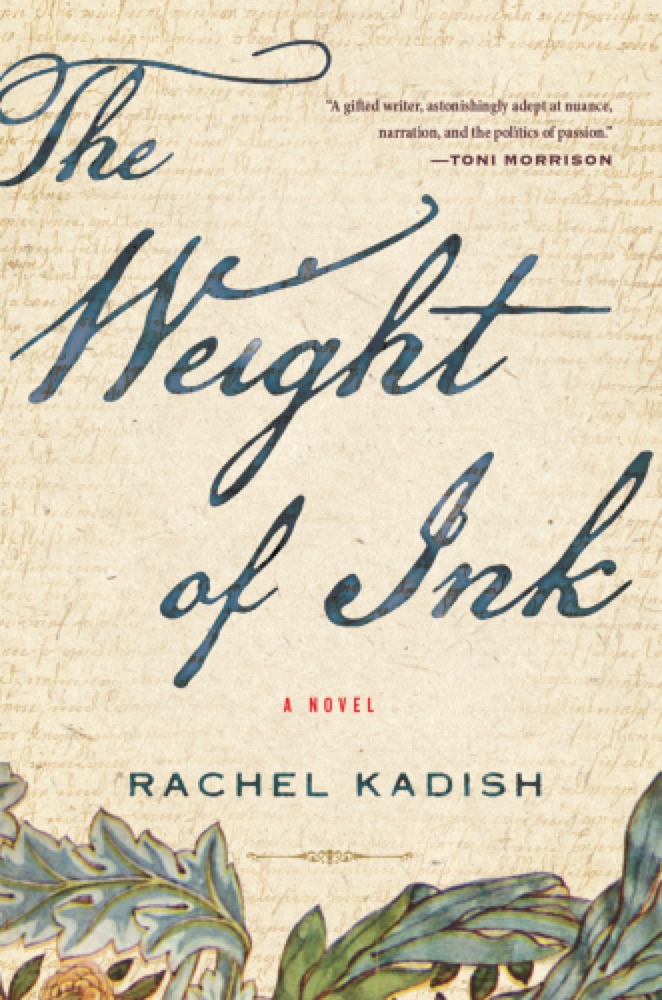 The Weight of Ink
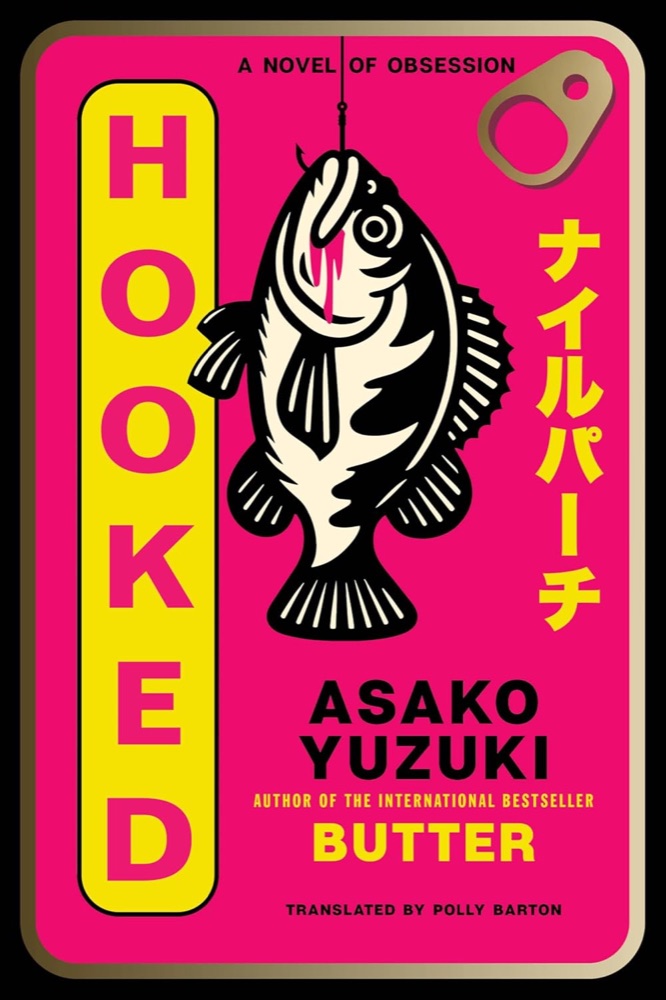 Hooked
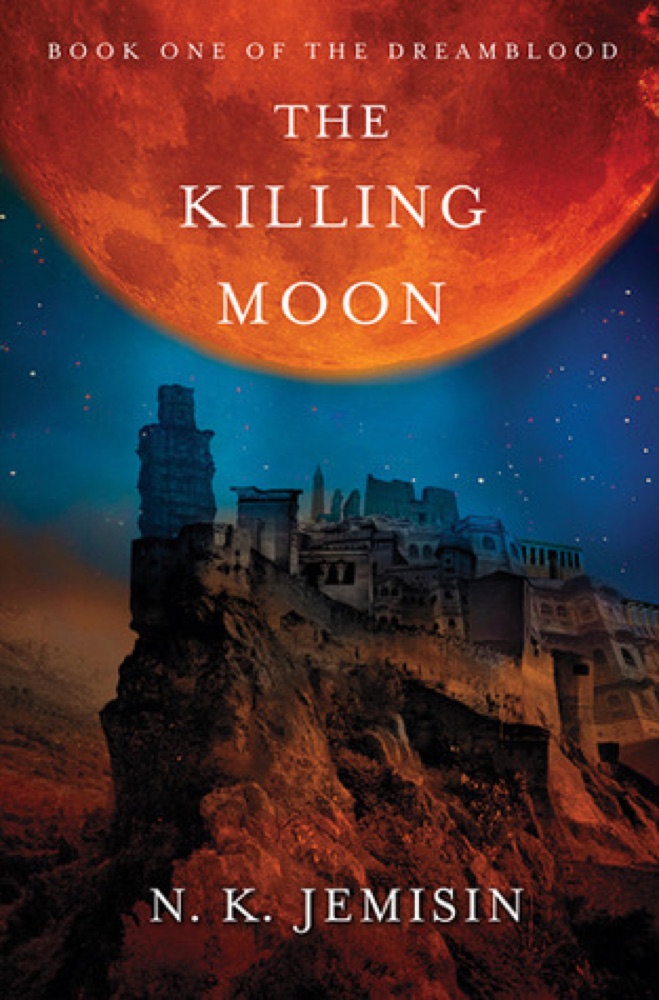 The Killing Moon
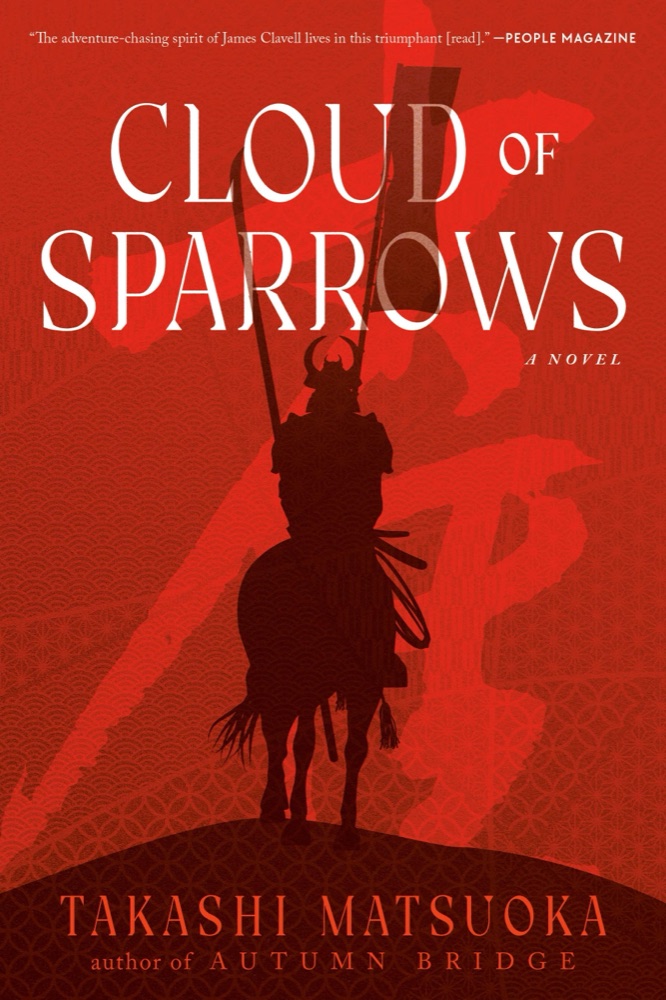 Cloud of Sparrows
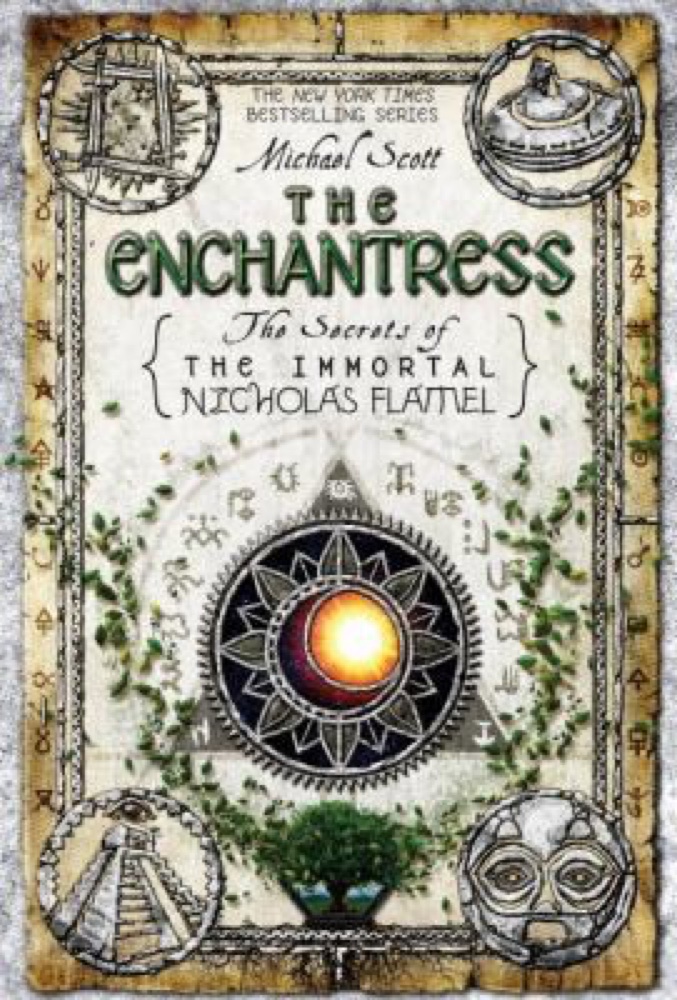 The Enchantress
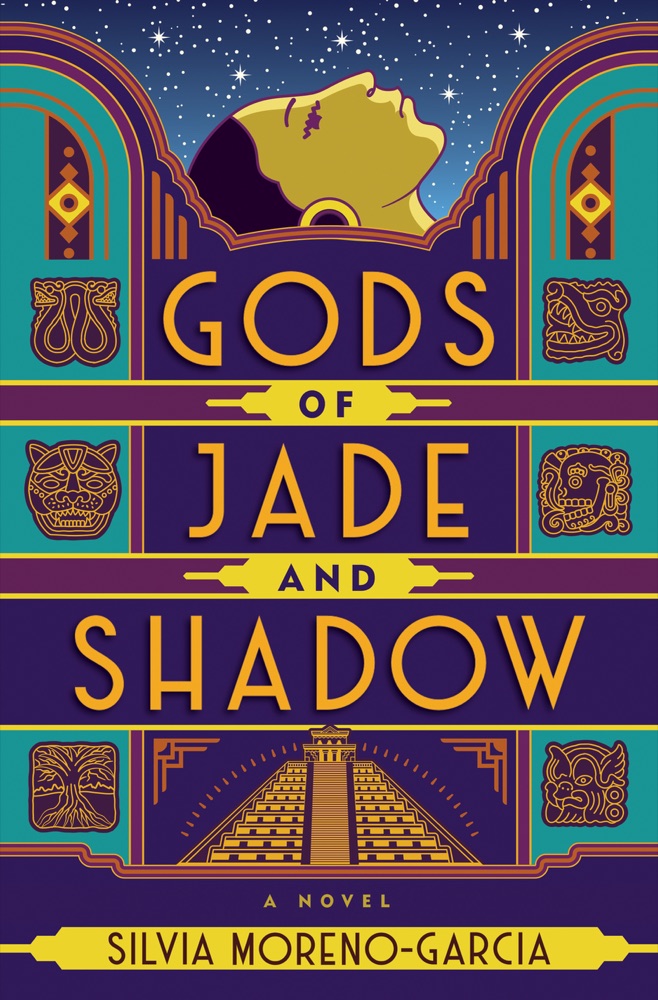 Gods of Jade and Shadow
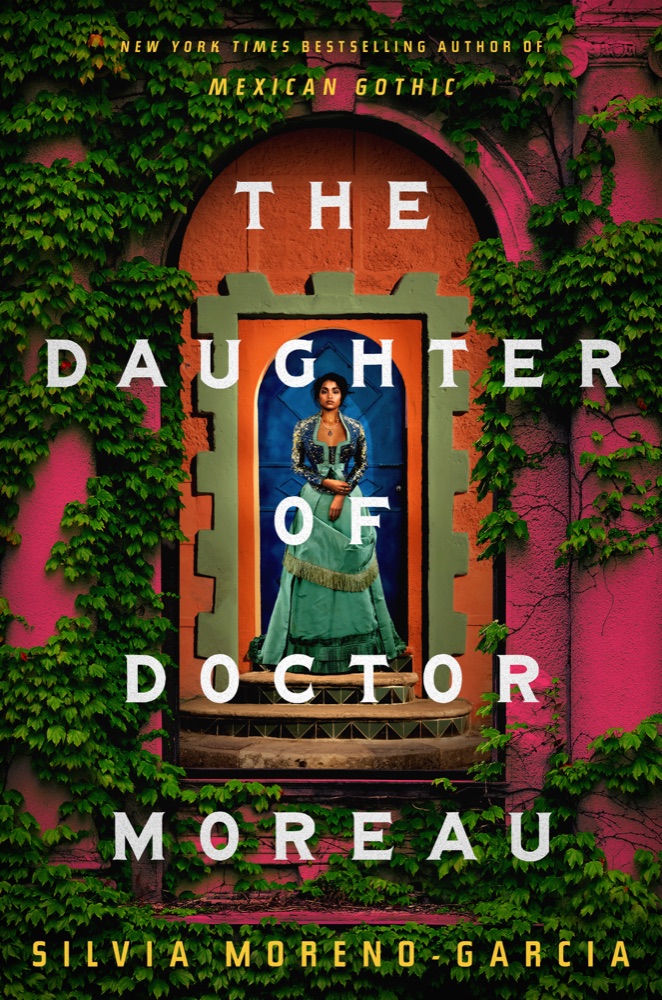 The Daughter of Doctor Moreau
 Spring Snow
 The Broken Eye
 The Decagon House Murders
 Shadow of the Fox
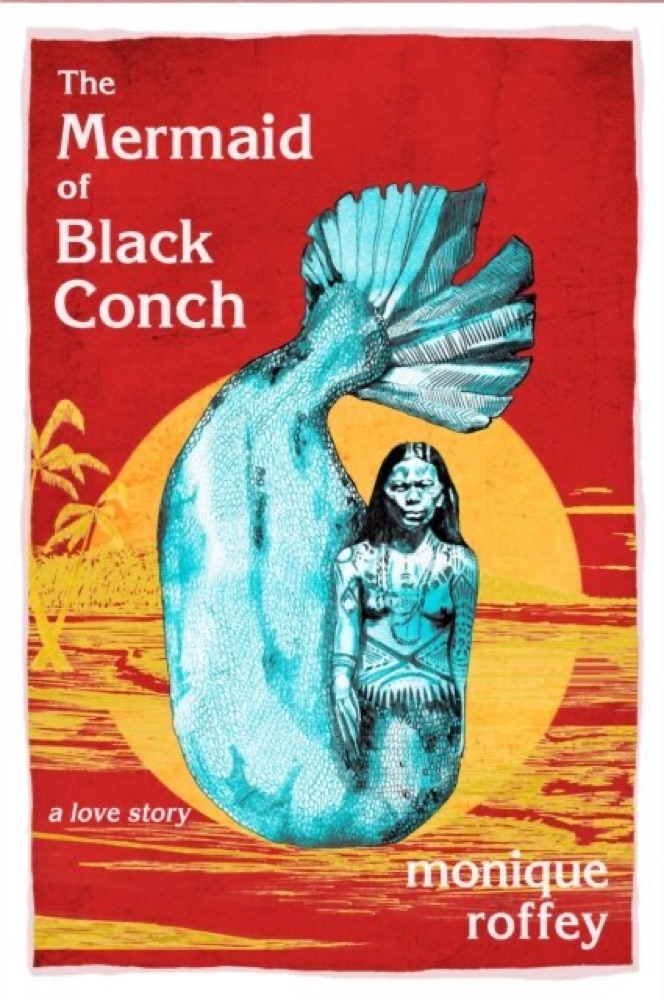 The Mermaid of Black Conch
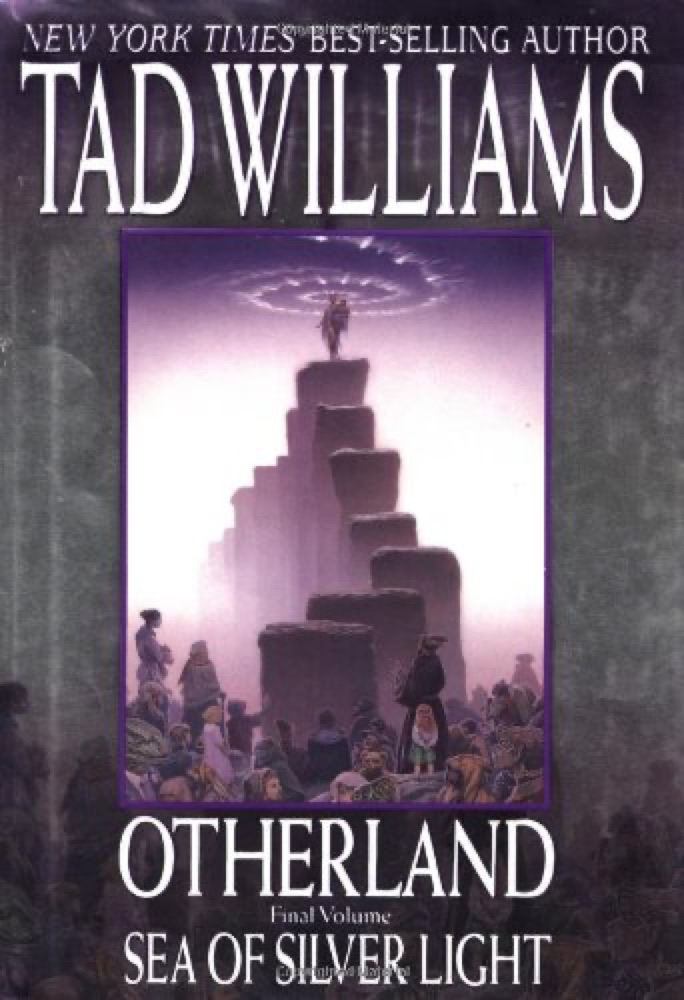 Sea of Silver Light
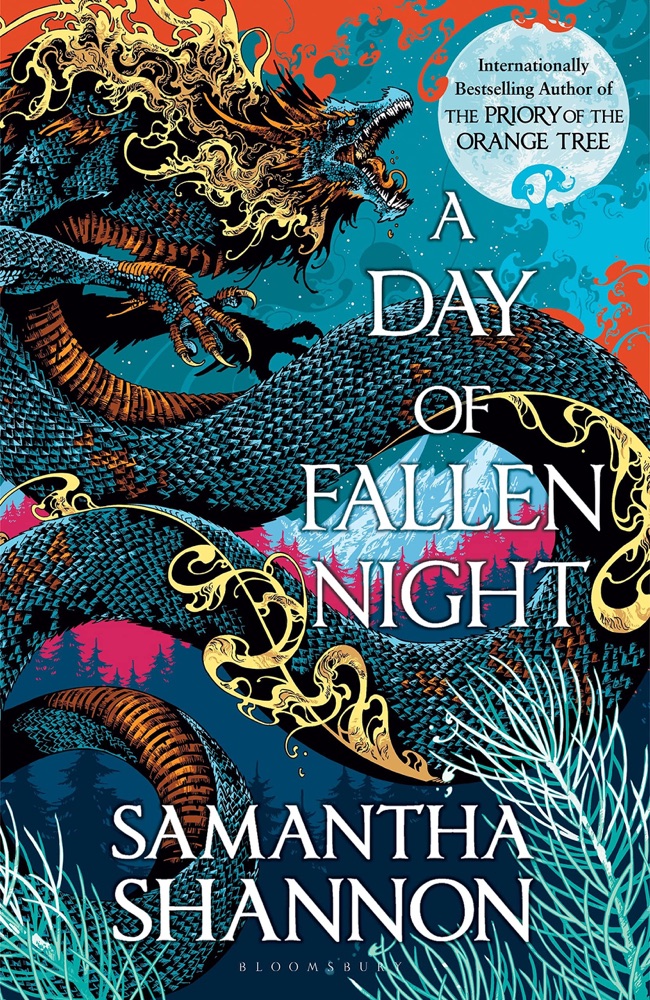 A Day of Fallen Night
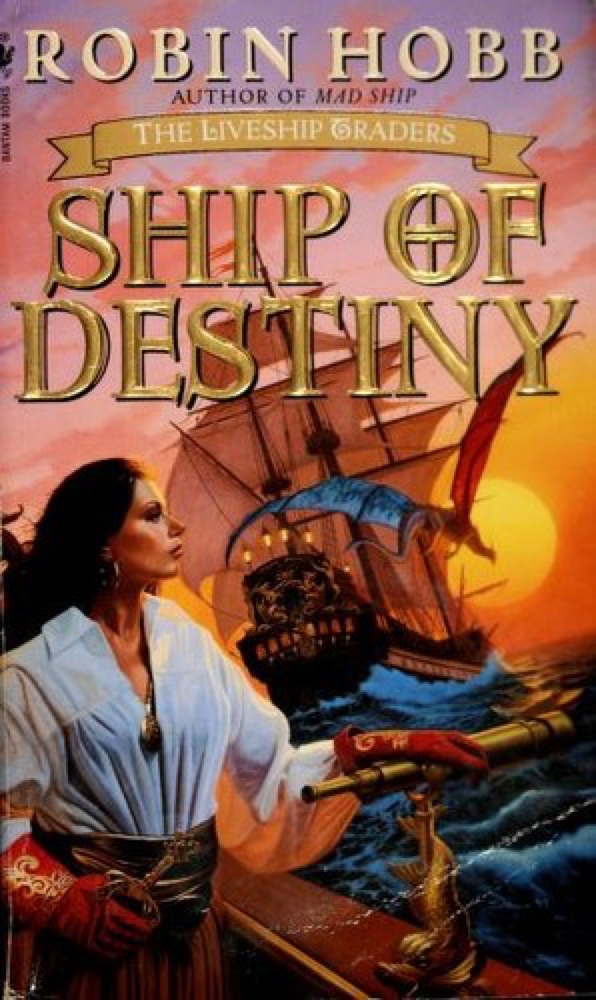 Ship of Destiny
 Heart Lamp: Selected Stories
 Sexing the Cherry
 Bestiary
 Dream Count
 The Heretic's Daughter
 The Sex Lives of Cannibals: Adrift in the Equatorial Pacific
 Crown of Coral and Pearl
 The Monster Baru Cormorant