 The Virginian
Quotes from the Book
It is good people who make good places.
If they strain me up tight, why, let 'em look out! I can't bear it, and I won't.
We call them dumb animals, and so they are, for they cannot tell us how they feel, but they do not suffer less because they have no words.
Do you know why this world is as bad as it is?... It is because people think only about their own business, and won't trouble themselves to stand up for the oppressed, nor bring the wrong-doers to light... My doctrine is this, that if we see cruelty or wrong that we have the power to stop, and do nothing, we make ourselves sharers in the guilt.
My troubles are all over, and I am at home; and often before I am quite awake, I fancy I am still in the orchard at Birtwick, standing with my friends under the apple trees.
My doctrine is this, that if we see cruelty or wrong that we have the power to stop, and do nothing, we make ourselves sharers in the guilt.
If a thing is right it can be done, and if it is wrong it can be done without; and a good man will find a way.
Only ignorance! only ignorance! how can you talk about only ignorance? Don't you know that it is the worst thing in the world, next to wickedness? -- and which does the most mischief heaven only knows. If people can say, `Oh! I did not know, I did not mean any harm,' they think it is all right.
If you in the morning Throw minutes away, You can't pick them up In the course of a day. You may hurry and scurry, And flurry and worry, You've lost them forever, Forever and aye.
There is no religion without love, and people may talk as much as they like about their religion, but if it does not teach them to be good and kind to man and beast it is all a sham - all a sham, James, and it won't stand when things come to be turned inside out and put down for what they are.
We shall all have to be judged according to our works, whether they be towards man or towards beast.
He said cruelty was the devil's own trade-mark, and if we saw any one who took pleasure in cruelty we might know who he belonged to, for the devil was a murderer from the beginning, and a tormentor to the end. On the other hand, where we saw people who loved their neighbors, and were kind to man and beast, we might know that was God's mark.
Why don't they cut their own children's ears into points to make them look sharp? Why don't they cut off their noses to make them look plucky? One would be just as sensible as the other. What right have they to torment and disfigure God's creatures?
I hope you will grow up gentle and good, and never learn bad ways; do your work with a good will, lift your feet up well when you trot, and never bite or kick even in play.
I said, 'I have heard people talk about war as if it was a very fine thing.' Ah!' said [Captain], 'I should think they never saw it. No doubt it is very fine when there is no enemy, when it is just exercise and parade, and sham-fight. Yes, it is very fine then; but when thousands of good brave men and horses are killed, or crippled for life, it has a very different look.' Do you know what they fought about?' said I. No,' he said, 'that is more than a horse can understand, but the enemy must have been awfully wicked people, if it was right to go all that way over the sea on purpose to kill them.
Oh! if people knew what a comfort to a horse a light hand is...
if we could act a little more according to common sense, and a good deal less according to fashion, we should find many things work easier;
What right had they to make me suffer like that?
You did right my boy, whether the fellow gets a summons or not. Many folks would have ridden by and said ‘twas not their business to interfere. Now, I say, that with cruelty and oppression it is everybody’s business to interfere when they see it.
Good Luck is rather particular who she rides with, and mostly prefers those who have got common sense and a good heart; at least that is my experience.
Now look, for instance, at the way they serve dogs, cutting off their tails to make them look plucky, and shearing up their pretty little ears to a point to make them look sharp
but he had given animals knowledge which did not depend on reason, and which was much more prompt and perfect in its way, and by which they had often saved the lives of men.
Master said, God had given men reason, by which they could find things out for themselves; but he had given animals knowledge which did not depend on reason, and which was more prompt and perfect in it's way, and by which they had often saved the lives of men. anna sewell
I was quite happy in my new place, and if there was one thing that I missed, it must not be thought I was discontented; all who had to do with me were good, and I had a light airy stable and the best of food. What more could I want? Why, liberty!
My troubles are all over, and I am at home; and often before I am quite awake, I fancy I am still in the orchard at Birtwick, standing with my old friends under the apple-trees.
first place that I can well remember was a large pleasant meadow with a pond of clear water in it. Some shady trees leaned over it, and rushes and water-lilies grew at the deep end. Over the hedge on one side we looked into a plowed field, and on the other we looked over a gate at our master's
This horse has got a good master, and he deserves it.
I had never heard that before; and so poor Rob Roy who was killed at that hunt was my brother! I did not wonder that my mother was so troubled. It seems that horses have no relations; at least they never know each other after they are sold.
Did you know?
- Black Beauty was Anna Sewell's only novel, written between 1871 and 1877 while she was seriously ill and largely confined to her home.
- The book was published in November 1877, only about five months before Sewell died.
- It is considered one of the best-selling books of all time, with tens of millions of copies sold in many languages.
- The novel is widely credited with helping to turn Victorian public opinion against the cruel 'bearing rein' used on carriage horses.
- Sewell intended the book to promote kindness and sympathy toward horses rather than as a story for children, though it became a childhood classic.
About Anna Sewell
Anna Sewell (1820-1878) was an English author from Great Yarmouth who was left partly disabled by an ankle injury in her teens, which deepened her lifelong reliance on and affection for horses. Black Beauty, written while she was bedridden and ill, was her only published novel and appeared shortly before her death.
More about the author →About the book
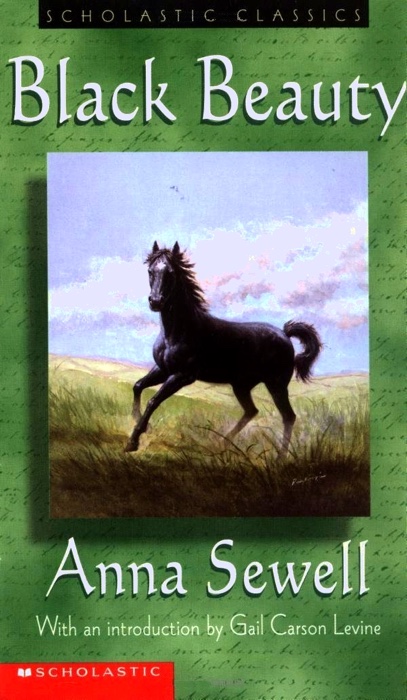
Black Beauty is a novel told entirely in the first person by its title character, a well-bred black horse who recounts his life from a peaceful foalhood in an English meadow through a long succession of owners. As he passes from kind hands to cruel ones, he pulls carriages, endures hard years as a London cab horse, and finally reaches a quiet retirement. Each episode of his life becomes a lesson in how horses are treated by the people around them.
Anna Sewell wrote the book to encourage kindness toward horses, and its central themes are compassion, the dignity of animals, and the consequences of human carelessness and cruelty. By letting readers experience mistreatment from the horse's own point of view, she dramatizes specific Victorian practices such as the bearing rein, blinkers, and tail docking, while also portraying the goodness of characters who treat animals with patience and care.
Published in 1877, just months before Sewell's death, Black Beauty became one of the best-selling books of all time and a landmark of the animal-welfare movement. It is widely credited with turning public opinion against the bearing rein and with shaping later humane legislation, and it remains a staple of children's and classic literature more than a century after its release.
Key characters
- Black BeautyThe narrator, a well-bred black horse who recounts his life across many owners
- DuchessBlack Beauty's mother, who teaches him gentle manners as a foal
- GingerA chestnut mare embittered by harsh early treatment
- MerrylegsA good-natured grey pony and stable companion
- Jerry BarkerA kind London cab driver who treats his horses well
- CaptainAn old cab horse and former Crimean War cavalry mount
Book details
- First published
- 1877
- Length
- 255 pages
- Reading time
- 4 hours
- Author
- Anna Sewell
- Genre
- Classics
- Goodreads rating
- 4.00 (302k ratings) →
- First line
- “The first place that I can well remember was a large pleasant meadow with a pond of clear water in it.”
Movie & TV adaptations
- IMDb
- IMDb
- IMDb
- IMDb
- IMDb
If you liked this, read…
- 1National VelvetAnother beloved classic centered on a girl and a horse
- 2The Call of the WildA classic tale narrated around an animal's experience of changing masters
- 3War HorseA later horse's-eye narrative about hardship and human kindness
Keep reading
The Virginian
 Adventures of Huckleberry Finn
 Half Broke Horses
 The Horse and His Boy
 Nicholas Nickleby
 The Curse of Chalion
 True Grit
 All's Well That Ends Well
 Allan Quatermain
 Aesop's Fables
 The Adventures of Augie March
 Uncle Tom's Cabin
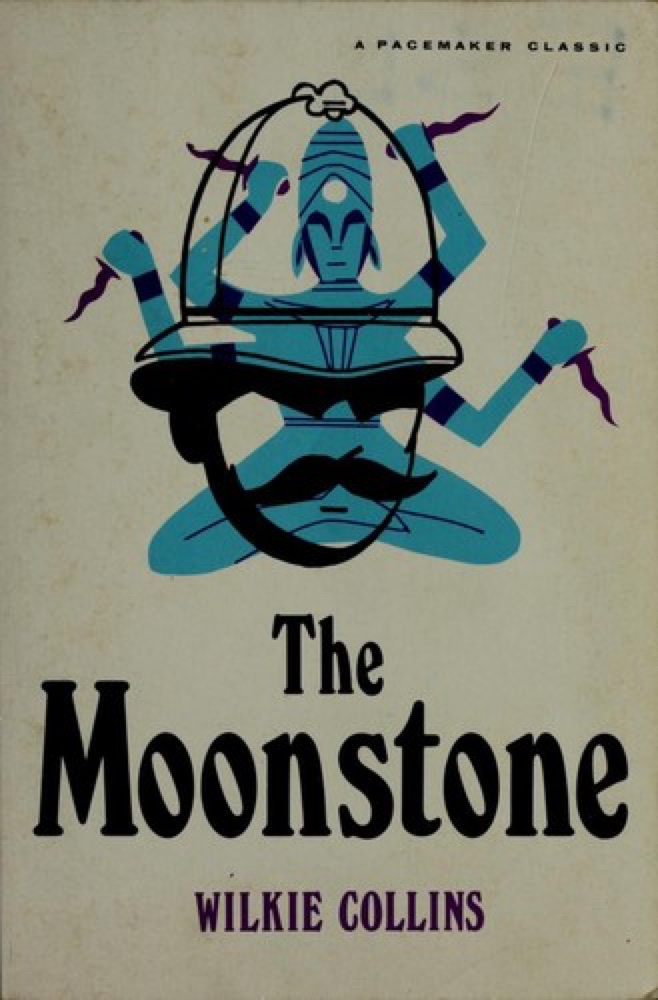 The Moonstone
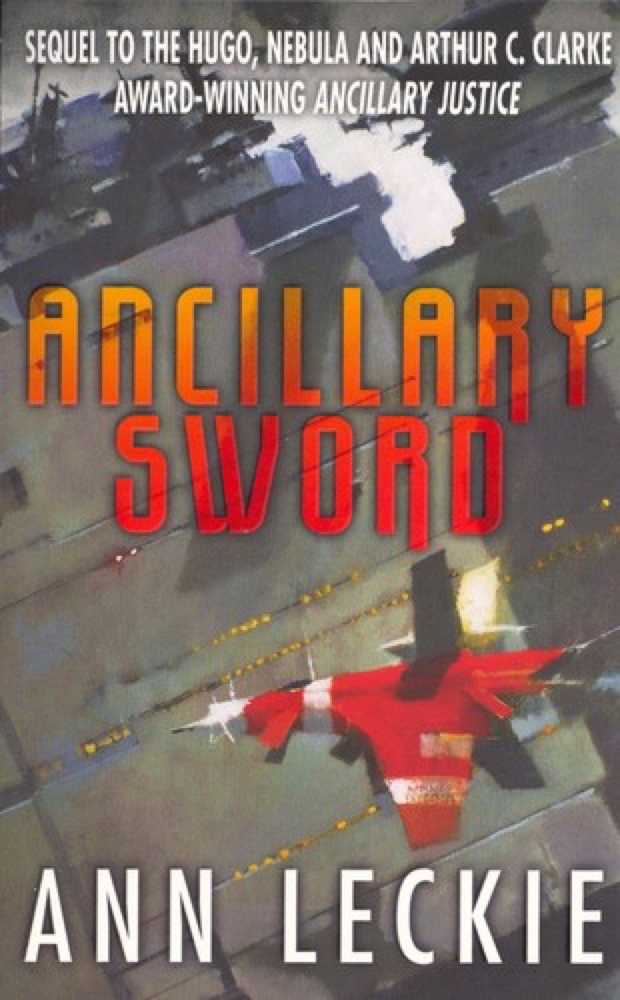 Ancillary Sword
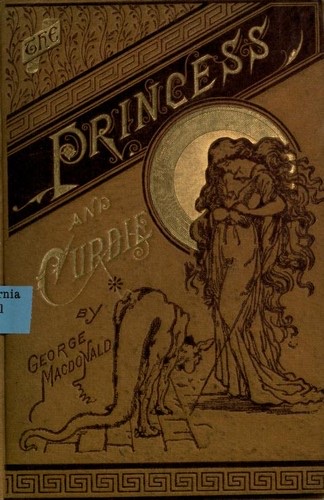 The Princess and Curdie
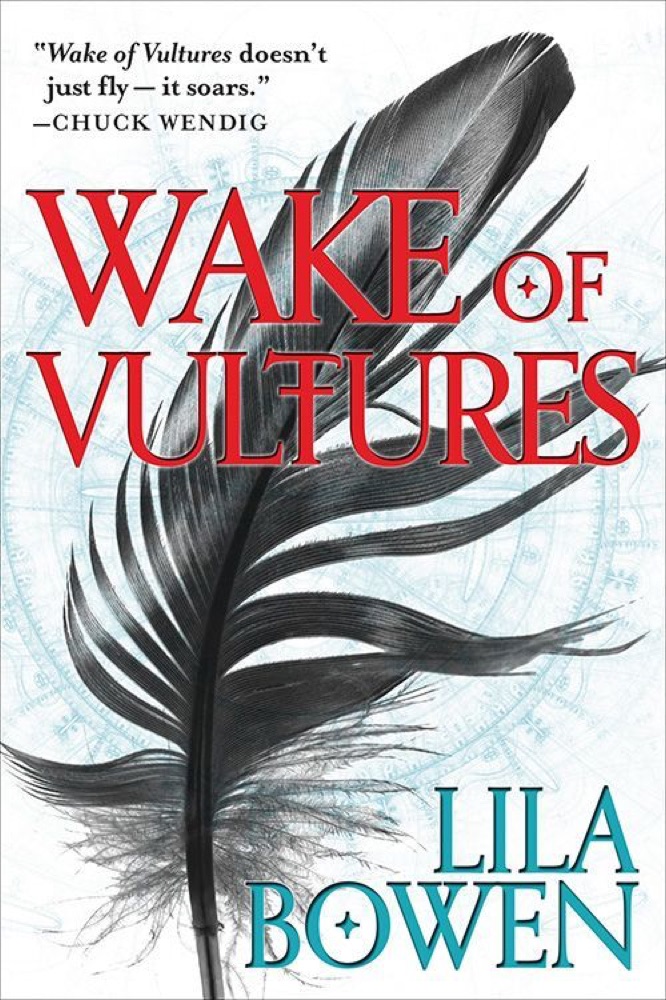 Wake of Vultures
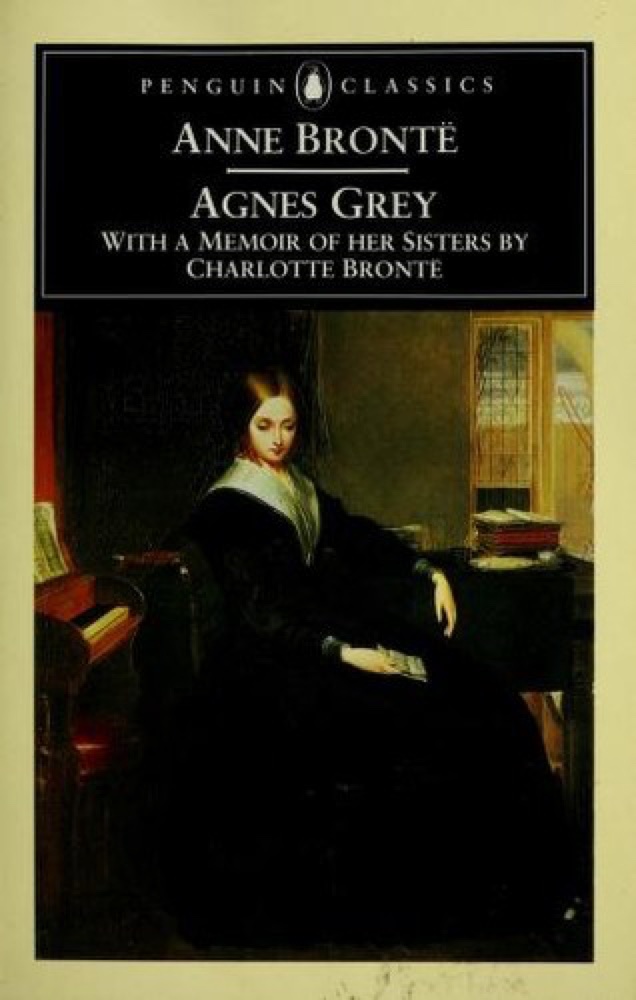 Agnes Grey
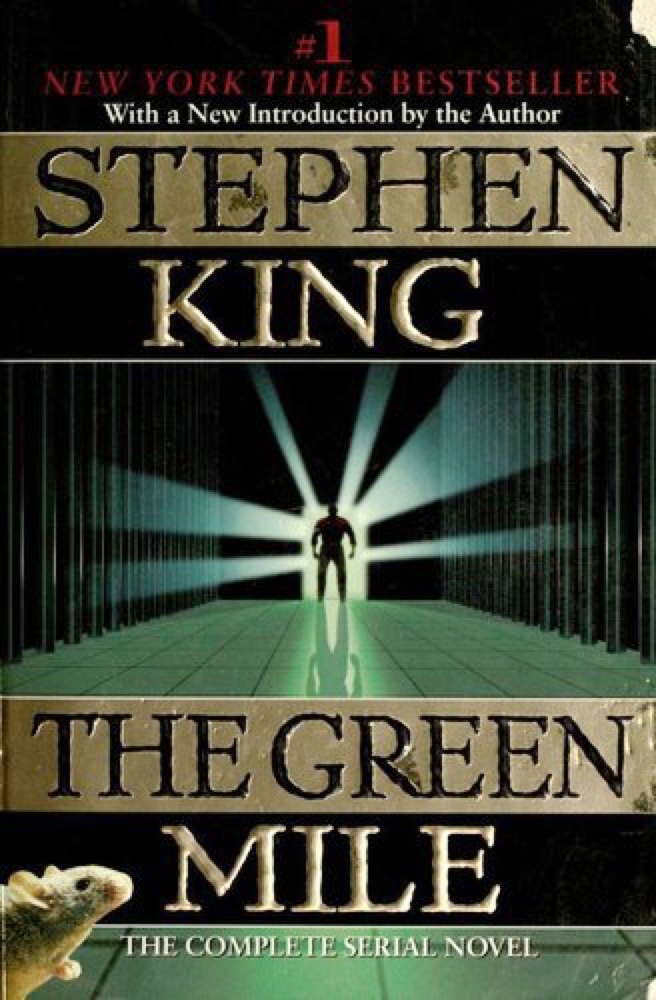 The Green Mile
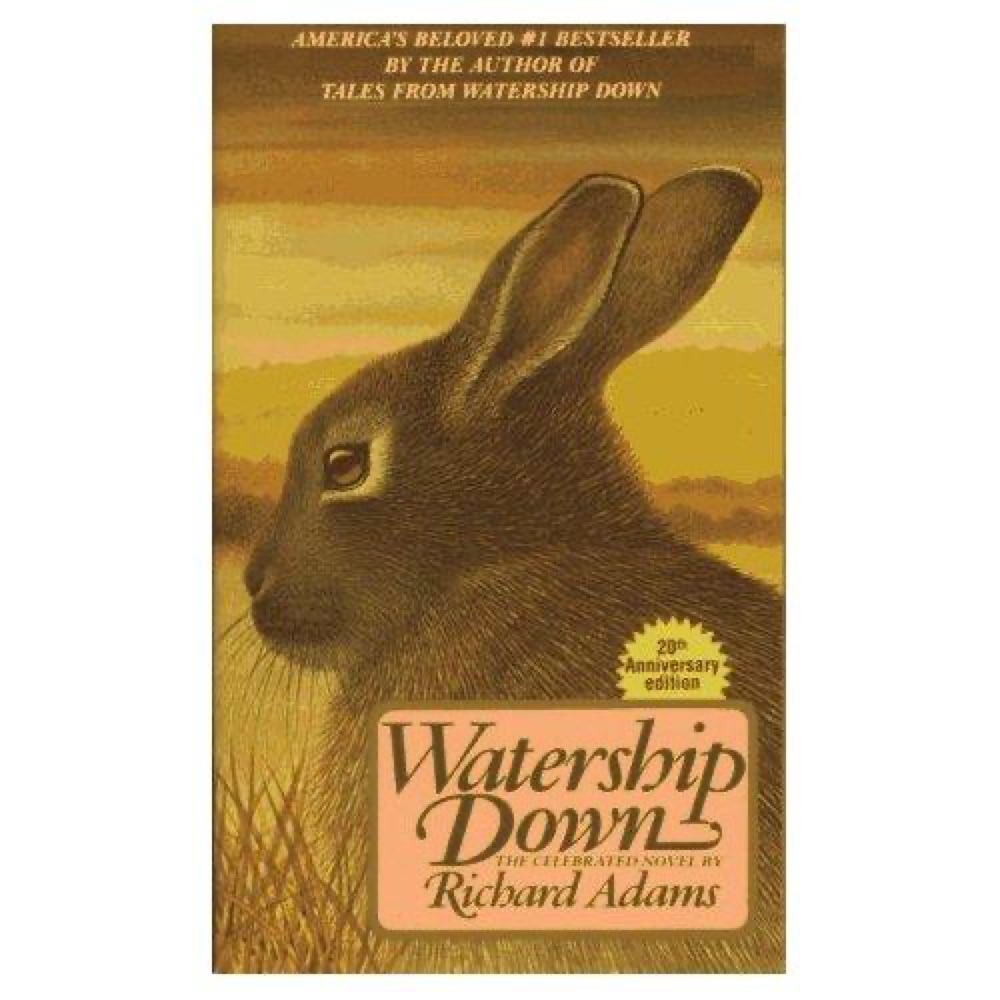 Watership Down
 Small Wonder
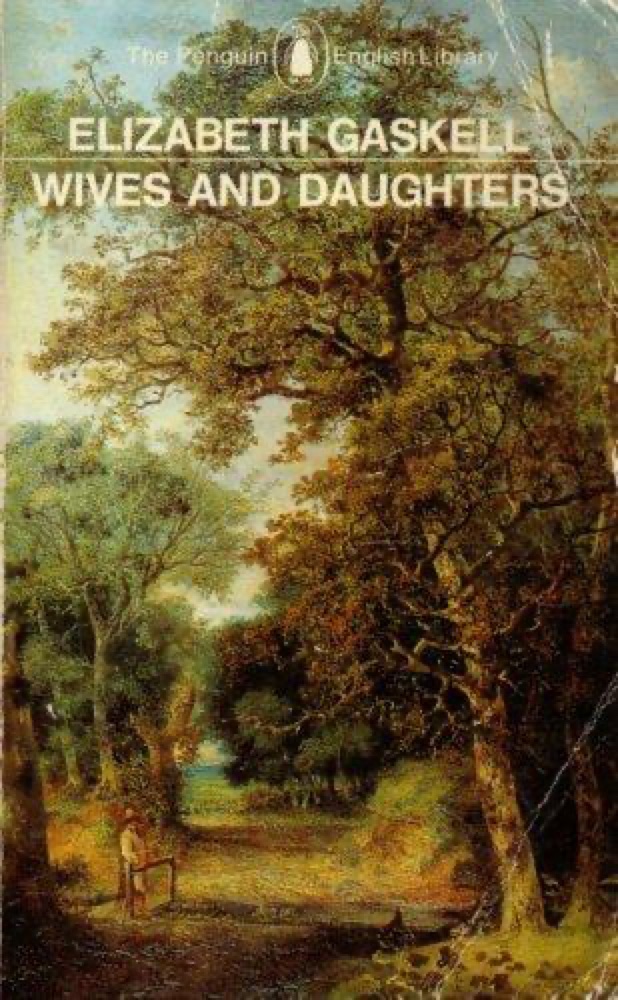 Wives and Daughters
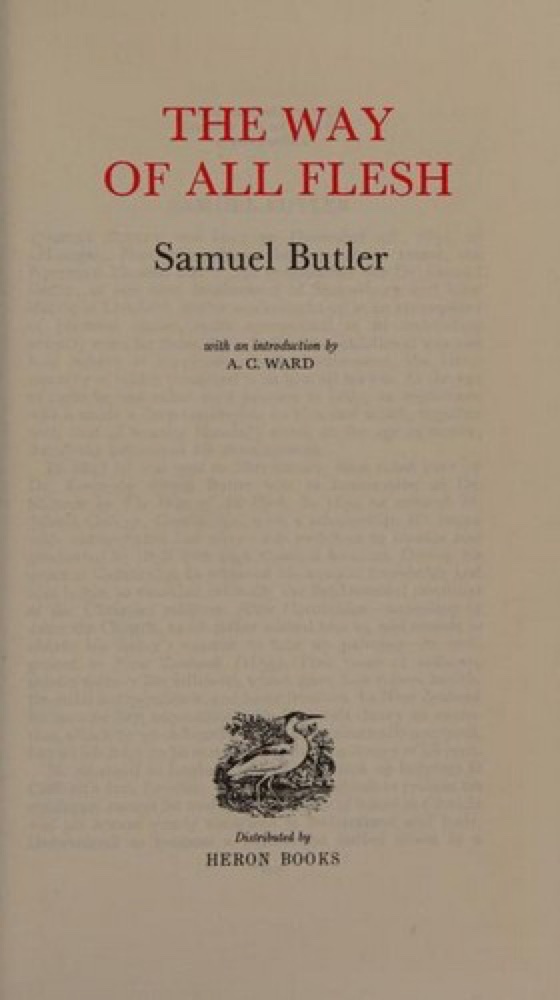 The Way of All Flesh
 Odd Thomas
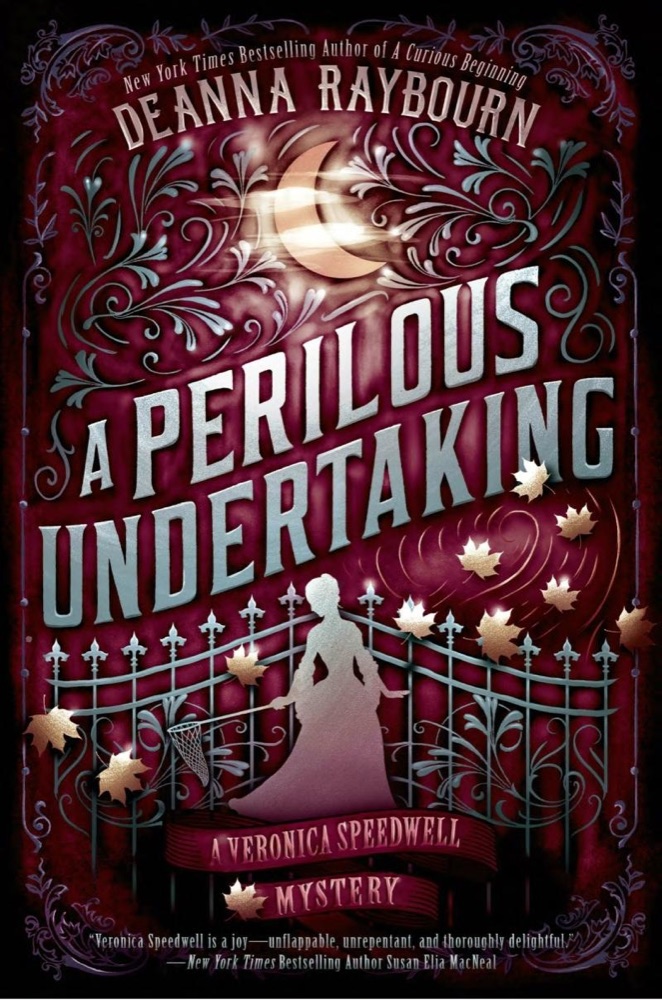 A Perilous Undertaking
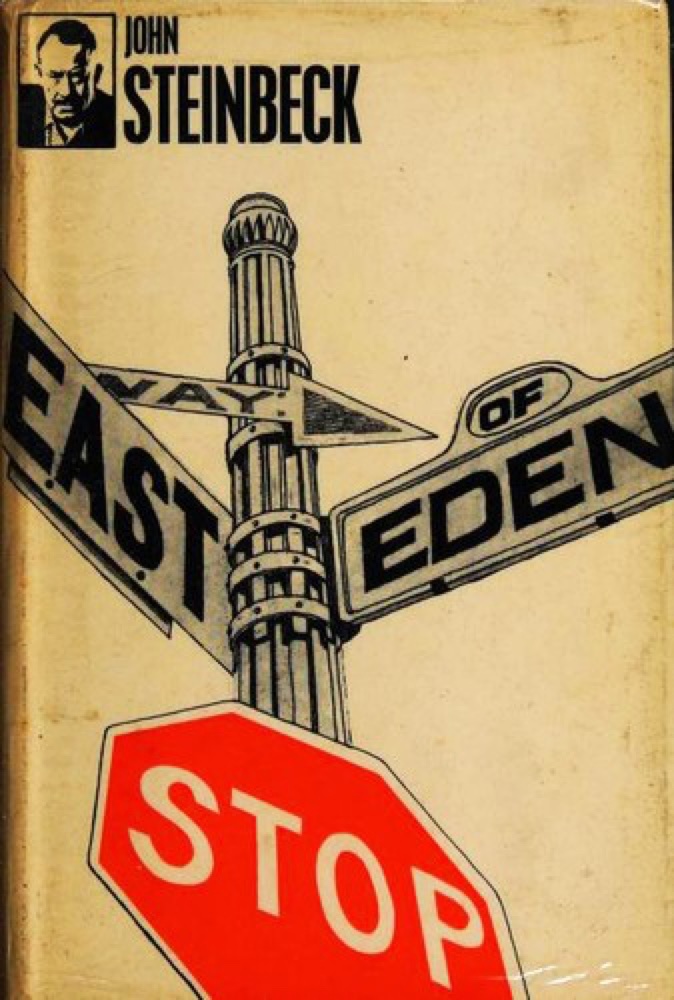 East of Eden
 Our Mutual Friend
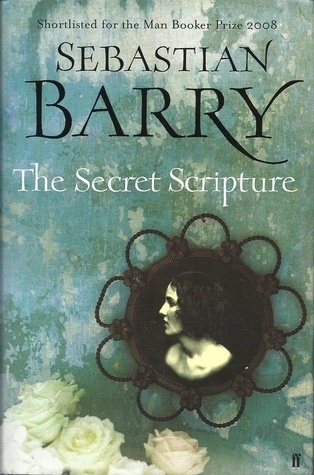 The Secret Scripture
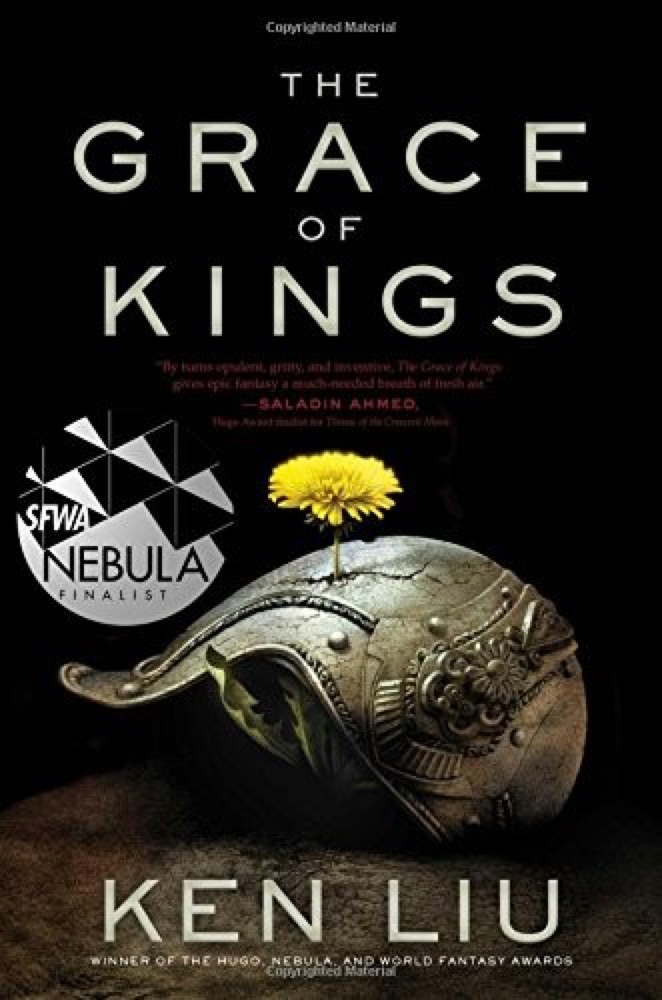 The Grace of Kings
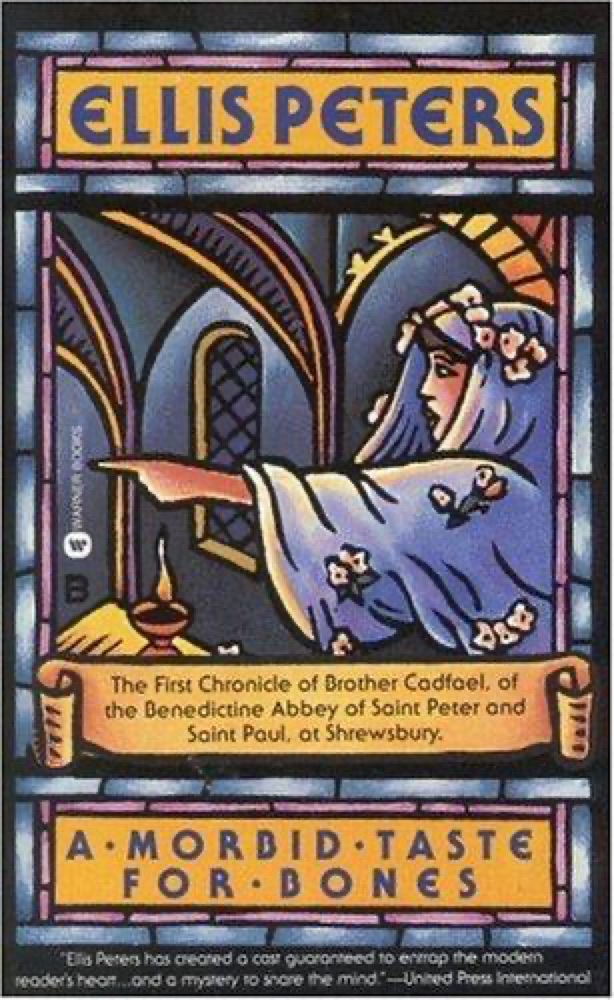 A Morbid Taste for Bones
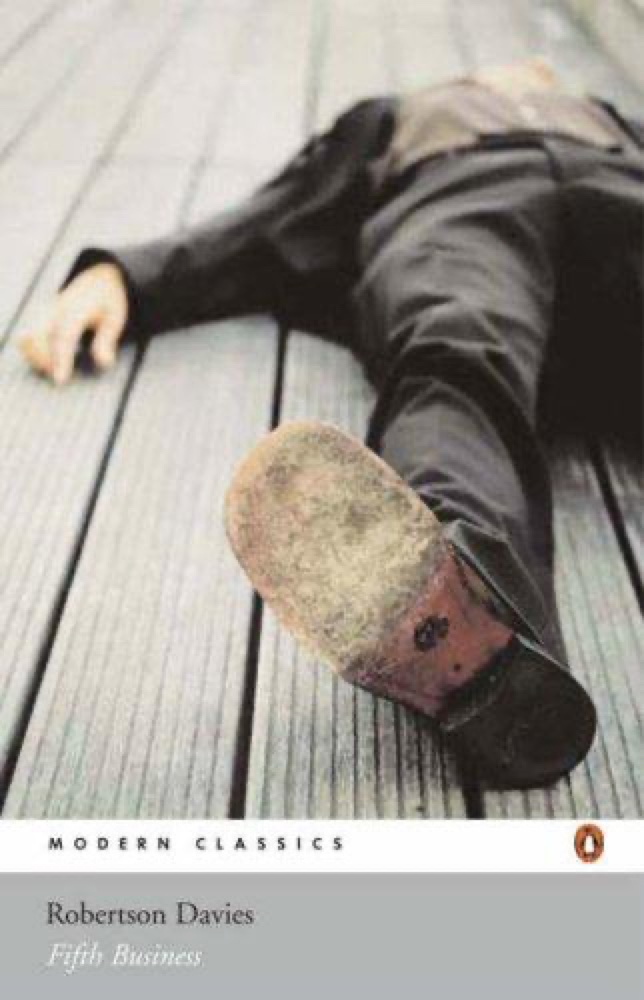 Fifth Business
 False Memory
 Mary Barton
 The Jewel in the Crown
 Lonesome Dove
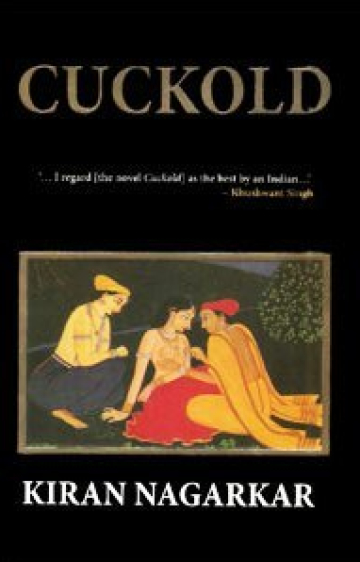 Cuckold
 A Room with a View
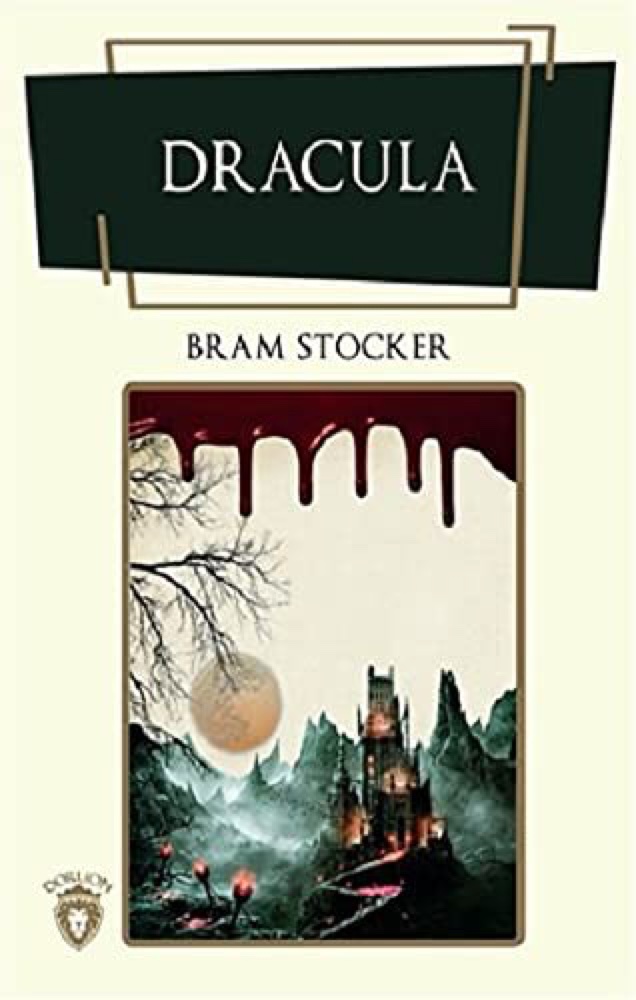 Dracula
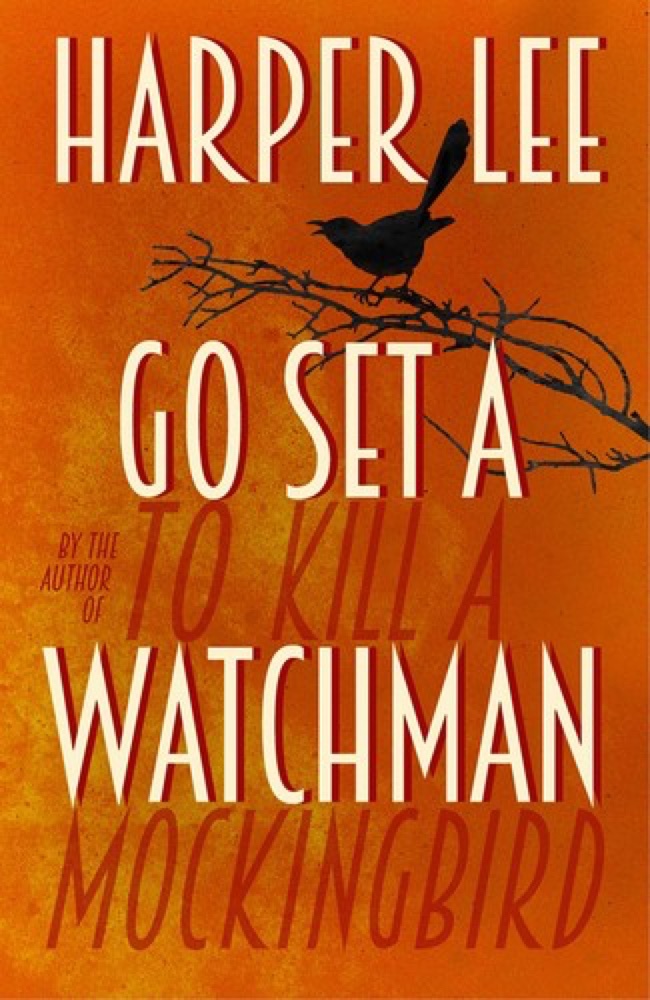 Go Set a Watchman
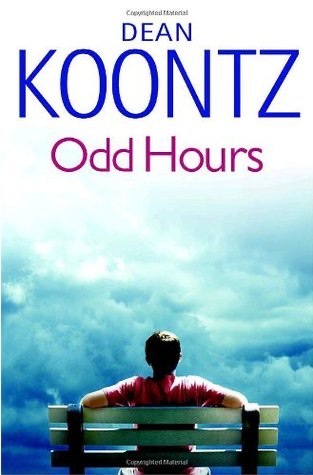 Odd Hours
 That Hideous Strength
 Noli Me Tángere
 Horns
Horns
 Bleak House
 Adam Bede
 Utopia
 The Once and Future King
 Complete Poems
 The Stand
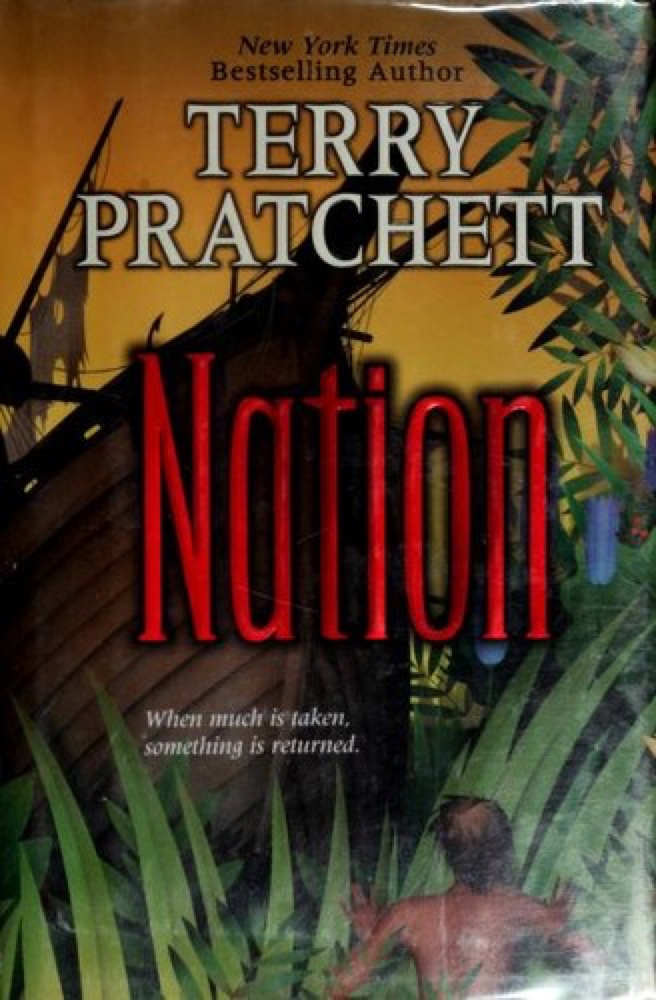 Nation
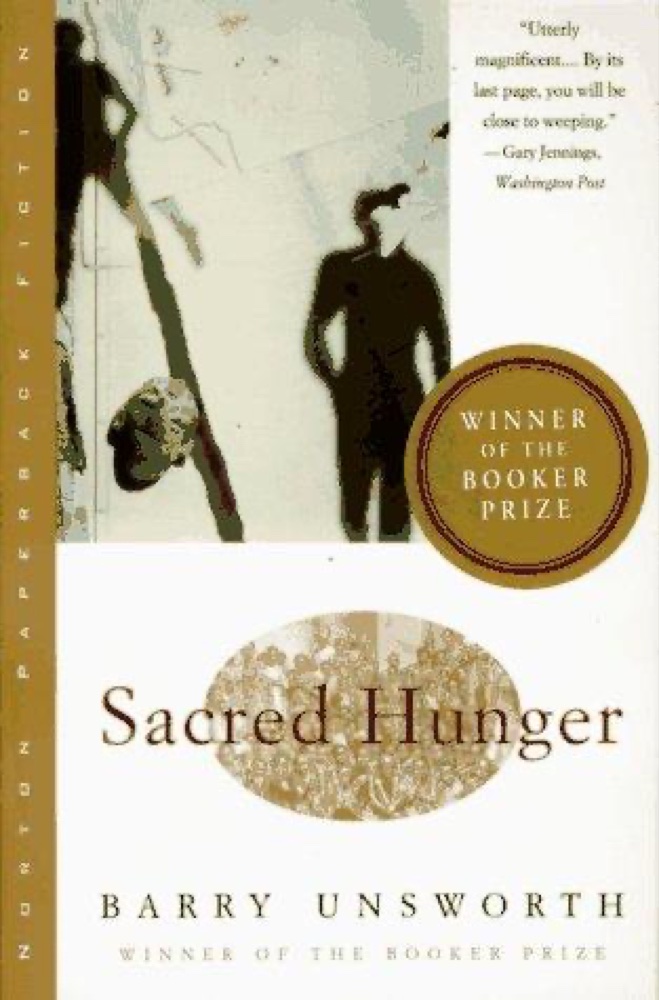 Sacred Hunger
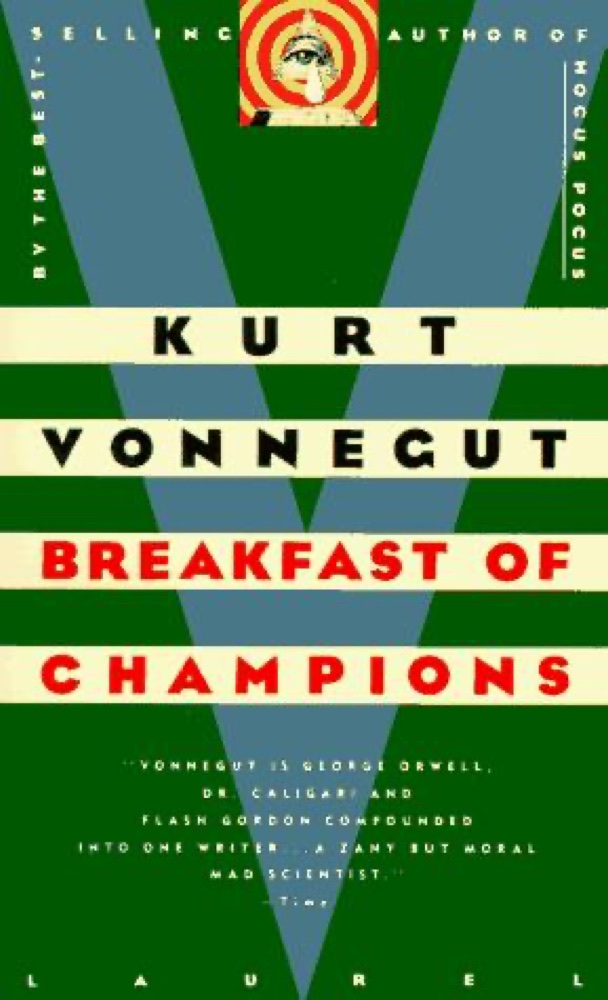 Breakfast of Champions
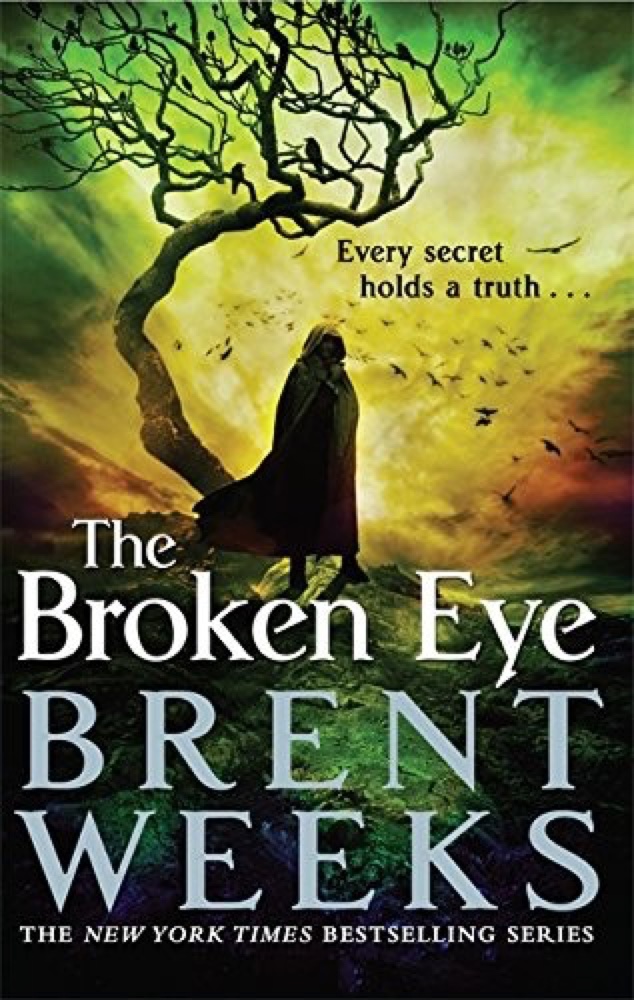 The Broken Eye
 Saving Fish from Drowning
 Different Seasons
 Gilead
 Day Watch
 The History of Tom Jones, a Foundling
 The Prince and the Pauper
 Freddy and Fredericka
 Alias Grace