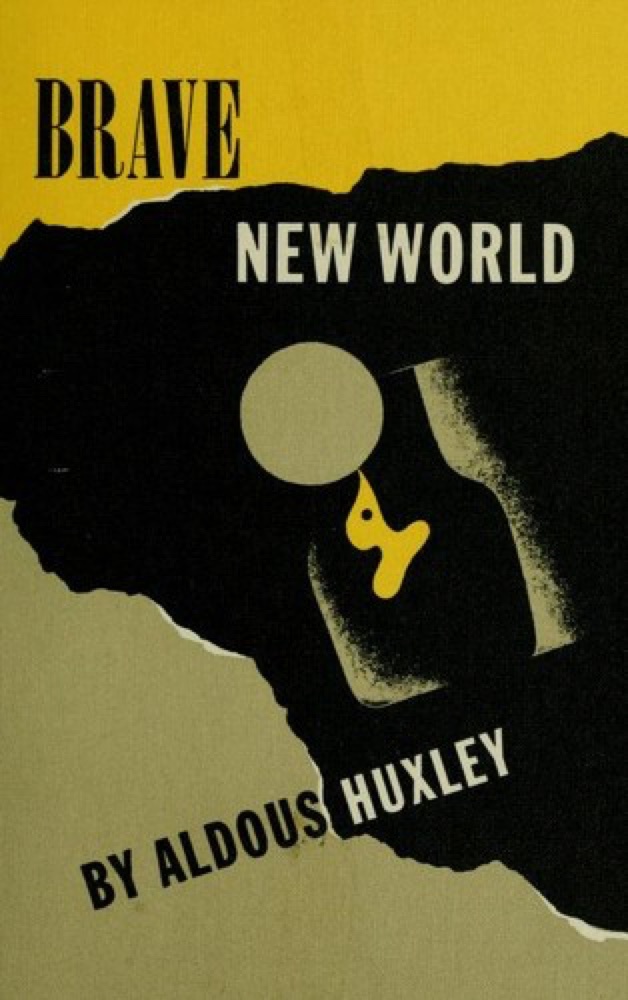

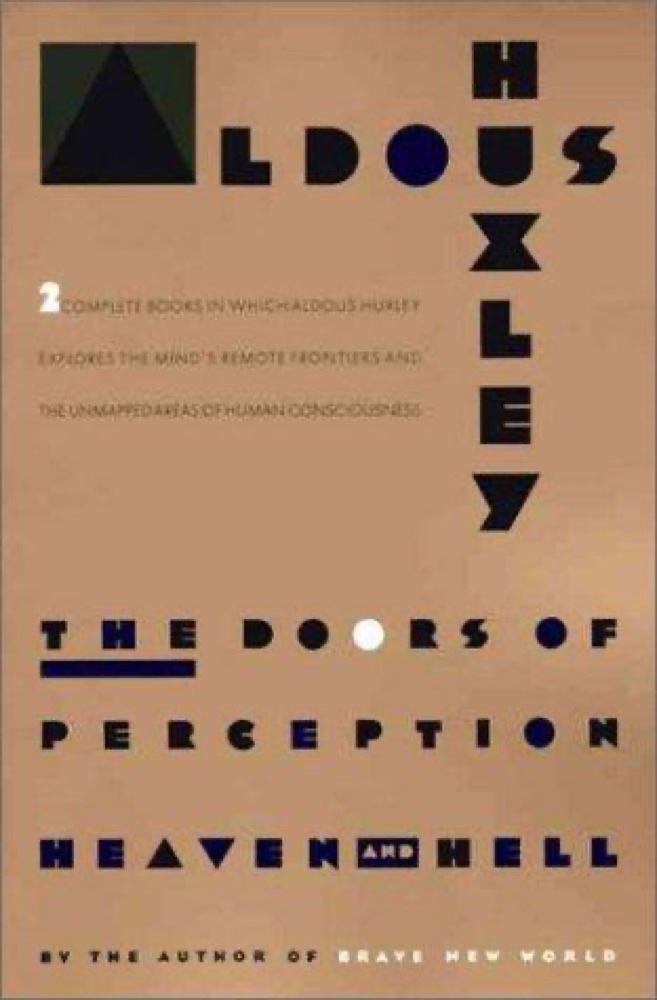
 The Doors of Perception & Heaven and Hell
Quotes from the Book
Words can be like X-rays if you use them properly -- they’ll go through anything. You read and you’re pierced.
But I don't want comfort. I want God, I want poetry, I want real danger, I want freedom, I want goodness. I want sin.
Actual happiness always looks pretty squalid in comparison with the overcompensations for misery. And, of course, stability isn't nearly so spectacular as instability. And being contented has none of the glamour of a good fight against misfortune, none of the picturesqueness of a struggle with temptation, or a fatal overthrow by passion or doubt. Happiness is never grand.
If one's different, one's bound to be lonely.
I want to know what passion is. I want to feel something strongly.
I am I, and I wish I weren't.
One believes things because one has been conditioned to believe them.
I like being myself. Myself and nasty.
Chronic remorse, as all the moralists are agreed, is a most undesirable sentiment. If you have behaved badly, repent, make what amends you can and address yourself to the task of behaving better next time. On no account brood over your wrongdoing. Rolling in the muck is not the best way of getting clean.
All right then," said the savage defiantly, I'm claiming the right to be unhappy." "Not to mention the right to grow old and ugly and impotent; the right to have syphilis and cancer; the right to have too little to eat, the right to be lousy; the right to live in constant apprehension of what may happen tomorrow; the right to catch typhoid; the right to be tortured by unspeakable pains of every kind." There was a long silence. "I claim them all," said the Savage at last.
...most men and women will grow up to love their servitude and will never dream of revolution.
Most human beings have an almost infinite capacity for taking things for granted.
I ate civilization. It poisoned me; I was defiled. And then," he added in a lower tone, "I ate my own wickedness.
I'd rather be myself," he said. "Myself and nasty. Not somebody else, however jolly.
...reality, however utopian, is something from which people feel the need of taking pretty frequent holidays....
The Savage nodded, frowning. "You got rid of them. Yes, that's just like you. Getting rid of everything unpleasant instead of learning to put up with it. Whether 'tis better in the mind to suffer the slings and arrows or outrageous fortune, or to take arms against a sea of troubles and by opposing end them...But you don't do either. Neither suffer nor oppose. You just abolish the slings and arrows. It's too easy." ..."What you need," the Savage went on, "is something with tears for a change. Nothing costs enough here.
There was a thing called Heaven; but all the same they used to drink enormous quantities of alcohol." ... "There was a thing called the soul and a thing called immortality." ... "But they used to take morphia and cocaine." ... "Two thousand pharmacologists and biochemists were subsidized in A.F. 178." ... "Six years later it was being produced commercially. The perfect drug." ... "Euphoric, narcotic, pleasantly hallucinant." ... "All the advantages of Christianity and alcohol; none of their defects." ... "Take a holiday from reality whenever you like, and come back without so much as a headache or a mythology." ... "Stability was practically assured.
One of the principal functions of a friend is to suffer (in a milder and symbolic form) the punishments that we should like, but are unable, to inflict upon our enemies.
A really efficient totalitarian state would be one in which the all-powerful executive of political bosses and their army of managers control a population of slaves who do not have to be coerced, because they love their servitude.
There was a thing called Heaven; but all the same they used to drink enormous quantities of alcohol.
Great is truth, but still greater, from a practical point of view, is silence about truth.
I want God, I want poetry, I want danger, I want freedom, I want sin.
A love of nature keeps no factories busy.
It is natural to believe in God when you're alone-- quite alone, in the night, thinking about death.
Isn't there something in living dangerously?' There's a great deal in it,' the Controller replied. 'Men and women must have their adrenals stimulated from time to time.' What?' questioned the Savage, uncomprehending. It's one of the conditions of perfect health. That's why we've made the V.P.S. treatments compulsory.' V.P.S.?' Violent Passion Surrogate. Regularly once a month. We flood the whole system with adrenin. It's the complete physiological equivalent of fear and rage. All the tonic effects of murdering Desdemona and being murdered by Othello, without any of the inconvenience.' But I like the inconveniences.' We don't,' said the Controller. 'We prefer to do things comfortably.' But I don't want comfort. I want God, I want poetry, I want real danger, I want freedom, I want goodness. I want sin.' In fact,' said Mustapha Mond, 'you're claiming the right to be unhappy. Not to mention the right to grow old and ugly and impotent; the right to have syphilis and cancer, the right to have too little to eat; the right to be lousy; the right to live in constant apprehension of what may happen tomorrow; the right to catch typhoid; the right to be tortured by unspeakable pains of every kind.' There was a long silence. I claim them all,' said the Savage at last. Mustapha Mond shrugged his shoulders. 'You're welcome,' he said.
We are not our own any more than what we possess is our own. We did not make ourselves, we cannot be supreme over ourselves. We are not our own masters.
Did you know?
- The novel's title is drawn from a line spoken by Miranda in Shakespeare's play The Tempest.
- The story is set in the year AF 632, dated from the introduction of the Ford Model T, so 'Our Ford' replaces 'Our Lord' in the World State.
- Huxley wrote the novel in about four months in 1931 while living in France.
- The character John, raised outside the World State, constantly quotes Shakespeare, whose works are banned in that society.
- Citizens are pacified by a state-provided pleasure drug called soma that removes discomfort without side effects.
- Huxley later wrote a nonfiction work, Brave New World Revisited (1958), reflecting on how close reality had come to his predictions.
About Aldous Huxley
Aldous Huxley (1894-1963) was an English writer and philosopher, part of the prominent Huxley family, best known for his dystopian novel Brave New World and later for works exploring mysticism and psychedelics such as The Doors of Perception.
More about the author →More by Aldous Huxley
All books by Aldous Huxley →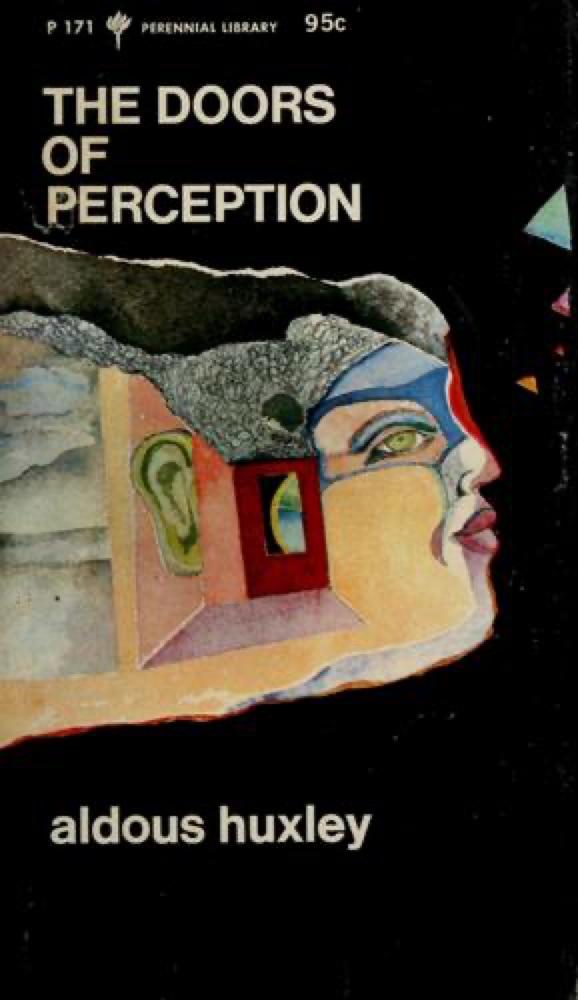
About the book
Brave New World is Aldous Huxley's 1932 dystopian novel set in a genetically engineered future civilization known as the World State, where in the year AF 632 (roughly AD 2540) human beings are mass-produced in hatcheries and psychologically conditioned into a rigid caste system. Citizens are kept placid through the pleasure drug soma, casual promiscuity, and constant consumption, having traded freedom and individuality for stability and comfort. The story follows Bernard Marx, a discontented specialist, whose visit to a Savage Reservation in New Mexico brings John, an outsider raised on Shakespeare, into a society he can neither accept nor endure.
At its core the book explores the tension between individual freedom and social order, and how technological advancement, engineered pleasure, and psychological conditioning can be used to suppress human dignity as effectively as overt tyranny. Huxley examines consumerism, the loss of art and deep feeling, and the dangers of a world that eliminates suffering by eliminating meaning, questioning whether happiness without truth or liberty is worth having.
Brave New World has become one of the twentieth century's most influential works of speculative fiction, frequently paired with George Orwell's Nineteen Eighty-Four as a defining vision of dystopia. Its warning about control through distraction and pleasure rather than force has shaped decades of debate about technology, freedom, and society, and its title and concepts have entered common cultural vocabulary.
Key characters
- Bernard MarxA discontented Alpha sleep-learning specialist and social misfit
- John (the Savage)An outsider raised on the Reservation who quotes Shakespeare and rejects the World State
- Lenina CrowneA popular Beta foetus technician who accompanies Bernard to the Reservation
- Helmholtz WatsonA gifted lecturer and writer seeking creative and emotional fulfillment
- Mustapha MondThe Resident World Controller of Western Europe who defends the World State's order
- LindaJohn's mother, a World State citizen who was stranded on the Reservation
Book details
- First published
- 1932
- Length
- 311 pages
- Reading time
- 4 hours
- Author
- Aldous Huxley
- Genre
- Classics
- Goodreads rating
- 3.98 (2.1M ratings) →
- First line
- “A squat grey building of only thirty-four stories.”
Movie & TV adaptations
- IMDb
- IMDb
- IMDb
If you liked this, read…
- 1Nineteen Eighty-FourThe other defining twentieth-century dystopia, contrasting control by fear with control by pleasure
- 2Fahrenheit 451A dystopia where comfort and distraction suppress independent thought and literature
- 3WeZamyatin's earlier dystopia of a regimented, engineered society that influenced the genre
Keep reading
 East of Eden
 Point Counter Point
 The Immoralist
 The Magus
 The Razor's Edge
 Steppenwolf
 Freedom
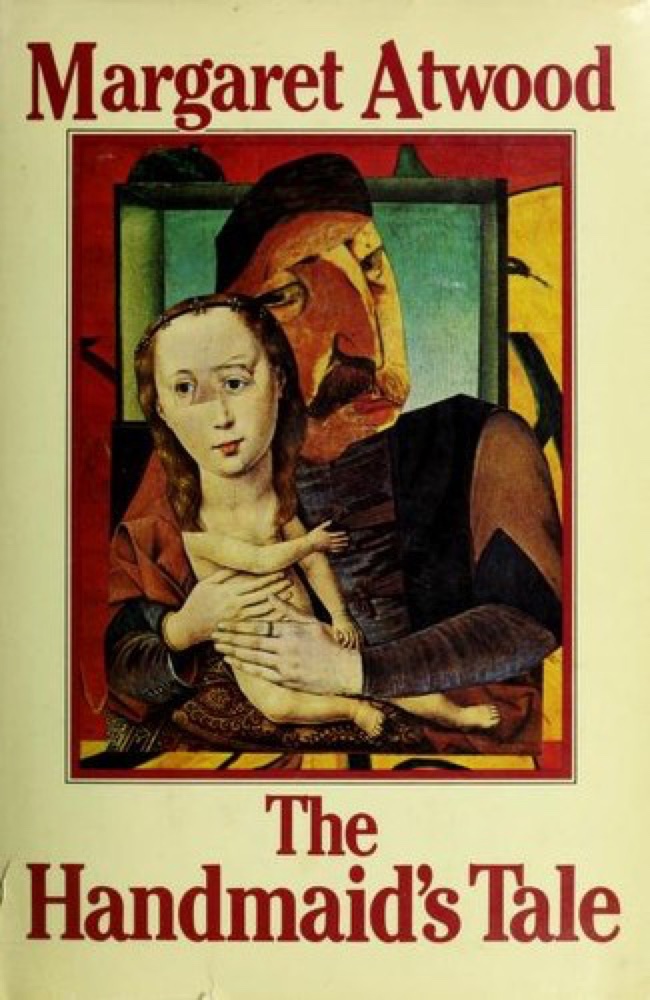 The Handmaid's Tale
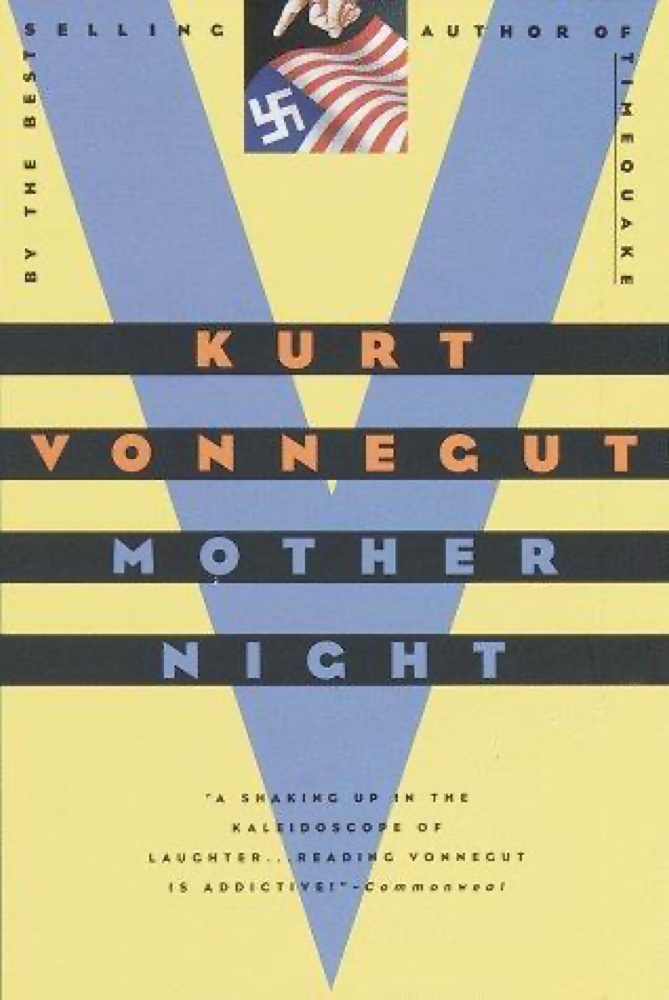 Mother Night
 Doctor Zhivago
 Kingdom of Fear: Loathsome Secrets of a Star-Crossed Child in the Final Days of the American Century
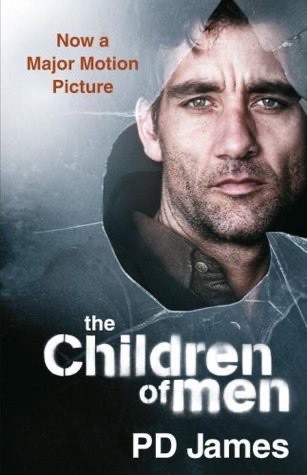 The Children of Men
 Humboldt's Gift
 The Sea, the Sea
 Hard-Boiled Wonderland and the End of the World
 Even Cowgirls Get the Blues
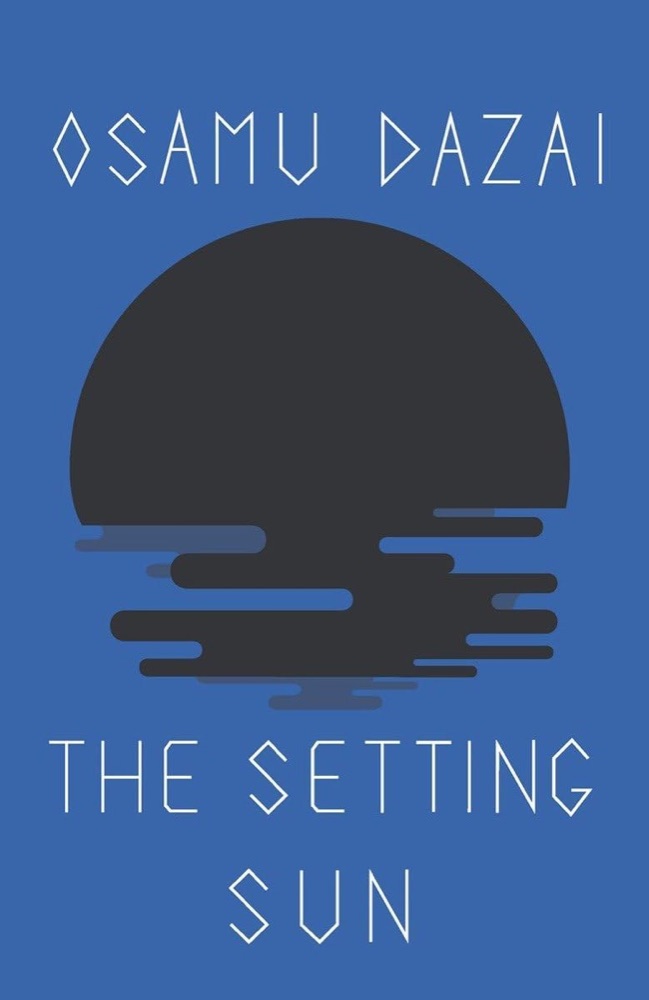 The Setting Sun
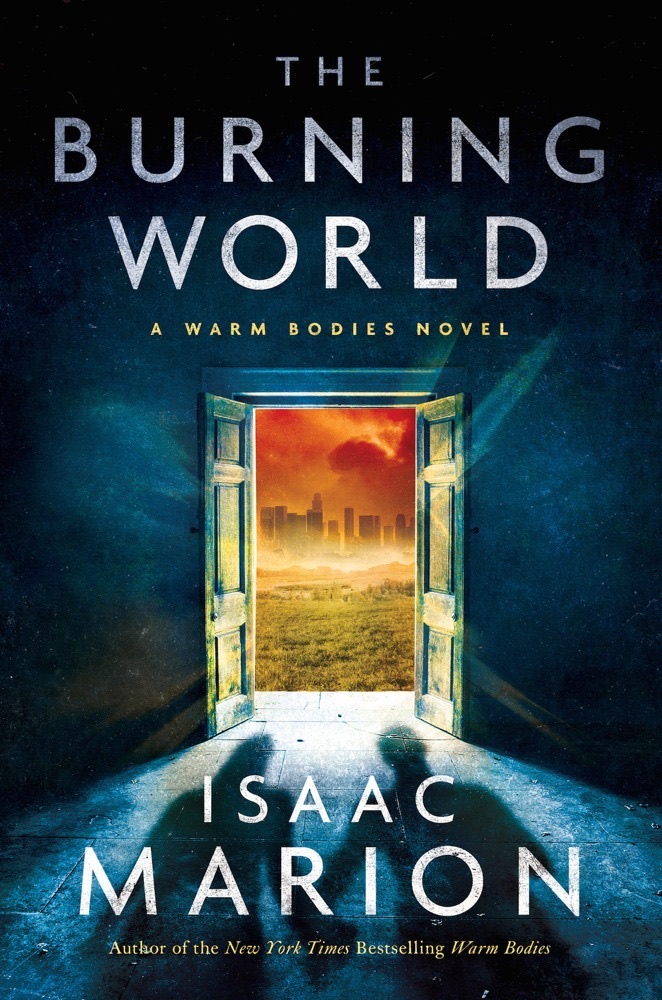 The Burning World
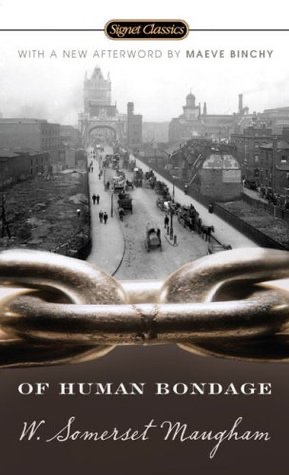 Of Human Bondage
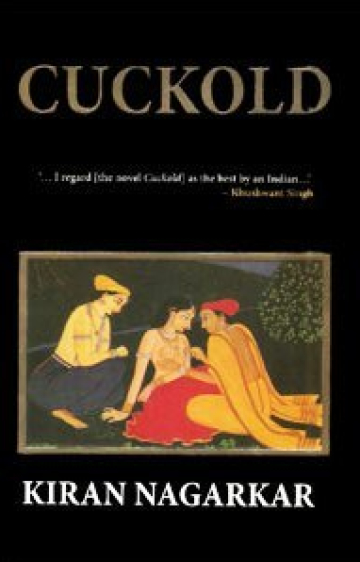 Cuckold
 The Golden Notebook
 The Magic Mountain
 The Moon is a Harsh Mistress
 The Adventures of Augie March
 The Fall
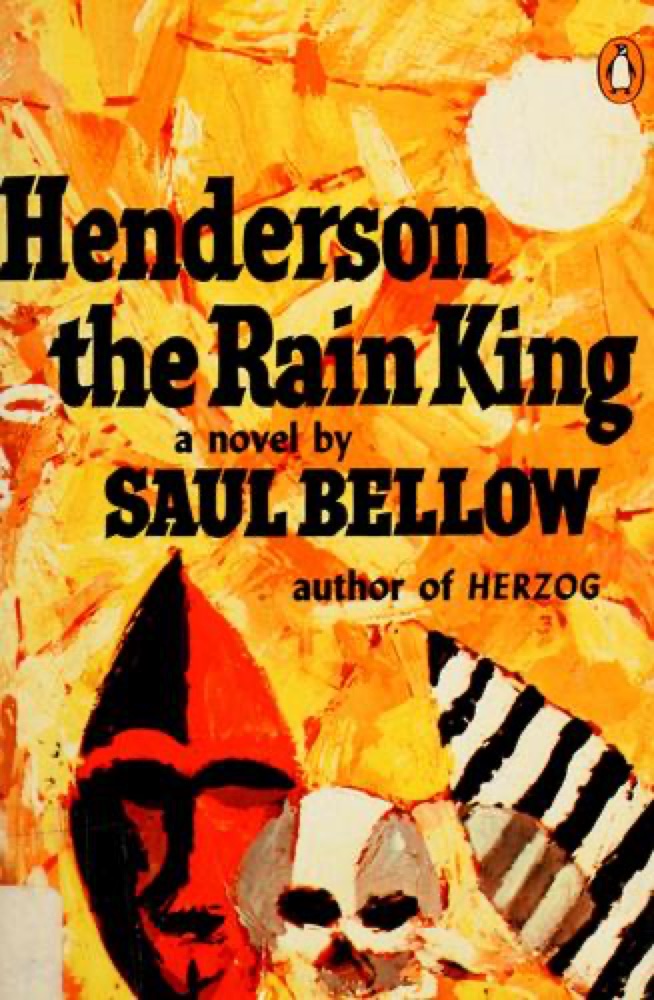 Henderson the Rain King
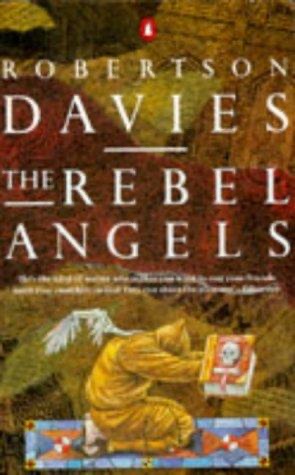 The Rebel Angels
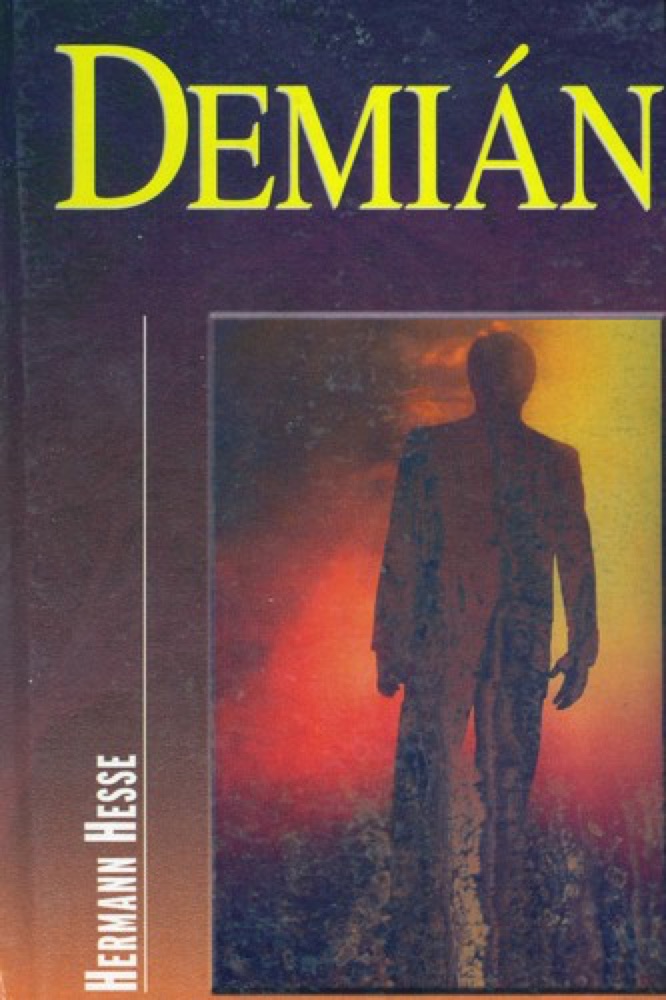 Demian
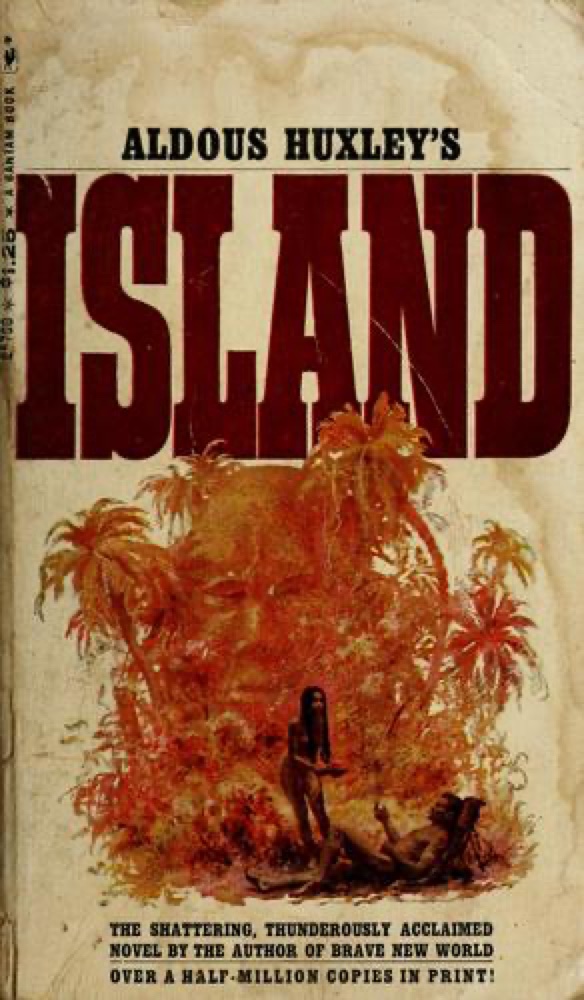 Island
 Notes from Underground
 Cat's Cradle
 Beyond Good and Evil
 Autobiography
 Embers
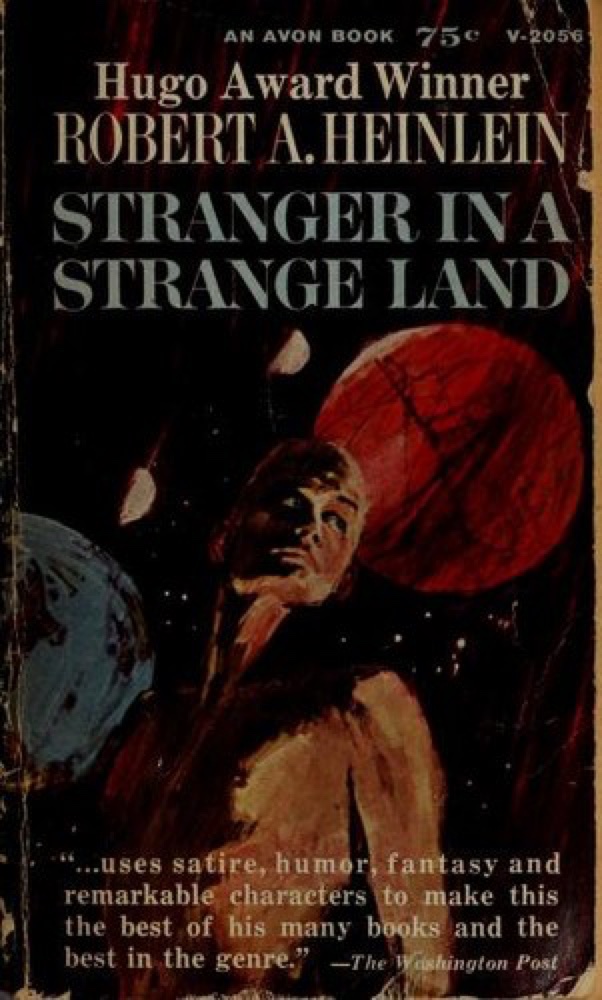 Stranger in a Strange Land
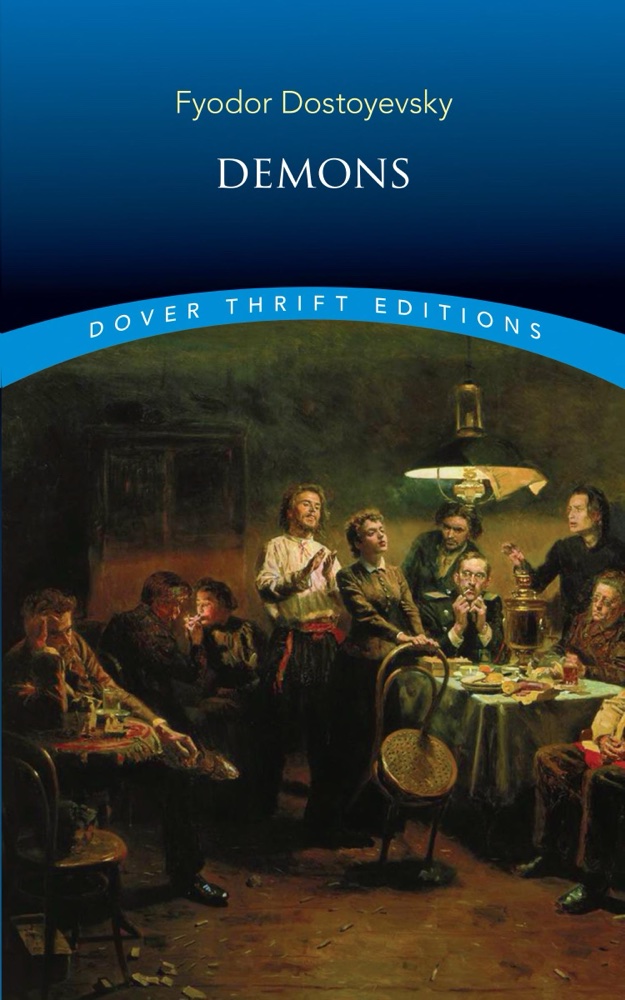 Demons
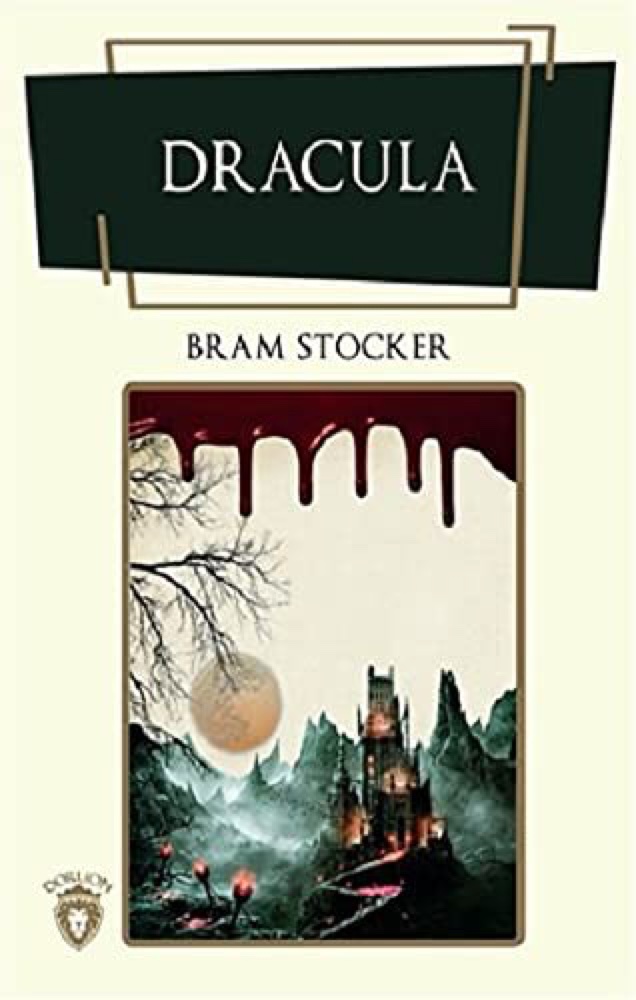 Dracula
 Tropic of Cancer
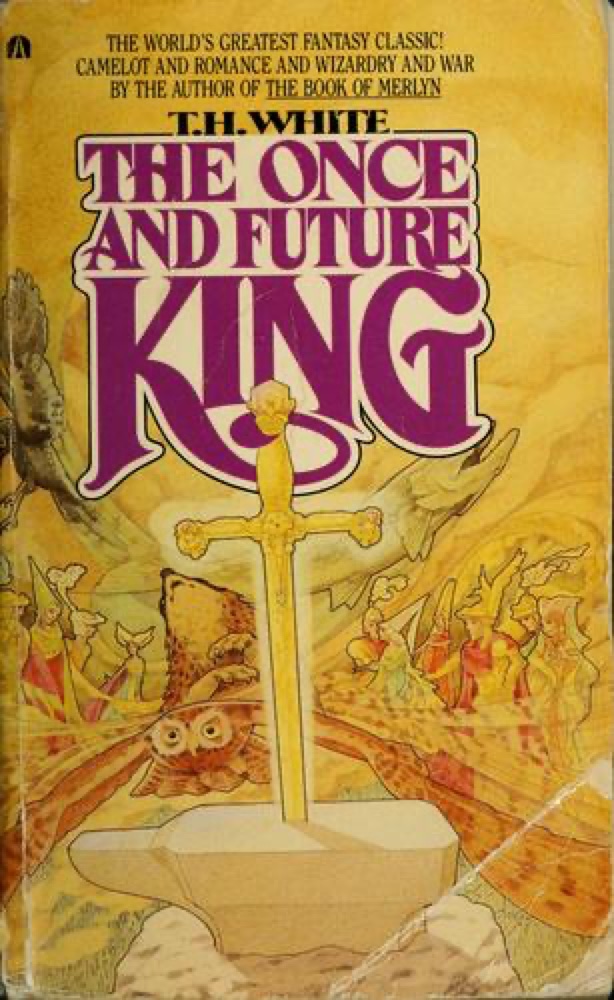 The Once and Future King
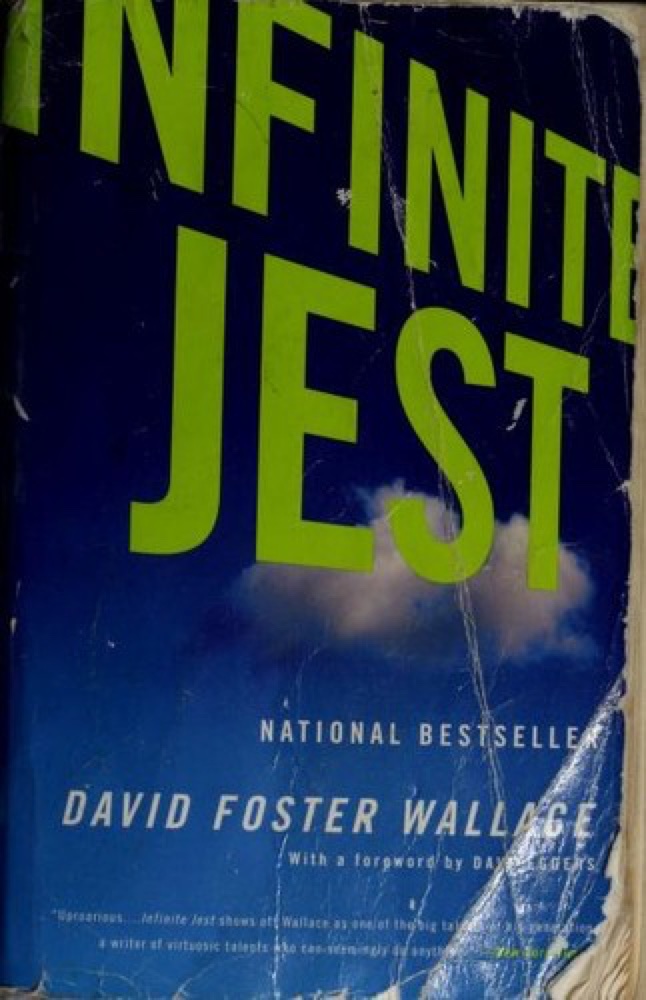 Infinite Jest
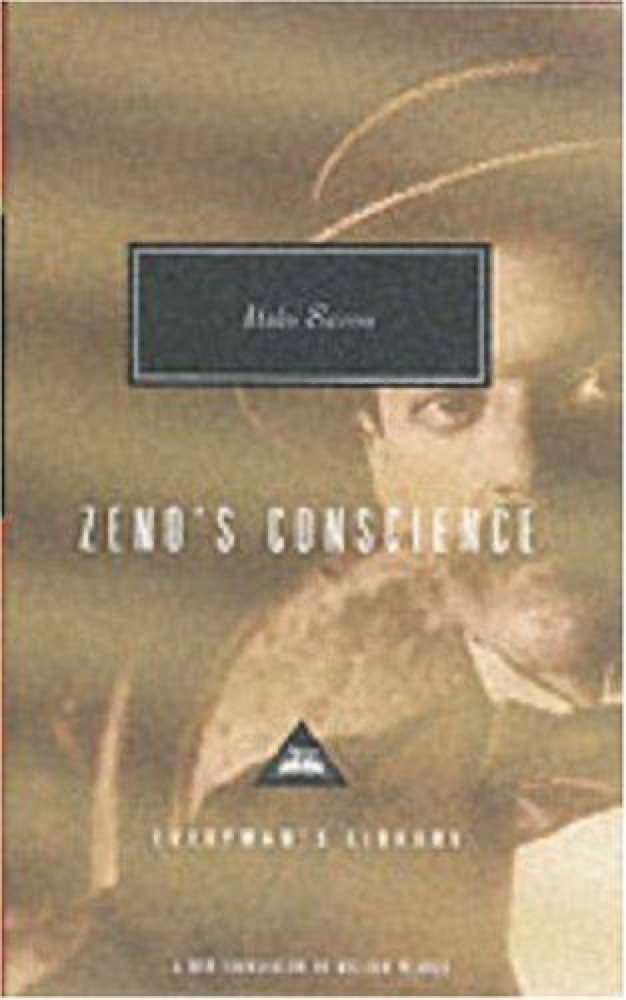 Zeno's Conscience
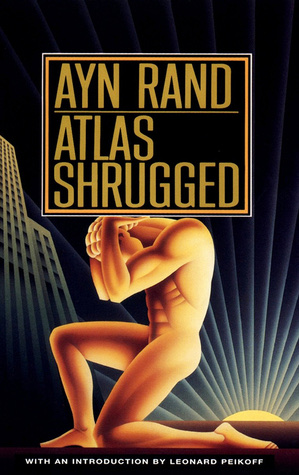 Atlas Shrugged
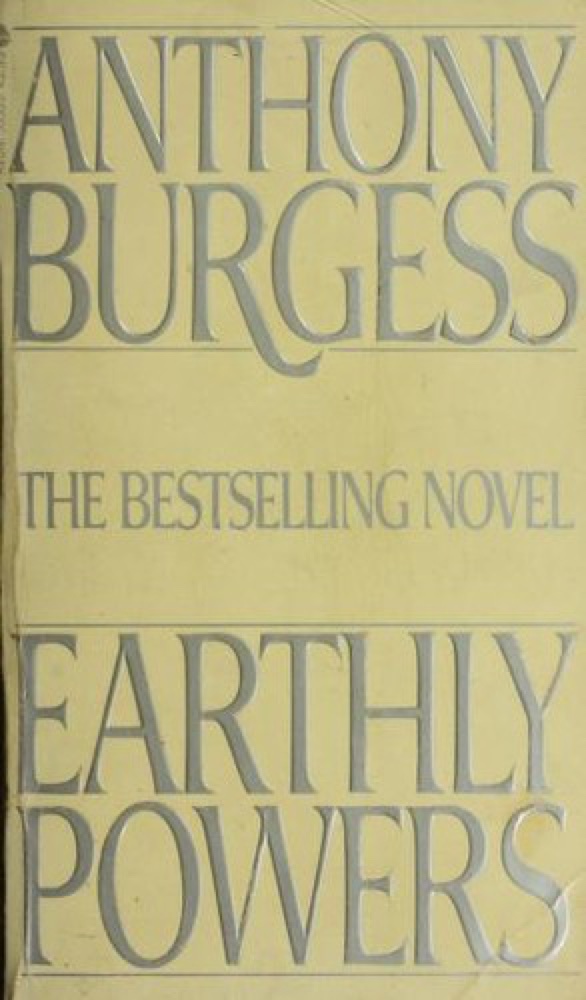 Earthly Powers
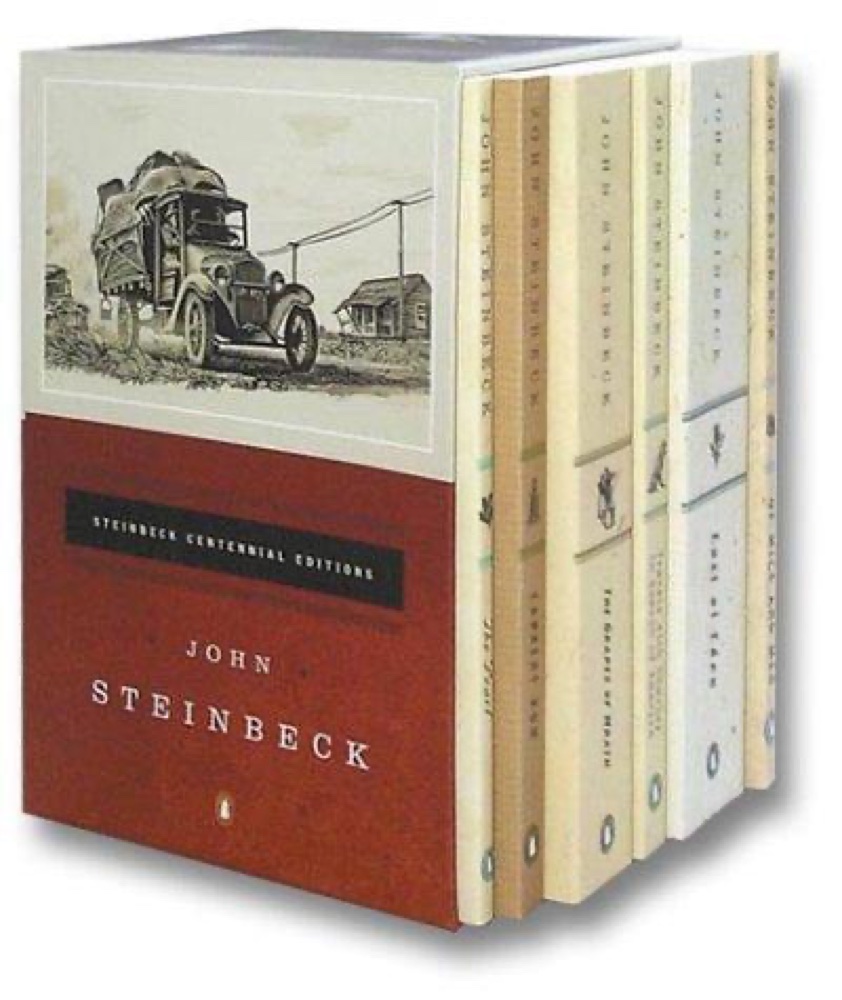 Travels with Charley: In Search of America
 Odd Hours
 Antic Hay
 The Lords of Discipline
 Breakfast of Champions
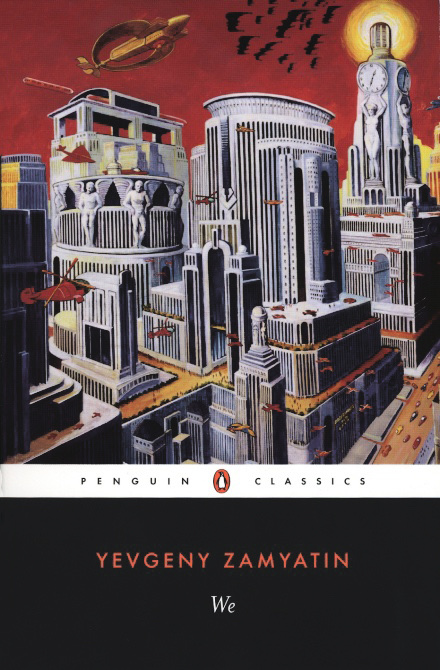 We
We
 Hyperion
 Lady Chatterley's Lover
 The Story of the Lost Child
 Big Machine
 Man and Superman
 Odd Thomas
 We the Living
 Three Comrades
 Sacred Hunger
 The Gay Science
 Journey to the End of the Night