 Relationships: A Mess Worth Making
Quotes from the Book
Trusting God does not mean believing he will do what you want, but rather believing he will do everything he knows is good.
6
It is easier to accept your limits if you have a biblical view of success. The world defines success in terms of what a person possesses, controls, or accomplishes. God defines success in terms of faithful obedience to his will. The world asks, 'What results have your achieved?' God asks, 'Were you faithful to my ways?
6
Forgiveness may be described as a decision to make four promises: "I will not think about this incident." "I will not bring up this incident again or use it against you." "I will not talk to others about this incident." "I will not allow this incident to stand between us or hinder our personal relationship." By making and keeping these promises, you tear down the walls that stand between you and your offender. You promise not to dwell on or brood over the problem, nor to punish by holding the person at a distance. You clear the way for your relationship to develop unhindered by memories of past wrongs. This is exactly what God does for us, and it is what he commands us to do for others.
5
If you believe that God is watching over you with perfect love and unlimited power, you will be able to serve him faithfully as a peacemaker, even in the most difficult circumstances.
4
Ron Kraybill, a respected Christian mediator, has noted that "effective confrontation is like a graceful dance from supportiveness to assertiveness and back again." This dance may feel awkward at first for those who are just learning it, but perseverance pays off. With God's help you can learn to speak the truth in love by saying only what will build others up, by listening responsibly to what others say, and by using principles of wisdom.
4
The concept of stewardship is especially relevant to peacemaking. Whenever you are involved in a conflict, God has given you a management opportunity. He has entrusted you with natural abilities and spiritual resources, and his Word clearly explains how he wants you to manage the situation. The more faithfully you follow his instructions, the more likely you are you are to see a proper solution and genuine reconciliation. Moreover, faithful stewarding will leave you with a clear conscience before God, regardless of what the other people do.
3
The more you make Jesus the treasure of your heart, the less room there will be in your life for idols.
3
Worthless talk can also contribute to conflict, even if you intend no harm. It violates God’s high standard for talking to or about others: “Do not let any unwholesome talk come out of your mouths, but only what is helpful for building others up according to their needs, that it may benefit those who listen” (Eph. 4:29). Worthless talk also shows a disregard for Jesus’ warning, “But I tell you that men will have to give account on the day of judgment for every careless word they have spoken” (Matt. 12:36). If you memorize these passages and use them consciously as a filter for your words, it can help you to avoid many kinds of careless, critical, worthless words and to speak only those things that will benefit others, build them up, and promote spiritual growth.
2
There are three dimensions to the peace that God offers to us through Christ: peace with God, peace with one another, and peace within ourselves.
2
repentance is sometimes described as "coming to our senses" (see Luke 15:17)- 2 Tim. 2:25-26). It involves a waking up to the fact that we have been deceiving ourselves and that our ideas, attitudes, values, or goals have been wrong.
1
When Christians learn to be peacemakers, they can turn conflict into an opportunity to strengthen relationships, preserve valuable resources, and make their lives a testimony to the love and power of Christ.
Paul’s reference to “burning coals on his head” indicates the irresistible power of deliberate, focused love. Ancient armies often used burning coals to fend off attackers (Ps. 120:4). No soldier could resist this weapon for long; it would eventually overcome even the most determined attacker. Love has the same irresistible power. At the very least, actively loving an enemy will protect you from being spiritually defeated by anger, bitterness, and thirst for revenge. And, in some cases, your active and determined love for your opponent may be used by God to bring that person to repentance.
One of the best ways to avoid straying from the Lord is to surround yourself with wise and spiritually mature people who will encourage you to stay on a biblical course, even when the going is tough.
If you indulge in reckless talk, falsehood, gossip, slander, or worthless talk, you will not only stir up conflict, but also erode your own character and relationship with God. Therefore, for the sake of peace and spiritual growth, renounce all such talk and seek God’s help in overcoming it.
Slander involves speaking false and malicious words about another person. The Bible repeatedly warns against such talk (e.g., Lev. 19:16; Titus 2:3) and commands us to “have nothing to do” with slanderers who refuse to repent (2 Tim. 3:3–5). We should be especially sobered by the fact that the Greek word diabolos, translated as “slanderer” or “accuser,” is used thirty-four times in the Bible as a title for the devil, the world’s chief slanderer.
To gossip means to betray a confidence or to discuss unfavorable personal facts about another person with someone who is not part of the problem or its solution. Even if the information you discuss is true, gossip is always sinful and a sign of spiritual immaturity (2 Cor. 12:20; cf. Prov. 11:13; 20:19; 1 Tim. 5:13).
If he is God, he is worthy of my worship, and my service.
Conflict always provides an opportunity to glorify God, that is, to bring him praise and honor by showing who he is, what he is like, and what he is doing.
Conflict is one of the many tools that God will use to help you develop a more Christ-like character. To begin with, he may use conflict to remind you of your weaknesses and to encourage you to depend more on him (2 Cor. 12:7–10).
No matter what race or country we come from, none of us is naturally inclined to obey Jesus’ commands to love our enemies, confess our wrongs, gently correct others, submit to our church, and forgive those who hurt us. In fact, left to our own instincts, we are disposed to do just the opposite.
If the abuser is a Christian, his church has a responsibility to confront his sin, promote genuine repentance and confession, support counseling, and require him to submit to necessary legal consequences. This involvement can and should be carried out in cooperation with actions that civil authorities must take to deal with the abuse. At the same time, the church should be ministering lovingly and diligently to the victim of abuse. This calls for compassion and understanding, acknowledging any role the church may have played in failing to properly protect the victim, providing needed counseling, and changing policies and practices to prevent similar abuse in the future.
Here again the concept of stewardship serves as a helpful guiding principle. Rights are not something you deserve and possess for your own benefit. Rather, they are privileges given to you by God, and he wants you to use them for his glory and to benefit others, especially by helping them know Christ. As a steward, it is also appropriate to consider your needs and personal responsibilities
Watch on YouTube
About Ken Sande
About the book
Jesus said, "Blessed are the peacemakers." But it often seems like conflict and disagreement are unavoidable. Serious, divisive conflict is everywhere-within families, in the church, and out in the world. And it can seem impossible to overcome its negative force in our lives.
In The Peacemaker, Ken Sande presents a comprehensive and practical theology for conflict resolution designed to bring about not only a cease-fire but also unity and harmony. Sande takes readers beyond resolving conflicts to true, life-changing reconciliation with family members, coworkers, and fellow believers.
Biblically based, The Peacemaker is full of godly wisdom and useful suggestions that are easily applied to any relationship needing reconciliation. Sande's years of experience as an attorney and as president of Peacemaker Ministries will strengthen readers' confidence as they stand in the gap as peace
Book details
- First published
- 1990
- Author
- Ken Sande
- Genre
- Nonfiction
- Goodreads rating
- 4.29 (6k ratings)
Keep reading
Relationships: A Mess Worth Making
 The Message Remix
 How People Change
 The Bait Of Satan: Living Free from the Deadly Trap of Offense
 The Prodigal God: Recovering the Heart of the Christian Faith
 Just Like Jesus: Learning to Have a Heart Like His
 Breaking Free: Discover the Victory of Total Surrender
 Life Together: The Classic Exploration of Christian Community
 Encounters with Jesus: Unexpected Answers to Life's Biggest Questions
 Don't Give the Enemy a Seat at Your Table: It's Time to Win the Battle of Your Mind...
 Having a Mary Heart in a Martha World: Finding Intimacy with God in the Busyness of Life
 Hope for the Troubled Heart: Finding God in the Midst of Pain
 Hope for Each Day: Words of Wisdom and Faith
 Moving Mountains: Praying with Passion, Confidence, and Authority
 Discipline: The Glad Surrender
 In His Image: 10 Ways God Calls Us to Reflect His Character
 Believing God
 The Grand Weaver: How God Shapes Us through the Events in Our Lives
 The Cost of Discipleship
 Knowing God
 Jesus Over Everything: Uncomplicating the Daily Struggle to Put Jesus First
 To Live Is Christ: Joining Paul's Journey of Faith
 Jesus Is: Find a New Way to Be Human
 Systematic Theology: An Introduction to Biblical Doctrine
 Ten Words to Live By: Delighting in and Doing What God Commands
 Emotionally Healthy Spirituality: Unleash A Revolution In Your Life in Christ
 New Morning Mercies: A Daily Gospel Devotional
 Love Wins Low Price CD: Love Wins Low Price CD
 What Did You Expect?: Redeeming the Realities of Marriage
 Grace for the Moment: Inspirational Thoughts for Each Day of the Year, Volume 1
 Erasing Hell: What God Said About Eternity, and the Things We've Made Up
 The Reason for God: Belief in an Age of Skepticism
 The Secret Thoughts of an Unlikely Convert: An English Professor's Journey Into Christian Faith
 The Me I Want to Be: Becoming God's Best Version of You
 He Chose the Nails: What God Did to Win Your Heart
 A Long Obedience in the Same Direction: Discipleship in an Instant Society
 Praying Like Monks, Living Like Fools: An Invitation to the Wonder and Mystery of Prayer
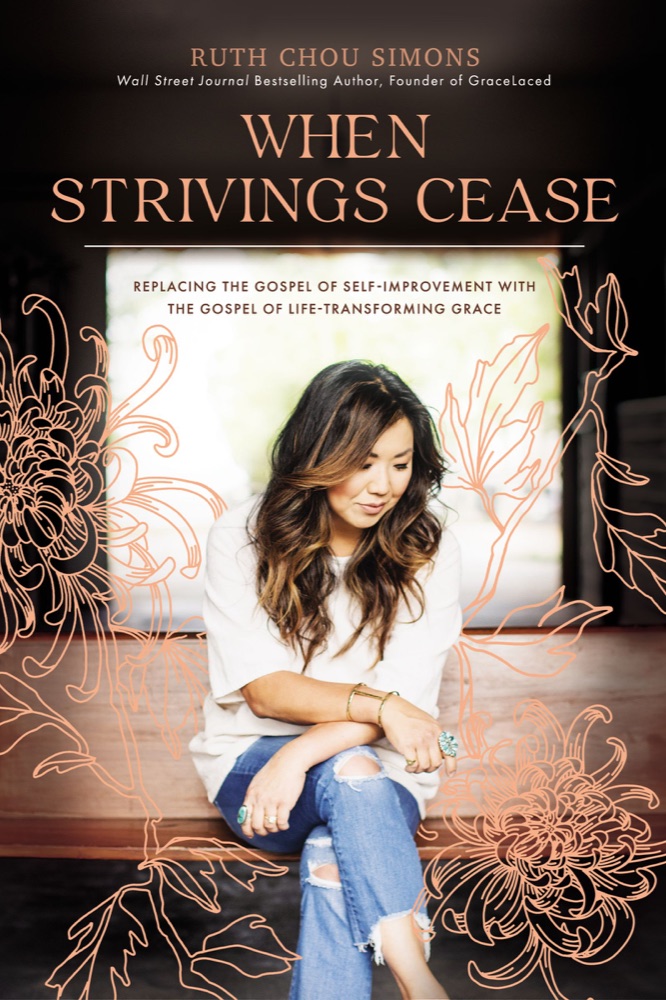 When Strivings Cease: Replacing the Gospel of Self-Improvement with the Gospel of Life-Transforming Grace
 My Utmost for His Highest
 What We Talk about When We Talk about God
 Pastrix: The Cranky, Beautiful Faith of a Sinner & Saint
 I Dare You: Embrace Life with Passion
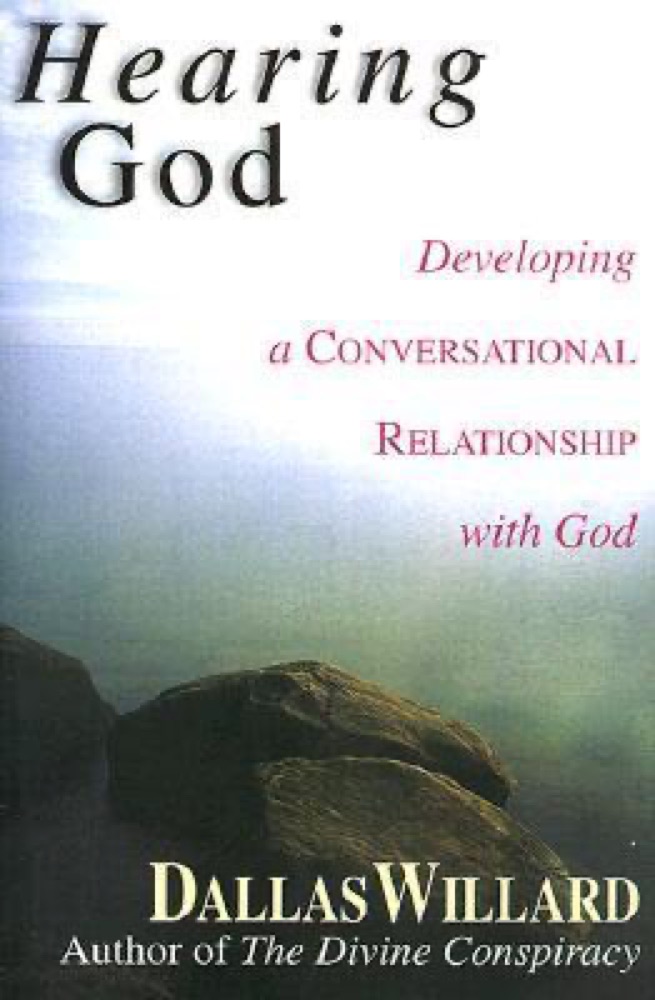 Hearing God: Developing a Conversational Relationship with God
 The Great Omission: Reclaiming Jesus's Essential Teachings on Discipleship
 The Bruised Reed
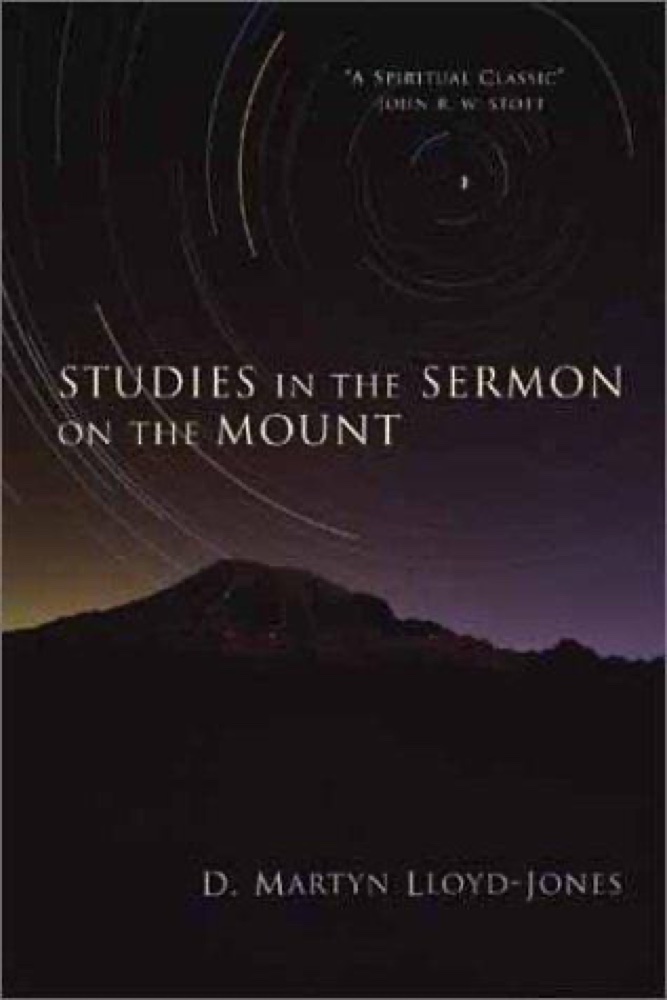 Studies in the Sermon on the Mount
 Disciplines of a Godly Man
 Life Application Study Bible: NIV
 When God Writes Your Love Story
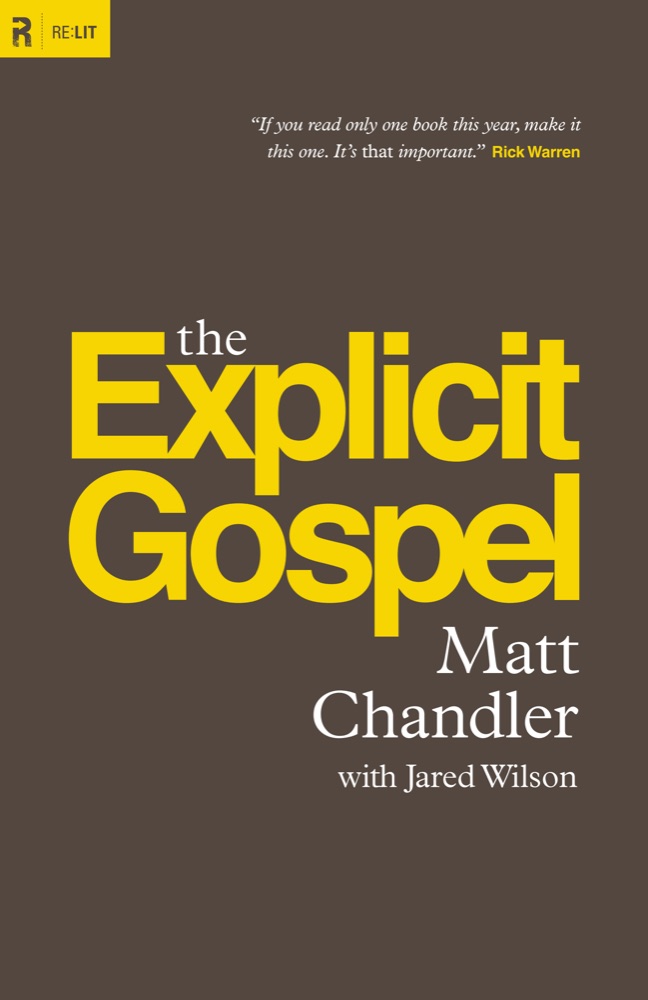 The Explicit Gospel
 The Christian Atheist: Believing in God but Living As If He Doesn't Exist
 The Ragamuffin Gospel
 The Normal Christian Life
 What Is a Healthy Church Member?
 The Divine Conspiracy: Rediscovering Our Hidden Life in God
 Gentle and Lowly: The Heart of Christ for Sinners and Sufferers
 All In: You Are One Decision Away From a Totally Different Life