
 March
March
Quotes from the Book
Well, as to that, all I'll say is, you can't take out a fellow's heart before he's ready to give it up.
9
There are times," I declared, "when I believe the dead haunt us because we love them too little.
5
My next thought was for Lord Suckling’s charming song: ‘I prithee send me back my heart / Since I cannot have thine.
3
I'm a solitary sort, I get chaffed by too many elbows.
3
I look back on the poor benighted creature I was before I met her, and I see a dead man. Marching in all the right directions, answering when spoken to, fulfilling all his appointed rounds, but dead all the same. And now this woman has awakened me, and I am alive at last, and at what cost! What pain it is to be among the living!
2
The first Snow, Landor! Rare bliss it was to awaken and to find every tree and rock overrun with snow; to find the snowflakes still spilling like hoarded coins from the sky’s cloud-purses.
2
I answered that quite to the contrary, I considered Death—and in particular, the death of a beautiful woman—to be Poetry’s grandest, most exalted theme.
2
It won’t do, gentlemen. I’m a solitary sort, I get chaffed by too many elbows.
2
I was given a room overlooking Constitution Island. The shutters kept out nearly all the starlight and moonlight—sleeping was a dive into a pit, and the sound of reveille seemed to come from a distant star. I lay there, watching the red light steal through the bottom of the shutters. The darkness felt delicious. I wondered if maybe I’d missed my true career.
2
He became, in that instant, pure topography: his belly a highland, tapering down to a head-hamlet, with two hard-blinking eye-ponds. Four servants rushed to his aid. He waved them off with a smile. Made
2
So as not to be murdered twice over. “Other times,” I continued, “I believe we love them too much. And as a consquence they are never free to depart, because we carry them, our most deeply beloved, within ourselves. Never dead, never silent, never appeased.
1
There are times,” I declared, “when I believe the dead haunt us because we love them too little. We forget them, you see; we don’t mean to, but we do.
1
Books, Mr. Landor!” “I do read, yes.” Not much of a library—a scant three rows in all—but mine. Poe’s fingers glided along the bindings.
1
I looked down at that sleeping head with its thin, rumpled hair, and I realized then that I had come to organize my days around—around Poe, I guess, or at least around these moments. They had become part of my mind’s calendar, and I depended on them, the way you depend on seasons to follow one another or the back door to stick or your cat to grab the same splash of sunlight every aftertoon.
I had come to a new way of thinking about time. It’s not the hard and fixed thing we imagine it to be, no, it’s something soft and pleated, and under extreme pressure, it folds
Why is it, Mr. Poe, that I would sooner spend an hour with you in the”—again she laughed—“in the gloomiest contemplations than spend another minute speaking of dresses and baubles and the things that make most people happy?
I replied that to the contrary, it was my belief that the Highlands, to be apprehended in the full extent of their glory, must be seen immediately after the fall of the leaf, for neither Summer’s verdancy nor Winter’s rime can then conceal the minutest objects from the eye. Vegetation, I told her, does not improve, but rather obstructs, God’s originating design.
Fright being, in its way, as communicable a disorder as leprosy, I soon felt my own heart pound, my own limbs stiffen,
Only when someone becomes vital do we try to give that first encounter the importance it would later have
Watch on YouTube
About Louis Bayard
We have collected 19 quotes from 1 book by Louis Bayard on BookQuoters.
More about the author →About the book
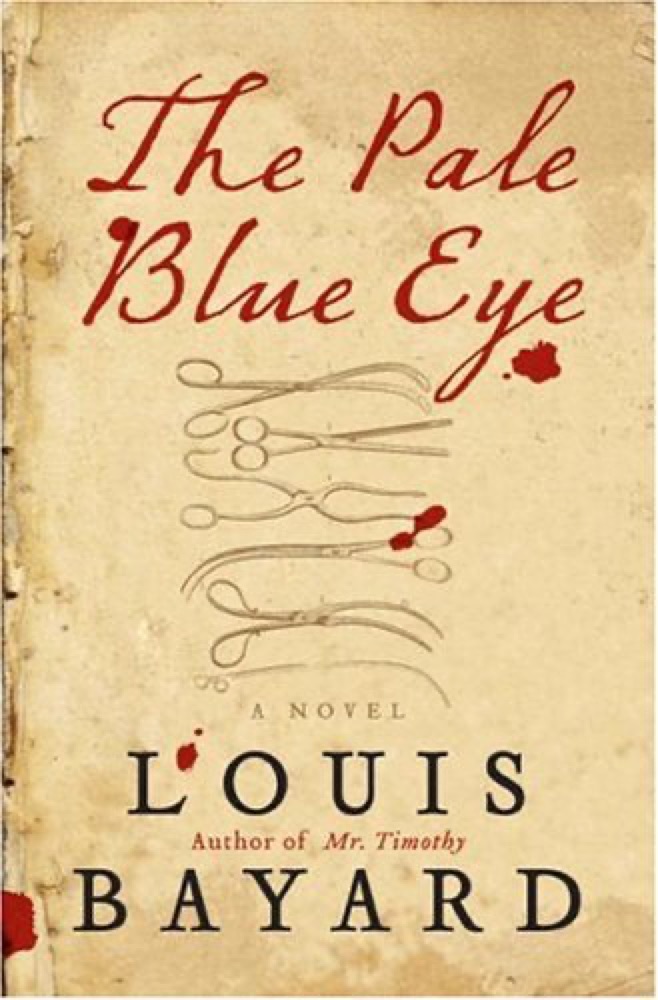
At West Point Academy in 1830, the calm of an October evening is shattered by the discovery of a young cadet's body swinging from a rope just off the parade grounds. An apparent suicide is not unheard of in a harsh regimen like West Point's, but the next morning, an even greater horror comes to light. Someone has stolen into the room where the body lay and removed the heart.
At a loss for answers and desperate to avoid any negative publicity, the Academy calls on the services of a local civilian, Augustus Landor, a former police detective who acquired some renown during his years in New York City before retiring to the Hudson Highlands for his health. Now a widower, and restless in his seclusion, Landor agrees to take on the case. As he questions the dead man's acquaintances, he finds an eager assistant in a moody, intriguing young cadet with a penchant for drink, two volumes of poetr
Book details
- First published
- 2006
- Author
- Louis Bayard
- Genre
- Historical
- Goodreads rating
- 3.80 (11k ratings)
Keep reading
March
 The Golden Tresses of the Dead
 Selected Poems
 Agnes Grey
 Nightwood
 Villette
 Phantastes
 Meditations in an Emergency
 Lord Jim
 In the Heart of the Heart of the Country and Other Stories
 Dubliners
 The Hour I First Believed
 Thrice the Brinded Cat Hath Mew'd
 A Perilous Undertaking
 The Dead in Their Vaulted Arches
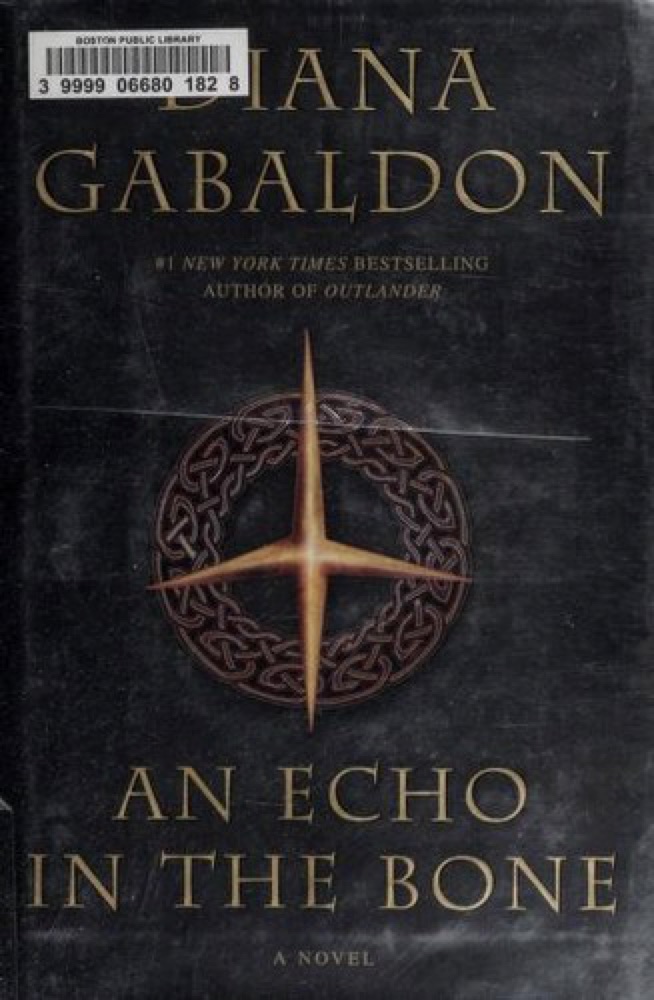 An Echo in the Bone
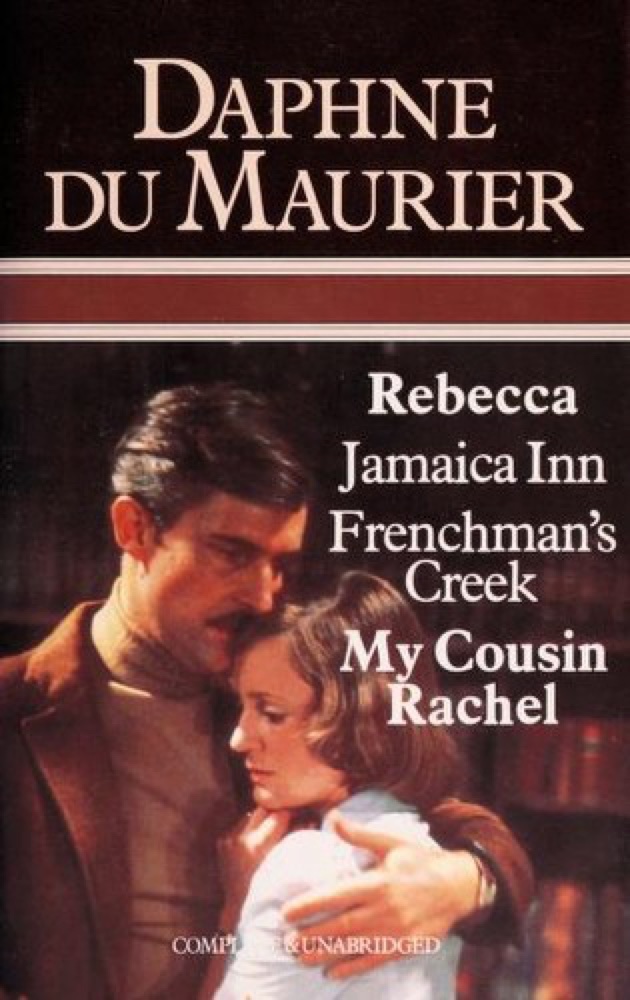 Rebecca
 My Friends
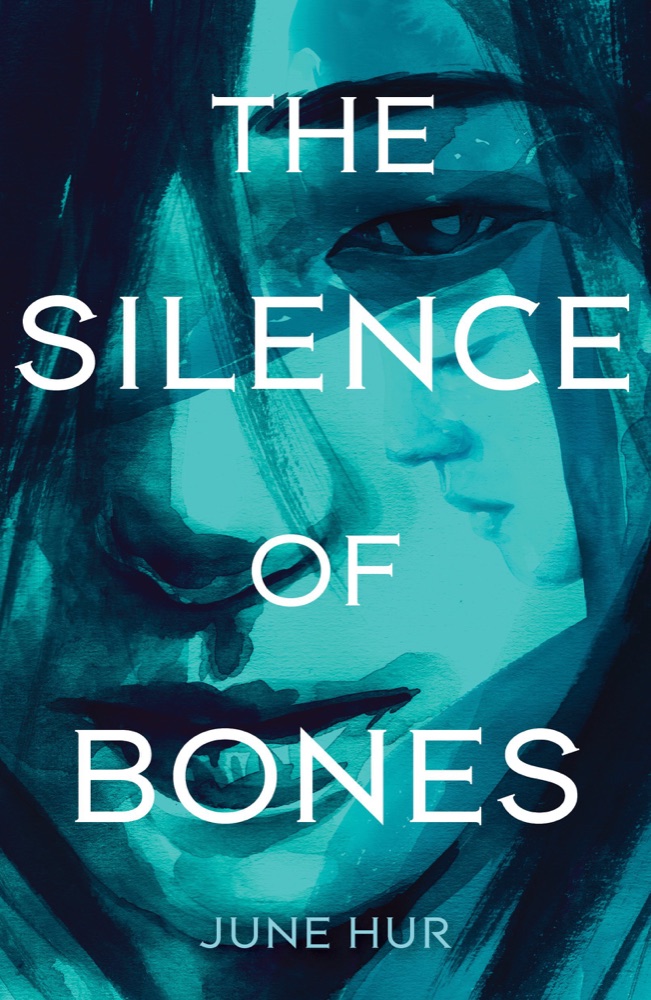 The Silence of Bones
 Testament of Youth
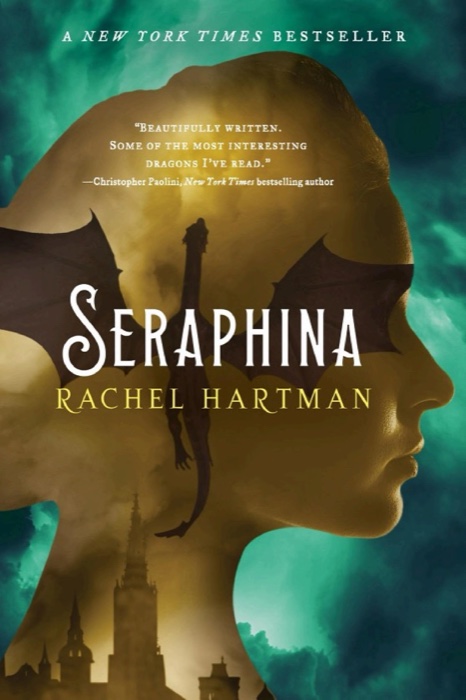 Seraphina
 Year of Wonders
 The Women of Chateau Lafayette
 The Turn of the Screw
 Six Scorched Roses
 The Little Giant of Aberdeen County
 The Pox Party
 Sword & Citadel
 An Enchantment of Ravens
 The Lifted Veil
 Brideshead Revisited: The Sacred and Profane Memories of Captain Charles Ryder
 First Love and Other Novellas
 Kokoro
 Skeleton Crew
 Oliver Twist
 All Out: The No-Longer-Secret Stories of Queer Teens throughout the Ages
 The Untouchable
 The Subterraneans
 The Binding
 Wonder Boys
 Light in August
 The Great Gatsby
 Library of Souls
 Book of a Thousand Days
 Death Watch
 A Severed Head
 A Sport and a Pastime
 South of Broad
 The Collected Stories
 The Red Palace
 The People in the Trees
 Hollow City
 A Dance to the Music of Time: 1st Movement
 The Stories of John Cheever
 Widdershins
 The Sisters Brothers
 A Hero of Our Time
 The Complete Poems of Emily Dickinson
 A Lion Among Men
 Juliet