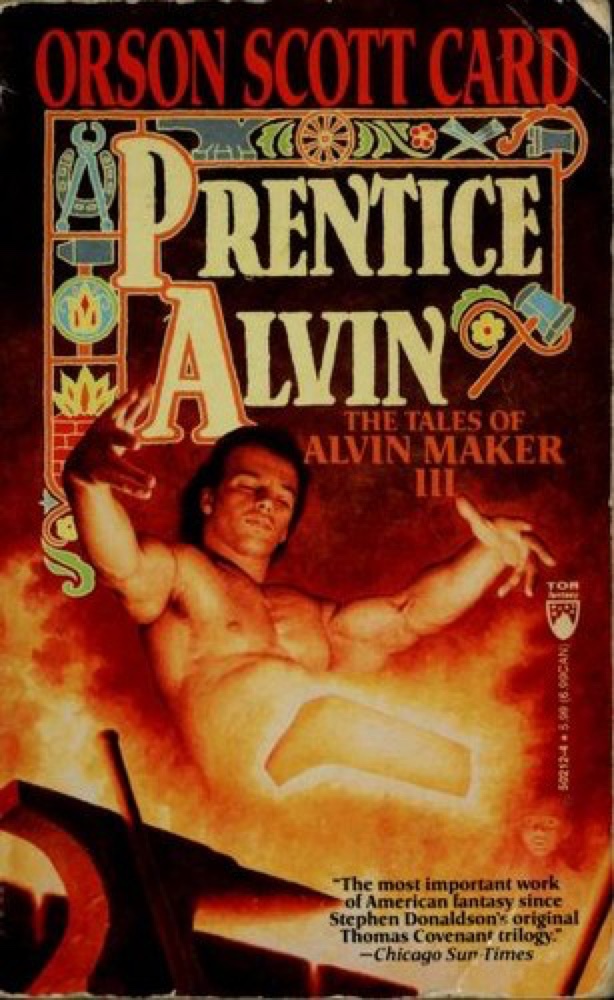

 Ender's Game
Quotes from the Book
He’d undone all he could. You can be sorry, and you can be forgiven, but you can’t call back the futures that your bad decisions lost
I'm just saying things never get so bad we can't do something to make them better.
The bigger a man is, the more people he serves,” said the Prophet. “A small man serves himself. Bigger is to serve your family. Bigger is to serve your tribe. Then your people. Biggest of all, to serve all men, and all lands.
Everybody has his talent, everybody has his gift from God, and we go about sharing gifts with each other, that's the way of the world, the best way.
Slavery, that was a kind of alchemy for such White folk, or so they reckoned. They calculated a way of turning each bead of a Black man's sweat into gold and each moan of despair from a Black woman's throat into the sweet clear sound of a silver coin ringing on the money-changer's table. There was buying and selling of souls in that place. Yet there was nary a one of them who understood the whole price they paid for owning other folk.
[H]e had come to work for what the fee could buy, and not for joy of the work itself.
Watch on YouTube
About Orson Scott Card
We have collected 465 quotes from 29 books by Orson Scott Card on BookQuoters.
More about the author →More by Orson Scott Card
All books by Orson Scott Card →
Book details
- Author
- Orson Scott Card
- Genre
- Fiction
- Goodreads rating
- 3.81 (19k ratings) →
Keep reading
 Sacred Hunger
 Cutting for Stone
 Proxy
Proxy
 The Promise
 The Stand
 Last Argument of Kings
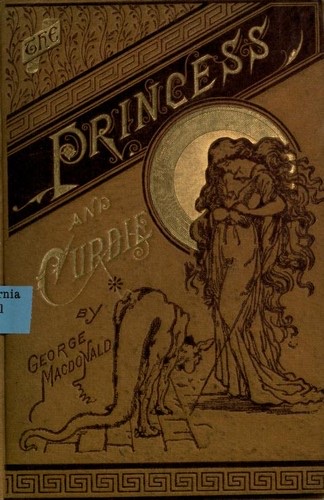 The Princess and Curdie
 The Given Day
 Round the Bend
 Silas Marner
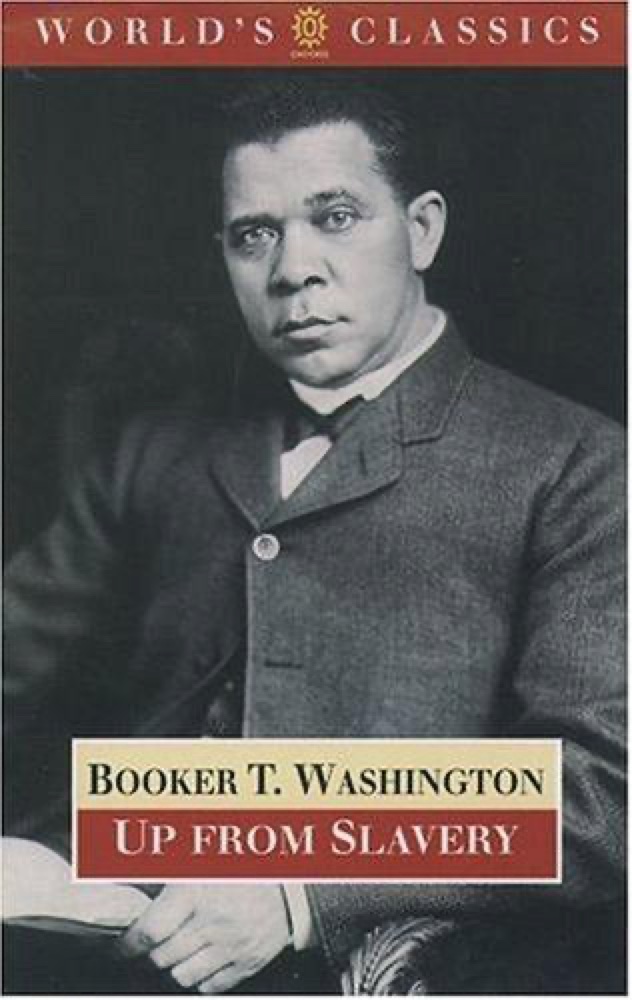 Up from Slavery
 Anthills of the Savannah
 The Virginian
 Hawaii
 Hard Times
 The Known World
 The Wolf in Winter
 The Way We Live Now
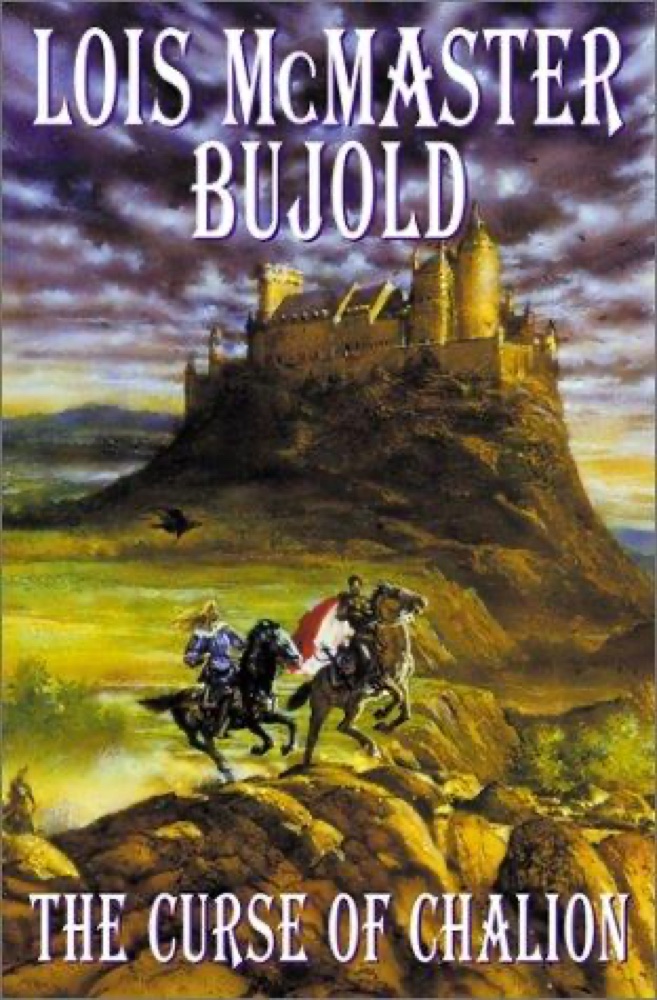 The Curse of Chalion
 The Richest Man in Babylon
 The First Circle
 Shaman
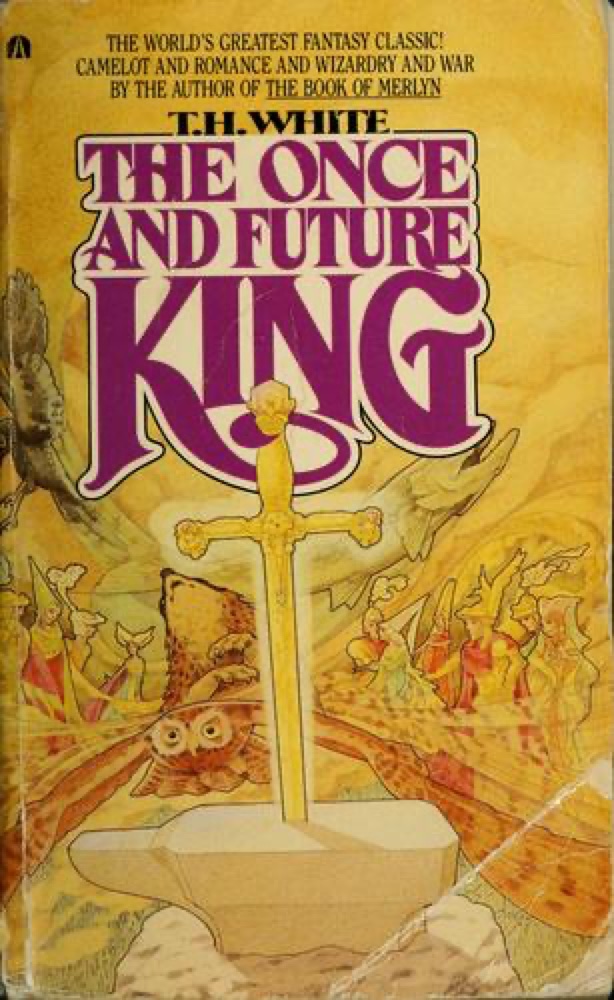 The Once and Future King
 God Bless You, Mr. Rosewater
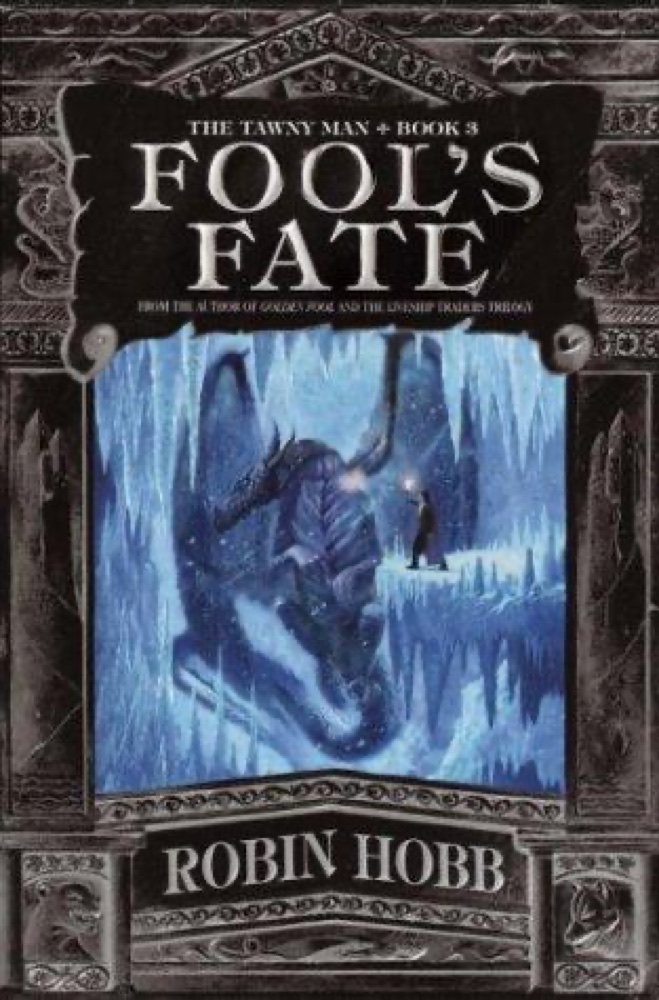 Fool's Fate
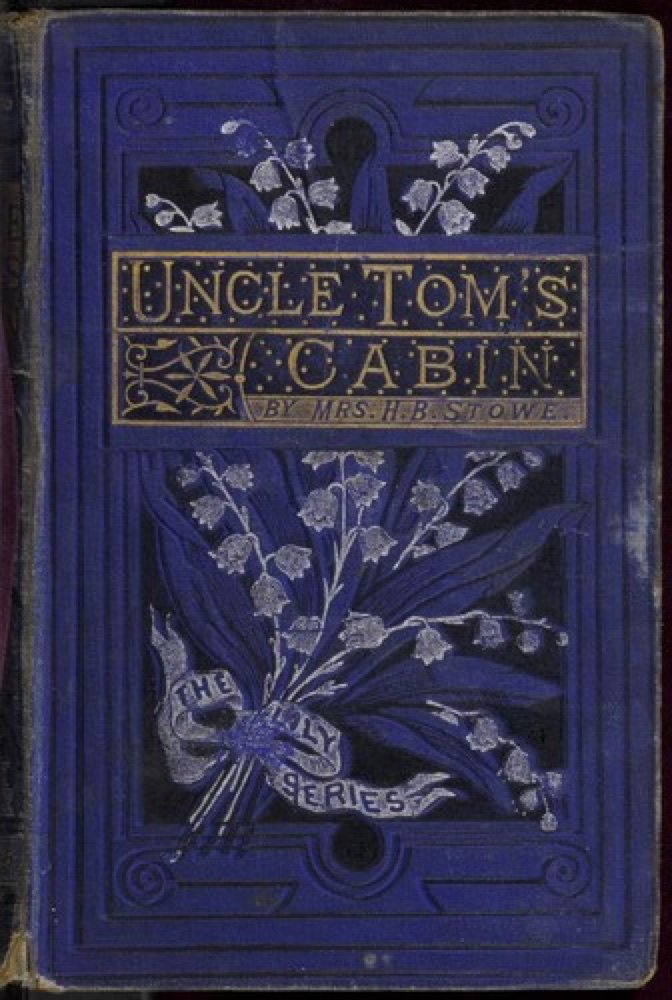 Uncle Tom's Cabin
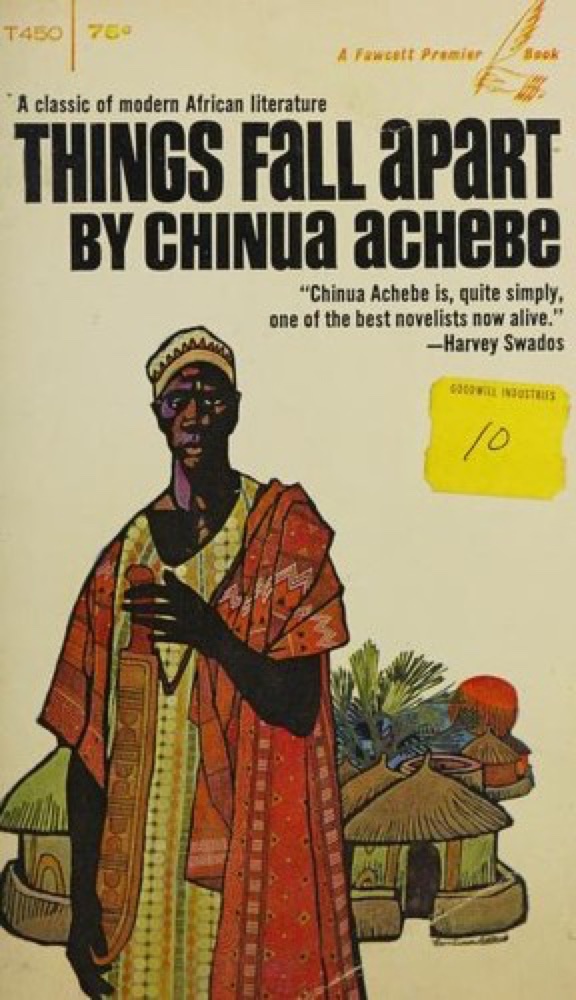 Things Fall Apart
 Horns
Horns
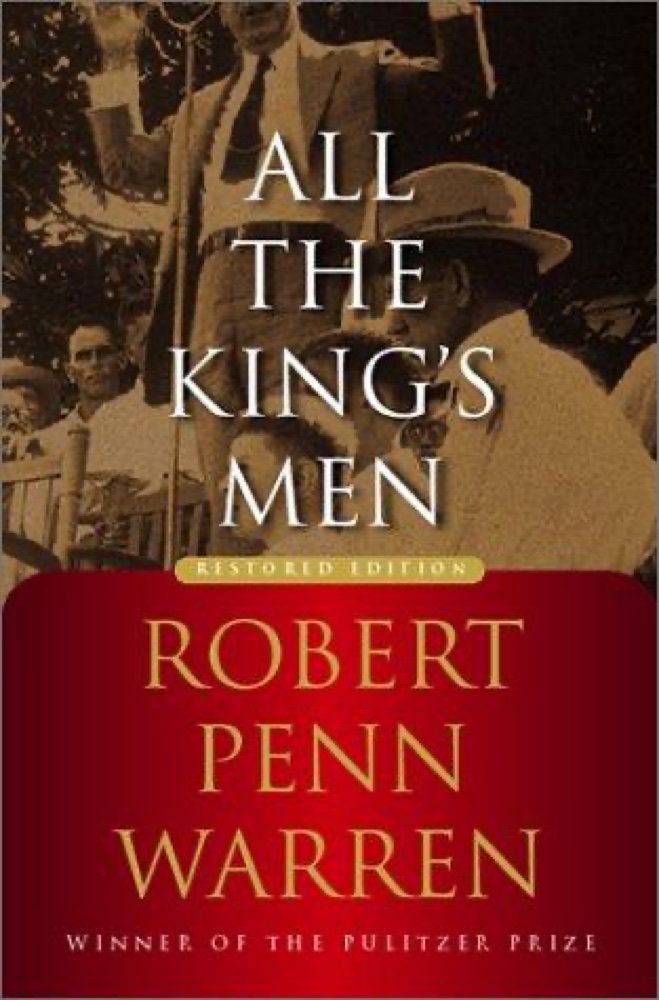 All the King's Men
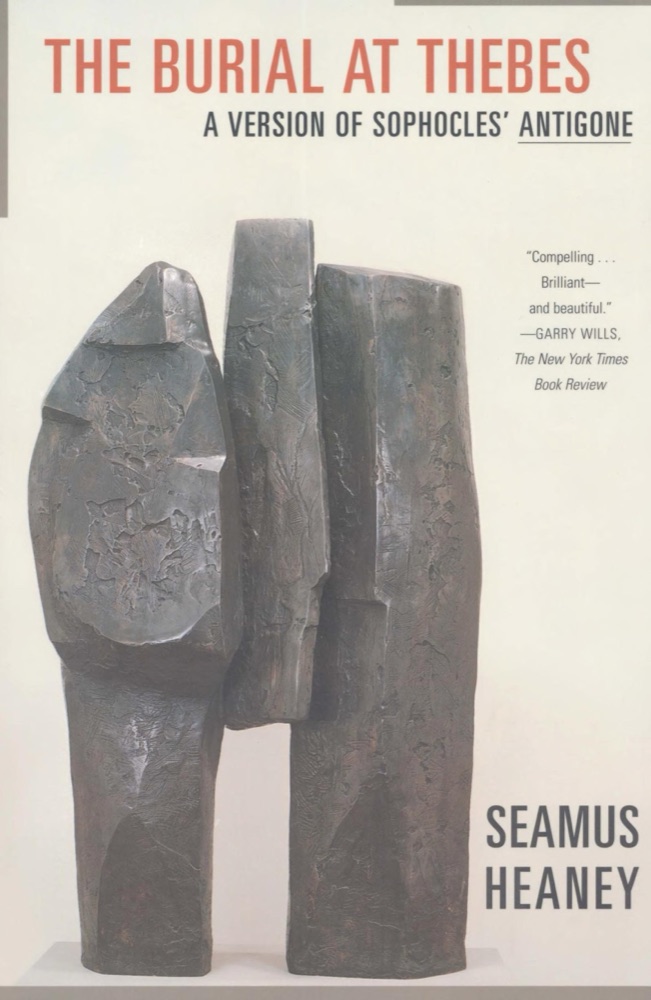 The Burial at Thebes: A Version of Sophocles' Antigone
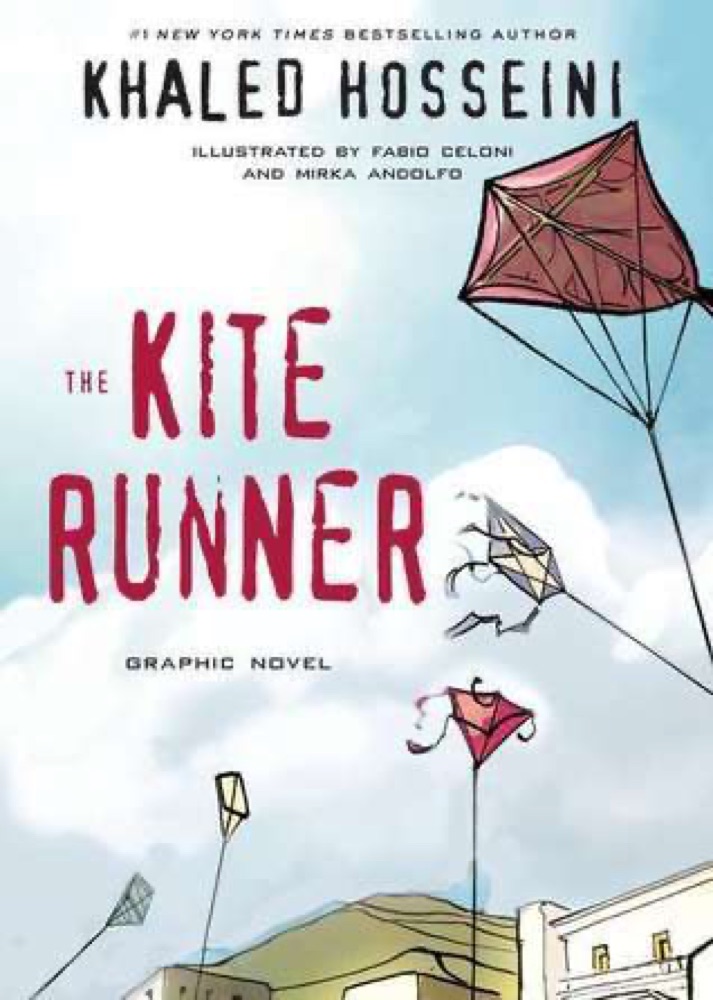 The Kite Runner
 Go Set a Watchman
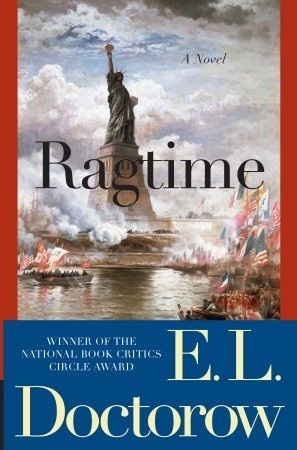 Ragtime
 Jubal Sackett
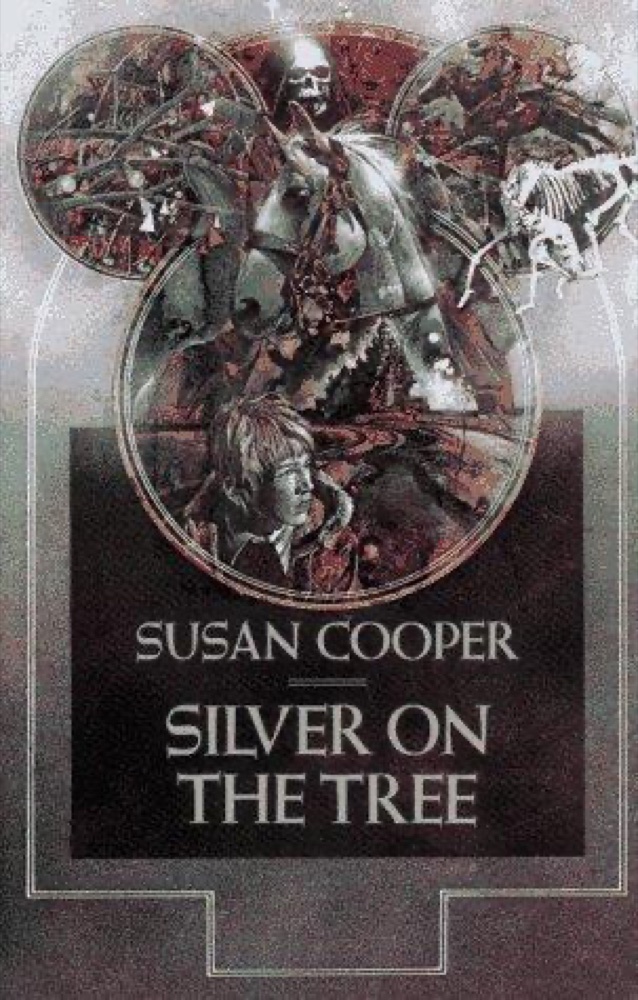 Silver on the Tree
 All the Colors of the Dark
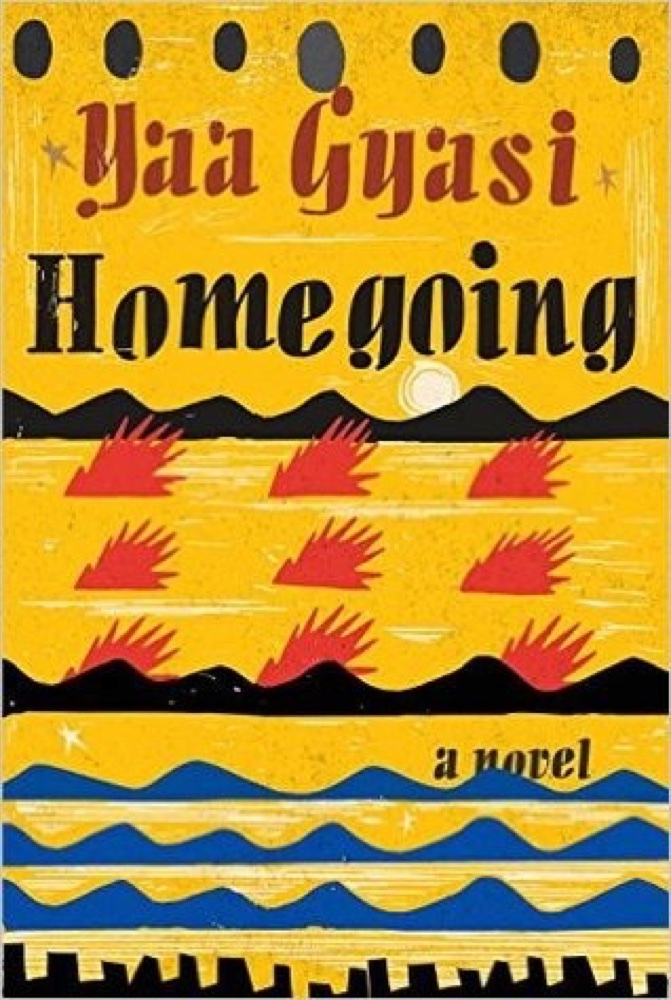 Homegoing
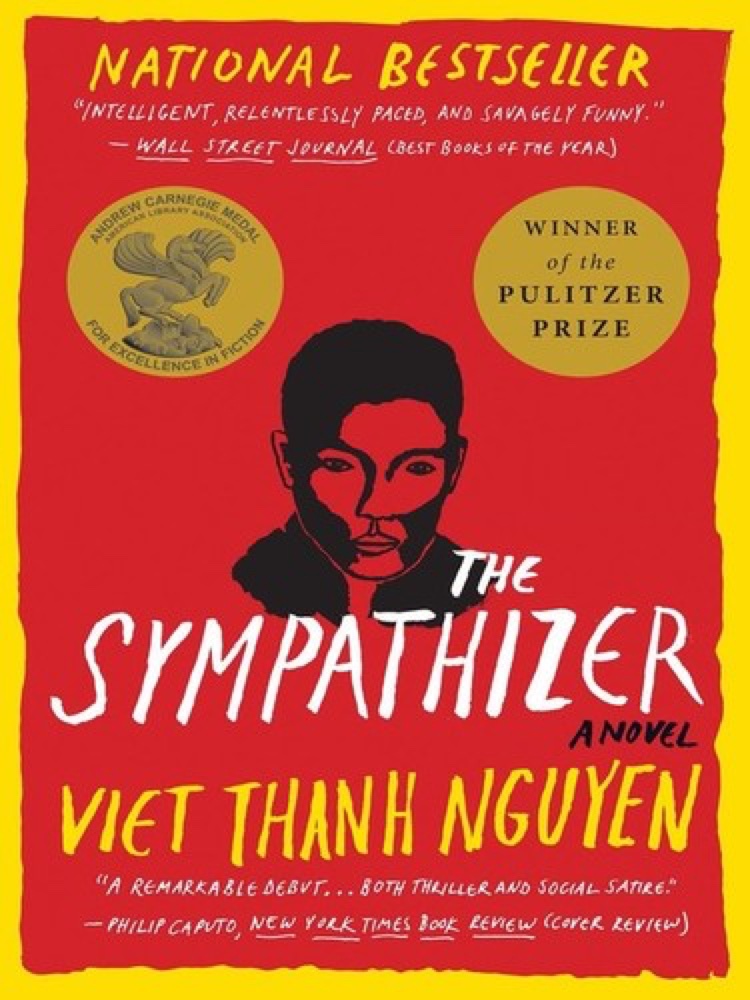 The Sympathizer
 The Way of All Flesh
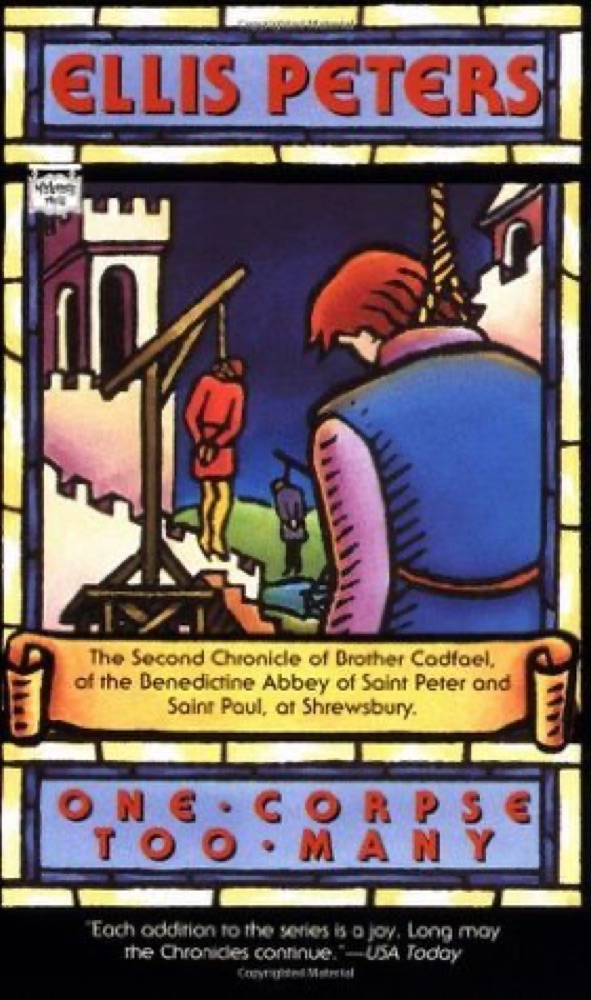 One Corpse Too Many
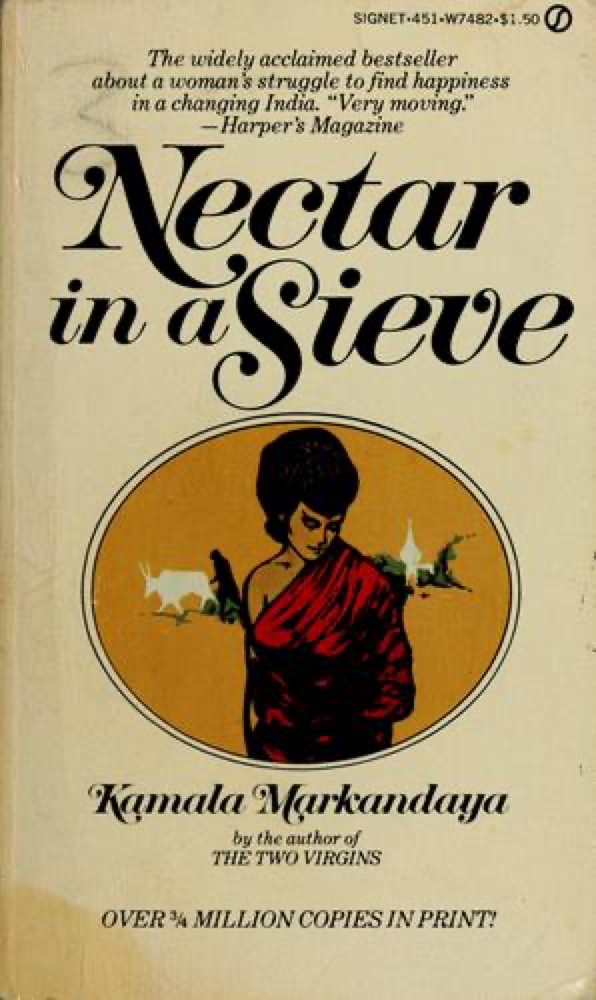 Nectar in a Sieve
 The Nickel Boys
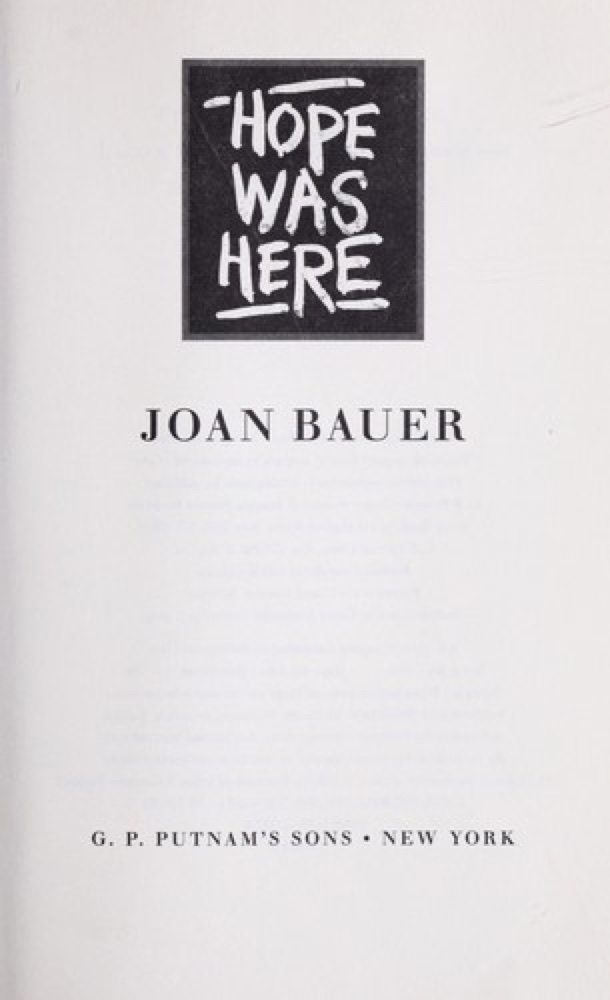 Hope Was Here
 The Adventures of Augie March
 The Power of One
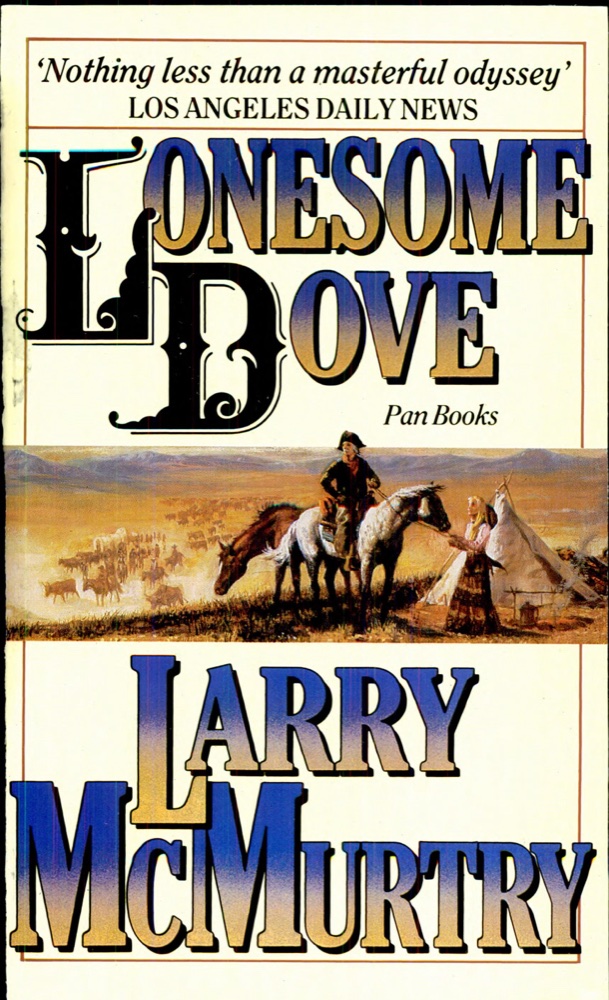 Lonesome Dove
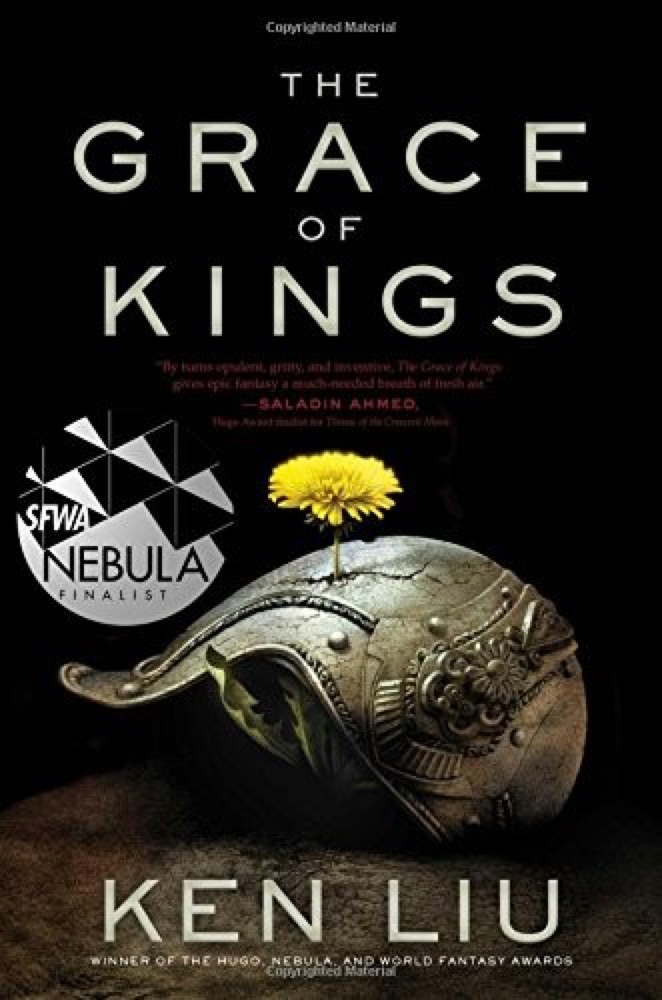 The Grace of Kings
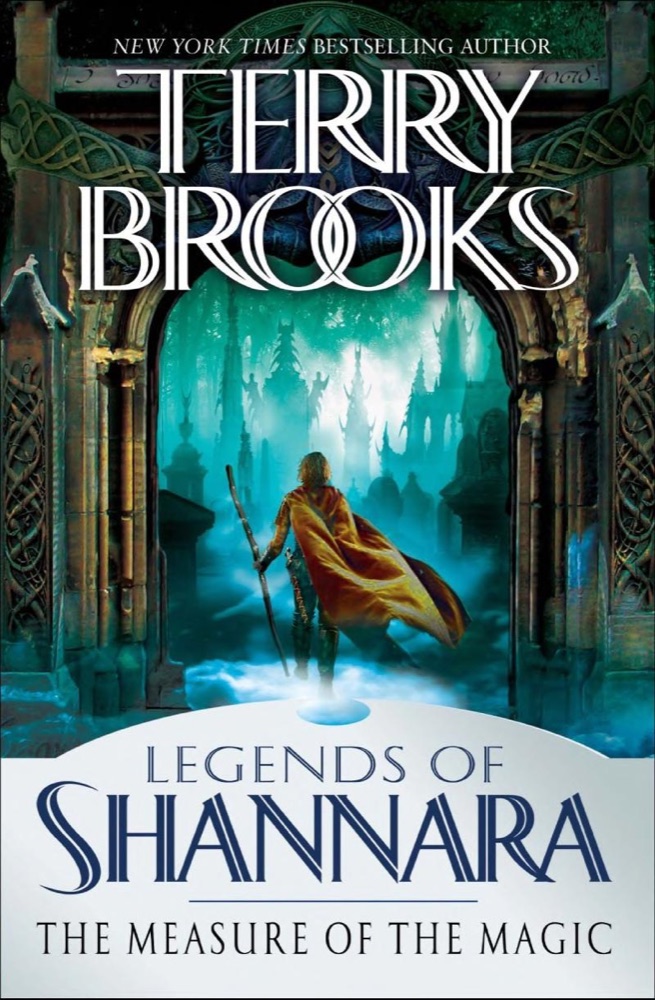 The Measure of the Magic
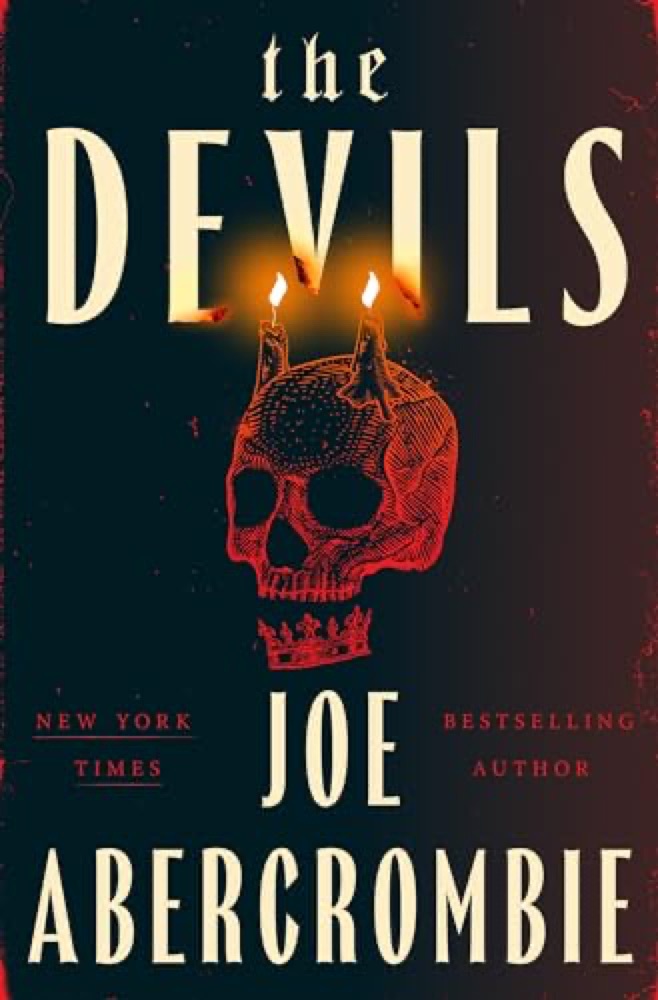 The Devils
 The Grapes of Wrath
 The Mirror & the Light
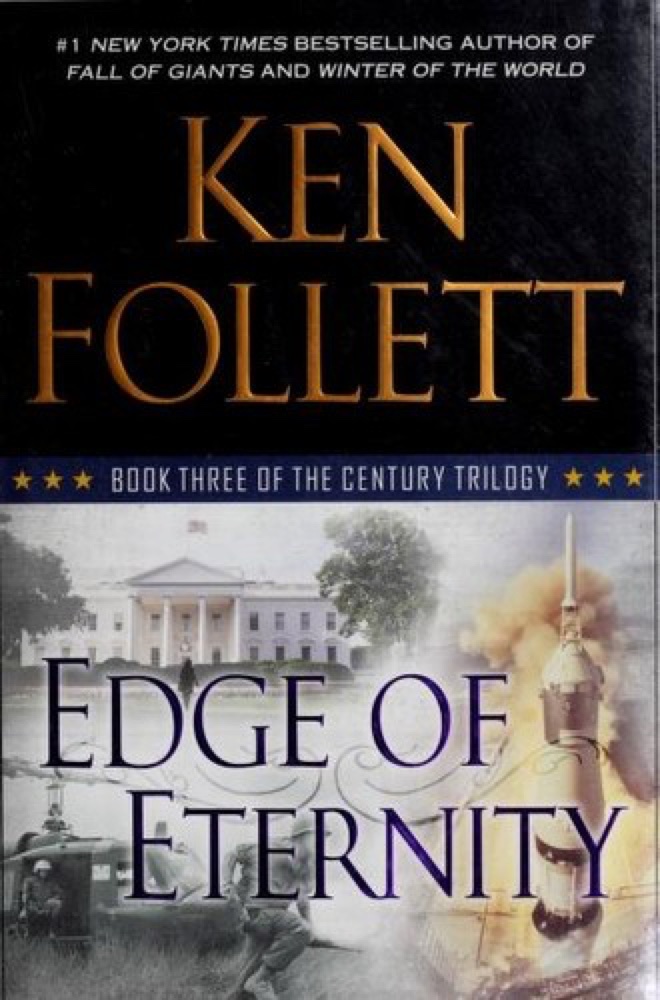 Edge of Eternity
 All's Well That Ends Well
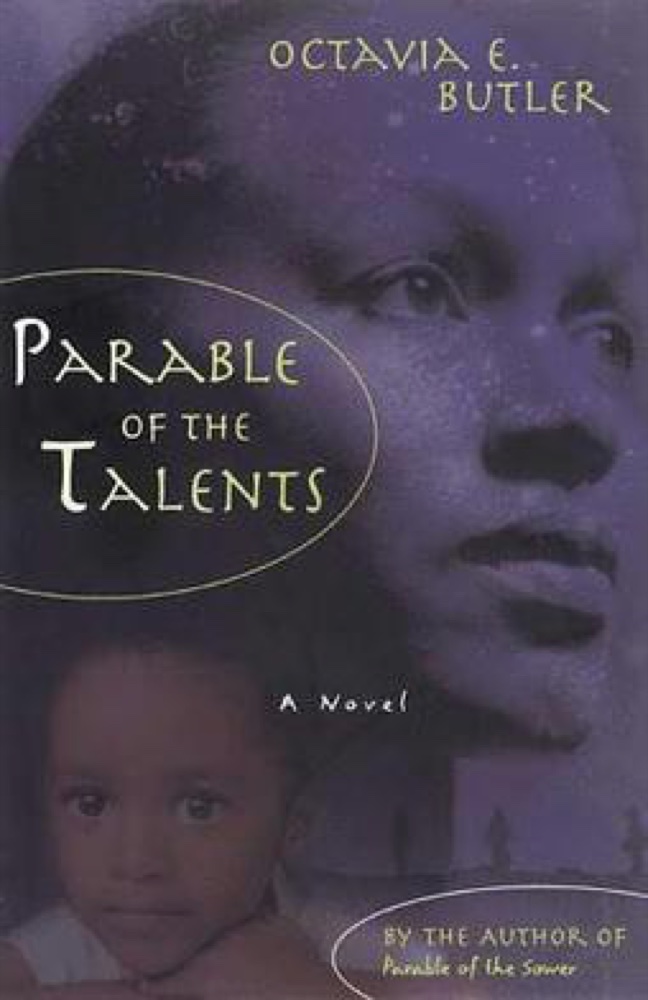 Parable of the Talents
 All Over But the Shoutin'
 New York
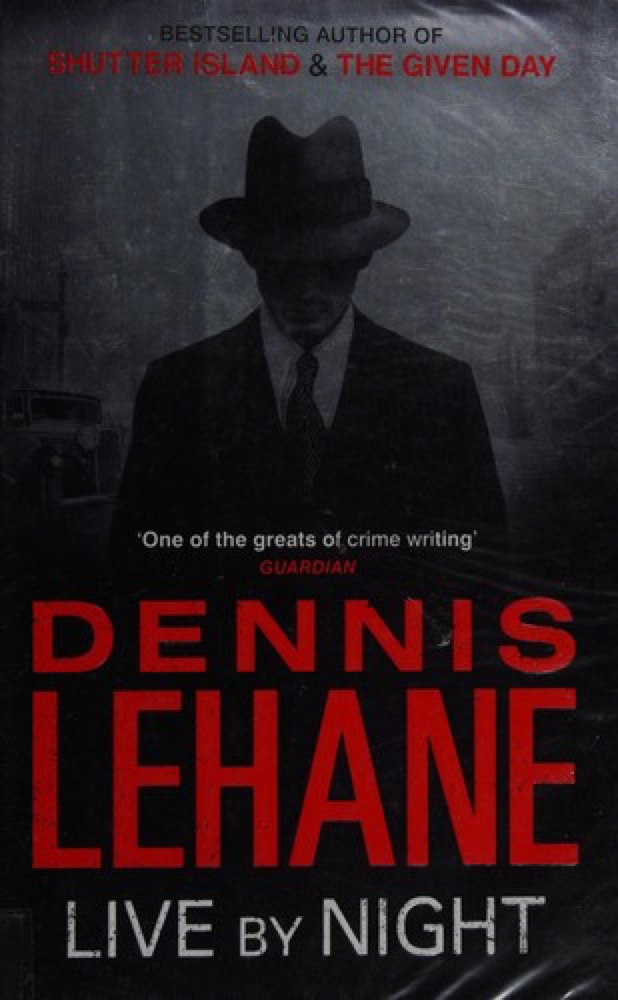 Live by Night
 Crime and Punishment
 One
One
 A Fine Balance