
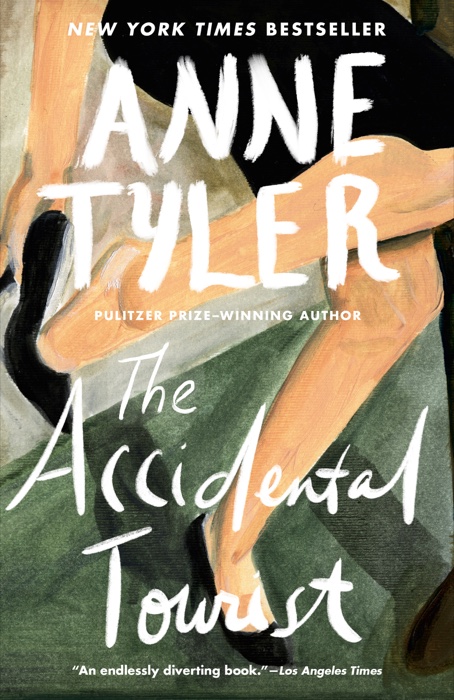
 The Accidental Tourist
Quotes from the Book
Isn’t it odd,” Maryam said. “Just like that, a completely unknown person is a part of their family forever. Well, of course that’s true of a birth child, too, but … I don’t know, this seems more astonishing.” “To me, both are astonishing,” Dave said. “I remember before Bitsy was born, I used to worry she might not be compatible with the two of us. I told Connie, ‘Look at how long we took deciding whom we’d marry, but this baby’s waltzing in out of nowhere, not so much as a background check or a personality quiz. What if it turns out we don’t have any shared interests?’
You belong,” he told her. “You belong just as much as I do, or, who, or Bitsy or … It’s just like Christmas. We all think the others belong more.
The excuses she’d been about to offer—New York, Farah’s visit—suddenly seemed transparent. Instead, she told the truth. “I’m afraid it might be awkward, though.” “Awkward! Nonsense. We’re all grownups.” This argument came as a disappointment; Maryam wasn’t sure why. What had she wanted Bitsy to say? A pinch of injury tightened her chest. She said, “I know your father feels I didn’t handle things very well.” “Now, is that in any way relevant to this discussion? We’re talking about a simple little, normal little family get-together,” Bitsy said. “Shoot, we should just shanghai you.” Shanghai. As a verb, it was unfamiliar. Maybe it meant something like “lynch.” Maryam said, “Yes, perhaps you should,” in a tone that must have sounded more bitter than she had intended, because Bitsy said, “Well, forgive me, Maryam. I’m a meddlesome person; I realize that.” Which she was, in fact. But Maryam said, “Oh, no, Bitsy, you’re very kind. You were very sweet to call.” And then, trying to match Bitsy’s energy, “But you haven’t told me what I can do for you! Please, give me a task.” “Not a thing, thanks,” Bitsy said. “I’m getting stronger every day.
They knew all about Jin-Ho because Jin-Ho’s mother had telephoned two weeks after the babies’ arrival. “I hope you don’t mind my tracking you down,” she’d said. “You’re the only Yazdans in the book and I just couldn’t resist calling you to find out how things were going.” Jin-Ho, it seemed, was doing marvelously.
When Bitsy looked back on Jin-Ho’s arrival, it didn’t seem like a first meeting. It seemed that Jin-Ho had been traveling toward them all along and Bitsy’s barrenness had been part of the plan, foreordained so that they could have their true daughter.
Watch on YouTube
About Anne Tyler
We have collected 97 quotes from 5 books by Anne Tyler on BookQuoters.
More about the author →More by Anne Tyler
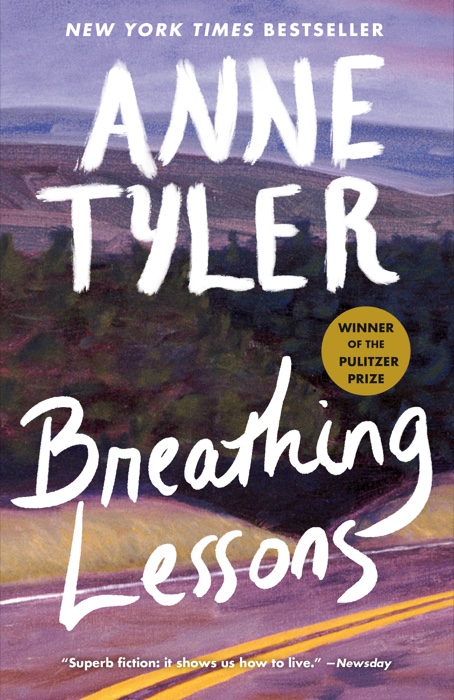
Book details
- Author
- Anne Tyler
- Genre
- Fiction
- Goodreads rating
- 3.59 (24k ratings) →
Keep reading
 Far from the Tree
 The Next Always
 The Piper's Son
 Distant Shores
 On the Way to the Wedding
 Pretty Girls
 Tenth of December
 The Cousins
 The Villa
 The Mysterious Benedict Society and the Riddle of Ages
 Troubled Blood
 Murder and Mamon
 Untold
 When Dimple Met Rishi
 Spare
Spare
 Recipe for Persuasion
 Fairest
 Homecoming
 The Actor and the Housewife
 Banyan Moon
 The Railway Children
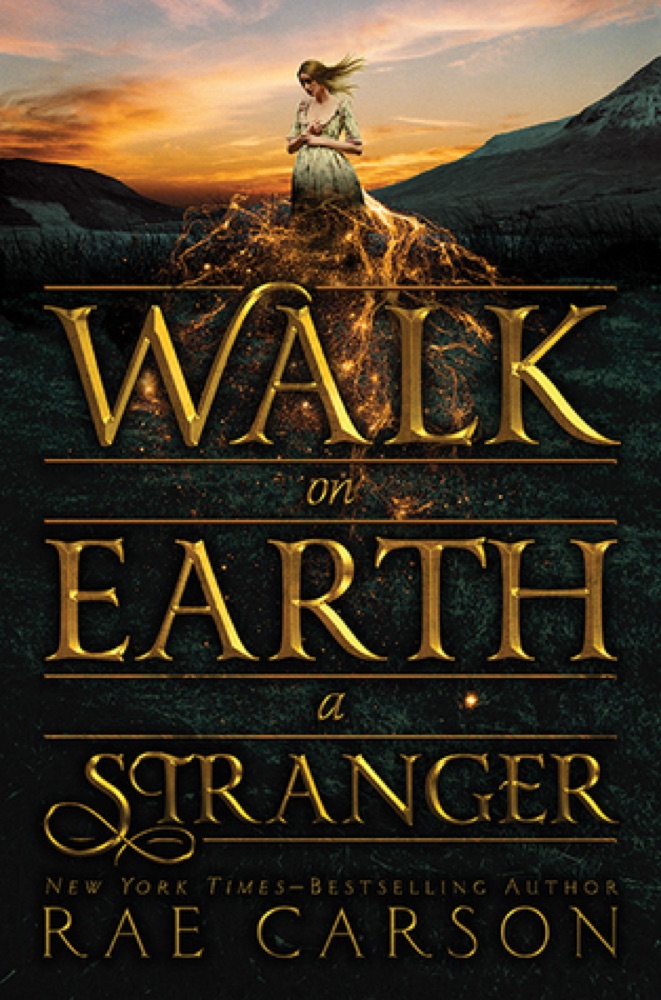 Walk on Earth a Stranger
 No Safety in Numbers
 Virgin River
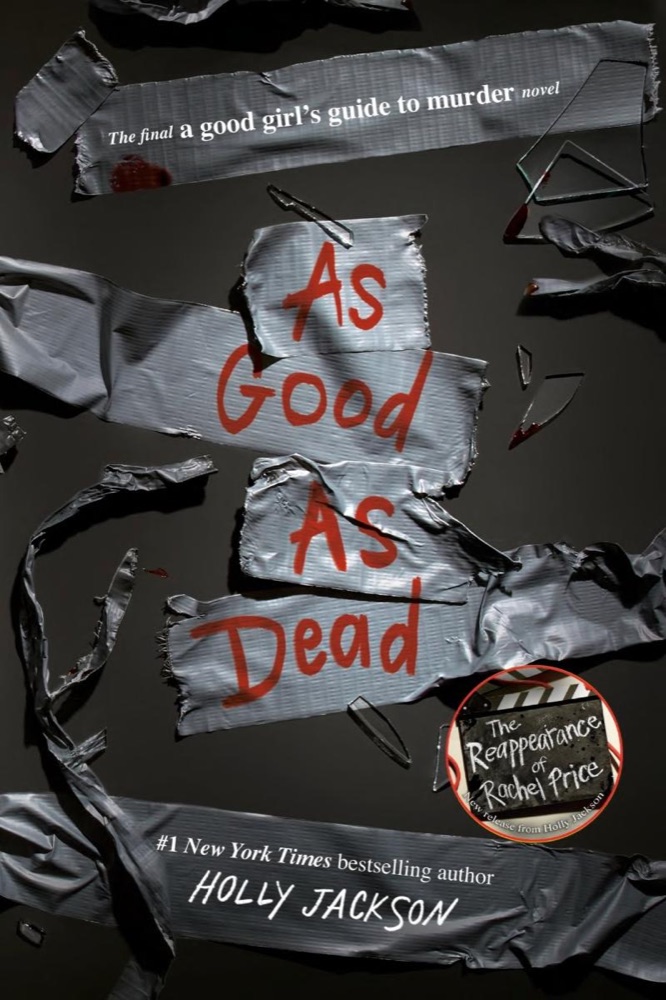 As Good As Dead
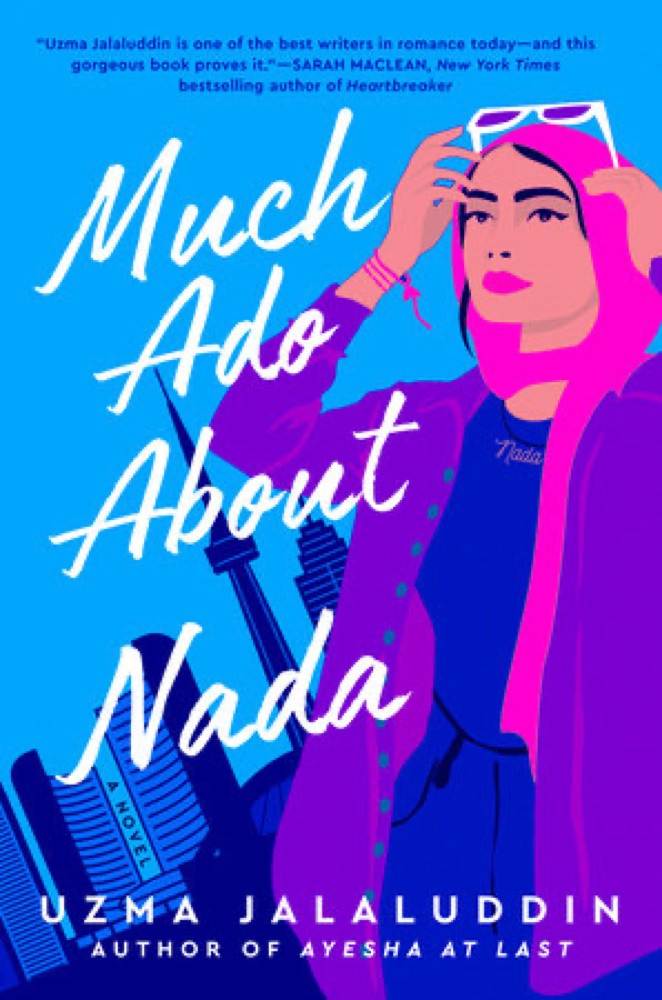 Much Ado about Nada
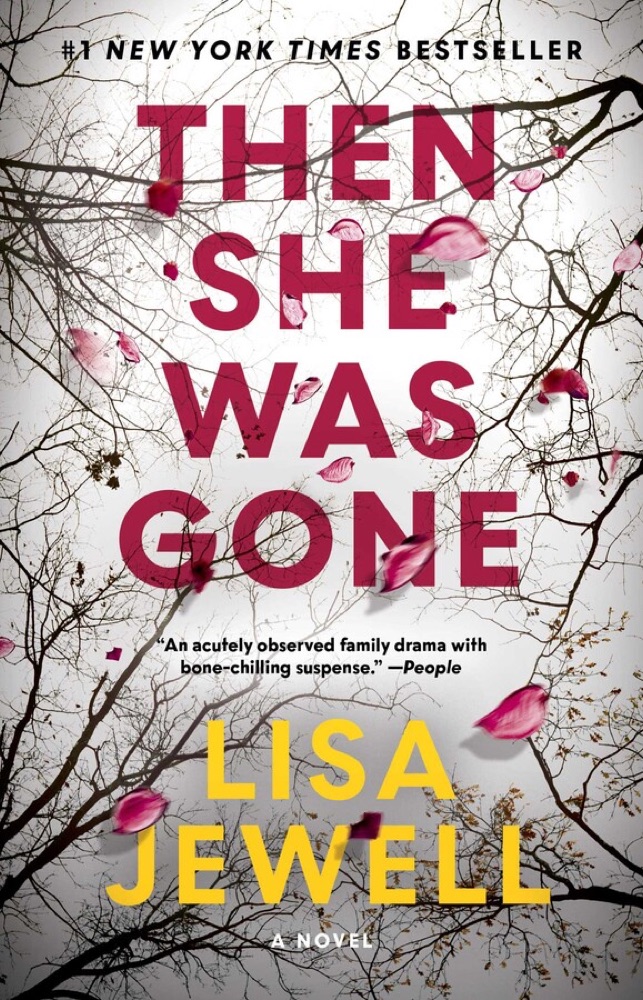 Then She Was Gone
 Instructions for a Heatwave
 Hana Khan Carries On
 One Plus One
 Homecoming
 The Reappearance of Rachel Price
 When the Emperor Was Divine
 Someone Perfect
 The All-Girl Filling Station's Last Reunion
 The Full Cupboard of Life
 Save the Date
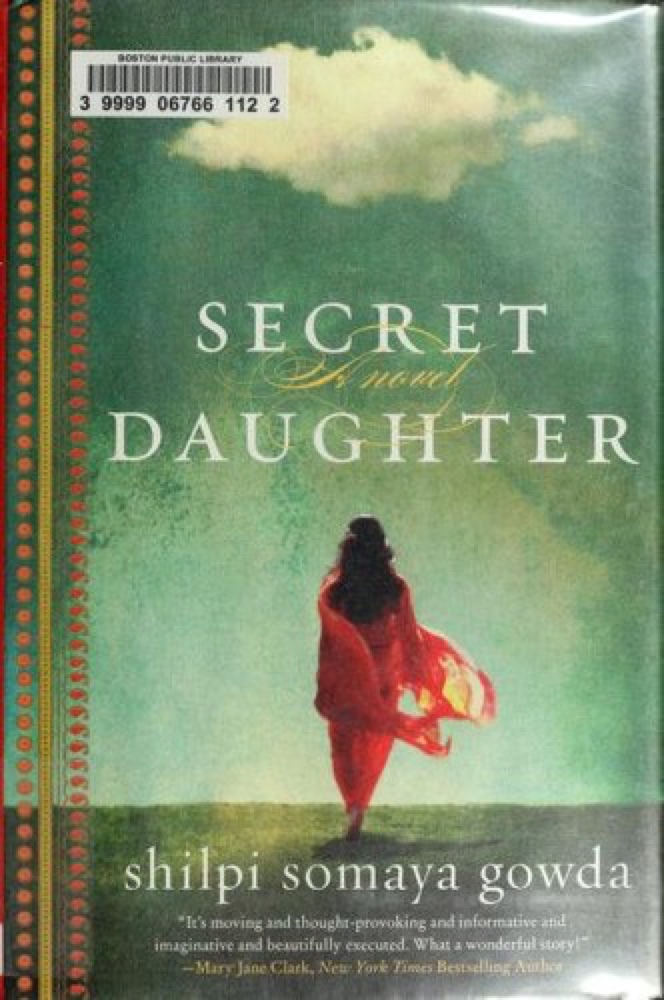 Secret Daughter
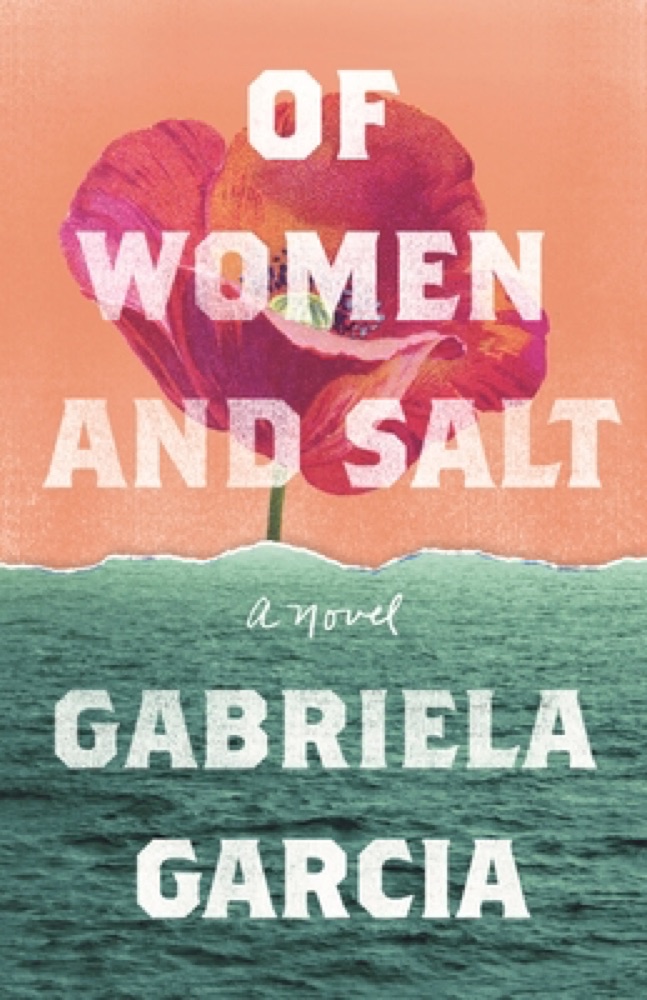 Of Women and Salt
 UnEnchanted
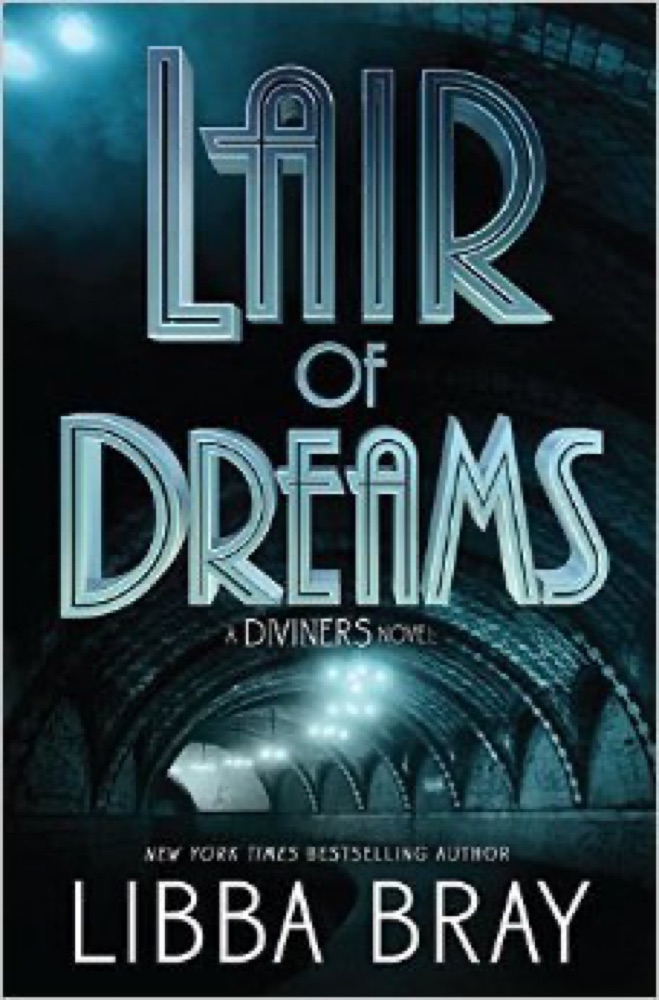 Lair of Dreams
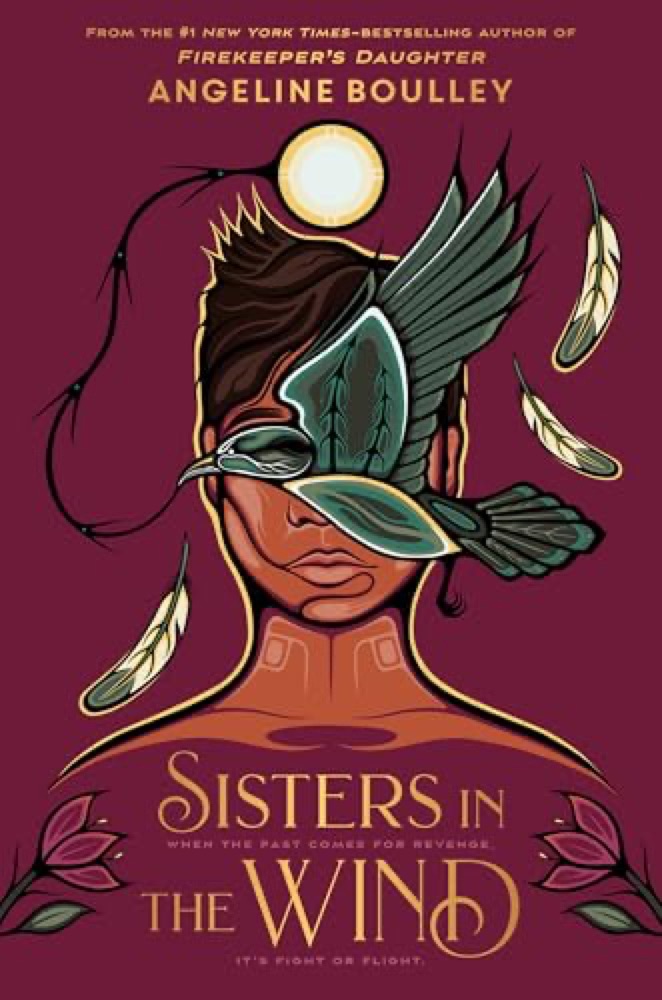 Sisters in the Wind
 Laddie: A True Blue Story
 The Lucky One
 The Baker's Daughter
 The House We Grew Up In
 Shelter Mountain
 The Woman Who Walked in Sunshine
 The American Heiress
 Worth the Weight
 Landline
 The Fixer
 Before the Devil Breaks You
 Devil's Daughter
 Summer Darlings
 Murder Simply Brewed
 Happily Ever After
 Visions in Death
 Crazy Rich Asians
 Romancing Mister Bridgerton