
 The Guest
Quotes from the Book
That was part of being a girl--you were resigned to whatever feedback you'd get. If you got mad, you were crazy, and if you didn't react, you were a bitch. The only thing you could do was smile from the corner they'd backed you into. Implicate yourself in the joke even if the joke was always on you.
360
I waited to be told what was good about me. [...] All that time I had spent readying myself, the articles that taught me life was really just a waiting room until someone noticed you- the boys had spent that time becoming themselves.
283
That was our mistake, I think. One of many mistakes. To believe that boys were acting with a logic that we could someday understand. To believe that their actions had any meaning beyond thoughtless impulse. We were like conspiracy theorists, seeing portent and intention in every detail, wishing desperately that we mattered enough to be the object of planning and speculation. But they were just boys. Silly and young and straightforward; they weren't hiding anything.
157
Girls are the only ones who can really give each other close attention, the kind we equate with being loved. They noticed what we want noticed.
109
So much of desire, at that age, was a willful act. Trying so hard to slur the rough, disappointing edges of boys into the shape of someone we could love. We spoke of our desperate need for them with rote and familiar words, like we were reading lines from a play. Later I would see this: how impersonal and grasping our love was, pinging around the universe, hoping for a host to give form to our wishes.
105
Poor Sasha. Poor girls. The world fattens them on the promise of love. How badly they need it, and how little most of them will ever get. The treacled pop songs, the dresses described in the catalogs with words like 'sunset' and 'Paris.' Then the dreams are taken away with such violent force; the hand wrenching the buttons of the jeans, nobody looking at the man shouting at his girlfriend on the bus
103
You wanted things and you couldn't help it, because there was only your life, only yourself to wake up with, and how could you ever tell yourself what you wanted was wrong?
82
Poor girls. The world fattens them on the promise of love. How badly they need it, and how little most of them will ever get.
77
They didn't have very far to fall--I knew just being a girl in the world handicapped your ability to believe yourself. Feelings seemed completely unreliable, like faulty gibberish scraped from a Ouija board. My childhood visits to the family doctor were stressful events for that reason. He'd ask me gentle questions: How was I feeling? How would I describe the pain? Was it more sharp or more spread out? I'd just look at him with desperation. I needed to be told, that was the whole point of going to the doctor. To take a test, be put through a machine that would comb my insides with radiated precision and tell me what the truth was.
64
I should have known that when men warn you to be careful, often they are warning you of the dark movie playing across their own brains. Some violent daydream prompting their guilty exhortations to 'make it home safe.
46
...I was confusing familiarity with happiness. Because that was there even when love wasn't...
40
She was lost in that deep and certain sense that there was nothing beyond her own experience. As if there were only one way things could go, the years leading you down a corridor to the room where your inevitable self waited--embryonic, ready to be revealed. How sad it was to realize that sometimes you never got there. That sometimes you lived a whole life skittering across the surface as the years passed, unblessed.
36
And now I was older, and the wishful props of future selves had lost their comforts. I might always feel some form of this, a depression that did not lift but grew compact and familiar, a space occupied like the sad limbo of hotel rooms.
33
They didn’t have very far to fall—I knew just being a girl in the world handicapped your ability to believe yourself.
32
I thought that loving someone acted as a kind of protective measure, like they'd understand the scale and intensity of your feelings and act accordingly. That seemed fair to me, as if fairness were a measure the universe cared anything about.
31
My glitchy adolescent brain was desperate for causalities, for conspiracies that drenched every word, every gesture, with meaning.
30
Break down the self, offer yourself up like dust to the universe.
23
Mitch studied me with a questioning, smug smile. Men did it so easily, that immediate parceling of value. And how they seemed to want you to collude on your own judgement.
21
I was already starting to understand that other people's admiration asked something of you. That you had to shape yourself around it.
18
Everyone, later, would find it unbelievable that anyone involved in the ranch would stay in that situation. A situation so obviously bad. But Suzanne had nothing else: she had given her life completely over to Russell, and by then it was like a thing he could hold in his hands, turning it over and over, testing its weight. Suzanne and the other girls had stopped being able to make certain judgments, the unused muscle of their ego growing slack and useless. It had been so long since any of them had occupied a world where right and wrong existed in any real way. Whatever instincts they’d ever had—the weak twinge in the gut, a gnaw of concern—had become inaudible.
18
At that age, I was, first and foremost, a thing to be judged, and that shifted the power in every interaction onto the other person. The
18
The ways your desire could humiliate you.
18
No one had ever looked at me before Suzanne, not really, so she became my definition. Her gaze softening my centre so easily that even photographs of her seemed aimed at me, ignited with private meaning.
15
We had been with the men, we had let them do what they wanted. But they would never know the parts of ourselves that we hid from them—they would never sense the lack or even know there was something more they should be looking for. Suzanne
15
I took her beauty personally.
14
That seemed fair to me, as if fairness were a measure the universe cared anything about.
14
Life a continuous backing away from the edge.
13
That was the strange thing - I didn't hate my father. He had wanted something. Like I wanted Suzanne. Or my mother wanted Frank. You wanted things and you couldn't help it, because there was only your life, only yourself to wake up with, and how could you ever tell yourself what you wanted was wrong?
12
Did you know?
- The novel is loosely inspired by the Manson Family and the murders associated with it in 1969.
- Emma Cline was raised in Sonoma County, California, where her family owns the winery Cline Cellars.
- It was Cline's debut novel and spent months on the New York Times bestseller list.
- It won the Shirley Jackson Award for Best Novel in 2016.
- Cline was named one of Granta's Best of Young American Novelists in 2017.
About Emma Cline
Emma Cline (born 1989) is an American writer raised in Sonoma County, California, who earned an MFA from Columbia University. The Girls was her debut novel; she was later named one of Granta's Best of Young American Novelists and published the story collection Daddy (2020) and the novel The Guest (2023).
More about the author →More by Emma Cline
The Guest
About the book
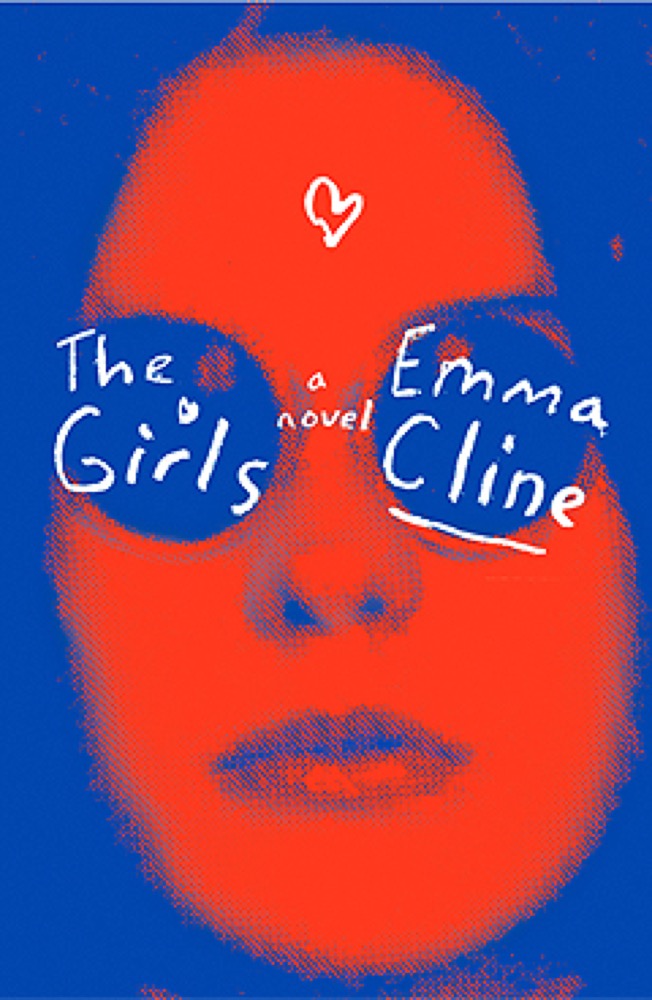
The Girls is Emma Cline's 2016 debut novel, a coming-of-age story loosely inspired by the Manson Family and the late-1960s killings associated with it. Set largely in the summer of 1969 in Northern California, it follows fourteen-year-old Evie Boyd, who, lonely and adrift after her parents' divorce, is drawn into a cult-like commune through her fascination with an older girl named Suzanne and the group's charismatic leader, Russell. The narrative is framed by an older Evie looking back, tracing how her hunger for belonging pulls her toward a group that drifts toward violence.
Cline's central preoccupation is less the spectacle of the cult than the inner life of adolescent girlhood: the longing to be seen, the competition and devotion among young women, and the vulnerability that makes Evie susceptible to manipulation. The novel dwells on the everyday textures of attention, desire, and self-erasure, suggesting that the pull of the group is rooted in ordinary teenage need rather than monstrous deviance.
Published by Random House, The Girls became a widely discussed bestseller, spending months on the New York Times list, and drew praise for the precision of its prose and its psychological insight, though some reviewers found its plot slight relative to its style. It won the Shirley Jackson Award for Best Novel in 2016 and helped establish Cline as a prominent voice in contemporary American fiction.
Key characters
- Evie BoydFourteen-year-old protagonist and narrator drawn into the group
- SuzanneOlder girl in the cult whom Evie idolizes and follows
- RussellCharismatic, manipulative leader of the cult-like commune
- Mitch LewisA musician and patron connected to the group
Book details
- First published
- 2016
- Length
- 368 pages
- Reading time
- 9 hours
- Author
- Emma Cline
- Genre
- Fiction
- Goodreads rating
- 3.51 (249k ratings) →
- First line
- “I looked up because of the laughter, and kept looking because of the girls.”
Critical reception
- It was a bestseller that spent months on the New York Times list.
- Reviewers widely praised the precision and lyricism of Cline's prose.
- It won the Shirley Jackson Award for Best Novel in 2016.
- Some critics felt the plot was thin relative to the strength of its writing.
Keep reading
 Girls on Fire
 All Fours
 Lives of Girls and Women
 The Likeness
 Underdog
 One's Company
 Prep
Prep
 Somebody's Daughter
 Notes of a Crocodile
 The Last Summer (of You and Me)
 The Story of a New Name
 Swimming in the Dark
 The Quarry Girls
 Anthropology of an American Girl
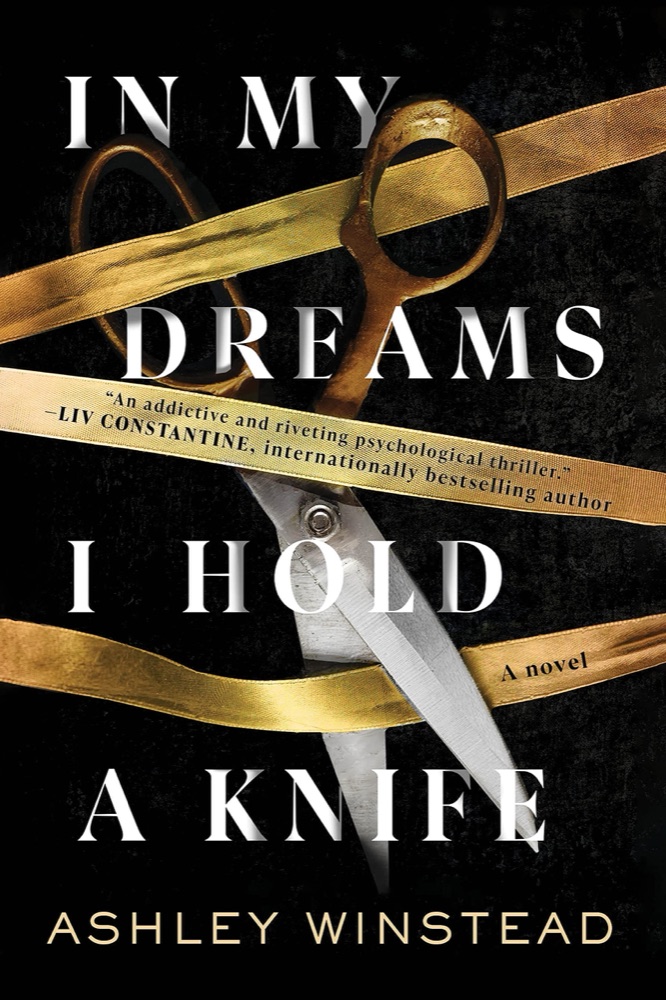 In My Dreams I Hold a Knife
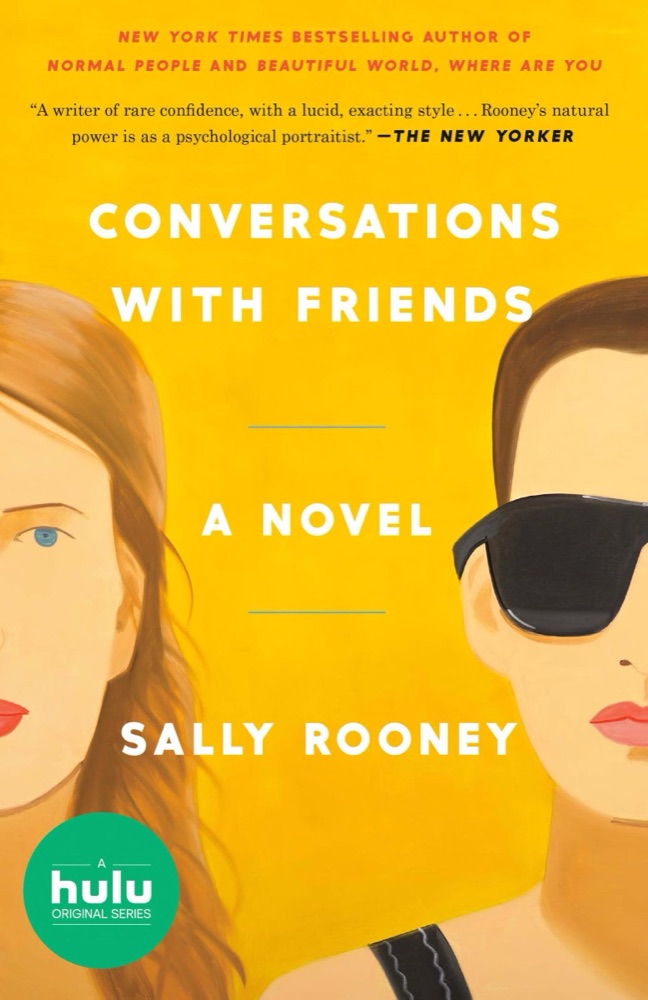 Conversations with Friends
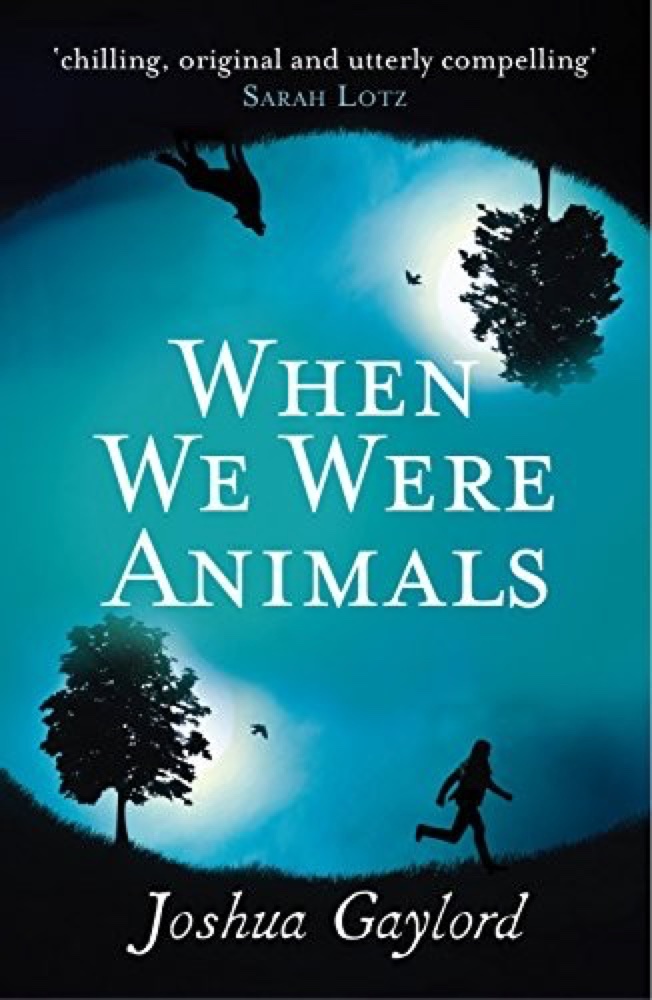 When We Were Animals
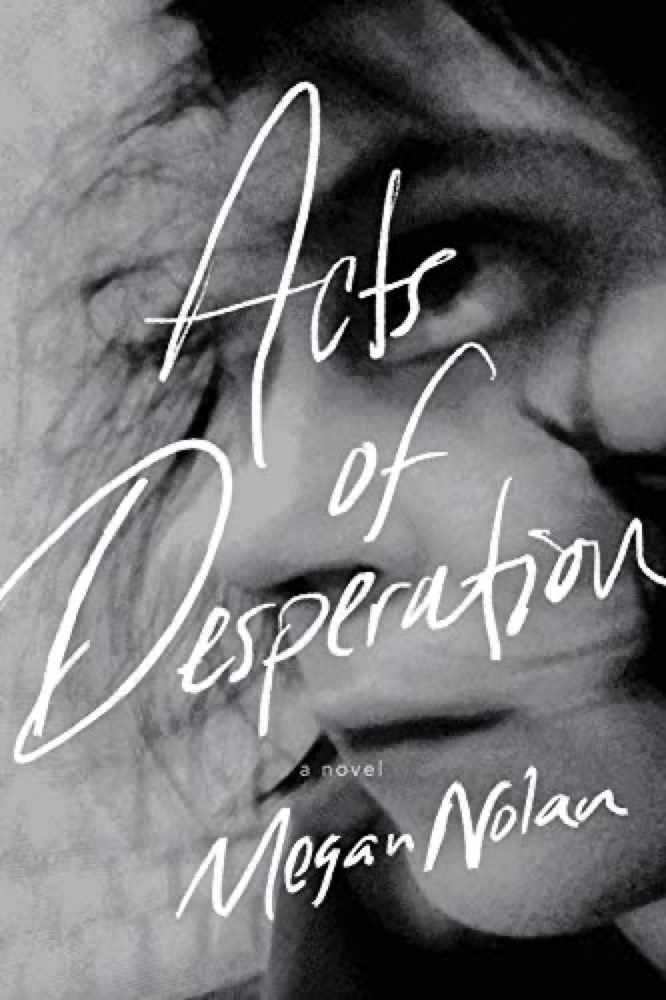 Acts of Desperation
 The Rachel Incident
 The Case for Jamie
 Milk Fed
 Great House
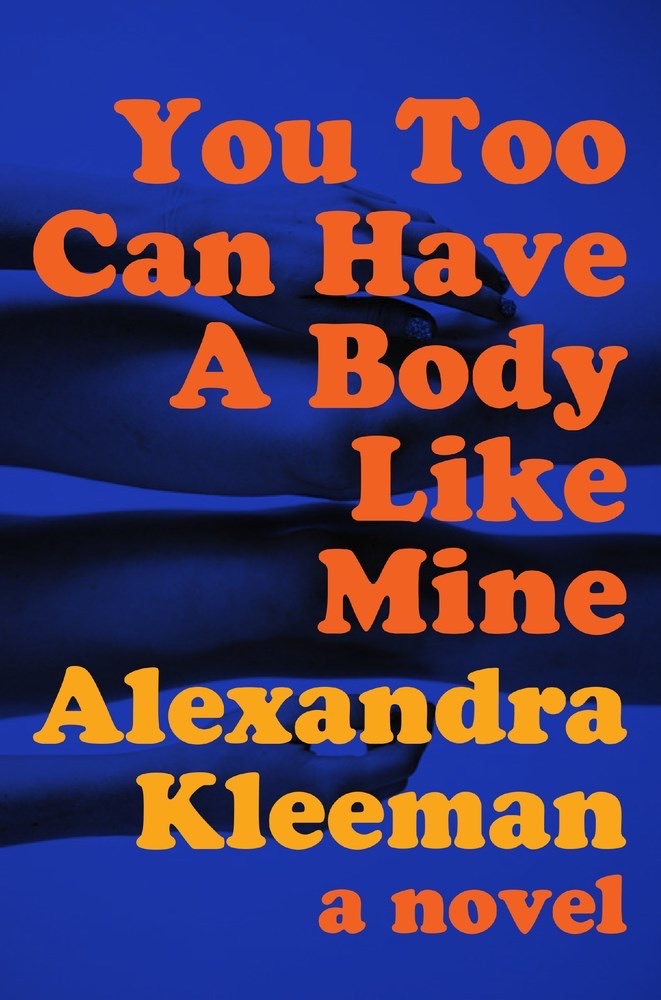 You Too Can Have a Body Like Mine
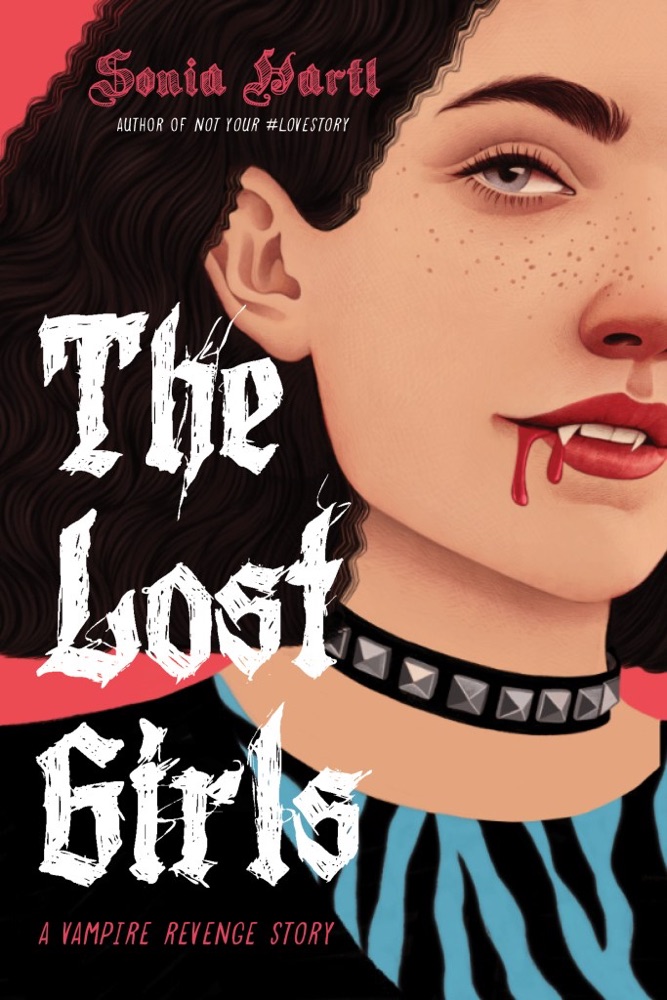 The Lost Girls
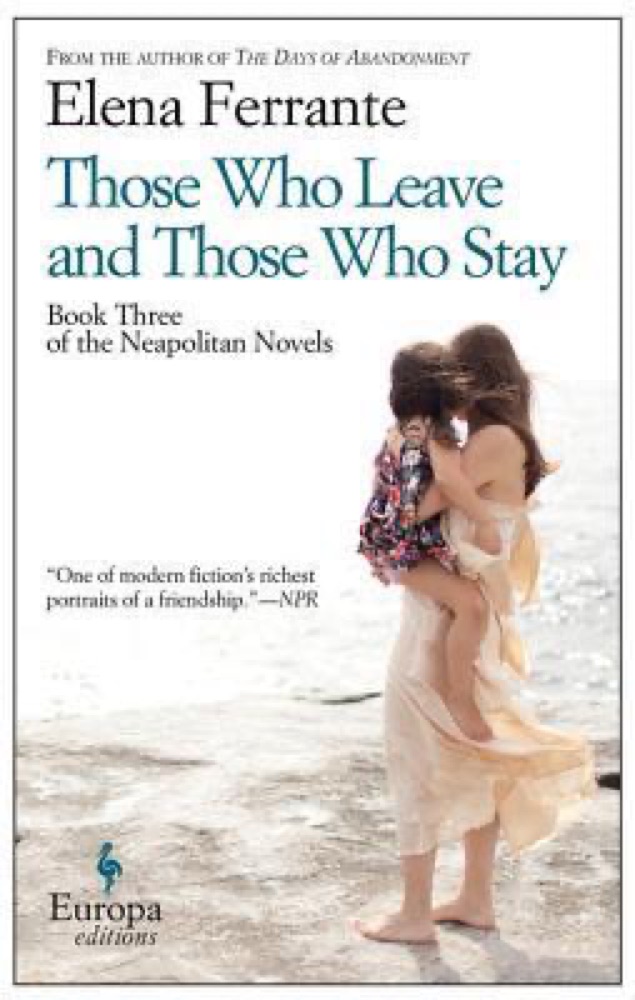 Those Who Leave and Those Who Stay
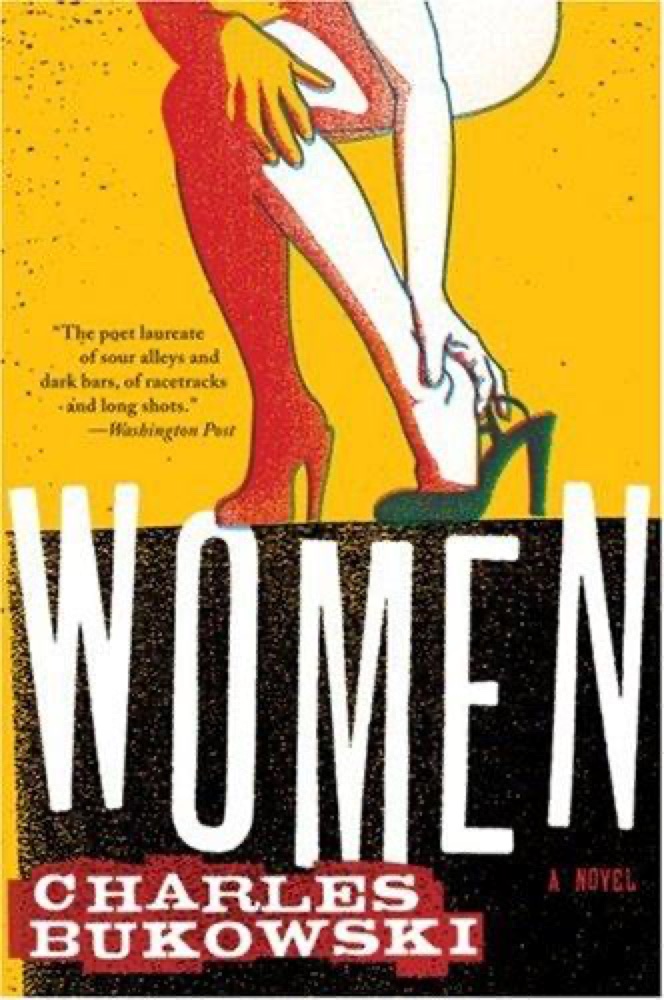 Women
Women
 The Girl Before
 White Oleander
 Schoolgirl
 Brief Interviews with Hideous Men
 Honey
Honey
 Every Exquisite Thing
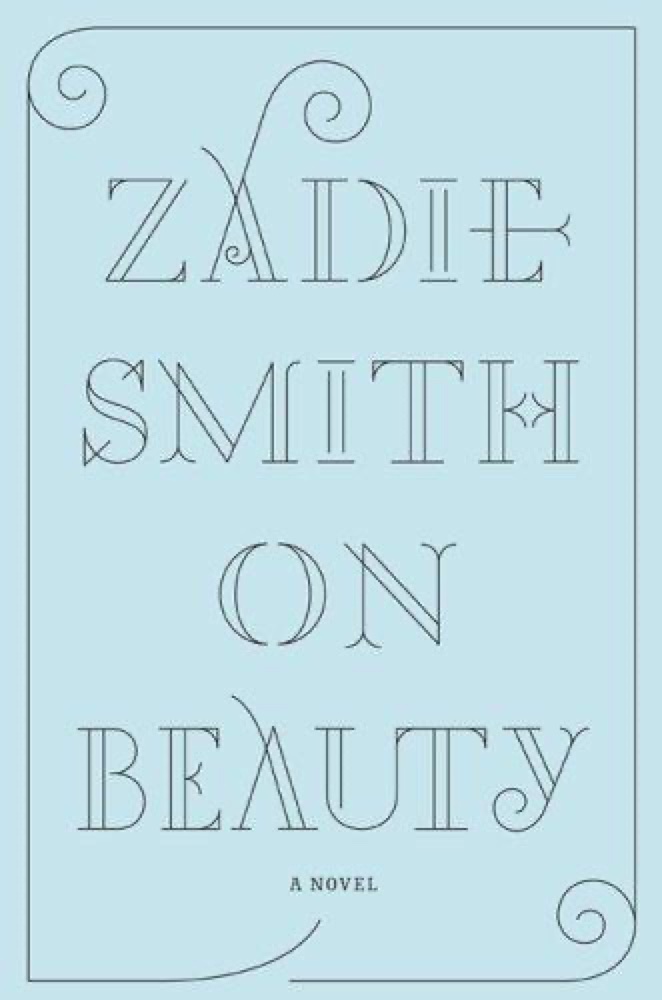 On Beauty
The Guest
On Beauty
The Guest
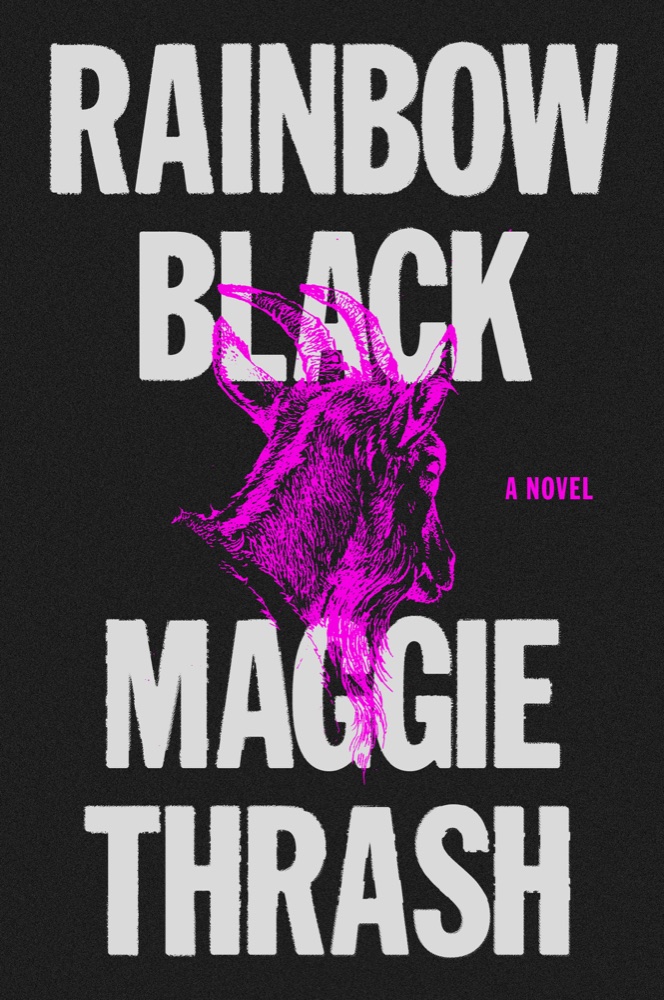 Rainbow Black
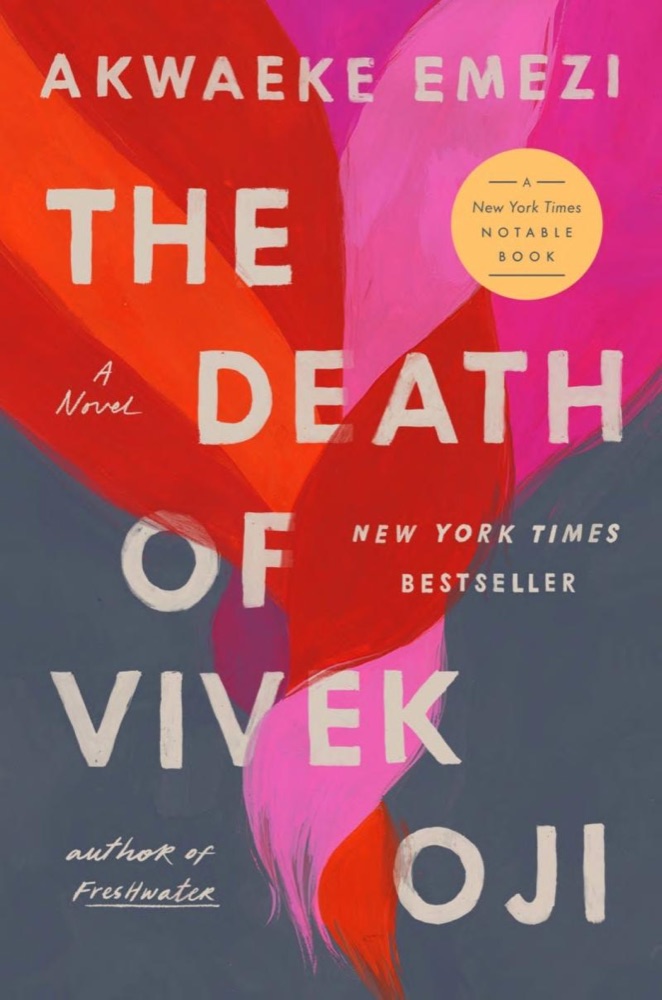 The Death of Vivek Oji
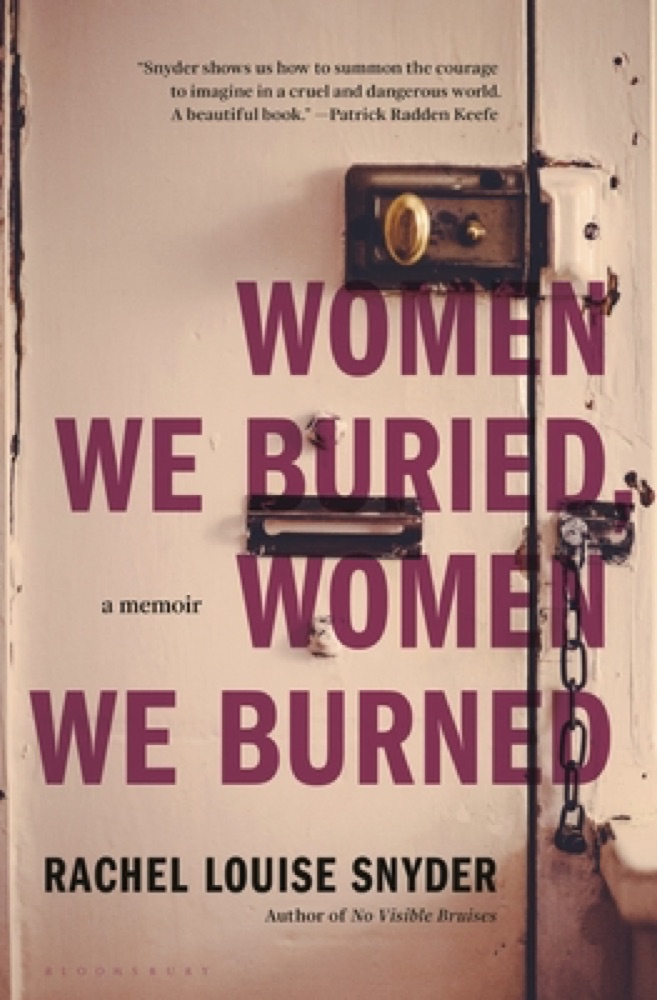 Women We Buried, Women We Burned: A Memoir
 Belong to Me
 The Mermaid Chair
 Couplets
 Animals Eat Each Other
 The Writing Retreat
 Where Am I Now?
 Dare Me
 Breakable
 The Secret Place
 In the Woods
 Forever in Blue: The Fourth Summer of the Sisterhood
 Scar Tissue
 Girls in Pants: The Third Summer of the Sisterhood
 The Woman Destroyed
 All the Lovers in the Night
 The Country Girls
 Gone Girl
 The Walls Around Us
 Just Another Number
 The Marriage Plot
 The First Bad Man
 The House of Hidden Meanings
 Tonight I'm Someone Else: Essays