
 The Lantern Bearers
Quotes from the Book
You cannot expect the man who made this shield to live easily under the rule of man who worked the sheath of this dagger . . . You are the builders of coursed stone walls, the makers of straight roads and ordered justice and disciplined troops. We know that, we know it all too well. We know that your justice is more sure than ours, and when we rise against you, we see our hosts break against the discipline of your troops, as the sea breaks against a rock. And we do not understand, because all these things are the ordered pattern, and only the free curves of the shield-boss are real to us. We do not understand. And when the time comes that we begin to understand your world, too often we lose the understanding of our own.
35
Better to be a laughing-stock than lose the fort for fear of being one.
23
Esca tossed the slender papyrus roll onto the cot, and set his own hands over Marcus's. "I have not served the Centurion because I was his slave," he said, dropping unconsciously into the speech of his own people. "I have served Marcus, and it was not slave-service...my stomach will be glad when we start on this hunting trail.
23
And it came to Marcus suddenly that slaves very seldom whistled. They might sing, if they felt like it or if the rhythm helped their work, but whistling was in some way different; it took a free man to make the sort of noise Esca was making.
22
And what will they do to you when you have told them this story?' Esca said very simply, 'They will kill me.' 'I am sorry, but I do not think much of that plan.' Marcus said.
21
Before he left Rome, Marcus had been in a fair way to becoming a charioteer, in Cradoc's sense of the word, and now desire woke in him, not to possess this team, for he was not one of those who much be able to say "Mine" before they can truly enjoy a thing, but to have them out and harnessed; to feel the vibrating chariot floor under him, and the spread reins quick with life in his hands, and these lovely, fiery little creatures in the traces, his will and theirs at one.
11
The gilded wreaths and crowns that the Legion had won in the days of its honour were gone from the crimson-bound staff; the furious talons still clutched the crossed thunderbolts, but where the great silver wings should have arched back in savage pride, were only empty socket-holes in the flanks of gilded bronze.
6
But these things that Rome had to give, are they not good things?” Marcus demanded. “Justice, and order, and good roads; worth having, surely?” “These be all good things,” Esca agreed. “But the price is too high.” “The price? Freedom?” “Yes—and other things than freedom.” “What other things? Tell me, Esca; I want to know. I want to understand.” Esca thought for a while, staring straight before him. “Look at the pattern embossed here on your dagger-sheath,” he said at last. “See, here is a tight curve, and here is another facing the other way to balance it, and here between them is a little round stiff flower; and then it is all repeated here, and here, and here again. It is beautiful, yes, but to me it is as meaningless as an unlit lamp.” Marcus nodded as the other glanced up at him. “Go on.” Esca took up the shield which had been laid aside at Cottia’s coming. “Look now at this shield-boss. See the bulging curves that flow from each other as water flows from water and wind from wind, as the stars turn in the heaven and blown sand drifts into dunes. These are the curves of life; and the man who traced them had in him knowledge of things that your people have lost the key to—if they ever had it.” He looked up at Marcus again very earnestly. “You cannot expect the man who made this shield to live easily under the rule of the man who worked the sheath of this dagger.” “The sheath was made by a British craftsman,” Marcus said stubbornly. “I bought it at Anderida when I first landed.” “By a British craftsman, yes, making a Roman pattern. One who had lived so long under the wings of Rome—he and his fathers before him—that he had forgotten the ways and the spirit of his own people.” He laid the shield down again. “You are the builders of coursed stone walls, the makers of straight roads and ordered justice and disciplined troops. We know that, we know it all too well. We know that your justice is more sure than ours, and when we rise against you, we see our hosts break against the discipline of your troops, as the sea breaks against a rock. And we do not understand, because all these things are of the ordered pattern, and only the free curves of the shield-boss are real to us. We do not understand. And when the time comes that we begin to understand your world, too often we lose the understanding of our own.” For a while they were silent, watching Cub at his beetle-hunting. Then Marcus said, “When I came out from home, a year and a half ago, it all seemed so simple.” His gaze dropped again to the buckler on the bench beside him, seeing the strange, swelling curves of the boss with new eyes. Esca had chosen his symbol well, he thought: between the formal pattern on his dagger-sheath and the formless yet potent beauty of the shield-boss lay all the distance that could lie between two worlds. And yet between individual people, people like Esca, and Marcus, and Cottia, the distance narrowed so that you could reach across it, one to another, so that it ceased to matter.
4
He could go back to all that now, to the hills and the people among whom he had been bred, and for whom he had been so bitterly homesick, here in the North. But if he did, would there not be another hunger on him all his life? For other scents and sights and sounds; pale and changeful northern skies and the green plover calling?
3
You could give a slave his freedom, but nothing could undo the fact that he had been a slave; and between him, a freed-man, and any free man who had never been unfree, there would still be a difference. Wherever the Roman way of life held good, there would still be a difference.
2
And here in Britain the wind moaned through the desolate woods, the skies wept, and wet gale-blown leaves pattered against the windows and stuck there, making little pathetic shadows against the steamy glass. There had been wild weather often enough in his own country, but that had been the wild weather of home; here was the wind and and rain and wet leaves of exile.
2
Sometime about the year 117, the IXth Legion, which was stationed at Eburacum where York now stands, marched north to deal with a rising among the Caledonian tribes and was never heard of again... no-one knows what happened to the IXth Legion after it marched into the northern mists.
1
I suppose I should feel guilty about you, Esca. For me, there has been the Eagle; but what had you to win in all this?' Esca smiled at him, a slow, grave smile. There was a jagged tear in his forehead where a furze-root had caught him, Marcus noticed, but under it his eyes looked very quiet. 'I have been once again a free man among free men. I have shared the hunting with my brother, and it has been a good hunting.' Marcus smiled back. 'It has been a good hunting,' he agreed.
1
the frightful conviction was growing on him that he would end up as somebody’s secretary.
I like being inside your cloak,” she said contentedly. “It feels warm and safe, as a bird must feel inside its own feathers.
Watch on YouTube
About Rosemary Sutcliff
We have collected 23 quotes from 2 books by Rosemary Sutcliff on BookQuoters.
More about the author →More by Rosemary Sutcliff
The Lantern Bearers
About the book
One of Rosemary Sutcliff's acclaimed books set in Roman Britain. The Eagle of the Ninth tells the story of a young Roman officer who sets out to discover the truth behind the mysterious disappearance of the Ninth Legion, who marched into the mists of northern Britain and never came back.
Rosemary Sutcliff spent most of her life in a wheelchair, suffering from the wasting Still's disease. She wrote her first book for children, The Queen's Story, in 1950 and went on to become a highly respected name in the field of children's literature. She received an OBE in 1975 and died at the age of 72 in 1992.
Book details
- First published
- 1954
- Author
- Rosemary Sutcliff
- Genre
- Historical
- Goodreads rating
- 3.94 (12k ratings)
Keep reading
 The Steel Remains
 A Conspiracy of Kings
 First Lord's Fury
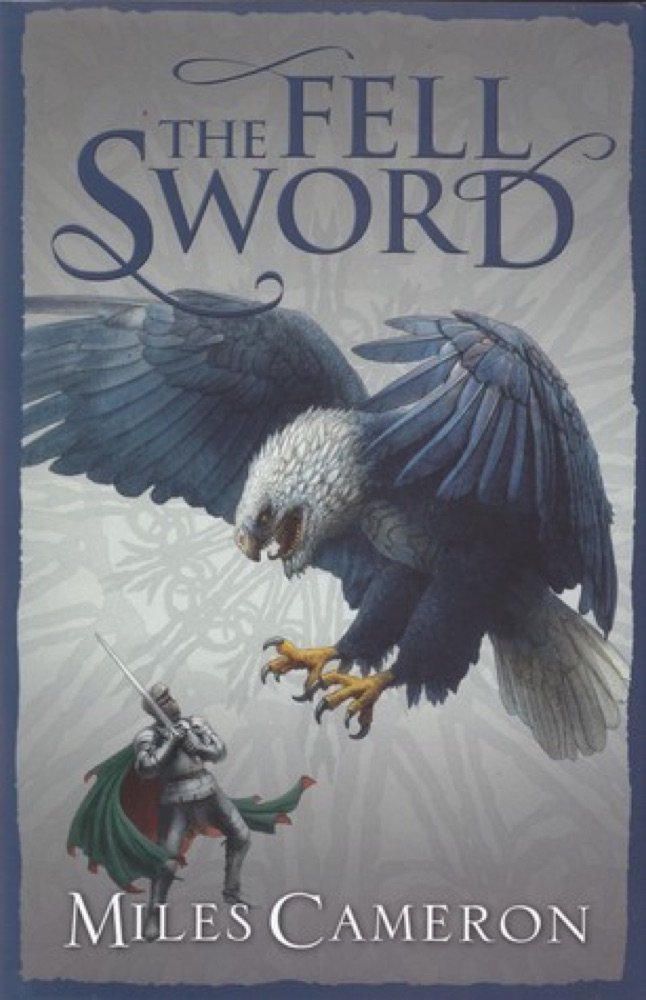 The Fell Sword
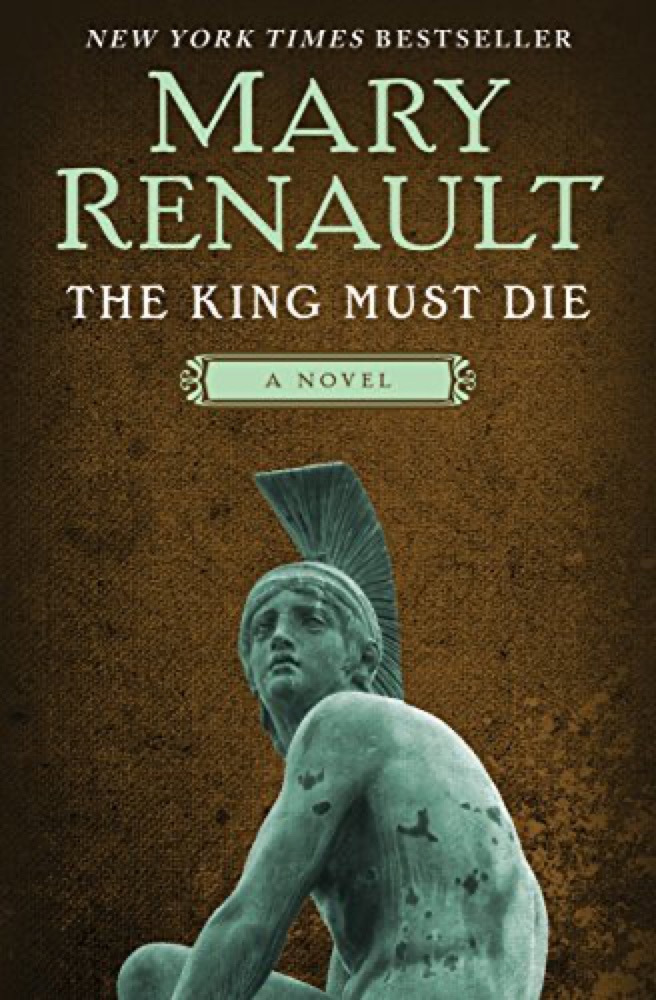 The King Must Die
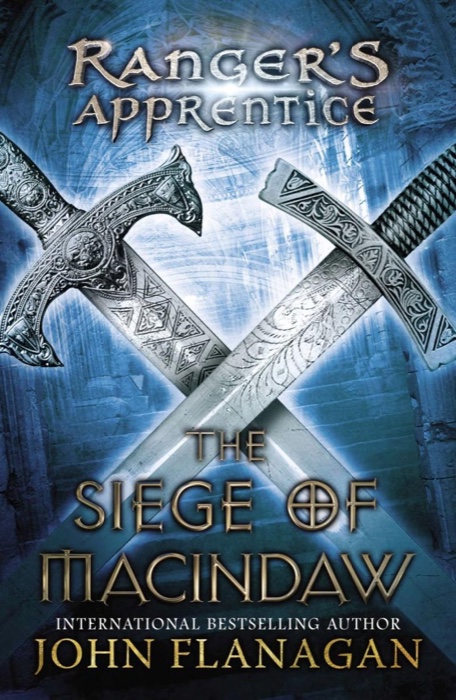 The Siege of Macindaw
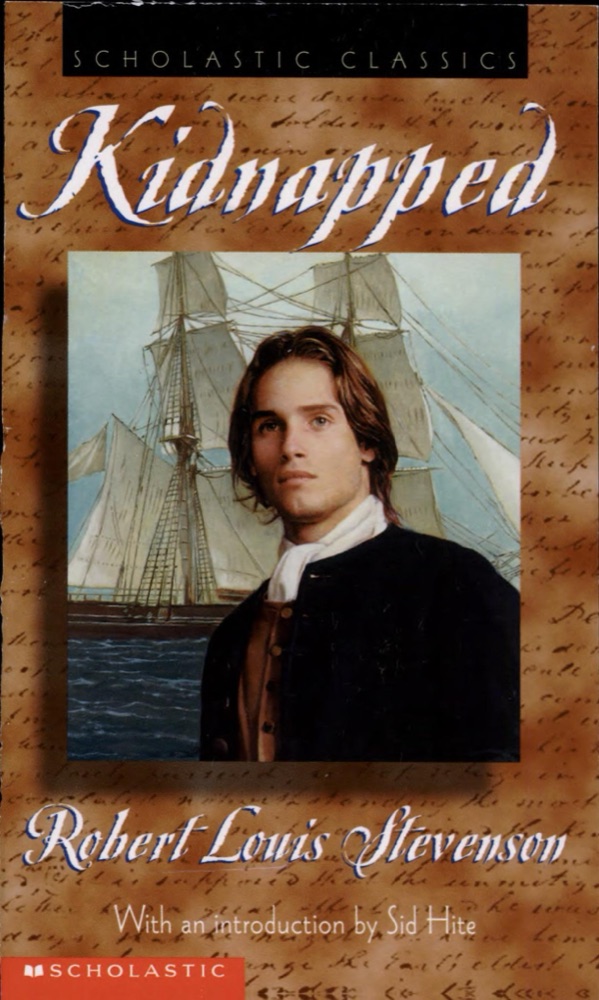 Kidnapped
 The Hallowed Hunt
 The Last Kingdom
 Sword & Citadel
 The Bright Sword
 Death of Kings
 The Scottish Prisoner
 The Fear Institute
 Homegoing
 The Bedlam Stacks
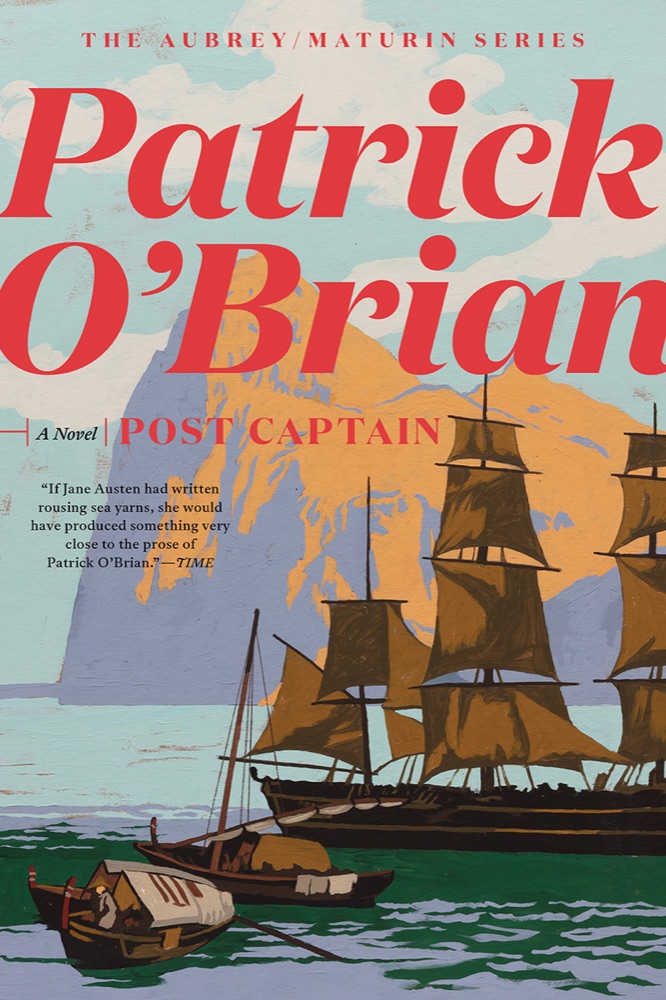 Post Captain
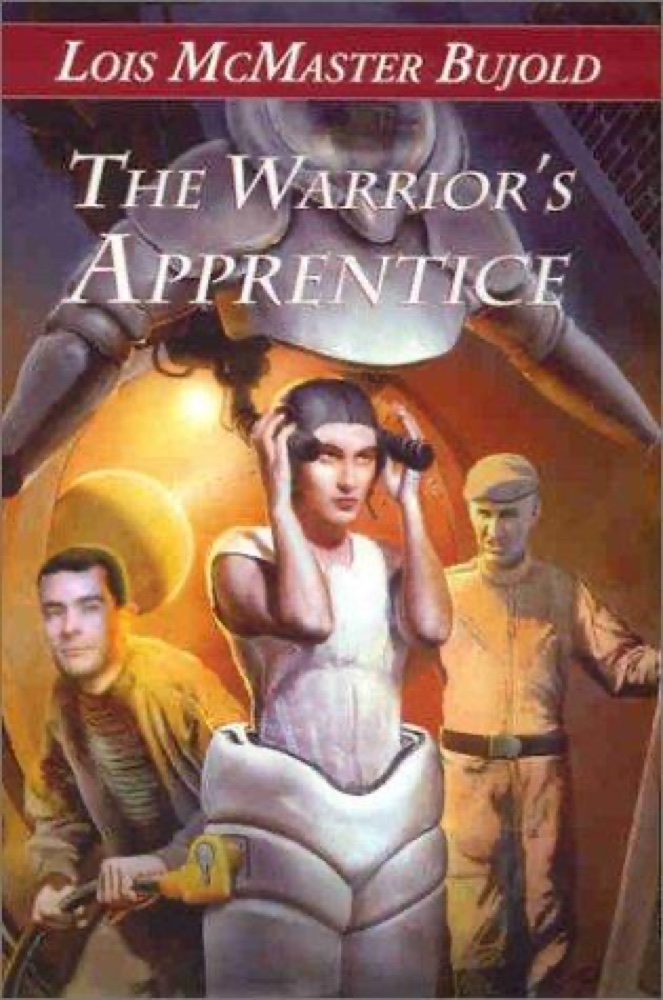 The Warrior's Apprentice
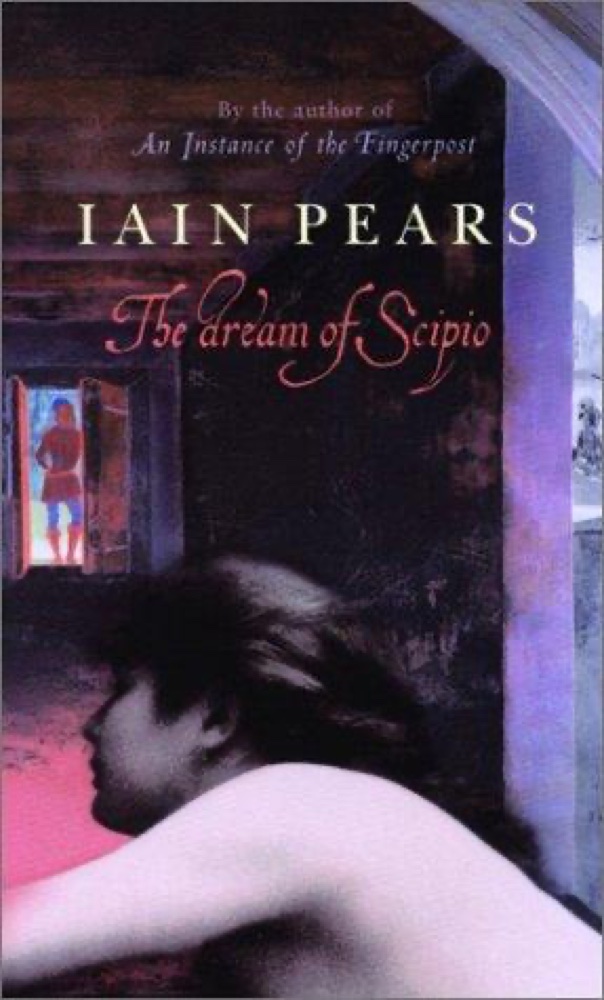 The Dream of Scipio
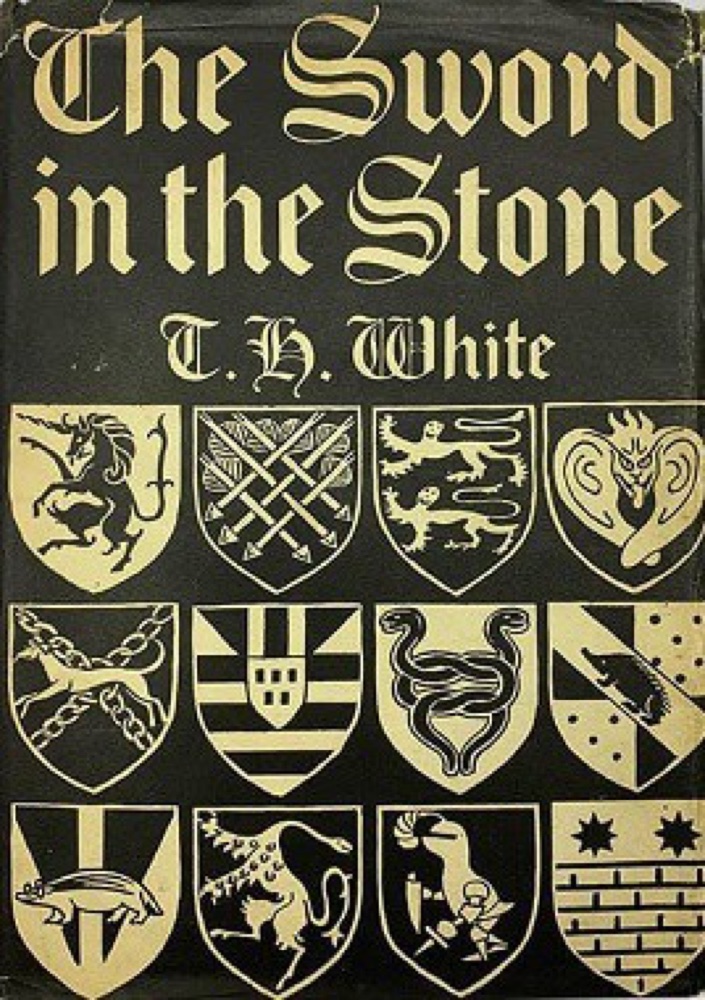 The Sword in the Stone
 New Spring
 The Gallows Curse
 The Sweetness of Water
 Assassin's Quest
 Saturnine
 The Water Dancer
 The Surgeon's Mate
 Shadow & Claw
 Barnaby Rudge
 The Nutmeg of Consolation
 The Prophets
 Sackett's Land
 When Christ and His Saints Slept
 Black Lamb and Grey Falcon
 Decline and Fall
 The Memoirs of Cleopatra
 The Enchantress of Florence
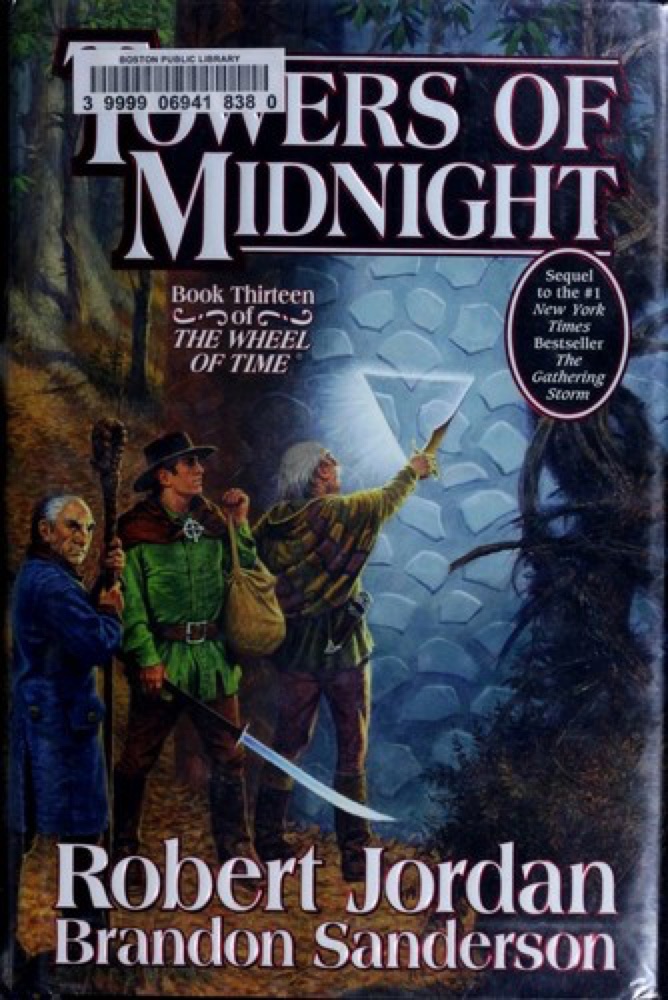 Towers of Midnight
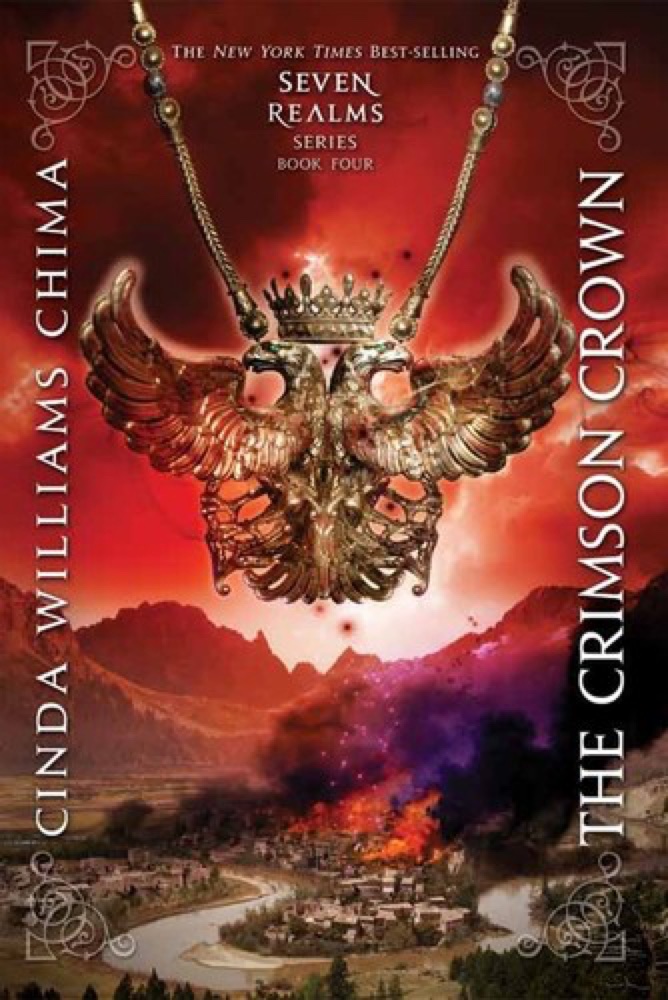 The Crimson Crown
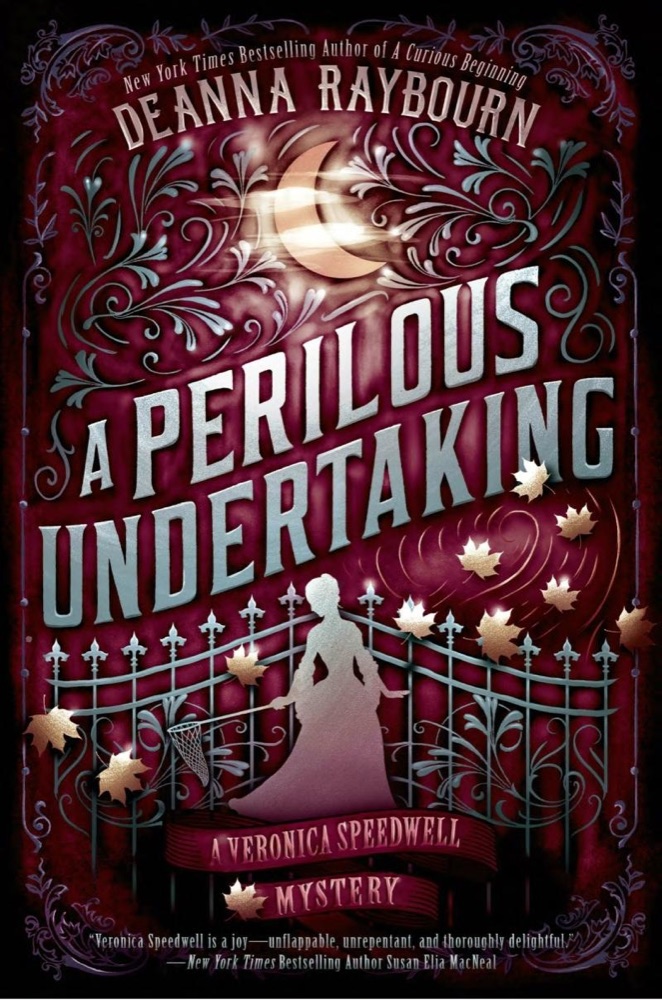 A Perilous Undertaking
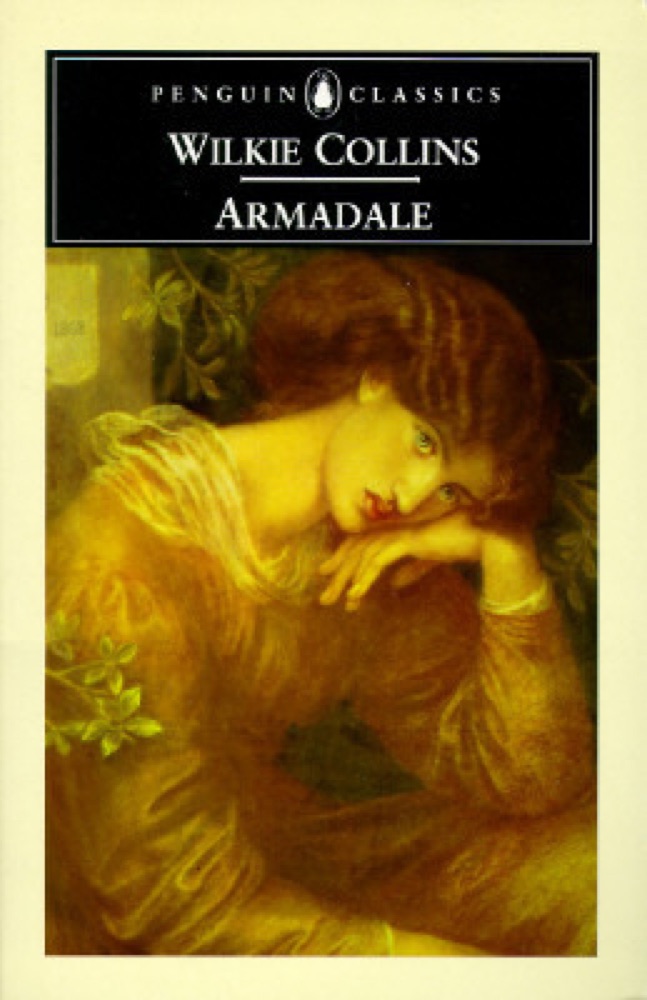 Armadale
 Roughing It
 The Gormenghast Novels
 Toll the Hounds
 Attrition: the First Act of Penance
 The Pale Horseman
 Fly by Night
 Ruin
Ruin
 Dawnshard
 The Ringed Castle
 The Ballad of Songbirds and Snakes
 Jeremy Poldark
 Death Watch
 Devil's Brood
 His Majesty's Dragon
 At the Back of the North Wind
 Redemption in Indigo
 The Crippled God
 Blood of Dragons
 The Hymn to Dionysus