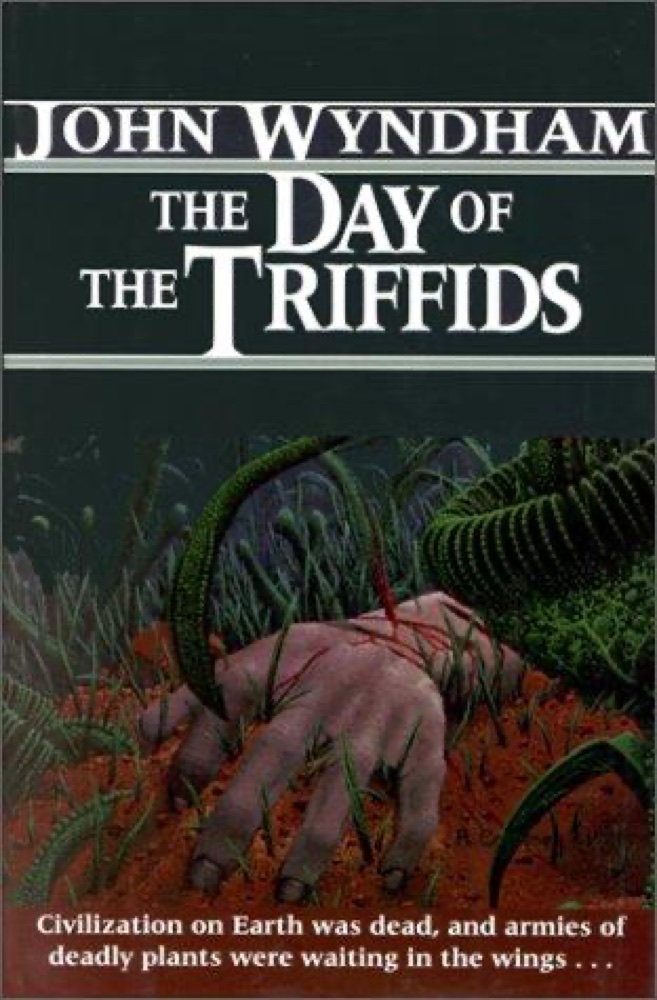

 The Chrysalids
Quotes from the Book
When a day that you happen to know is Wednesday starts off by sounding like Sunday, there is something seriously wrong somewhere.
It must be, I thought, one of the race's most persistent and comforting hallucinations to trust that "it can't happen here" -- that one's own time and place is beyond cataclysm.
And we danced, on the brink of an unknown future, to an echo from a vanished past.
Until then I had always thought of loneliness as something negative—an absence of company, and, of course, something temporary... That day I had learned that it was much more. It was something which could press and oppress, could distort the ordinary and play tricks with the mind. Something which lurked inimically all around, stretching the nerves and twanging them with alarms, never letting one forget that there was no one to help, no one to care. It showed one as an atom adrift in vastness, and it waited all the time its chance to frighten and frighten horribly—that was what loneliness was really trying to do; and that was what one must never let it do...
I don't think it had ever occurred to me that man's supremacy is not primarily due to his brain, as most of the books would have one think. It is due to the brain's capacity to make use of the information conveyed to it by a narrow band of visible light rays. His civilization, all that he had achieved or might achieve, hung upon his ability to perceive that range of vibrations from red to violet. Without that, he was lost.
Anybody who has had a great treasure has always led a precarious existence.
It's humiliating to be dependent, anyway, but it's still a poorer pass to have no one to depend on.
Children have a different convention of the fearful until they have been taught the proper things to be shocked at.
We all have our youthful follies, embarassing to recall -- but people somehow find it hard to dismiss as a youthful folly anything that has happened to be a financial success.
Most people […] prefer to be coaxed or wheedled, or even driven. That way they never make a mistake: if there is one, it's always due to something or somebody else
You'd expect her to see reason,' he muttered. I don't see why. Most of us don't - we see habit. She'll oppose any modification, reasonable or not, that conflicts with her previously trained feelings of what is right and polite - and be quite honestly convinced that she's showing steadfast strength of character. . .
The clock is the most scared thing in a hospital
You don't seriously suggest that thet're talking when they make that rattling noise.
Half the political intelligentsia who talk to a working audience don’t get the value of their stuff across—not so much because they’re over their audience’s heads, as because half the chaps are listening to the voice and not to the words, so they knock a big discount off what they do hear because it’s all a bit fancy, and not like ordinary, normal talk.
It’s not my fault if I’m not any good at things like that.” “I’ll differ there,” Coker told her. “It’s not only your fault—it’s a self-created fault. Moreover, it’s an affectation to consider yourself too spiritual to understand anything mechanical. It is a petty and a very silly form of vanity. Everyone starts by knowing nothing about anything, but God gives him—and even her—brains to find out with. Failure to use them is not a virtue to be praised;
Nobody is going to be muddle-headed enough to confuse ignorance with innocence now - it's too important. Nor is ignorance going to be cute or funny anymore. It is going to be dangerous, very dangerous.
To deprive a gregarious creature of companionship is to maim it, to outrage its nature. The prisoner and the cenobite are aware that the herd exists beyond their exile; they are an aspect of it. But when the herd no longer exists, there is, for the herd creature, no longer entity, a part of no whole; a freak without a place. If he cannot hold on to his reason, then he is lost indeed; most utterly, most fearfully lost, so that he becomes no more than the twitch in the limb of a corpse.
The simple rely on a bolstering mass of maxim and precept, so do the timid, so do the mentally lazy – and so do all of us, more than we imagine.
When almost half a lifetime has been spent in one conception of order, reorientation is no five-minute business.
every day it was tomorrow that I’d be able to do it, and each day it became more difficult.
Marvelously clear-fretted in the unsmoked air, the Abbey rose, silver-grey. It stood detached by the serenity of age from the ephemeral growths around it. It was solid on a foundation of centuries, destined, perhaps, for centuries yet to preserve within it the monuments to those whose work was now all destroyed. I did not loiter there. In years to come I expect some will go o look at the old Abbey with romantic melancholy. But romance of that kind is an alloy of tragedy with retrospect. I was too close.
I was hiding from them even while I moved among them.
You know, one of the most shocking things about it is to realize how easily we have lost a world that seemed so safe and certain." She was quite right. It was that simplicity that seemed somehow to be the nucleus of the shock. From very familiarity one forgets all the forces which keep the balance, and thinks of security as normal. It is not.
It must be, I thought, one of the race’s most persistent and comforting hallucinations to trust that “it can’t happen here”—that one’s own little time and place is beyond cataclysms. And now it was happening here.
In temperate countries, where man had succeeded in putting most forms of nature save his own under a reasonable degree of restraint, the status of the triffid was thus made quite clear. But in the tropics, particularly in the dense forest areas, they quickly became a scourge.
It’s humiliating to be dependent, anyway, but it’s a still poorer pass to have no one to depend on.
appreciating a private room. In a public ward the messy proceeding would have taken place a whole unnecessary hour
To deprive a gregarious creature of companionship is to maim it, to outrage its nature. The prisoner and the cenobite are aware that the herd exists beyond their exile; they are an aspect of it. But when the herd no longer exists, there is, for the herd creature, no longer entity. He is a part of no whole, a freak without a place. If he cannot hold onto his reason, then he is lost indeed: most utterly and most fearfully lost, so that he becomes no more than the twitch in the limb of a corpse. It
Watch on YouTube
About John Wyndham
We have collected 112 quotes from 5 books by John Wyndham on BookQuoters.
More about the author →More by John Wyndham

Book details
- Author
- John Wyndham
- Genre
- Classics
- Goodreads rating
- 4.01 (120k ratings) →
Keep reading
 That Hideous Strength
 The Hour I First Believed
 The Shockwave Rider
 The Jewel in the Crown
 A Fraction of the Whole
 Against the Day
 The Long Dark Tea-Time of the Soul
 The Testaments
 False Memory
 Middlemarch
 Senlin Ascends
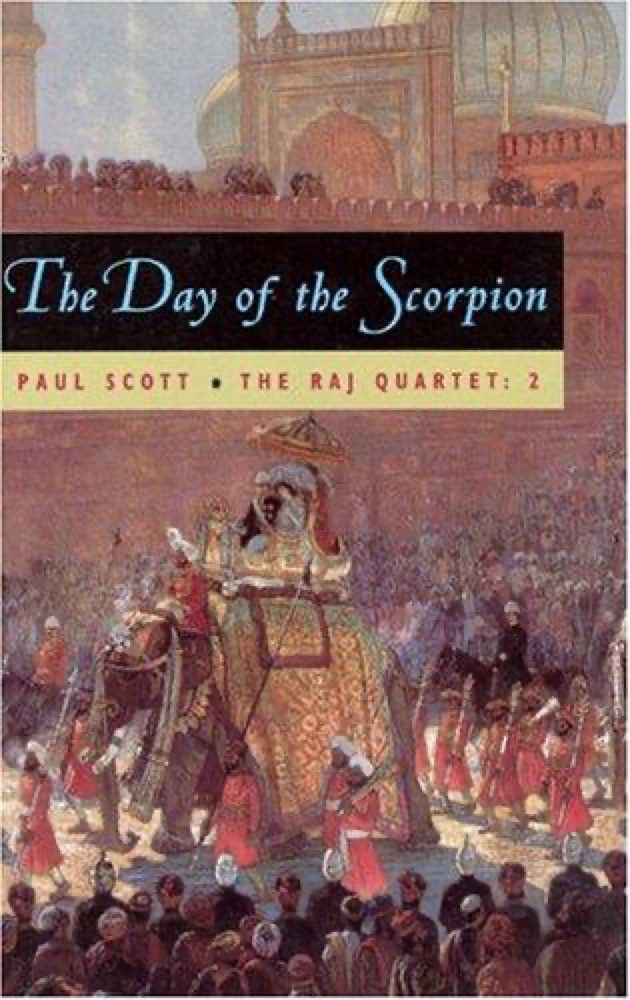 The Day of the Scorpion
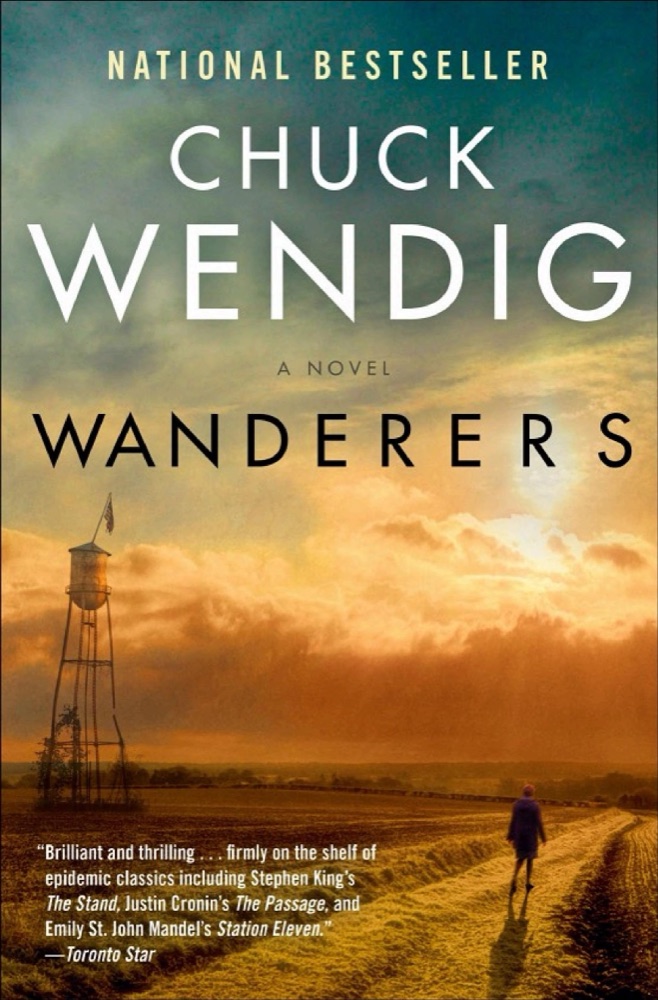 Wanderers
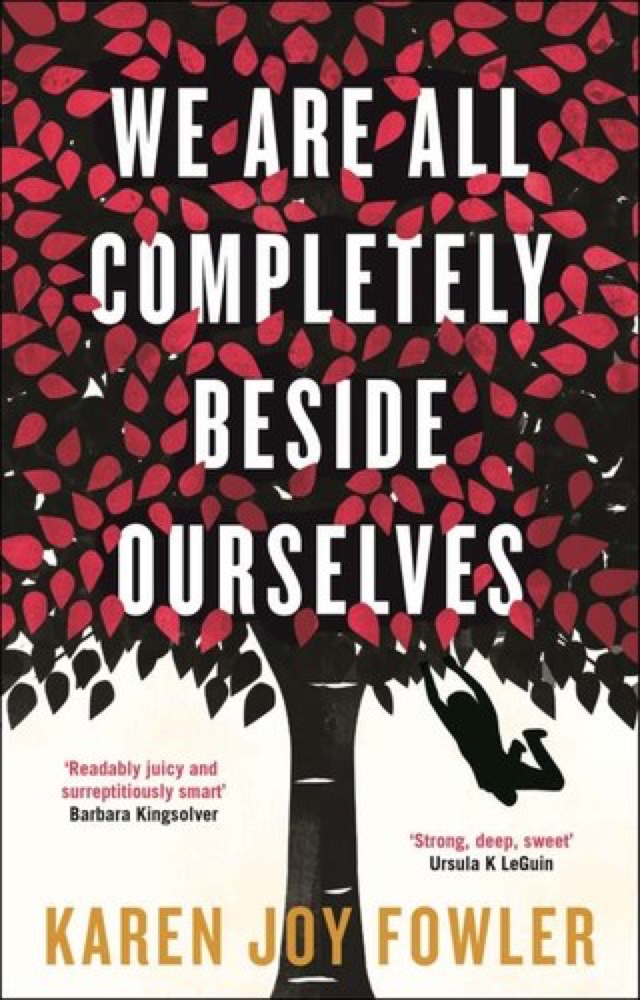 We Are All Completely Beside Ourselves
 Flight Behavior
 A Lion Among Men
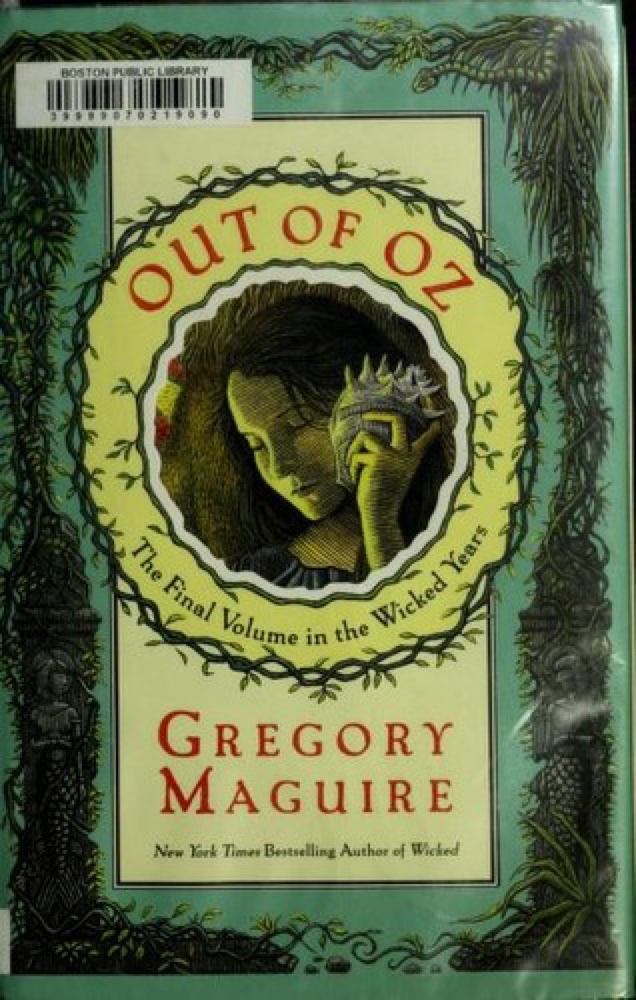 Out of Oz
 Odd Hours
 Just After Sunset
 The Story of a New Name
 Coinman: An Untold Conspiracy
 Authority
 The Book of Strange New Things
 Gaudy Night
 The Winter of Our Discontent
 Saint Odd
 The Rebel Angels
 The Fall of Babel
 Special Topics in Calamity Physics
 Sometimes a Great Notion
 Thrice the Brinded Cat Hath Mew'd
 Saturday
 As Chimney Sweepers Come to Dust
 The Adventures of Augie March
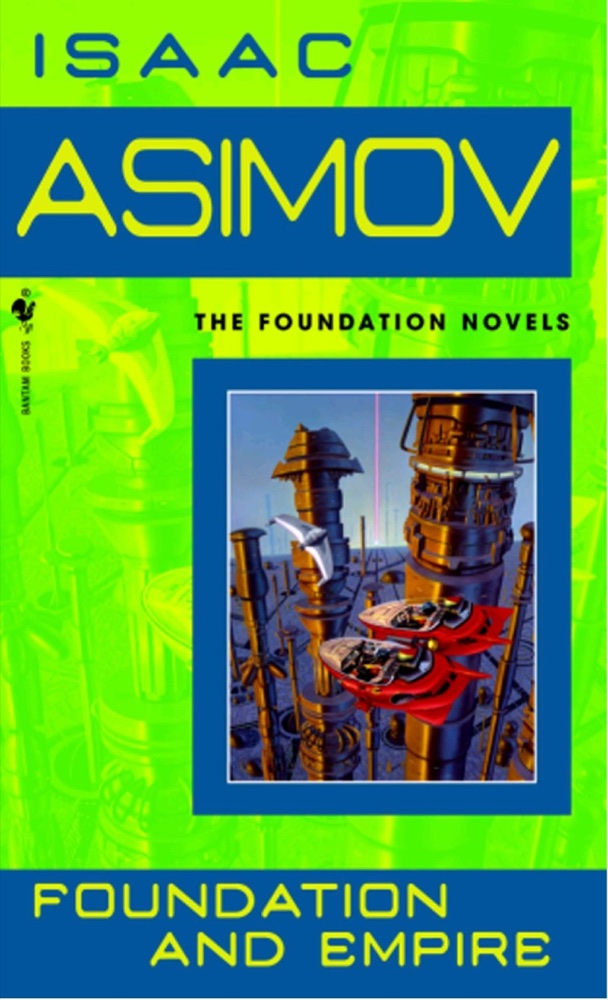 Foundation and Empire
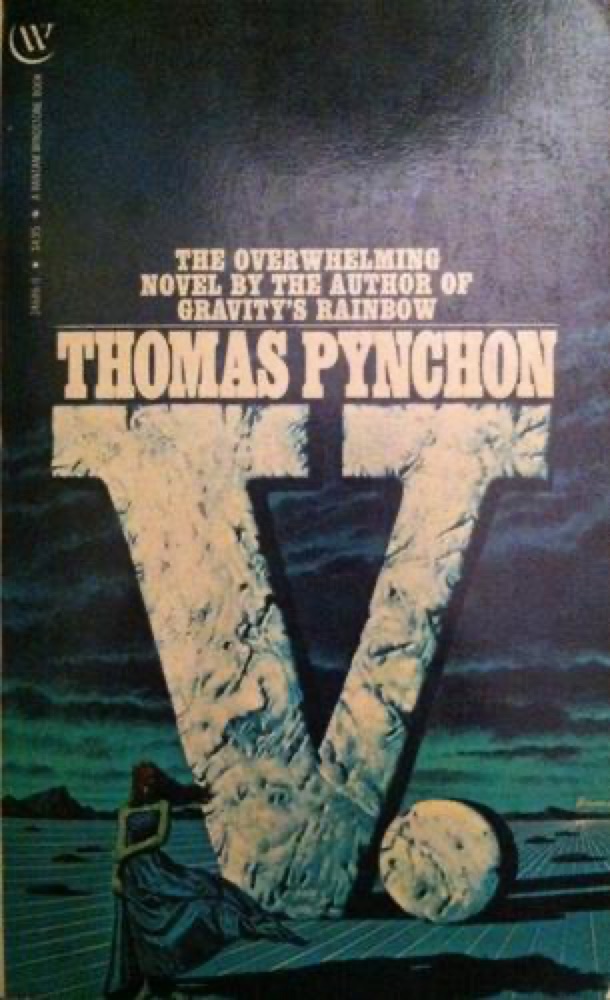 V.
V.
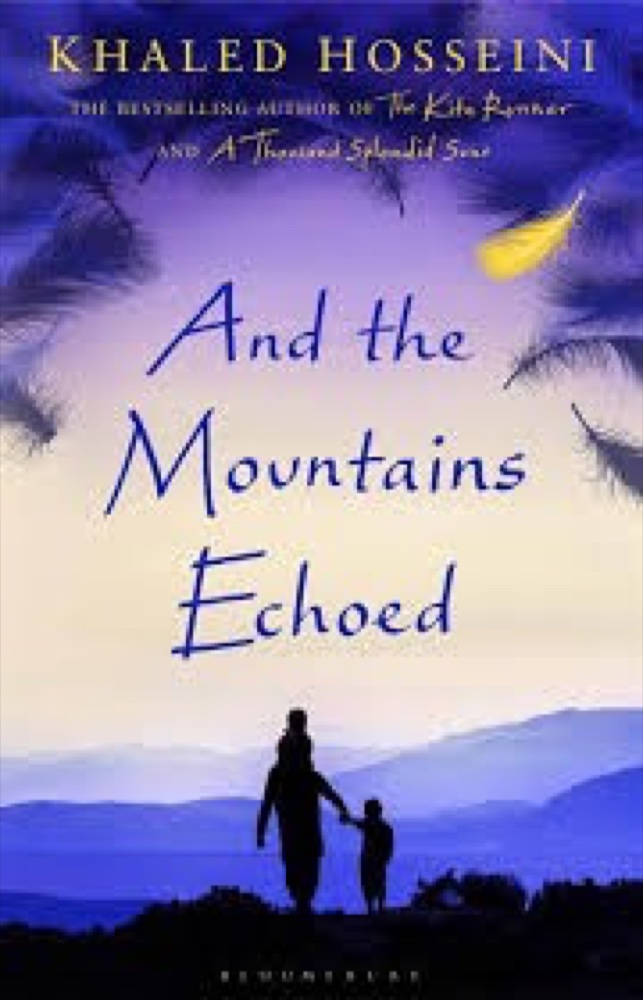 And the Mountains Echoed
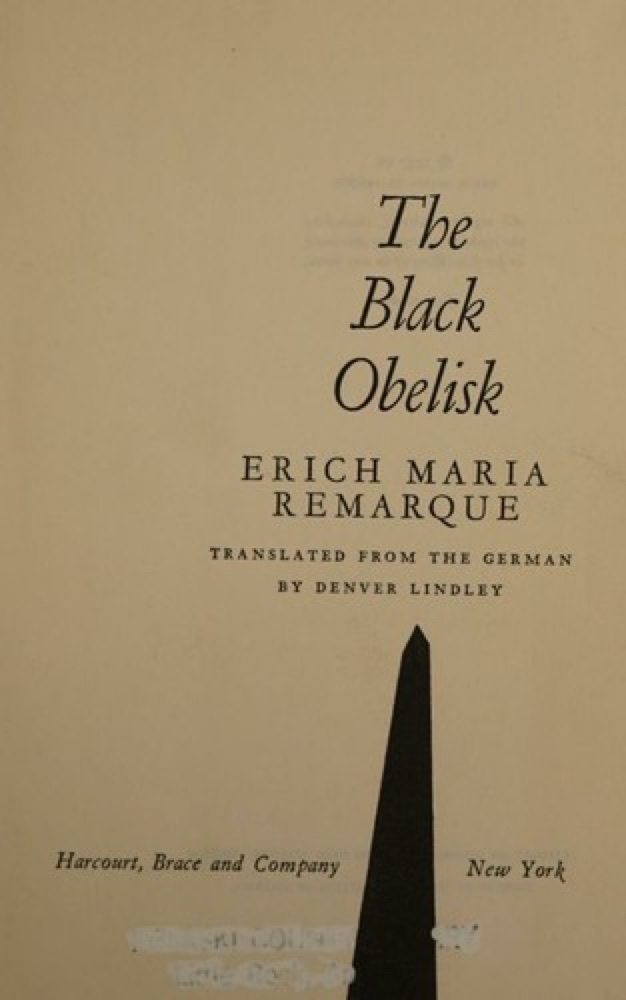 The Black Obelisk
 Engleby
 Big Machine
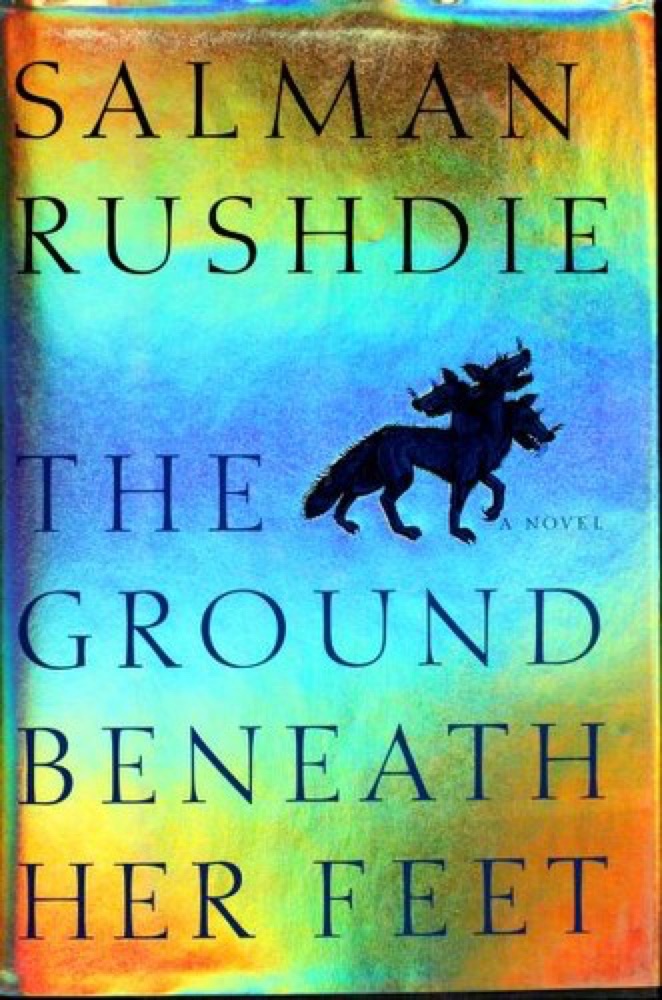 The Ground Beneath Her Feet
 The Reality Dysfunction
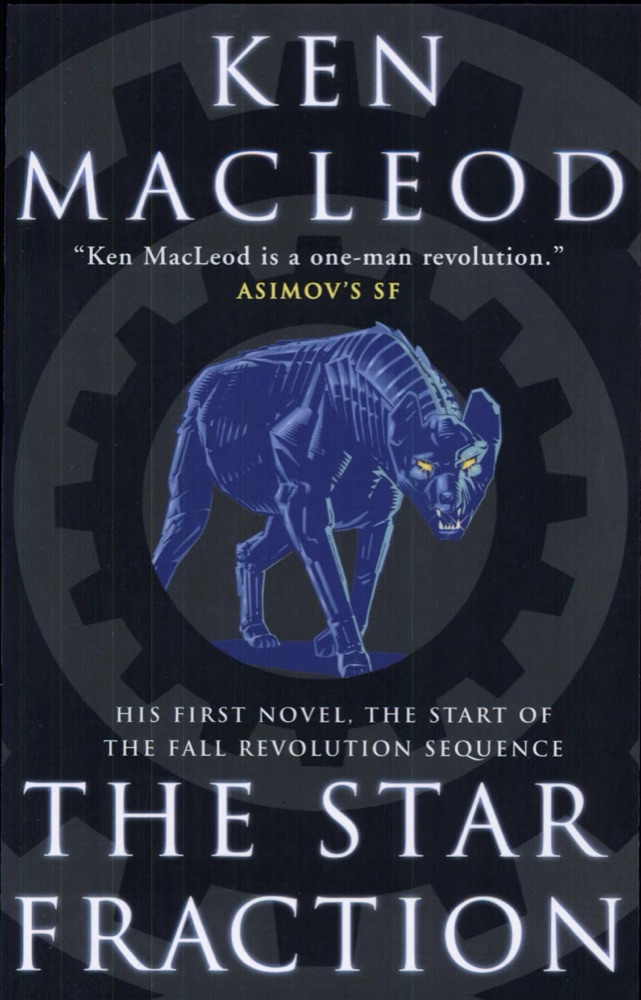 The Star Fraction
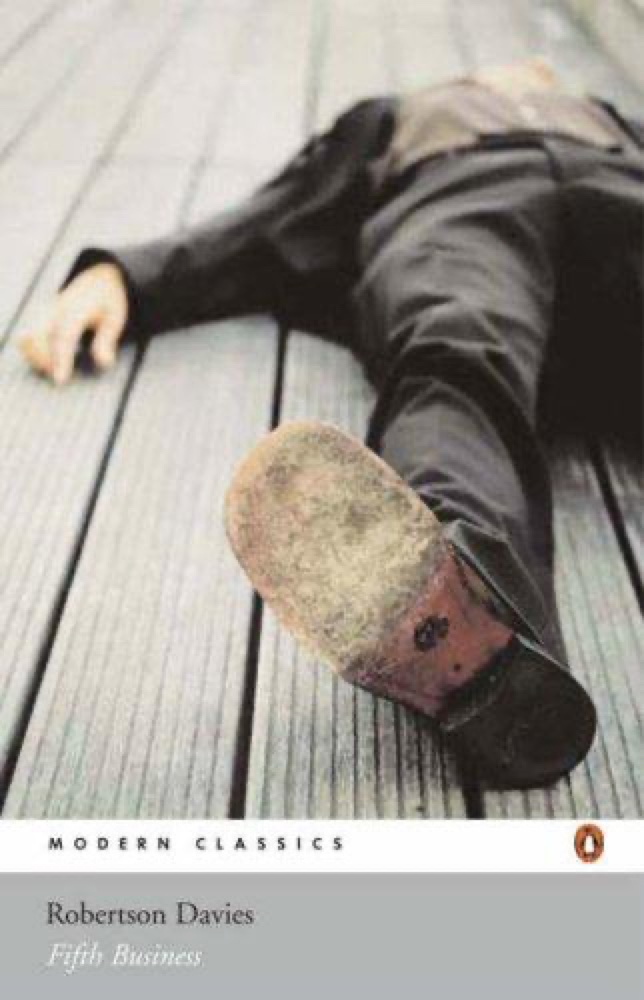 Fifth Business
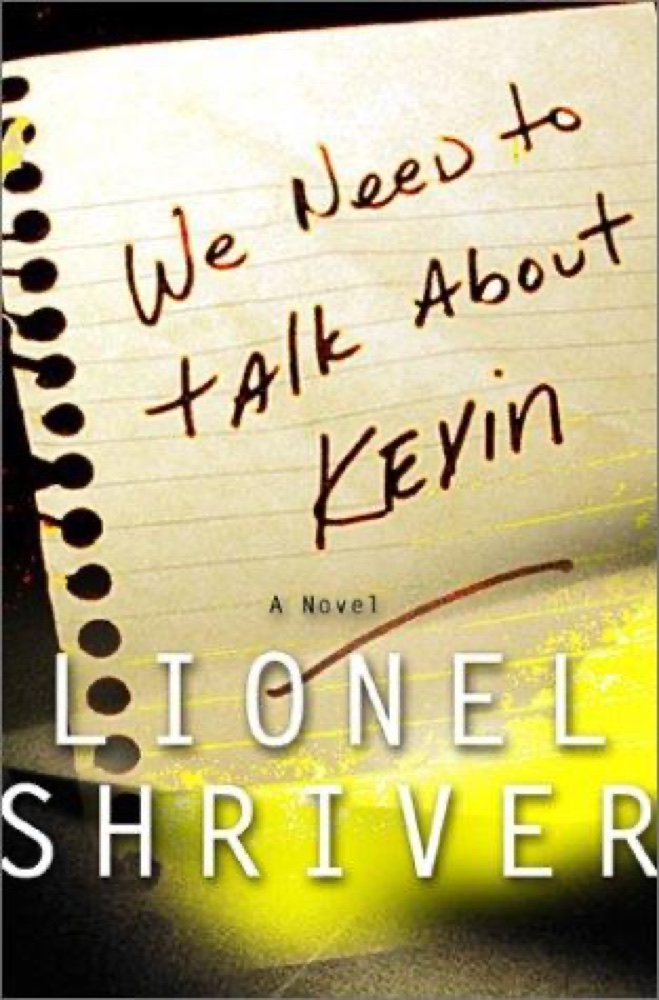 We Need to Talk About Kevin
 Outrun the Moon
 A Map of Days
 The Bee Sting
 Canada
 By Nightfall
 Chances Are...
 The Stone Diaries
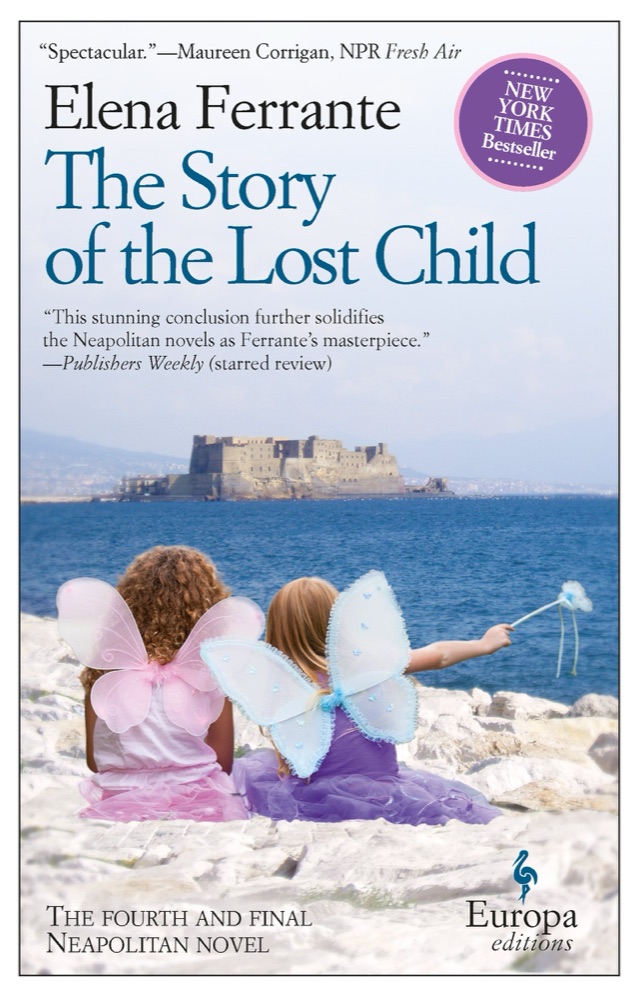 The Story of the Lost Child
 The Long Way to a Small, Angry Planet
 Crime and Punishment
 The Prisoner of Heaven
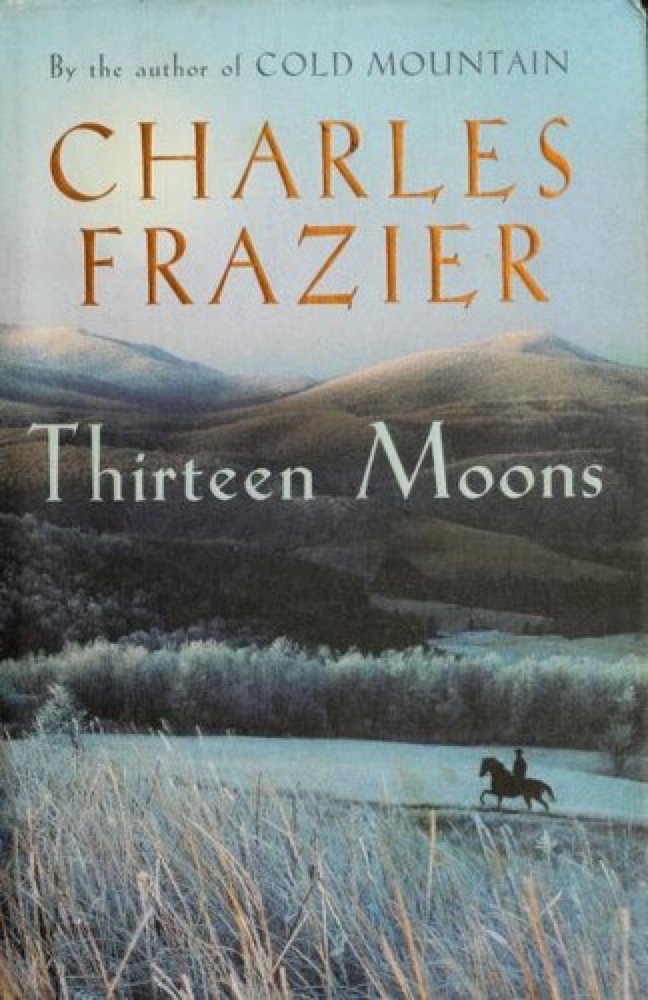 Thirteen Moons
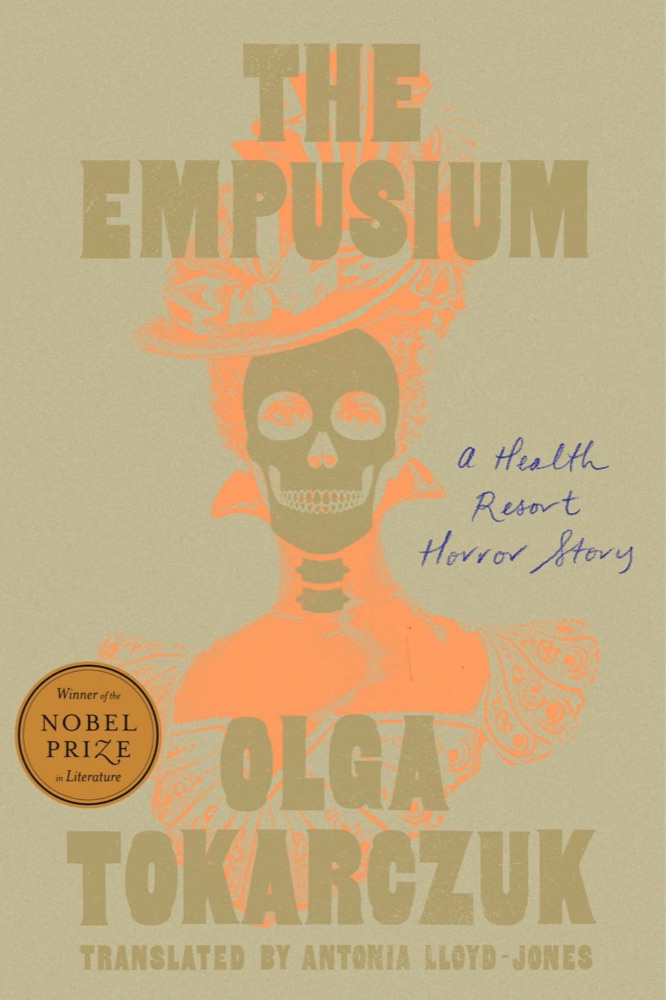 The Empusium
 Light in August
 Rot & Ruin