
 Still Life
Quotes from the Book
Love wants the best for others. Attachment takes hostages.
40
Loss was like that, Gamache knew. You didn’t just lose a loved one. You lost your heart, your memories, your laughter, your brain and it even took your bones. Eventually it all came back, but different. Rearranged.
29
Gamache knew people were like homes. Some were cheerful and bright, some gloomy. Some could look good on the outside but feel wretched on the interior. And some of the least attractive homes, from the outside, were kindly and warm inside. He also knew the first few rooms were for public consumption. It was only in going deeper that he'd find the reality. And finally, inevitably, there was the last room, the one we keep locked, and bolted and barred, even from ourselves. Especially from ourselves.
28
The terror of falling asleep knowing that on waking she’d relive the loss, like Prometheus bound and tormented each day. Everything had changed. Even her grammar. Suddenly she lived in the past tense. And the singular.
13
Attachment masquerades as Love, Pity as Compassion and Indifference as Equanimity.
11
Some mothers see their job as preparing their kids to live in the big old world. To be independent, to marry and have children of their own. To live wherever they choose and do what makes them happy. That’s love. Others, and we all see them, cling to their children. Move to the same city, the same neighborhood. Live through them. Stifle them. Manipulate, use guilt-trips, cripple them.’ ‘Cripple them? How?’ ‘By not teaching them to be independent.
11
It takes years for the moth to evolve from an egg into an adult," he said. "In its final stage the caterpillar spins a cocoon and then it dissolves completely until it's just liquid, then it transforms. It becomes something else entirely. A huge emperor moth. But it's not that easy. Before it can live as a moth it has to fight it's way out of the cocoon. Not all make it." "They would if I was there," said Ruth, taking another gulp. Gabriel was uncharacteristically silent. "What? What is it?" demanded Ruth. "They need to fight their way out of the cocoon. It builds their wings and muscles. It's the struggle that saves them. Without it they're crippled. If you help an emperor moth, you kill it.
9
There are four statements that lead to wisdom. I want you to remember them and follow them. Are you ready?’ Agent Lemieux had taken out his notebook and, pen poised, he’d listened. ‘You need to learn to say: I don’t know. I’m sorry. I need help and I was wrong.
9
All will be as it should, if we just do our best.
9
Houses are like people, Agent Lemieux. They have secrets. I'll tell you something I've learned.' Armand Gamache dropped his voice so that Agent Lemieux had to strain to hear. 'Do you know what makes us sick, Agent Lemieux?' Lemieux shook his head. Then out of the darkness and stillness he heard the answer. 'It's our secrets that make us sick.
9
She knew that kindness kills. All her life she'd suspected this and so she'd only ever been cold and cruel. She'd faced kindness with cutting remarks. She'd curled her lips at smiling faces. She'd twisted every thoughtful, considerate act into an assault. Everyone who was nice to her, who was compassionate and loving, she rebuffed. Because she'd loved them. Loved them with all her heart, and wouldn't see them hurt. Because she'd known all her life that the surest way to hurt someone, to maim and cripple them, was to be kind. If people were exposed, they die. Best to teach them to be armored, even if it meant she herself was forever alone. Sealed off from human touch.
8
Everything he let go of had claw marks on it.
6
And fear. High school smelled of that more than anything else, even more than sweaty feet, cheap perfume and rotten bananas.
6
The near enemy. It’s a psychological concept. Two emotions that look the same but are actually opposites. The one parades as the other, is mistaken for the other, but one is healthy and the other’s sick, twisted.
5
You didn’t just lose a loved one. You lost your heart, your memories, your laughter, your brain and it even took your bones. Eventually it all came back, but different. Rearranged.
5
Fear might stop some people from committing murder, but he knew for certain fear was what drove most people to kill. It was what nested below all the other emotions. It was what twisted and turned the other emotions into something sick. It was an alchemist and could turn daylight into night, joy into despair. Fear, once taken root, blocked the sun. And Gamache knew what grew in that darkness. He searched for it every day.
5
in Beauvoir’s experience losers were the most dangerous people. Because eventually they got to the stage where they had nothing more to lose.
4
Three craggy pine trees had stood at the far end of the green for as long as anyone remembered, like wise men who’d found what they were looking for.
3
Our secrets make us sick because they separate us from other people. Keep us alone. Turn us into fearful, angry, bitter people. Turn us against others, and finally against ourselves. A murder almost always began with a secret. Murder was a secret spread over time. Gamache
3
Having a friend, Chief Inspector. All you need is one. Makes all the difference.
3
Gamache had been to Three Pines on previous investigations and each time he’d had the feeling he belonged. It was a powerful feeling. After all, what else did people really want except to belong? He
3
Didn’t anyone die a normal death in Three Pines? And even their murders weren’t normal. Couldn’t they just haul off and stab each other, or use a gun or a bat? No. It was always something convoluted. Complicated. Very unQuébécois. The Québécois were straightforward, clear. If they liked you they hugged. When they murdered you they just whacked you over the head. Boom, done. Convicted. Next.
3
When I miss things or let them pass they gather in a heap then rise up and take a life. So, I try not to.
3
One day that ego of yours’ll kill you. That’s all it is, you know. You pretend it’s selfless, you pretend to be the great teacher, the wise and patient Armand Gamache, but you and I both know it’s ego. Pride. Be careful, my friend. She’s dangerous. You’ve said so yourself.
3
I don't understand,' Gamache said finally, bringing his eyes back to Myrna. 'Can you explain?' Myrna nodded. 'Pity and compassion are the easiest to understand. Compassion involves empathy. You see the stricken person as an equal. Pity doesn't. If you pity someone you feel superior.' 'But it's hard to tell one from the other,' Gamache nodded. 'Exactly. Even for the person feeling it. Almost everyone would claim to be full of compassion. It's one of the noble emotions. But really, it's pity they feel.' 'So pity is the near enemy of compassion,' said Gamache slowly, mulling it over. 'That's right. It looks like compassion, acts like compassion, but is actually the opposite of it. And as long as pity's in place there's not room for compassion. It destroys, squeezes out, the nobler emotion.' 'Because we fool ourselves into believing we're feeling one, when we're actually feeling the other.' 'Fool ourselves, and fool others,' said Myrna. 'And love and attachment?' asked Gamache. 'Mothers and children are classic examples. Some mothers see their job as preparing their kids to live in the big old world. To be independent, to marry and have children of their own. To live wherever they choose and do what makes them happy. That's love. Others, and we all see them, cling to their children. Move to the same city, the same neighborhood. Live through them. Stifle them. Manipulate, use guilt-trips, cripple them.' 'Cripple them? How?' 'By not teaching them to be independent.' 'But it's not just mothers and children,' said Gamache. 'No. It's friendships, marriages. Any intimate relationship. Love wants the best for others. Attachment takes hostages.' Gamache nodded. He'd seen his share of those. Hostages weren't allowed to escape, and when they tried tragedy followed.
2
Armand Gamache was never more glad he’d married this woman, who made his battles theirs.
2
though her legs had given way. Loss was like that, Gamache knew. You didn’t just lose a loved one. You lost your heart, your memories, your laughter, your brain and it even took your bones. Eventually it all came back,
2
Their reasons are their own,’ he finally said. ‘I don’t have to care.
2
If kind acts could protect us from tragedy, thought Lacoste, the world would be a kinder place.
2
Did you know?
- It is the third book in Louise Penny's Chief Inspector Armand Gamache / Three Pines series.
- The novel won the Agatha Award for Best Novel.
- It was also nominated for the Anthony, Macavity, and Barry Awards for best crime novel.
- The story is set during the Easter season in the fictional Quebec village of Three Pines.
- Much of the action centers on the abandoned, reputedly haunted Old Hadley House.
About Louise Penny
Louise Penny is a Canadian author born in 1958, best known for her bestselling series of mystery novels featuring Chief Inspector Armand Gamache of the Sûreté du Québec. A former journalist and radio host with the CBC, she has won multiple Agatha Awards and other honors for her crime fiction.
More about the author →More by Louise Penny
All books by Louise Penny →
About the book
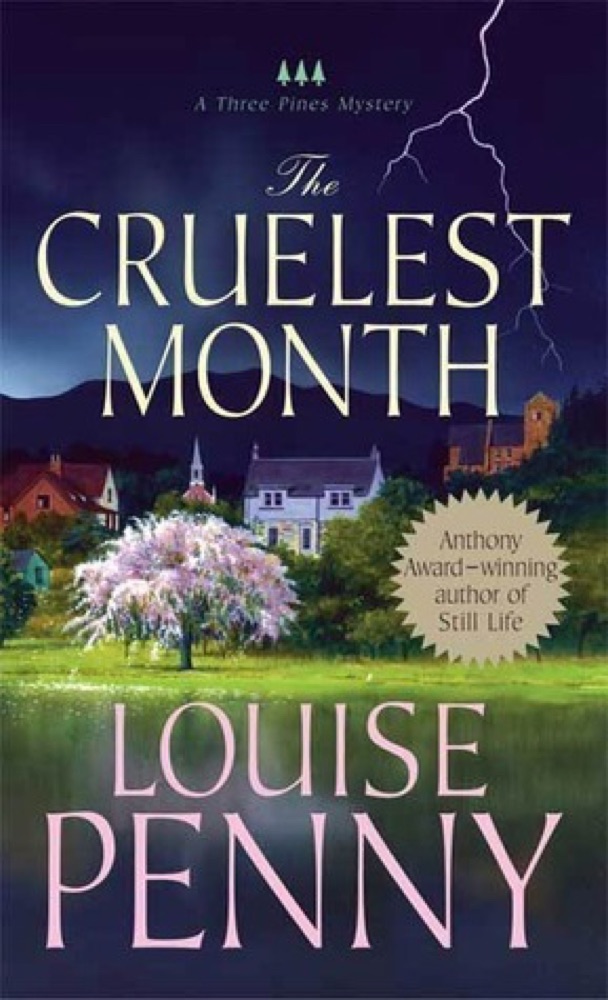
The Cruelest Month is the third novel in Louise Penny's Chief Inspector Armand Gamache series, set in the small Quebec village of Three Pines during the Easter season. When a group of villagers gathers for a séance at the abandoned Old Hadley House hoping to drive out the place's lingering evil, one of the party dies, seemingly of sheer fright. Gamache of the Sûreté du Québec is summoned to determine whether the death was natural or murder, and his investigation gradually uncovers the buried tensions and secrets running beneath the village's idyllic surface.
The novel weaves Penny's recurring concerns: fear, grief, conscience, and the way long-hidden resentments can curdle into violence. Alongside the central whodunit runs a parallel thread of institutional betrayal, as Gamache contends with the political fallout and internal enemies left over from an earlier case within the Sûreté, forcing him to confront his own ghosts as well as the village's.
The book was widely praised within the crime-fiction community and helped cement Penny's reputation early in the series. It won the Agatha Award for Best Novel and was nominated for the Anthony, Macavity, and Barry Awards, marking it as one of the standout traditional mysteries of its year.
Key characters
- Armand GamacheChief Inspector of the Sûreté du Québec leading the investigation
- Jean-Guy BeauvoirGamache's loyal second-in-command
- Clara MorrowThree Pines artist and friend of Gamache caught up in the events
- Ruth ZardoAcerbic elderly poet of Three Pines
- Jeanne ChauvetPsychic who leads the séance at the Old Hadley House
Book details
- First published
- 2007
- Length
- 320 pages
- Series
- Chief Inspector Armand Gamache #3
- Reading time
- 7 hours
- Author
- Louise Penny
- Genre
- Mystery
- Goodreads rating
- 4.15 (121k ratings)
Critical reception
- Won the Agatha Award for Best Novel.
- Nominated for the Anthony, Macavity, and Barry Awards for best crime novel.
- Helped establish Penny as a leading voice in traditional mystery fiction early in the Gamache series.
Series & reading order
- 1 Still Life
- 2 A Fatal Grace
- 3 The Cruelest Month
Keep reading
 A Fatal Grace
 Bury Your Dead
 The Madness of Crowds
 Come Tumbling Down
 Sign Here
 Little Heaven
 Where Things Come Back
 The Whisper Man
 Dust & Decay
 The Devil in the Flesh
 The Story of the Lost Child
 Ninth House
 The Snowman
 The Summer Children
 The Book of Love
 Death Watch
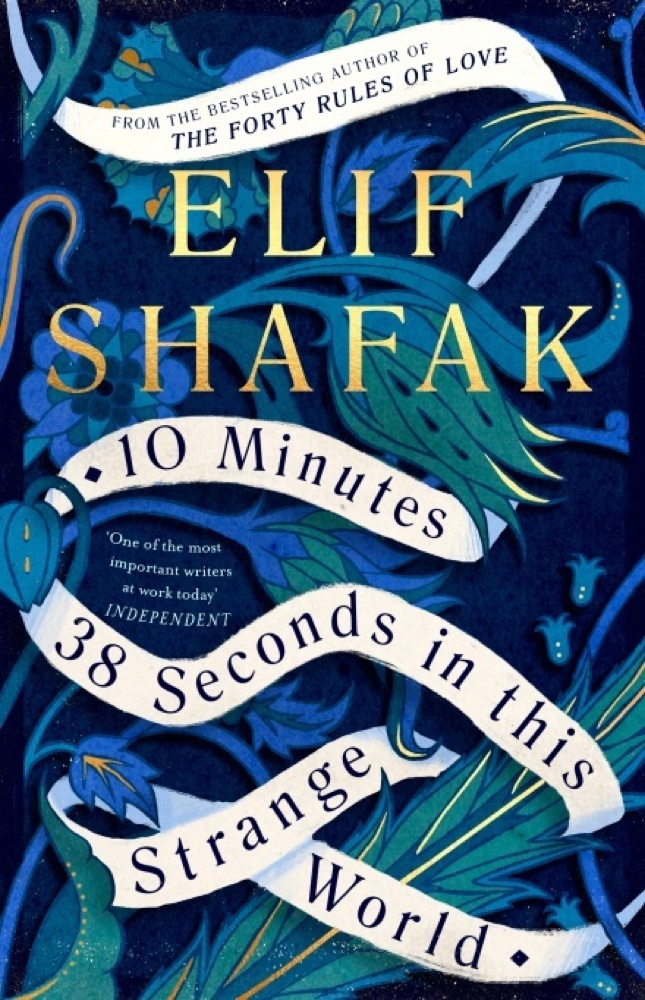 10 Minutes 38 Seconds in This Strange World
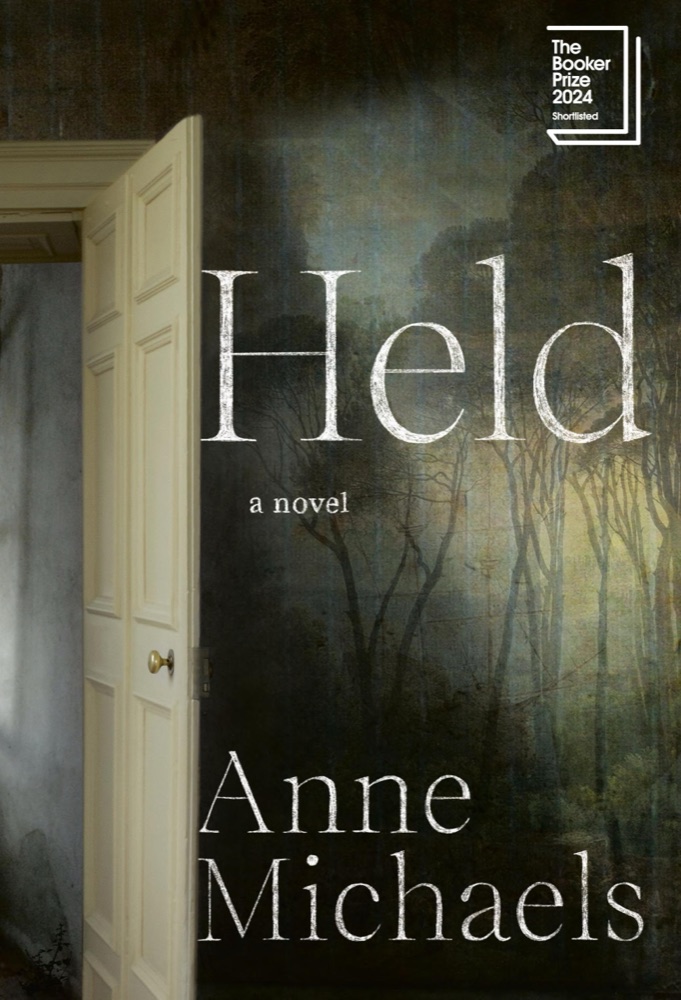 Held
Held
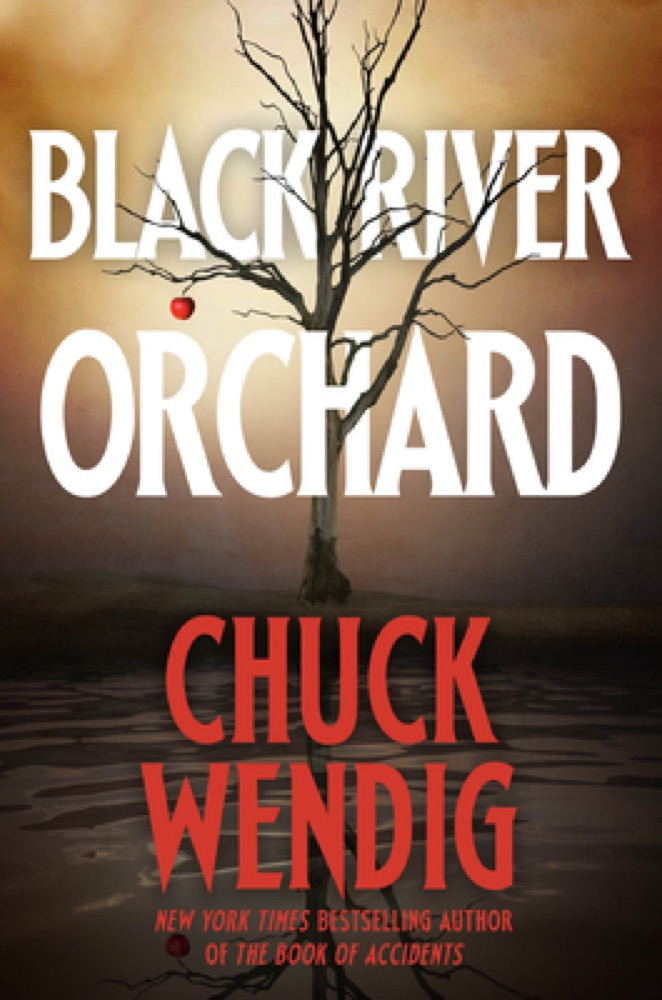 Black River Orchard
 Hush
Hush
 Mystic River
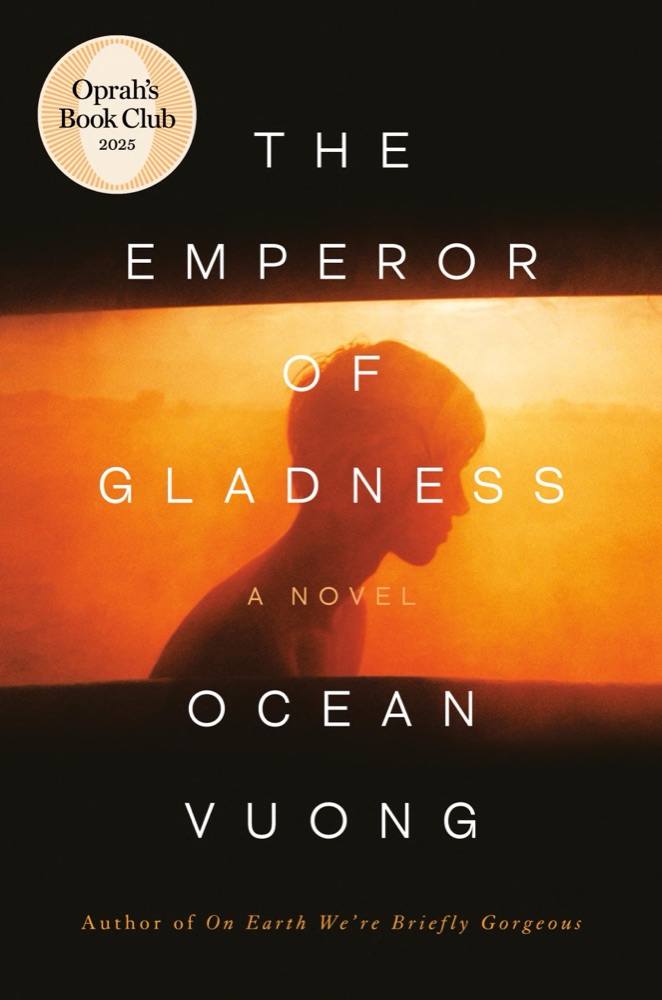 The Emperor of Gladness
 The Burning Soul
 The Silence of Bones
 Poisoned
 The Last House on Needless Street
 Fool Me Once
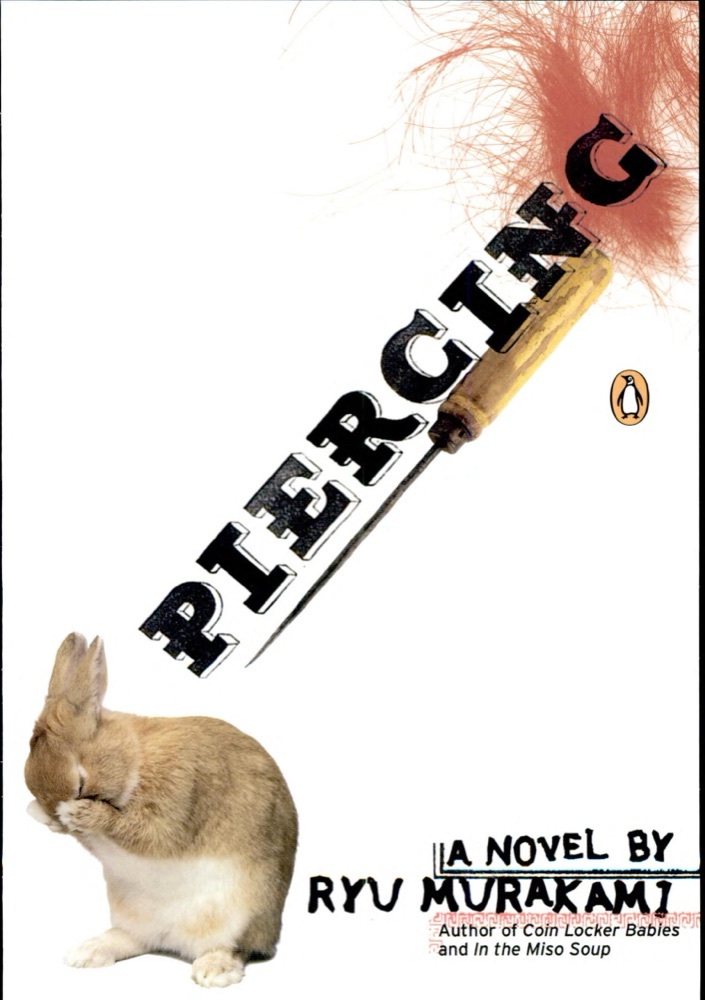 Piercing: A Novel
 Tiamat's Wrath
 Arch of Triumph
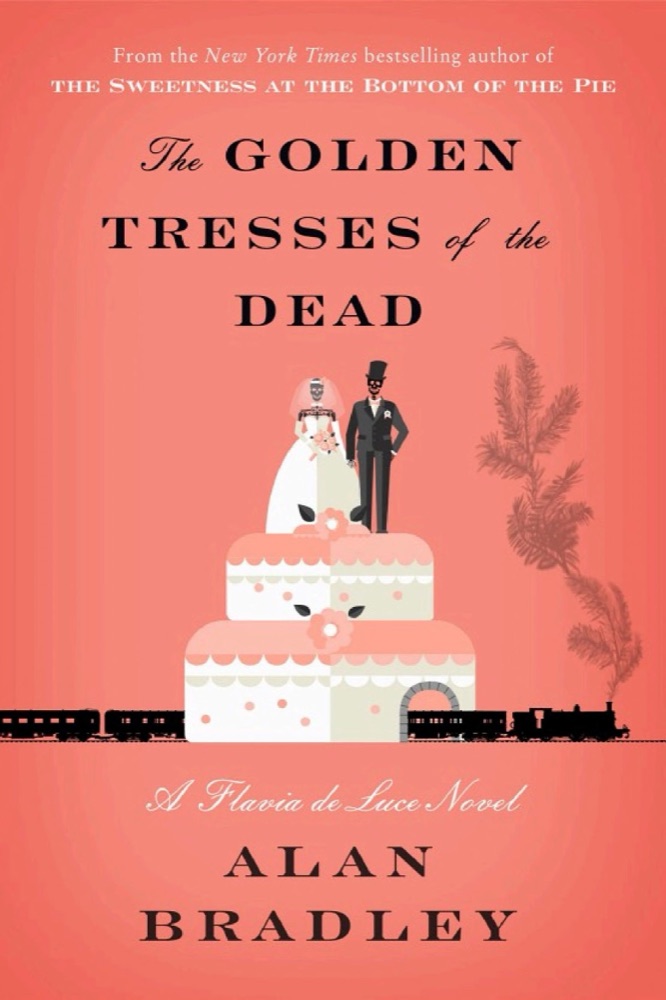 The Golden Tresses of the Dead
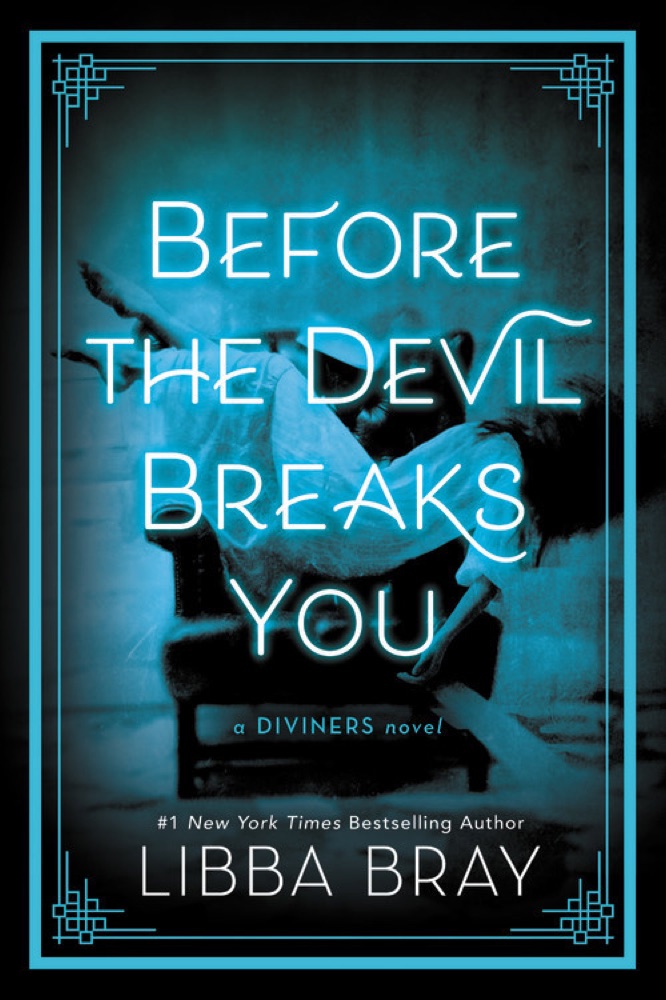 Before the Devil Breaks You
 Don't Let Go
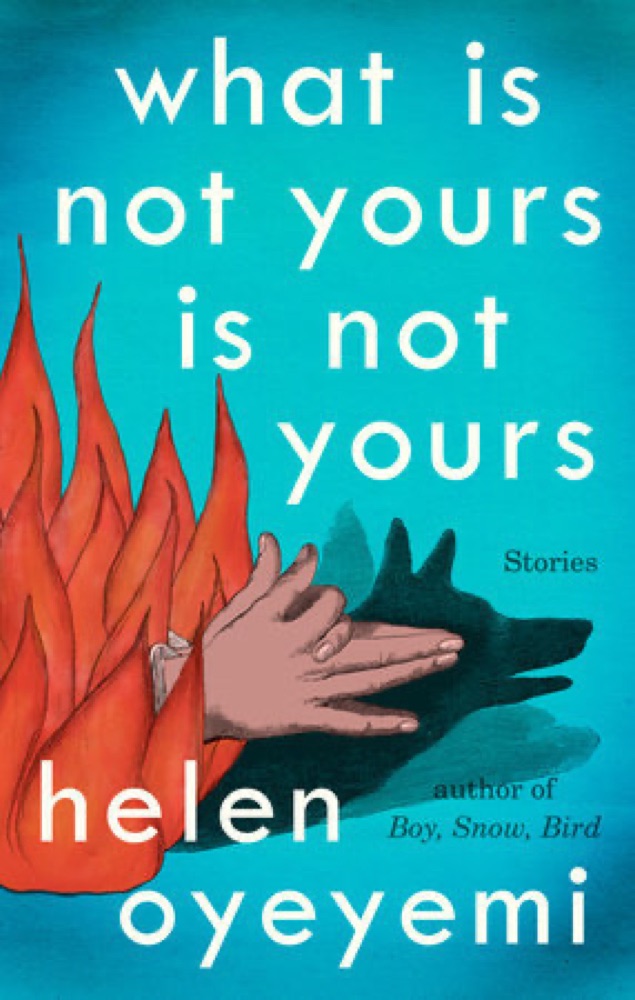 What Is Not Yours Is Not Yours
 Trust: Betrayed
 Hold Tight
 Hannibal
 Lisey's Story
 I Hunt Killers
 The Death of the Heart
 Good Bones and Simple Murders
 The Damnation Game
 What the Night Knows
 Every Heart a Doorway
 Something Wicked This Way Comes
 Prince of Thorns
 Rot & Ruin
 The Kite Runner
 The Darkest Part of the Forest
 The Quick and the Dead
 Night Shift
 Narcissus in Chains
 Case Histories
 The Book of Life
 A Discovery of Witches
 Panenka
 The Scapegoat
 Notes on an Execution
 Sometimes a Great Notion
 The Rescue