
 Platonic: How the Science of Attachment Can Help You Make—and Keep—Friends
Quotes from the Book
My people push me to do better. They listen, but not in a quiet, passive way. They’re always on point for correcting me when I put myself down or fall into the trap of thinking things are my fault when they aren’t. My friends are brilliant, funny, fearless, wise, and generous. We champion each other in e-mails, in texts, in congratulatory flowers, or simply by saying how much we trust each other.
9
In going back and thinking about my friendships and hearing about other women's, I see this: Our friends are not our second choices. They are our dates for Friday nights and for ex-boyfriends' weddings. They are the visitors to our hometowns and hospital rooms. They are the first people we tell about any news, whether it's good, terrible, or mundane. They are our plus ones at office parties. They are the people we're raising children with. They are our advocates, who, no matter what, make us feel like we won't fail. They are the people who will struggle with us and who will stay with us. They are who we text when we get home.
8
Prioritizing friendship is sometimes tricky; society often indicates to women that it’s not on the same level as the other relationships in our lives, such as the ones with our romantic partners, our children, or even our jobs. Devoting ourselves to finding spouses, caring for children, or snagging a promotion is acceptable, productive behavior. Spending time strengthening our friendships, on the other hand, is seen more like a diversion.
6
The women I love are like a life raft I didn’t know I was looking for before I got on it. But my friendships are not just about being nice. My people push me to do better. They listen, but not in a quiet, passive way. They’re always on point for correcting me when I put myself down or fall into the trap of thinking things are my fault when they aren’t. My friends are brilliant, funny, fearless, wise, and generous. We champion each other in e-mails, in texts, in congratulatory flowers, or simply by saying how much we trust each other.
6
As we get older that prominence that a best friend holds can fall away—adult women are more likely to be asked if they have a boyfriend than a best friend and to wear an engagement ring instead of a BFF charm. Because of this, it can be frustrating for some women to get across how fundamental their attachment to their best friend
3
got lucky. When I started to make friendships my main focus, I rarely felt alone; what I gave out in friend love, I almost always got back times two. It was sort of like we were all starved for this kind of friendship, for straight-up, openly, and honestly being thrilled we were in each other’s lives.
3
Our friendships—the ones we’re living every day—can stand on their own. They are supportive, enthralling, entirely wonderful, and, often, all we need.
3
When women stop seeing each other as rivals, whom they nonetheless have to be nice to, we'll be free from this clumsy middle ground of being frenemies. We can compete against each other. We can face off and admit what we really want and that it hurts when we don't get it. But we can also understand each other—and with that kind of empathy, instead of disingenuous smiles, we might be able to lift each other up.
2
I should have learned how to tell another girl she’d hurt my feelings or understand I’d hurt hers. I should have been able to figure out how to say that I didn’t know how to turn down a boy’s attention, or that I’d rather not come along, but that doesn’t mean I’m not still your friend.
1
I read a quote once that said, ‘Friendships are the masterpieces of nature,’” Jane tells Madeline at one point. “I know it’s cheesy but you’re totally my masterpiece.
1
For me, these are the love-drunk, sometimes actually drunk, near-exhausted thoughts I have to send out before I fall asleep. They could be the name of some cultural reference we couldn’t remember, a belated compliment (“your skin looked so great tonight”), or another twist in the same joke we’d been making all evening. It all feels important to say right then, and I think that’s because of both how happy I feel after I’ve seen my friends and the fear—rational or not—that these times we have together may disappear at any moment. So we say: Text me when you get home. Tell me you’re safe. I’m always here for you. Let’s keep talking. CHAPTER
1
We're reshaping the idea of what our public support systems are supposed to look like and what they can be. Women who might have assumed they could find care, kindness, and deep conversations only in romantic relationships are no longer limited to that plotline. Whether women marry or not, whether they have children or not, their friends are fundamental parts of their lives that they won't be giving up.
1
But when I decided I wasn’t ready to marry my long-term boyfriend in my early thirties, I looked around, and instead of being unsure, I was inspired. Surrounding me were a bunch of women who were doing exactly what I wanted to do: striving to do good work, setting themselves apart, and aligning themselves with other amazing people.
1
Women who say, "Text me when you get home," aren't just asking for reassurance that you've made it to your bed unharmed. It's not only about safety. It's about solidarity. It's about us knowing how unsettling it can feel when you've been surrounded by friends and then are suddenly by yourself again. It's about us understanding that women who are alone get unwanted attention and scrutiny.
The people who are part of my everyday right now—who invite me to dinners and plays and movies and yoga, who amuse me, and who understand me—may be less present someday.
With most groups, I’m desperate to be part of them,” Ruthie says about Scandal Club. “And then when I am, I feel so isolated because I realize I’m my own person.
We’ve always approached every discussion with, ‘You’re more important to me as a human than as a writing partner. This fight isn’t worth blowing that up to me.
I felt special around men, and with a woman I can really be put in my place, and I’m on the same level as them.
it’s our friends who move us into new homes, friends with whom we buy or care for pets, friends with whom we mourn death and experience illness, friends alongside whom some us may raise children and see them into adulthood,
Before marriage I was wildly interested in sex,” she writes to Avis, “but since joining up with my old goat, it has taken its proper position in my life.
My parents, who are white and upper-middle class, did exactly this. They believed the family unit superseded other relationships, and my early thinking that female friendships were superfluous came directly from their example and that of other families like ours in my hometown.
What they concluded was that when women feel tense or agitated, they often instinctively calm themselves by reaching out to and nurturing others. Stressed women get a surge of oxytocin, a hormone that propels women to seek out their friends.
In its earliest uses, a catfight meant an actual physical altercation between women. One of the first citings of the term, according to the Oxford English Dictionary, was in 1854 by writer Benjamin G. Ferris to describe scuffles between Mormon wives in his book Utah and the Mormons: The History, Government, Doctrines, Customs, and Prospects of the Latter-day Saints. After he spent six months observing the community, Ferris wrote about the Mormon men practicing polygamy, or having more than one wife, and described the styles of the houses they lived in, which were designed in order to “keep the women . . . as much as possible, apart, and prevent those terrible cat-fights which sometimes occur, with all the accompaniments of Billingsgate [vulgar and coarse language], torn caps, and broken broom-sticks.
Watch on YouTube
About Kayleen Schaefer
We have collected 23 quotes from 1 book by Kayleen Schaefer on BookQuoters.
More about the author →About the book
From Girls to Parks and Recreation to Bridesmaids, the female friendship has taken an undeniable front seat in pop culture. Text Me When You Get Home is a personal and sociological perspective - and ultimately a celebration - of the evolution of the modern female friendship.
Kayleen Schaefer has experienced (and occasionally, narrowly survived) most every iteration of the modern female friendship. First there was the mean girl cliques of the '90s; then the teenage friendships that revolved around constant discussion of romantic interests and which slowly morphed into Sex and the City spin-offs; the disheartening loneliness of "I'm not like other girls" friendships with only men; the discovery of a platonic soul mate; and finally, the overwhelming love of a supportive female squad (#squad).
And over the course of these friendships, Schaefer made a startling discovery: girls make the
Book details
- First published
- 2018
- Author
- Kayleen Schaefer
- Genre
- Nonfiction
- Goodreads rating
- 3.46 (9k ratings)
Keep reading
Platonic: How the Science of Attachment Can Help You Make—and Keep—Friends
 Nobody's Cuter than You: A Memoir about the Beauty of Friendship
 Why Not Me?
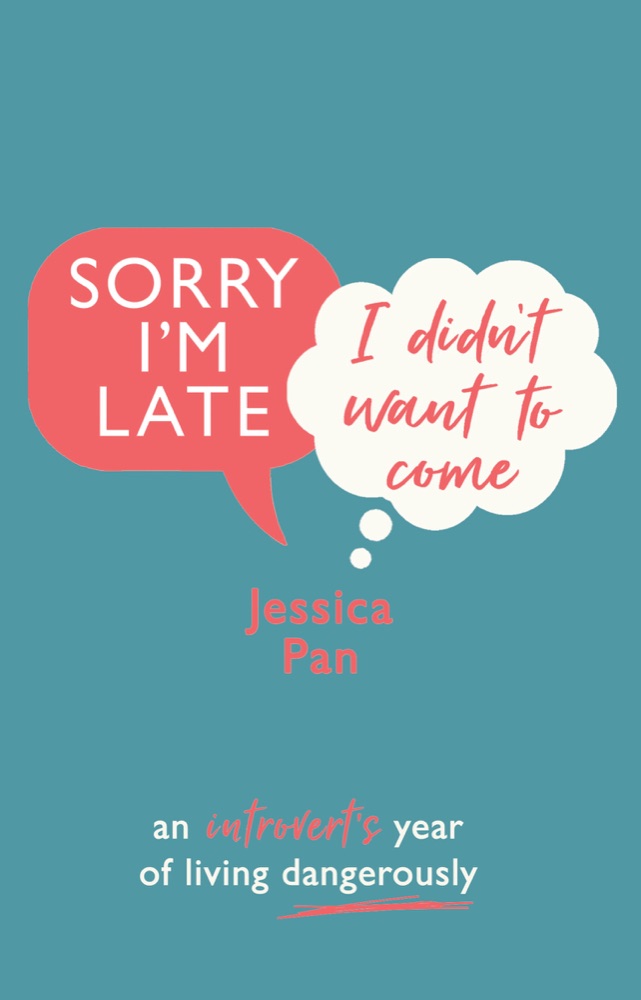 Sorry I'm Late, I Didn't Want to Come: An Introvert's Year of Living Dangerously
 Is Everyone Hanging Out Without Me?
 This Could Be Us
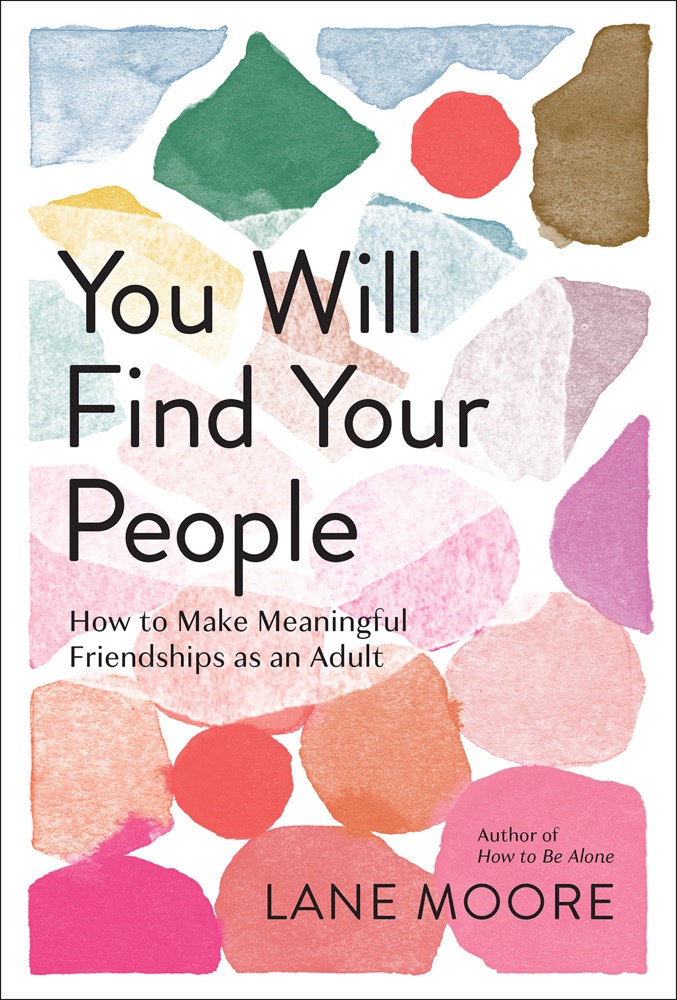 You Will Find Your People: How to Make Meaningful Friendships as an Adult
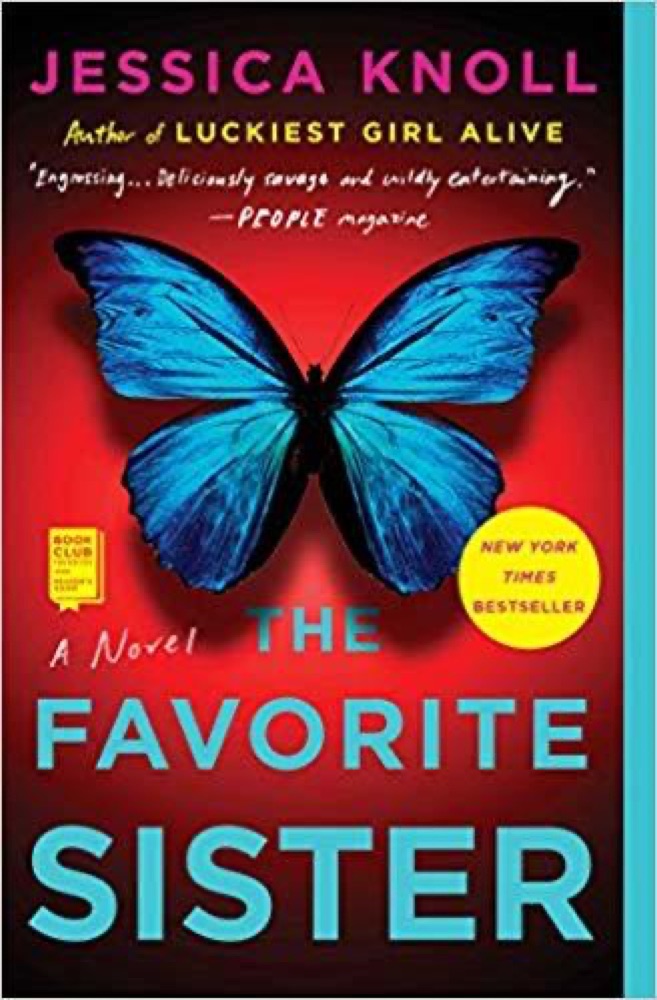 The Favorite Sister
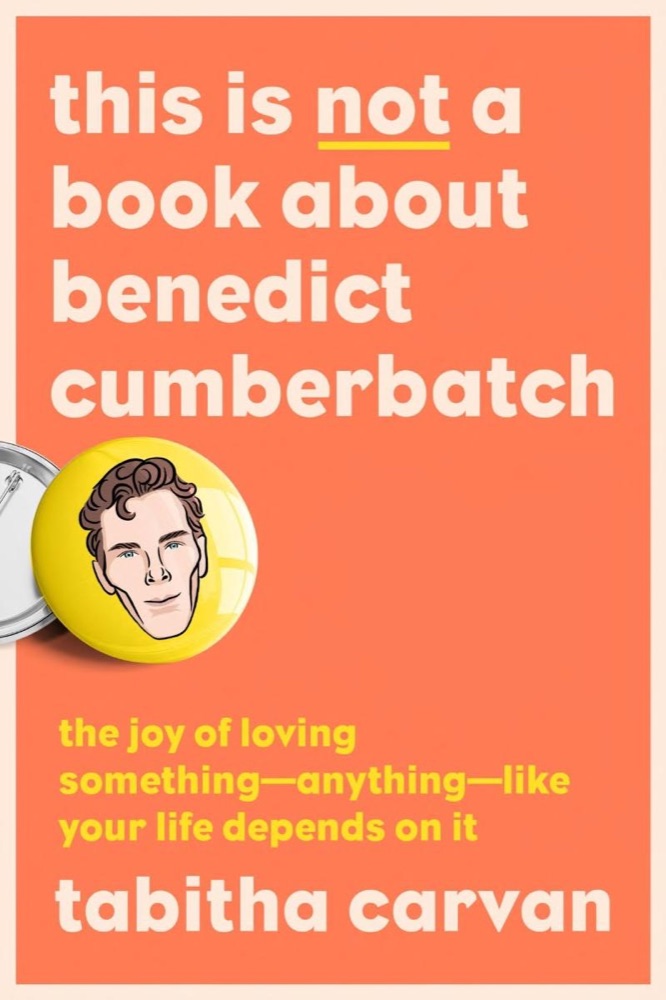 This Is Not a Book About Benedict Cumberbatch: The Joy of Loving Something--Anything--Like Your Life Depends On It
 Dear Dolly
 The Return
 Romantic Comedy
 Never Have I Ever: My Life (So Far) Without a Date
 Good Morning, Destroyer of Men's Souls: A Memoir of Women, Addiction, and Love
 This Time It's Real
 Something Blue
 You'll Grow Out of It
 Happy Hour
 Real Live Boyfriends: Yes. Boyfriends, Plural. If My Life Weren't Complicated, I Wouldn't Be Ruby Oliver
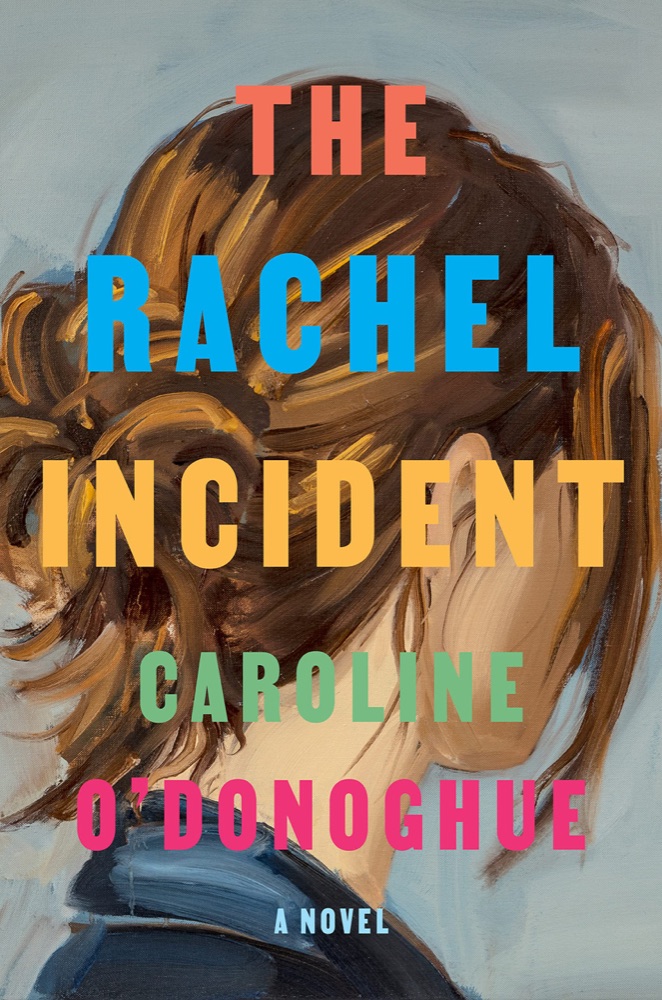 The Rachel Incident
 Finding My Way: A Memoir
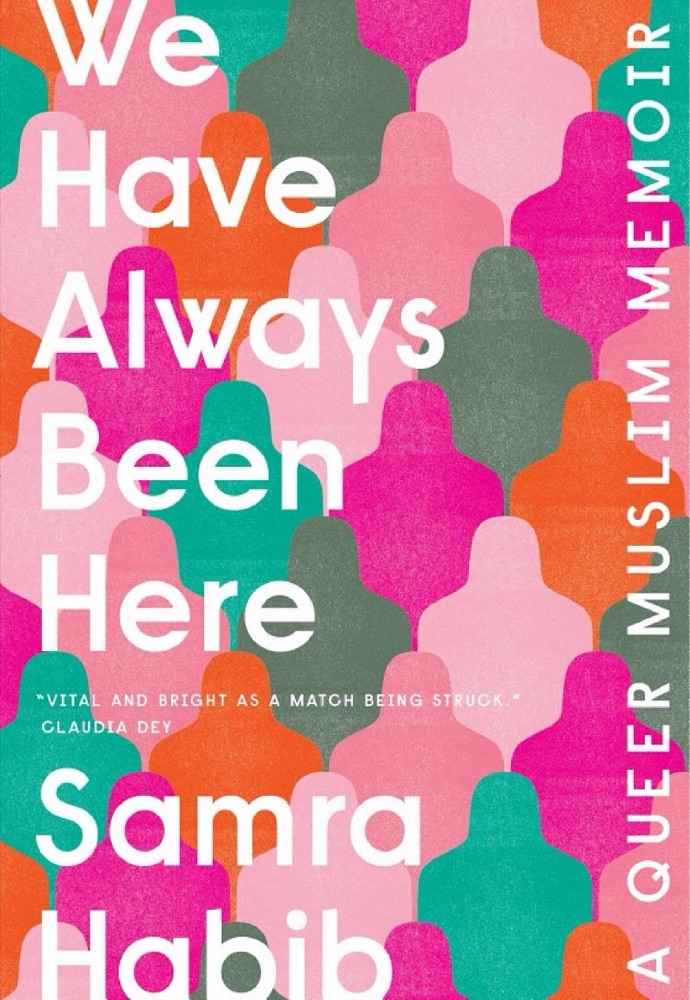 We Have Always Been Here: A Queer Muslim Memoir
 The Lady's Guide to Petticoats and Piracy
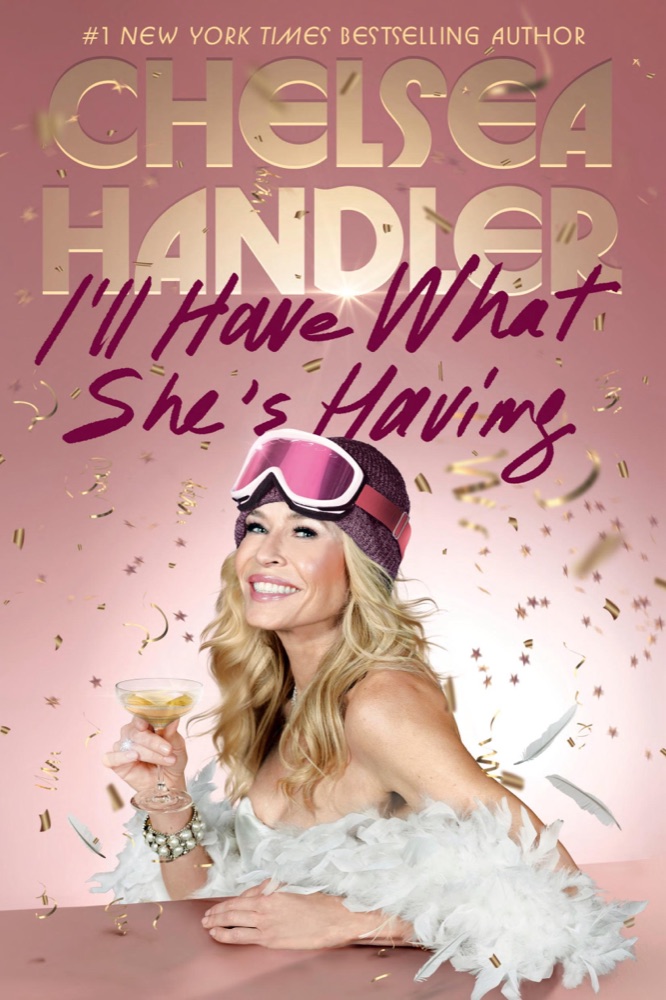 I'll Have What She's Having
 I'm Fine...And Other Lies
 Roomies
 Escape
 Paris: A Memoir for Young Women in the Age of Influencers
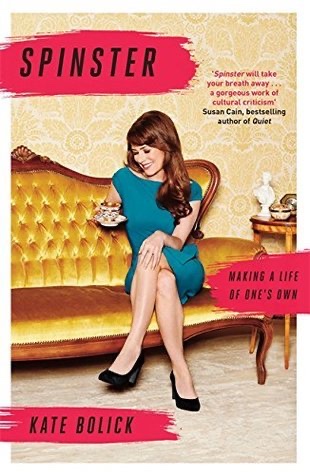 Spinster: Making a Life of One's Own
 Communion: The Female Search for Love
 The Sisterhood of the Traveling Pants
 Everything I Know About Love
 More: A Memoir of Open Marriage
 Life Will Be the Death of Me: . . . and you too!
 Frenemies
 Stay Sexy & Don't Get Murdered: The Definitive How-To Guide
 The Game: Penetrating the Secret Society of Pickup Artists
 We Can Do Hard Things: Answers to Life's 20 Questions
 Conversations on Love
 The Wrong Daughter
 Love, Rosie
 Loveless
 Conversations with Friends
 The Fixer Upper
 If You Still Recognise Me
 Charmed Thirds
 The Truth: An Uncomfortable Book About Relationships
 Cackle
 Every Last One
 The Crane Wife: A Memoir in Essays
 It's Okay to Laugh
 Family for Beginners
 Open Book
 A Certain Hunger
 Rayne & Delilah's Midnite Matinee
 Mad Mabel
 Dear Girls: Intimate Tales, Untold Secrets, & Advice for Living Your Best Life
 Binge
Binge
 The Girl with the Lower Back Tattoo
 So Sad Today: Personal Essays