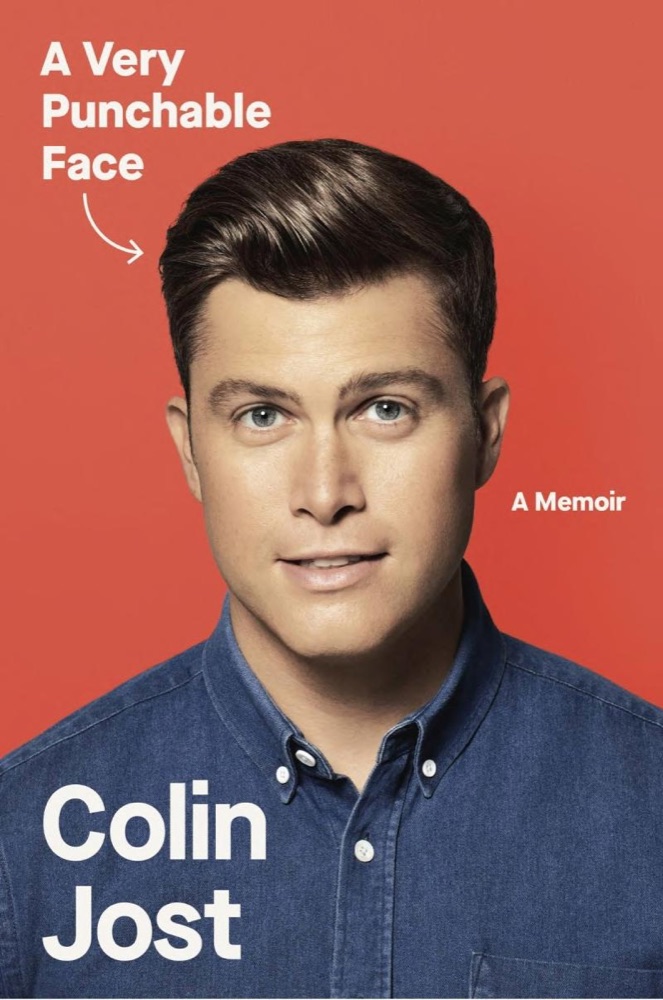
 A Very Punchable Face
Quotes from the Book
Life is ridiculous, so why not be a good guy?” That may be the only religion I have to this day.
8
If I’ve learned anything—anything—getting older, it’s the value of moment-to-moment enjoyment.
8
you have to have a dream before you can execute it. That the people who succeed are the ones who think through what the next stages of their careers might be, and then work incredibly hard, day after day, to attain their goals. They don’t just flop around like fish. They have a vision, and they work their asses off to make it a reality.
4
Jerry: If you always want less, in words as well as things, you’ll do well as a writer.
3
They say certain people aren’t good soldiers because if they’re in a foxhole all night—you know, if you’re creative and smart, you’re thinking about all the different ways someone is going to blow your head off. But if you’re not that smart, you’re just like chilling out. And I feel like that in life. I’m just in the foxhole all fucking day thinking about everything that’s going to go wrong in every possible way.
2
There’s very little work where the work and the reward are simultaneous, and comedy is that.
2
Mel, if you’re going to go up to the bell, ring it.
2
Judd: I like to be here until people really want to leave. But that’s kind of how I am as a person. That’s why my movies are too long. That’s why I eat too much.
2
If life only has the meaning you bring to it, we have the opportunity to bring rich meaning to our lives by the service we do for others. It’s a positive thing.
1
Sarah: I can be cynical. But I don’t think of myself, at my core, as cynical. So much of it is location. Like, who is Muslim? Who is a Jew? Who is a Catholic? Who is a Christian? Who’s Buddhist? Ninety-nine-point-nine percent of it is where you happen to be born. So how can one be right and another be wrong? It seems pretty clear to me that it’s a coping mechanism for people who cannot handle the not knowing of things. I am okay knowing I will never be able to comprehend the world.
1
Marc: I’ll tell you something Harry Shearer said to me, and I want to get your opinion on it. He said the reason why people are comedians is to have control over why people laugh at you. Judd: I look at it this way: When someone is laughing, I know they don’t dislike me. I don’t know if they like me, but I know that in that moment they don’t dislike me. And that’s why I get the need for constant approval, because if you’re smiling I know you don’t hate me.
1
Amy: I still think that all the time. It’s not that I feel like what I’m doing is so amazing, but it’s pretty good compared to what other people are doing.
1
No one really knows anything about comedy. We know a little bit about what we’re doing, but as far as the industry—the exec branch—they don’t know how it happens.
1
Sometimes I actually have a phobia of feeling good.
1
As Nora Ephron said once: “Well, I feel terrible about the metaphor, but what can I do? It’s like the whale, you know?” And
1
I’m trying to fuck my kids up just enough so they’ll want to get a job.
1
Marc: Why are we so afraid of joy? Judd: That’s the question. And I’ve thought about it a lot, and I think it’s because we think right behind joy is a knife that will cut our throat if we really feel it. It’s almost like a laugh—your chin goes up and your throat is exposed. If I laugh too loud, someone will slit my throat. That’s the terror of joy.
1
Harold: Serenity is an illusion, but if anything is possible and I can do anything, then there’s a limitless capacity to do good.
1
That’s the greatest thing about comedy. If you’ve got talent, it’s unmistakable. No one misses it and you don’t have to wait around for a break. It’s very easy to get a break. It’s very hard to be good enough.
1
your point of view will shift because you’re going to make all sorts of concessions that are destructive to—” Chris: You’re going to have a consensus. You’re not going to have a vision.
You could get everybody to have common cause, and do it in a way that maintained a certain humanity.
I felt like there were aspects to it that didn’t need to exist in order to maintain the creative excitement. It didn’t need to be Machiavellian.
If it’s funny, you’re funny, and people like you.
know meditation is healthy. Everybody says it slows your heart rate and everything, and the basis of religion seems to be that when you pray…I don’t know what people who are religious think when they pray, but it’s very close to what meditation is. It’s sort of ritualistic, it’s habit, it’s like exercising, so you might be able to get something out of that. I’m sure some people enjoy thinking it’s out of their hands. There’s all these people who think it’s “meant to be.” But I don’t buy that.
Jerry: I think anyone should do whatever they like. I don’t think there should be any rules. Judd: As long as it gets laughs? Jerry: If it doesn’t get laughs, you’re not gonna get work, and you’re not gonna be a comedian. So the audience ultimately decides. It’s a very democratic system.
I’m always assuming things are going to crash and I’m trying to figure out what could go wrong before it happens. It’s helpful for work. But it’s a terrible way to live your life.
Stephen: You know, there’s a woman I get my coffee from every morning. She is not a native to our country, she wasn’t born here. And she said to me the week of that dinner, she said, “Stephen, you look so tired, why do you look so tired?” I go, “Well, Anna, I been working late after the show. I’m writing a script to get ready for the Correspondents’ Dinner. I’m going to perform for the president.” She said, “You perform in front of the president?” I said, “Yeah, I’ll be like five feet from him.” She goes, “But you’re a satirist. You’re a critic. You’re going to do your jokes right next to him?” And I said, “Yeah.” She took my face in her hands and said, “This is a good country.
Four completely sober men on the set of Pineapple Express.
Stephen: I wouldn’t say I was the first person to do it, because Jon certainly was doing it on his show. Judd: But not to his face. Stephen: Well, you don’t get an opportunity to do that very often. Judd: Yeah. Stephen: You know, there’s a woman I get my coffee from every morning. She is not a native to our country, she wasn’t born here. And she said to me the week of that dinner, she said, “Stephen, you look so tired, why do you look so tired?” I go, “Well, Anna, I been working late after the show. I’m writing a script to get ready for the Correspondents’ Dinner. I’m going to perform for the president.” She said, “You perform in front of the president?” I said, “Yeah, I’ll be like five feet from him.” She goes, “But you’re a satirist. You’re a critic. You’re going to do your jokes right next to him?” And I said, “Yeah.” She took my face in her hands and said, “This is a good country.
Judd: You like being scared? Louis: I remember when I was a kid, Billie Jean King was doing that Battle of the Sexes thing—I don’t remember if it was happening when I was a kid or if I saw a show about it. But I was so impressed with her. She reminded me of my mom and I just thought she was the coolest person and I hated Bobby Riggs because my mom was a single, working mother. They toured together and did these interviews together, and he was always going, like, women should just go back, put on a tight shirt, and make me a steak. He said this amazing shit and she’s just sitting there with a smile on her face. And they turned to her and they say, “How do you feel about all this?” And she says, “Well, all this does is put pressure on me. Everything he says just means that I have to beat him.” She gets this big smile on her face and says, “I love pressure.” Judd: Wow. Louis: And I never forgot it. I was like, fuck that. That was such an interesting notion—that pressure, give me, give me, give me, because all that’s going to do is make me better. Like, eating pressure. Having it be fuel. I like that.
Watch on YouTube
About Judd Apatow
We have collected 30 quotes from 1 book by Judd Apatow on BookQuoters.
More about the author →About the book
Before becoming one of the most successful filmmakers in Hollywood, Judd Apatow was the original comedy nerd. At fifteen, he took a job washing dishes in a local comedy club—just so he could watch endless stand-up for free. At sixteen, he was hosting a show for his local high school radio station in Syosset, Long Island—a show that consisted of Q&As with his comedy heroes, from Garry Shandling to Jerry Seinfeld. They talked about their careers, the science of a good joke, and their dreams of future glory (turns out, Shandling was interested in having his own TV show one day and Steve Allen had already invented everything).Thirty years later, Apatow is still that same comedy nerd—and he’s still interviewing funny people about why they do what they do.Sick in the Head gathers Apatow’s most memorable and revealing conversations into one hilarious, wide-ranging, and incredibly candid collect
Book details
- First published
- 2015
- Author
- Judd Apatow
- Genre
- Nonfiction
- Goodreads rating
- 3.67 (13k ratings)
Keep reading
A Very Punchable Face
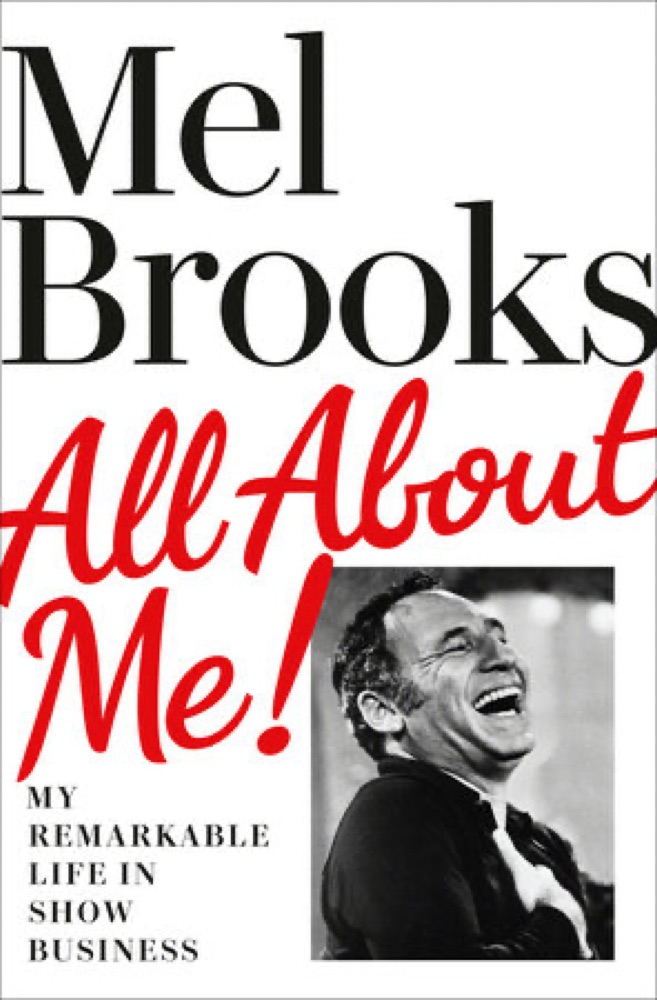 All About Me! My Remarkable Life in Show Business
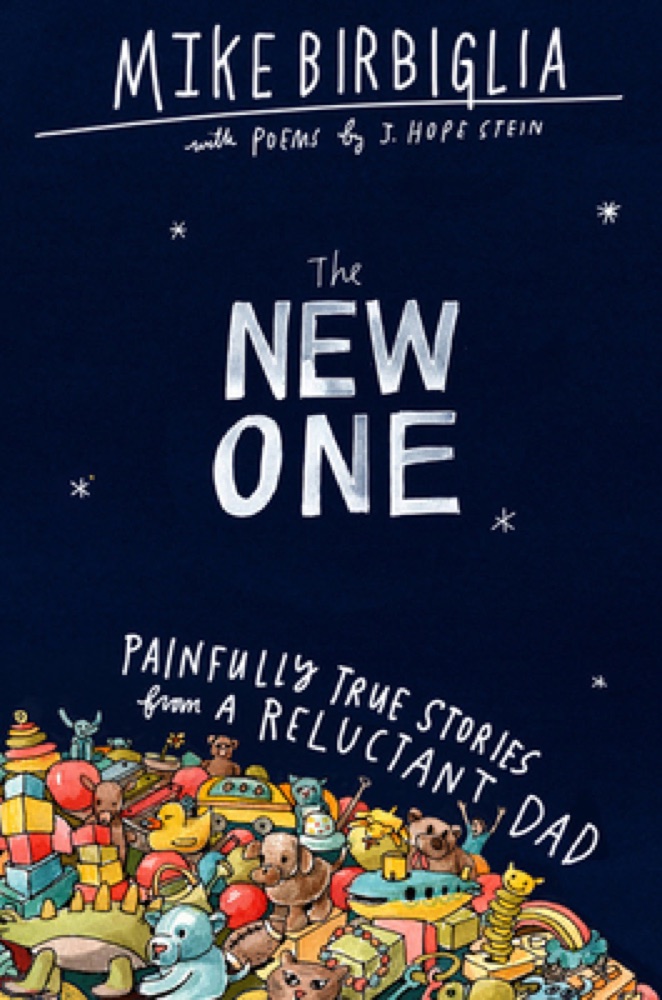 The New One: Painfully True Stories from a Reluctant Dad
 Based on a True Story: A Memoir
 Comedy Comedy Comedy Drama
 Believe Me: A Memoir of Love, Death, and Jazz Chickens
 Life Itself
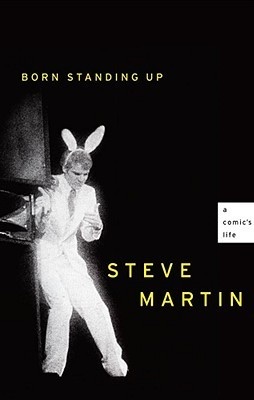 Born Standing Up: A Comic's Life
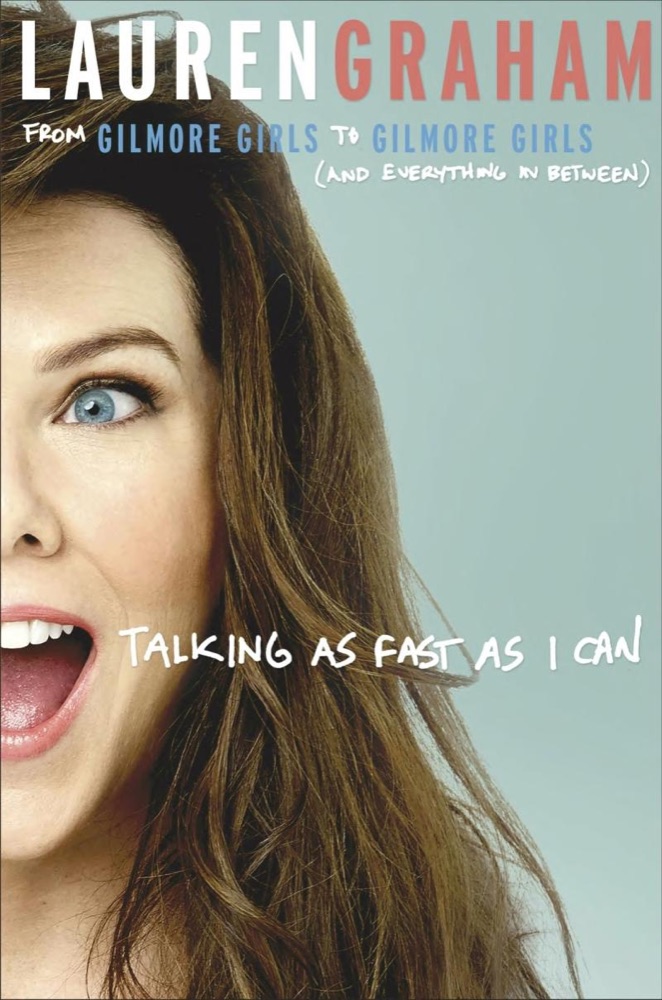 Talking as Fast as I Can: From Gilmore Girls to Gilmore Girls
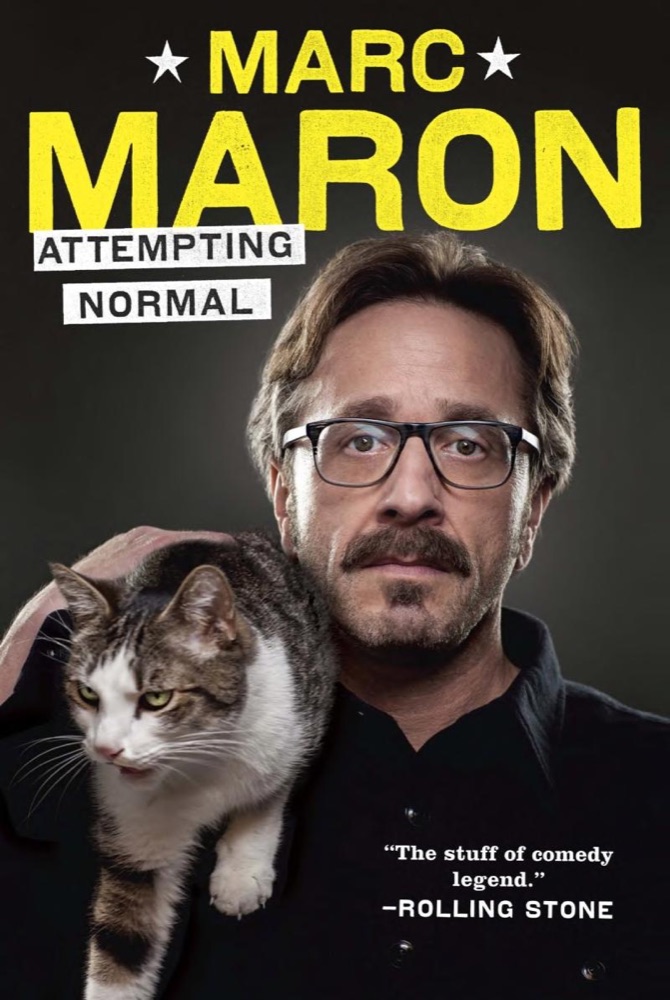 Attempting Normal
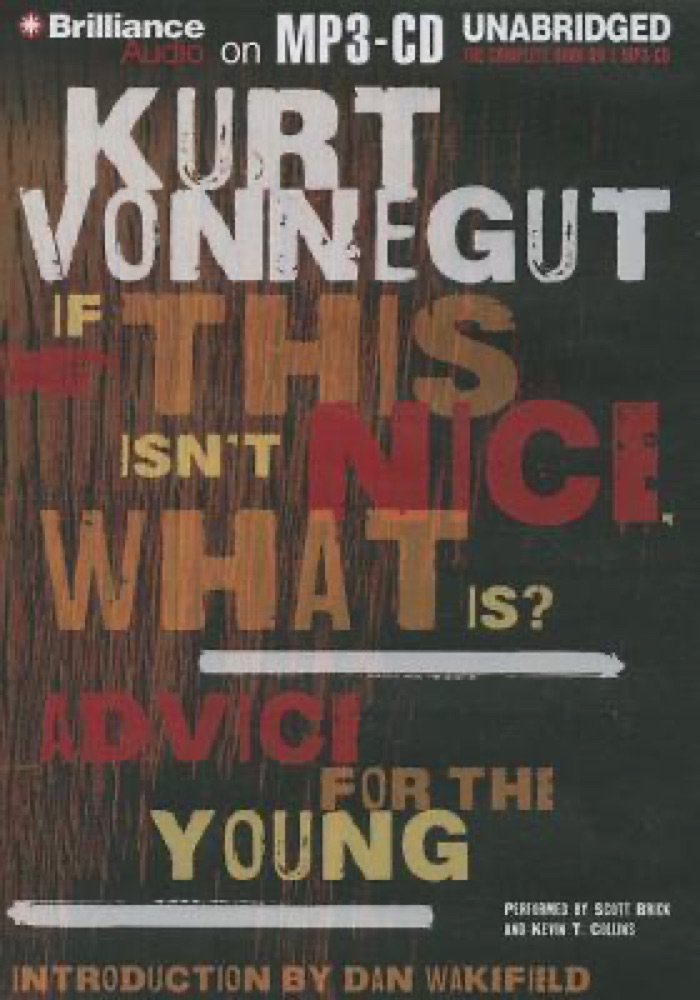 If This Isn't Nice, What Is?: Advice for the Young
 Riding the Elephant: A Memoir of Altercations, Humiliations, Hallucinations, and Observations
 Half Empty
 Tough Shit: Life Advice from a Fat, Lazy Slob Who Did Good
 An Absolutely Remarkable Thing
 Leslie F*cking Jones
 Is Everyone Hanging Out Without Me?
 Yes Please
 Nevertheless
 Paddle Your Own Canoe: One Man's Fundamentals for Delicious Living
 The Answer Is…: Reflections on My Life
 The Dude and the Zen Master
 Ten Steps to Nanette
 My Booky Wook
 Just a Geek: Unflinchingly Honest Tales of the Search for Life, Love, and Fulfillment Beyond the Starship Enterprise
 Rayne & Delilah's Midnite Matinee
 Furiously Happy: A Funny Book About Horrible Things
 Me Talk Pretty One Day
 Black Friend: Funny, incisive essays on navigating Blackness, tokenism, and friendship in predominantly white spaces.
 Zombie Spaceship Wasteland
 Moonwalk
 A Life in Parts
 I Can't Make This Up: Life Lessons
 You're Making Me Hate You: A Cantankerous Look at the Common Misconception That Humans Have Any Common Sense Left
 Gunn's Golden Rules: Life's Little Lessons for Making It Work
 Ayoade on Top
 Do Over: Rescue Monday, Reinvent Your Work, and Never Get Stuck
 My Lucky Life in and Out of Show Business
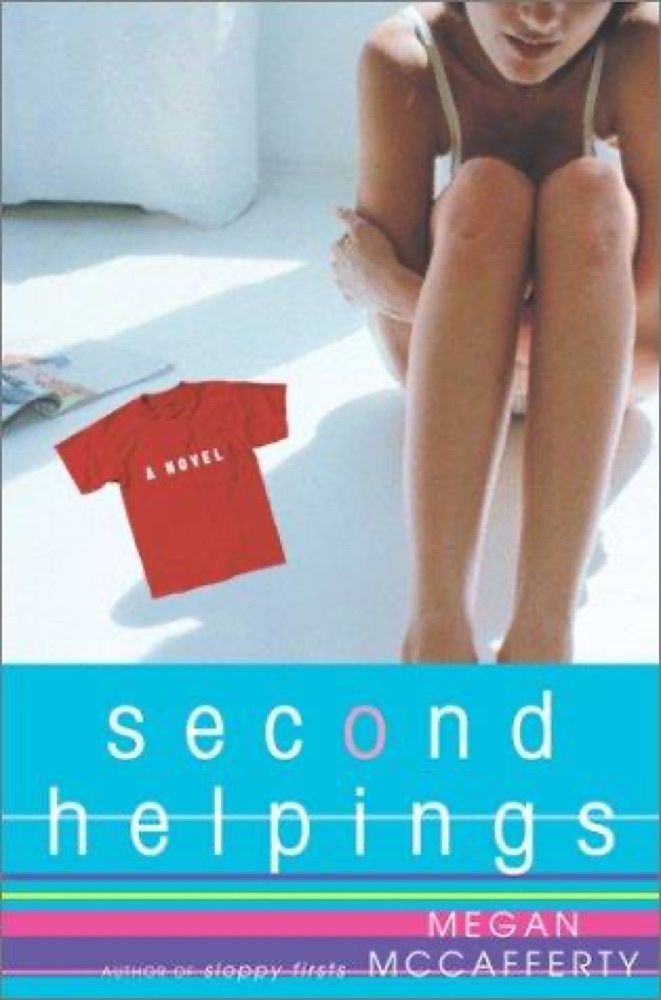 Second Helpings
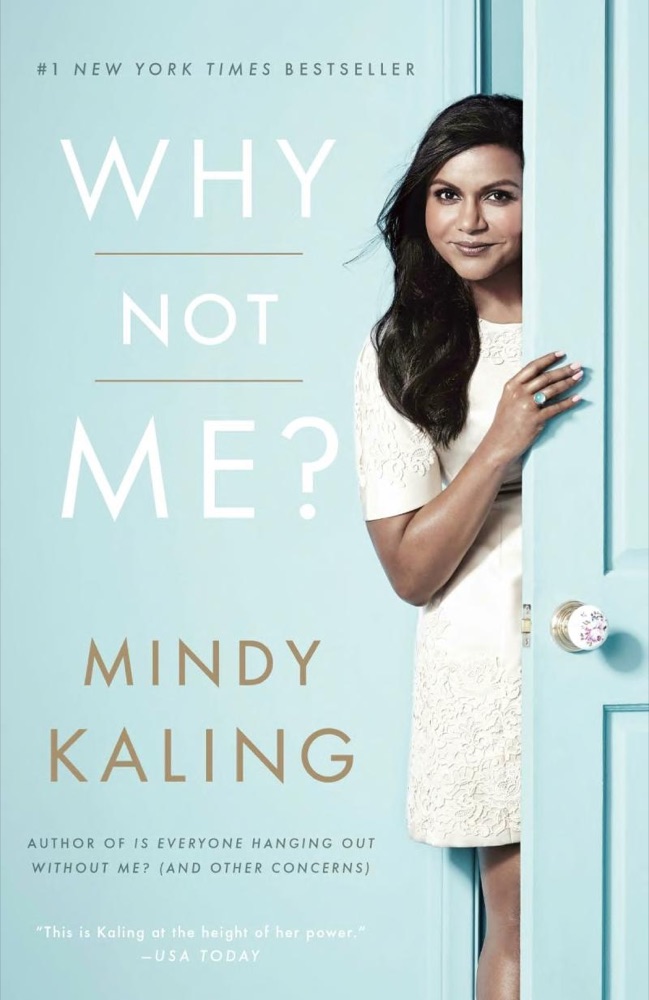 Why Not Me?
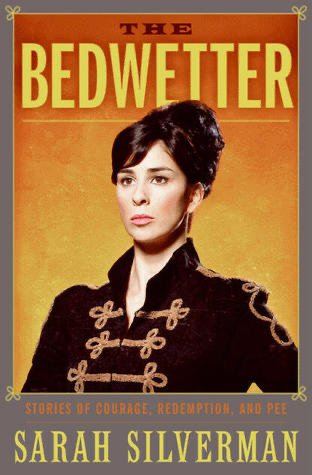 The Bedwetter: Stories of Courage, Redemption, and Pee
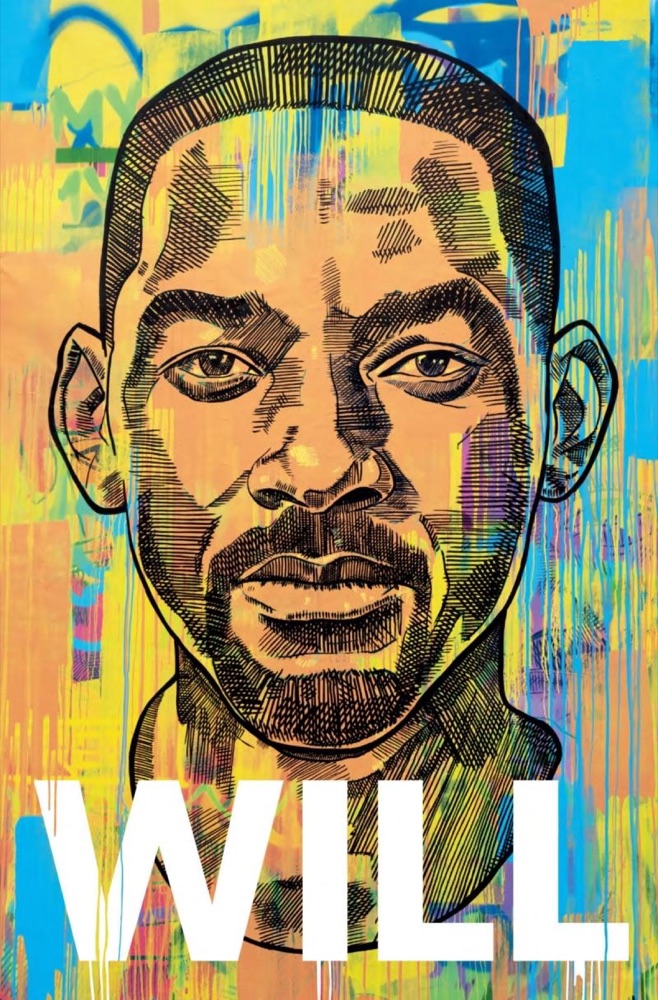 Will
Will
 The Partly Cloudy Patriot
 Before & Laughter: A Life Changing Book
 Working: People Talk About What They Do All Day and How They Feel About What They Do
 The Gum Thief
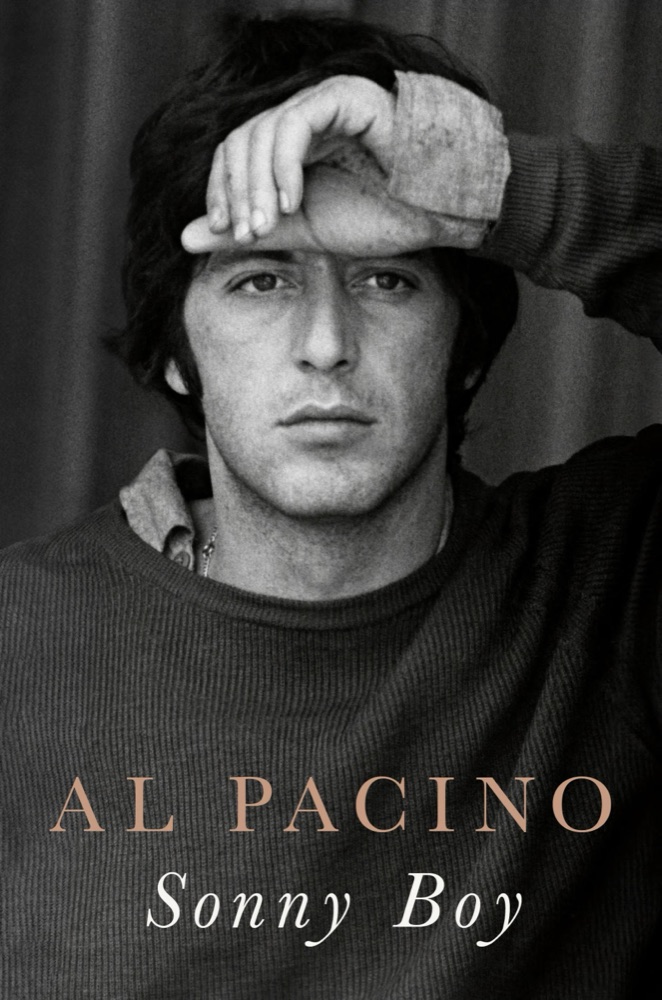 Sonny Boy
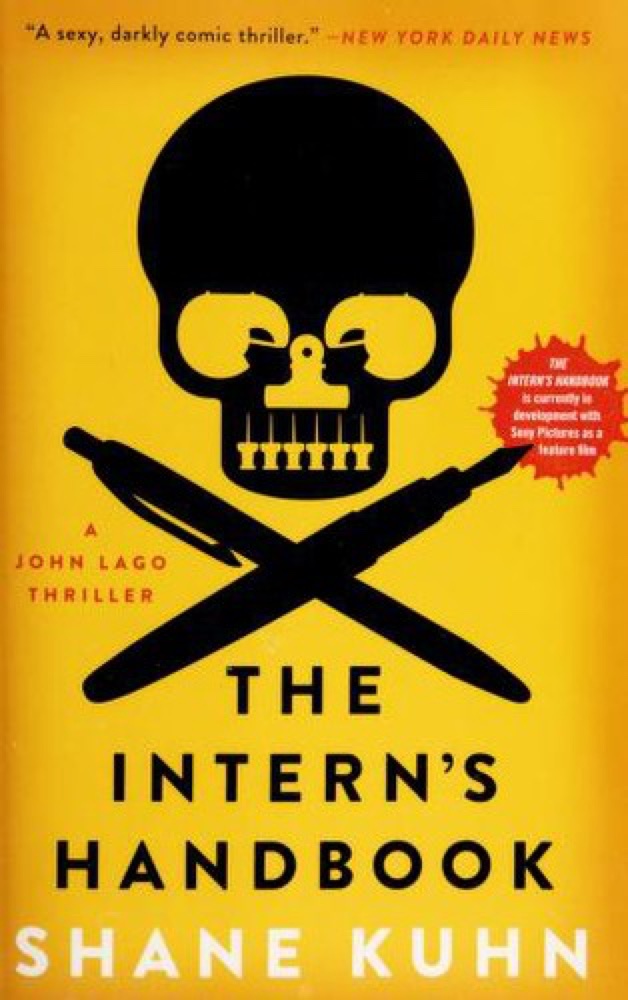 The Intern's Handbook
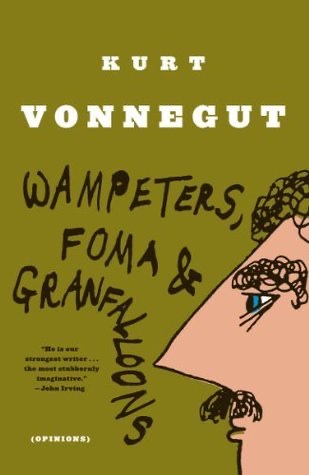 Wampeters, Foma and Granfalloons
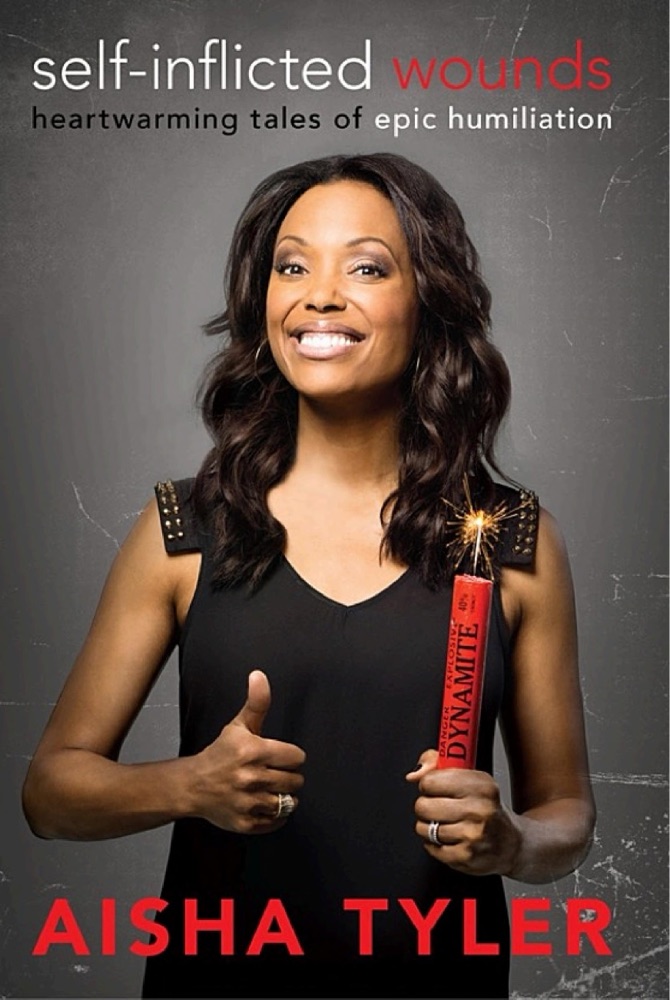 Self-Inflicted Wounds: Heartwarming Tales of Epic Humiliation
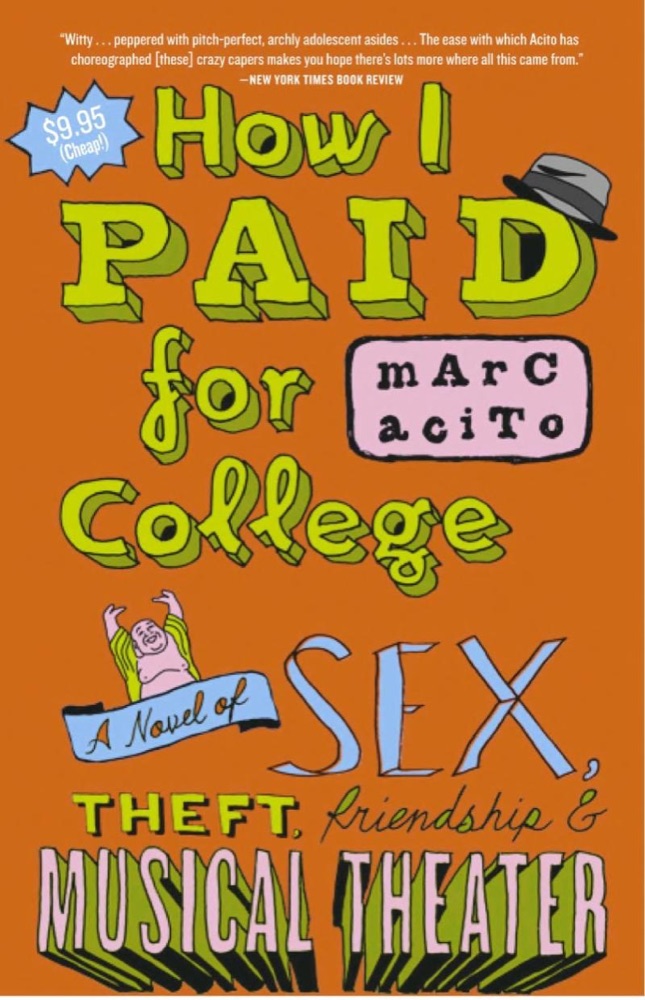 How I Paid for College: A Novel of Sex, Theft, Friendship & Musical Theater
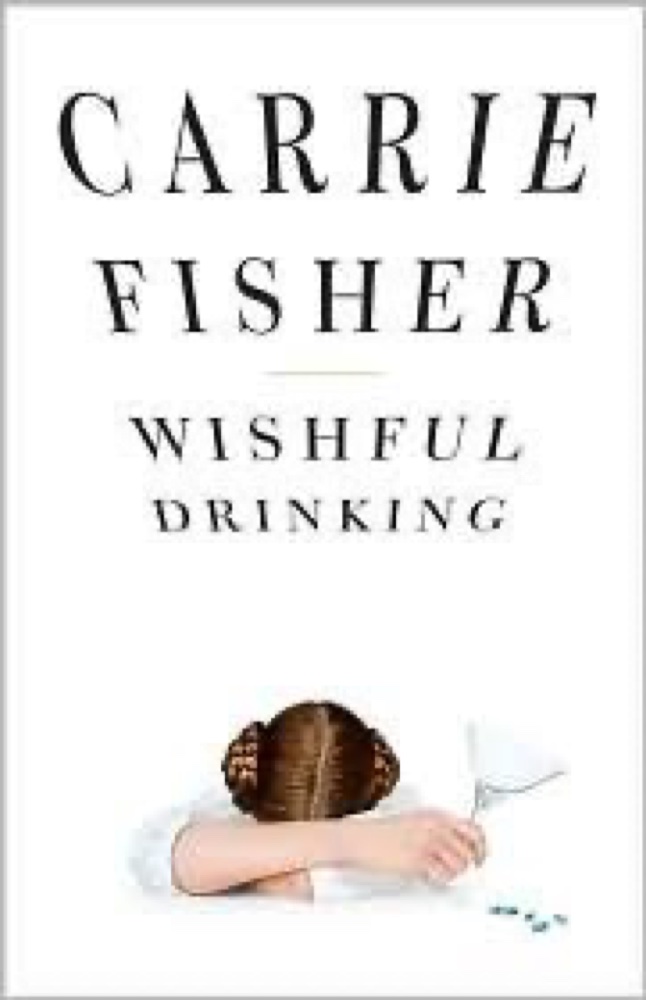 Wishful Drinking
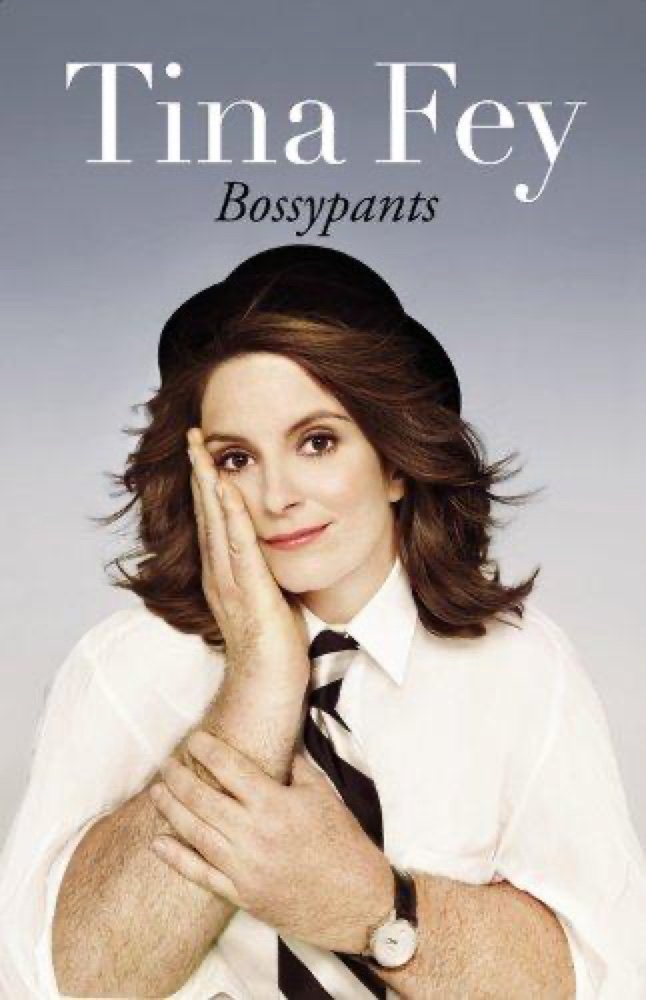 Bossypants
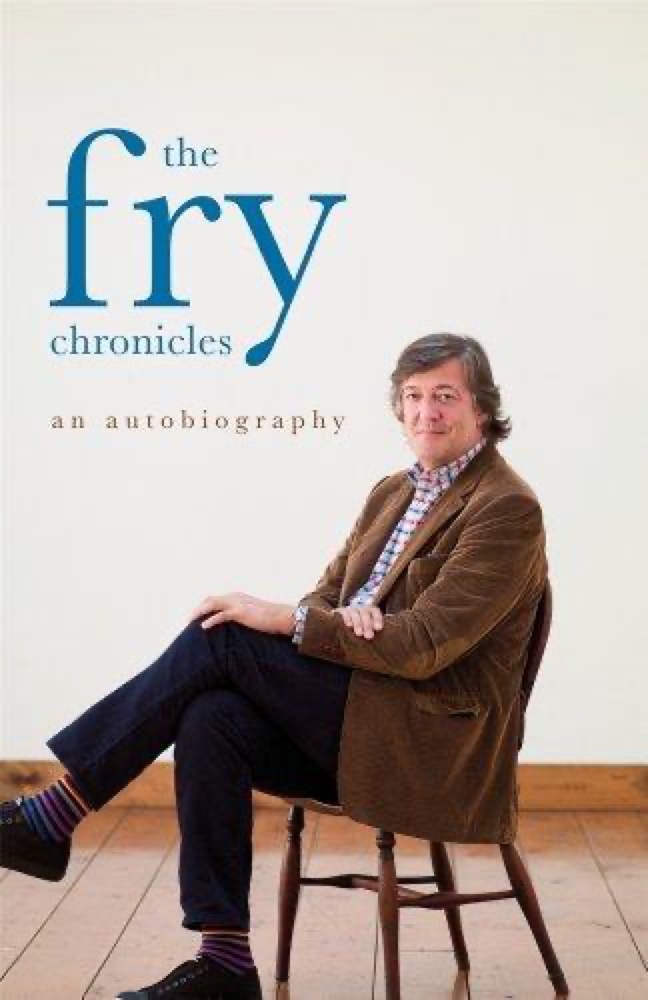 The Fry Chronicles
 The Uncool
 How to Be Good
 Humans of New York
 Stories I Only Tell My Friends
 The Absolutely True Diary of a Part-Time Indian
 Where Am I Now?