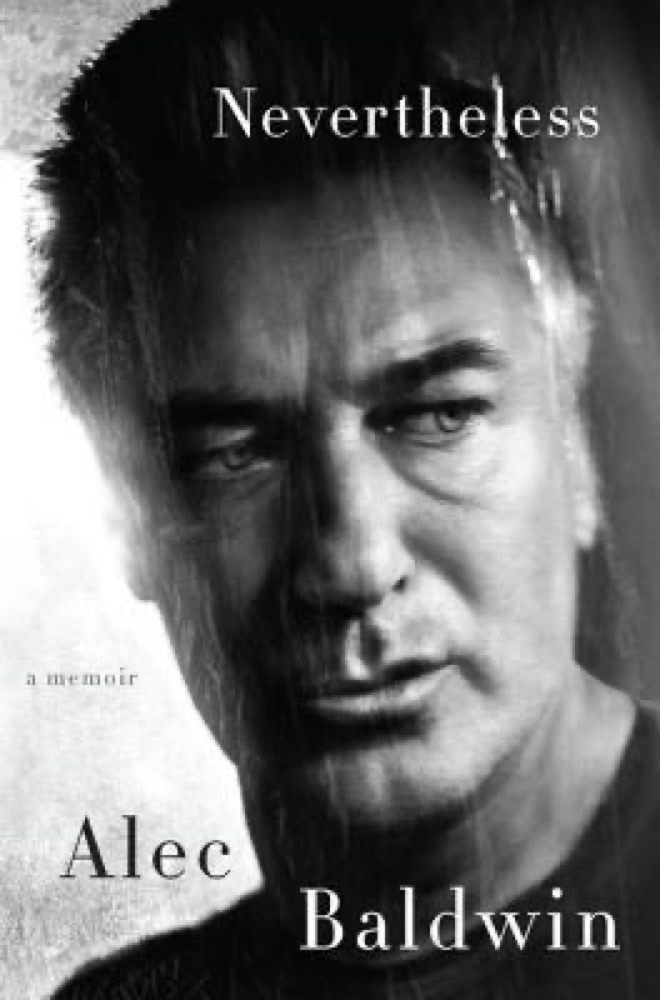
 Nevertheless
Quotes from the Book
The best teacher is experience. Find the educational in every situation.
29
But the only way to get lucky is to be prepared for luck to find you.
17
Console the failure, but nurture the hunger.
13
It’s okay to be afraid. Being afraid can sometimes mean that you’re actually doing something worthwhile.
10
At that precise moment I conjured a credo that would guide me for the rest of my life: I will pursue something that I love - and hopefully become good at it, instead of pursuing something that I'm good at - but don't love.
9
If people don’t enhance your life, you have to get rid of them.
8
That’s the life. That’s why talent alone doesn’t cut it. If you want to be a successful actor, mental toughness is essential. Lay your whole self-worth on getting the role, on the illusion of validation, before long you’re left angry, resentful, and jealous. You’re doomed.
7
I knew that, on camera, when you walk into a room in your own home, you must know where the light switch is. You can’t need to look. Or else it’s a lie, which is like giving the audience a pinch of poison. When you tell a story, you have to take liberties. You compress time. You create composite characters. You jump years ahead or flash back. Art is not life. But if your character has a longtime girlfriend and you’re tentative or formal with her, touching her as if she’s someone you just met? Another pinch. The audience might not be consciously aware of these little pinches, but if you keep doling them out, they’re reaching for the remote, or they’re walking out of the theater. They’re sick of the poison. They don’t want any more. They’re done. They might not even realize they’re responding to inauthenticity or sloppiness in storytelling. It’s not the audience’s job to articulate the reasons. It’s their job to feel.
6
Love art in yourself, not yourself in art.
5
In real life, as it is in fiction, character is both formed and revealed when we are tested. When we are forced to make decisions under pressure, that test can either make us stronger or it can highlight our weaknesses and crack us into pieces.
5
The greatest thing about youth is that you're not yet battle-weary, so you'll try anything.
5
I learned that you could so fully inhabit a character that you could fool others, move others. With talent and commitment, you could seduce or terrify. You could make someone feel utter hate or desolation or compassion or even love.
4
Character is both formed and revealed when we are tested, when we are forced to make decisions under pressure. That test can either make us stronger or it can highlight our weaknesses and crack us into pieces.
1
The great acting guru Constantin Stanislavski said, “Love art in yourself, not yourself in art.” I think of that often. I try to live by that. Work, hone your craft, enjoy your successes in whatever doses they may come. But do not fall in love with the poster, the image of you in a movie, winning an Oscar, the perks, the limo, being rich and famous. If that is what you’re falling in love with, you’re doomed to fail.
1
Our marriage has been such a foundation for me. Whenever young actors ask me for advice, I always tell them: get your house in order. Your relationships, your health, your personal life: that’s your foundation. If your home life is sane, it allows you to go insane in your work.
1
Luck also played a part. Any successful actor or writer or artist will tell you that luck is a crucial factor. But the only way to get lucky is to be prepared for luck to find you. Writers write. Actors act. If you’re not constantly applying your talents to your craft, no one is going to stop you on the street and say, “Hey, come write this TV show!” Or, “I want you to star in my movie.
1
That’s a nice quality in a person: making someone else feel valued—even if that someone is currently on the bottom rung. I made a mental note.
1
I occasionally wonder if some of the couples I married are still together and it suddenly dawns on them: "Holy shit! Honey, I think Walter White married us!
1
Because we had known the good times, I think my brother and I felt the loss more acutely. My father's waning presence, his chronic absence, his disappearance. Now he was just a memory.
1
But I’m not that kind of actor. I have a finite time on earth. I’m not interested in coasting through it. I want to be invested. An invested actor asks questions that may punch holes in the story or highlight contradictions in a character the writers may not have considered. Asking those questions might mean we have to rethink a beat in the script or redo the blocking. It might mean more work. And that might upset people momentarily. But in the end I’d rather do more work and get it right and give the finished product a richness and resonance that will last.
I’ll shave my head, I’ll be naked, it doesn’t matter. It’s far more important for me to be honest in the character I’m playing than to preen.
Building a character is like building a house. Without a solid foundation, a base, you’re screwed. You’re going to collapse. An actor needs a core quality or essence for a character. Everything rises from there.
I was going to give something. I wasn’t there to get a job. I was there to do a job. Simple as that. I was there to give a performance. If I attached to the outcome, I was setting myself up to expect, and thus to fail. My job was to focus on character. My job was to be interesting. My job was to be compelling. Take some chances. Serve the text. Enjoy the process. And this wasn’t some semantic sleight of hand, it wasn’t some subtle form of barter or gamesmanship. There was to be no predicting or manipulating, no thinking of the outcome. Outcome was irrelevant. I couldn’t afford any longer to approach my work as a means to an end.
And a shift in perspective can change a life. Hope can create possibility. Options are always available to us if we stand back and look at things differently.
Some actors come into work and wait to be told what to do. I think of my costar in Barefoot in the Park who needed to be told that she should express affection toward the man with whom she is madly in love. I suppose those actors can do well. But I’m not that kind of actor. I have a finite time on earth. I’m not interested in coasting through it. I want to be invested. An invested actor asks questions that may punch holes in the story or highlight contradictions in a character the writers may not have considered. Asking those questions might mean we have to rethink a beat in the script or redo the blocking. It might mean more work. And that might upset people momentarily. But in the end I’d rather do more work and get it right and give the finished product a richness and resonance that will last.
CRANSTON! When the foreman yelled, I acknowledged I heard him. I nodded, but I didn’t let him in. I just kept repeating a few lines from my inner script. I kept saying to myself: One day I will be able to call myself an actor. Not a part-time actor, but a real actor. One day. One day. One day. I would fantasize: there’s me driving onto a studio lot; there’s me breaking down the beats of a scene on stage. I was cold and I was getting yelled at, and the energy of many of the guys was a dark energy. Most of those guys hated their jobs, and probably hated their lives. It would be so easy to be sucked into that despair. But I didn’t allow that to come inside. It wasn’t welcome. I wasn’t going to let them clutter my brain. I had something real to hold on to.
I learned that a 211 was a robbery and a 459 was a murder. Code 1 was get there when you can. Code 2 meant get there quickly. (Lights.) Code 3 was get there immediately. (Lights and siren.) Code 7 was grabbing a bite to eat. A 10–100 meant you were on a bathroom break. (A bit of police argot the film business borrowed; it’s part of the lexicon on set.)
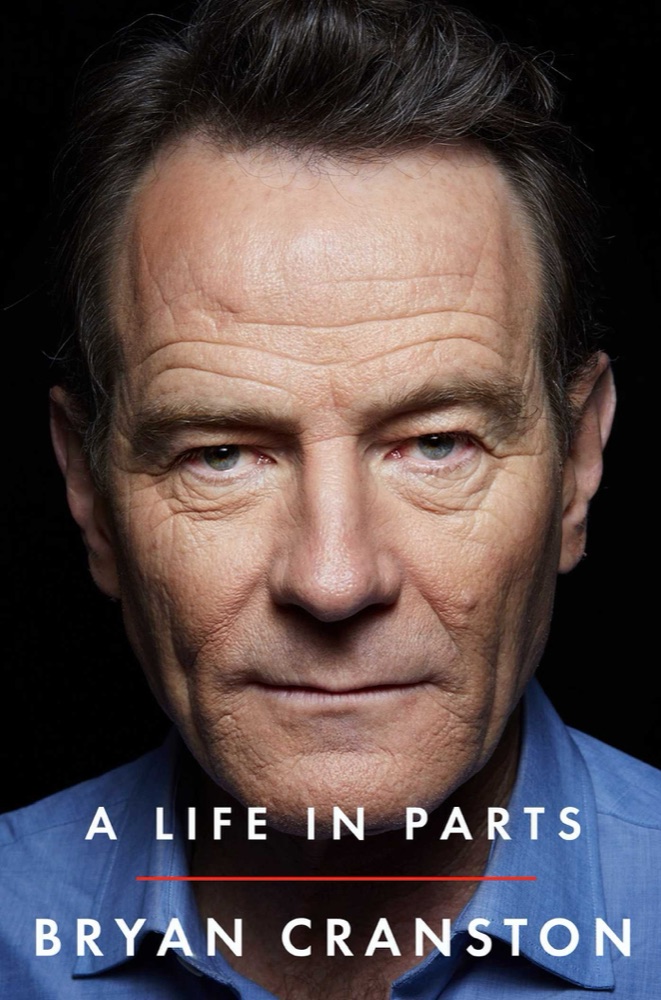
About Bryan Cranston
Bryan Lee Cranston is an American actor, comedian, stage actor, voice actor, screenwriter, director and producer, best known for playing Walter White in Breaking Bad and Hal in Malcolm in the Middle.
More about the author →About the book
A Life in Parts is Bryan Cranston's 2016 memoir, tracing his zigzag path from an abandoned son to a beloved star. Cranston landed his first role at seven, cast by his father in a United Way commercial, but when his father disappeared, survival took precedence over destiny. Structured around the many roles he has played on and off screen, the book recalls his real-life jobs as a paperboy, farmhand, security guard, dating consultant, murder suspect, and dock loader, alongside his on-camera evolution from soap opera player to legendary character actor, including his turns as Seinfeld's dentist Tim Whatley, Malcolm in the Middle's Hal Wilkerson, and, most prominently, Walter White in Breaking Bad.
Threaded through the memoir are themes of persistence, reinvention, and the craft of acting. Cranston's career was anything but linear: he endured his parents' divorce, poverty, and long lean years when the phone rarely rang, not achieving major acting success until he was in his fifties. The book dwells on how he prepared physically and mentally for his roles, and on the discipline and self-knowledge that shaped his choices as he matured.
The memoir was widely praised as a standout among celebrity autobiographies, with reviewers singling out its candor and readability, and many recommending Cranston's own audiobook narration. Outlets including The Washington Post, the Pittsburgh Post-Gazette, and the Buffalo News covered its release, noting how the actor who was 'always hustling' as a young performer used the book to show that actors, too, are storytellers. Wikipedia notes that much of the book focuses on Cranston's most prominent role, Walter White from Breaking Bad.
Book details
- First published
- 2016
- Author
- Bryan Cranston
- Genre
- Nonfiction
- Goodreads rating
- 4.20 (24k ratings)
Keep reading
Nevertheless
 Actors Anonymous
 Will
Will
 Failing Up: How to Take Risks, Aim Higher, and Never Stop Learning
 Sonny Boy
 I Can't Make This Up: Life Lessons
 A Bright Ray of Darkness
 Speak: Find Your Voice, Trust Your Gut, and Get from Where You Are to Where You Want to Be
 An Actor Prepares
 A Very Punchable Face
 The Dude and the Zen Master
 Be Useful: Seven Tools for Life
 Riding the Elephant: A Memoir of Altercations, Humiliations, Hallucinations, and Observations
 Tough Shit: Life Advice from a Fat, Lazy Slob Who Did Good
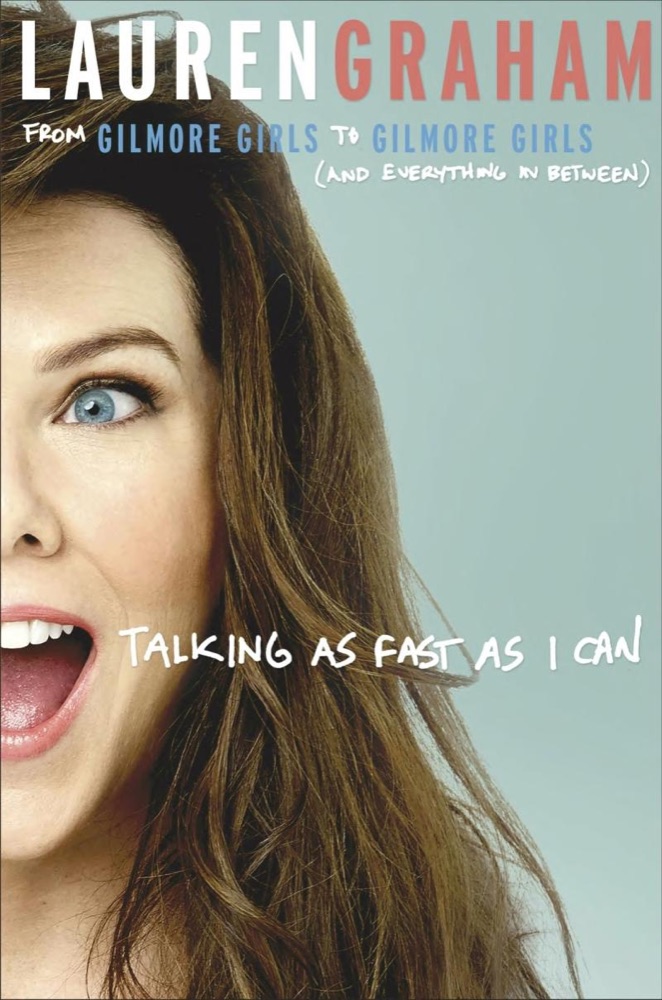 Talking as Fast as I Can: From Gilmore Girls to Gilmore Girls
 Me: Stories of My Life
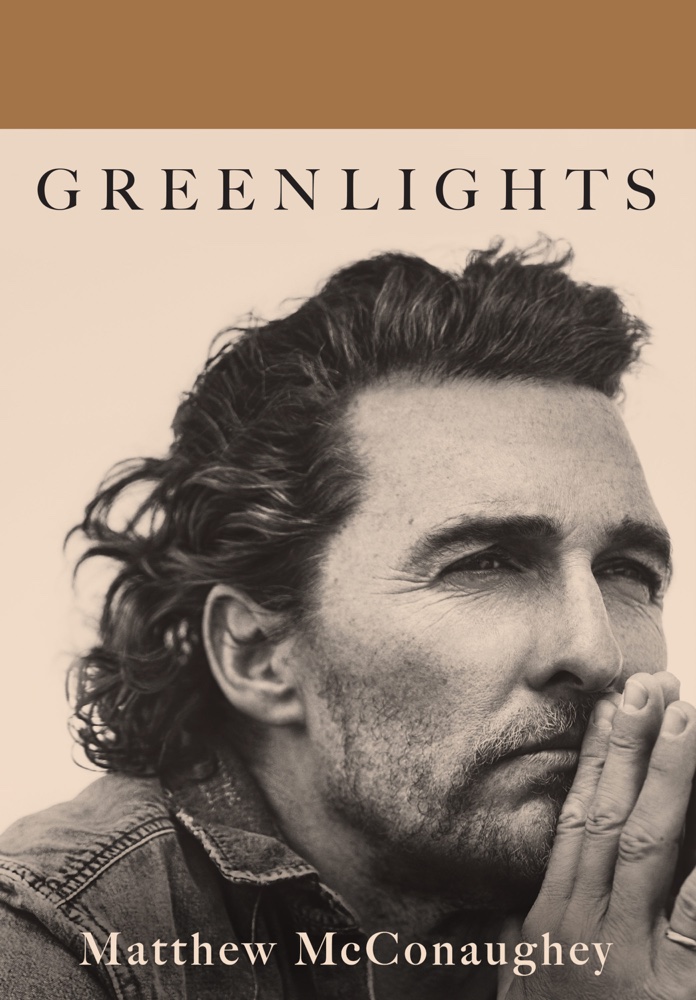 Greenlights
 The 7 Habits Of Highly Effective Teens
 The Rainbow Comes and Goes: A Mother and Son on Life, Love, and Loss
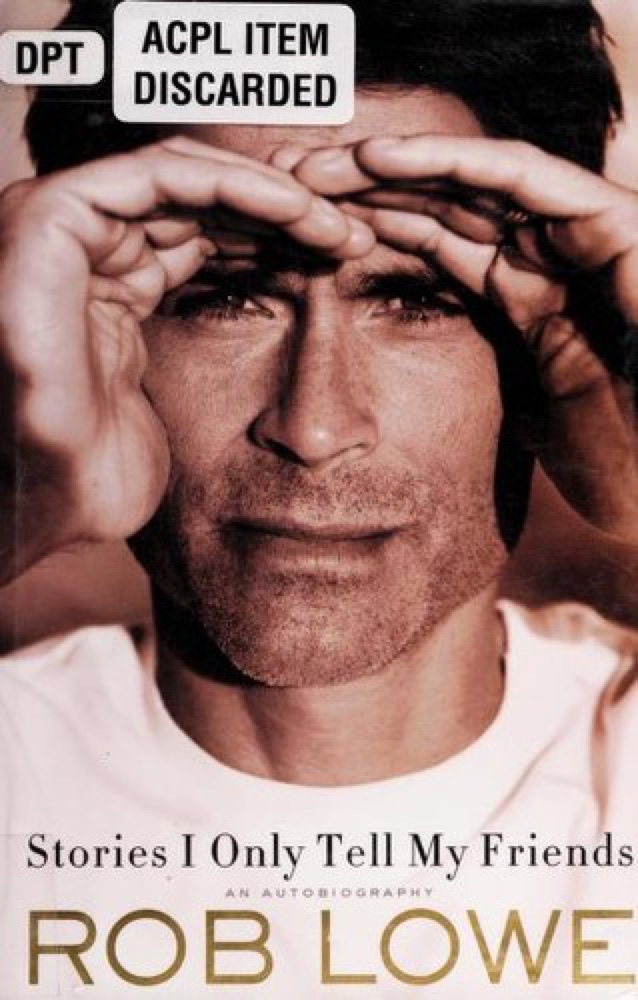 Stories I Only Tell My Friends
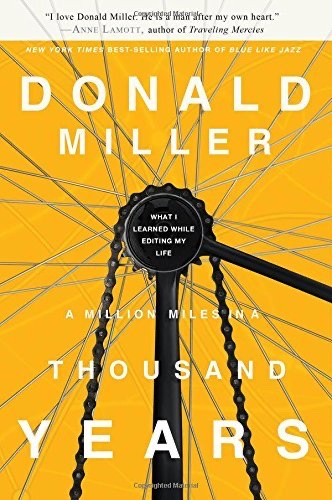 A Million Miles in a Thousand Years: What I Learned While Editing My Life
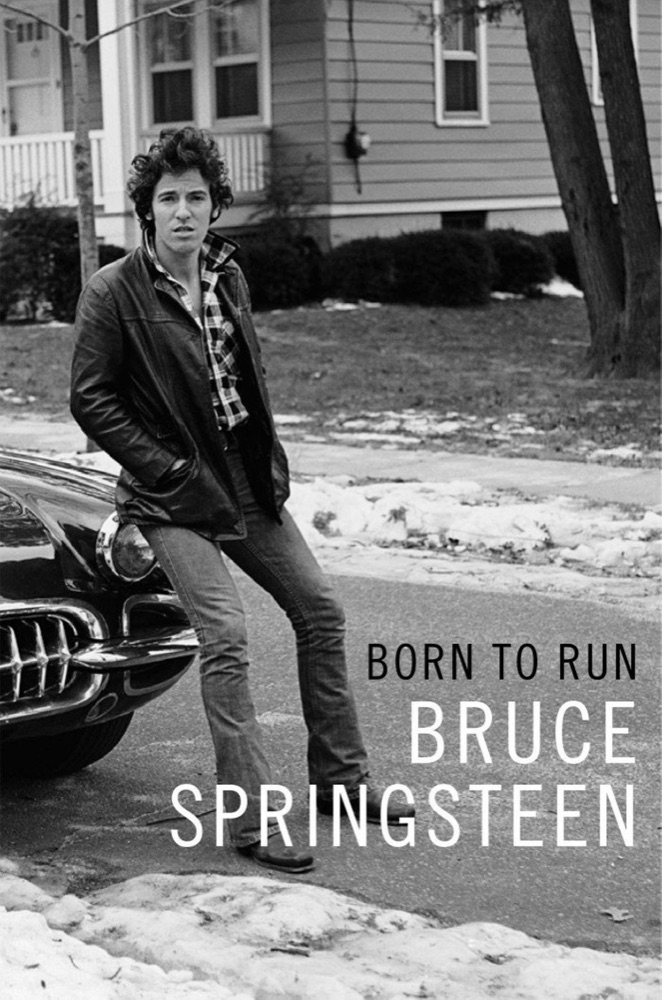 Born to Run
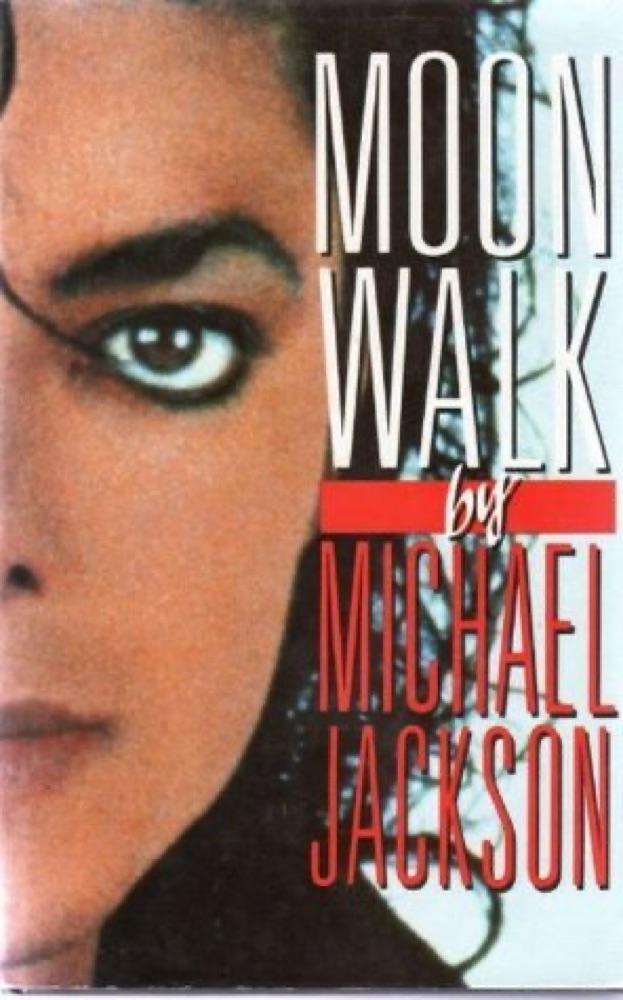 Moonwalk
 Like Streams to the Ocean: Notes on Ego, Love, and the Things That Make Us Who We Are
 Managing Expectations: A Memoir in Essays – A Poignant Collection of Personal Stories on Acting, Failure, and Motherhood's Joy
 A Sudden Light
 If You Have to Cry, Go Outside: And Other Things Your Mother Never Told You
 Total Recall: My Unbelievably True Life Story
 Tribe Of Mentors: Transformative Wisdom From Icons and Innovators to Help You Navigate Life's Challenges
 Be Water, My Friend: The Teachings of Bruce Lee
 The Bassoon King: My Life in Art, Faith, and Idiocy
 Shoe Dog: A Memoir by the Creator of NIKE
 The Promise of a Pencil: How an Ordinary Person Can Create Extraordinary Change
 How to Be a Bawse: A Guide to Conquering Life
 Choose Yourself: Be Happy, Make Millions, Live the Dream
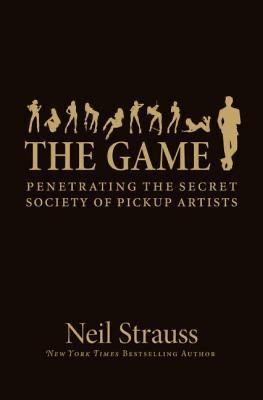 The Game: Penetrating the Secret Society of Pickup Artists
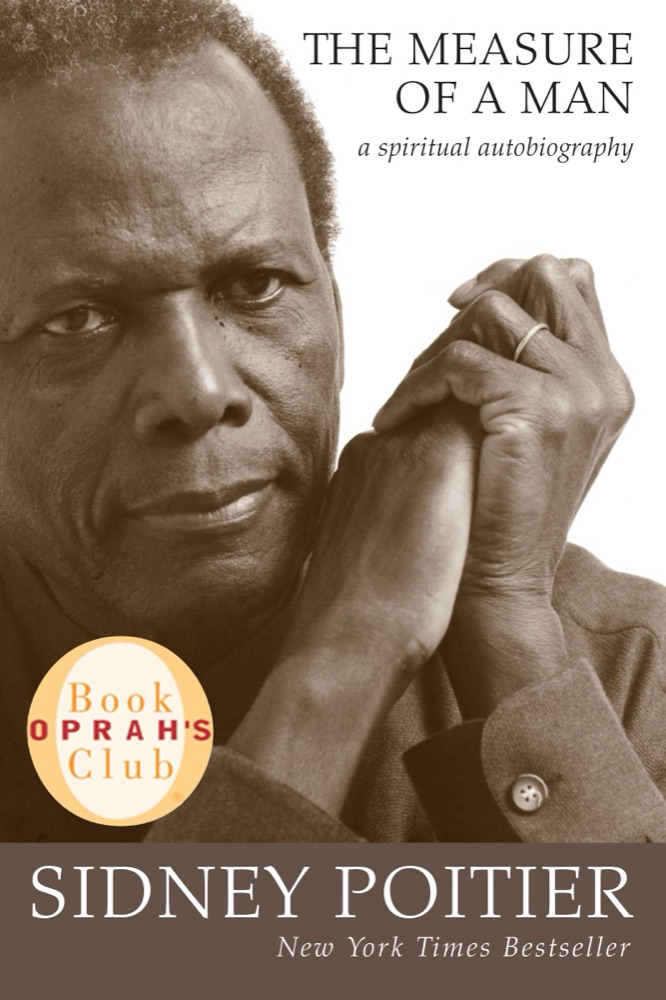 The Measure of a Man: A Spiritual Autobiography
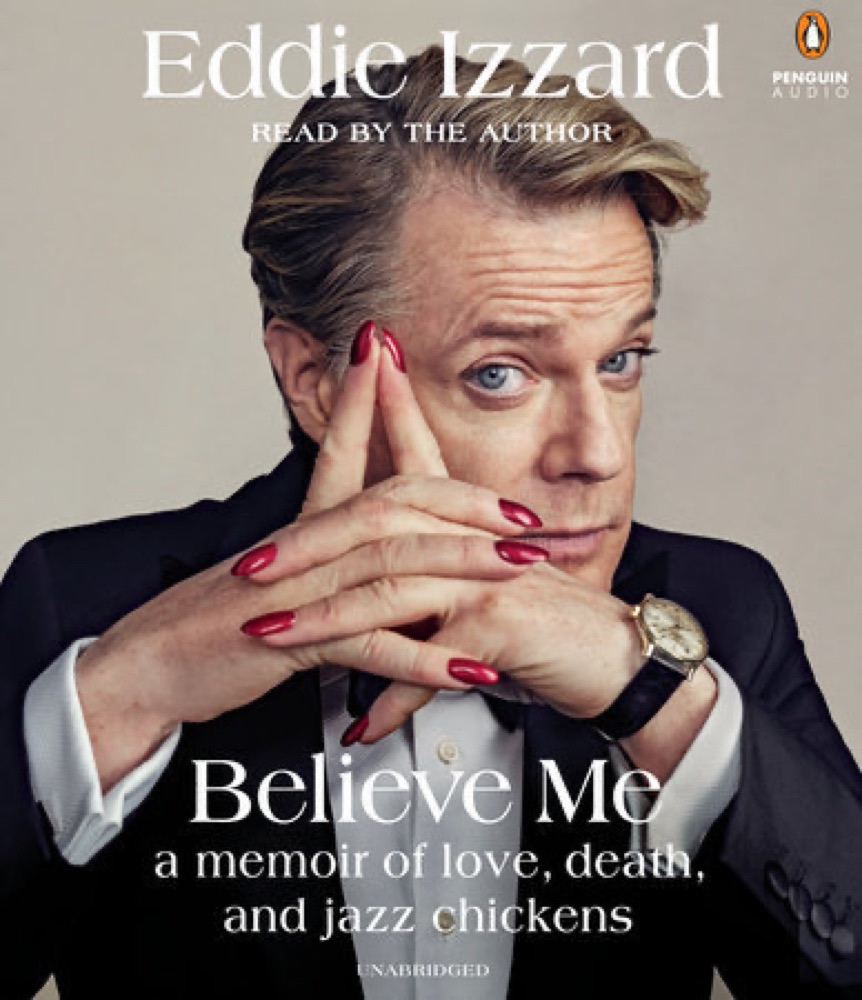 Believe Me: A Memoir of Love, Death, and Jazz Chickens
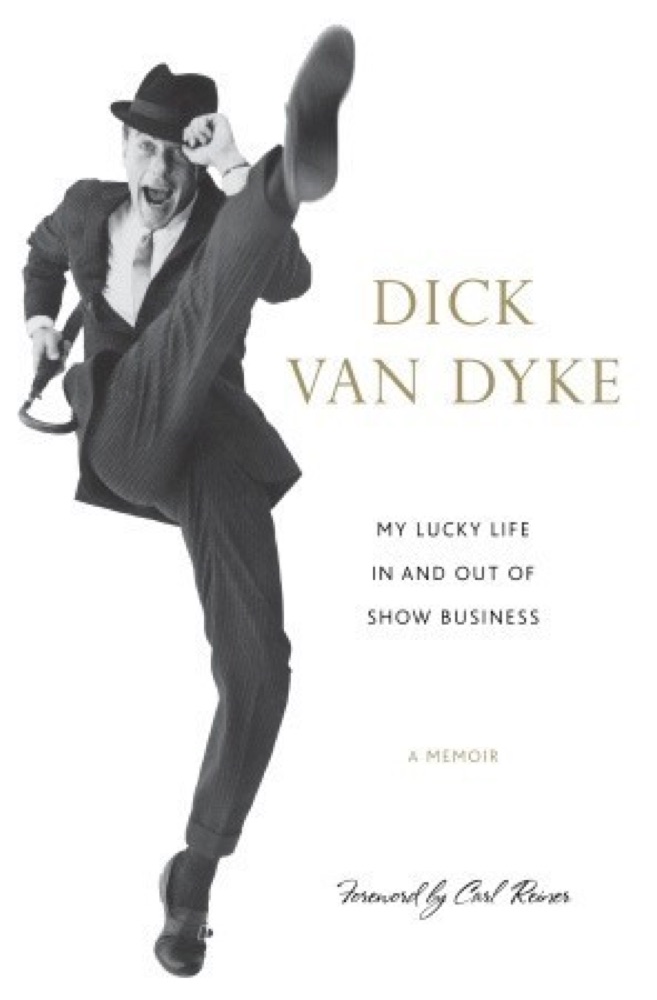 My Lucky Life in and Out of Show Business
 Special Topics in Calamity Physics
 Stay
Stay
 Vanishing Acts
 The House of Hidden Meanings
 Improv Wisdom: Don't Prepare, Just Show Up
 Becoming Superman: My Journey from Poverty to Hollywood with Stops Along the Way at Murder, Madness, Mayhem, Movie Stars, Cults, Slums, Sociopaths, and War Crimes
 Shakespeare: The Man Who Pays the Rent
 Tuesdays with Morrie
 Life Will Be the Death of Me: . . . and you too!
 Never Have Your Dog Stuffed: And Other Things I've Learned
 Tools of Titans: The Tactics, Routines, and Habits of Billionaires, Icons, and World-Class Performers
 Down and Across
 They're Going to Love You
 The Leader Who Had No Title: A Modern Fable on Real Success in Business and in Life
 It Worked for Me: In Life and Leadership
 A Work in Progress
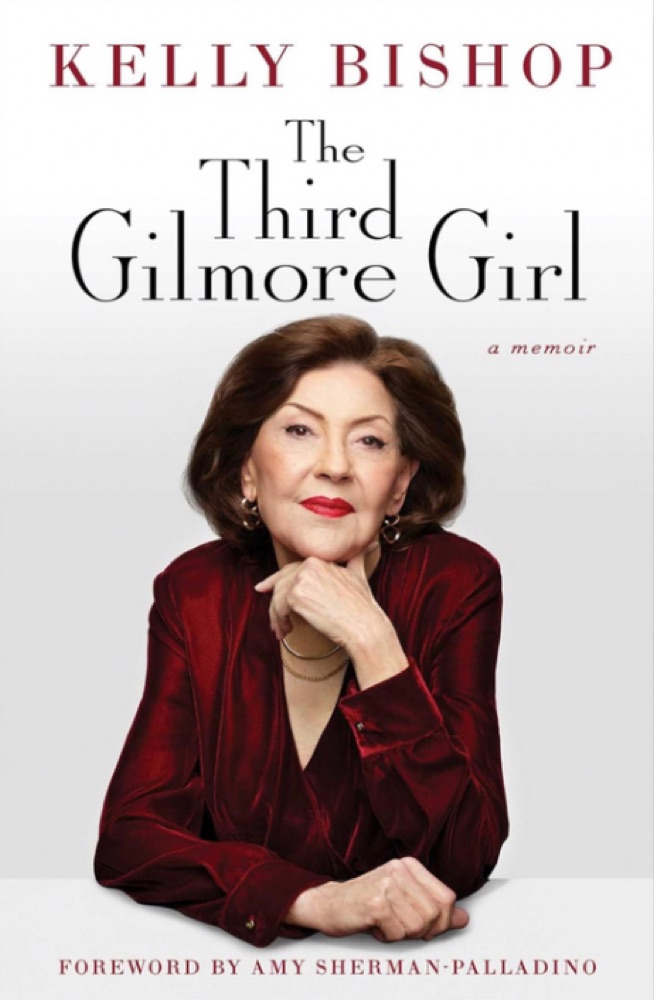 The Third Gilmore Girl: A Memoir
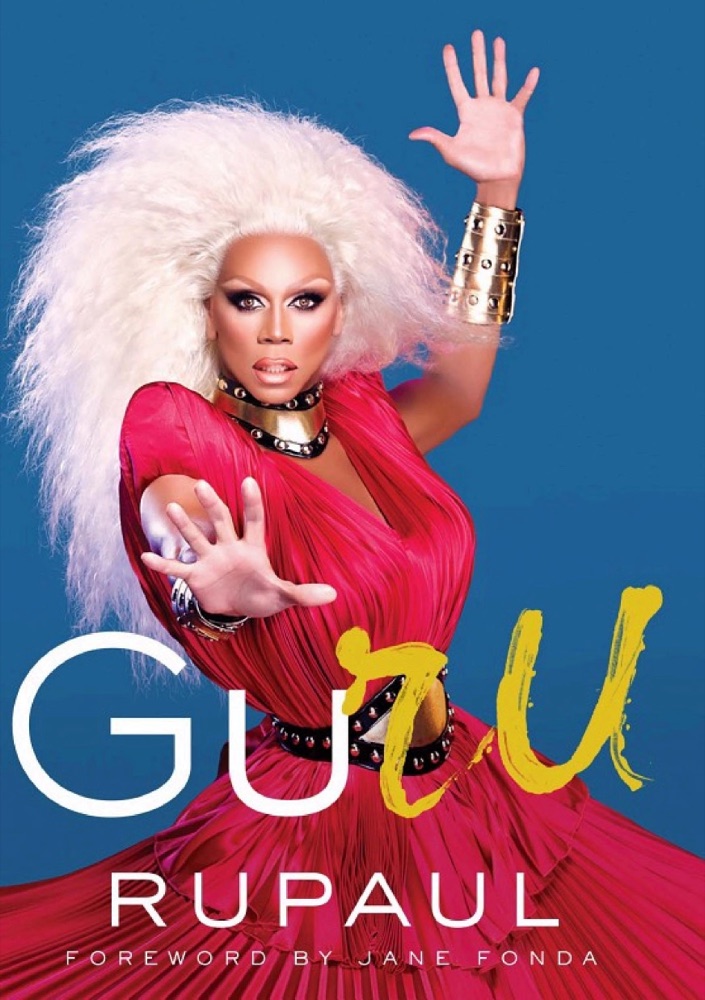 GuRu
GuRu
 Yes Please
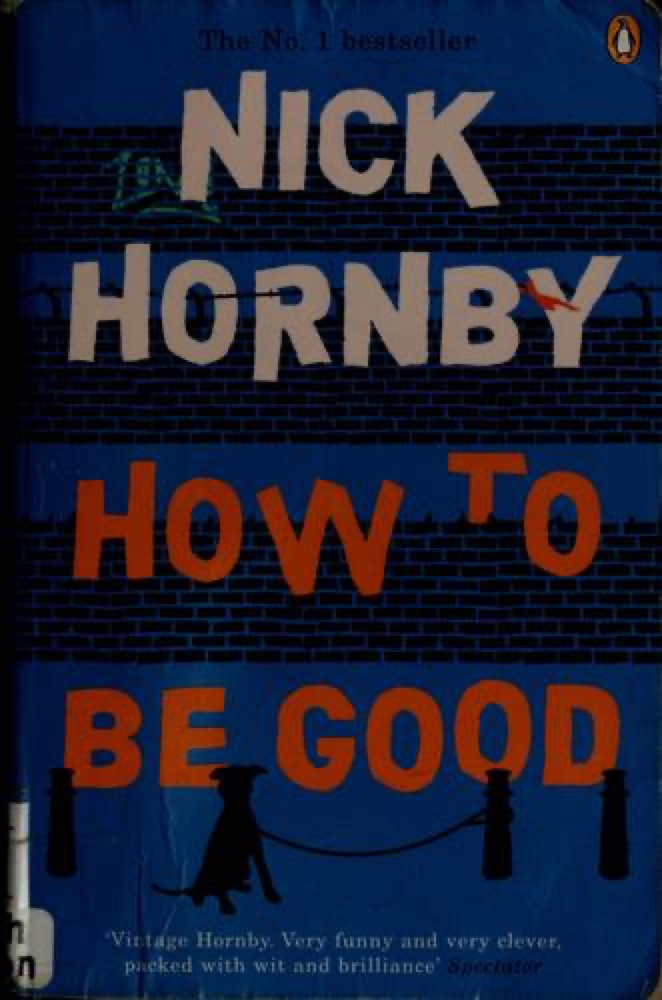 How to Be Good