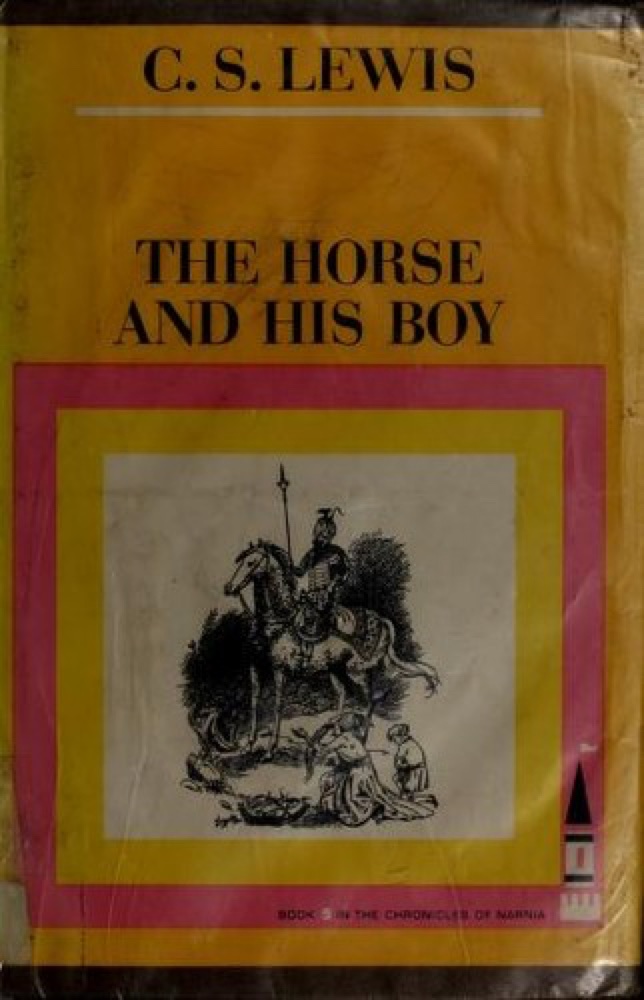
 The Horse and His Boy
Quotes from the Book
That's the worst of girls," said Edmund to Peter and the Dwarf. "They never can carry a map in their heads." "That's because our heads have something inside them," said Lucy.
1.4k
You come of the Lord Adam and the Lady Eve," said Aslan. "And that is both honour enough to erect the head of the poorest beggar, and shame enough to bow the shoulders of the greatest emperor on earth. Be content.
649
Aslan: You doubt your value. Don't run from who you are.
258
Aslan" said Lucy "you're bigger". "That is because you are older, little one" answered he. "Not because you are?" "I am not. But every year you grow, you will find me bigger.
244
Welcome, Prince,' said Aslan. 'Do you feel yourself sufficient to take up the Kingship of Narnia?' I - I don't think I do, Sir,' said Caspian. 'I am only a kid.' Good,' said Aslan. 'If you had felt yourself sufficient, it would have been proof that you were not.
244
Wouldn't it be dreadful if some day in our own world, at home, men start going wild inside, like the animals here, and still look like men, so that you'd never know which were which.
233
But what would have been the good?" Aslan said nothing. "You mean," said Lucy rather faintly, "that it would have turned out all right – somehow? But how? Please, Aslan! Am I not to know?" "To know what would have happened, child?" said Aslan. "No. Nobody is ever told that." "Oh dear," said Lucy. "But anyone can find out what will happen," said Aslan. "If you go back to the others now, and wake them up; and tell them you have seen me again; and that you must all get up at once and follow me – what will happen? There is only one way of finding out.
118
Feeling like the voice she liked best in all the world was calling her name.
73
But all night, Aslan and the Moon gazed upon each other with joyful and unblinking eyes.
70
Lucy went first, biting her lip and trying not to say all the things she thought of saying to Susan. But she forgot them when she fixed her eyes on Aslan.
60
But when your sword breaks, you draw your dagger.
52
You have no idea what an appetite it gives one, being executed.
52
You have listened to fears, Child,' said Aslan. 'Come, let me breathe on you. Forget them. Are you brave again?
44
Certainly, Lu. Whatever you like,' said Peter unexpectedly. This was encouraging, but as Peter instantly rolled round and went to sleep again it wasn't much use.
42
Lucy buried her head in his mane to hide from his face. But there must have been some magic in his mane. She could feel lion-strength going into her. Quite suddenly she sat up. "I'm sorry, Aslan," she said. "I'm ready now." "Now you are a lioness," said Aslan. "And now all Narnia will be renewed.
38
The best swordsman in the world may be disarmed by a trick that's new to him.
36
I'm a beast, I am, and a Badger what's more. We don't change. We hold on.
35
Oh, I'm a dangerous criminal, I am,' said the dwarf cheerfully.
31
She looked at a silver birch: it would have a soft, showery voice and would look like a slender girl, with hair blown all about her face and fond of dancing. She looked at the oak: he would be a wizened, but hearty, old man with a frizzled beard and warts on his fact and hands, with hair growing out of the warts. She looked at the beech under which she was standing. Ah! --she would be the best of all. She would be a gracious goddess, smooth and stately, the Lady of the Wood.
29
My friendship you shall have, leanred Man," piped Reepicheep. "And any Dwarf--or Giant---in the army who does not give you good language shall have my sword to reckon with.
28
To know what would have happened, child? said Aslan. No. Nobody is ever told that.
23
This wasn't a garden,' said Susan presently. 'It was a castle...
21
Why have your followers all drawn their swords, may I ask?" said Aslan. "May it please Your High Majesty," said the second Mouse, whose name was Peepiceek, "we are all waiting to cut off our own tails if our Chief must go without his. We will not bear the shame of wearing an honor which is denied to the High Mouse." "Ah!" roared Aslan. "You have conquered me. You have great hearts. Not for the sake of your dignity, Reepicheep, but for the love that is between you and your people, and still more for the kindness your people showed me long ago when you ate away the cords that bound me on the Stone Table (and it was then, though you have long forgotten it, that you began to be Talking Mice), you shall have your tail again.
20
Kids like us don't often have the chance of meeting a great warrior like you. Would you have a little fencing match with me? It would be frightfully decent.
20
Edmund, give a special goodbye to Trumpkin for me. He's been a brick.
17
Go and wake the others and tell them to follow. If they will not, then you at least must follow me alone.
16
The worst of sleeping out of doors is that you wake up so dreadfully early. And when you wake up you have to get up because the ground is so hard you are uncomfortable. And it makes matters worse if there is nothing but apples for breakfast and you have had nothing but apples for supper the night before.
16
if anyone present wishes to make me the subject of his wit, I am very much at his service--with my sword--whenever he has leisure.
15
Did you know?
- The book's opening line—"Once there were four children whose names were Peter, Susan, Edmund, and Lucy"—echoes the opening of The Lion, the Witch and the Wardrobe.
- It was the second of the seven Narnia books to be published, appearing in 1951.
- Within the story, more than a thousand years have passed in Narnia even though only one year has gone by for the Pevensie children in England.
- C.S. Lewis described the book as being partly about the corruption and restoration of true belief.
- It was adapted into a Walt Disney Pictures and Walden Media film released in 2008.
About C.S. Lewis
C.S. Lewis (1898–1963) was a British writer and Oxford and Cambridge scholar, best known for The Chronicles of Narnia and for Christian apologetic works such as The Screwtape Letters and Mere Christianity. He was a close friend of J.R.R. Tolkien and a member of the Inklings literary group.
More about the author →More by C.S. Lewis
All books by C.S. Lewis →
About the book
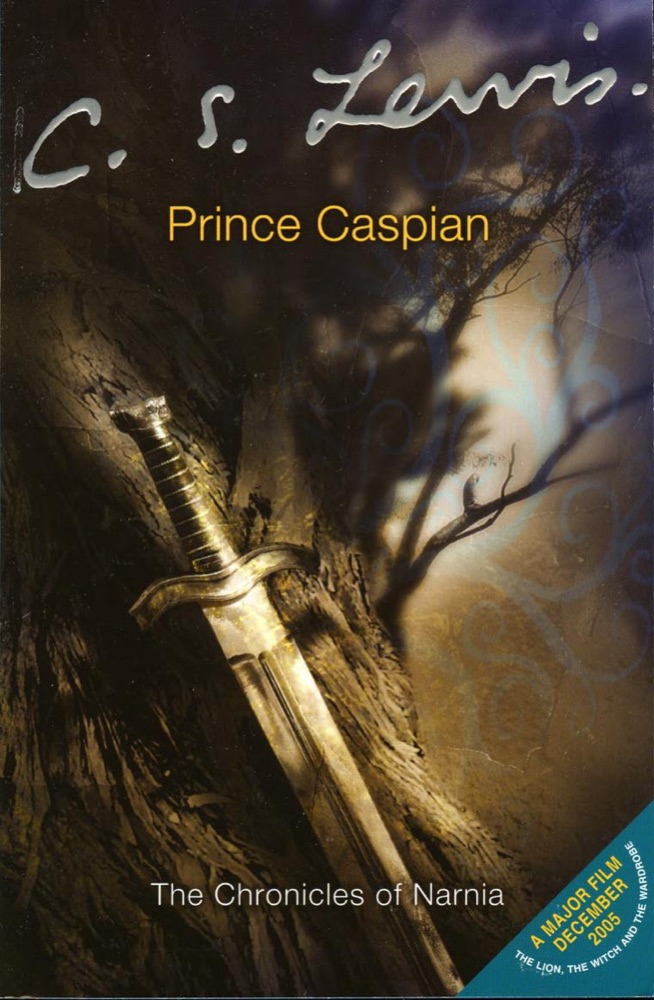
Prince Caspian, subtitled "The Return to Narnia," follows the four Pevensie children—Peter, Susan, Edmund, and Lucy—who are pulled back into the magical land of Narnia by the blast of an ancient horn. Although only a year has passed for them in England, more than a thousand years have gone by in Narnia, which has fallen under the rule of the Telmarines. The children join forces with the young Prince Caspian, the rightful heir whose uncle Miraz has usurped the throne, and the surviving Old Narnians to restore the kingdom to its true inhabitants.
The novel is concerned with themes of faith, courage, and rightful kingship, and with the restoration of an old order that had been suppressed. C.S. Lewis described it as a story about the corruption and renewal of belief, and the book repeatedly tests its characters' willingness to trust—most pointedly when Lucy alone can see Aslan and must persuade the others to follow. Loyalty, the value of the overlooked, and the return of wonder to a disenchanted land run throughout.
As the second published volume of The Chronicles of Narnia, Prince Caspian helped cement the series as a landmark of twentieth-century children's literature. It has remained continuously in print since 1951 and was adapted into a major motion picture in 2008. Critics have noted both its rich world-building and its more episodic, slower-building structure compared with its predecessor, while it remains beloved for its blend of adventure, allegory, and English fairy-tale sensibility.
Key characters
- Peter PevensieThe eldest sibling and High King of Narnia
- Susan PevensieThe second-eldest sibling, skilled with a bow
- Edmund PevensieThe third sibling, who fights to restore Caspian
- Lucy PevensieThe youngest sibling, the first to see Aslan again
- Prince CaspianThe rightful Telmarine heir to Narnia's throne
- MirazCaspian's usurping uncle and the story's antagonist
- TrumpkinA loyal Red Dwarf who aids the children
- ReepicheepThe valiant talking mouse and swordsman
- AslanThe great lion and true ruler of Narnia
Book details
- First published
- 1951
- Length
- 195 pages
- Series
- The Chronicles of Narnia #2 (publication order)
- Reading time
- 3 hours
- Author
- C.S. Lewis
- Genre
- Fantasy
- Goodreads rating
- 3.98 (495k ratings)
- First line
- “Once there were four children whose names were Peter, Susan, Edmund, and Lucy.”
Critical reception
- The book has remained continuously in print since its first publication in 1951.
- It is widely regarded as a cornerstone of twentieth-century children's fantasy literature.
- Lewis intended the story partly as an exploration of the corruption and restoration of true belief.
Series & reading order
- 1 The Lion, the Witch and the Wardrobe
- 2 Prince Caspian
- 3 The Voyage of the Dawn Treader
- 4 The Silver Chair
- 5 The Horse and His Boy
- 6 The Magician's Nephew
- 7 The Last Battle
Movie & TV adaptations
- IMDb
If you liked this, read…
- 1The Lion, the Witch and the WardrobeThe preceding Narnia book that introduces the Pevensie children
- 2The Voyage of the Dawn TreaderThe next Narnia adventure, continuing Caspian's story
- 3The HobbitA classic English fantasy quest by Lewis's friend J.R.R. Tolkien
Keep reading
 The Chronicles of Narnia
 The Lion, the Witch and the Wardrobe
 The Voyage of the Dawn Treader
 Castle of Wizardry
 Sword & Citadel
 The Shadow Rising
 The Shadow Throne
 Eldest
 Alanna: The First Adventure
 The Enchantress
 The Dragon Reborn
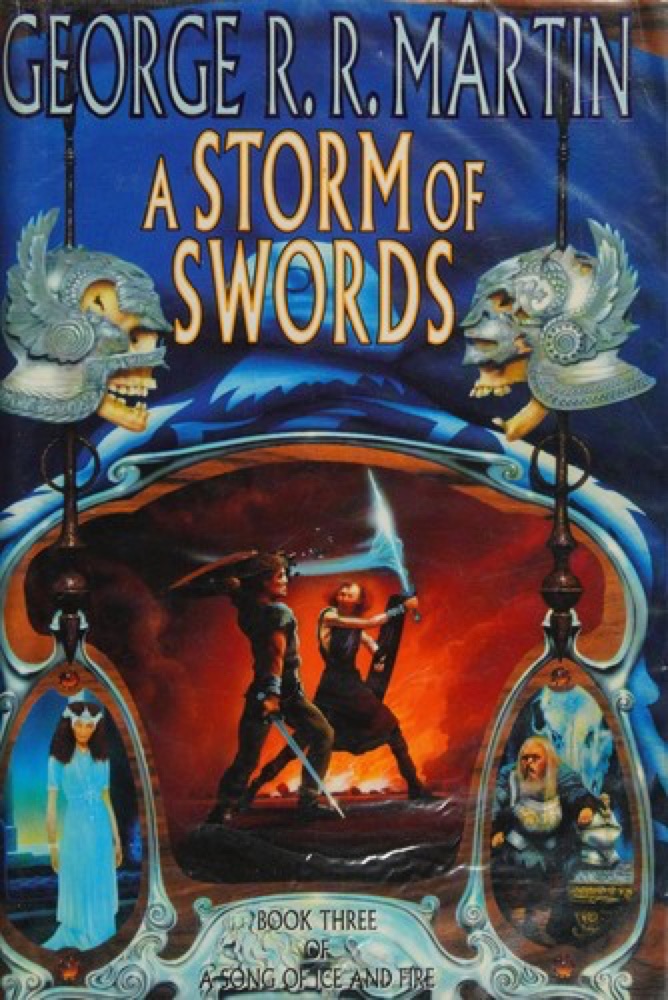 A Storm of Swords
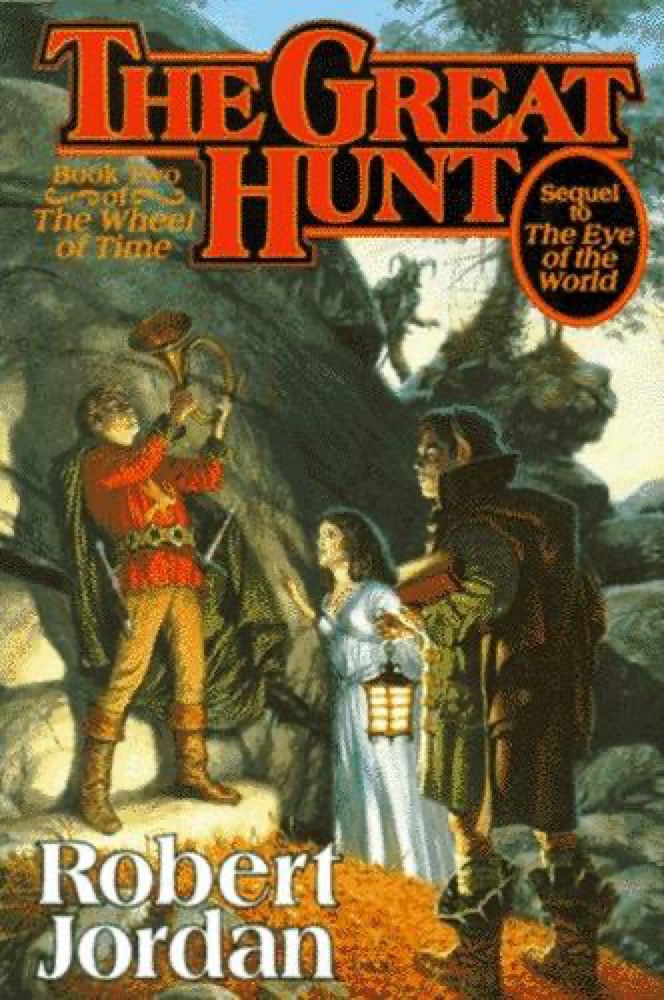 The Great Hunt
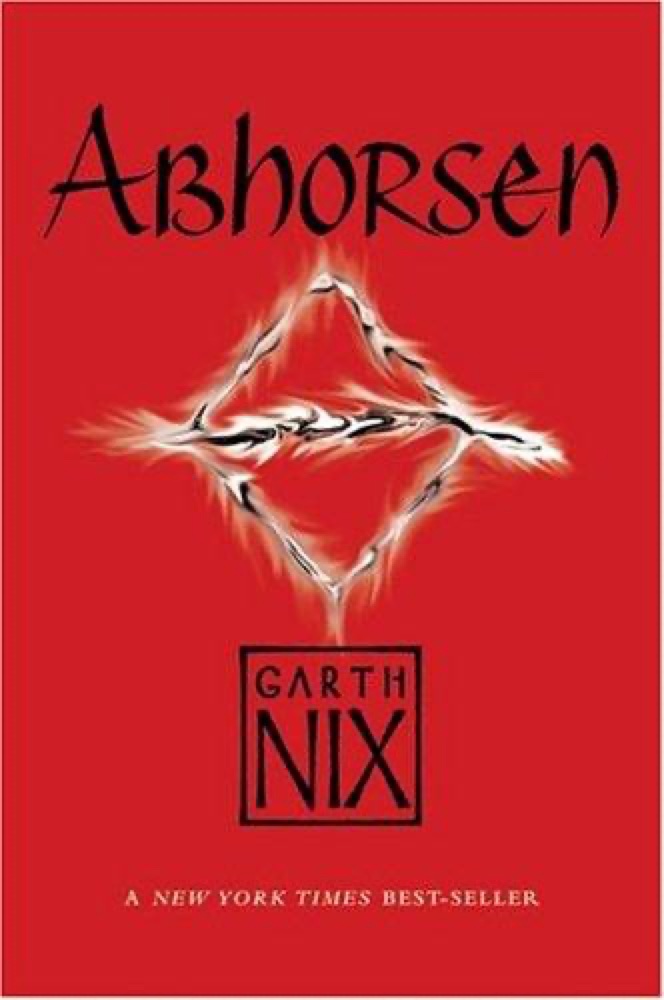 Abhorsen
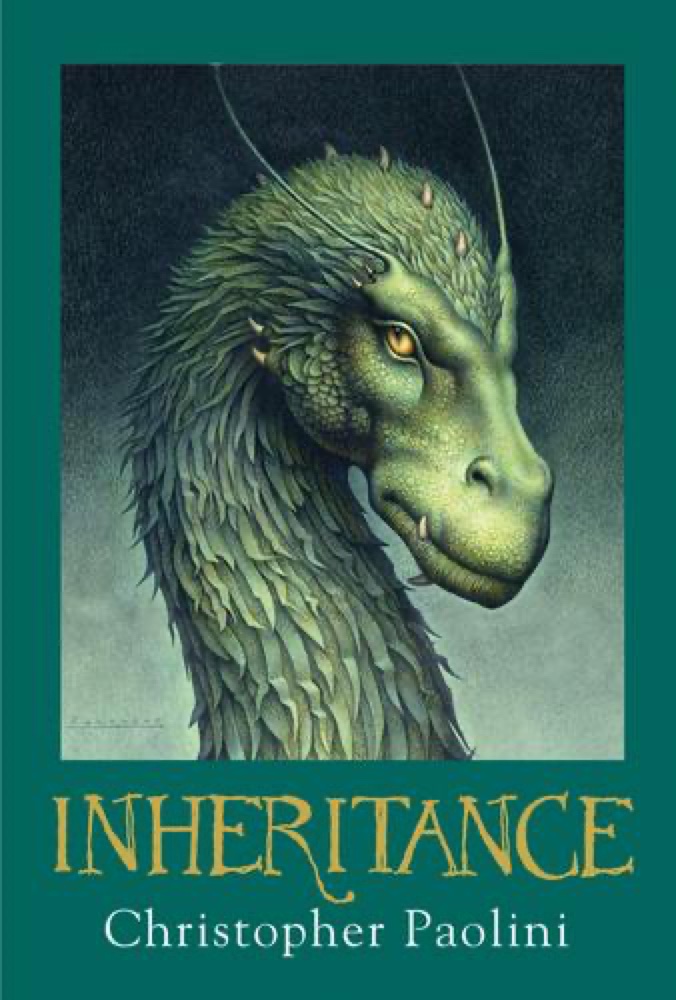 Inheritance
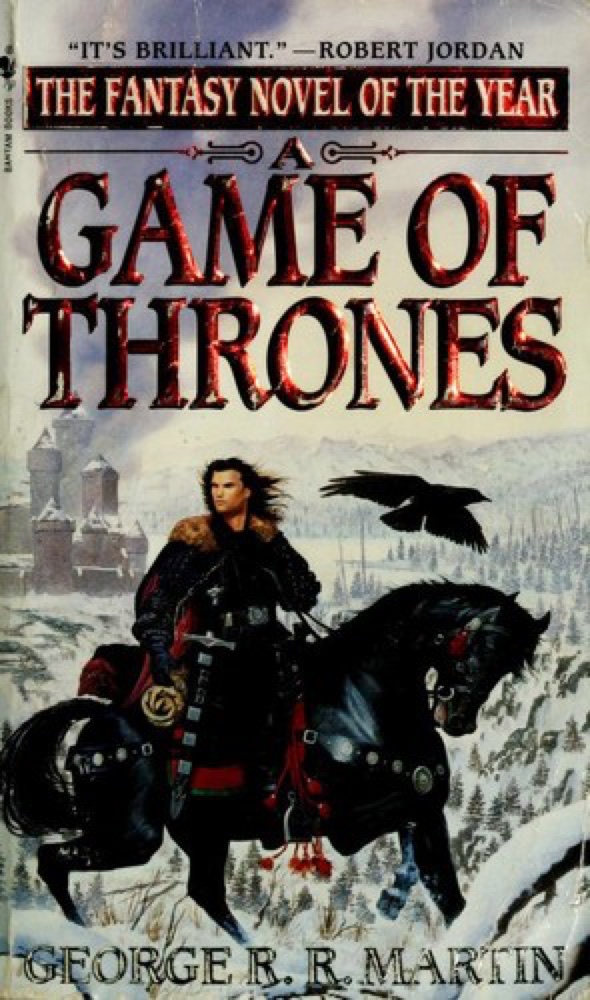 A Game of Thrones
 Ashes of Honor
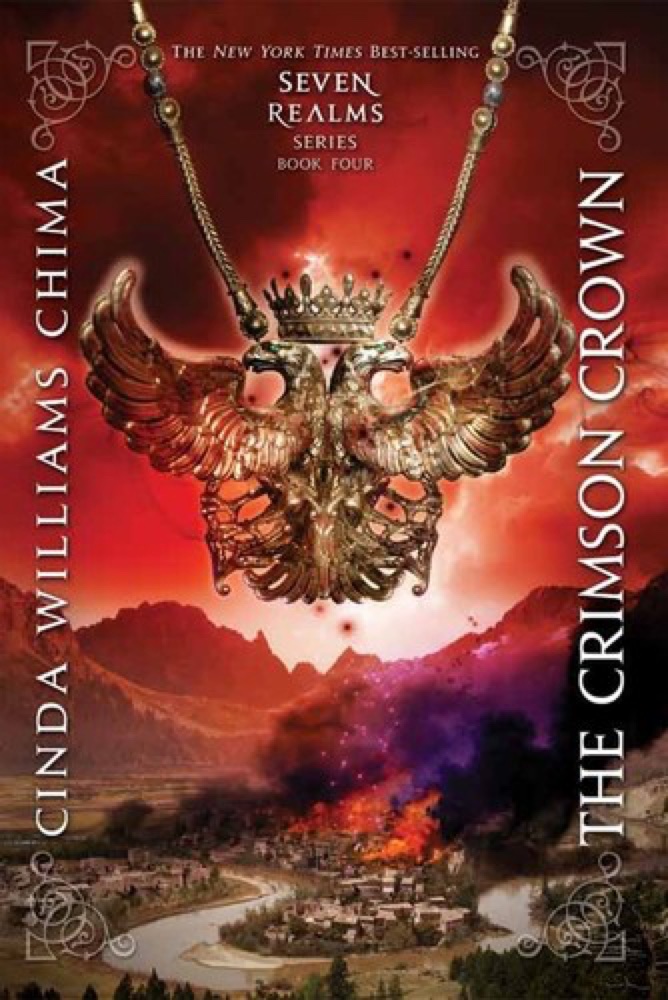 The Crimson Crown
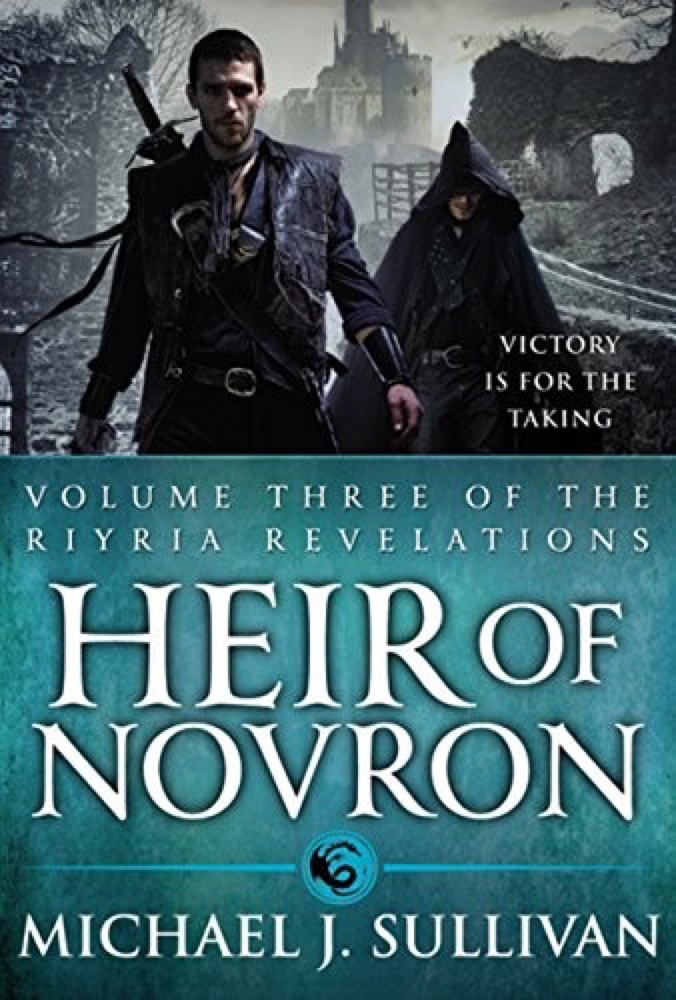 Heir of Novron
 Rise of Empire
 The Knight and the Moth
 The Pale Horseman
 Sweep in Peace
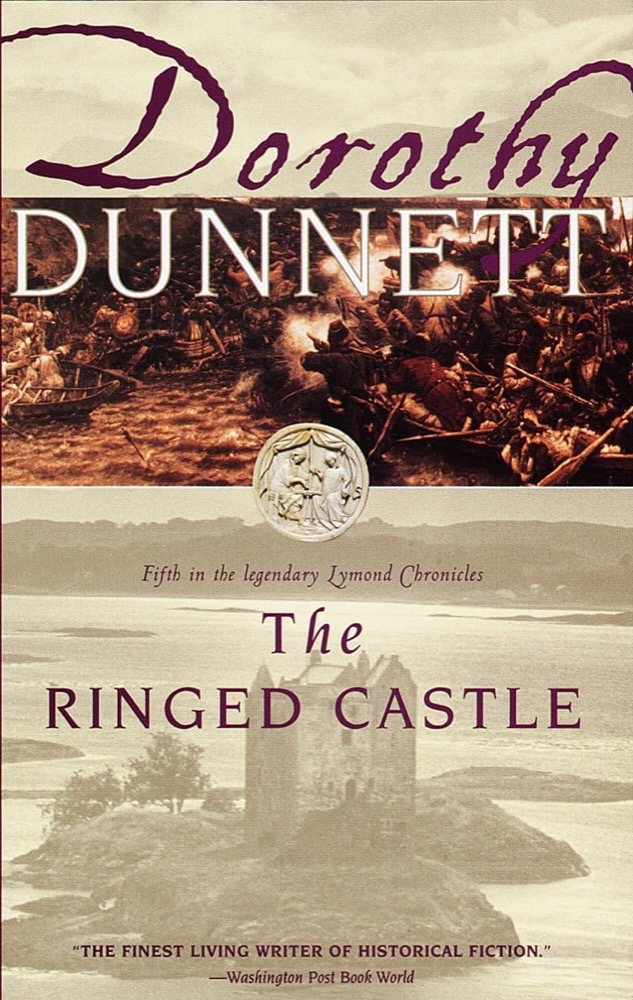 The Ringed Castle
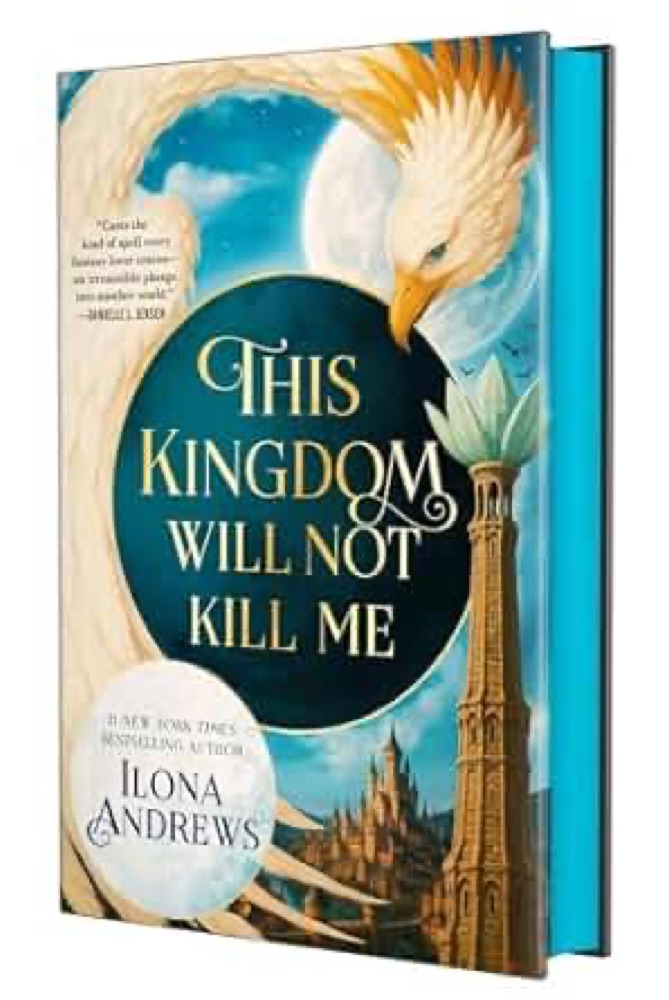 This Kingdom Will Not Kill Me
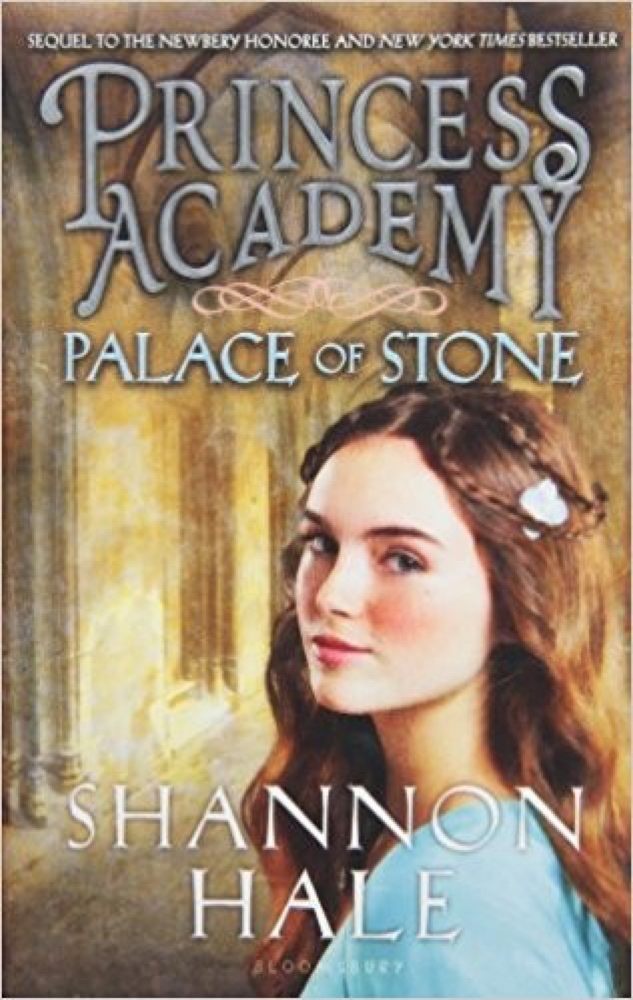 Palace of Stone
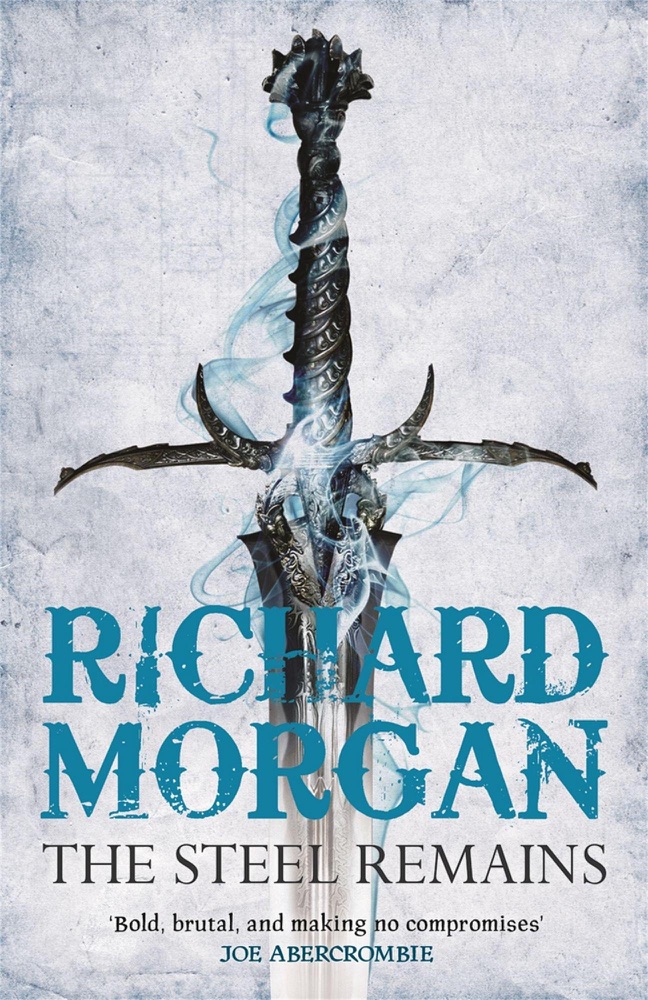 The Steel Remains
 Siege and Storm
 The Burning Sky
 The Last Hero
 The Blacktongue Thief
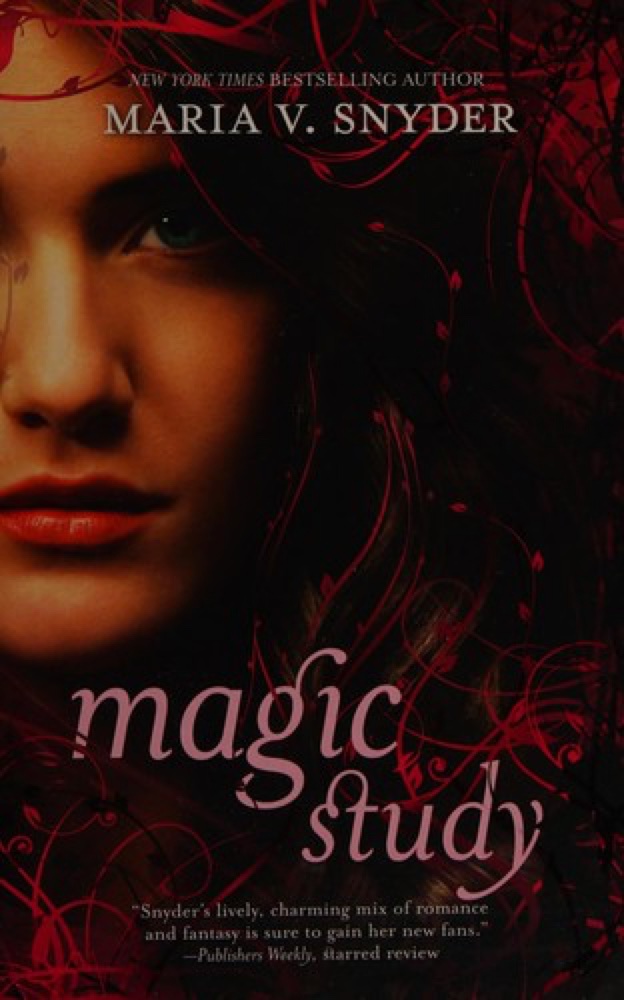 Magic Study
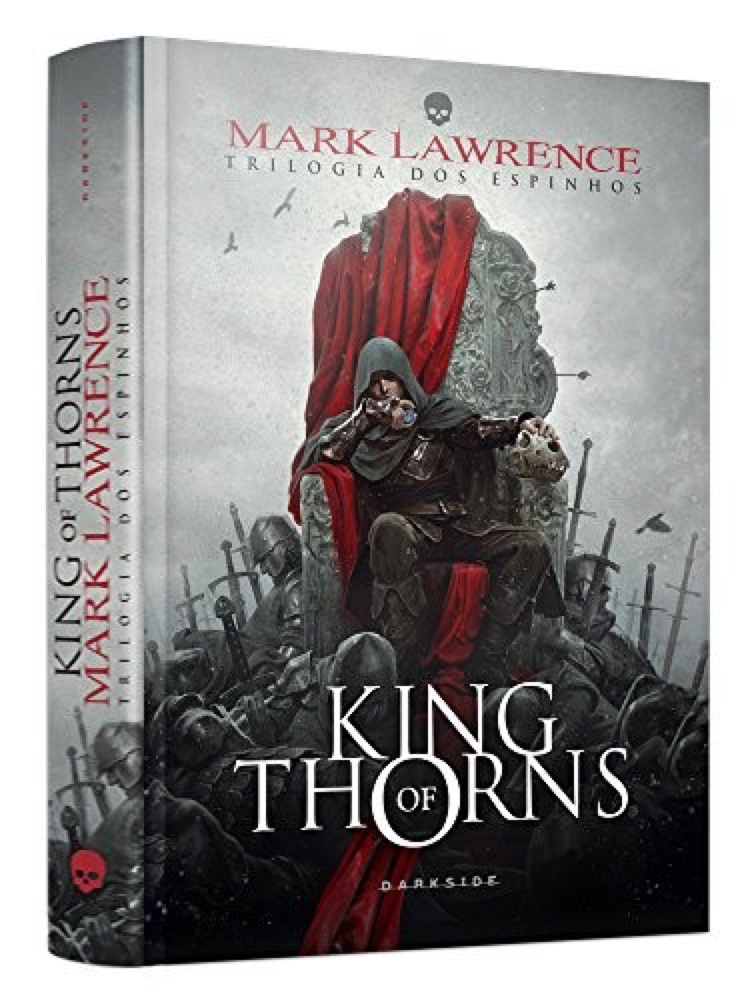 King of Thorns
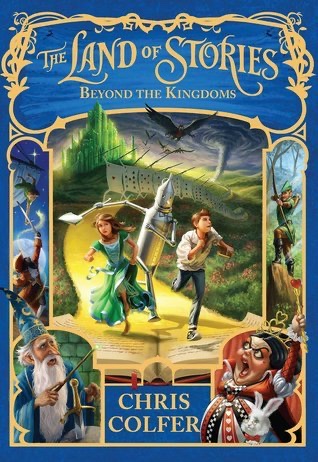 Beyond the Kingdoms
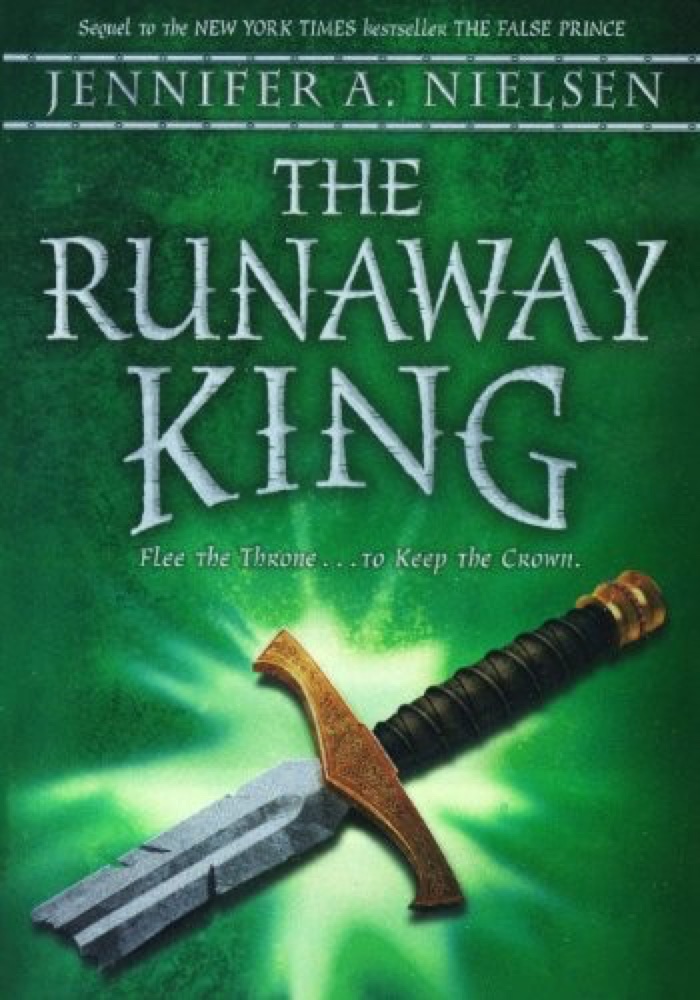 The Runaway King
 Assassin's Quest
 Spiderlight
 The Warrior Heir
 Crown Duel
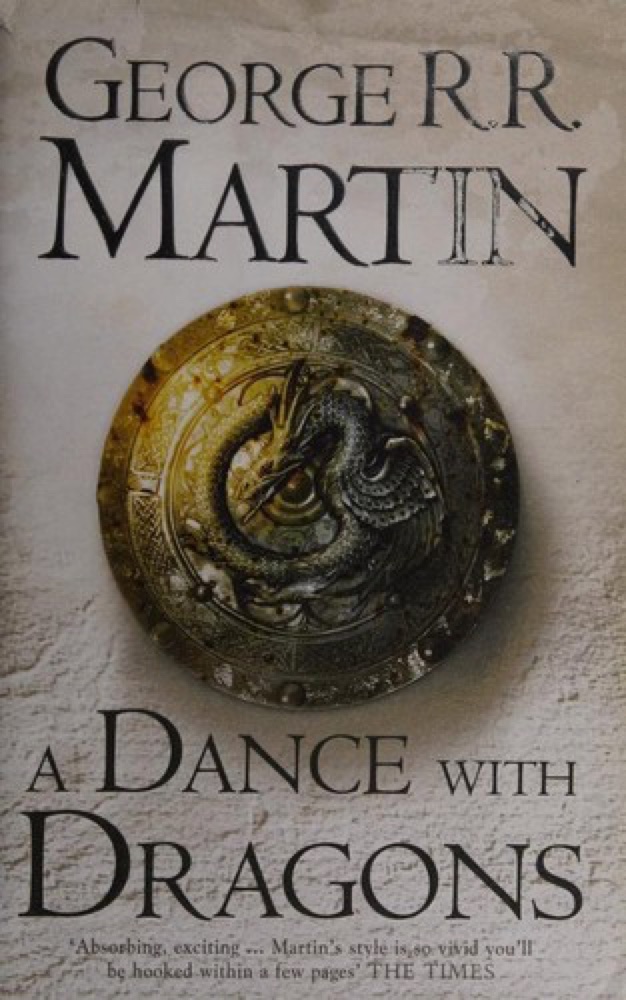 A Dance with Dragons
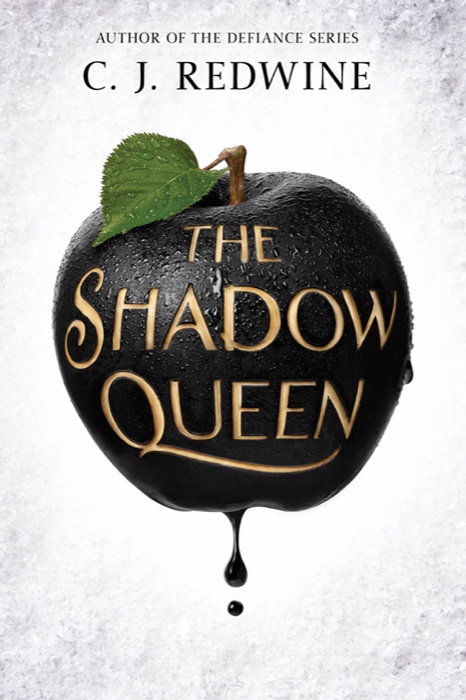 The Shadow Queen
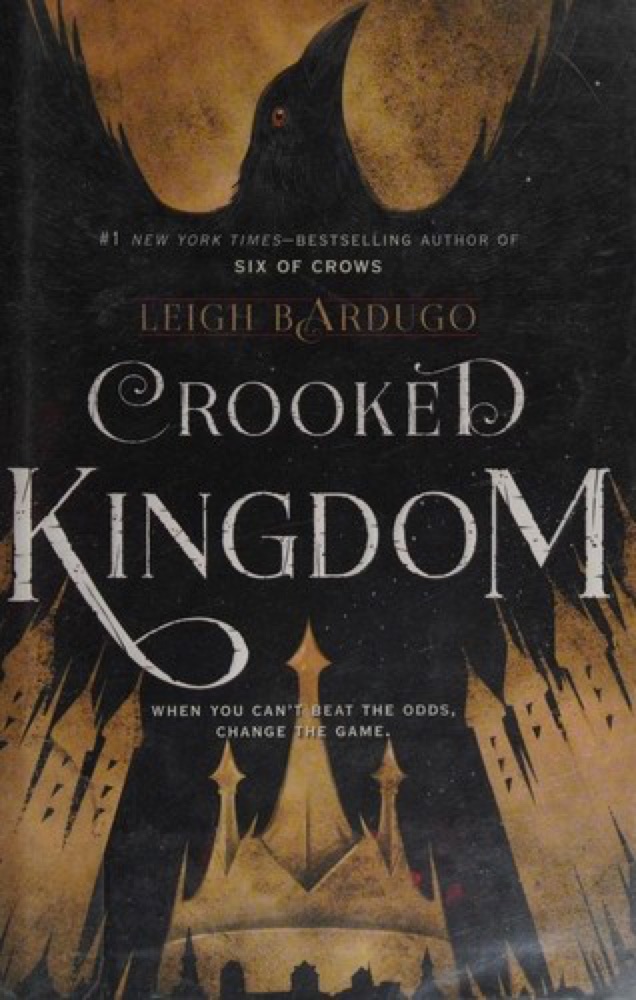 Crooked Kingdom
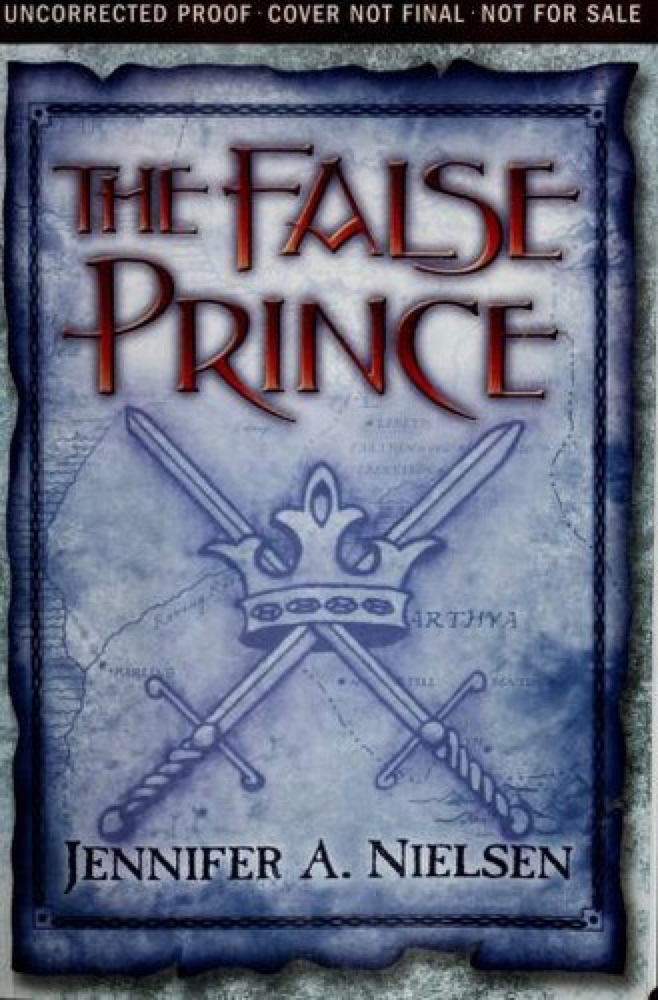 The False Prince
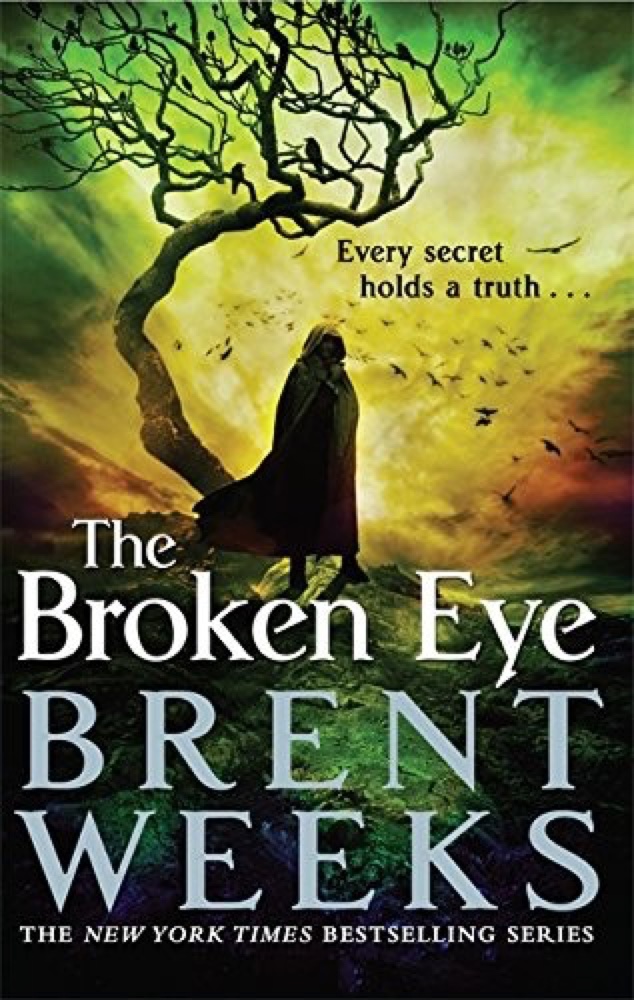 The Broken Eye
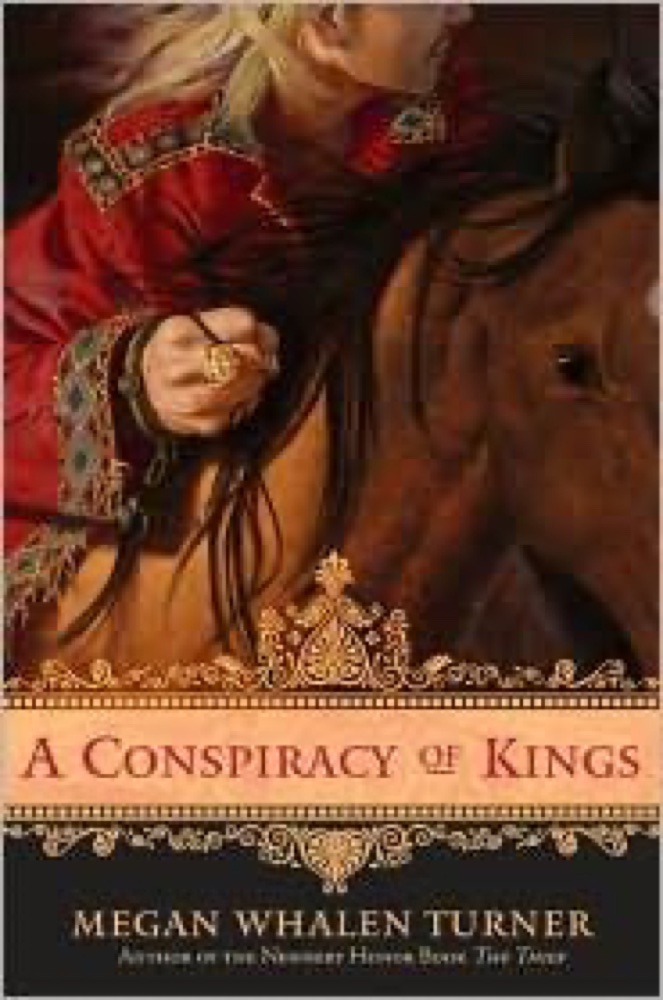 A Conspiracy of Kings
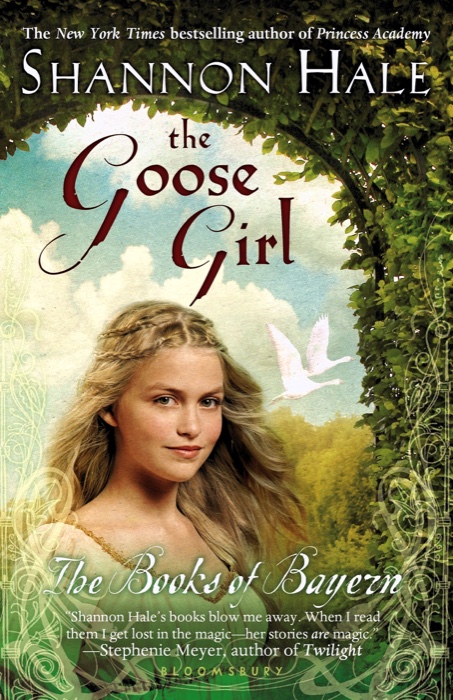 The Goose Girl
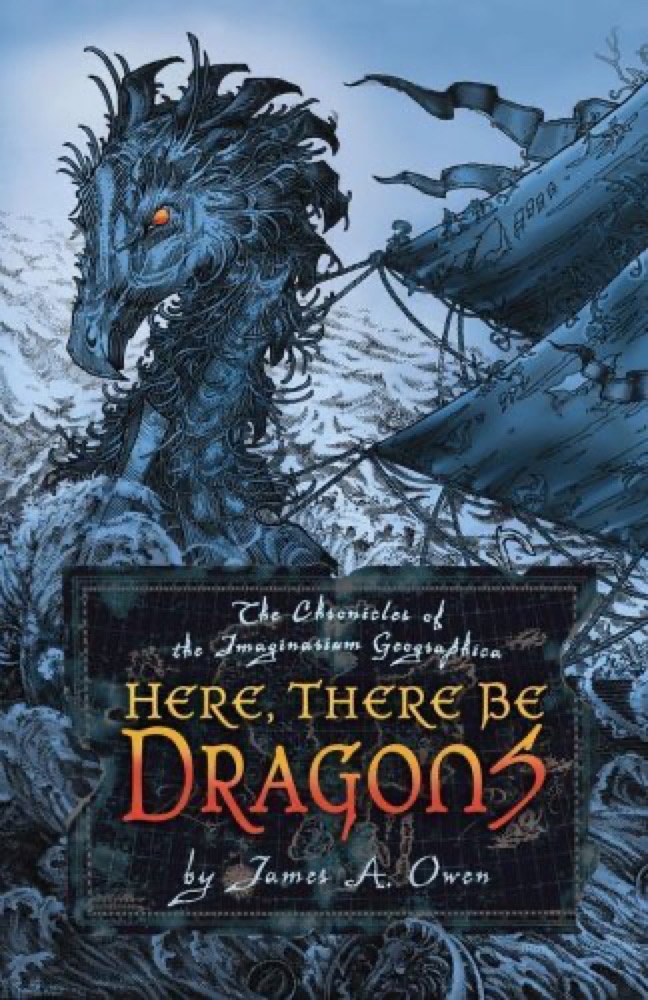 Here, There Be Dragons
 Cry Wolf
 The Invasion of the Tearling
 The Battle of the Labyrinth
 The Tower of Nero
 The Dark Prophecy
 The Cry of the Icemark
 Assassin's Fate
 Hunted
 The Game of Kings
 The Hallowed Hunt
 Sword of Destiny
 The Hero and the Crown
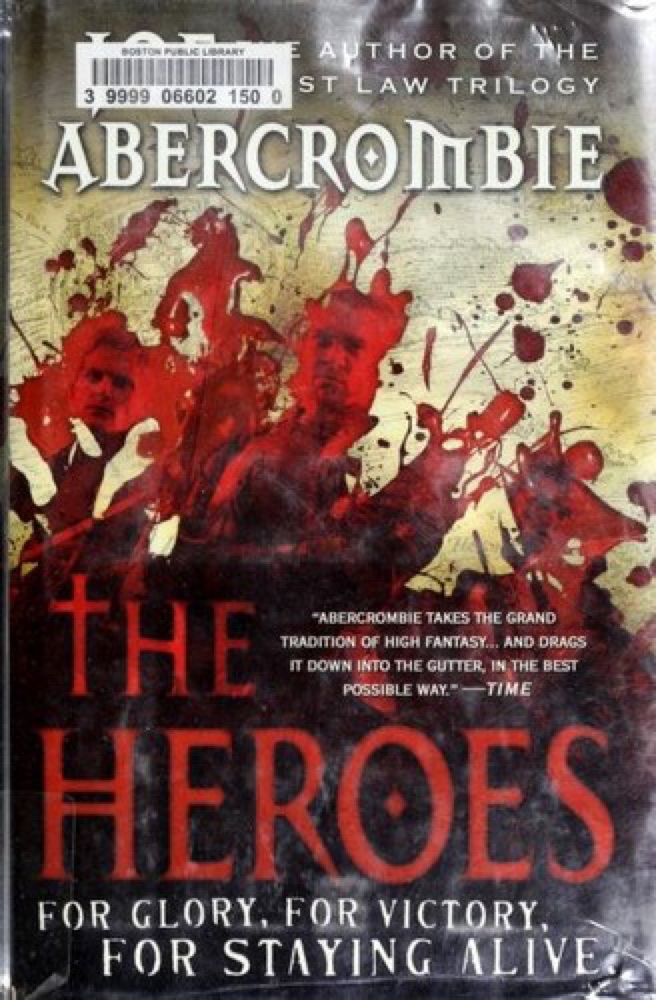 The Heroes