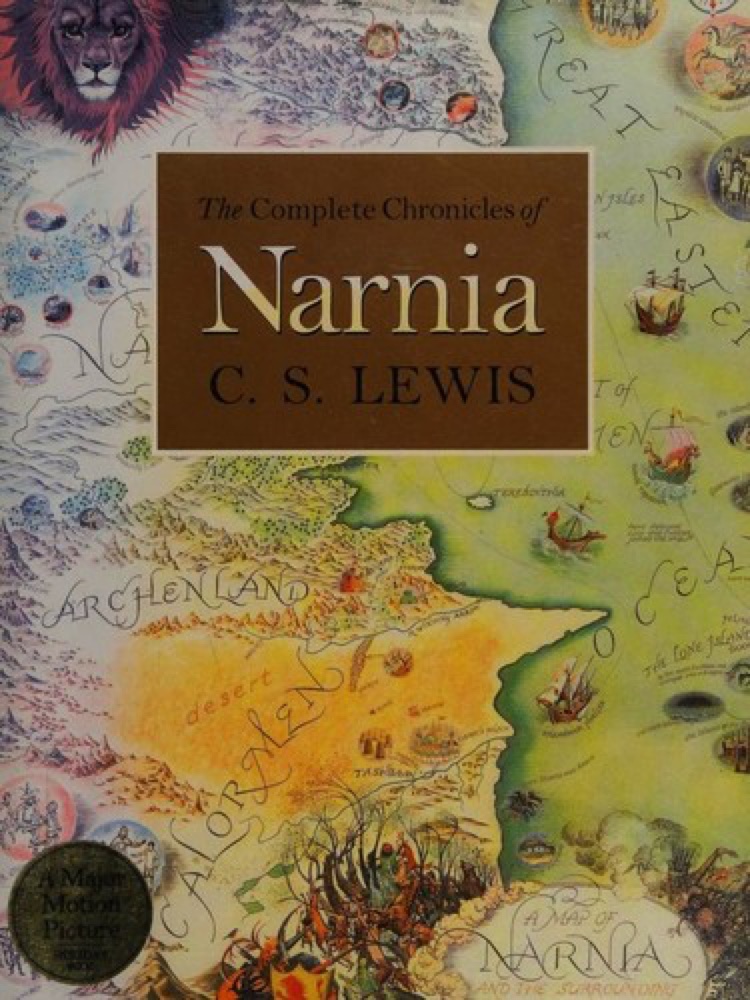
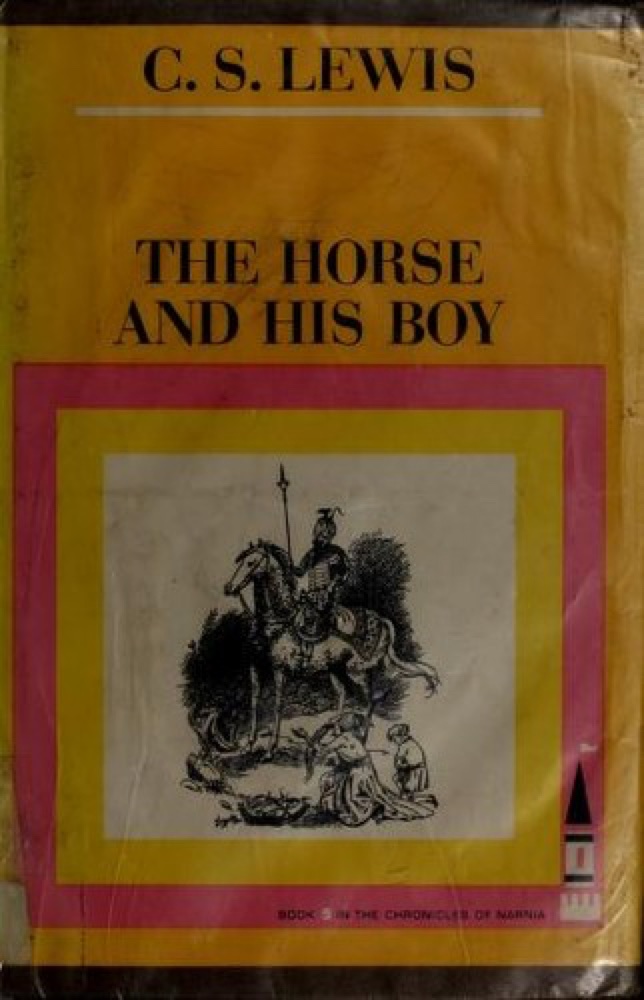
 The Horse and His Boy
Quotes from the Book
Peter did not feel very brave; indeed, he felt he was going to be sick. But that made no difference to what he had to do.
I am [in your world].’ said Aslan. ‘But there I have another name. You must learn to know me by that name. This was the very reason why you were brought to Narnia, that by knowing me here for a little, you may know me better there.
One day, you will be old enough to start reading fairytales again.
Remember that all worlds draw to an end and that noble death is a treasure which no one is too poor to buy.
A dragon has just flown over the tree-tops and lighted on the beach. Yes, I am afraid it is between us and the ship. And arrows are no use against dragons. And they're not at all afraid of fire." "With your Majesty's leave-" began Reepicheep. "No, Reepicheep," said the King very firmly, "you are not to attempt a single combat with it.
This was bad grammar of course, but that is how beavers talk when they are excited; I mean, in Narnia--in our world they usually don't talk at all. - The Lion, The Witch, and the Wardrobe
Girls aren't very good at keeping maps in their brains", said Edmund, "That's because we've got something in them", replied Lucy.
Lucy woke out of the deepest sleep you can imagine, with the feeling that the voice she liked best in the world had been calling her name.
It is as hard to explain how this sunlit land was different from the old Narnia as it would be to tell you how the fruits of that country taste. Perhaps you will get some idea of it if you think like this. You may have been in a room in which there was a window that looked out on a lovely bay of the sea or a green valley that wound away among mountains. And in the wall of that room opposite to the window there may have been a looking-glass. And as you turned away from the window you suddenly caught sight of that sea or that valley, all over again, in the looking glass. And the sea in the mirror, or the valley in the mirror, were in one sense just the same as the real ones: yet at the same time they were somehow different - deeper, more wonderful, more like places in a story: in a story you have never heard but very much want to know. The difference between the old Narnia and the new Narnia was like that. The new one was a deeper country: every rock and flower and blade of grass looked as if it meant more.
This is the land of Narnia,' said the Faun, 'where we are now; all that lies between the lamp-post and the great castle of Cair Paravel on the eastern sea.
Alas," said Aslan, shaking his head. "It will. Things always work according to their nature. She has won her heart's desire; she has unwearying strength and endless days like a goddess. But length of days with an evil heart is only length of misery and already she begins to know it. All get what they want; they do not always like it.
For in Calormen, story-telling (whether the stories are true or made up) is a thing you're taught, just as English boys and girls are taught essay-writing. The difference is that people want to hear the stories, whereas I never heard of anyone who wanted to read the essays.
He is not a tame lion," said Tirian. "How should we know what he would do? We, who are murderers. Jewel, I will go back. I will give up my sword and put myself in the hands of these Calormenes and ask that they bring me before Aslan. Let him do justice on me." "You will go to your death, then," said Jewel. "Do you think I care if Aslan dooms me to death?" said the King. "That would be nothing, nothing at all. Would it not be better to be dead than to have this horrible fear that Aslan has come and is not like the Aslan we have believed in and longed for? It is as if the sun rose one day and were a black sun." "I know," said Jewel. "Or as if you drank water and it were dry water. You are in the right, Sire. This is the end of all things. Let us go and give ourselves up." "There is no need for both of us to go." "If ever we loved one another, let me go with you now," said the Unicorn. "If you are dead and if Aslan is not Aslan, what life is left for me?
Narnia! It's all in the wardrobe just like I told you!
I think you've seen Aslan," said Edmund. "Aslan!" said Eustace. "I've heard that name mentioned several times since we joined the Dawn Treader. And I felt - I don't know what - I hated it. But I was hating everything then. And by the way, I'd like to apologise. I'm afraid I've been pretty beastly." "That's all right," said Edmund. "Between ourselves, you haven't been as bad as I was on my first trip to Narnia. You were only an ass, but I was a traitor." "Well, don't tell me about it, then," said Eustace. "But who is Aslan? Do you know him?" "Well - he knows me," said Edmund. "He is the great Lion, the son of the Emperor-beyond-the-Sea, who saved me and saved Narnia. We've all seen him. Lucy sees him most often. And it may be Aslan's country we are sailing to.
Now sir, said the bulldog in his business-like way. 'Are you a animal, vegetable, or mineral?' - The Magician's Nephew
No thanks," said Digory, "I don't know that I care much about living on and on after everyone I know is dead. I'd rather live an ordinary time and die and go to Heaven.
They call him Aslan in That Place," said Eustace. "What a curious name!" "Not half so curious as himself," said Eustace solemnly.
When I'm older I'll understand" said Lucy, " I am older and I don't think I want to understand", replied Edmund
When the police arrived and found no lion, no broken wall, and no convicts, and the Head behaving like a lunatic, there was an inquiry into the whole thing. And in the inquiry all sorts of things about Experiment House came out, and about ten people got expelled. After that, the Head's friends saw that the Head was no use as a Head, so they got her made an Inspector to interfere with other Heads. And when they found she wasn't much good even at that, they got her into Parliament where she lived happily ever after.
We're free Narnians, Hwin and I, and I suppose, if you're running away to Narnia you want to be one too. In that case Hwin isn't your horse any longer. One might just as well say you're her human.
That world is ended, as if it had never been. Let the race of Adam and Eve take warning.
I'm hunger. I'm thirst. Where I bite, I hold till I die, and even after death they must cut out my mouthful from my enemy's body and bury it with me. I can fast a hundred years and not die. I can lie a hundred nights on the ice and not freeze. I can drink a river of blood and not burst. Show me your enemies.
Even I never dreamed of Magic like this!
She remembered, as every sensible person does, that you should never never shut yourself up in a wardrobe.
Yes,” said the Lord Digory, “Its inside is bigger than its outside.” “Yes,” said Queen Lucy. “In our world too, a stable once had something inside it that was bigger than our whole world.
You see, Aslan didn't tell Pole what would happen. He only told her what to do. That fellow will be the death of us once he's up, I shouldn't wonder. But that doesn't let us off following the signs. - The Silver Chair
For jokes as well as justice come in with speech. - Aslan, The Magician's Nephew
Did you know?
- The series was published across seven volumes between 1950 and 1956.
- The first book, The Lion, the Witch and the Wardrobe, appeared on 16 October 1950.
- Aslan is the only character to appear in all seven books.
- Books one through five were published by Geoffrey Bles and the final two by The Bodley Head.
- The series has sold roughly 120 million copies in around 47 languages.
- Aslan's death and resurrection are widely read as a deliberate Christian allegory.
About C.S. Lewis
C. S. Lewis (1898-1963) was a British writer and Oxford and Cambridge scholar of medieval and Renaissance literature, best known for The Chronicles of Narnia and for Christian works such as Mere Christianity. He was a close friend of J. R. R. Tolkien and a member of the Oxford literary group the Inklings.
More about the author →More by C.S. Lewis
All books by C.S. Lewis →
About the book
The Chronicles of Narnia is a series of seven portal fantasy novels by C. S. Lewis, published between 1950 and 1956. The books are set in Narnia, an invented world of magic, mythical beasts, and talking animals, and follow various children from our world who are drawn into that realm and called upon by the great lion Aslan to help defend it from evil. The sequence opens with The Lion, the Witch and the Wardrobe, in which four siblings evacuated during wartime step through a wardrobe into a Narnia held in endless winter by the White Witch, and it ultimately spans the whole history of the Narnian world from its creation to its end.
Beneath the adventures runs a strong current of Christian allegory: Aslan's willing death and resurrection deliberately echo the sacrifice and rising of Christ, and the stories return again and again to themes of temptation, betrayal, redemption, courage, and grace. Lewis weaves in figures and images from classical mythology, medieval romance, and fairy tale, giving the books a texture that is at once playful and mythic, and letting large moral ideas play out through the choices of ordinary children.
The Chronicles became one of the most beloved and widely read works of children's fantasy, selling roughly 120 million copies in dozens of languages. Their influence on the fantasy genre is enormous, and the stories have been adapted repeatedly for television, radio, stage, and film. For generations of readers, Narnia has served as a first doorway into imaginative literature and into the questions of faith and morality that Lewis embedded within it.
Key characters
- AslanThe great lion and true king of Narnia, present in all seven books
- Lucy PevensieThe youngest sibling, first to discover Narnia through the wardrobe
- Edmund PevensieThe brother who betrays his siblings before being redeemed
- Peter PevensieThe eldest sibling who leads against the White Witch
- Susan PevensieThe second-eldest sibling
- The White WitchSorceress who holds Narnia in endless winter
- ReepicheepThe valiant talking mouse of later books
Book details
- First published
- 1950
- Length
- 172 pages
- Reading time
- 1 hours
- Author
- C.S. Lewis
- Genre
- Classics
- Goodreads rating
- 4.28 (718k ratings) →
- First line
- “Once there were four children whose names were Peter, Susan, Edmund and Lucy.”
Series & reading order
- 1 The Lion, the Witch and the Wardrobe
- 2 Prince Caspian
- 3 The Voyage of the Dawn Treader
- 4 The Silver Chair
- 5 The Horse and His Boy
- 6 The Magician's Nephew
- 7 The Last Battle
Movie & TV adaptations
- IMDb
- IMDb
- IMDb
If you liked this, read…
- 1The HobbitFoundational children's fantasy by Lewis's friend J. R. R. Tolkien
- 2The Wonderful Wizard of OzChildren carried into a magical secondary world
- 3A Wrinkle in TimeChildren on a cosmic quest laced with moral and spiritual themes
Keep reading
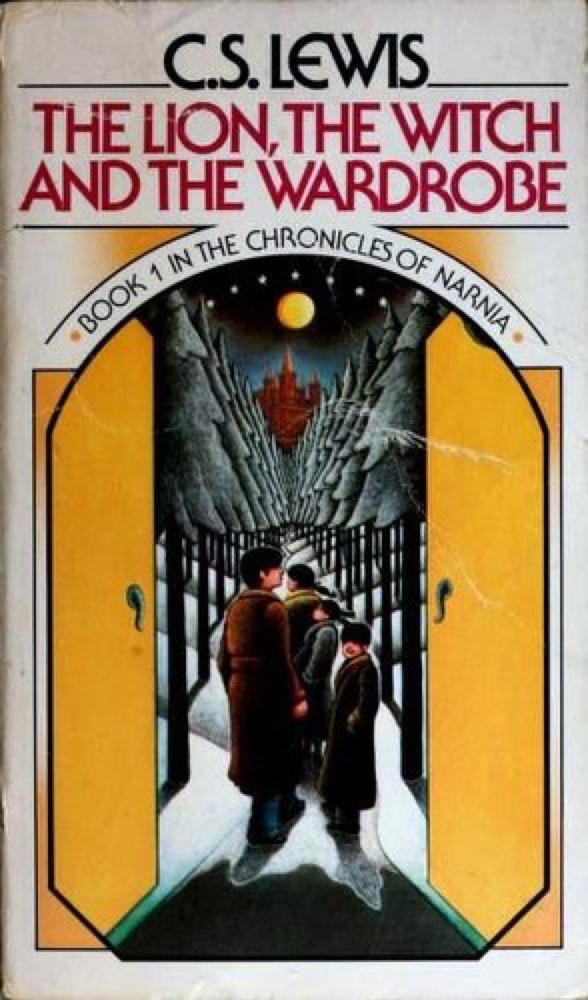 The Lion, the Witch and the Wardrobe
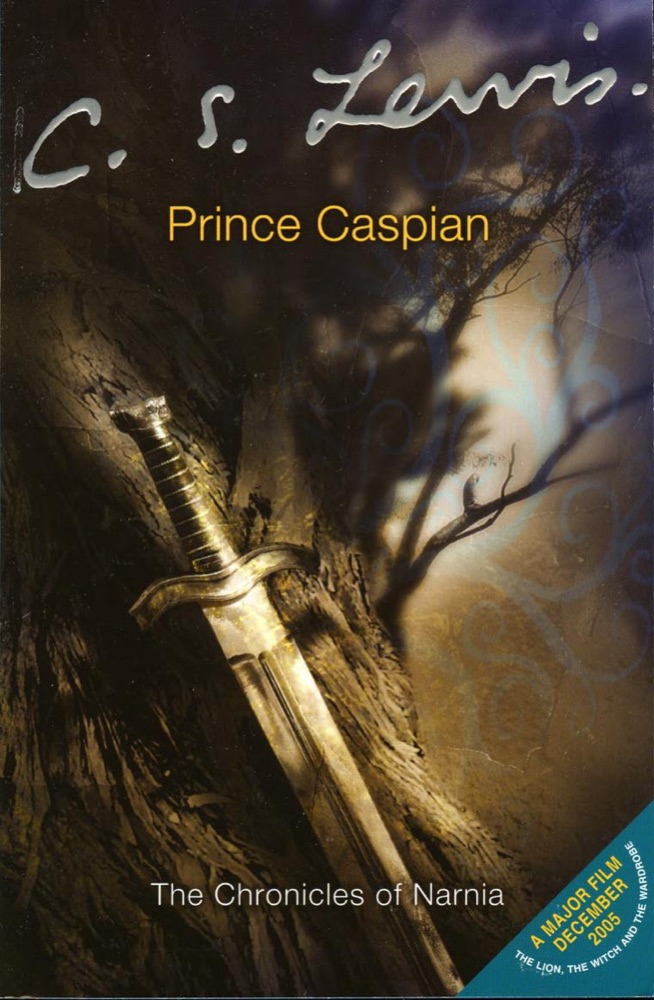 Prince Caspian
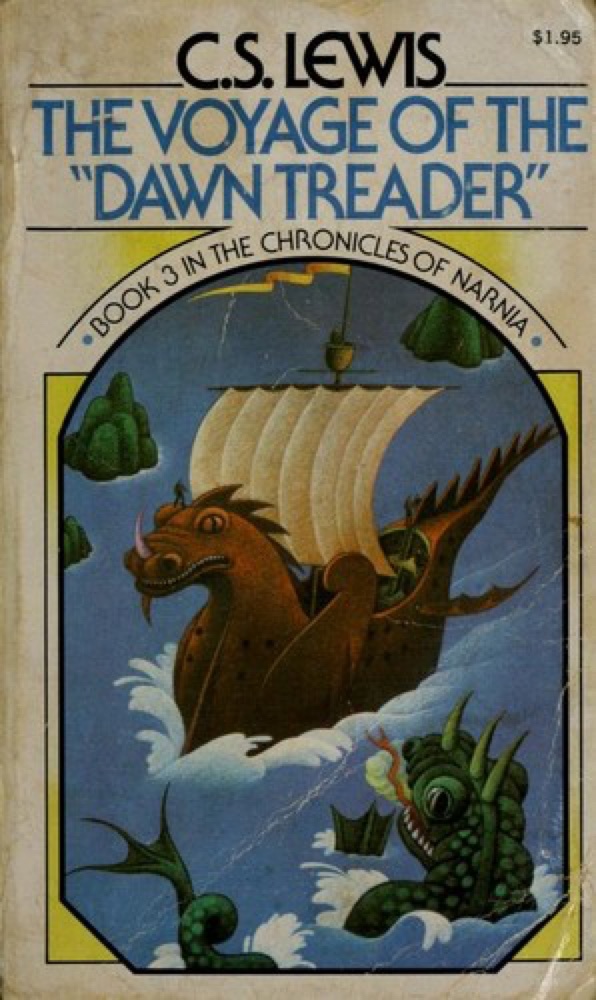 The Voyage of the Dawn Treader
 Castle of Wizardry
 Once Upon a Wardrobe
 Eldest
 Sword of Destiny
 Age of Myth
 Wintersmith
 Sword & Citadel
 The Golden Compass
 Through the Looking Glass
 Beyond the Kingdoms
 Abarat
 Harry Potter and the Sorcerer's Stone
 The Dire King
 Unseen Academicals
 The Wee Free Men
 The Girl Who Raced Fairyland All the Way Home
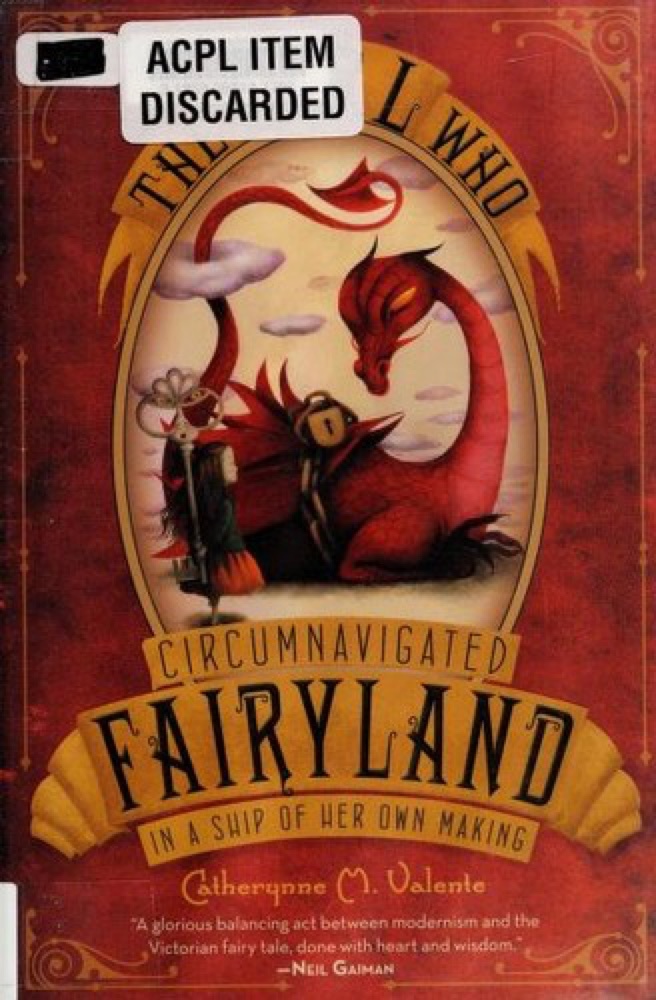 The Girl Who Circumnavigated Fairyland in a Ship of Her Own Making
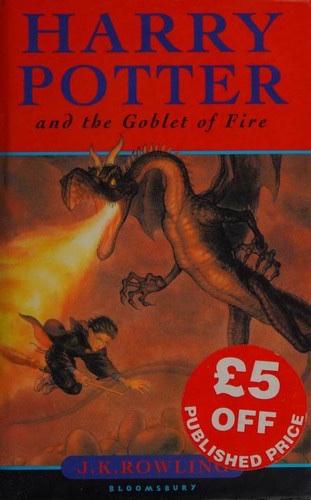 Harry Potter and the Goblet of Fire
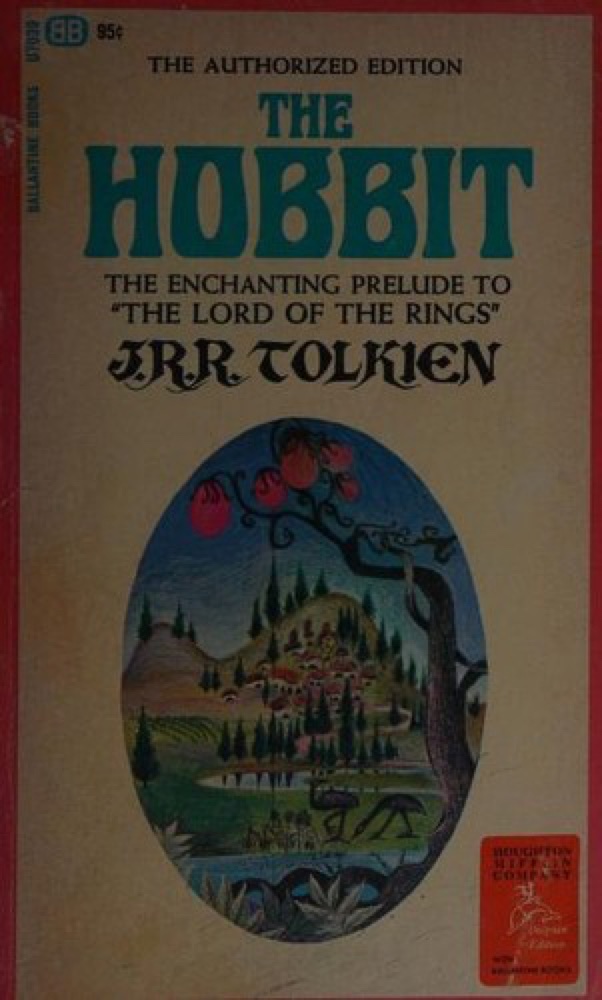 The Hobbit
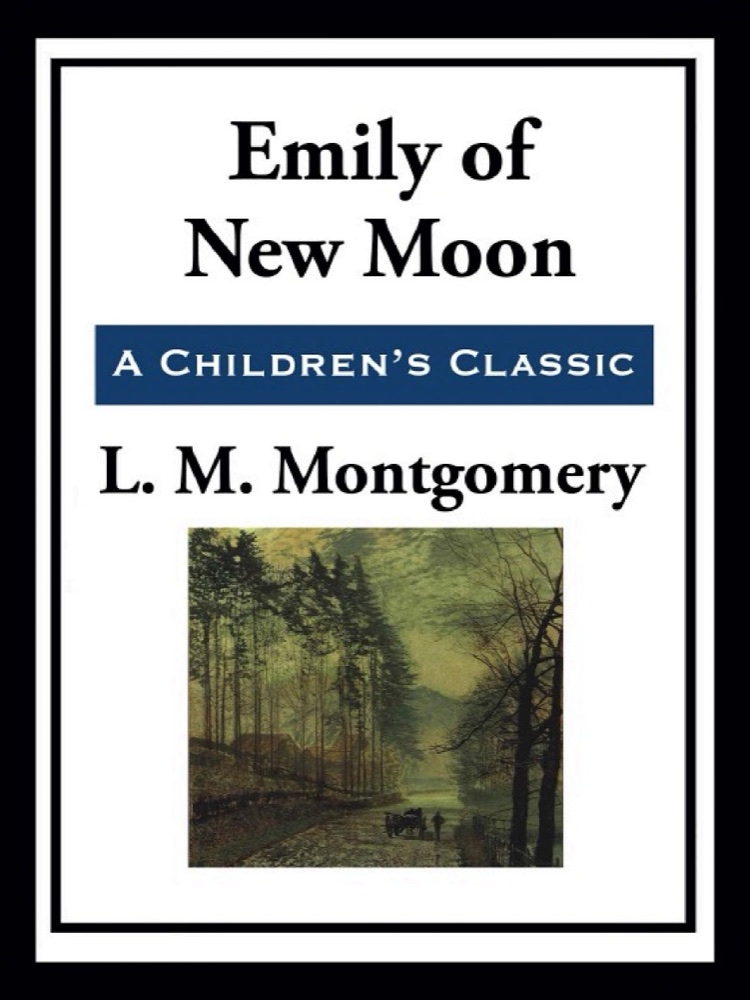 Emily of New Moon
 The Left-Handed Booksellers of London
 A Conjuring of Light
 Inheritance
 The Return of the King
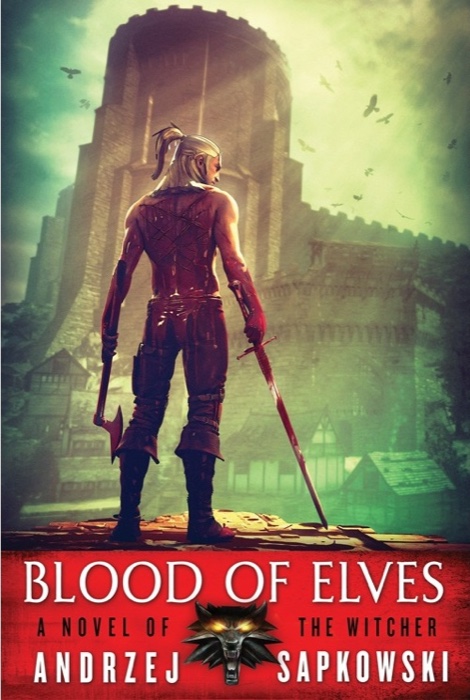 Blood of Elves
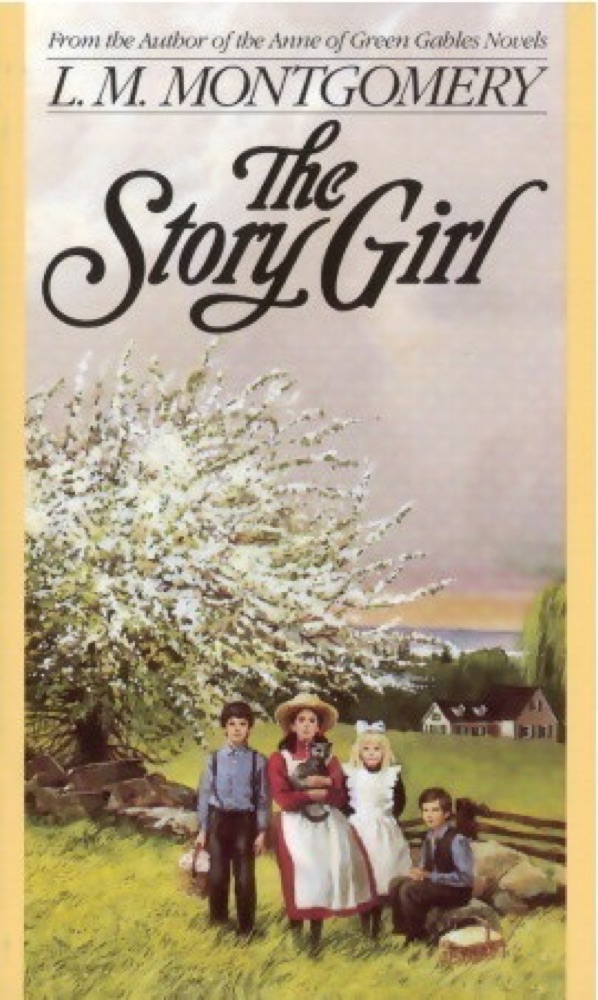 The Story Girl
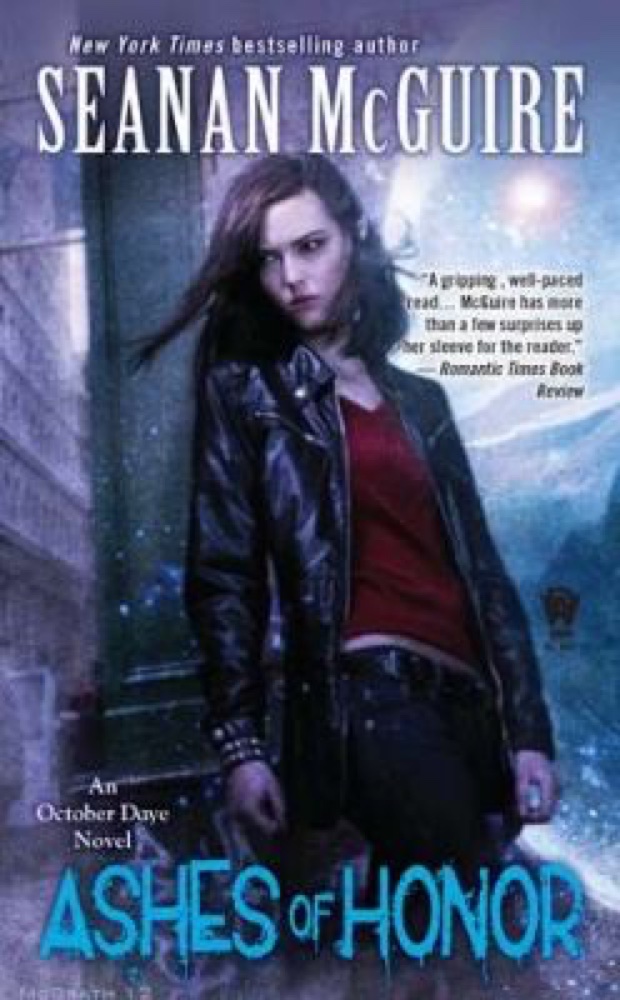 Ashes of Honor
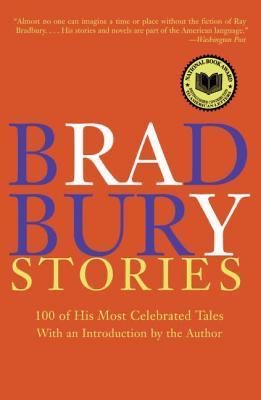 Bradbury Stories: 100 of His Most Celebrated Tales
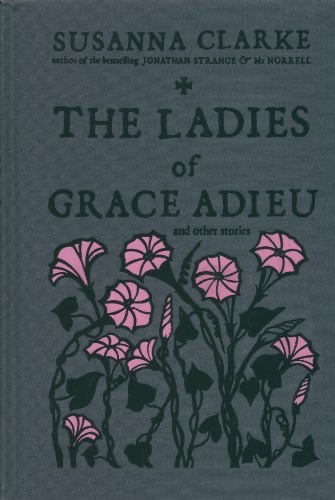 The Ladies of Grace Adieu and Other Stories
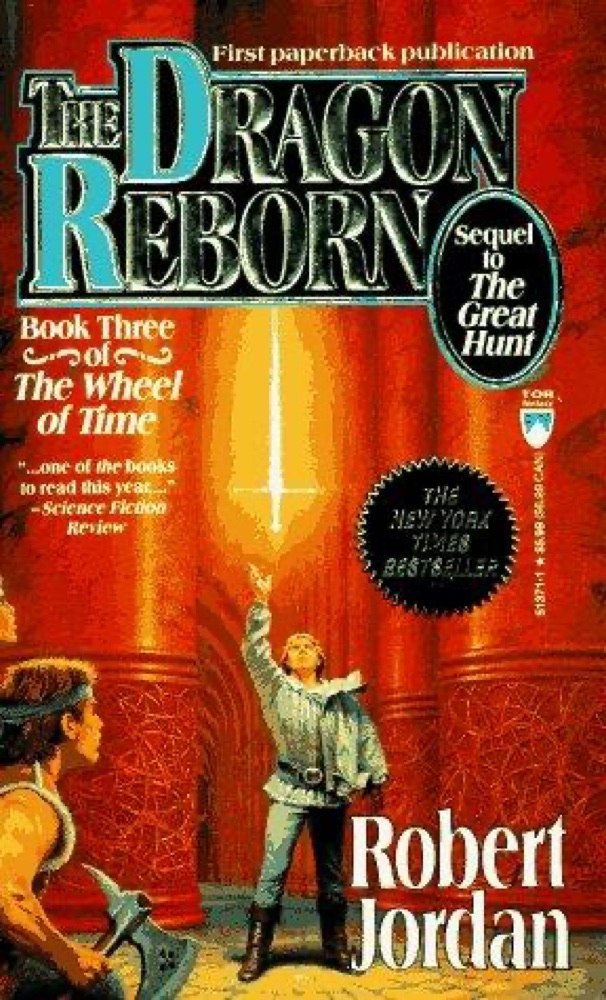 The Dragon Reborn
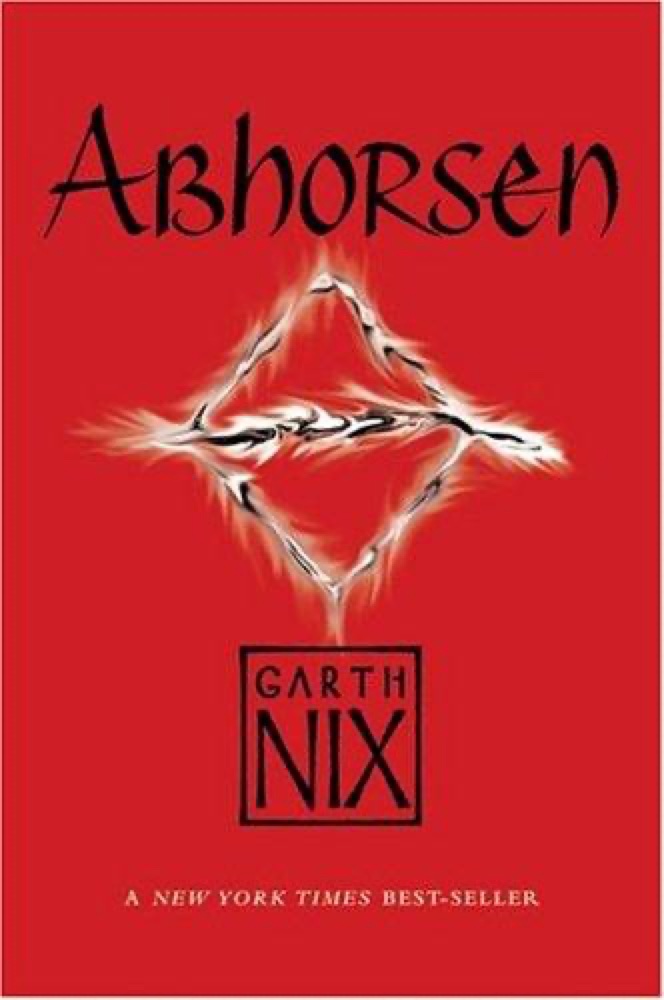 Abhorsen
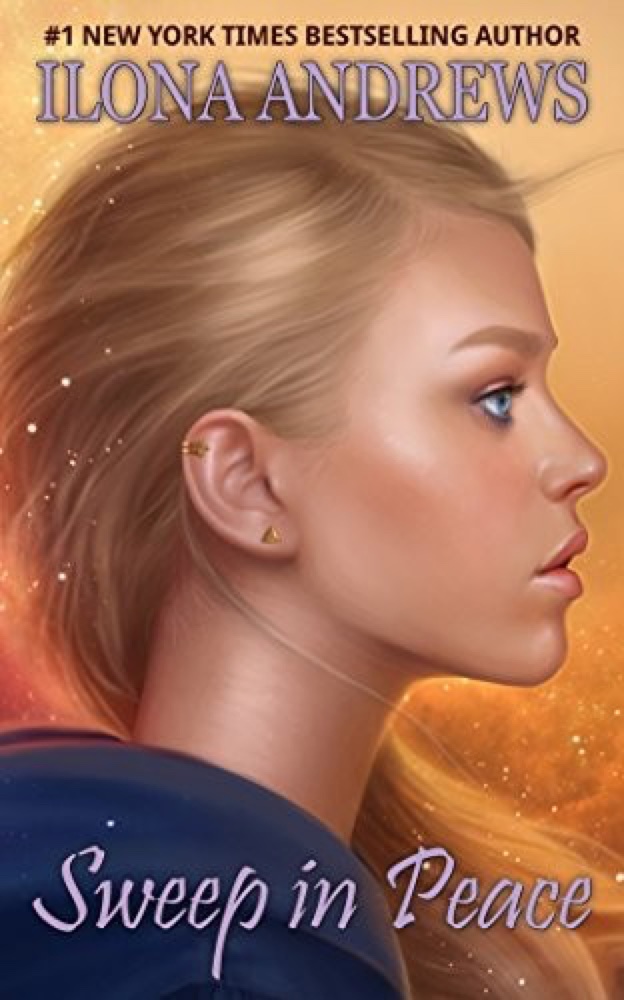 Sweep in Peace
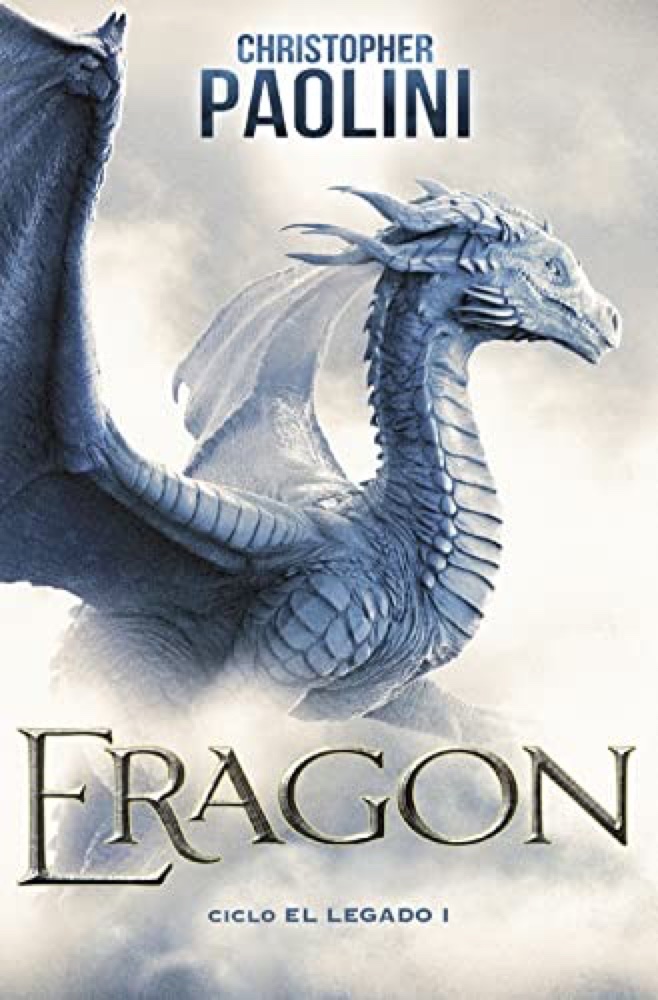 Eragon
 Chimes at Midnight
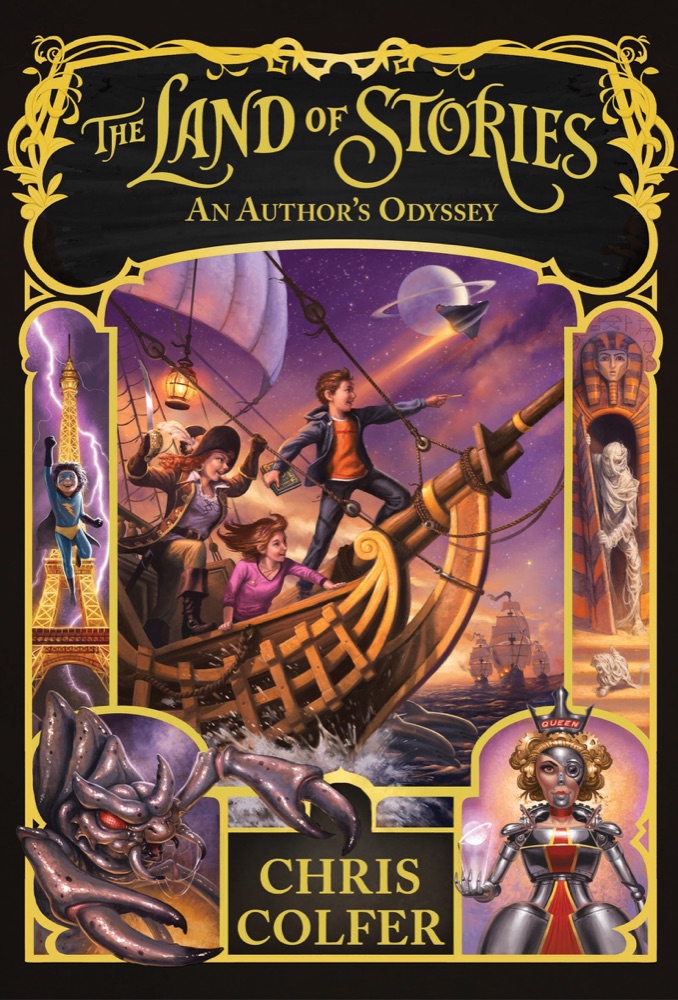 An Author's Odyssey
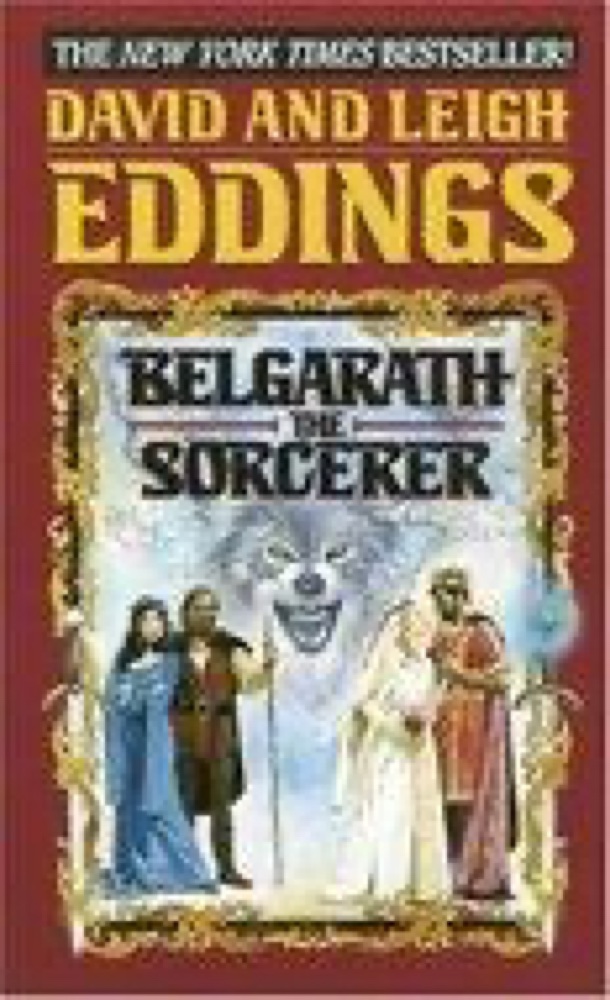 Belgarath the Sorcerer
 The Enchanted
 The Enchantress
 The Enchantress Returns
 Alice in Wonderland
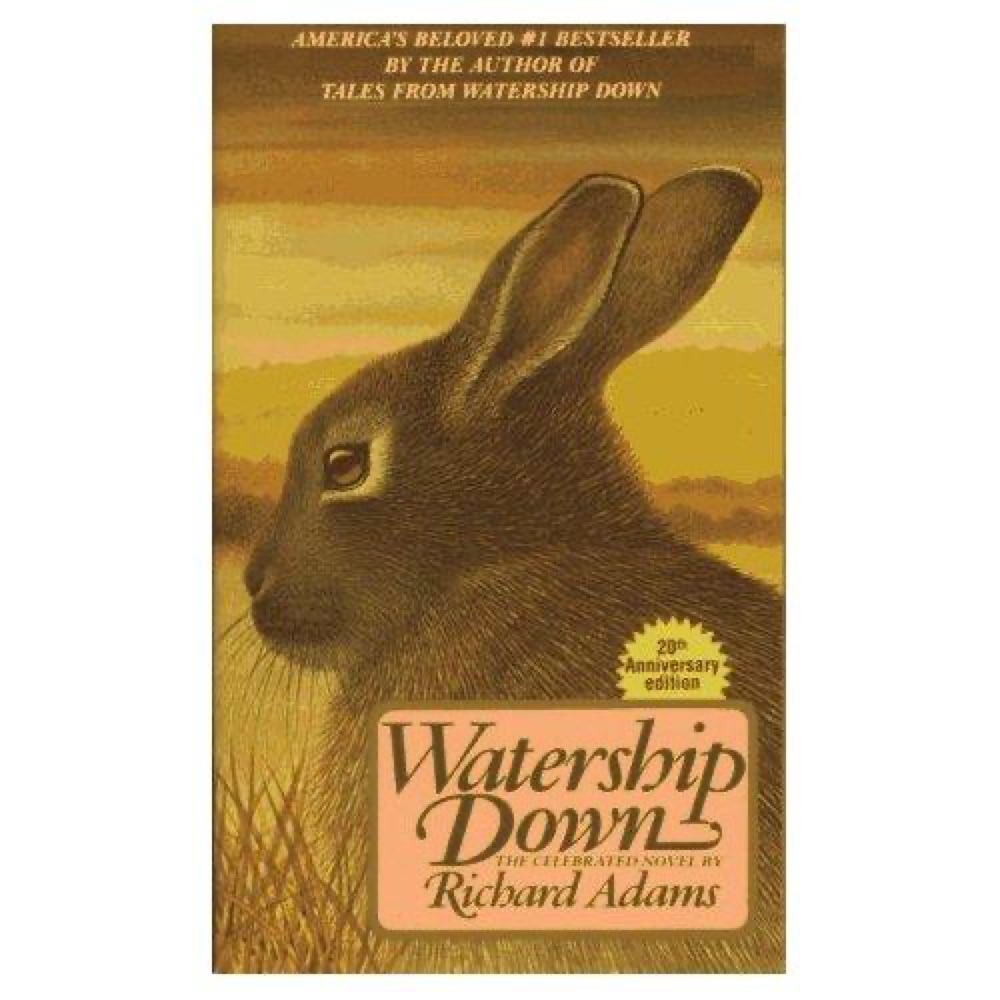 Watership Down
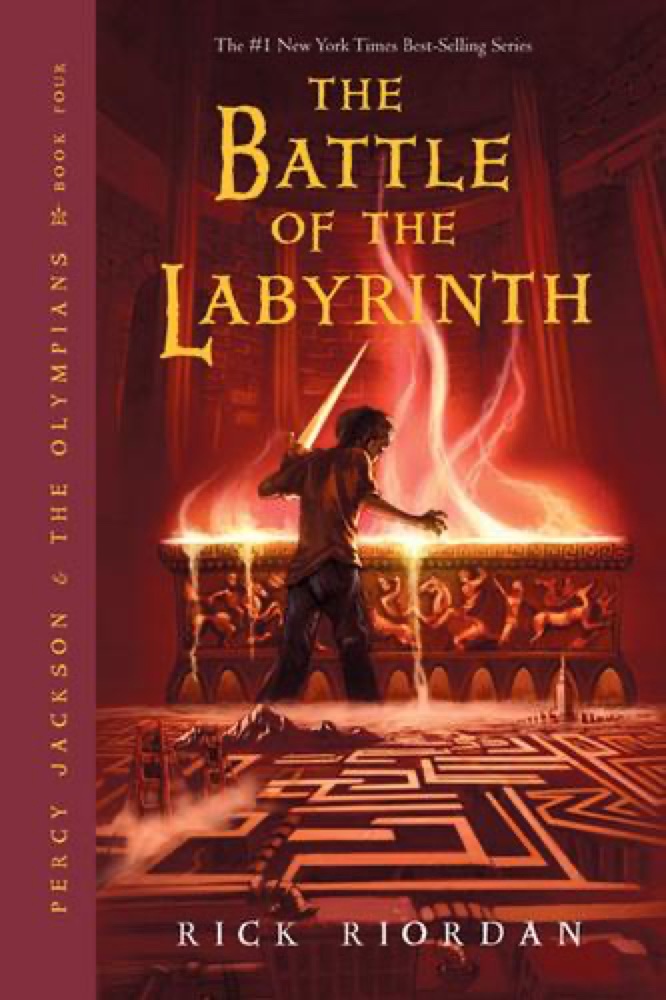 The Battle of the Labyrinth
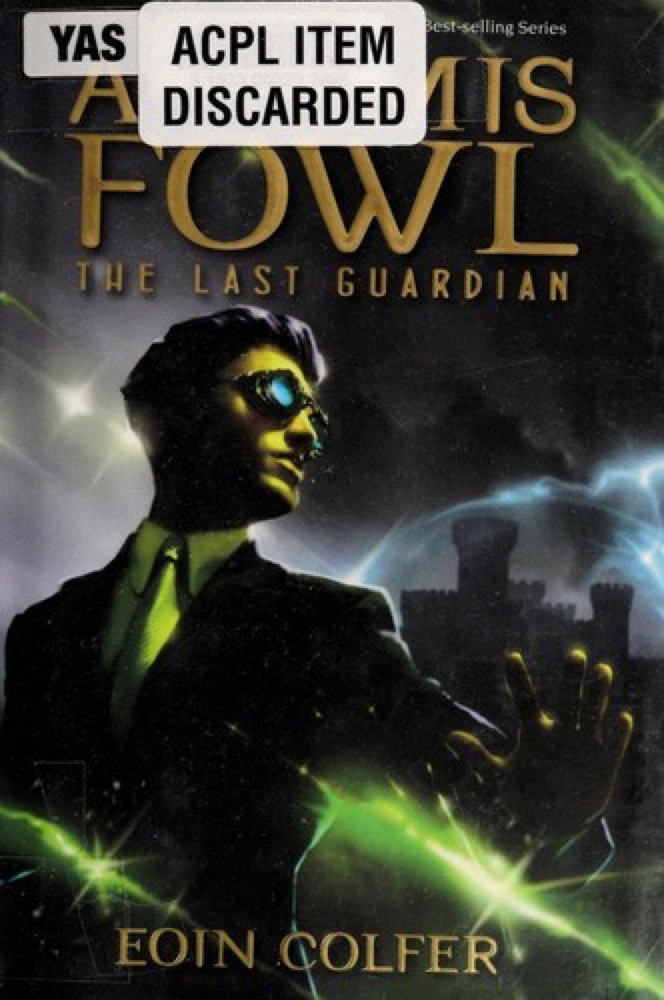 The Last Guardian
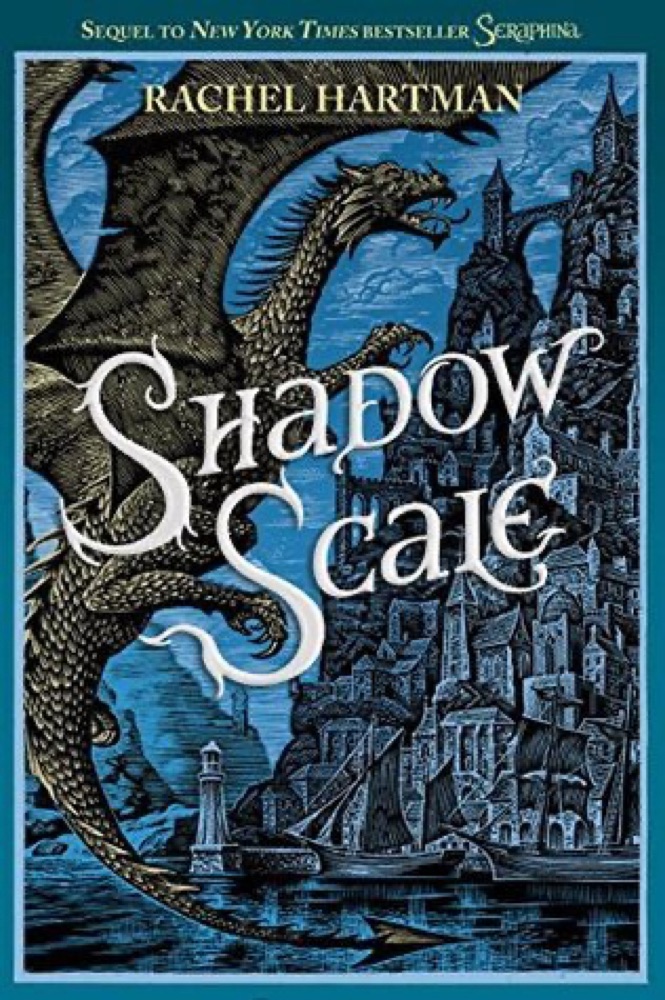 Shadow Scale
 In Other Lands
 The Throne of Fire
 Emily Wilde's Compendium of Lost Tales
 The Two Towers
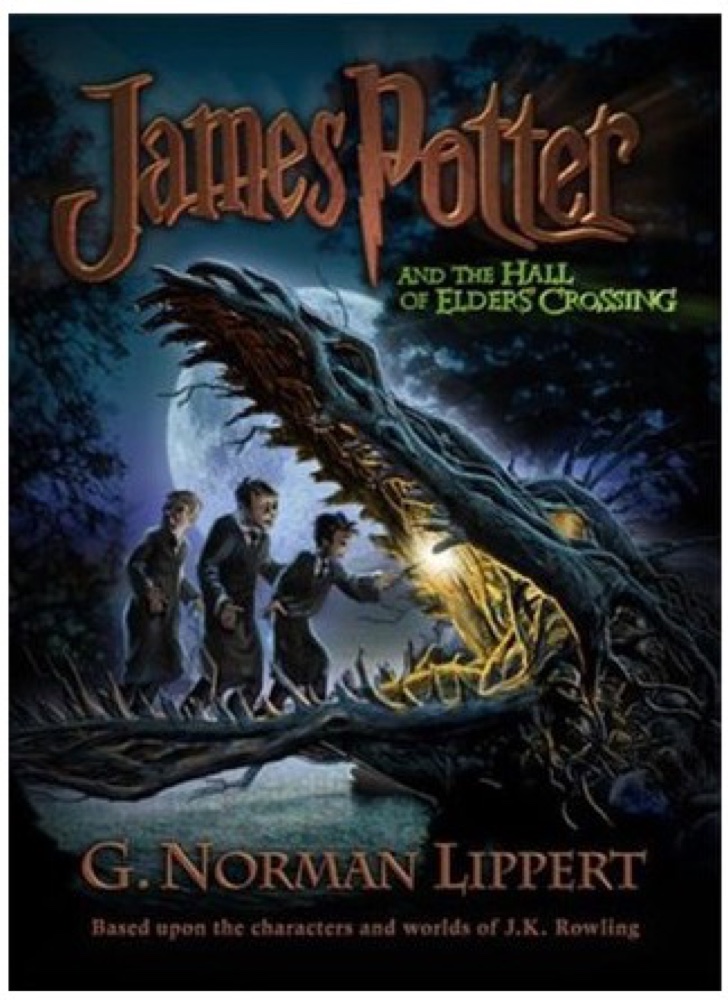 James Potter and the Hall of Elders' Crossing
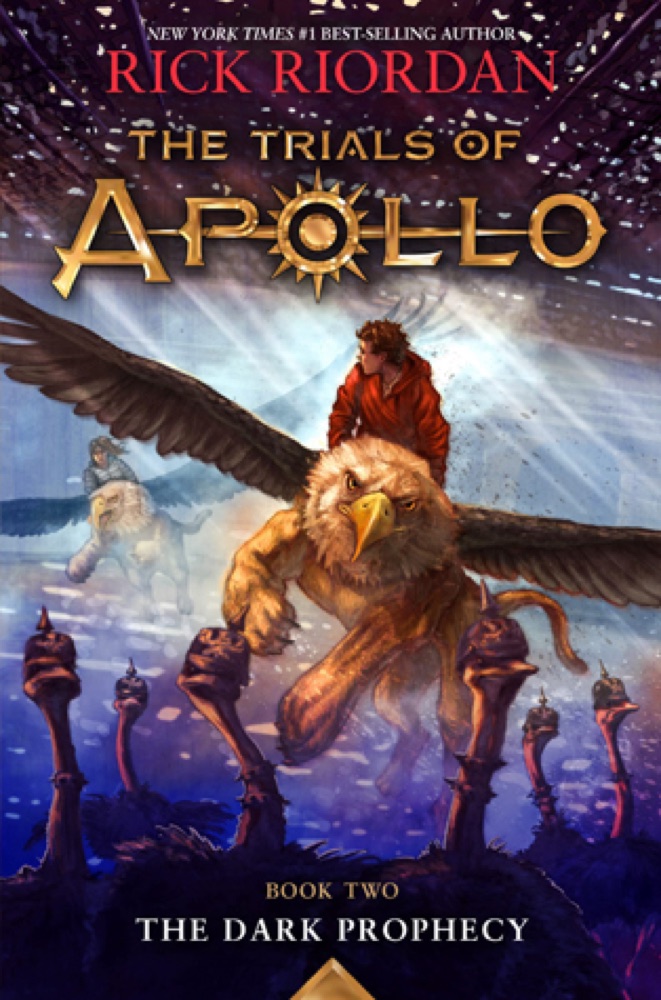 The Dark Prophecy
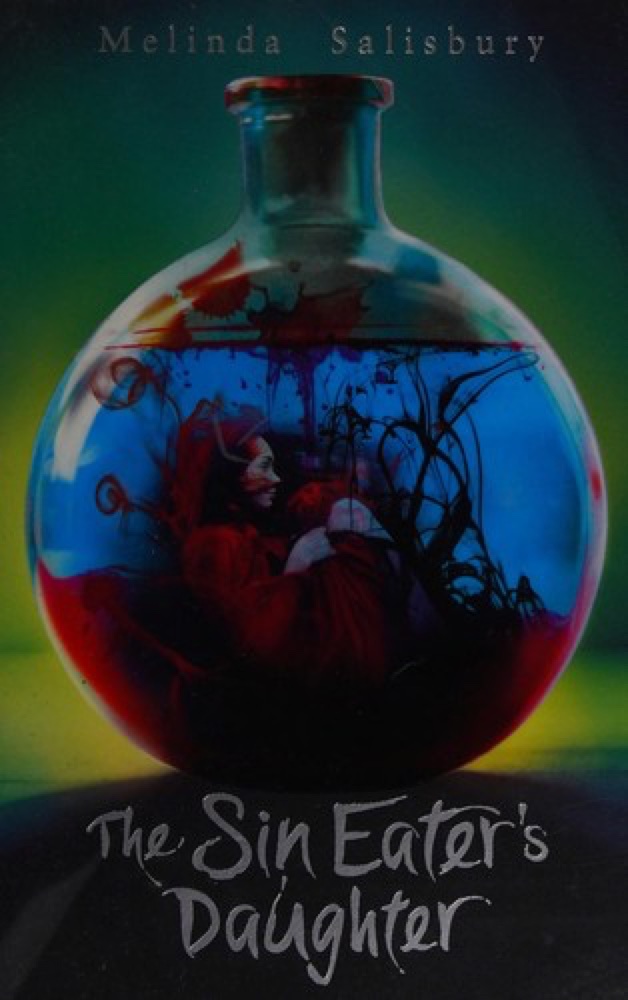 The Sin Eater’s Daughter
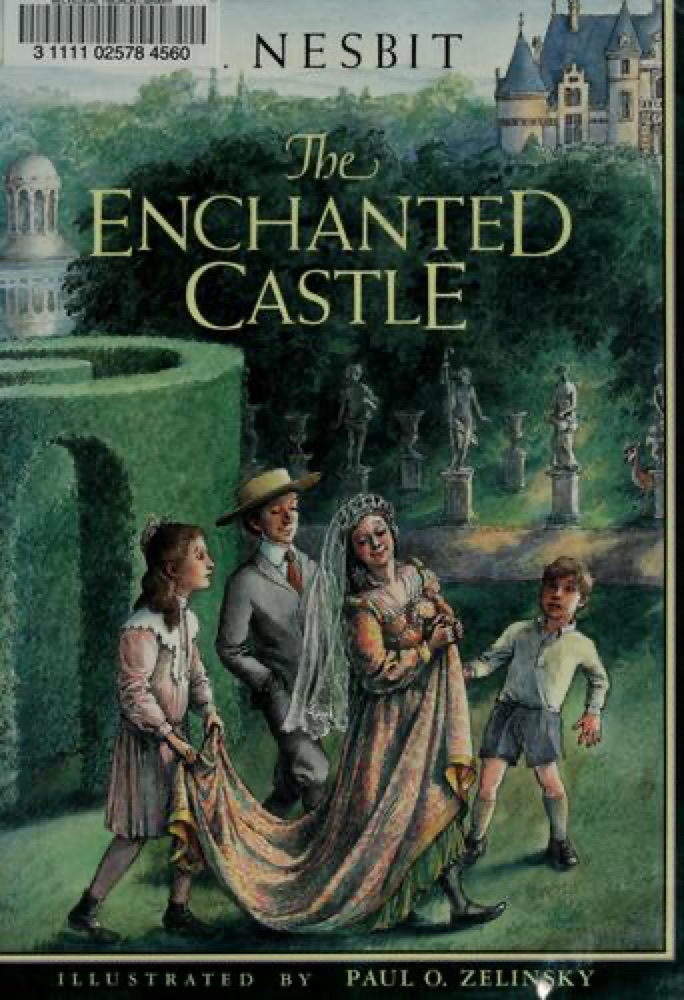 The Enchanted Castle
 Mister Pip
 Elantris
 The Last Ever After
 Egg & Spoon
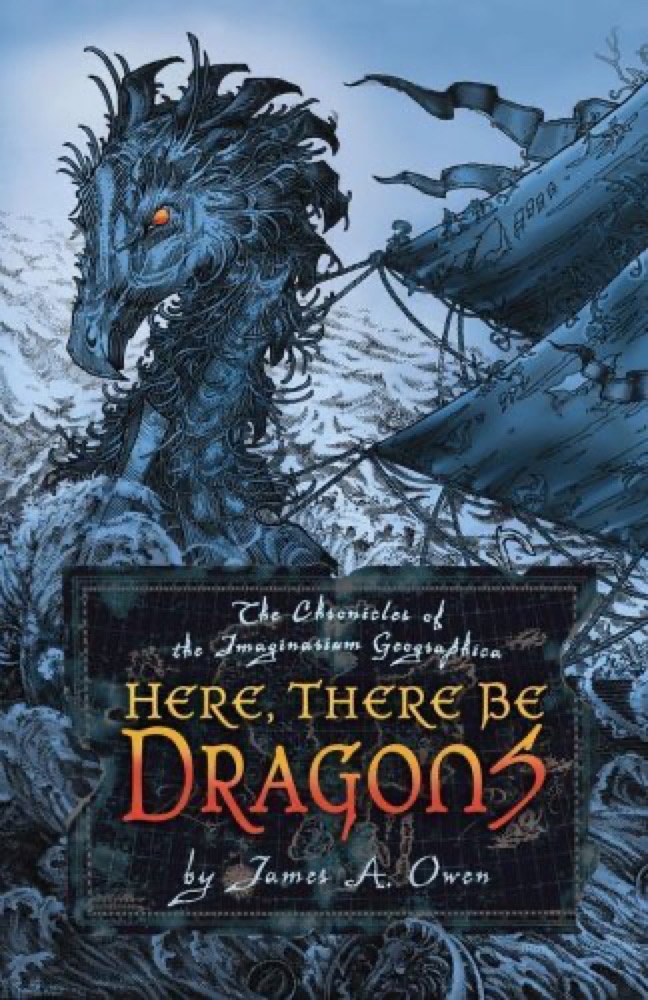 Here, There Be Dragons