
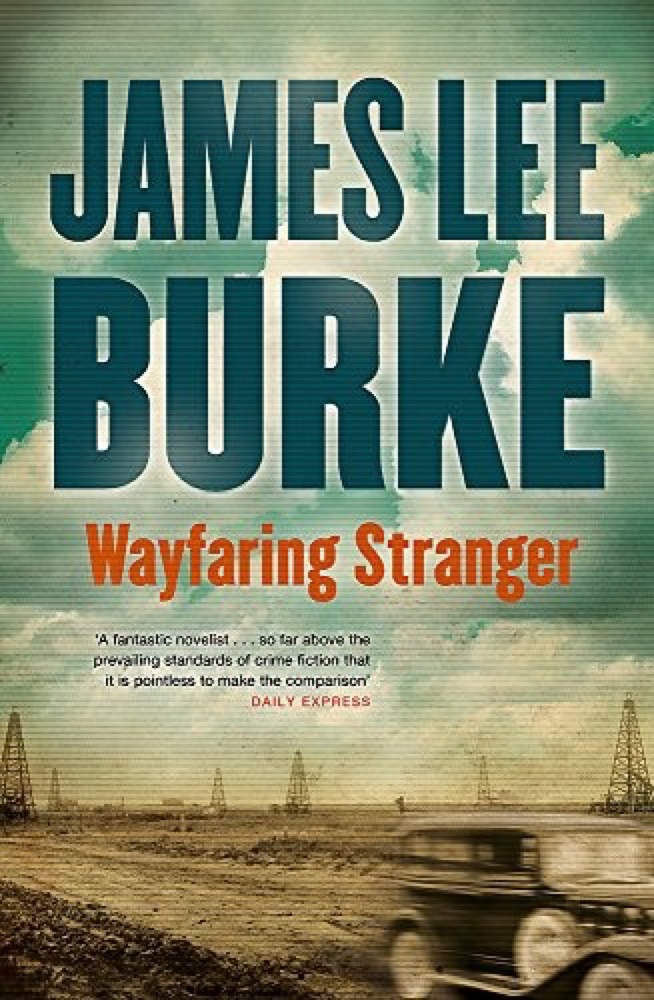
 Wayfaring Stranger
Quotes from the Book
I long ago became convinced that the most reliable source for arcane and obscure and seemingly unobtainable information does not lie with the government or law enforcement agencies. Apparently neither the CIA nor the military intelligence apparatus inside the Pentagon had even a slight inkling of the Soviet Union's impending collapse, right up to the moment the Kremlin's leaders were trying to cut deals for their memoirs with New York publishers. Or, if a person really wishes a lesson in the subjective nature of official information, he can always call the IRS and ask for help with his tax forms, then call back a half hour later and ask the same questions to a different representative. So where do you go to find a researcher who is intelligent, imaginative, skilled in the use of computers, devoted to discovering the truth, and knowledgeable about science, technology, history, and literature, and who usually works for dirt and gets credit for nothing? After lunch I drove to the city library on Main and asked the reference librarian to find what she could on Junior Crudup.
71
But every longtime cop will tell you that the criminals who scared him most were the ones who looked and talked like the rest of us and committed deeds that no one, absolutely no one, ever wants to have knowledge of.
1
We’re going to call him Mr. Adorable. No, we’re going to call him Snuggs,
1
I drove to the bar Theodosha had called from and parked on the street. The bar was a gray, dismal place, ensconced like a broken matchbox under a dying oak tree, its only indication of gaiety a neon beer sign that flickered in one window. She was at a table in back, the glow of the jukebox lighting her face and the deep blackness of her hair. She tipped a collins glass to her mouth, her eyes locked on mine. “Let me take you home,” I said. “No, thanks,” she replied. “Getting swacked?” “Merchie and I had another fight. He says he can’t take my pretensions anymore. I love the word ‘pretensions.’” “That doesn’t mean you have to get drunk,” I said. “You’re right. I can get drunk for any reason I choose,” she replied, and took another hit from the glass. Then she added incongruously, “You once asked Merchie what he was doing in Afghanistan. The answer is he wasn’t in Afghanistan. He was in one of those other God-forsaken Stone Age countries to the north, helping build American airbases to protect American oil interests. Merchie says they’re going to make a fortune. All for the red, white, and blue.” “Who is they?” But her eyes were empty now, her concentration and anger temporarily spent. I glanced at the surroundings, the dour men sitting at the bar, a black woman sleeping with her head on a table, a parolee putting moves on a twenty-year-old junkie and mother of two children who was waiting for her connection. These were the people we cycled in and out of the system for decades, without beneficial influence or purpose of any kind that was detectable. “Let’s clear up one thing. Your old man came looking for trouble at the club today. I didn’t start it,” I said. “Go to a meeting, Dave. You’re a drag,” she said. “Give your guff to Merchie,” I said, and got up to leave. “I would. Except he’s probably banging his newest flop in the hay. And the saddest thing is I can’t blame him.” “I think I’m going to ease on out of this. Take care of yourself, kiddo,” I said. “Fuck that ‘kiddo’ stuff. I loved you and you were too stupid to know it.” I walked back outside into a misting rain and the clean smell of the night. I walked past a house where people were fighting behind the shades. I heard doors slamming, the sound of either a car backfiring or gunshots on another street, a siren wailing in the distance. On the corner I saw an expensive automobile pull to the curb and a black kid emerge from the darkness, wearing a skintight bandanna on his head. The driver of the car, a white man, exchanged money for something in the black kid’s hand. Welcome to the twenty-first century, I thought. I opened my truck door, then noticed the sag on the frame and glanced at the right rear tire. It was totally flat, the steel rim buried deep in the folds of collapsed rubber. I dropped the tailgate, pulled the jack and lug wrench out of the toolbox that was arc-welded to the bed of the truck, and fitted the jack under the frame. Just as I had pumped the flat tire clear of the puddle it rested in, I heard footsteps crunch on the gravel behind me. Out of the corner of my eye, I saw a short, thick billy club whip through the air. Just before it exploded across the side of my head, my eyes seemed to close like a camera lens on a haystack that smelled of damp-rot and unwashed hair and old shoes. I was sure as I slipped into unconsciousness that I was inside an ephemeral dream from which I would soon awake.
1
Most of the guys who did us dirt are gone. I let it be known that I'm not in the OK Corral business anymore. It makes life a lot easier.
That's a hole in the dike, isn't it?
Jolie Blon,” the most haunting and unforgettable lament I have ever heard.
past Louis Armstrong Park, a place no white person in his right mind enters either day or night,
The word criminal is more an emotional than legal term. Go to any U.S. post office and view the faces on the wanted posters. Like Dick Tracy caricatures, they stare out of the black-and-white photographs often taken in late-night booking rooms—unshaved, pig snouted, rodent eyed, hare lipped, reassuring us that human evil is always recognizable and that consequently we will never be its victim. But
Watch on YouTube
About James Lee Burke
We have collected 77 quotes from 5 books by James Lee Burke on BookQuoters.
More about the author →More by James Lee Burke
About the book
It is a rainy late-summer's night in New Orleans. Detective Dave Robicheaux is about to confront the man who may have savagely assaulted his friend, Father Jimmie Dolan, a Catholic priest who's always at the centre of controversy. But things are never as they seem and soon Robicheaux is back in New Iberia, probing a car crash that killed three teenage girls. A grief-crazed father and a maniacal, complex assassin are just a few of the characters Robicheaux meets as he is drawn deeper into a web of sordid secrets and escalating violence. A masterful exploration of the troubled side of human nature and the dark corners of the heart, peopled by familiar characters such as P.I. Clete Purcel and Robicheaux's old flame Theodosia LeJeune, LAST CAR TO ELYSIAN FIELDS is vintage Burke - moody, hard-hitting, with his trademark blend of human drama and relentless noir suspense.
Book details
- First published
- 2003
- Author
- James Lee Burke
- Genre
- Mystery
- Goodreads rating
- 4.14 (7k ratings)
Keep reading
 A Drink Before the War
 I'll Be Gone in the Dark: One Woman's Obsessive Search for the Golden State Killer
 The Bone Tree
 Shadow Country
 The Cold Dish
 Turning Angel
 We Are All the Same in the Dark
 The Black Ice
 The Great Shark Hunt: Strange Tales from a Strange Time
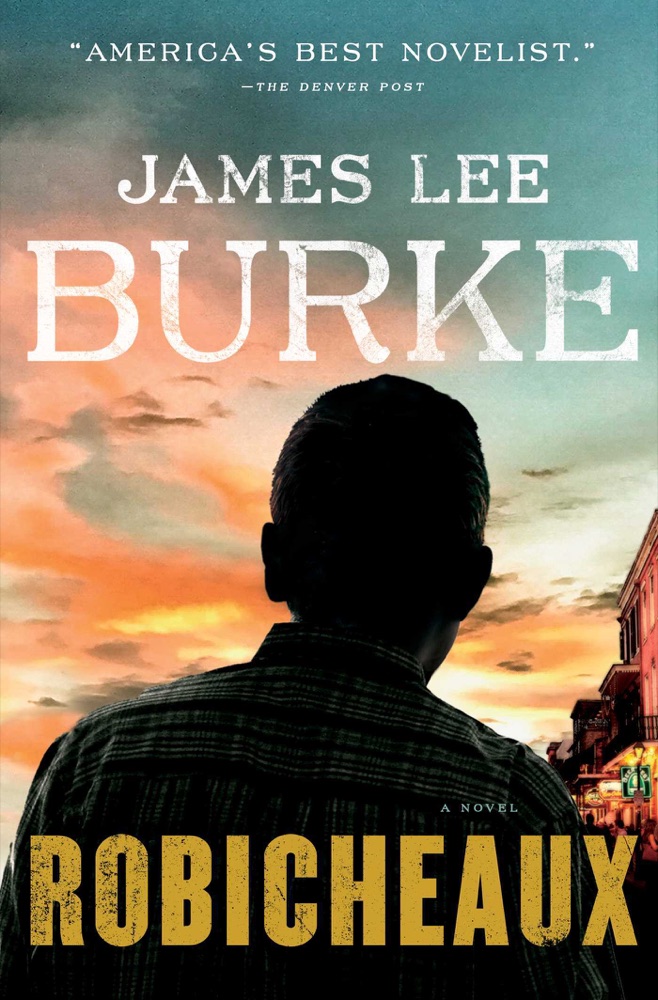 Robicheaux
 The Unreals
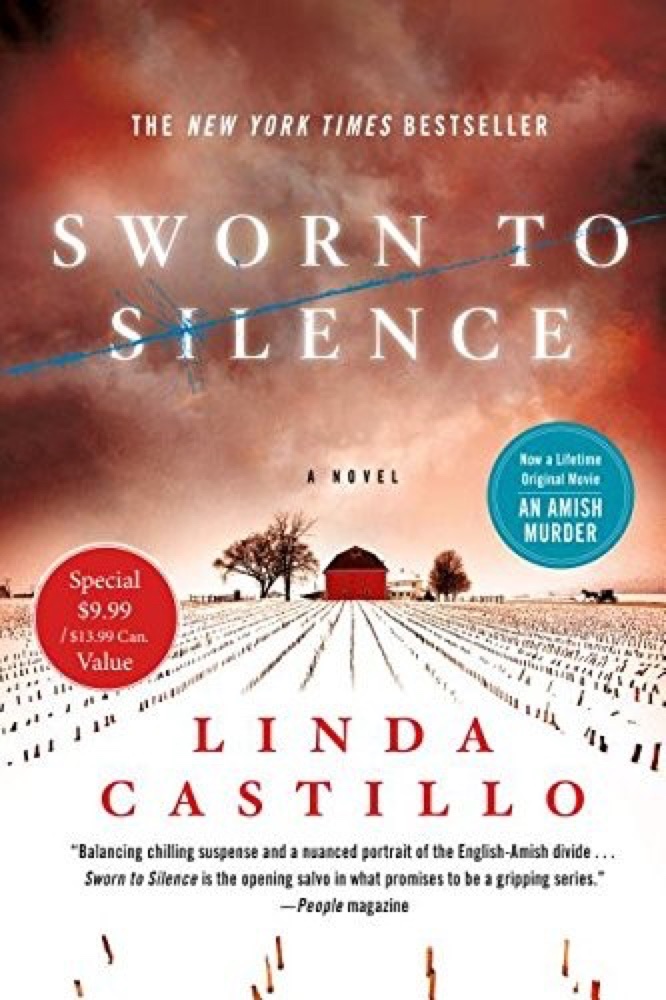 Sworn to Silence
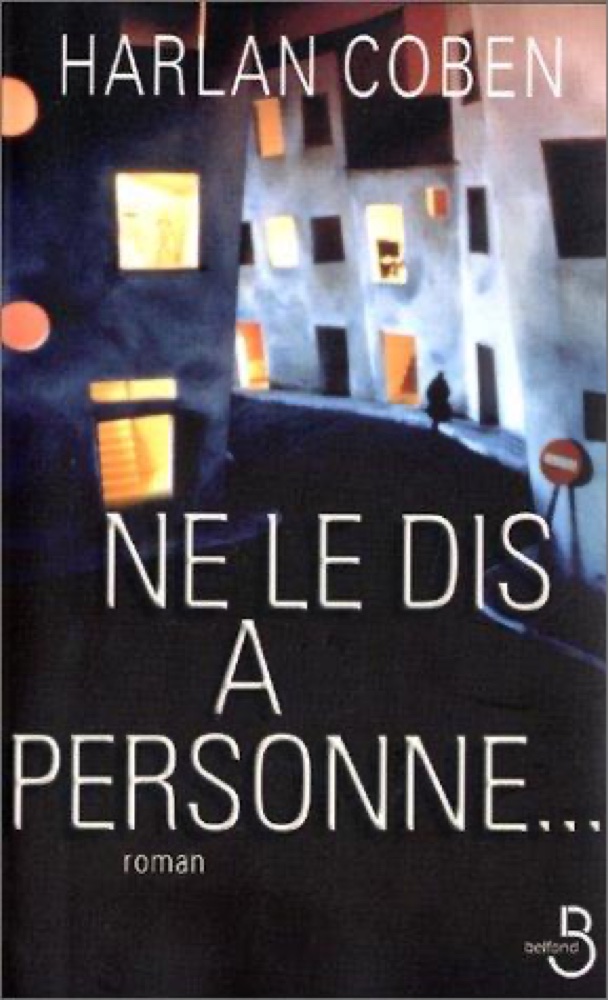 Tell No One
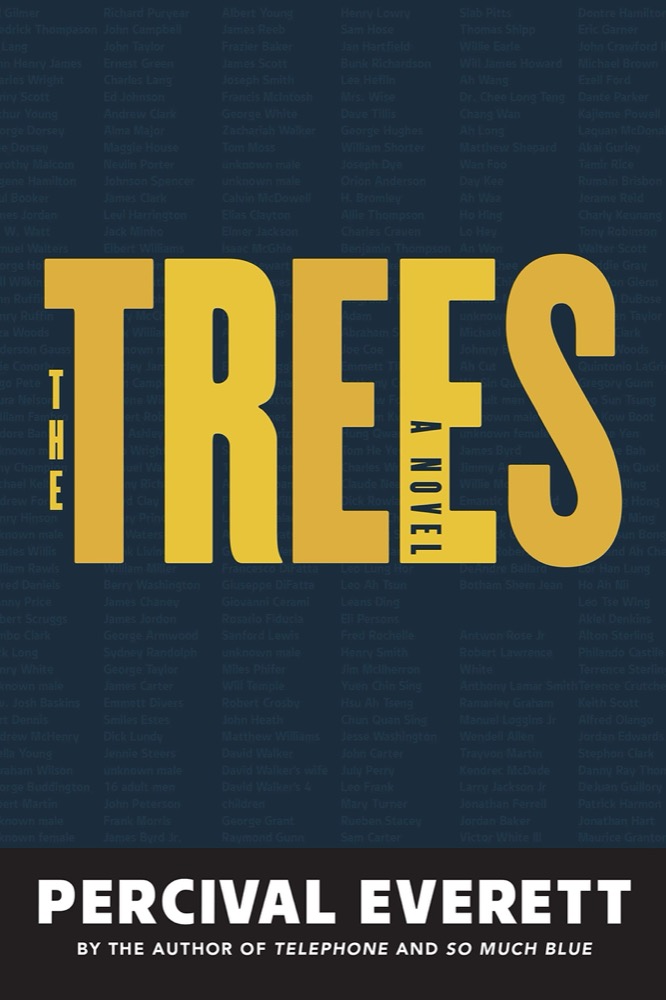 The Trees
 City of Thieves
 Crook Manifesto
 Bloodshot
 I Hunt Killers
 The Dreadful Lemon Sky
 The Brass Verdict
 The Cold Cold Ground
 Blood on the Tracks
 The Black Echo
 She Who Waits
 The Long Goodbye
 American Sonnets for My Past and Future Assassin
 The Burning Soul
 A Visit from the Goon Squad
 Everything's Eventual
 The Fortress of Solitude
 Twilight
 Detroit: An American Autopsy
 The Force
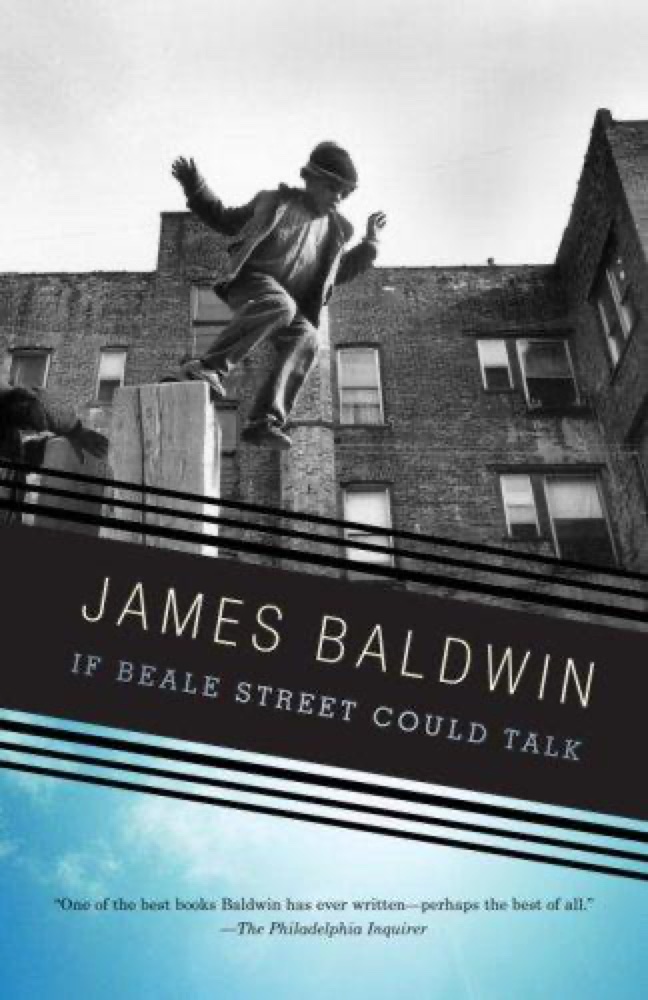 If Beale Street Could Talk
 The Black Dahlia
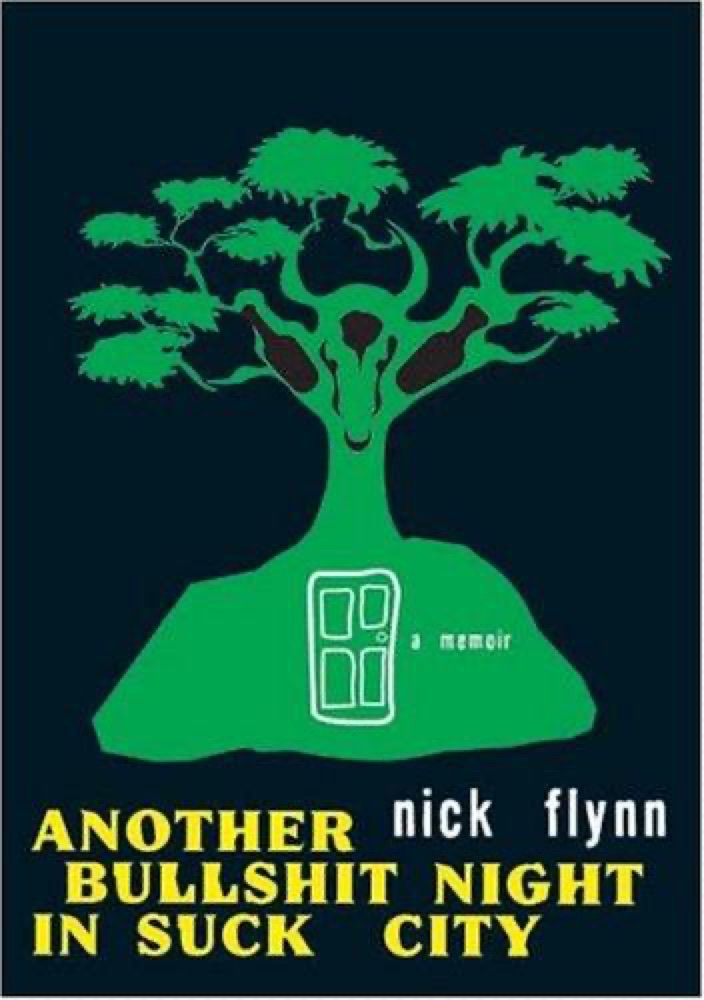 Another Bullshit Night in Suck City
 Wayward
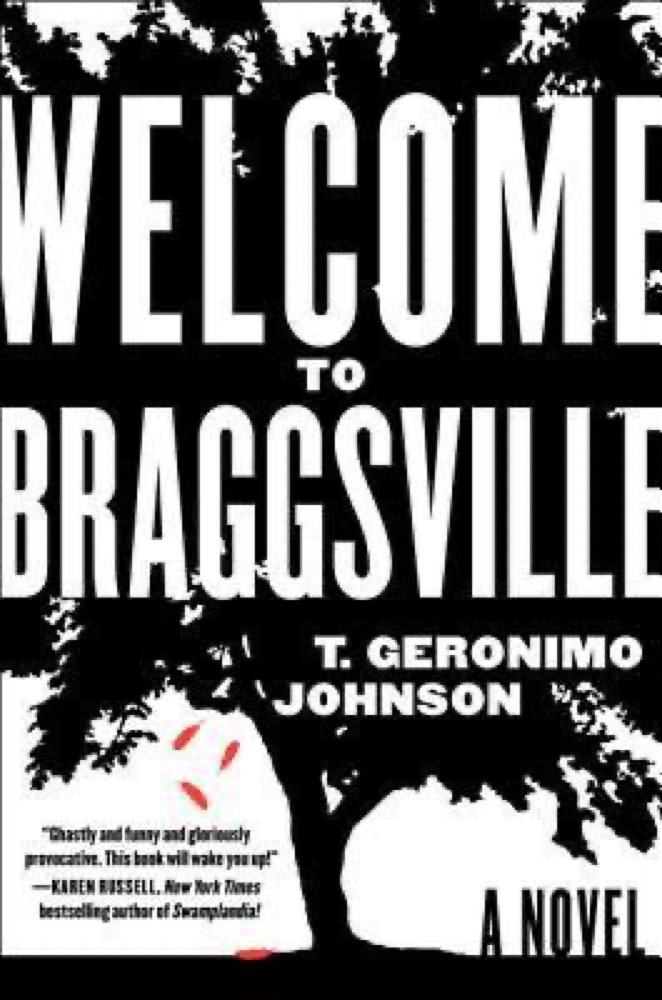 Welcome to Braggsville
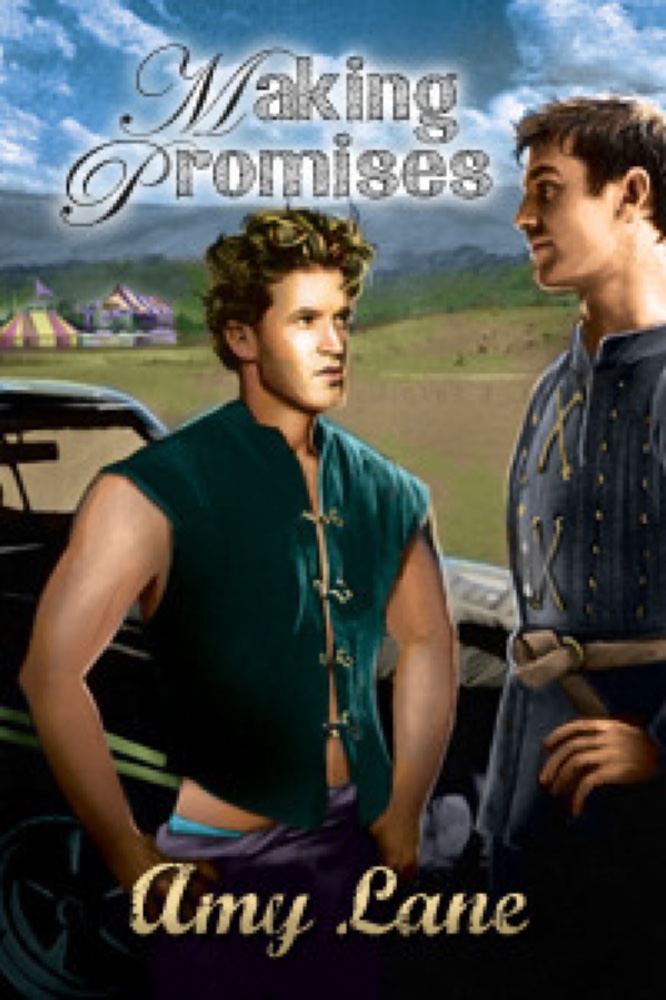 Making Promises
 The Moving Finger
 Everything's Eventual
 The Midnight Mayor
 Lovecraft Country
 Notes from No Man's Land
 The Untouchable
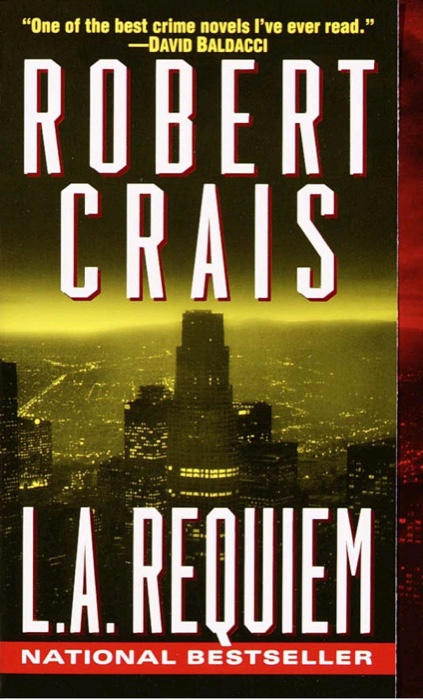 L.A. Requiem
 Pulphead
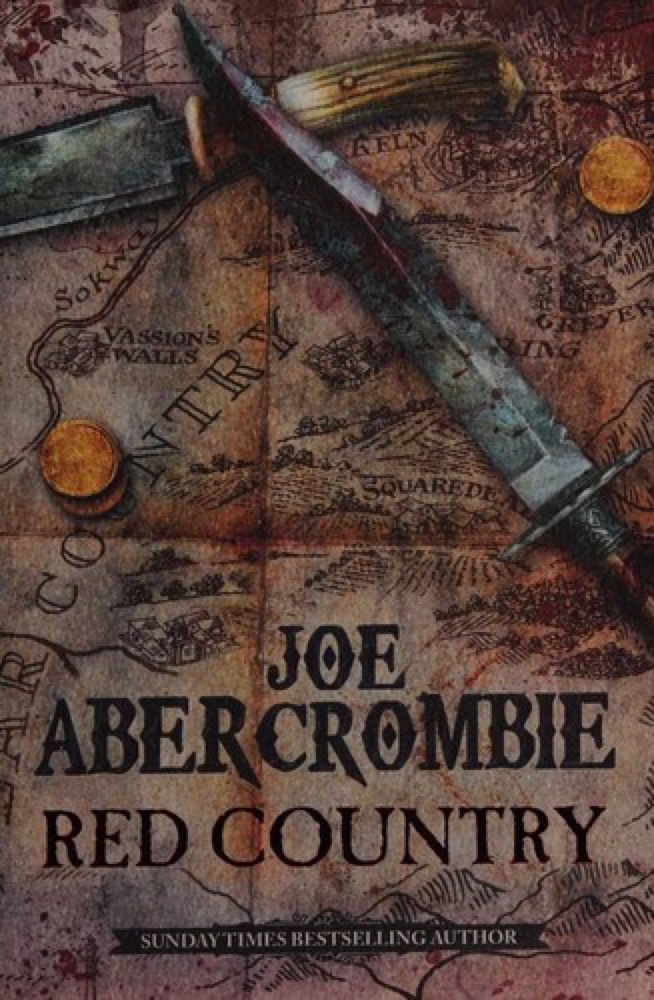 Red Country
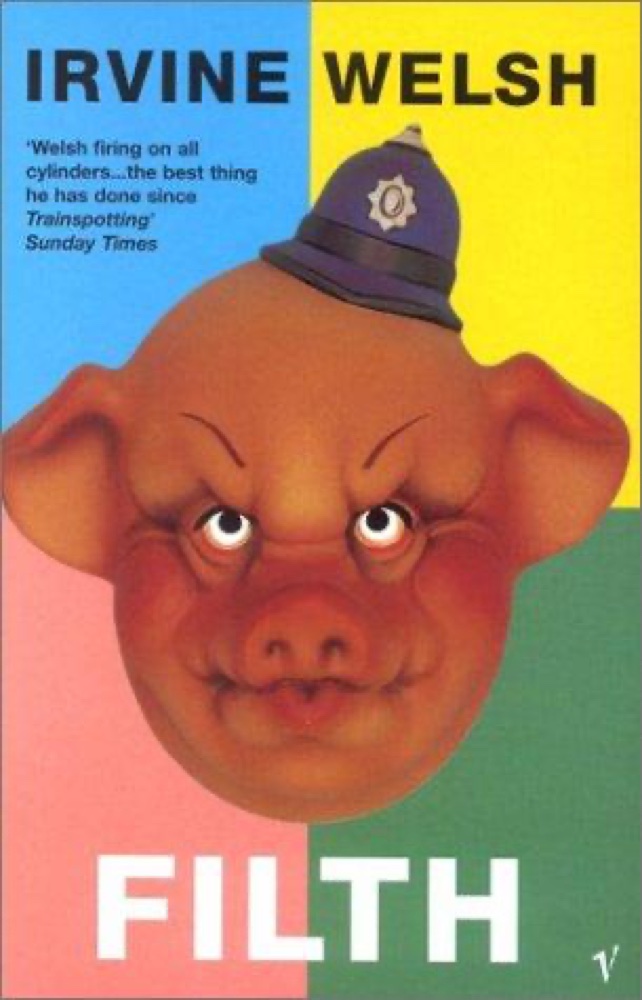 Filth
Filth
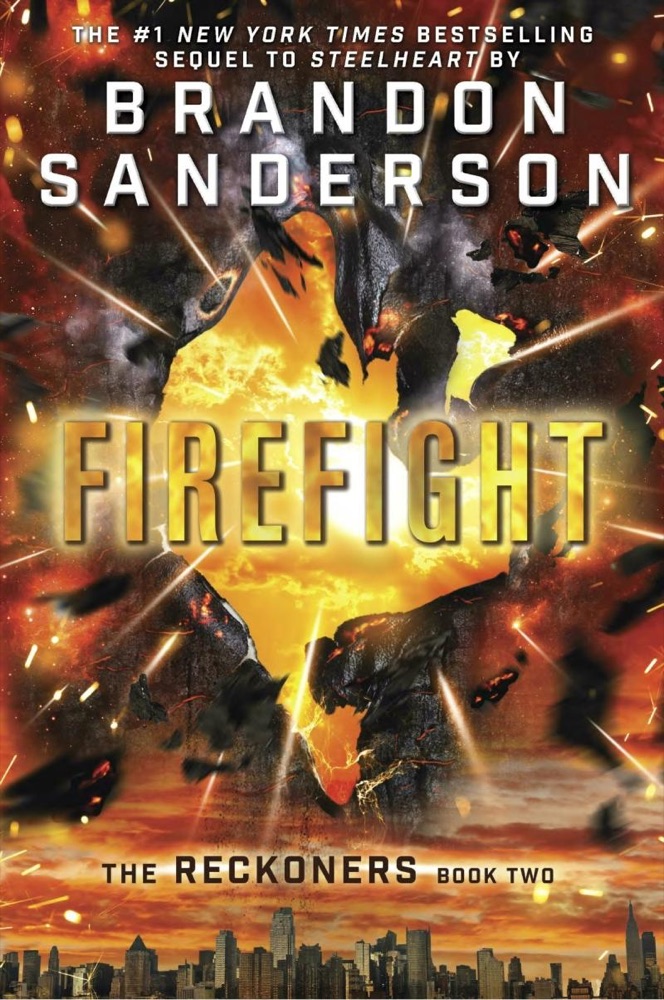 Firefight
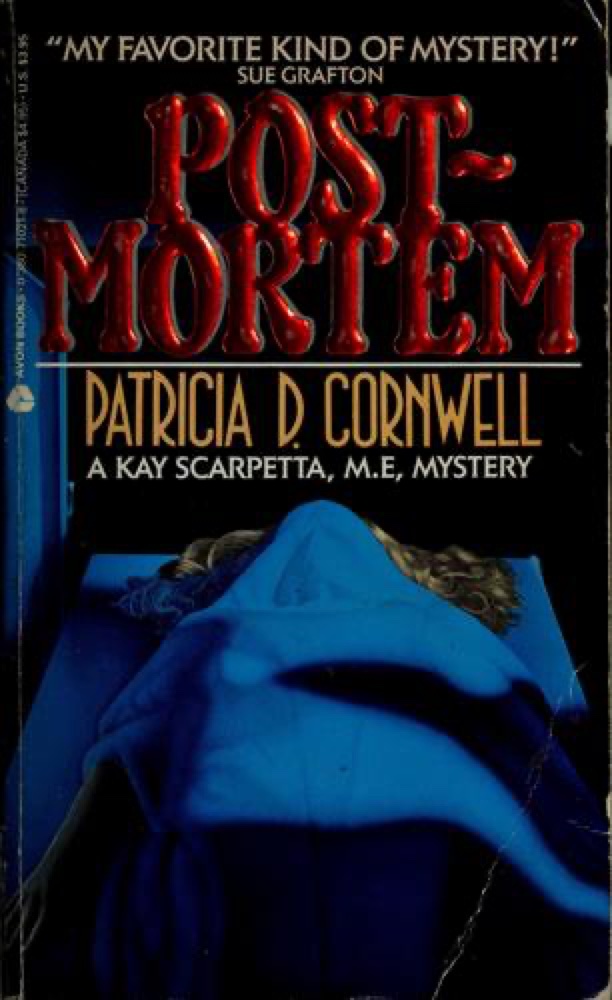 Postmortem
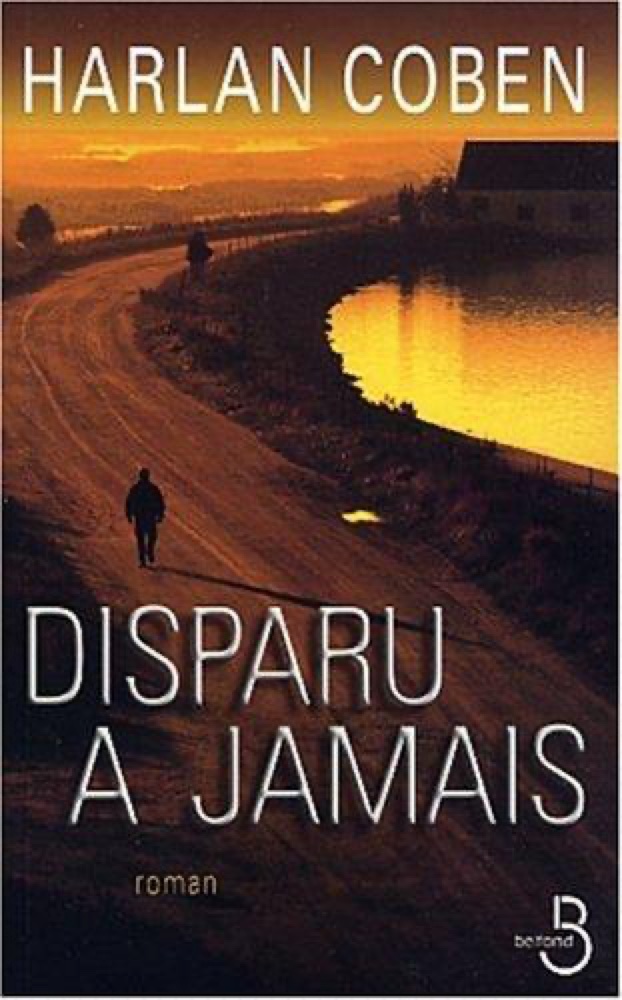 Gone for Good
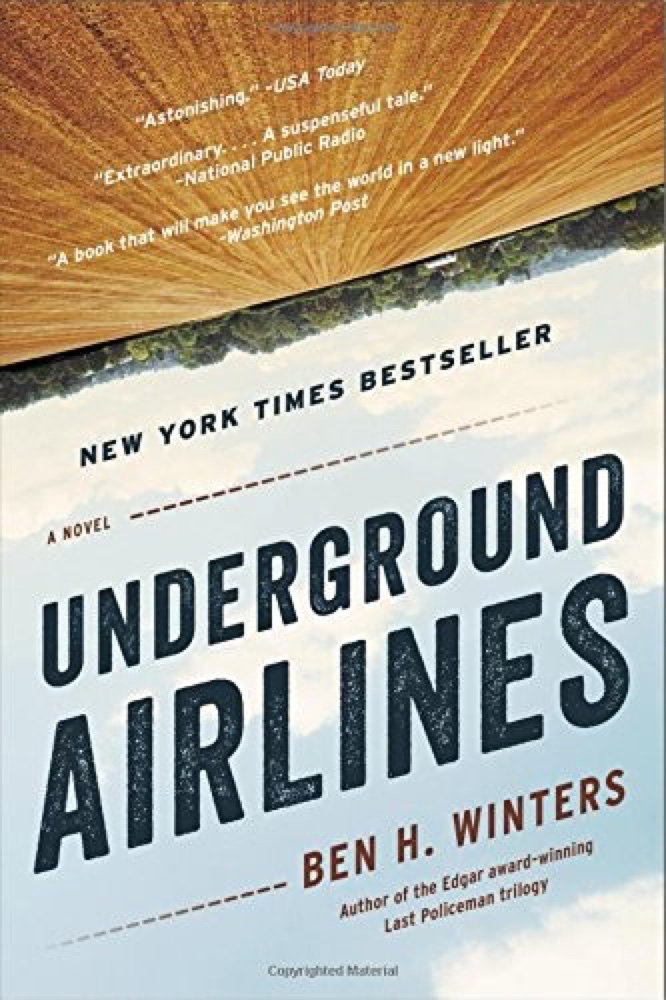 Underground Airlines
 The Big Over Easy
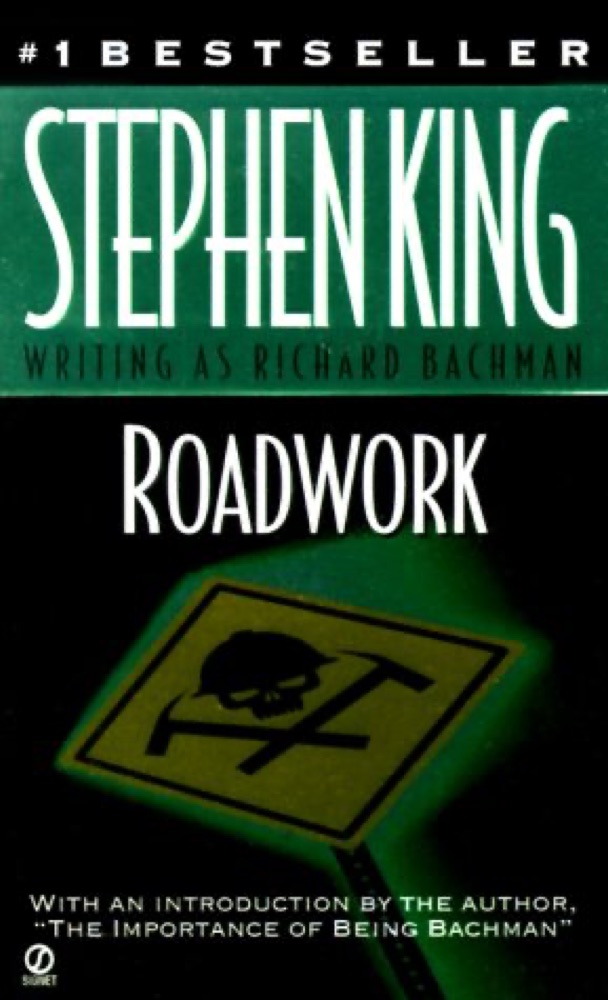 Roadwork
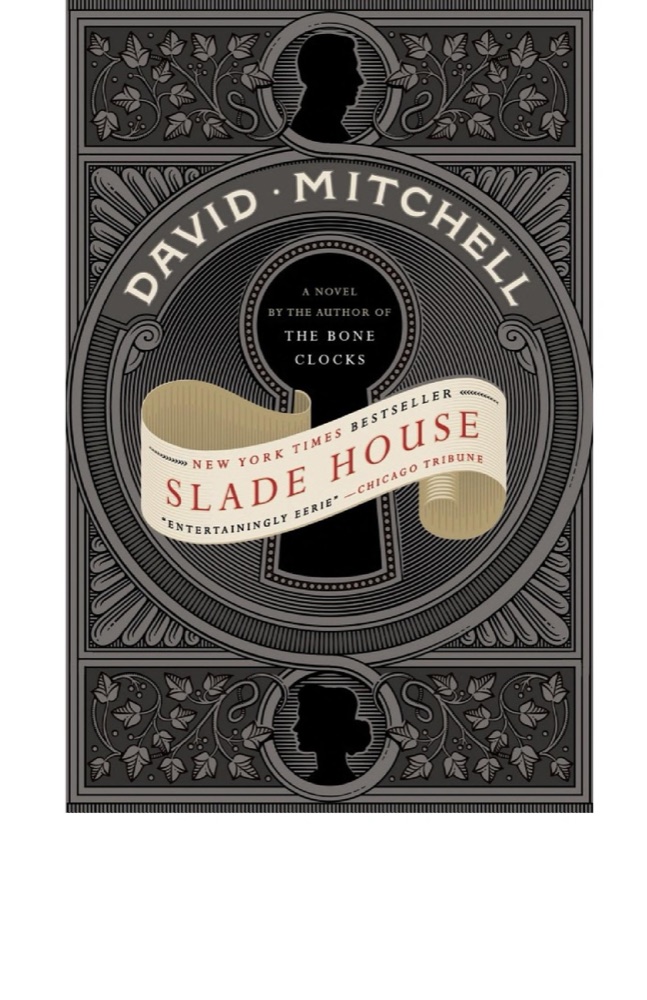 Slade House
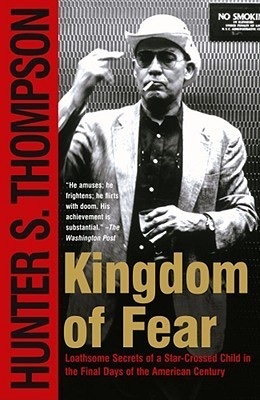 Kingdom of Fear: Loathsome Secrets of a Star-Crossed Child in the Final Days of the American Century
 A Fatal Grace
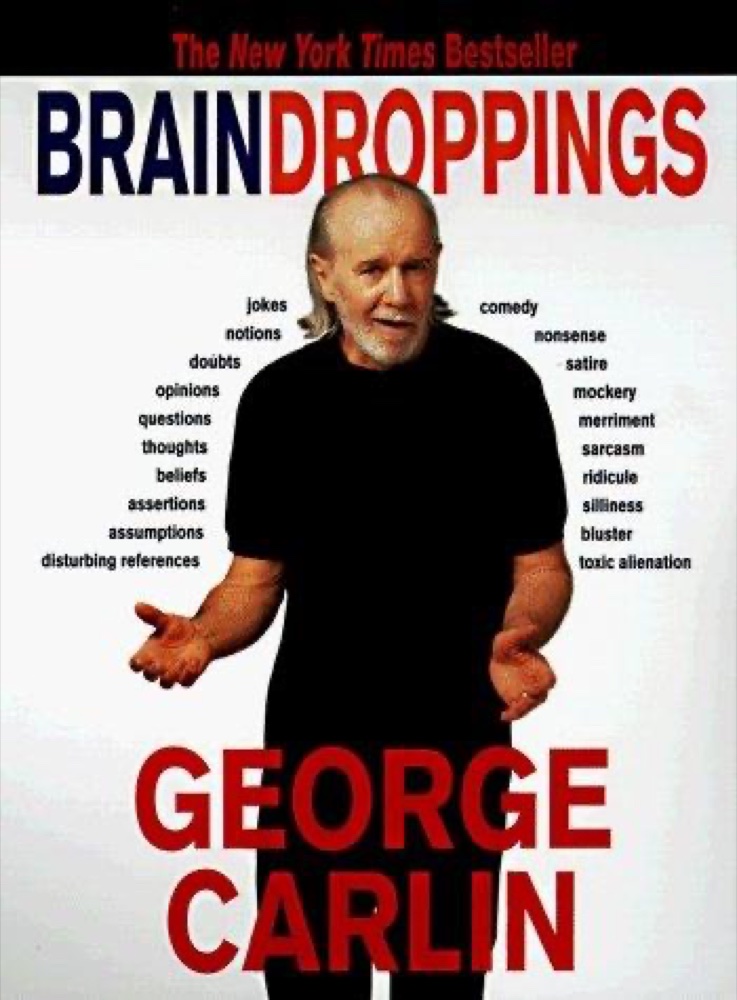 Brain Droppings