
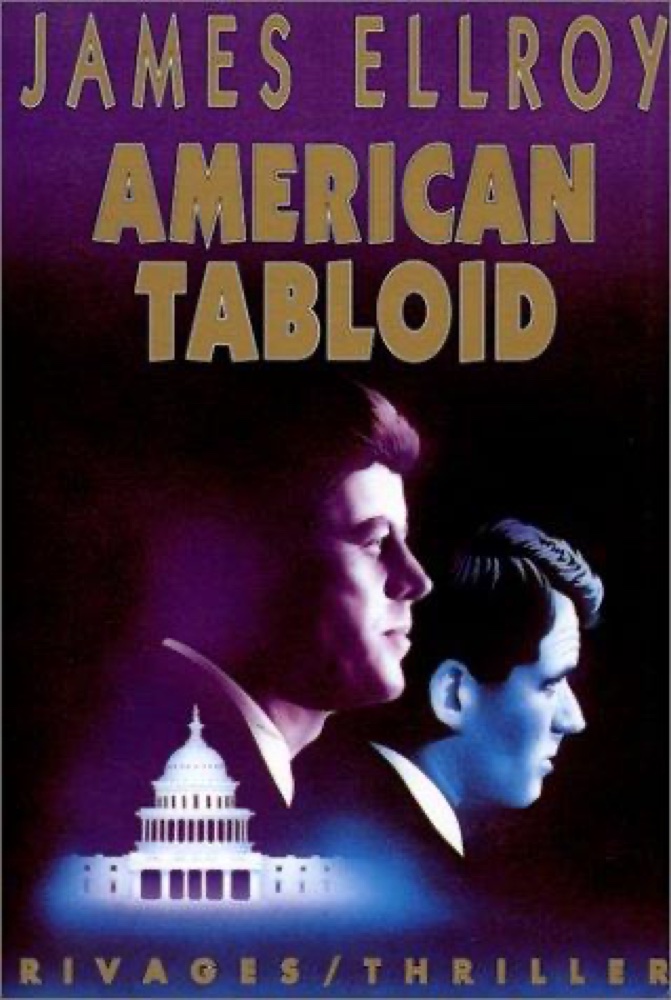
 American Tabloid
Quotes from the Book
Where’s your sketch pad?” I asked. … “I gave that up,” Kay said. “I wasn’t very good, so I changed my major.” “To what?” “To pre-med, then psychology, then English lit, then history.” “I like a woman who knows what she wants.” Kay smiled. “So do I, but I don’t know any.
15
Don’t be so goddamn proper. Don’t be such a fucking saint.
9
I never knew her in life. She exists for me through others, in evidence of the ways her death drove them
8
Sometimes I felt connections begging to be made, sometimes I cursed myself for not having ten percent more gray matter, sometimes the report carbons just made me think of Lee.
5
I got an alibi, just in case you think I did it. Tighter than a crab's ass, and that is air tight.
4
Looking back, I know that the man possessed no gift of prophecy; he simply worked to assure his own future, while I skated uncertainly toward mine. It was his flat-voiced "Cherchez la femme" that still haunts me. Because our partnership was nothing but a bungling road to the Dahlia. And in the end, she was to own the two of us completely.
3
I told lies and wondered where I would go if my own past was all I had left.
3
Pulling away, I realized I had no place to go and nothing I wanted to do except satisfy my curiosity about a woman who was coming on like gangbusters and a big load of grief.
3
Silverlake-Echo was several miles due est of Mount lee, a hilly area with lots of twisting streets, greenery and seclusion, the kind of terrain a necrophiliac might find soothing.
3
That a man could care so deeply yet put it aside so casually amazed me. I asked him about it; he said, “I will not let brutality rule my life.
1
I got in the car and headed home, wondering if I would ever tell Kay that I didn't have a woman because sex tasted like blood and resin and suture scrub to me.
1
green leather chairs arranged around low tables and settees; huge stone fireplace; small Oriental throw rugs, multicolored, placed together at different angles, so that just the right amount of oak floor bordered them. The walls were cherrywood, and featured framed sepias of the family and their ancestors.
1
I had chewed a big steak two hours before, swallowing the juice and spitting out the meat, and I could smell animal blood in my sweat.
1
A great people, the Germans. Hitler was a bit excessive, but mark my words that someday we’ll regret not joining forces with him to fight the Reds.
Hollywood will fuck you when no one else will.
I noticed a stuffed spaniel poised by the fireplace with a yellowed newspaper rolled into its mouth. Madeleine said, "That's Balto. The paper is the LA Times for August 1, 1926. That's the day Daddy learned he' d made his first million. Balto was our pet then. Daddy's accountant called up and said, "Emmett, you're a millionaire!" Daddy was cleaning his pistols, and Balto came in with the paper. Daddy wanted to consecrate the moment, so he shot him. If you look closely, You can see the bullet hole in his chest.
I was terrified because the good guys were really the bad guys.
He was wearing an American Legion poppy on his lapel – probably purchased from the wino legionnaire who slept in the Hall of Records parking lot – a man he had once vigorously prosecuted for vagrancy. The
Did you know?
- The novel is based on the real, still-unsolved 1947 murder of Elizabeth Short, nicknamed the Black Dahlia.
- It is the first book in Ellroy's L.A. Quartet, followed by The Big Nowhere, L.A. Confidential, and White Jazz.
- Ellroy dedicated the book to his mother, Geneva Hilliker Ellroy, who was murdered when he was ten.
- The 1987 Mysterious Press first edition had a small print run, making it a sought-after modern first in crime fiction.
- Brian De Palma directed a 2006 film adaptation of the novel.
About James Ellroy
James Ellroy (born 1948 in Los Angeles) is an American crime writer known for his dense, hard-boiled style and novels rooted in mid-century Los Angeles, including the L.A. Quartet and the Underworld USA Trilogy. His mother's unsolved 1958 murder profoundly shaped his fascination with crime, which he explored directly in his memoir My Dark Places.
More about the author →More by James Ellroy
About the book
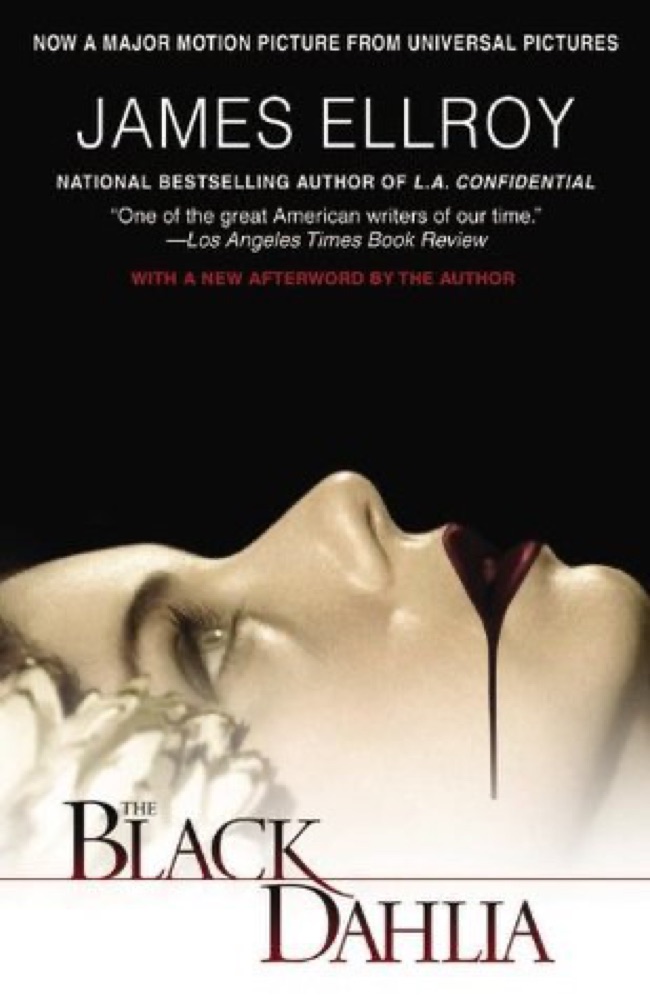
The Black Dahlia is a noir crime novel built around the real, unsolved 1947 murder and mutilation of Elizabeth Short, the young woman the press dubbed the Black Dahlia. James Ellroy invents two LAPD detectives, Dwight "Bucky" Bleichert and Lee Blanchard, both former boxers, whose lives become consumed by the case. As Bleichert digs into Short's death, his obsession draws him into a corrupt 1940s Los Angeles of crooked cops, a tangled love triangle, and a wealthy family guarding dark secrets, with the official investigation never fully resolving the killing.
Ellroy uses the murder as a lens for his recurring preoccupations: obsession, guilt, institutional corruption, and the moral rot beneath a glamorous city's surface. The narrative voice is terse and propulsive, and the dead woman functions less as a character than as an absence that distorts everyone around her. The novel is also deeply personal: Ellroy dedicated it to his own mother, Geneva Hilliker Ellroy, who was murdered when he was a child, and he has described the Dahlia case as a lifelong fixation that mirrored his own loss.
Published in 1987 by The Mysterious Press, the book is the first installment of Ellroy's acclaimed L.A. Quartet and is widely regarded as the work that lifted his reputation beyond genre crime fiction. The Quartet as a whole became internationally bestselling, and The Black Dahlia helped establish Ellroy's signature blend of historical fact and dense, hard-boiled fiction. It was adapted into a feature film directed by Brian De Palma in 2006.
Key characters
- Dwight "Bucky" BleichertLAPD detective, ex-boxer, and narrator obsessed with the case
- Lee BlanchardBleichert's partner and fellow former boxer drawn into the investigation
- Kay LakeWoman entangled with both detectives in a love triangle
- Madeleine SpragueWealthy socialite who becomes a suspect and Bleichert's lover
- Emmett SpragueSprague family patriarch concealing dark secrets
- Elizabeth ShortThe murdered young woman known as the Black Dahlia
Book details
- First published
- 1987
- Length
- 325 pages
- Series
- L.A. Quartet #1
- Reading time
- 3 hours
- Author
- James Ellroy
- Genre
- Mystery
- Goodreads rating
- 3.79 (100k ratings)
- First line
- “I never knew her in life.”
Critical reception
- Widely seen as the novel that established Ellroy's literary reputation beyond pulp crime fiction.
- The first book of the L.A. Quartet, a series that became an international bestseller.
- Often described as the transitional work where Ellroy's signature dense, historically grounded style emerged.
Series & reading order
- 1 The Black Dahlia
- 2 The Big Nowhere
- 3 L.A. Confidential
- 4 White Jazz
Movie & TV adaptations
- IMDb
If you liked this, read…
- 1L.A. ConfidentialEllroy's later L.A. Quartet novel with the same corrupt-LAPD milieu.
- 2The Big SleepClassic Los Angeles hard-boiled noir by Raymond Chandler.
- 3The Black EchoMichael Connelly's LAPD detective noir steeped in obsession and corruption.
Keep reading
 Rainbow Black
 Dead and Gone
 Bastard Out of Carolina
 I Hunt Killers
 Postmortem
 Moonlight Mile
 Firefight
 The Bachman Books
 The Lady in the Lake
 The Madman's Daughter
 The Hazel Wood
 Tell No One
 My Soul to Take
 Twilight / Life and Death
 Iron Kissed
 Feeling Lucky
 Post Office
 Debt Inheritance
 Jesus' Son
 The Mysteries of Pittsburgh
 The Tied Man
 I'll Be Gone in the Dark: One Woman's Obsessive Search for the Golden State Killer
 The Weed That Strings the Hangman's Bag
 Laura
Laura
 Shadowland
 Necromancing the Stone
 Relentless
 City of Thieves
 Spider's Bite
 Wonder Boys
 From Dead to Worse
 Bloodsucking Fiends
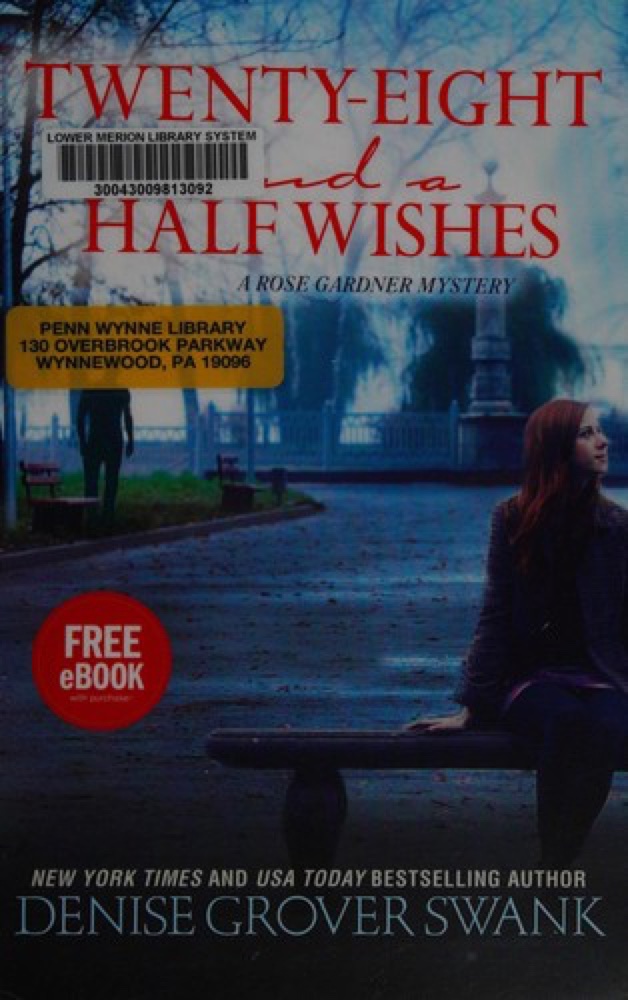 Twenty-Eight and a Half Wishes
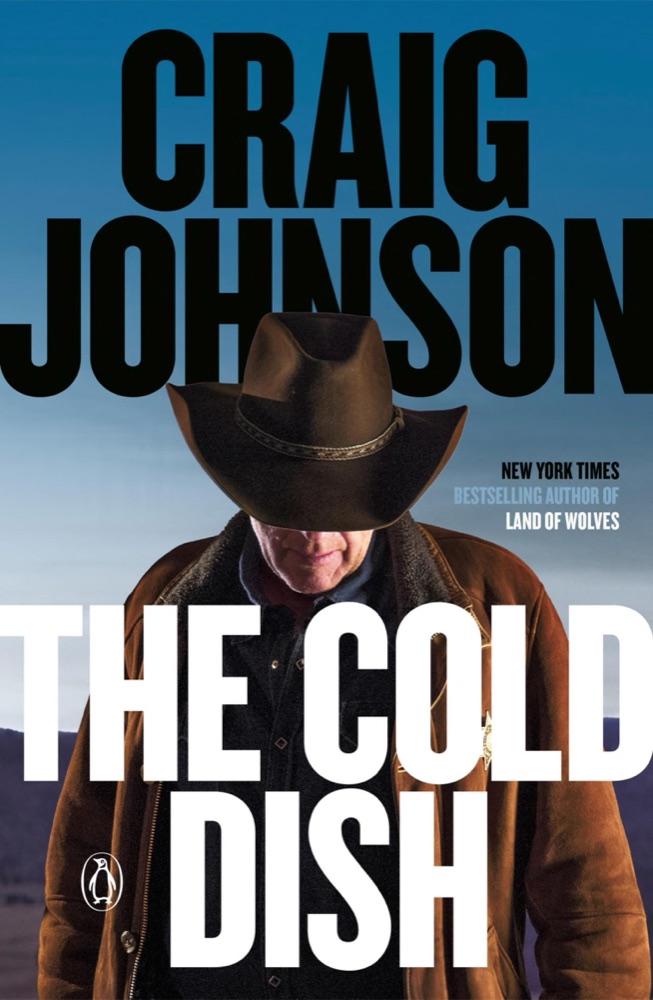 The Cold Dish
 Last Light
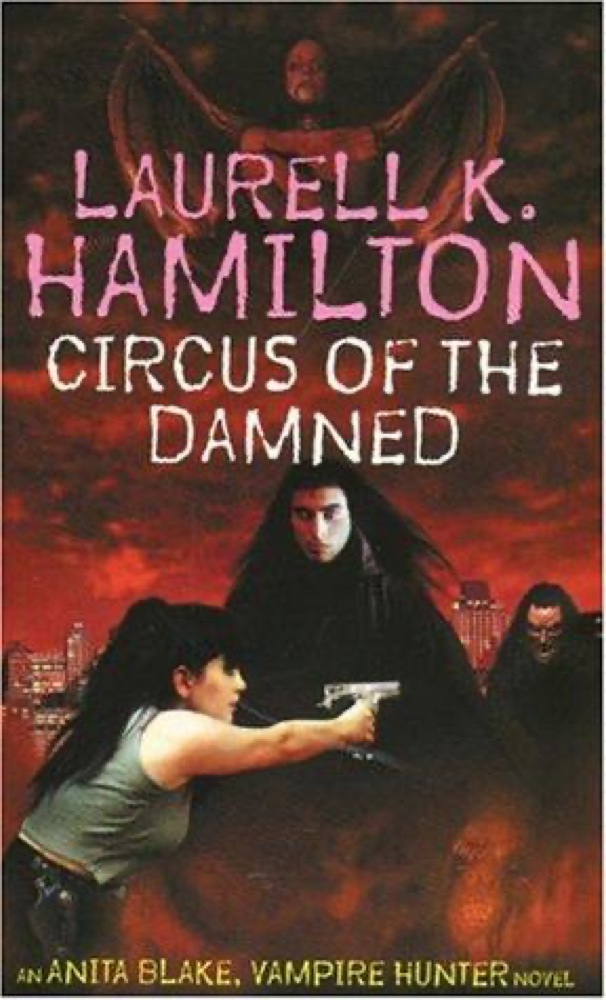 Circus of the Damned
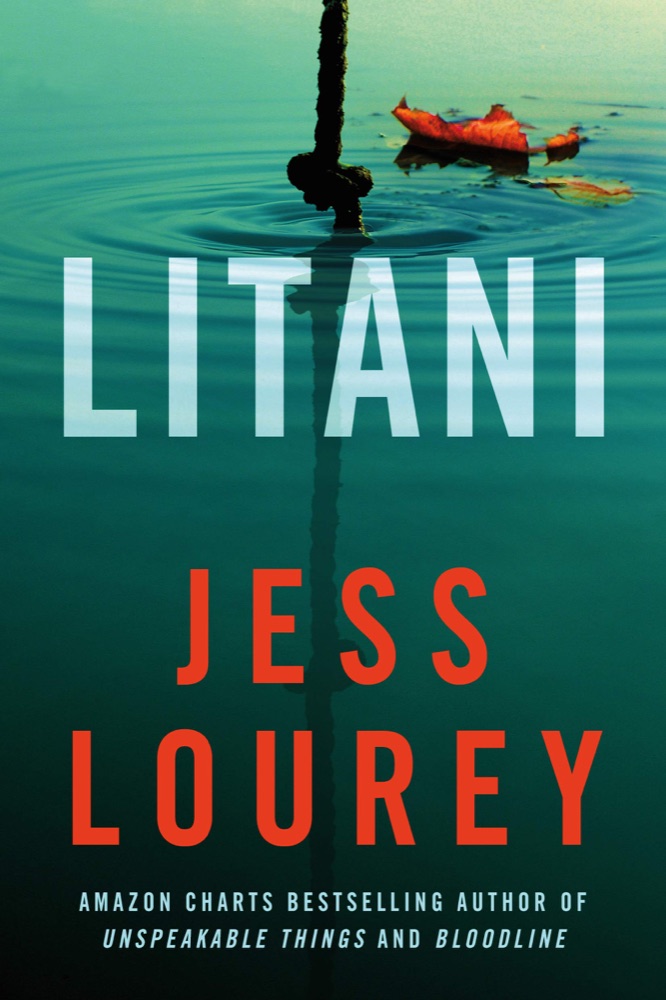 Litani
 Definitely Dead
 Seven Blades in Black
 The Sisters Brothers
 Bitter Blood
 The Wasp Factory
 The Last Smile in Sunder City
 Dexter Is Delicious
 Factotum
 The Spanish Daughter
 Lunar Park
 Gone for Good
 Corrupt
 She Who Waits
 Borderline
 American Savages
 All Out: The No-Longer-Secret Stories of Queer Teens throughout the Ages
 A Perilous Undertaking
 Permanent Midnight
 The Stainless Steel Rat
 What the River Knows
 The Scapegoat
 The Likeness
 What I Saw and How I Lied