
 I Hunt Killers
Quotes from the Book
One day soon, you’ll hear a car pull up to your curb, an engine cut out. You’ll hear footsteps coming up your front walk. Like they did for Edward Wayne Edwards, twenty-nine years after he killed Timothy Hack and Kelly Drew, in Sullivan, Wisconsin. Like they did for Kenneth Lee Hicks, thirty years after he killed Lori Billingsley, in Aloha, Oregon. The doorbell rings. No side gates are left open. You’re long past leaping over a fence. Take one of your hyper, gulping breaths. Clench your teeth. Inch timidly toward the insistent bell. This is how it ends for you. “You’ll be silent forever, and I’ll be gone in the dark,” you threatened a victim once. Open the door. Show us your face. Walk into the light.
150
I love reading true crime, but I’ve always been aware of the fact that, as a reader, I am actively choosing to be a consumer of someone else’s tragedy. So like any responsible consumer, I try to be careful in the choices I make. I read only the best: writers who are dogged, insightful, and humane.
78
It was a heady feeling, the idea that one could conjure a man from a stain on a calico patchwork quilt from 1978, that one could reverse the flow of power. If you commit murder and then vanish, what you leave behind isn’t just pain but absence, a supreme blankness that triumphs over everything else. The unidentified murderer is always twisting a doorknob behind a door that never opens. But his power evaporates the moment we know him. We learn his banal secrets. We watch as he’s led, shackled and sweaty, into a brightly lit courtroom as someone seated several feet higher peers down unsmiling, raps a gavel, and speaks, at long last, every syllable of his birth name.
42
He loses his power when we know his face.
40
That’s what we do. All of us. We make well-intentioned promises of protection we can’t always keep. I’ll look out for you.
39
I love my husband. I hate men.
28
I’m envious, for example, of people obsessed with the Civil War, which brims with details but is contained. In my case, the monsters recede but never vanish. They are long dead and being born as I write.
23
He's the fake shark in Jaws, barely seen so doubly feared.
22
What is the lasting damage when you believe the warm spot you were just sleeping in will be your grave?
20
My mother was, and will always be, the most complicated relationship of my life.
20
Writing this now, I’m struck by two incompatible truths that pain me. No one would have taken more joy from this book than my mother. And I probably wouldn’t have felt the freedom to write it until she was gone.
20
Most violent criminals smash through life like human sledgehammers. They have fists for hands and can’t plan beyond their sightlines. They’re caught easily. They talk too much. They return to the scene of the crime, as conspicuous as tin cans on a bumper. But every so often a blue moon surfaces. A snow leopard slinks by.
18
Why are you so interested in crime?” people ask me, and I always go back to that moment in the alley, the shards of a dead girl’s Walkman in my hands. I need to see his face. He loses his power when we know his face.
18
He pointed a knife at her and issued a chilling warning: “Make one move and you’ll be silent forever and I’ll be gone in the dark.
14
Time sands the edges of the injuries, but they never lose their hold.
13
She was both proud of the fact that she had raised a strong-minded daughter and resentful of my sharp opinions.
13
Yet he was still out there blending in, a man whose ordinariness was his mask.
12
I lamented to one of them that I felt I was grasping at straws. “My advice? Grasp a straw,” he said. “Work it to dust.
12
I want him captured; I don’t care who he is. Looking at such a man’s face is anticlimactic; attaching a name, even more so. We know what he did; any information beyond that will inevitably feel pedestrian, pale, somehow cliché: “My mother was cruel. I hate women. I never had a family. . . .” And so on. I want to know more about true, complete people, not dirty scraps of humans.
10
The victims recede from view. Their rhythm is off, their confidence drained. They’re laden with phobias and made tentative by memory. Divorce and drugs beset them. Statutes of limitations expire. Evidence kits are tossed for lack of room. What happened to them is buried, bright and unmoving, a coin at the bottom of a pool. They do their best to carry on.
9
I don’t care if I’m the one who captures him. I just want bracelets on his wrists and a cell door slamming behind him.
8
It really confirmed for me that inside everyone lurks a Sherlock Holmes that believes that given the right amount of clues they could solve a mystery. If the challenge here, or perceived weakness, is that the unsolved aspect will leave readers unfulfilled, why not turn that on its head and use it as a strength?
8
There's a scream permanently lodged in my throat now.
7
But then you hear a scream and you decide it’s some teenagers playing around. A young man jumping a fence is taking a shortcut. The gunshot at three a.m. is a firecracker or a car backfiring. You sit up in bed for a startled moment. Awaiting you is the cold, hard floor and a conversation that may lead nowhere; you collapse onto your warm pillow, and turn back to sleep. Sirens wake you later.
7
There's always the question of what to call an unknown perpetrator in police reports. The choice is often "the suspect," occasionally "the offender," or sometimes simply "the man." Whoever wrote the Danville reports elected to use a term that was stark and unambiguous in its charge, its tone of reproach as if a finger were pointing from the very page. The term affected me the moment I read it. It became my private shorthand for the EAR, the simple term I returned to when I lay awake at three a.m. cycling through a hoarder's collection of murky half clues and indistinct facial features. I admired the plainness of its unblinking claim. The responsible.
6
We swim or sink against our deficits in life,
6
I always find it something of a relief to be in the presence of someone who knows the shorthand
5
I’ve now come to realize that getting excited about a suspect is a lot like that first surge of stupid love in a relationship, in which, despite vague alarm bells, you plow forward convinced that he is the One.
5
remember talking with my sister Maureen once about the severe short haircuts we all had as children. “Doesn’t it seem like Mom was trying to desexualize us?” I asked. Maureen, the mother of three, suppressed a laugh mixed with irritation. “Wait until you have kids, Michelle,” she said. “Short haircuts aren’t desexualizing. They’re easy.
5
He later underscored how tricky suspect assessment is by pointing out that just based on geographic history and physical description a good EAR-ONS suspect would be Tom Hanks. (Who, it should be emphasized, can be eliminated by the shooting schedule of Bosom Buddies alone).
5
Did you know?
- Michelle McNamara coined the name "Golden State Killer" for the previously unidentified offender.
- McNamara died in 2016 before finishing the manuscript, which was completed from her research by Paul Haynes and Billy Jensen.
- Her husband, comedian Patton Oswalt, wrote an afterword for the book.
- The book debuted at number one on The New York Times nonfiction best-seller list.
- A suspect in the Golden State Killer case was arrested roughly two months after the book's publication.
- HBO adapted the book into a documentary series that premiered in 2020.
Watch on YouTube
About Michelle McNamara
Michelle McNamara (1970-2016) was an American true-crime journalist and writer who founded the website TrueCrimeDiary.com and coined the term "Golden State Killer." She was married to the comedian Patton Oswalt and died in 2016 before completing this book.
More about the author →About the book
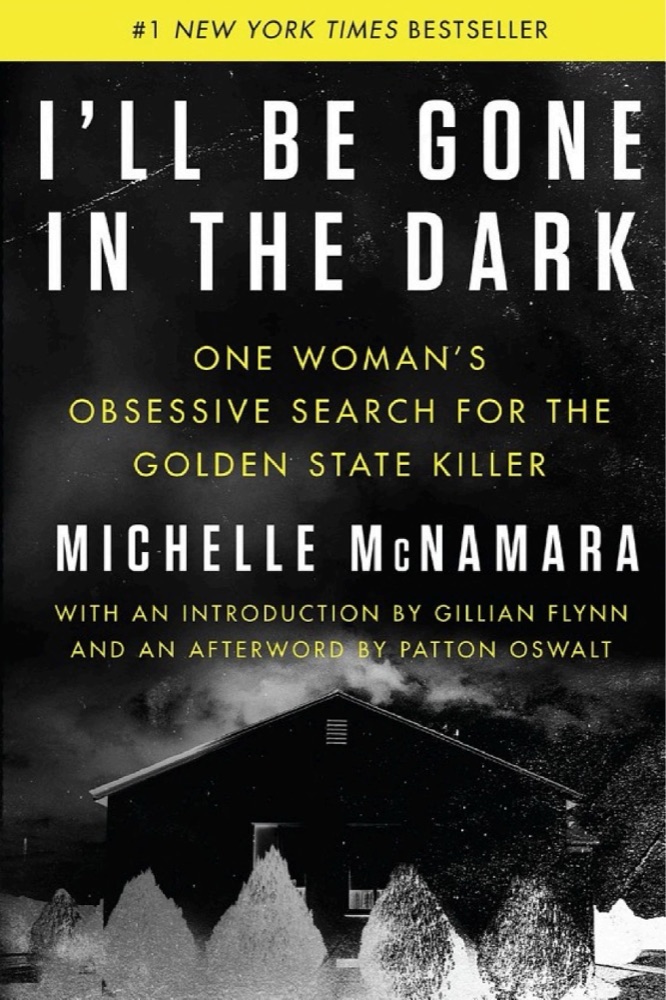
"I'll Be Gone in the Dark" is a work of true-crime nonfiction chronicling Michelle McNamara's investigation into the Golden State Killer, an unidentified serial rapist and murderer who terrorized California from the mid-1970s into the 1980s. McNamara, a journalist who ran the true-crime website TrueCrimeDiary.com, spent years poring over case files, interviewing investigators, and analyzing forensic evidence in an attempt to give the anonymous offender a name. The title comes from a chilling threat the attacker once whispered to a victim.
Beyond the chase for a killer, the book is as much a study of obsession itself, examining what draws a person into the dark and what such fixation costs. McNamara weaves together the timelines of survivors, the evolution of forensic and DNA techniques, and her own personal motivations, including how an unsolved murder near her childhood home first kindled her fascination with cold cases. Reviewers have praised the book for treating victims with empathy and resisting the sensationalism common to the genre.
McNamara died in 2016 before finishing the manuscript, which was completed from her notes by researcher Paul Haynes and investigative journalist Billy Jensen, with an afterword by her husband, the comedian Patton Oswalt. Published in 2018, it debuted at number one on The New York Times nonfiction best-seller list. Just two months after publication a suspect was arrested in the case, and the book was later adapted into an HBO documentary series. It is widely regarded as a landmark of modern true crime.
Book details
- First published
- 2018
- Length
- 352 pages
- Reading time
- 7 hours
- Author
- Michelle McNamara
- Genre
- Nonfiction
- Goodreads rating
- 4.11 (269k ratings)
Critical reception
- The book debuted at number one on The New York Times nonfiction best-seller list and remained on the list for multiple weeks.
- Kirkus Reviews called it "an exemplary true-crime book," praising McNamara's research and storytelling.
- The Globe and Mail described it as McNamara's "posthumous masterpiece" and a testament to her generous way of storytelling.
- It won the Goodreads Choice Award for Nonfiction in 2018.
The buzz
- Kirkus ReviewsI'll Be Gone in the Dark2018Starred trade review calling it an exemplary true-crime book.
- The Globe and MailReview: Michelle McNamara's posthumous masterpiece I'll Be Gone in the Dark2018Praises the book's empathy and its personal, memoir-like dimension.
Movie & TV adaptations
- IMDb
If you liked this, read…
- 1The Stranger Beside MeAnn Rule's classic of a journalist personally entangled in a serial-killer case.
- 2In Cold BloodFoundational literary true crime that elevates reporting into narrative art.
- 3Chase Darkness with MeBilly Jensen, who helped finish McNamara's book, on solving cold cases.
Keep reading
I Hunt Killers
 Bright Young Women
 The Fact of a Body: A Murder and a Memoir
 The Quarry Girls
 Postmortem
 Suspect
 Tell No One
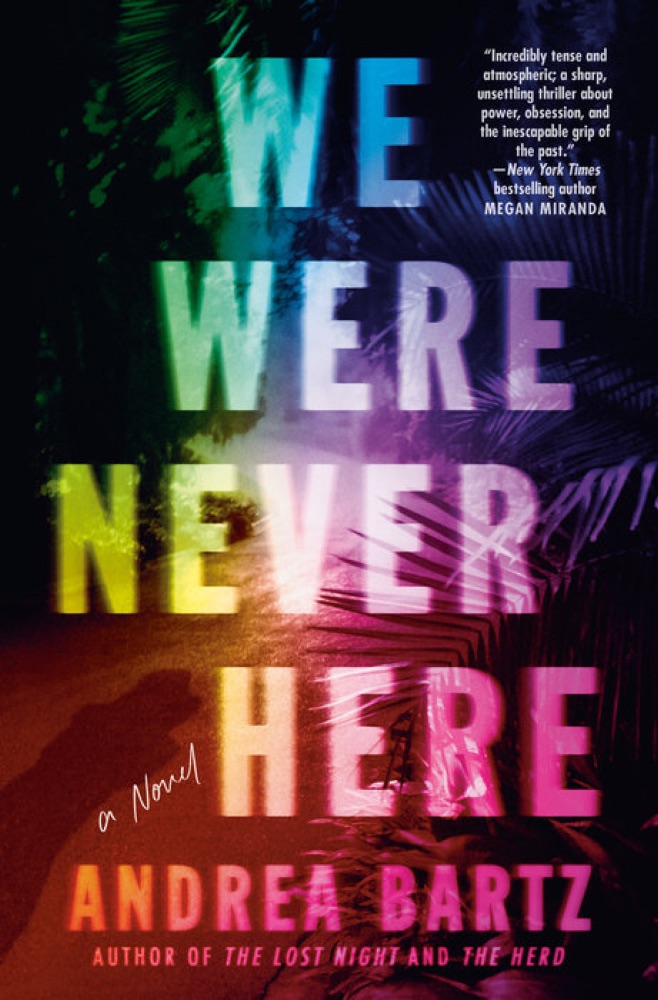 We Were Never Here
 The Bachman Books
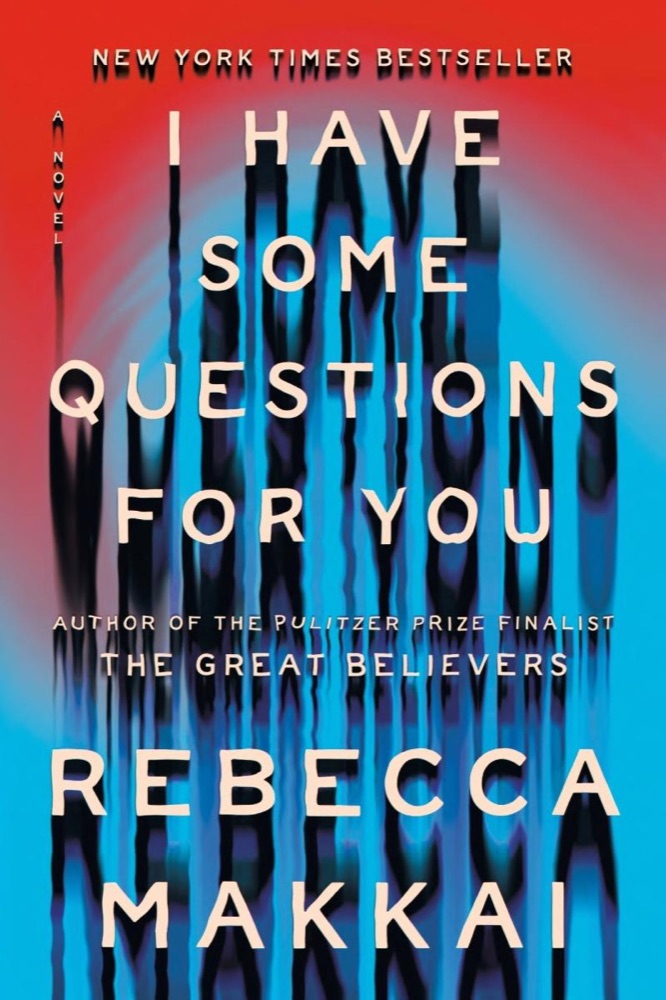 I Have Some Questions for You
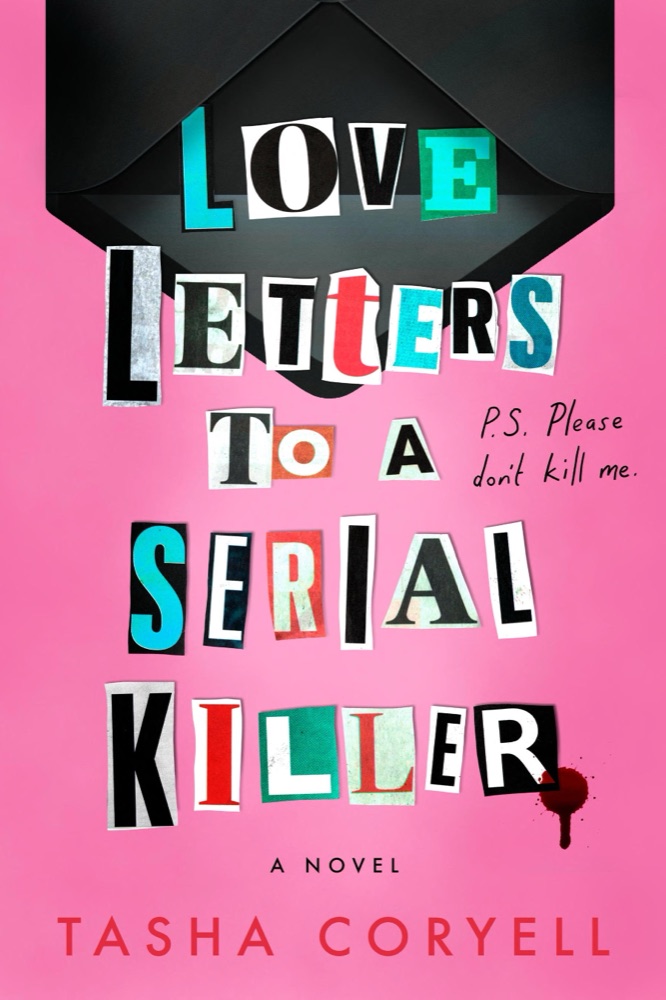 Love Letters to a Serial Killer
 Relentless
 The Narrows
 The Witch Elm
 Watch Me
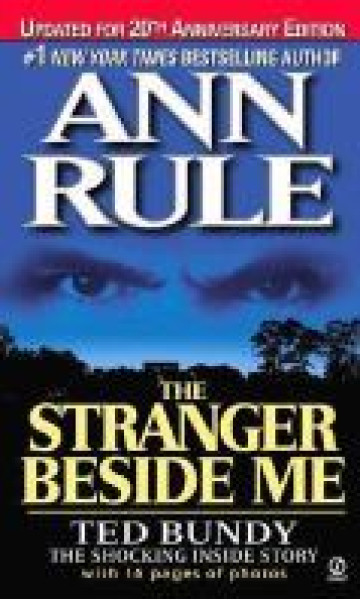 The Stranger Beside Me: Ted Bundy The Shocking Inside Story
 Sadie
Sadie
 Good Girl, Bad Blood
 The Impossible Knife of Memory
 Midnight Is the Darkest Hour
 Sweet Little Lies
 The A.B.C. Murders
 Night Shift
 Under the Harrow
 The Red Parts
 Dark Places
 What Time the Sexton's Spade Doth Rust
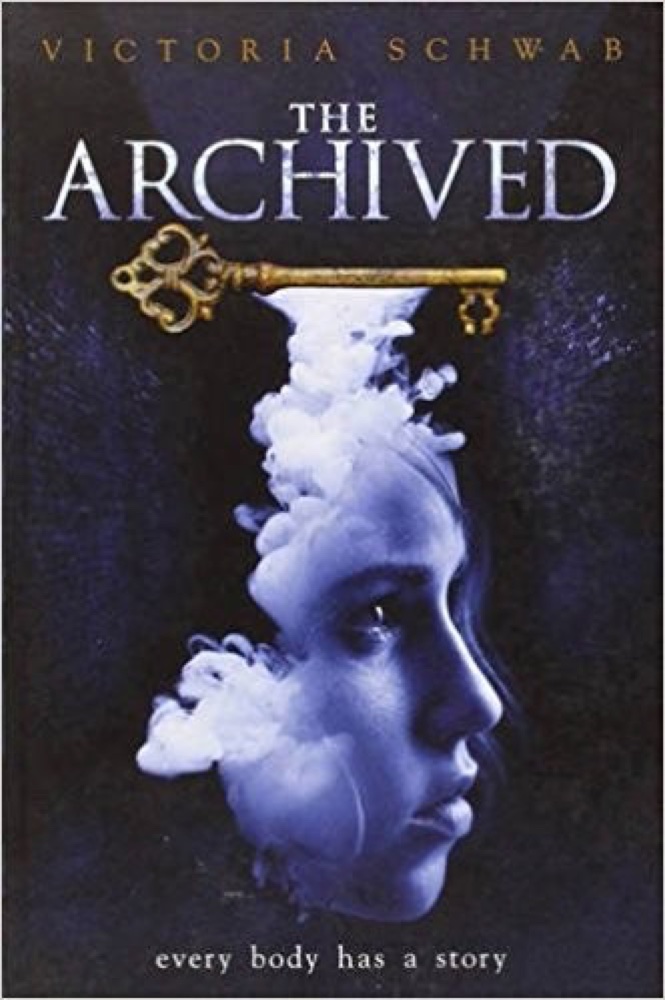 The Archived
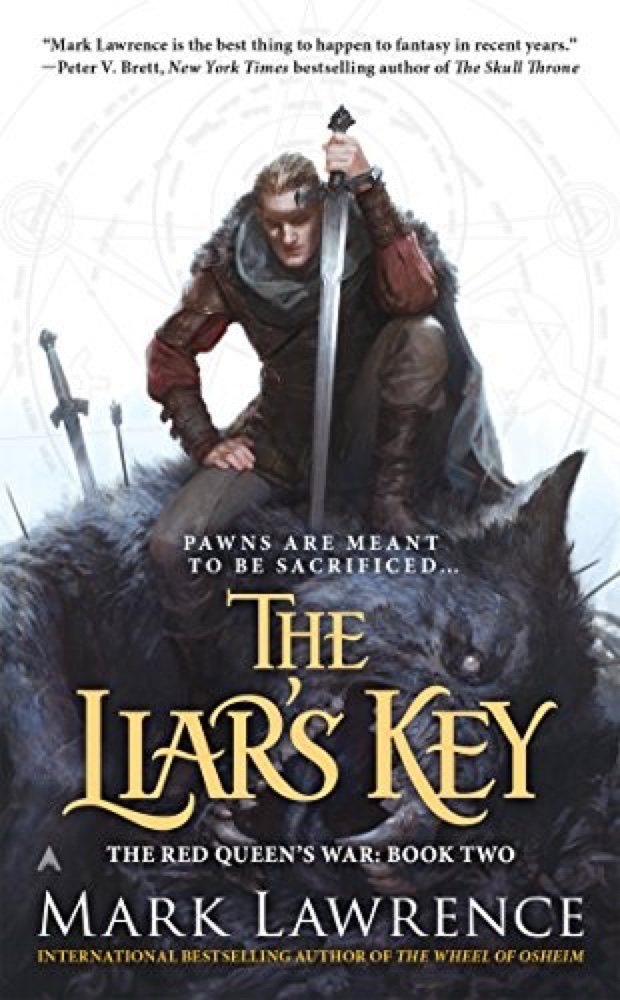 The Liar's Key
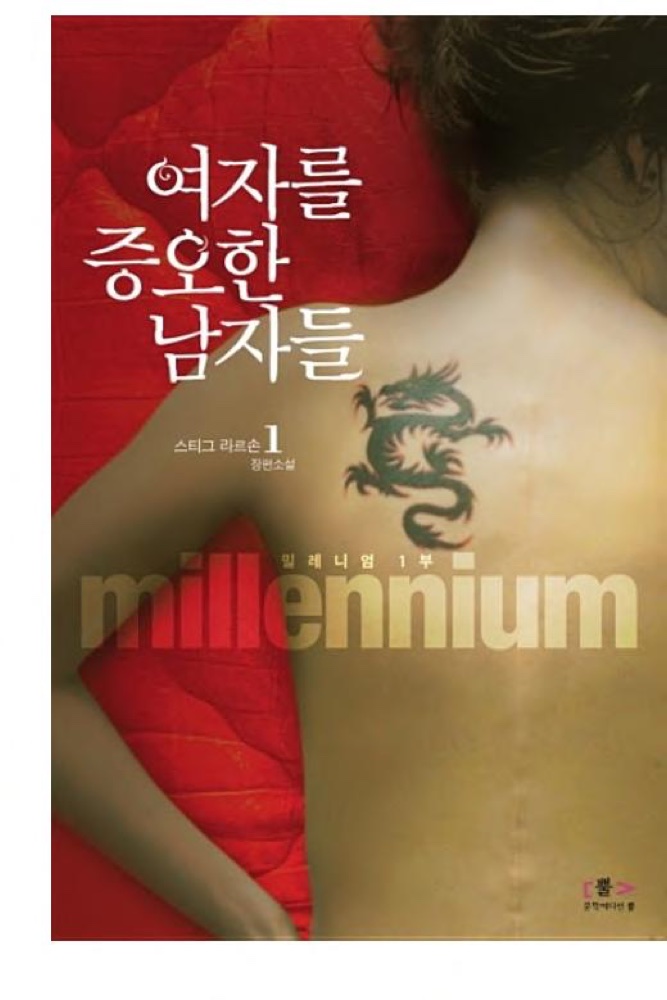 The Girl with the Dragon Tattoo
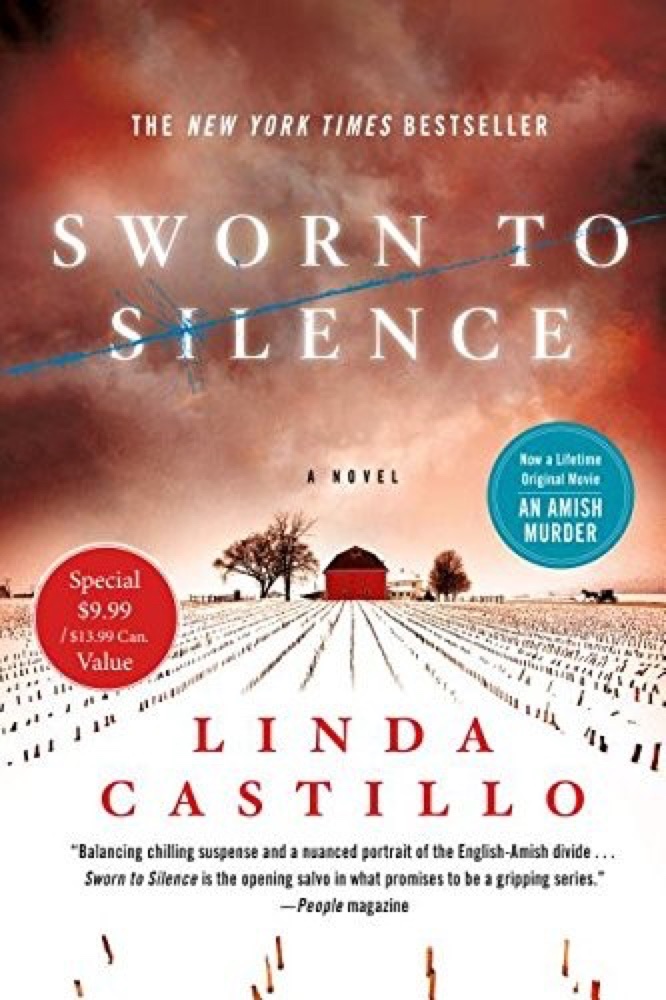 Sworn to Silence
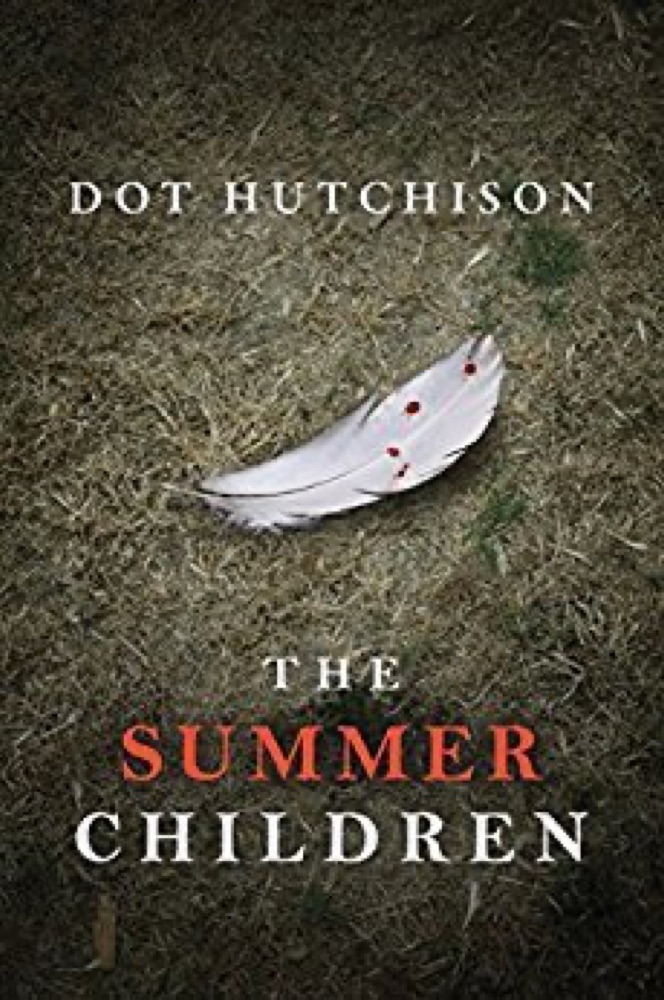 The Summer Children
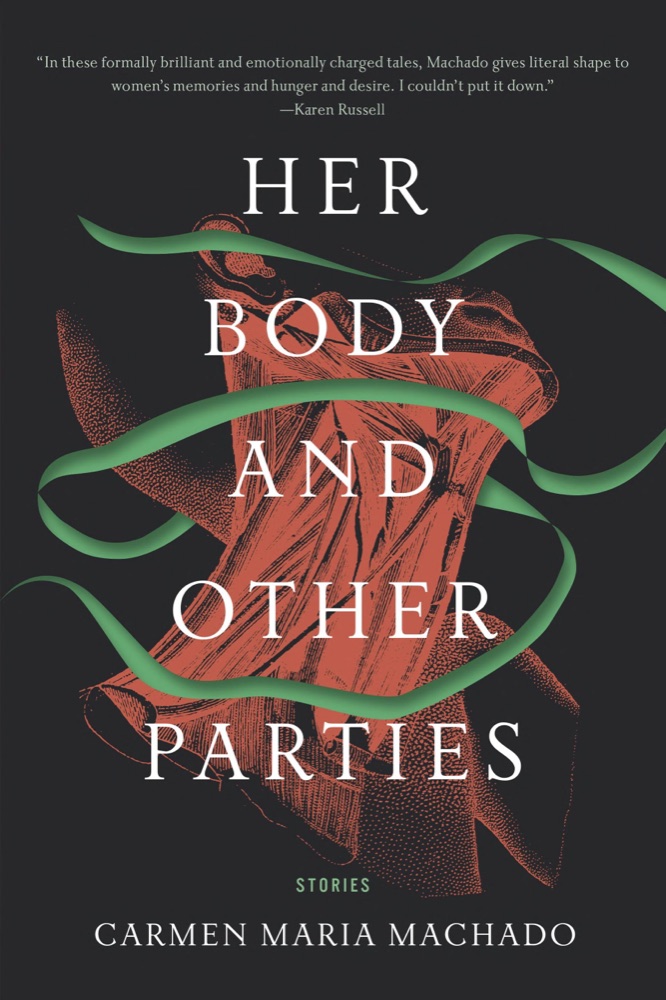 Her Body and Other Parties
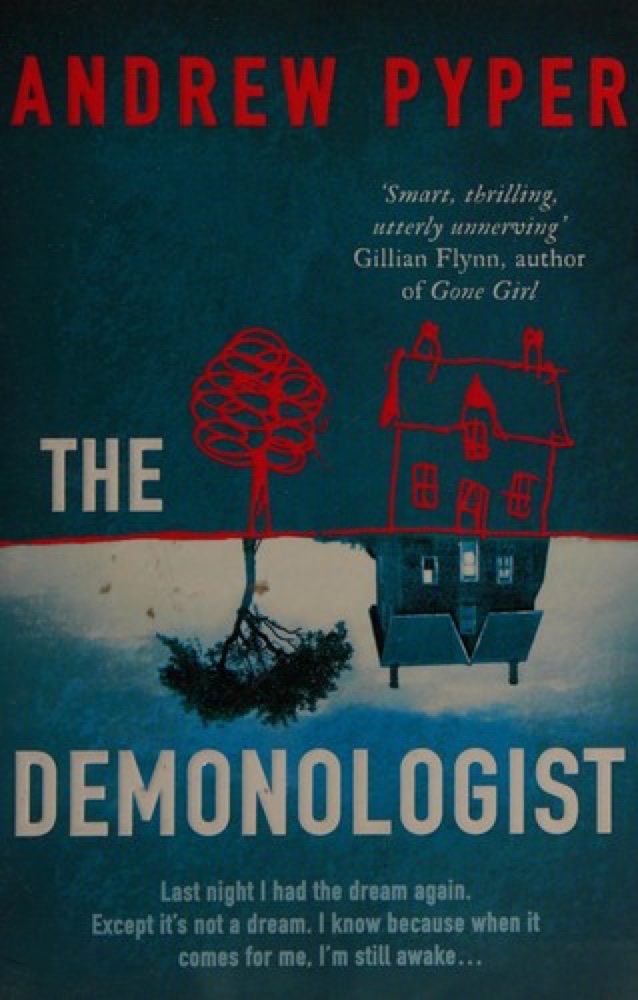 The Demonologist
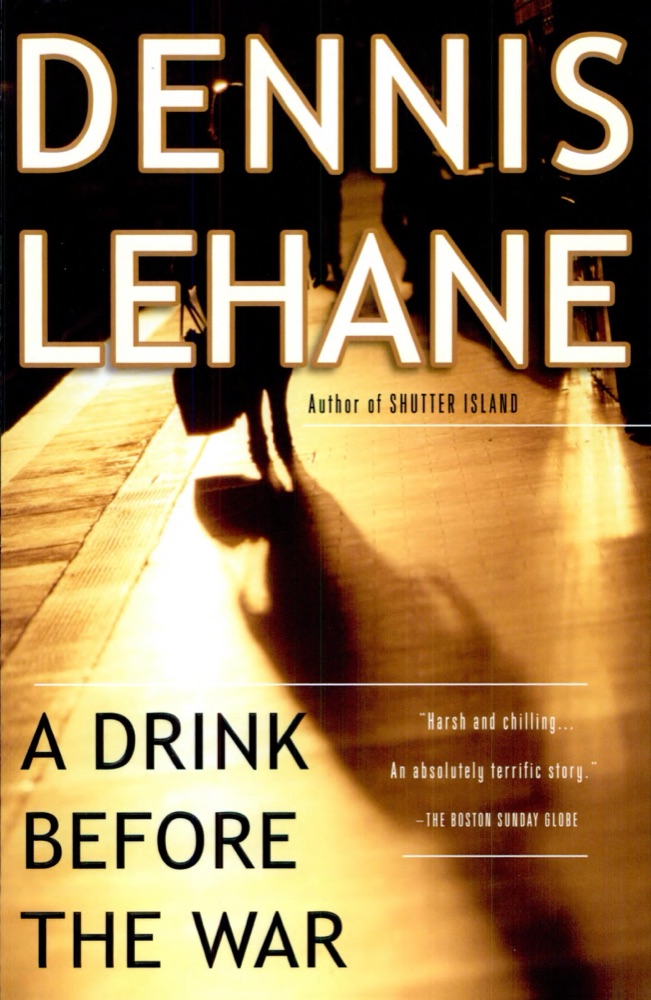 A Drink Before the War
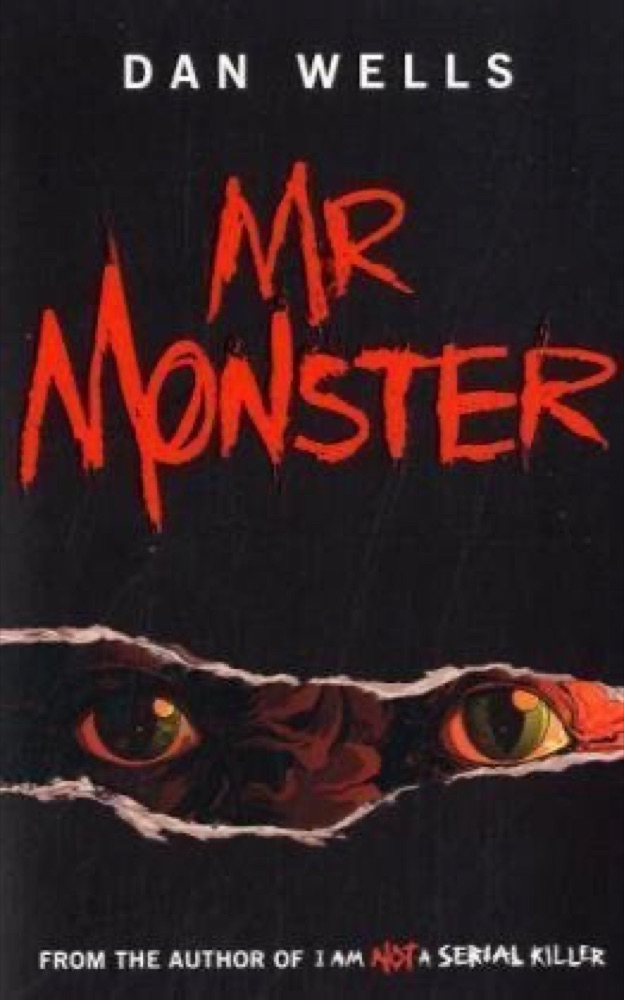 Mr. Monster
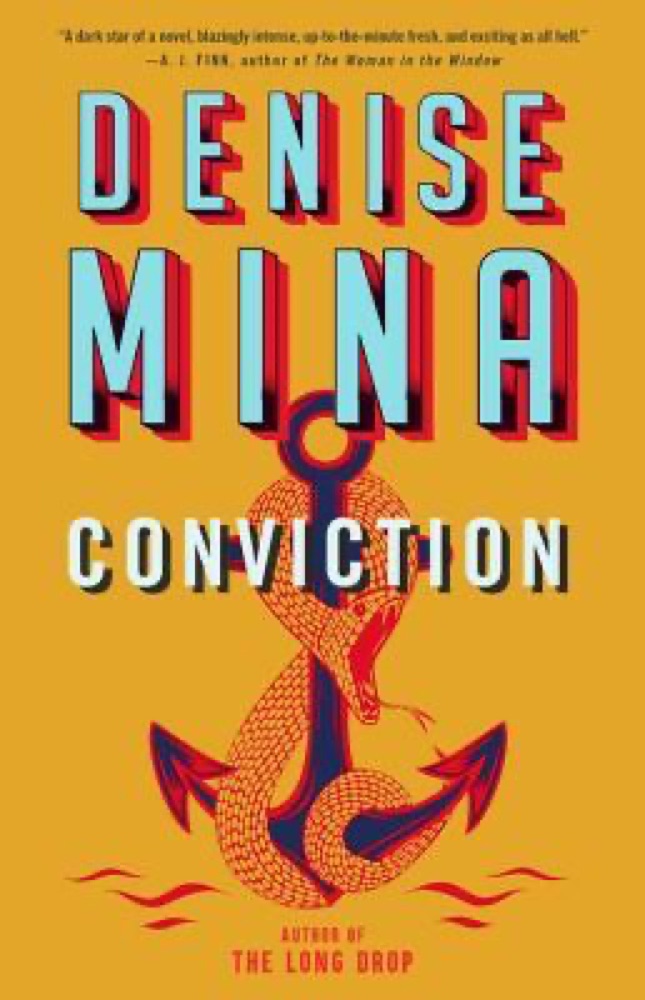 Conviction
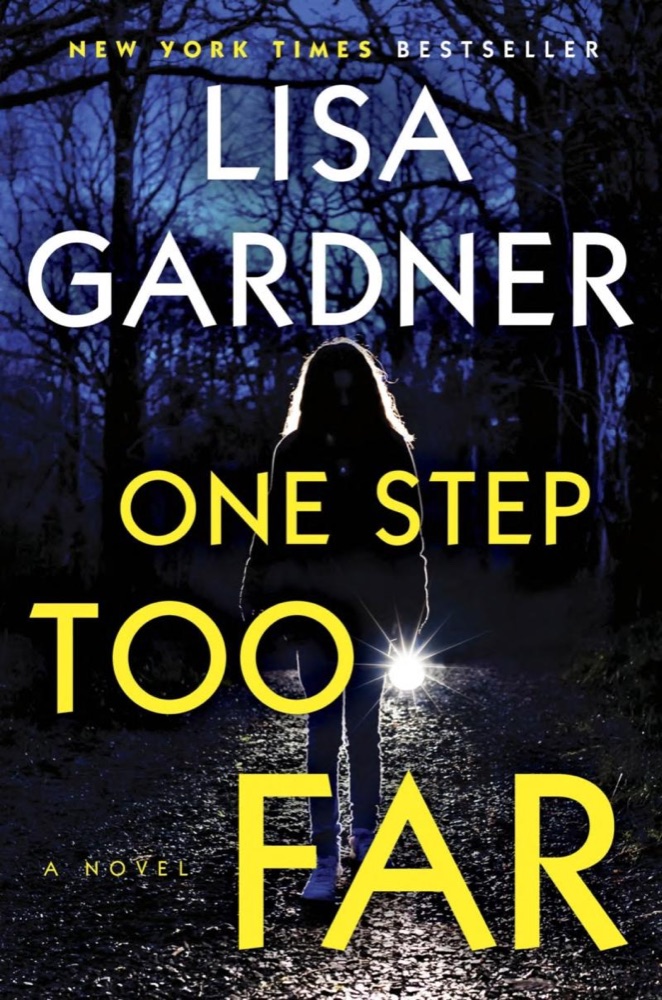 One Step Too Far
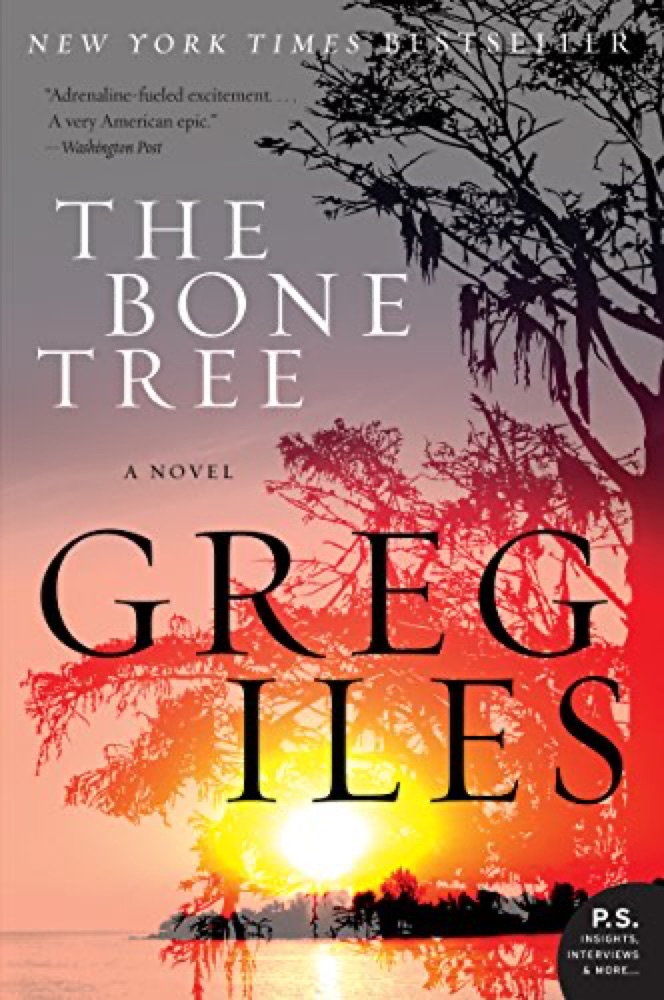 The Bone Tree
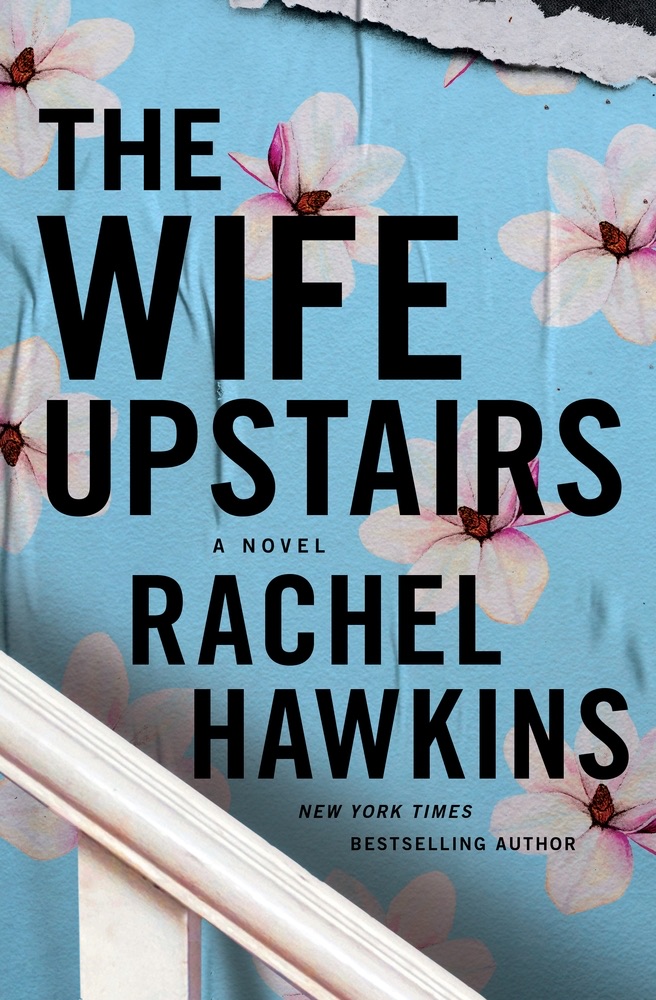 The Wife Upstairs
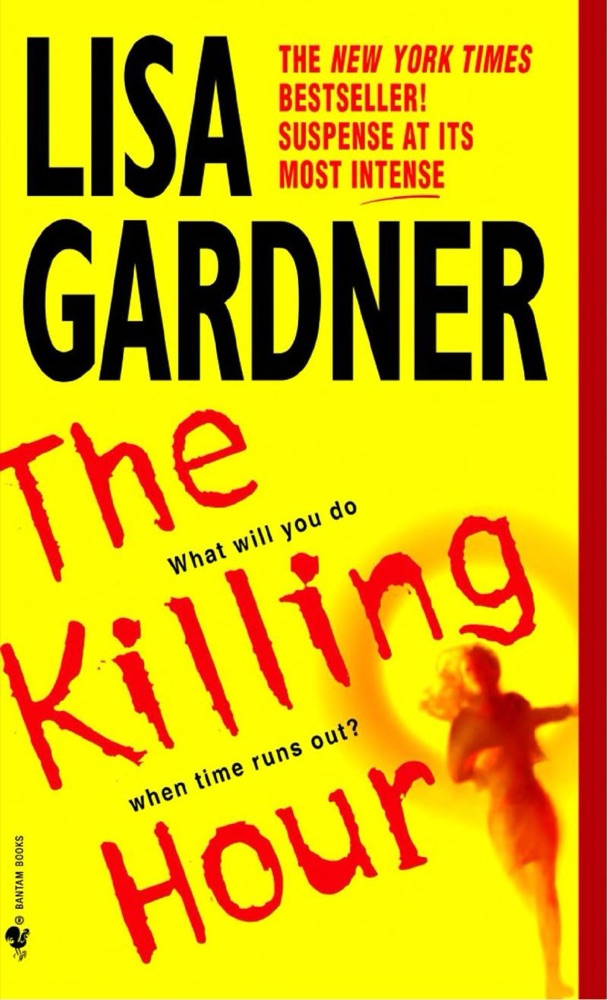 The Killing Hour
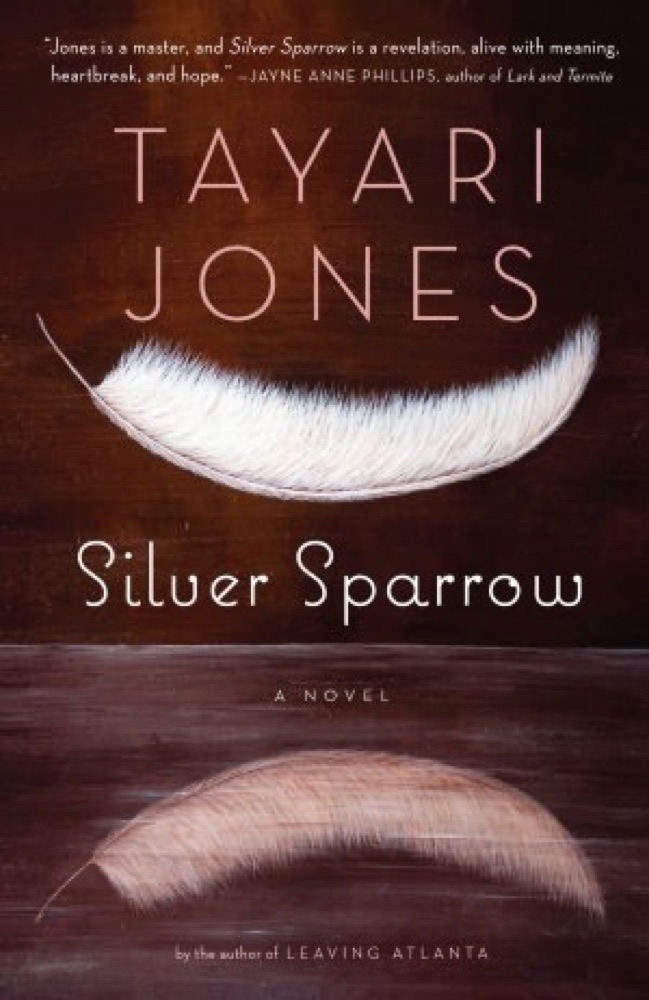 Silver Sparrow
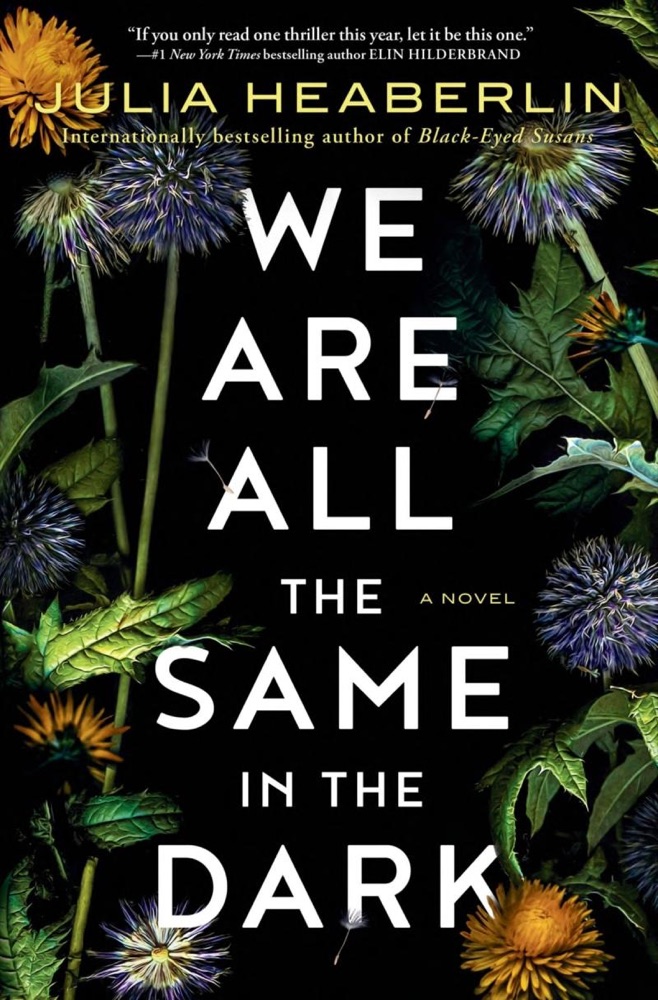 We Are All the Same in the Dark
 Rainbow Black
 Theft by Finding: Diaries 1977-2002
 Guilty Pleasures
 She Who Waits
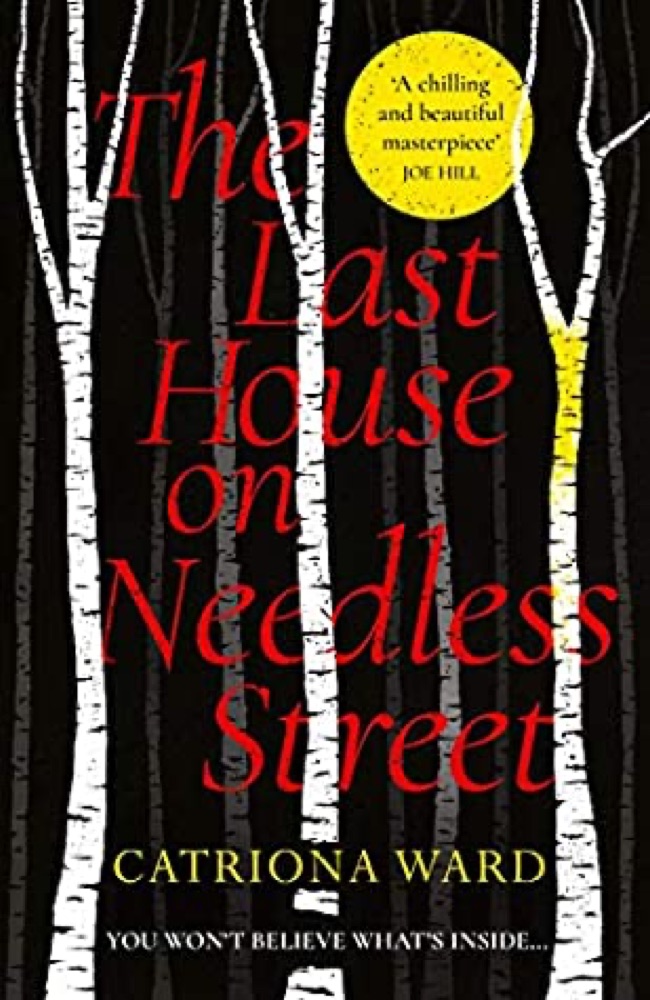 The Last House on Needless Street
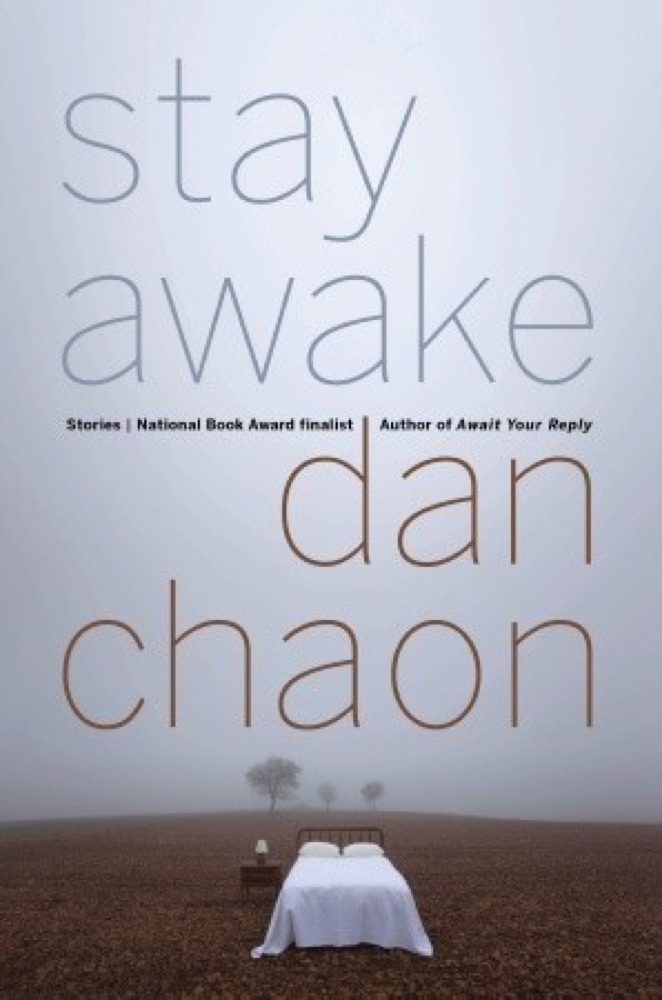 Stay Awake
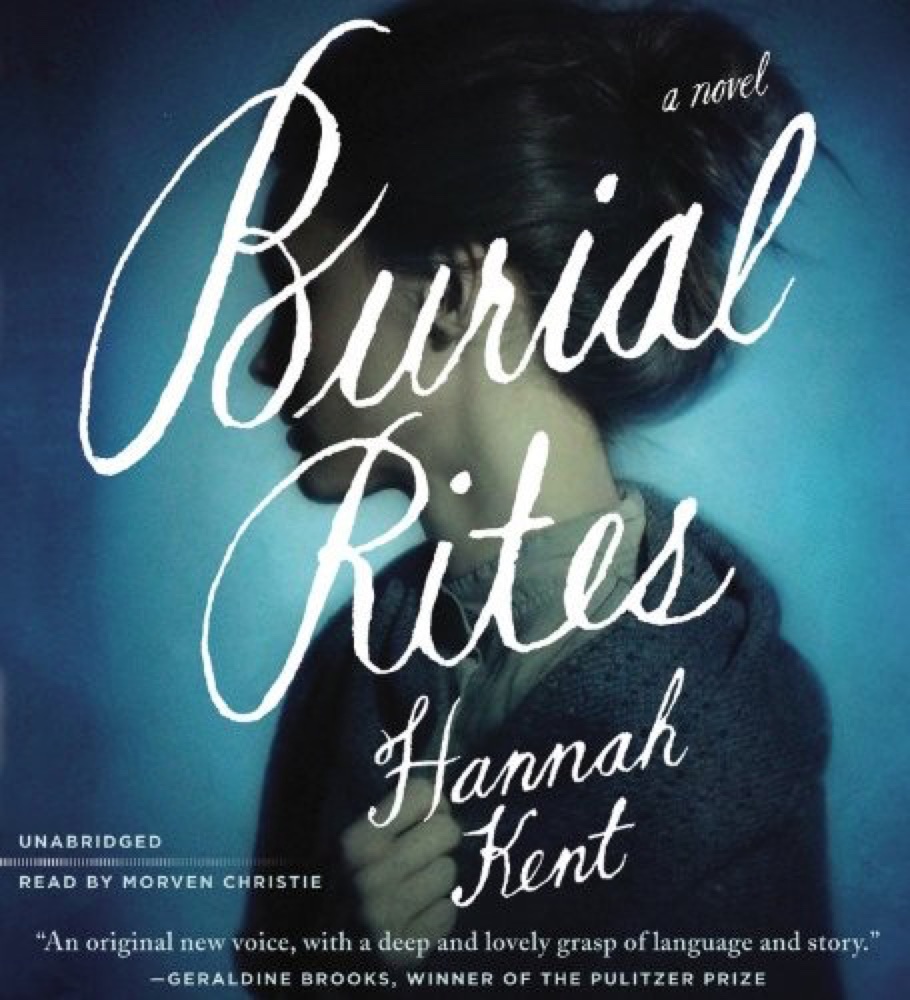 Burial Rites
 Alias Grace
 Black Coffee Blues
 Good as Gone
 Robicheaux
 Jane Steele
 The Girl Before
 Daughter of Deep Silence
 The Blind Assassin
 The Black Dahlia
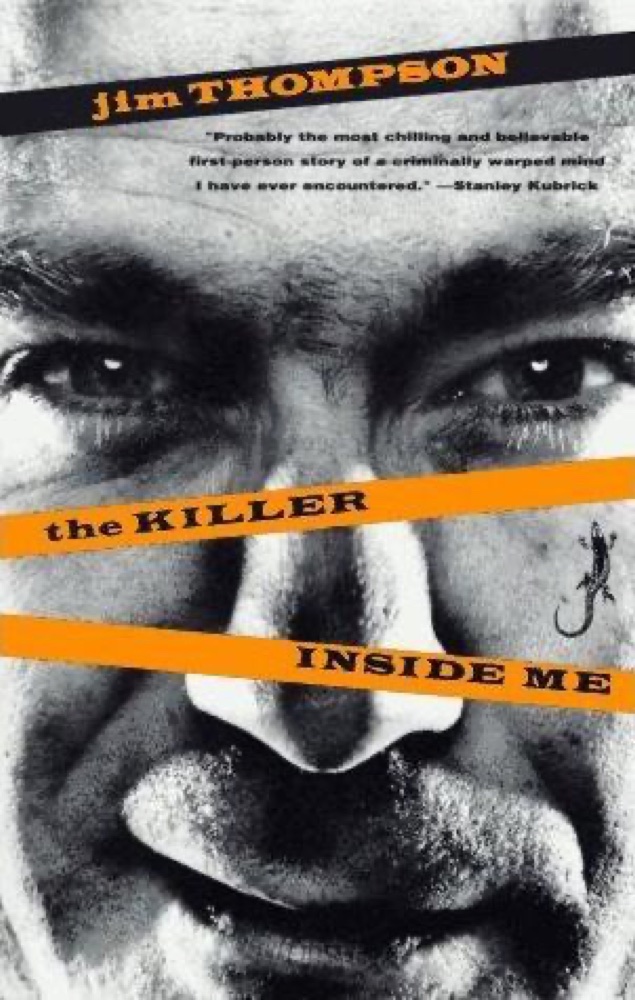 The Killer Inside Me