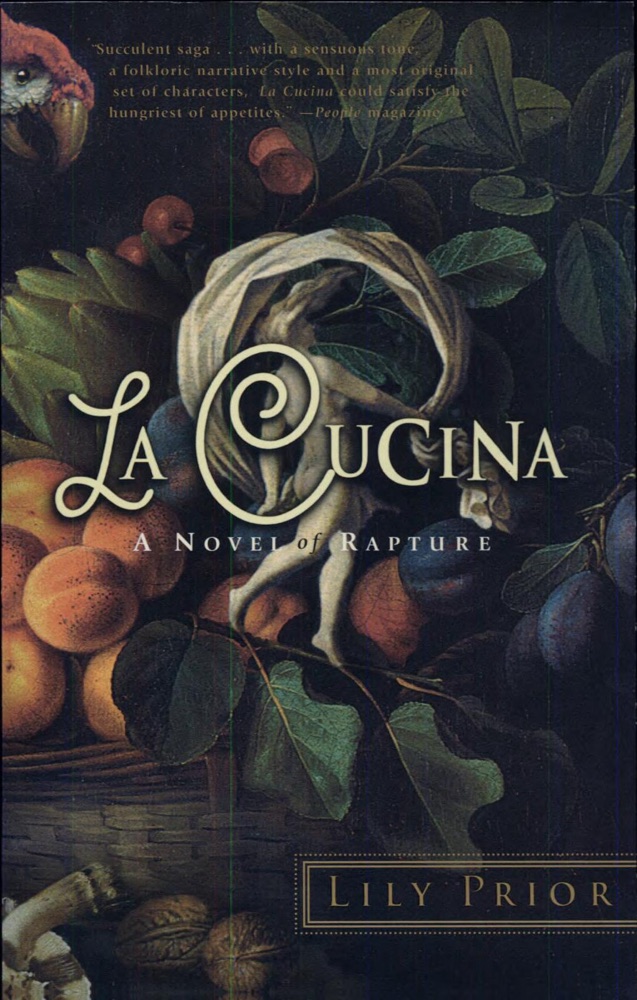

 The Food of Love
Quotes from the Book
I spent another sleepless night in my apartment and in the early hours of the morning I snuck once more into my little kitchen, to prepare a huge torta di ricotta. I needed a cheesecake: it was the only thing that could give me the peace of mind I craved. Had I been too hasty in offering to give l'Inglese lessons? I asked myself, as I ground green almonds with my pestle. The power of my wrist quickly turned the almonds to powder. If only I could grind my worries away as easily. I beat the ricotta, egg yolks, honey, sugar, lemon juice, and rind into the almonds. I beat and beat and beat the mixture until a sweat formed on my brow and my body began to glow with warmth. Even then I did not stop beating. I welcomed the exhaustion that began to creep up on me: I could feel the healing power of my cooking. Really I knew nothing about l'Inglese. Nothing at all. Except that everything about him spelled danger to an inexperienced woman like me. I was afraid of him, yet could not bear the thought of not seeing him again. I was always thinking of him, imagining our next meeting: amusing myself with every possible scenario. I whisked the egg whites into peaks in a matter of seconds. I reasoned that I had been right to speak out to him when I did. I knew how I would have hated myself if I had let the moment slip by. I knew how wretched and foolish I would have felt at my impotence, and yet this turbulence inside me was almost as bad. Acrobatic butterflies fluttered in my stomach, however much I tried to feed them into submission. When the torta had baked to a golden, angel-scented crust, and after waiting impatiently for it to cool, I helped myself to a large slice with a thick dollop of cream. Ooh, it was good. I mopped up every crumb from the plate with my finger. Then I switched out the lights and climbed back into bed. I resigned myself to the thought that what was done could not be undone and drifted into a lemon-flavored sleep.
2
The pollo alla Messinese, a sumptuous dish of chicken smothered in a tuna-flavored mayonnaise that I produced, would have fed three hundred guests at a wedding. Unfortunately there was to be no wedding. Following the chicken incident, Mama banned me from slaughtering any more animals, so I turned to the dairy instead. I made salty ricotta by boiling sheep's milk with salt and skimming the whey with a bunch of twigs in the old tradition, just as Nonna Fiore had taught me. The ricotta I too made in great quantities, storing it in barrels in the roof of the cowshed.
1
I began by preparing my pasta: my deft fingers forming the intricate shapes of rigatoni, ravioli, spiralli, spaghetti, cannelloni, and linguini. Then I would brew sauces of sardines, or anchovies or zucchini or sheep's cheeses, of saffron, pine nuts, currants, and fennel. These I would simmer in the huge iron cauldrons, which were constantly bubbling above the fire. My pasta dishes, I have to say, were famous throughout the province, and the scent of my sauces carried by the breeze was sufficient to fill a poor man's stomach. I also kneaded bread and produced the finest pane rimacinato, the most delicious ciabatta and focaccia that had ever been tasted in the region. Sometimes I would add wild thyme to the dough, or fragrant rosemary; plucked fresh from the hedgerow, with the dew still on the leaves.
1
La cucina bears the scents of its past, and every event in its history is recorded with an olfactory memorandum. Here vanilla, coffee, nutmeg, and confidences; there the milky-sweet smell of babies, old leather, sheep's cheese, and violets. In the corner by the larder hangs the stale tobacco smell of old age and death, while the salty scent of lust and satiation clings to the air by the cellar steps along with the aroma of soap, garlic, beeswax, lavender, jealousy, and disappointment.
1
The gardens at Acquasanta was the nearest place to paradise that I had ever seen. Well-trimmed palm trees and sweet-smelling pines were interspersed with fruit trees bearing oranges, lemons, grapefruits, and kumquats. The branches bowed down under the weight of the golden fruit. Low box hedges bordered the flower gardens. There were cornflowers and sweet peas and arum lilies. Terra cotta pots the size of men trailed trains of ivy and overflowed with pink geraniums.
Then together we prepared a magnificent tonno alla Siracusa, fresh from the sea. I showed l'Inglese how to slice little incisions in the fragrant flesh of the fish and fill them with a mixture of crushed garlic, cloves, and coriander. I loved the way he wielded a knife with the flamboyant gestures of his beautiful hands. Everything this man did with his hands had me fascinated. Once the fish was well stuffed with the garlic mixture, we added it to the pan containing the onions we had already softened. Tomatoes, white wine vinegar, and oregano were added next, and while the dish cooked it fill the air with a sumptuous aroma of garlic, herbs, and wine. This heady cocktail stimulated the passions of the hungry and impatient cooks.
I wanted to show him how to make a timballo. This baroque dish exemplifies the style of cooking from the island's aristocratic past, known as cucina baronale. Its main ingredient is macaroni, which, until the eighteenth century, was a celebratory food that only the very wealthy could afford to eat. The macaroni is mixed with mushrooms, onions, tomato paste, chicken livers, wine, cheese, and ham and then formed into a pie with a melting pastry crust. It is a complicated dish, so we tend to make it only on special occasions.
We wandered the entire length of the street market, stopping to buy the provisions I needed for the lunch dish I wanted to prepare to initiate l'Inglese into the real art of Sicilian cuisine. I took l'Inglese around the best stalls, teaching him how to choose produce, livestock, game, fish, and meat of the highest quality for his dishes. Together we circled among the vegetable sellers, who were praising their heaps of artichokes, zucchini still bearing their yellow flowers, spikes of asparagus, purple-tinged cauliflowers, oyster mushrooms, and vine tomatoes with their customary cries: "Carciofi fresci." "Funghi belli." "Tutto economico." I squeezed and pinched, sniffed, and weighed things in my hands, and having agreed on the goods I would then barter on the price. The stallholders were used to me, but they had never known me to be accompanied by a man. Wild strawberries, cherries, oranges and lemons, quinces and melons were all subject to my scrutiny. The olive sellers, standing behind their huge basins containing all varieties of olives in brine, oil, or vinegar, called out to me: "Hey, Rosa, who's your friend?" We made our way to the meat vendors, where rabbits fresh from the fields, huge sides of beef, whole pigs and sheep were hung up on hooks, and offal and tripe were spread out on marble slabs. I selected some chicken livers, which were wrapped in paper and handed to l'Inglese to carry. I had never had a man to carry my shopping before; it made me feel special. We passed the stalls where whole tuna fish, sardines and oysters, whitebait and octopus were spread out, reflecting the abundant sea surrounding our island. Fish was not on the menu today, but nevertheless I wanted to show l'Inglese where to find the finest tuna, the freshest shrimps, and the most succulent swordfish in the whole market.
At three I was in my little kitchen preparing a dish of formaggio all' Argentiera. I fried slices of caciocavallo cheese with garlic until it had just melted and then sprinkled this with wine vinegar and fresh oregano before piling it onto a thick slice of rustic bread.
As the umbrellas went up in a sudden flowering, the sun came out, and we were glad. The pigeons flapped and scratched and cooed; there were shiny puddles on the sidewalk; dogs sniffed the freshly washed scents. Pink powder puffs hung from the trees; wind blew. Poor bedraggled Rosa. The umbrella always seemed blow itself inside out. It was difficult to carry the packages from the market and the umbrella at the same time. I kept juggling. I wouldn't allow myself to drop the fresh eggs, no. Or the green cauliflower, ripe yet firm. The delicate rose-colored tuna wrapped in paper; silky skin, so tender to the touch. It was essential to get to market early, before work, while everything was fresh, before it had been picked over and pawed by housewives. I loved my daily visits to the market, seeing all of nature's bounty beautifully arranged for me to choose from. The aroma of the fresh peas, mint, and basil mingled with the smell of raw meat hanging at the butcher's and reminded me of my early life on the farm.
For two months I bottled oranges and apricots, peaches and pears, raspberries and nectarines, plums and figs in a rich sugar syrup laced with lemon zest. I pickled olives and cucumbers in brine, and packed mushrooms, pepperoni, artichokes, and asparagus in jars with olive oil. I made jams and preserves of berries and fruits, which then lined the shelves on the walls in the cellar, each one labeled in my own hand and bearing the date of my agony.
Here you have your spaghetti, which, with a delicious sauce of ripe tomatoes, basil, sleek eggplant, and ricotta you will eat for lunch, when office workers, acrobats, and slaughtermen return home for the siesta and for a few brief hours the restless city sleeps.
Watch on YouTube
About Lily Prior
We have collected 12 quotes from 1 book by Lily Prior on BookQuoters.
More about the author →About the book
Exuberant and touching, La Cucina is a magical evocation of life's mysterious seasons and the treasures found in each one. It celebrates family, food, passion, and the eternal rapture of romance.
Since childhood, Rosa Fiore -- daughter of a sultry Sicilian matriarch and her hapless husband -- found solace in her family's kitchen. La Cucina, the heart of the family's lush estate, was a place where generations of Fiore women prepared sumptuous feasts and where the drama of extended family life was played out around the age-old table.
When Rosa was a teenager, her own cooking became the stuff of legend in this small community that takes pride in the bounty of its landscape and the eccentricity of its inhabitants. Rosa's infatuation with culinary arts was rivaled only by her passion for a young man, Bartolomeo, who, unfortunately, belonged to another. After their love affair ended in
Book details
- First published
- 2000
- Author
- Lily Prior
- Genre
- Fiction
- Goodreads rating
- 3.44 (3k ratings)
Keep reading
The Food of Love
 The Book of Unholy Mischief
 An Appetite for Violets
 Vianne
 My Magnolia Summer
 A Thousand Days in Tuscany: A Bittersweet Adventure
 My Fine Fellow
 Bitter Greens
 The Strawberry Thief
 The Chocolatier
 Recipes for Love and Murder
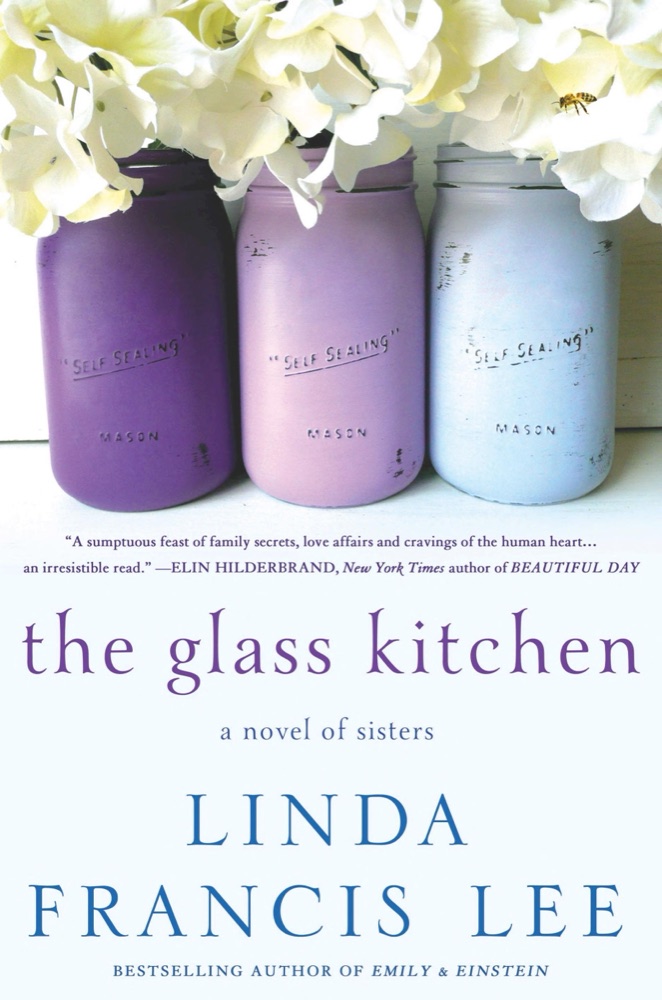 The Glass Kitchen
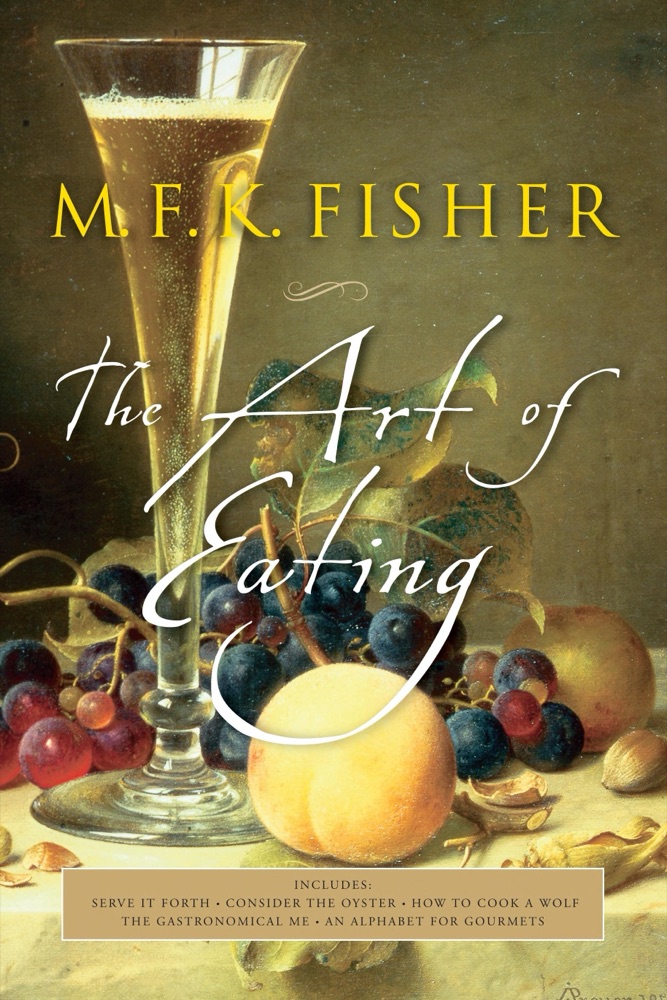 The Art of Eating
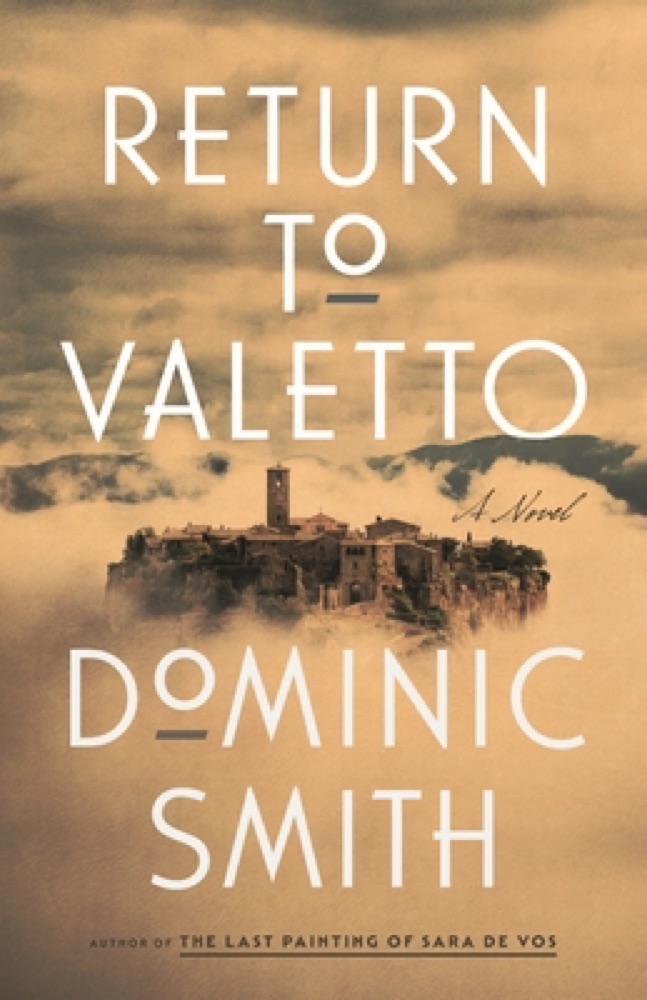 Return to Valetto
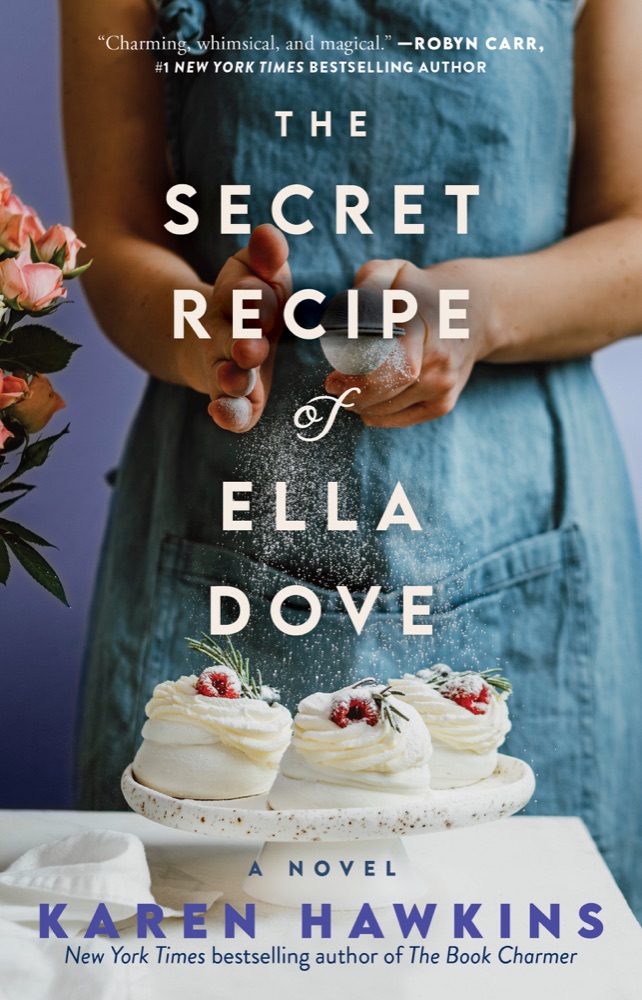 The Secret Recipe of Ella Dove
 When in Doubt, Add Butter
 Cinnamon and Gunpowder
 Aftertaste
 The School of Essential Ingredients
 The Kindred Spirits Supper Club
 The Witches of Cambridge
 Land of Milk and Honey
 Brunch at Bittersweet Café
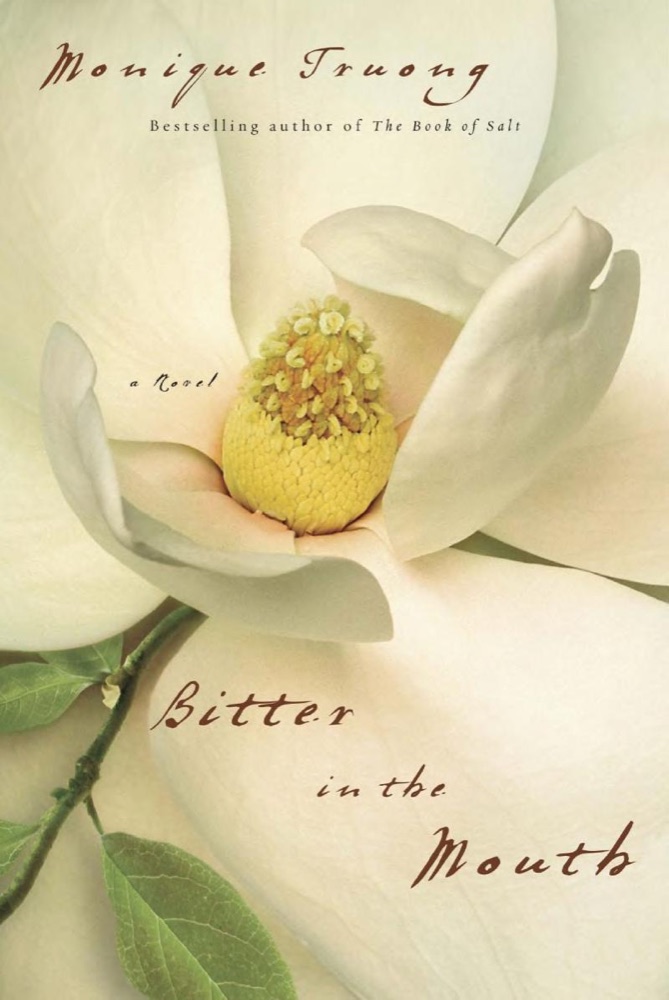 Bitter in the Mouth
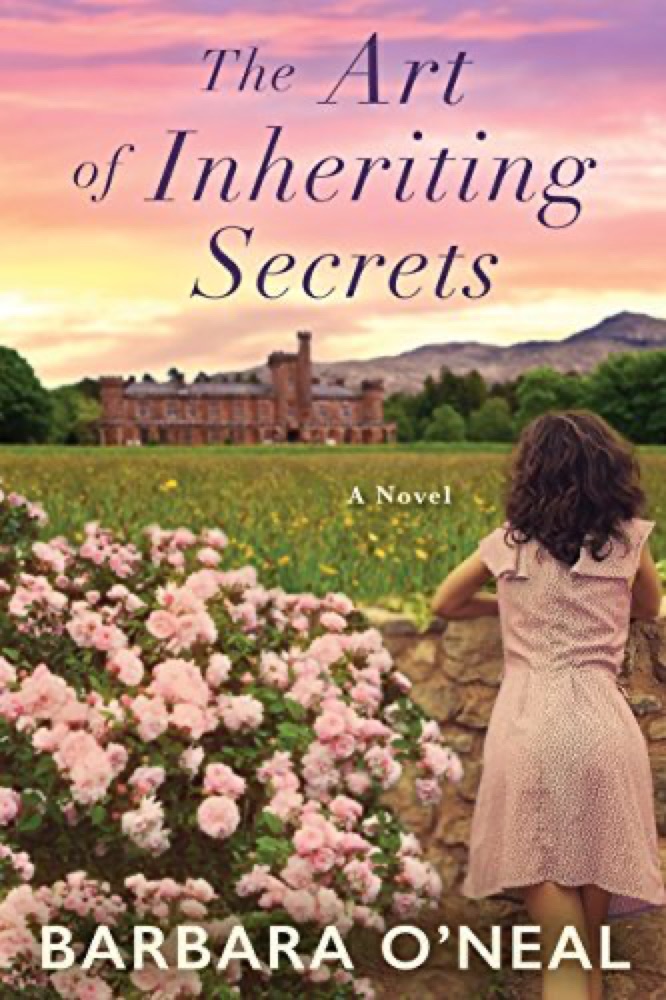 The Art of Inheriting Secrets
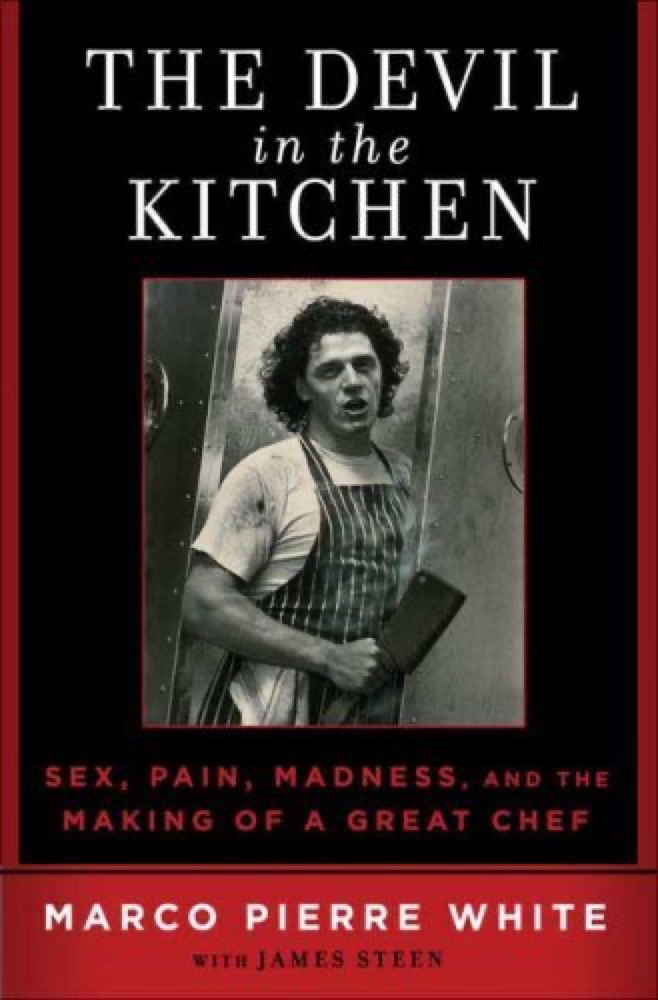 The Devil in the Kitchen: Sex, Pain, Madness and the Making of a Great Chef
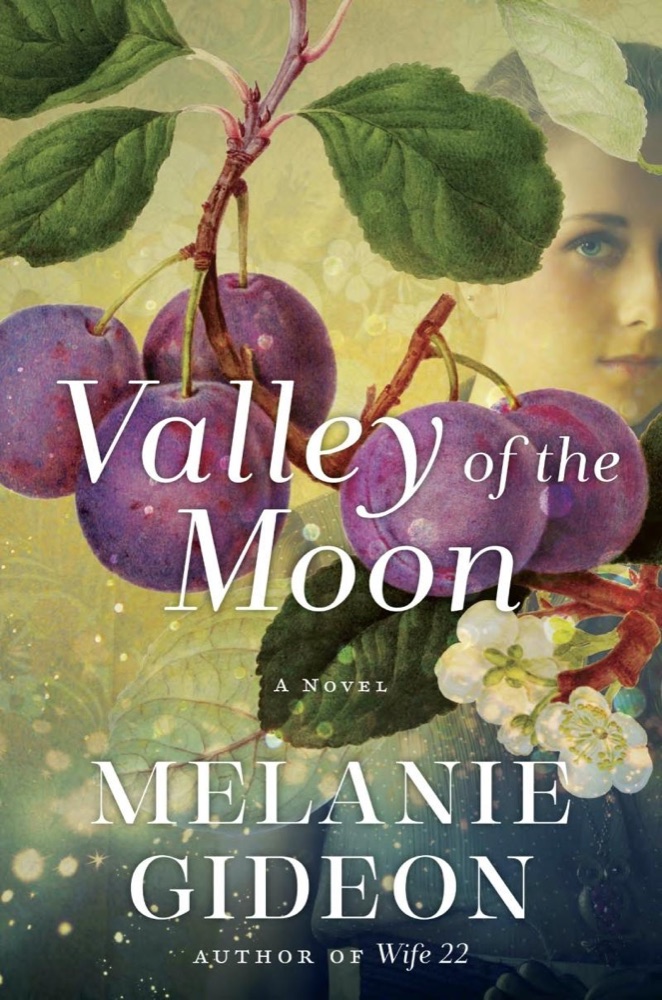 Valley of the Moon
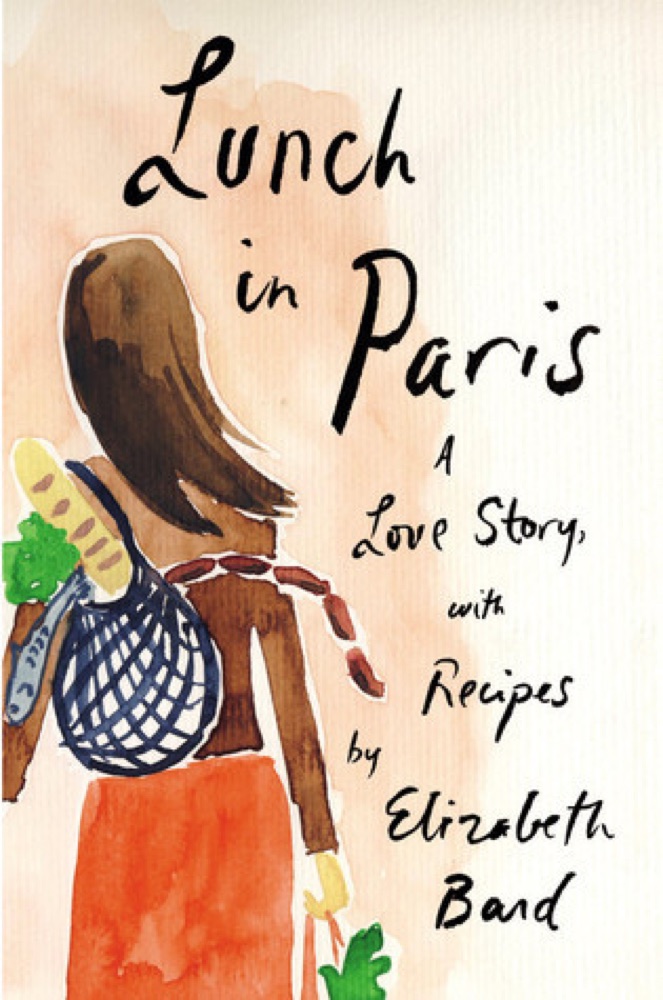 Lunch in Paris: A Love Story, with Recipes
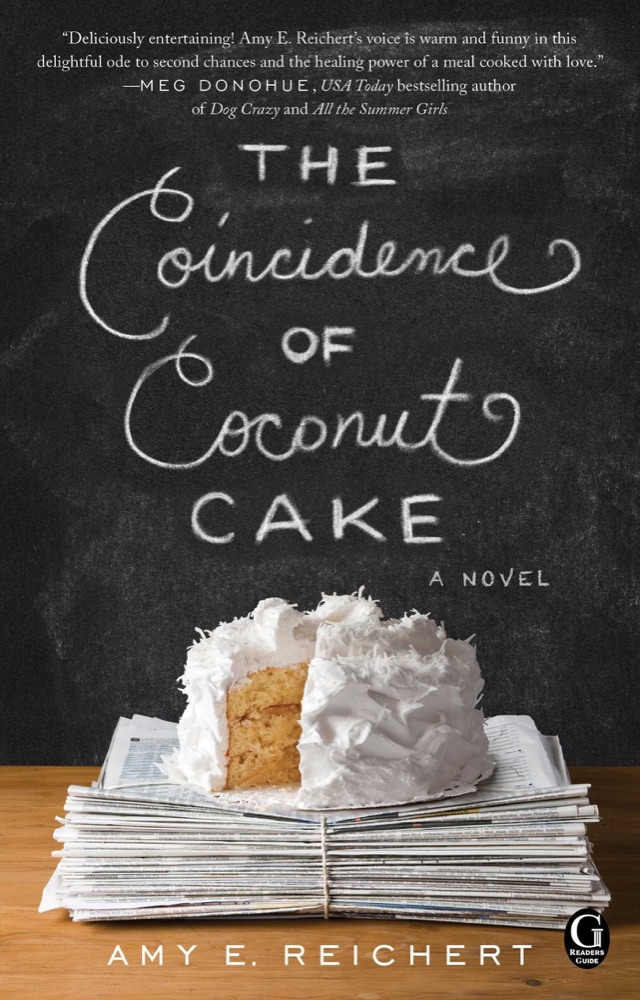 The Coincidence of Coconut Cake
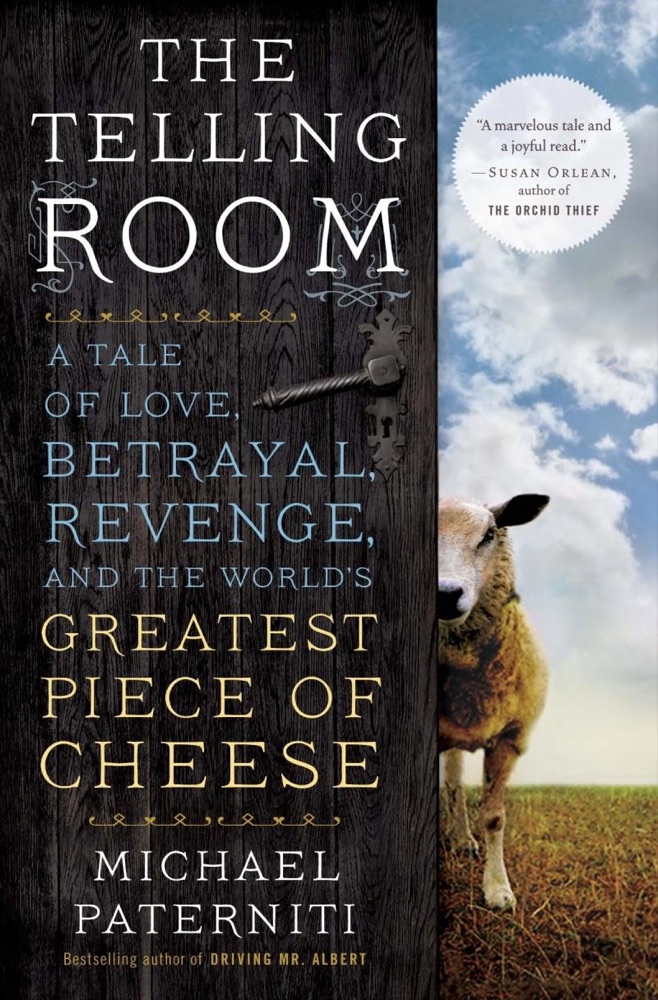 The Telling Room: A Tale of Love, Betrayal, Revenge, and the World's Greatest Piece of Cheese
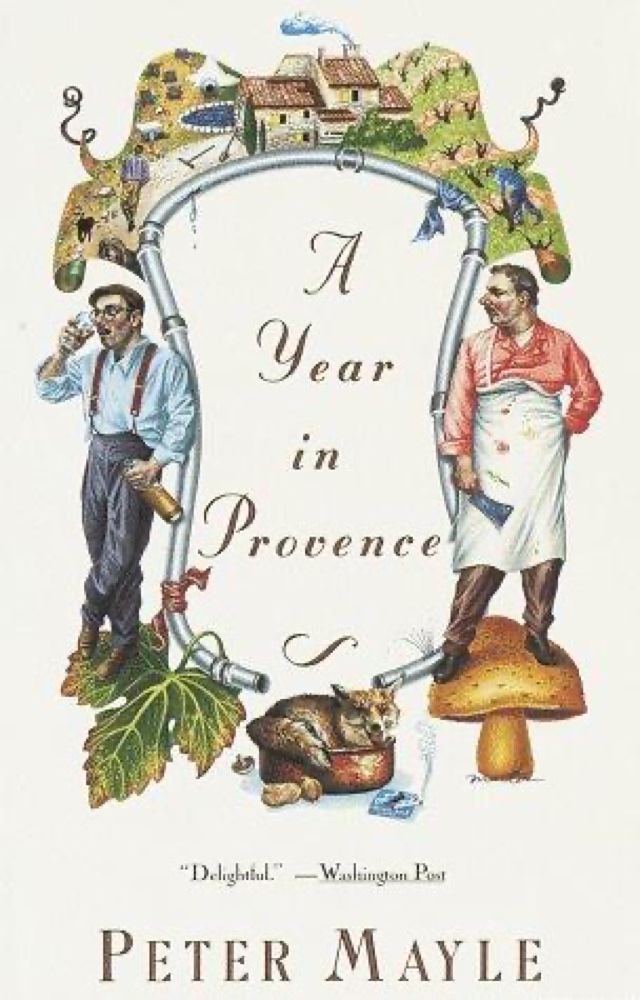 A Year in Provence
 From Scratch: A Memoir of Love, Sicily, and Finding Home
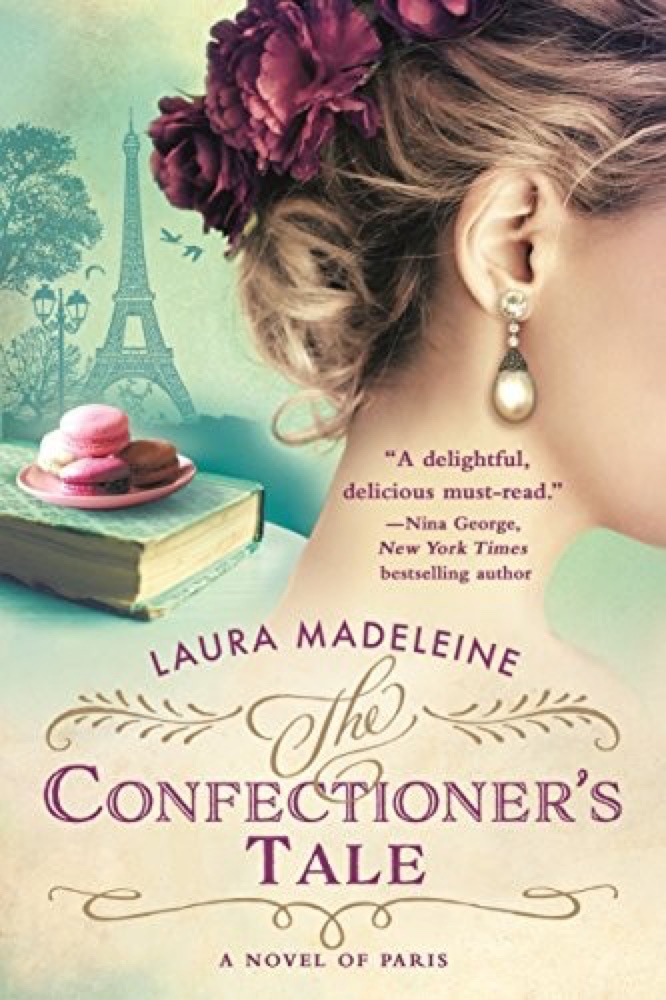 The Confectioner's Tale
 Dracula in Love
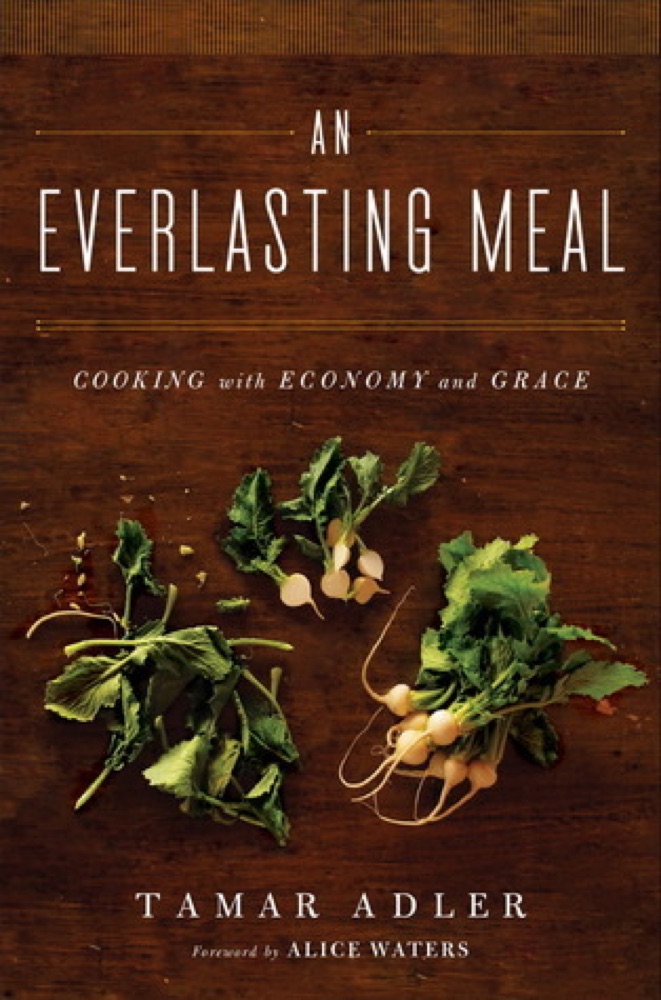 An Everlasting Meal: Cooking with Economy and Grace
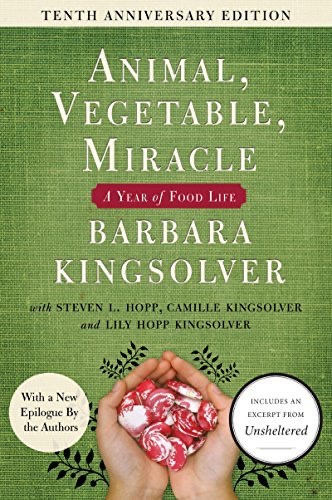 Animal, Vegetable, Miracle: A Year of Food Life
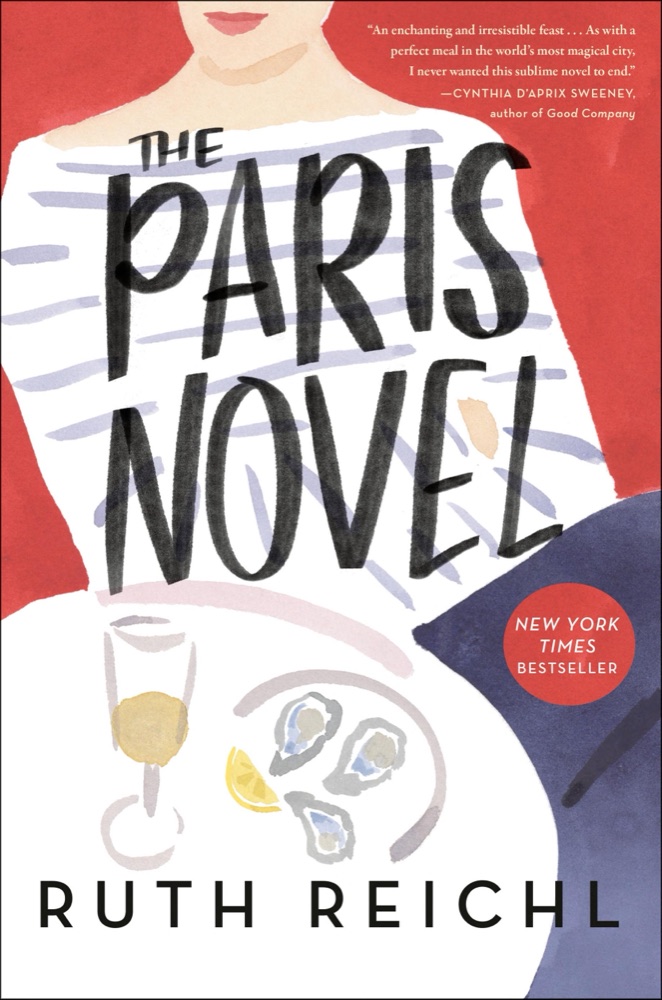 The Paris Novel
 The Forbidden Garden
 Dinner at the Night Library
 Midnight Chicken: & Other Recipes Worth Living For
 Cooked: A Natural History of Transformation
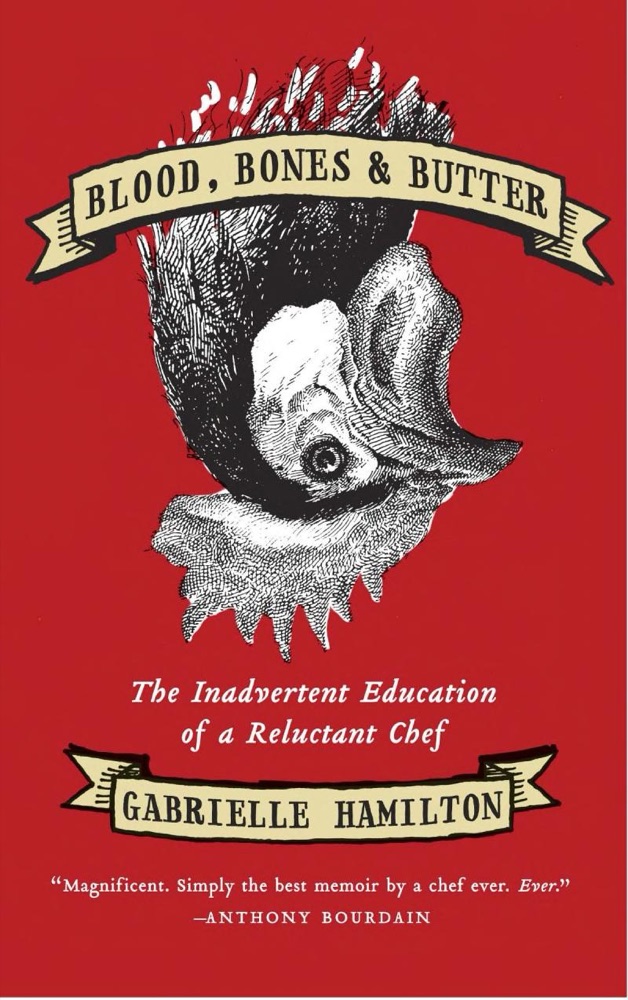 Blood, Bones, and Butter: The Inadvertent Education of a Reluctant Chef
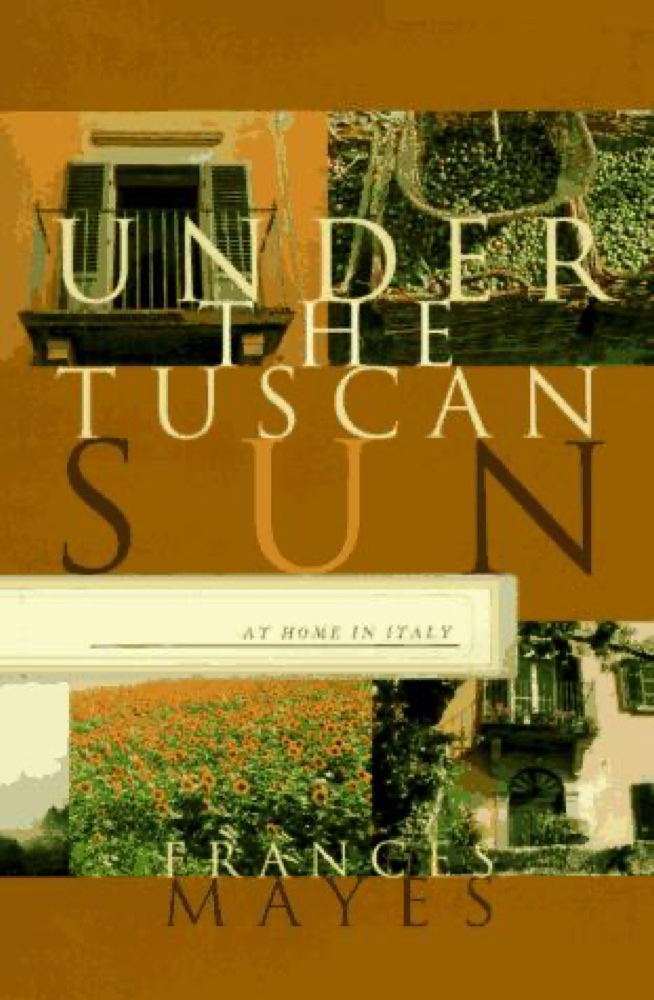 Under the Tuscan Sun
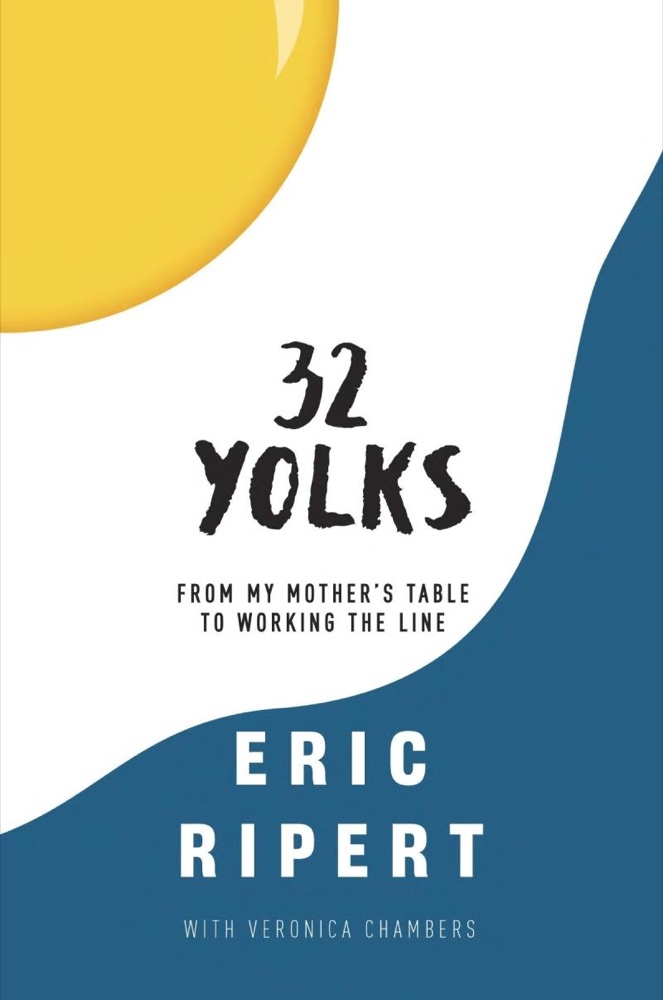 32 Yolks: From My Mother's Table to Working the Line
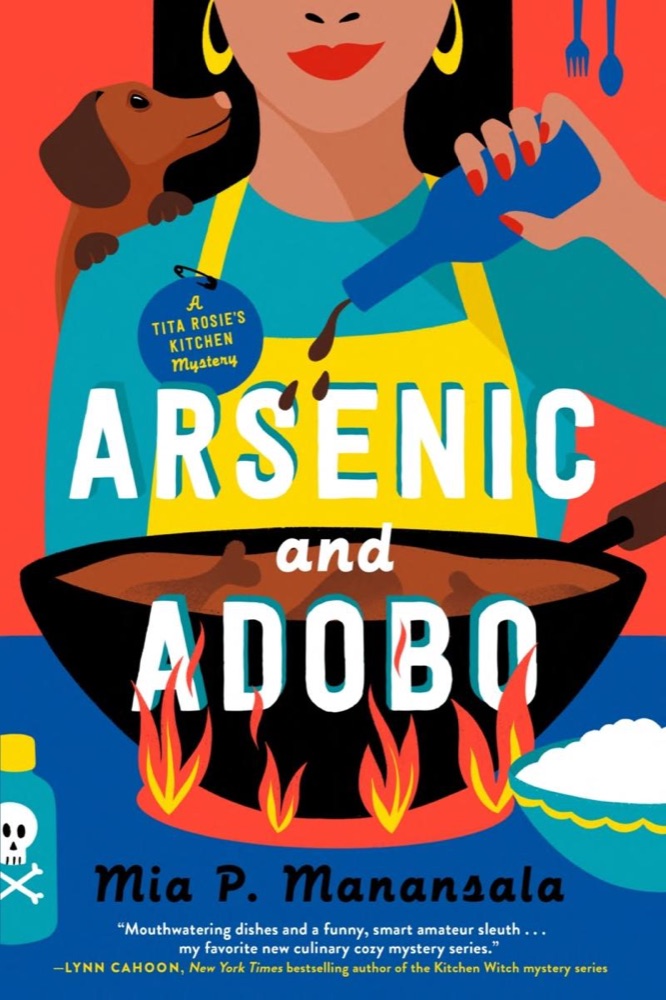 Arsenic and Adobo
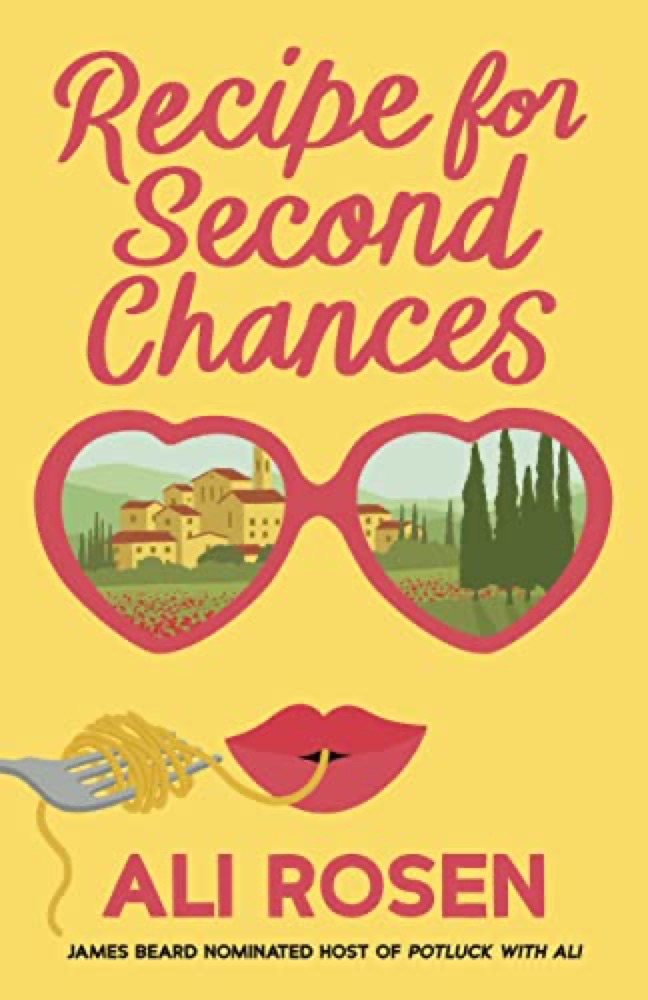 Recipe for Second Chances
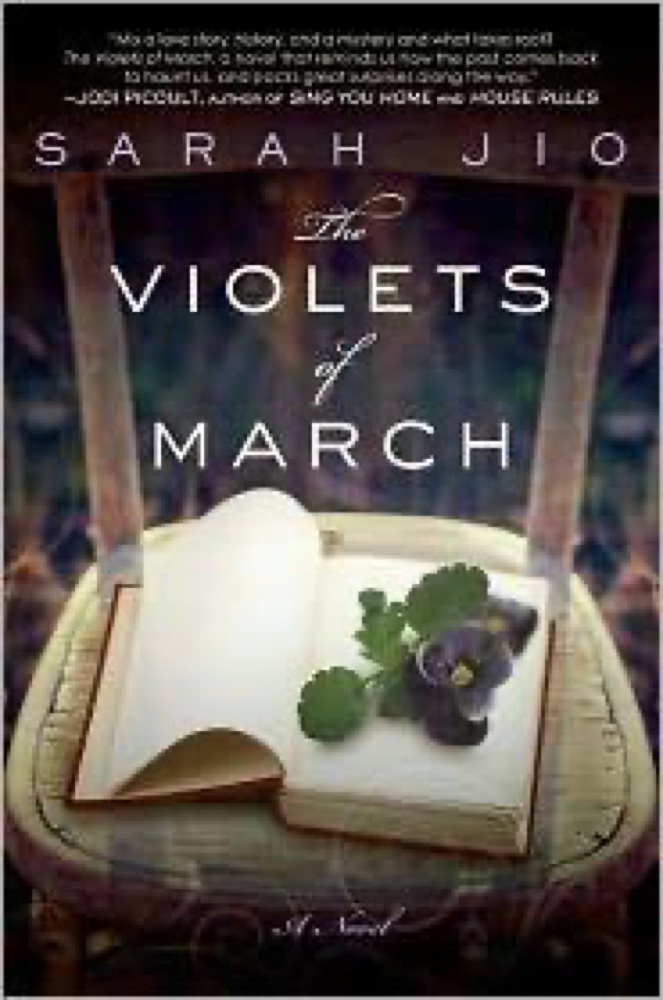 The Violets of March
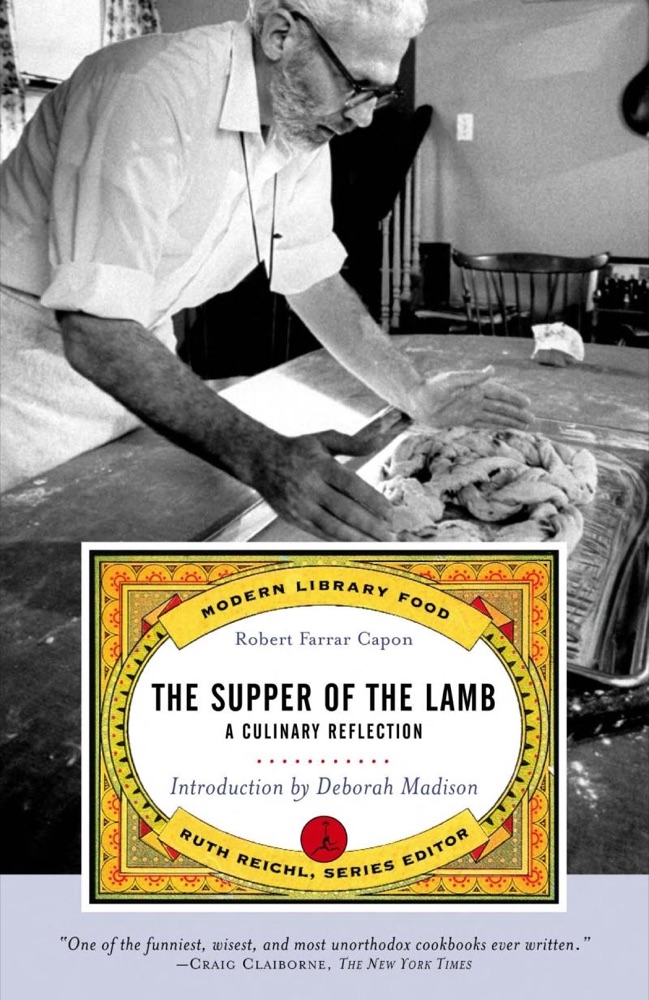 The Supper of the Lamb: A Culinary Reflection
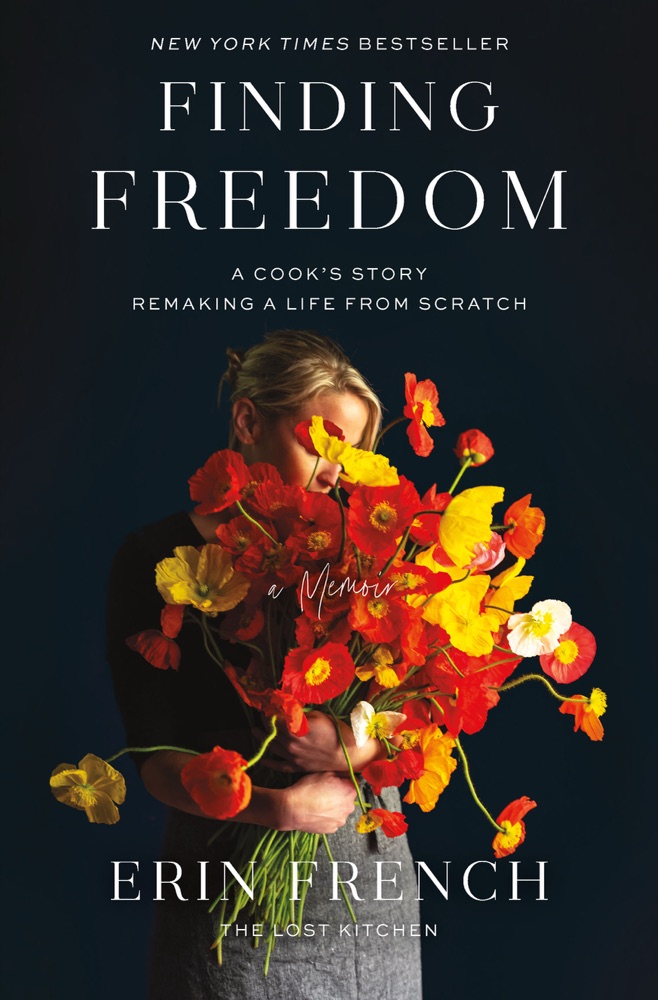 Finding Freedom: A Cook's Story; Remaking a Life from Scratch
 The Violet Hour
 A Cook's Tour: Global Adventures in Extreme Cuisines
 Buttermilk Graffiti: A Chef’s Journey to Discover America’s New Melting-Pot Cuisine
 Crescent
 Love & Gelato
 For Butter or Worse
 Garlic and Sapphires: The Secret Life of a Critic in Disguise
 The Sharper Your Knife, the Less You Cry: Love, Laughter, and Tears at the World's Most Famous Cooking School
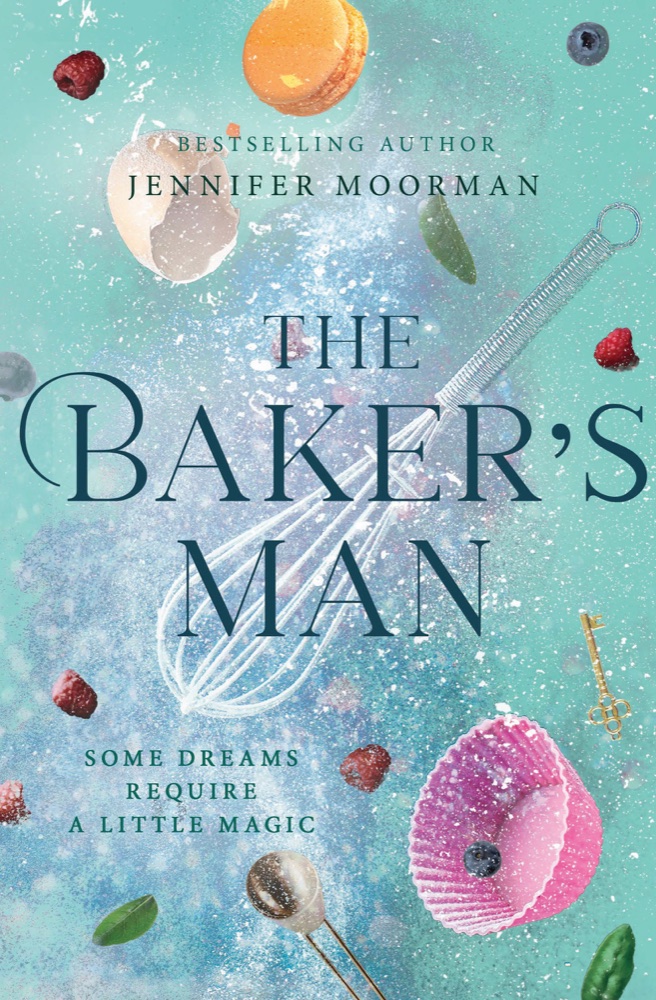 The Baker's Man
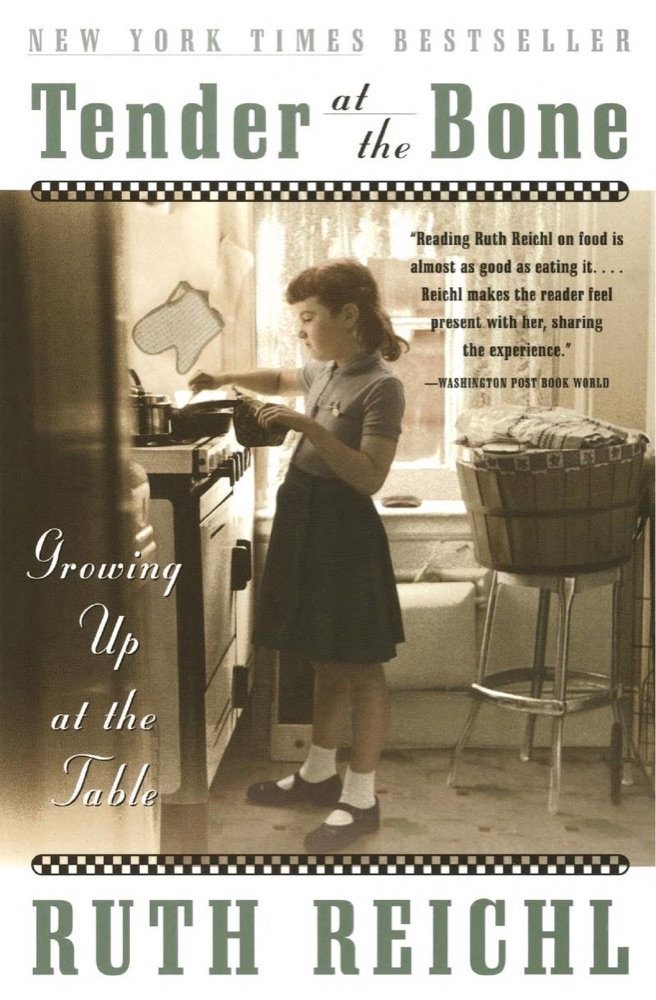 Tender at the Bone: Growing Up at the Table
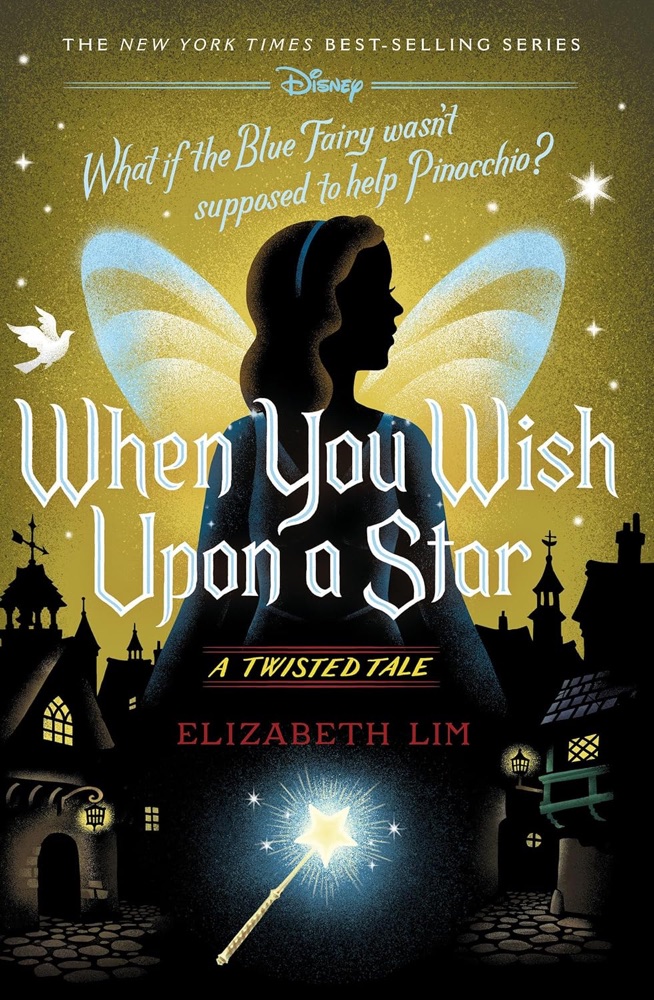 When You Wish Upon a Star