
 Broken Harbor
Quotes from the Book
The thing is, I suppose,” he said, “that one gets into the habit of being oneself. It takes some great upheaval to crack that shell and force us to discover what else might be underneath.
22
Then all the sharp intricate peaks on the monitor smoothed out to clean straight lines and my father made a terrible growling sound, but even without any of that I would have known, because the air around us had split open and whirled and re-formed itself and there was one less person in the room.
10
But we’re so desperate, aren’t we, to believe that bad luck only happens to people who deserve it.
8
Once the fear took hold, I was fucked. I'd never known anything like it could exist: all-consuming, ravenous, a whirling black vortex that sucked me under so completely and mercilessly that it truly felt like I was being devoured alive, bones splintered, marrow sucked.
4
what if I never got another day in my life when I was normal again?
3
knew straightaway, from his smile, that he wasn’t a doctor; I’d already got the hang of the doctors’ smiles, firm and distancing, expertly calibrated to tell you how much time was left in the conversation.
3
Unreadable stares everywhere, all of them pulsing with danger,
2
Now I think I was wrong. I think my luck was built into me, the keystone that cohered my bones, the golden thread that stitched together the secret tapestries of my DNA; I think it was the gem glittering at the fount of me, coloring everything I did and every word I said. And if somehow that has been excised from me, and if in fact I am still here without it, then what am I? Acknowledgments I owe huge thanks to the amazing Darley Anderson and everyone at the agency, especially Mary, Emma, Pippa, Rosanna and Kristina; Andrea Schulz, my wonderful editor, whose enormous skill, patience and wisdom have made this book so much better than I thought it could be; Ben Petrone, who is just plain great, and everyone at Viking; Susanne Halbleib and everyone at Fischer Verlage; Katy Loftus, for her faith in this book and for putting her finger on the one thing that would make the most difference; my brother, Alex French, for the computer bits and for sending me the link to the case of Bella in the Wych Elm; Fearghas Ó Cochláin, for the medical bits; Ellen at ancestrysisters.com, for genealogy help; Dave Walsh, for his enormous help with the intricacies of police procedure; Ciara Considine, Clare Ferraro and Sue Fletcher,
2
It’s taken me this long to start thinking about what luck can be, how smoothly and deliciously deceptive, how relentlessly twisted and knotted in on its own hidden places, and how lethal.
2
but all it takes is one whiff of the right smell—jasmine, lapsang souchong, a specific old-fashioned soap that I’ve never been able to identify—or one sideways shaft of afternoon light at a particular angle, and I’m lost, in thrall all over again.
2
Lord, we know what we are, but know not what we may be.
2
I didn’t know you even could get arrested in Amsterdam
2
The pictures are good, Toby. They’re good. But this is the only way, no one’ll ever look twice if they come from me, I went to art school—
2
Honestly it wasn’t Susanna I was tired of, not really; it was me, wronged innocent, white knight, cunning investigator, killer, selfish oblivious dick, petty provocateur, take your pick, what does it matter? it’ll all change again
2
The button developed a life of its own, swollen with symbolism, a single chance at salvation pulsing redly in the corner and if I blew it too soon or left it too late then I was lost.
2
But even when the fear receded for a while, it was always there: dark, misshapen, taloned, hanging somewhere above and behind me, waiting for its next moment to drop onto my back and dig in deep.
1
But I can’t help it: for me it all goes back to that night, the dark corroded hinge between before and after, the slipped-in sheet of trick glass that tints everything on one side in its own murky colors and leaves everything on the other luminous, achingly close, untouched and untouchable.
1
The stuff he did to me, the stuff that felt like it was turning me into someone else? It didn't actually change who I was at all. I was always ruthless. It was just a question of what it would take to bring it out.
1
Praise for The Witch Elm “‘I’ve always considered myself to be, basically, a lucky person.’ That’s the first line of Tana French’s extraordinary new novel. . . . Here’s a things-go-bad story Thomas Hardy could have written in his prime. . . . The book is lifted by French’s nervy, almost obsessive prose. . . . This is good work by a good writer. For the reader, what luck.” —Stephen King, The New York Times Book Review “Tana French is at her suspenseful best in The Witch Elm. . . . [Her] best and most intricately nuanced novel yet. . . . She is in a class by herself as a superb psychological novelist. . . . Get ready for the whiplash brought on by its final twists and turns.” —Janet Maslin, The New York Times “Like all of her novels, it becomes an incisive psychological portrait embedded in a mesmerizing murder mystery. [French] could make a Target run feel tense and revelatory.” —Los Angeles Times “Like all of French’s novels, The Witch Elm can be swooningly evocative. . . . Even if Toby isn’t on the Dublin Murder Squad, the events in The Witch Elm spur his great, transformative upheaval. The discovery they force on him revolves around one question: Whose story is this? By the time French is done retooling the mystery form—it seems there’s nothing she can’t make it do, no purpose she can’t make it serve—the answer is
1
They’re unsettled and they’re frightened, and what they want from me isn’t the lovely presents, any more; it goes much deeper. They’re afraid that they’re not who they always thought they were, and they want me to find them reassurance
1
Worrying had always seemed to me like a laughable waste of time and energy; so much simpler to go happily about your business and deal with the problem when it arose, if it did, which it mostly didn’t.
1
It should have felt even more horrifying this way—targeted, stalked, hunted down—but it didn’t. If they had come after me specifically, for something I’d done or something I had, then I wasn’t just roadkill, not just some object to be mown down because it happened to be in their way: I was real, a person; I had been the crucial factor at the heart of the whole thing, rather than a meaningless irrelevance to be ignored, tossed aside. And if I was a person within all this, then I could do something about it.
1
Every kid has a right to some rebellion. I’d been angelic all through school. It evens out.
1
And even if I somehow didn’t: I had killed someone, and I always would have. It was always going to be like this. There was no undoing this, no talking my way out, no fixing it or apologizing it away, no smoothing off the sharp edges or planing it down so it could be tucked away into some smaller, manageable box. Instead it would grind me away till I fit around its own immutable shape.
1
I’m going to bet on someone’s wife hooking up with the guy next door,’ I said. The villainous nuns would have made better TV-movie fodder, but they sounded like a pretty big stretch to me. ‘Just playing the odds.
1
At first I barely recognized it as a person; stripped of substance by the bright sunfall through the leaves, flutter of white T-shirt, confusing gold swirl of hair, white brushstroke face and dense dark smudges of eyes, it had something illusory about it, as if my mind had conjured it from patches of light and shadow and at any moment it might break up and be gone.
1
a solid, unbreakable-looking build, like he had been cast all in one slab.
1
Did you know?
- The book was published in the United Kingdom and Ireland under the title The Wych Elm.
- It was Tana French's first standalone novel, separate from her Dublin Murder Squad series.
- Stephen King reviewed it for The New York Times and called it extraordinary.
- The central image draws on the idea of a body concealed inside a hollow elm tree.
- The novel was first published in hardcover by Viking on October 9, 2018.
About Tana French
Tana French is an American-born Irish writer and actor based in Dublin, best known for her Dublin Murder Squad crime novels beginning with In the Woods (2007). Her work is noted for its literary prose and psychological complexity.
More about the author →More by Tana French
All books by Tana French →
About the book
The Witch Elm (published in the UK as The Wych Elm) is a standalone psychological mystery by Irish author Tana French. Its narrator, Toby Hennessy, is a charming, easygoing Dublin art-gallery PR man who has always considered himself lucky. After he is badly beaten during a late-night burglary of his flat, he retreats to the Ivy House, his family's ancestral home, to recover and to help care for his dying uncle Hugo. When a human skull is discovered inside the hollow of an old wych elm in the garden, Toby's comfortable assumptions about himself and his family begin to unravel.
Beneath its whodunit frame, the novel is an extended meditation on luck, memory, privilege and empathy. Toby's brain injury has left his recollection unreliable, forcing him to question whether he can trust his own account of the past, and French uses that uncertainty to probe how a fortunate life can blind a person to the suffering of others. Themes of family loyalty, buried secrets and the way the privileged narrate their own innocence run throughout the slow-burning story.
Critics widely praised the book as a departure from and expansion of French's earlier work, singling out its psychological depth and unhurried tension. Stephen King, writing in The New York Times, called it extraordinary, and it was broadly reviewed as one of French's most ambitious novels, even as some readers noted its deliberate pacing and considerable length.
Key characters
- Toby HennessyNarrator; an art-gallery PR man recovering from a violent assault
- HugoToby's terminally ill uncle, who owns the Ivy House
- MelissaToby's girlfriend
- SusannaToby's cousin
- LeonToby's cousin
- Dominic GanlyA former schoolmate whose disappearance is central to the mystery
Book details
- First published
- 2018
- Length
- 509 pages
- Reading time
- 8 hours
- Author
- Tana French
- Genre
- Mystery
- Goodreads rating
- 3.58 (113k ratings)
- First line
- “I've always considered myself to be, basically, a lucky person.”
Critical reception
- Stephen King, in The New York Times, praised the novel as extraordinary.
- Reviewers noted it as French's first standalone novel and praised its psychological depth.
- The Irish Times reviewed the UK edition (The Wych Elm) favorably as a crime novel.
If you liked this, read…
- 1In the WoodsTana French's own debut, sharing her literary approach to crime and memory
- 2The Secret HistoryDonna Tartt's slow-burn literary mystery about privilege and a buried crime
Keep reading
 Magic for Liars
 Rainbow Black
 The Likeness
 The Last Smile in Sunder City
 The Saturday Night Ghost Club
 The Witch With No Name
 The Turn of the Screw
 Tangerine
 In My Dreams I Hold a Knife
 In the Woods
 The Dark Descent of Elizabeth Frankenstein
 The Lying Game
 The Graces
 The Death of Vivek Oji
 The Story of a New Name
 The Devil You Know
 The Tale of the Body Thief
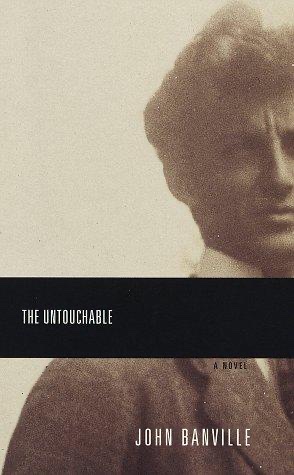 The Untouchable
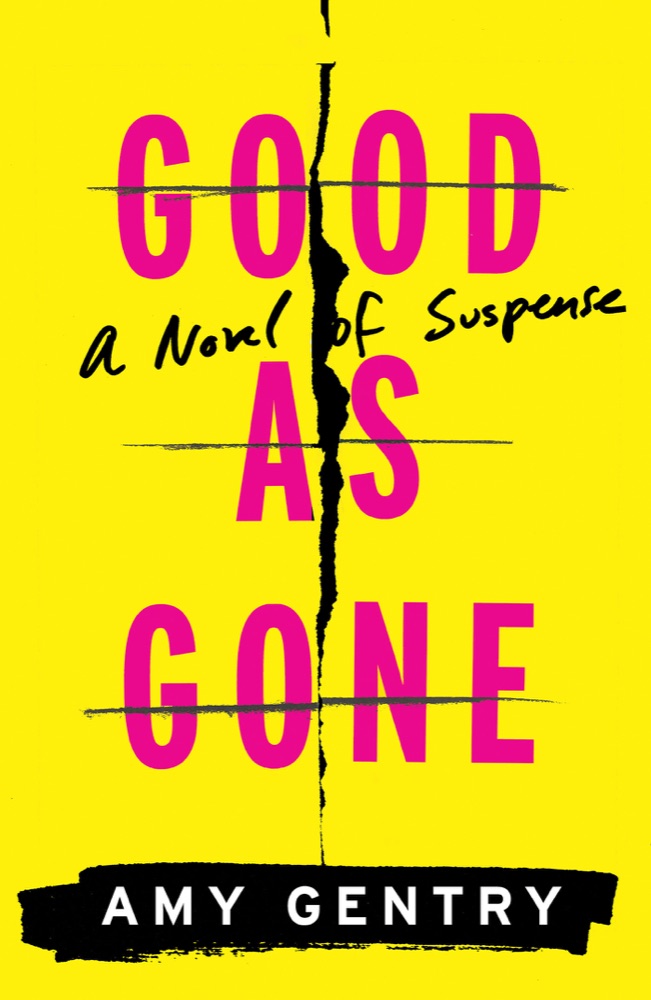 Good as Gone
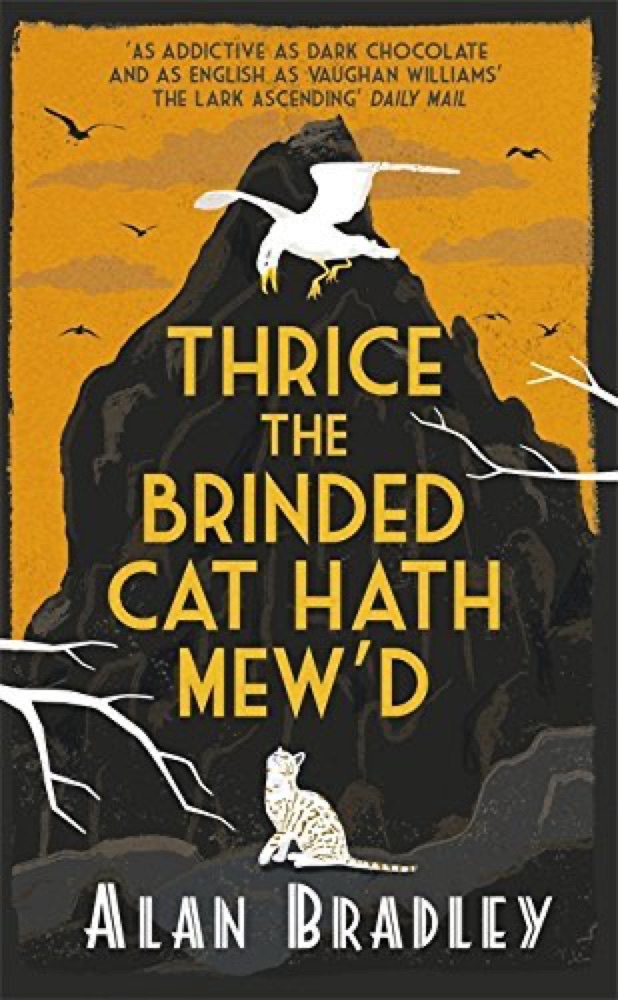 Thrice the Brinded Cat Hath Mew'd
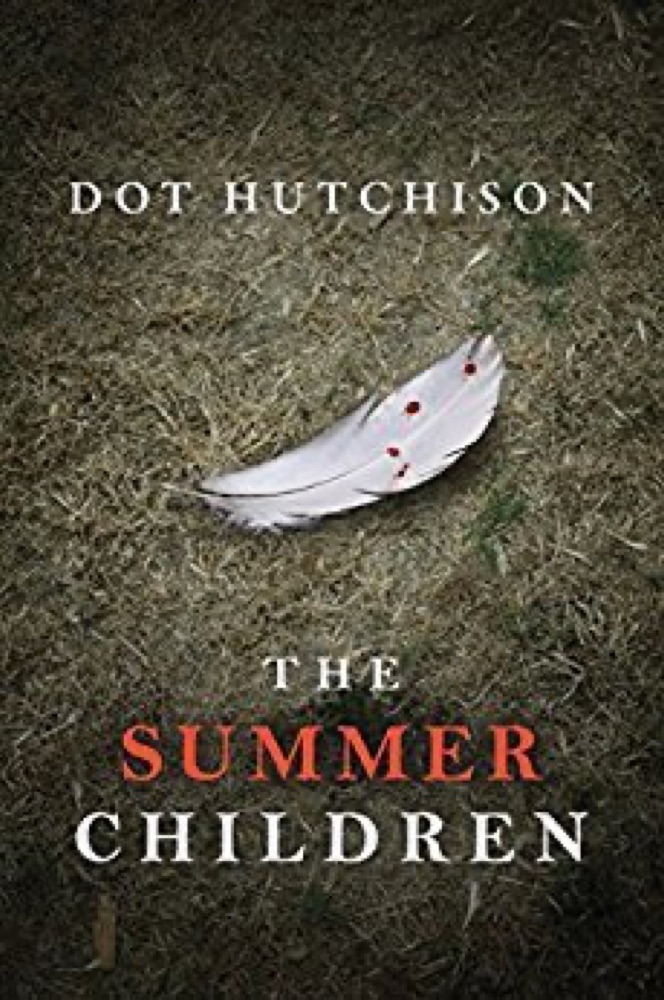 The Summer Children
 Relentless
 The Girl Before
 The Beginning of After
 Engleby
 Jane Steele
 Hemlock & Silver
 The 7½ Deaths of Evelyn Hardcastle
 House of Hollow
 The Devil Tree
 The Witching Hour
 Kissing the Witch: Old Tales in New Skins
 Dark Places
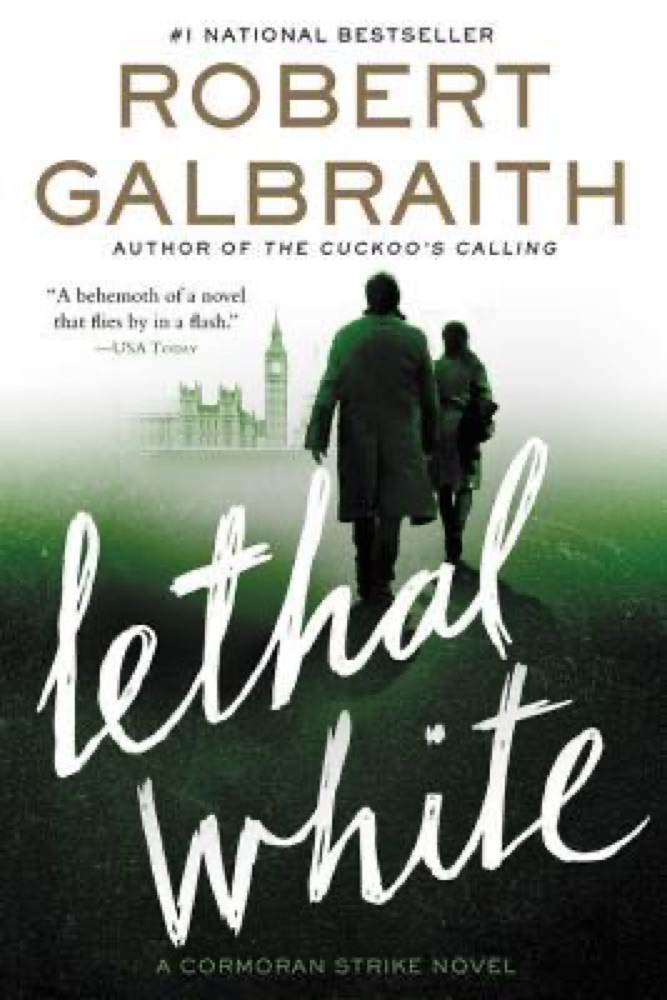 Lethal White
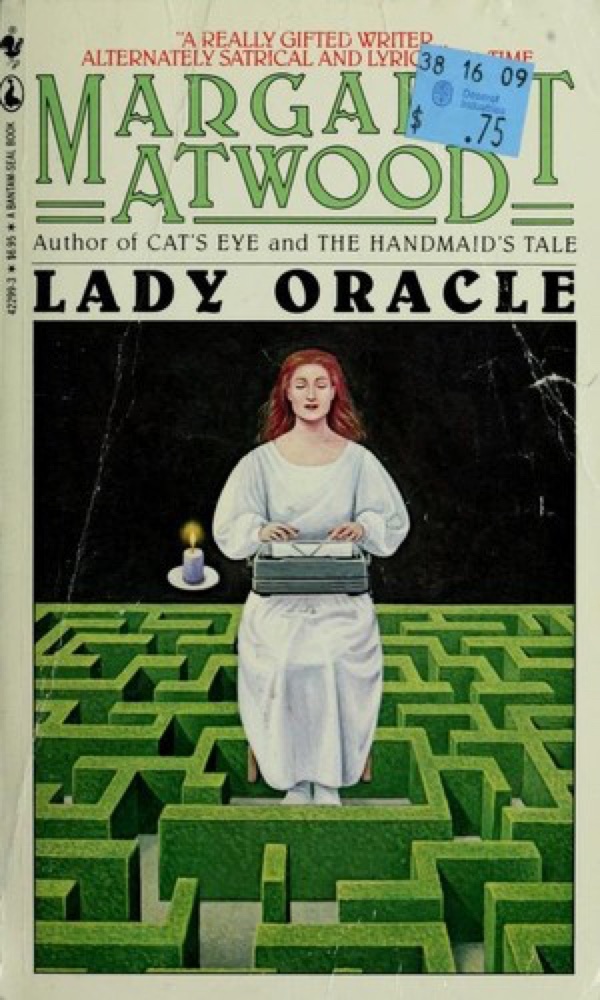 Lady Oracle
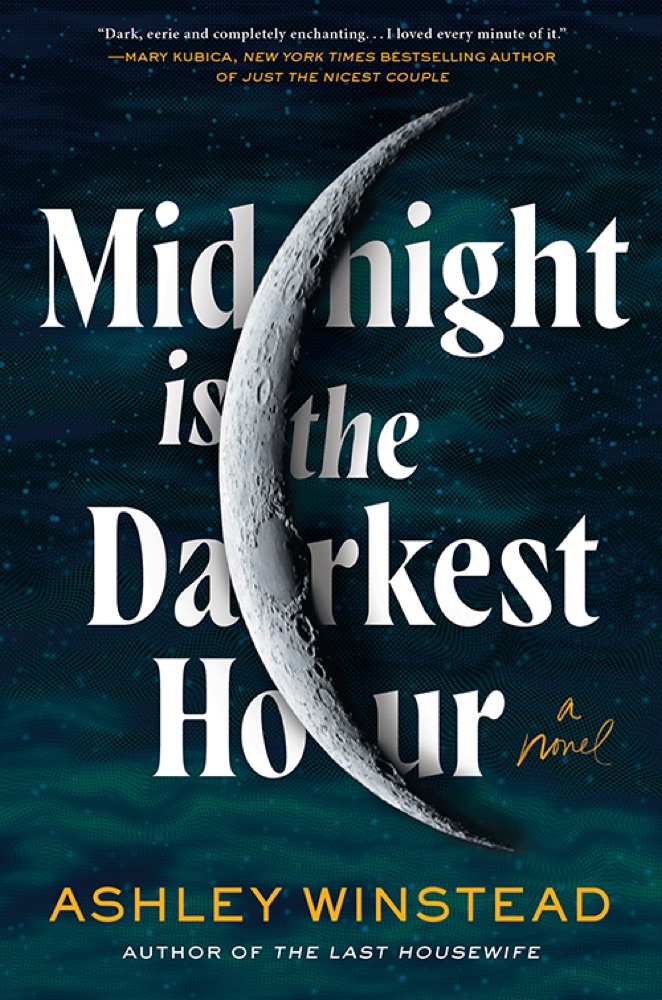 Midnight Is the Darkest Hour
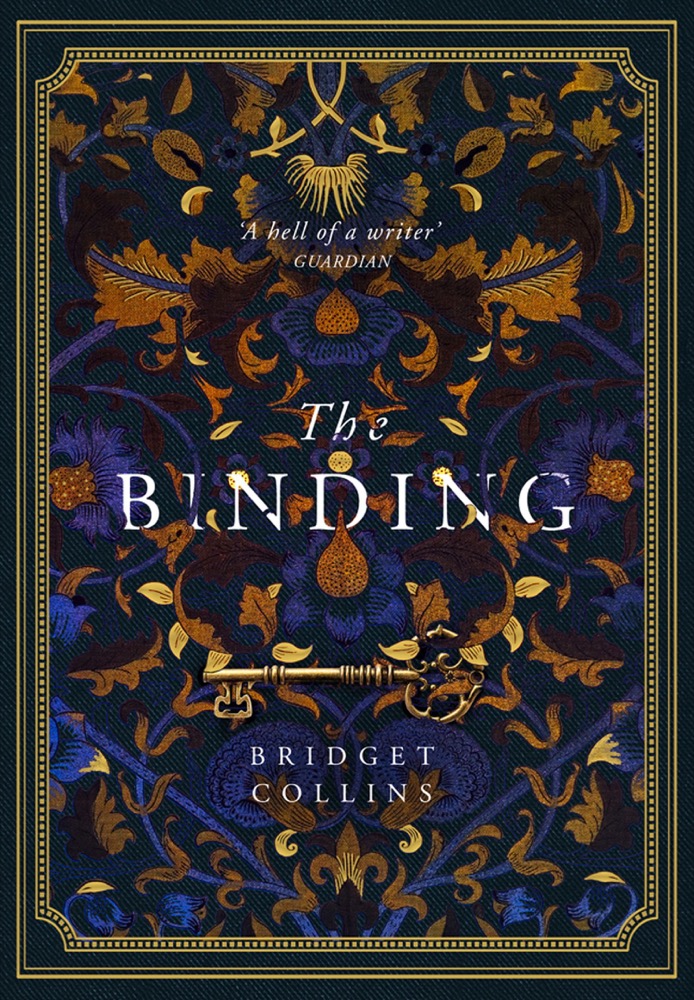 The Binding
 The Beginning of Everything
 Dexter in the Dark
 A Face Like Glass
 Burial Rites
 The Scapegoat
 Monstrilio
 The Hour I First Believed
 The Weed That Strings the Hangman's Bag
 Ill Will
 Little Heaven
 Perfect Ruin
 Just After Sunset
 Alias Grace
 A Head Full of Ghosts
 The Days of Abandonment
 Slade House
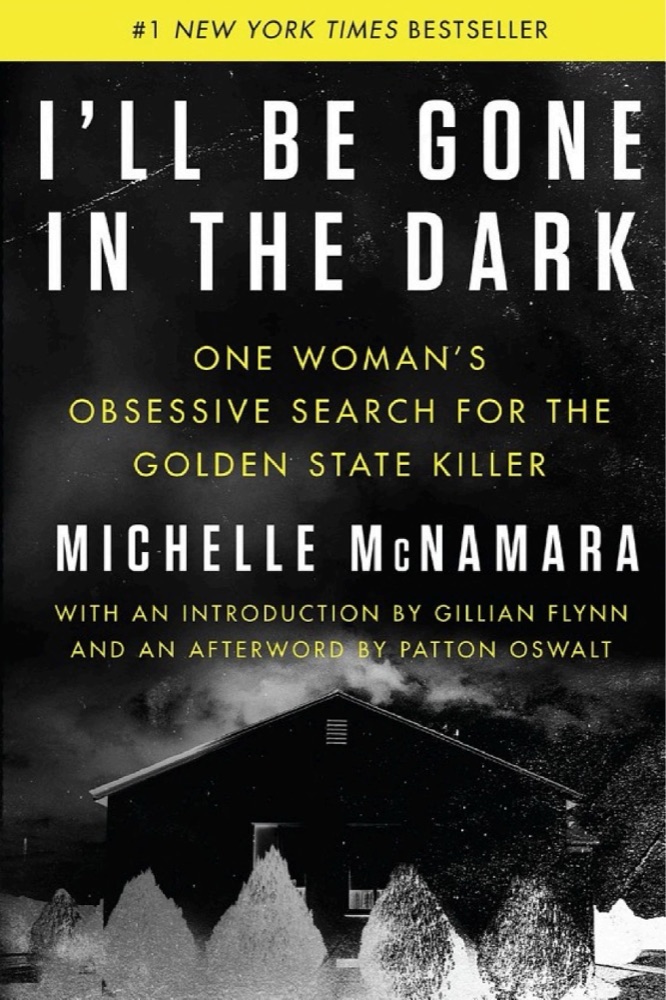 I'll Be Gone in the Dark: One Woman's Obsessive Search for the Golden State Killer
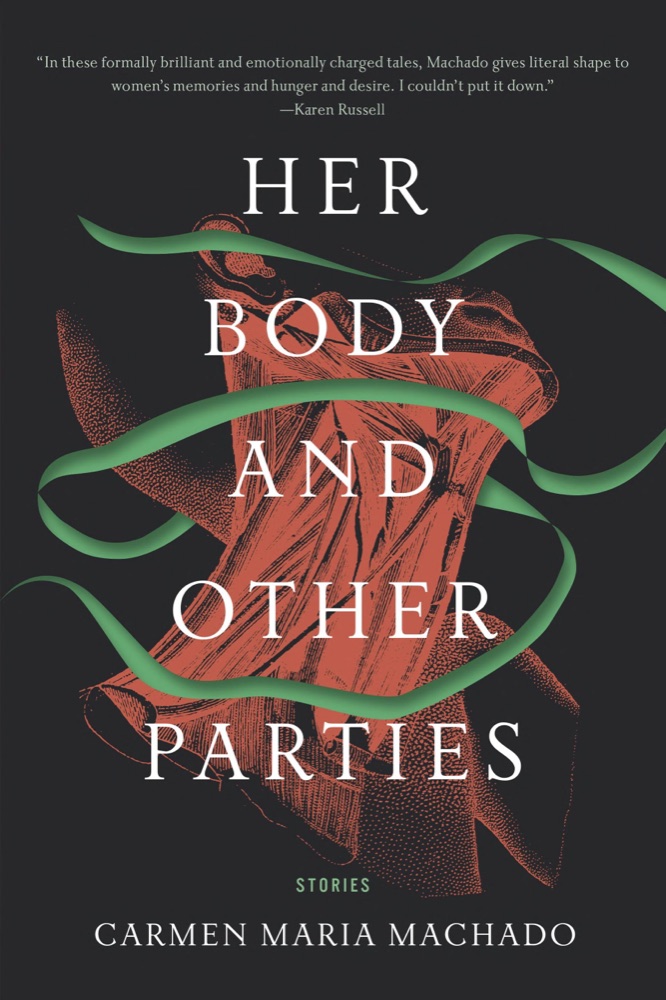 Her Body and Other Parties
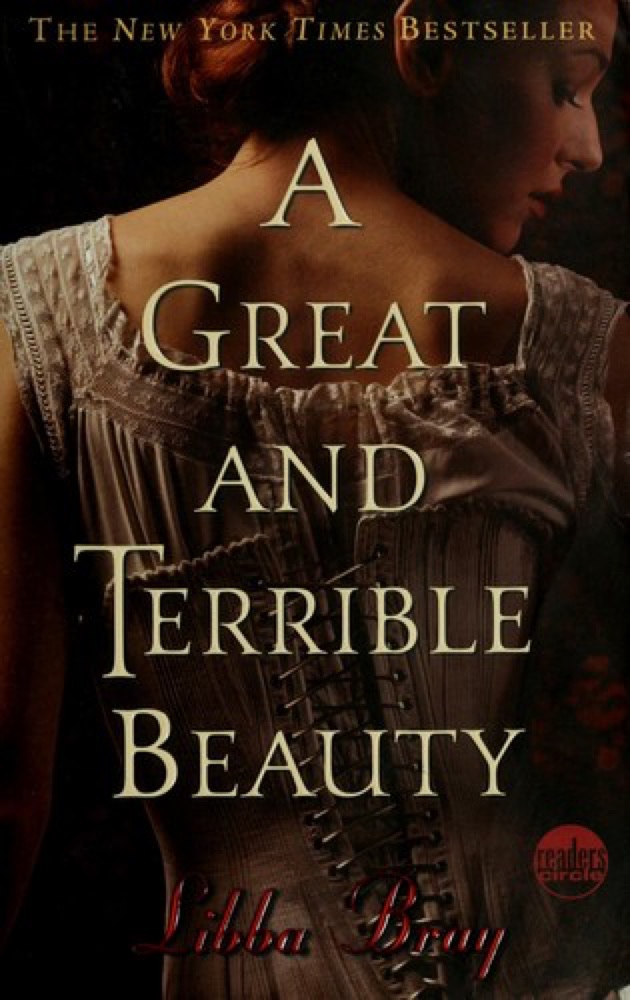 A Great and Terrible Beauty
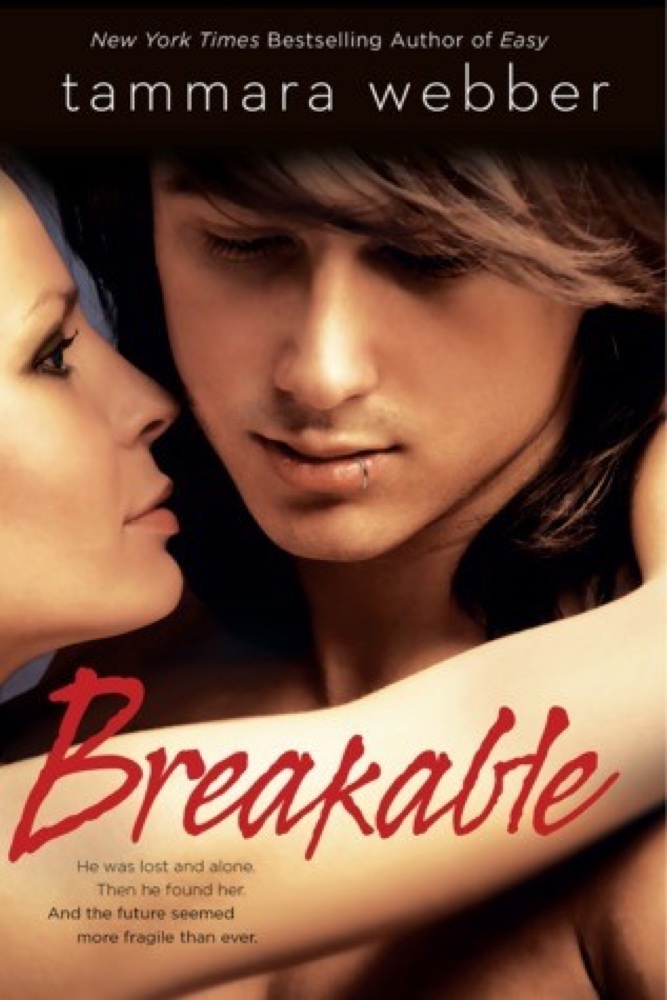 Breakable
 The Society For Soulless Girls
 Ghost Music
 The Virtu