
 The Prodigal God: Recovering the Heart of the Christian Faith
Quotes from the Book
To pray is to accept that we are, and always will be, wholly dependent on God for everything.
24
C. S. Lewis argues that it takes a community of people to get to know an individual person. Reflecting on his own friendships, he observed that some aspects of one of his friend’s personality were brought out only through interaction with a second friend. That meant if he lost the second friend, he lost the part of his first friend that was otherwise invisible. “By myself I am not large enough to call the whole man into activity; I want other lights than my own to show all his facets.”221 If it takes a community to know an ordinary human being, how much more necessary would it be to get to know Jesus alongside others? By praying with friends, you will be able to hear and see facets of Jesus that you have not yet perceived.
18
God will either give us what we ask for in prayer, or give us what we would have asked for if we knew everything he knows.
18
Prayer is continuing a conversation that God has started through his Word and his grace, which eventually becomes a full encounter with him.
17
If we can’t say “thy will be done” from the bottom of our hearts, we will never know any peace. We will feel compelled to try to control people and control our environment and make things the way we believe they ought to be.
16
To fail to pray, then, is not to merely break some religious rule—it is a failure to treat God as God.
16
Prayer is awe, intimacy, struggle—yet the way to reality. There is nothing more important, or harder, or richer, or more life-altering. There is absolutely nothing so great as prayer.
15
If we give priority to the outer life, our inner life will be dark and scary. We will not know what to do with solitude. We will be deeply uncomfortable with self-examination, and we will have an increasingly short attention span for any kind of reflection. Even more seriously, our lives will lack integrity. Outwardly, we will need to project confidence, spiritual and emotional health and wholeness, while inwardly we may be filled with self-doubts, anxieties, self-pity, and old grudges.
12
To discover the real you, look at what you spend time thinking about when no one is looking, when nothing is forcing you to think about anything in particular.
9
We should not decide how to pray based on the experiences and feelings we want. Instead, we should do everything possible to behold our God as he is, and prayer will follow.
8
Prayer is how God gives us so many of the unimaginable things he has for us. Indeed, prayer makes it safe for God to give us many of the things we most desire. It is the way we know God, the way we finally treat God as God. Prayer is simply the key to everything we need to do and be in life.
7
All [true] prayer, pursued far enough, becomes praise. Any prayer, no matter how desperate its origin, no matter how angry and fearful the experiences it traverses, ends up in praise.
5
If, as we are meditating or praying, “an abundance of good thoughts comes to us, we ought to disregard the other petitions, make room for such thoughts, listen in silence, and under no circumstances obstruct them. The Holy Spirit himself preaches here, and one word of his sermon is better than a thousand of our prayers. Many times I have learned more from one prayer than I might have learned from much reading and speculation.
5
Eugene Peterson reminds us that “because we learned language so early in our lives we have no memory of the process” and would therefore imagine that it was we who took the initiative to learn how to speak. However, that is not the case. “Language is spoken into us; we learn language only as we are spoken to. We are plunged at birth into a sea of language. . . . Then slowly syllable by syllable we acquire the capacity to answer: mama, papa, bottle, blanket, yes, no. Not one of these words was a first word. . . . All speech is answering speech. We were all spoken to before we spoke.”109 In the years since Peterson wrote, studies have shown that children’s ability to understand and communicate is profoundly affected by the number of words and the breadth of vocabulary to which they are exposed as infants and toddlers. We speak only to the degree we are spoken to. It is therefore essential to the practice of prayer to recognize what Peterson calls the “overwhelming previousness of God’s speech to our prayers.”110 This theological principle has practical consequences. It means that our prayers should arise out of immersion in the Scripture. We should “plunge ourselves into the sea” of God’s language, the Bible. We should listen, study, think, reflect, and ponder the Scriptures until there is an answering response in our hearts and minds. It may be one of shame or of joy or of confusion or of appeal—but that response to God’s speech is then truly prayer and should be given to God. If the goal of prayer is a real, personal connection with God, then it is only by immersion in the language of the Bible that we will learn to pray, perhaps just as slowly as a child learns to speak.
5
We are never as thankful as we should be. When good things come to us, we do everything possible to tell ourselves we accomplished that or at least deserve it. We take the credit. And when our lives simply are going along pretty smoothly, without a lot of difficulties, we don’t live in quiet, amazed, thankful consciousness of it. In the end, we not only rob God of the glory due him, but the assumption that we are keeping our lives going robs us of the joy and relief that constant gratitude to an all-powerful God brings.
4
We are as strictly and solemnly commanded to pray as in the others . . . not to kill, not to steal, etc.”165 We must pray whether we feel like it or not.
4
First, I took several months to go through the Psalms, summarizing each one. That enabled me to begin praying through the Psalms regularly, getting through all of them several times a year.27 The second thing I did was always to put in a time of meditation as a transitional discipline between my Bible reading and my time of prayer. Third, I did all I could to pray morning and evening rather than only in the morning. Fourth, I began praying with greater expectation.
4
God has always had within himself a perfect friendship. The Father, the Son, and the Holy Spirit are adoring one another, giving glorifying love to one another, and delighting in one another. We know of no joy higher than being loved and loving in return, but a triune God would know that love and joy in unimaginable, infinite dimensions. God is, therefore, infinitely, profoundly happy, filled with perfect joy—not some abstract tranquility but the fierce happiness of dynamic loving relationships. Knowing this God is not to get beyond emotions or thoughts but to be filled with glorious love and joy. If God did not need to create other beings in order to know love and happiness, then why did he do so? Jonathan Edwards argues, in A Dissertation Concerning the End for Which God Created the World, that the only reason God would have had for creating us was not to get the cosmic love and joy of relationship (because he already had that) but to share it.138 Edwards shows how it is completely consistent for a triune God—who is “other-oriented” in his very core, who seeks glory only to give it to others—to communicate happiness and delight in his own divine perfections and beauty to others.
4
The choice is ours. If we want to be sure to experience this vision by sight hereafter, we must know it by faith now. If we want freedom from being driven by fear, ambition, greed, lust, addictions, and inner emptiness, we must learn how to meditate on Christ until his glory breaks in upon our souls.
3
we cannot truly know God better without coming at the same time to know ourselves better. It also works the other way around. If I am in denial about my own weakness and sin, there will be a concomitant blindness to the greatness and glory of God. There is no greater example of this than Isaiah, who when he was given a vision in the temple of the holiness of God, said immediately in response, “Woe to me! I am ruined! For I am a man of unclean lips, and I live among a people of unclean lips, and for my eyes have seen the King, the Lord Almighty” (Is 6:5). It was because he’d seen the king in a new way that he saw himself in a new way. They must go together. If we are not open to the recognition of our smallness and sinfulness, we will never take in his greatness and holiness.
3
Nearly all wisdom we possess, that is to say, true and sound wisdom, consists of two parts: the knowledge of God and of ourselves.
3
Jonathan Edwards wrote a sermon with the following outline:342 Our bad things will turn out for good (Rom 8:28), Our good things can never be taken away from us (Ps 4:6–7), and The best things are yet to come (1 Cor 2:9). If,
2
What is essential in prayer is not that we learn to express ourselves, but that we learn to answer God.
2
It is remarkable that in all of his writings Paul’s prayers for his friends contain no appeals for changes in their circumstances.
2
meditate on the passage: Write down answers to the following questions: What does this text show me about God for which I should praise or thank him? What does the text show me about my sin that I should confess and repent of? What false attitudes, behavior, emotions, or idols come alive in me whenever I forget this truth? What does the text show me about a need that I have? What do I need to do or become in light of this? How shall I petition God for it? How is Jesus Christ or the grace that I have in him crucial to helping me overcome the sin I have confessed or to answering the need I have? Finally: How would this change my life if I took it seriously—if this truth were fully alive and effective in my inward being? Also, why might God be showing this to me now? What is going on in my life that he would be bringing this to my attention today?
2
We must not decide how to pray based on what types of prayer are the most effective for producing the experiences and feelings we want.
2
Even more seriously, our lives will lack integrity. Outwardly, we will need to project confidence, spiritual and emotional health and wholeness, while inwardly we may be filled with self-doubts, anxieties, self-pity, and old grudges. Yet we won’t know how to go into the inner rooms of the heart, see clearly what is there, and deal with it. In short, unless we put a priority on the inner life, we turn ourselves into hypocrites.
2
Our bad things will turn out for good (Rom 8:28), Our good things can never be taken away from us (Ps 4:6–7), and The best things are yet to come (1 Cor 2:9).
2
Watch on YouTube
About Timothy J. Keller
We have collected 286 quotes from 10 books by Timothy J. Keller on BookQuoters.
More about the author →More by Timothy J. Keller
The Prodigal God: Recovering the Heart of the Christian Faith
 Counterfeit Gods: The Empty Promises of Money, Sex, and Power, and the Only Hope That Matters
 The Reason for God: Belief in an Age of Skepticism
 The Meaning of Marriage: Facing the Complexities of Commitment with the Wisdom of God
About the book
The New York Times bestselling author and renowned pastor explores the power of prayer.
Christians are taught in their churches and schools that prayer is the most powerful way to experience God. But few receive instruction or guidance in how to make prayer genuinely meaningful. In Prayer, renowned pastor Timothy Keller delves into the many facets of this everyday act.
With his trademark insights and energy, Keller offers biblical guidance as well as specific prayers for certain situations, such as dealing with grief, loss, love, and forgiveness. He discusses ways to make prayers more personal and powerful, and how to establish a practice of prayer that works for each reader.
Dr. Keller’s previous books have sold more than one million copies. His Redeemer Presbyterian Church is not only a major presence in his home base of New York, it has also helped to launch more than two hun
Book details
- First published
- 2014
- Author
- Timothy J. Keller
- Genre
- Nonfiction
- Goodreads rating
- 4.38 (15k ratings)
Keep reading
 Praying Like Monks, Living Like Fools: An Invitation to the Wonder and Mystery of Prayer
 Moving Mountains: Praying with Passion, Confidence, and Authority
 Prayer: Does It Make Any Difference?
 With Christ in the School of Prayer
 Draw the Circle: The 40 Day Prayer Challenge
 Letters to Malcolm: Chiefly on Prayer
 Having a Mary Heart in a Martha World: Finding Intimacy with God in the Busyness of Life
 The Circle Maker: Praying Circles Around Your Biggest Dreams and Greatest Fears
 Hearing God: Developing a Conversational Relationship with God
 My Utmost for His Highest
 Contemplative Prayer
 Knowing God
 The Grand Weaver: How God Shapes Us through the Events in Our Lives
 A Long Obedience in the Same Direction: Discipleship in an Instant Society
 Time for God
 Prayer in the Night: For Those Who Work or Watch or Weep
 Anything: The Prayer That Unlocked My God and My Soul
 The Divine Conspiracy: Rediscovering Our Hidden Life in God
 The Practice of the Presence of God
 Everything Belongs: The Gift of Contemplative Prayer
 The Me I Want to Be: Becoming God's Best Version of You
 The Message Remix
 The Pursuit of God: The Human Thirst for the Divine
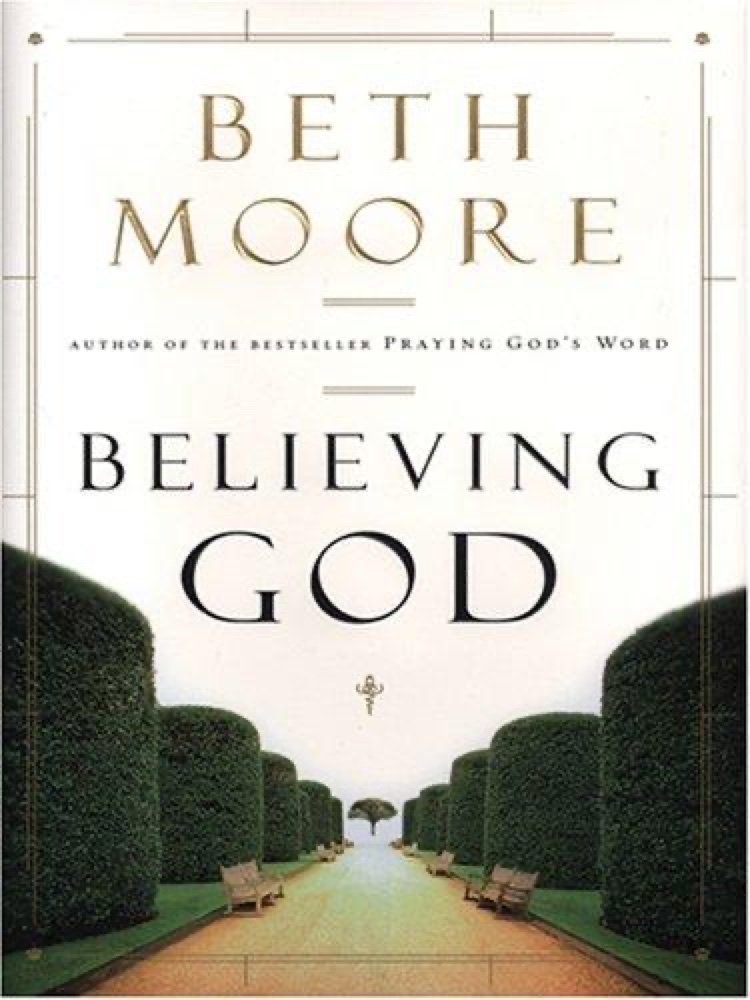 Believing God
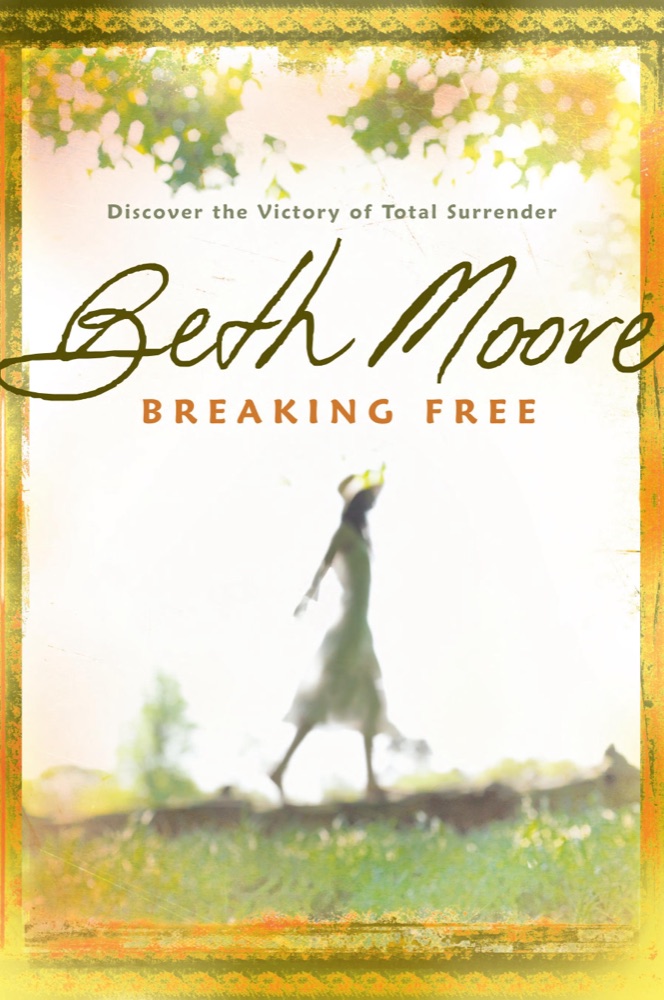 Breaking Free: Discover the Victory of Total Surrender
 What We Talk about When We Talk about God
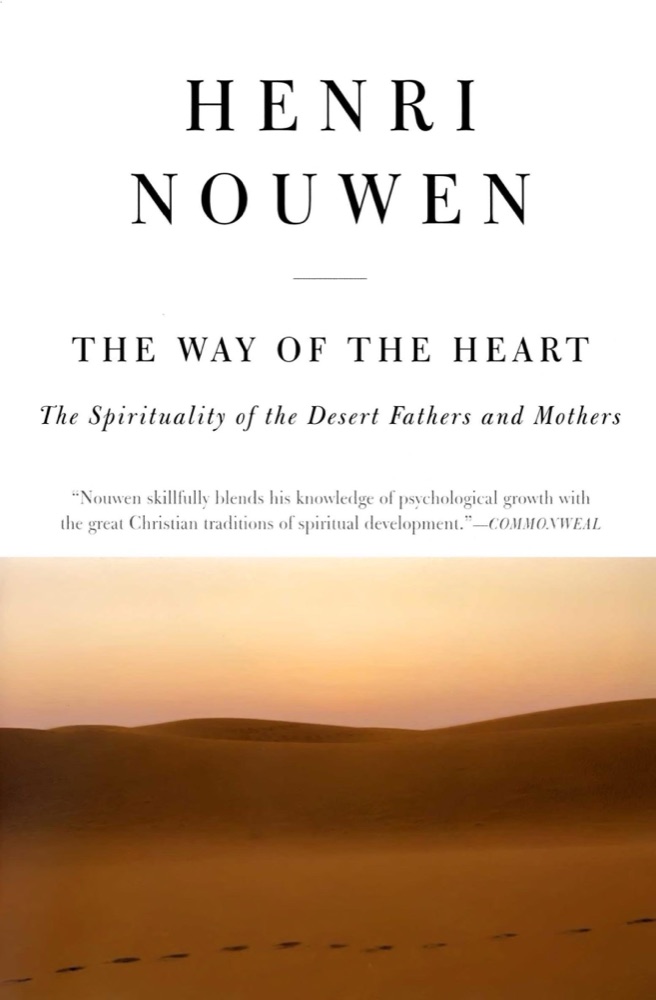 The Way of the Heart: A Study of Contemplative Prayer and Inner Devotion
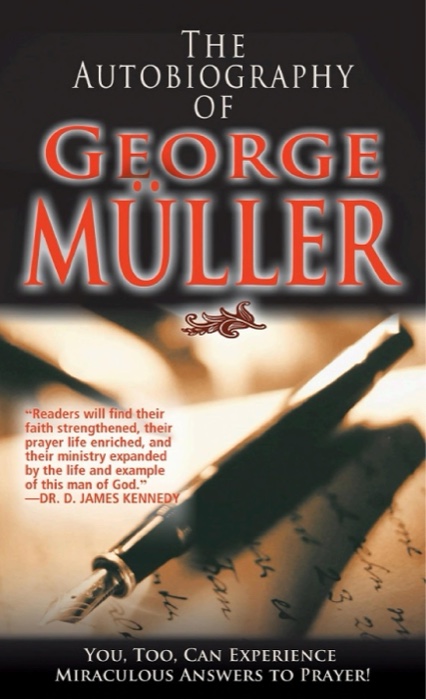 The Autobiography of George Müller
 In His Image: 10 Ways God Calls Us to Reflect His Character
 Searching for and Maintaining Peace: A Small Treatise on Peace of Heart
 None Like Him: 10 Ways God Is Different from Us
 Hope for Each Day: Words of Wisdom and Faith
 The Power of a Praying Woman
 Praying God's Word: Breaking Free From Spiritual Strongholds
 Trusting God: Even When Life Hurts
 The Life You've Always Wanted: Spiritual Disciplines for Ordinary People
 The Christian Atheist: Believing in God but Living As If He Doesn't Exist
 Abandonment to Divine Providence: The Classic Text with a Spiritual Commentary
 Erasing Hell: What God Said About Eternity, and the Things We've Made Up
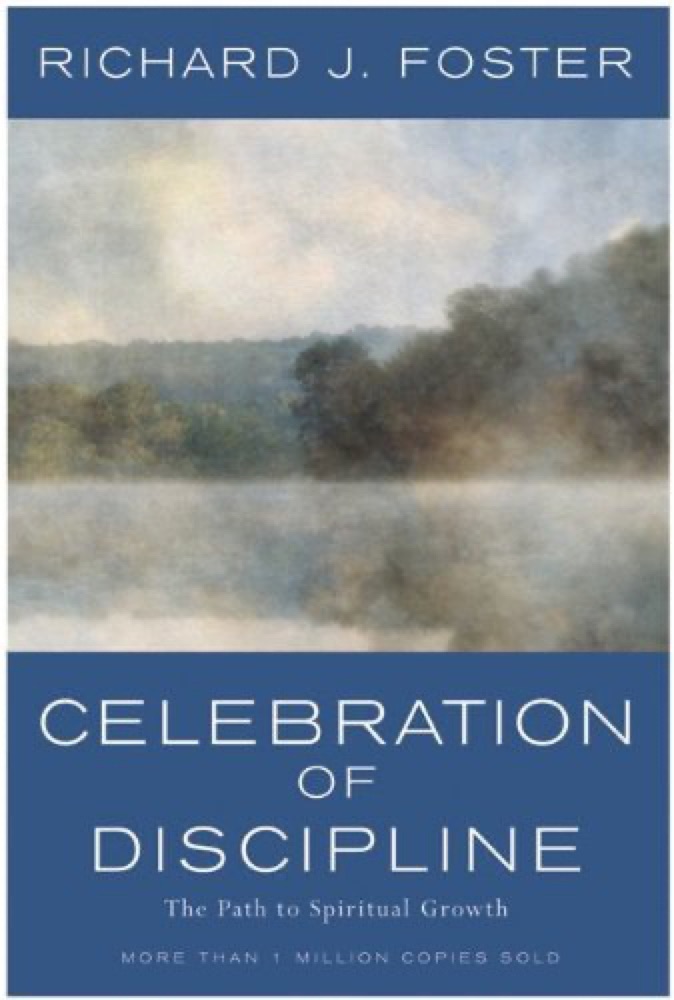 Celebration of Discipline: The Path to Spiritual Growth
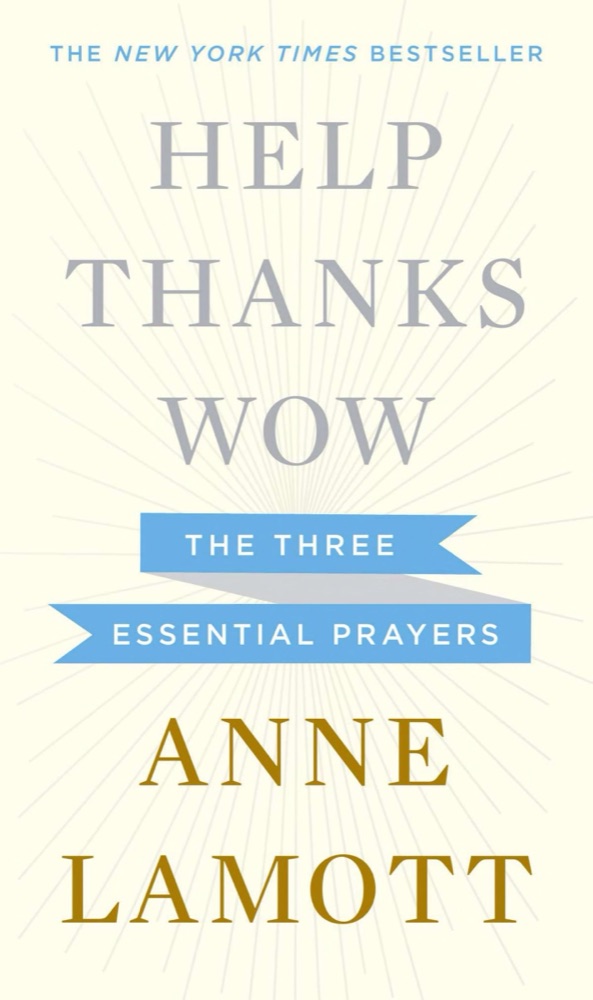 Help Thanks Wow: The Three Essential Prayers
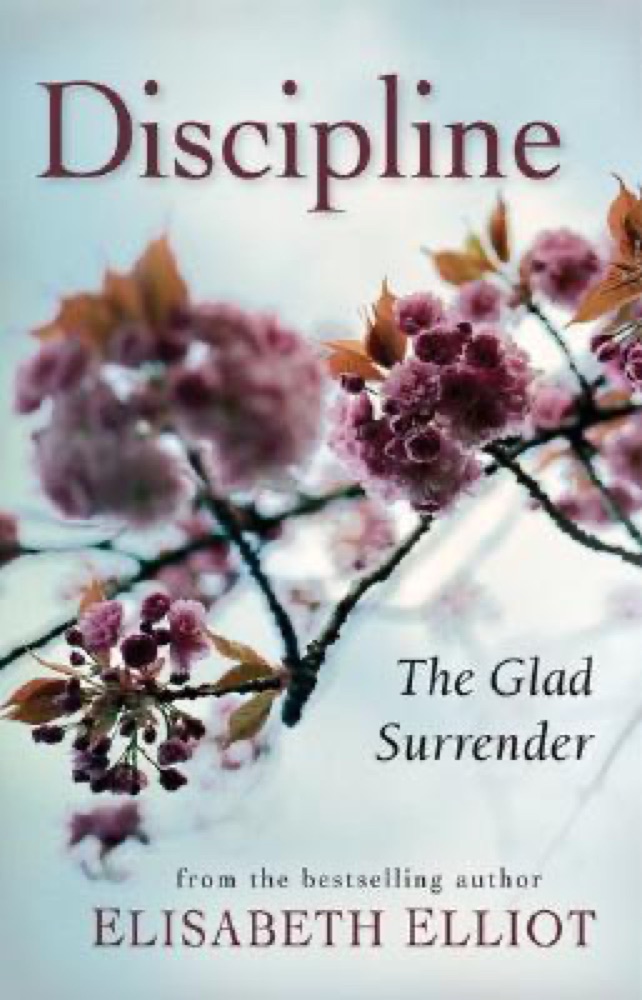 Discipline: The Glad Surrender
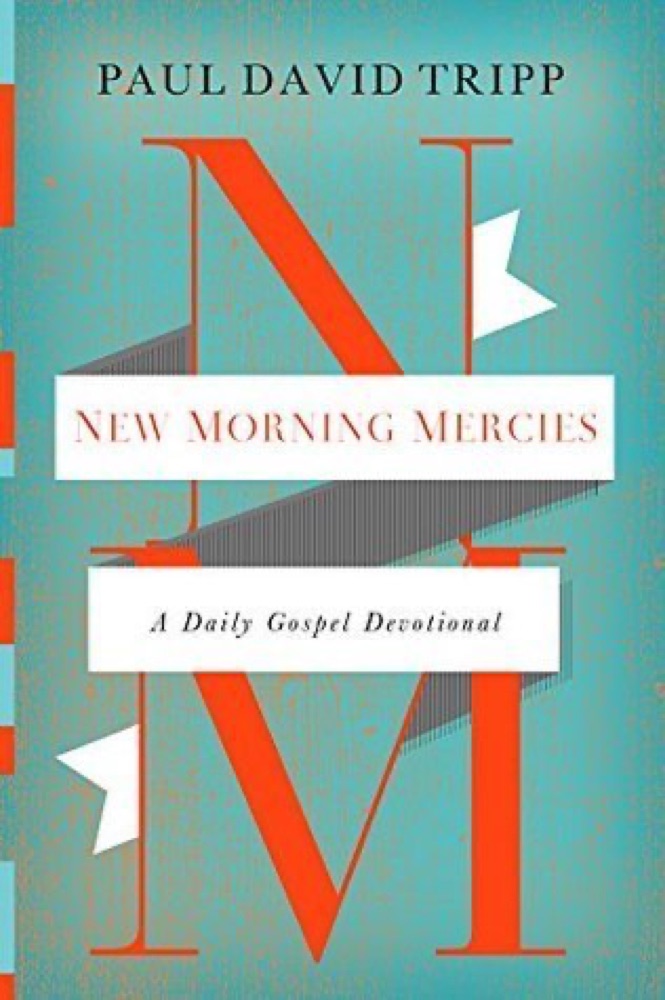 New Morning Mercies: A Daily Gospel Devotional
 Encounters with Jesus: Unexpected Answers to Life's Biggest Questions
 Becoming More Than a Good Bible Study Girl
 The Knowledge of the Holy
 The Normal Christian Life
 Grace for the Moment: Inspirational Thoughts for Each Day of the Year, Volume 1
 The Walk of the Spirit - The Walk of Power : The Vital Role of Praying in Tongues
 The Way of Perfection
 A Hunger for God
 The Bible Jesus Read
 Spiritual Direction: Wisdom for the Long Walk of Faith
 The Sermon on the Mount: The Key to Success in Life
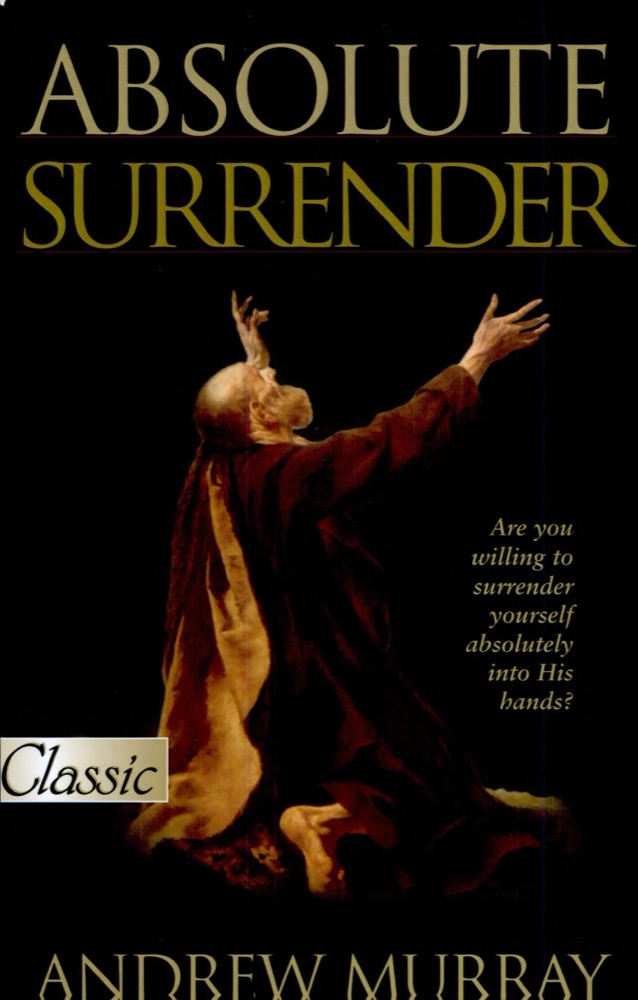 Absolute Surrender
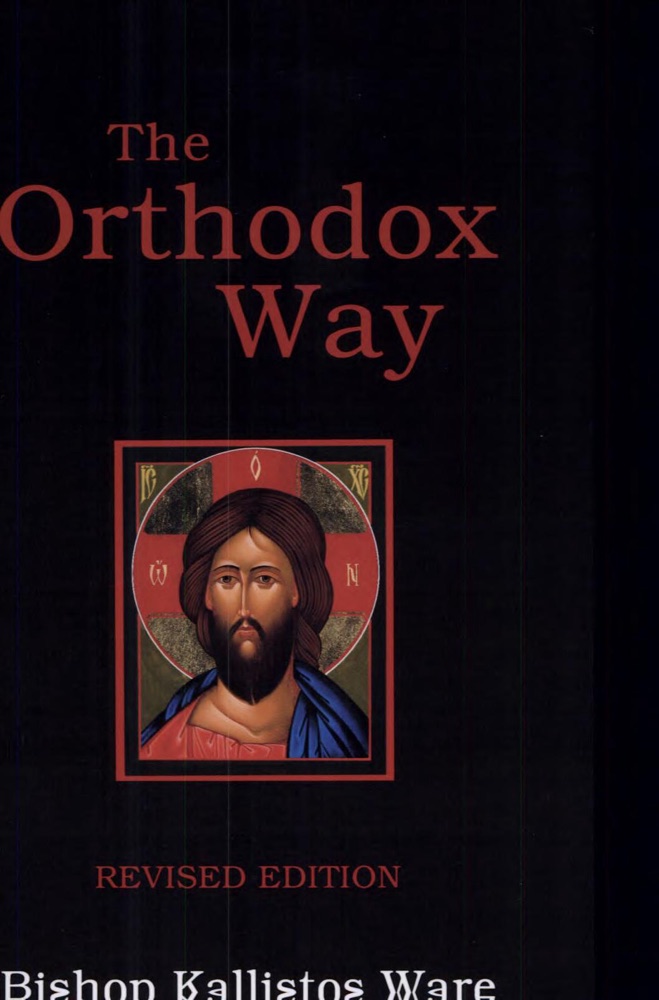 The Orthodox Way
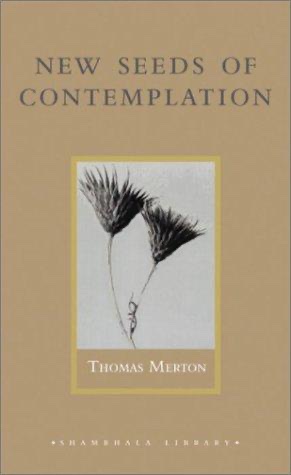 New Seeds of Contemplation
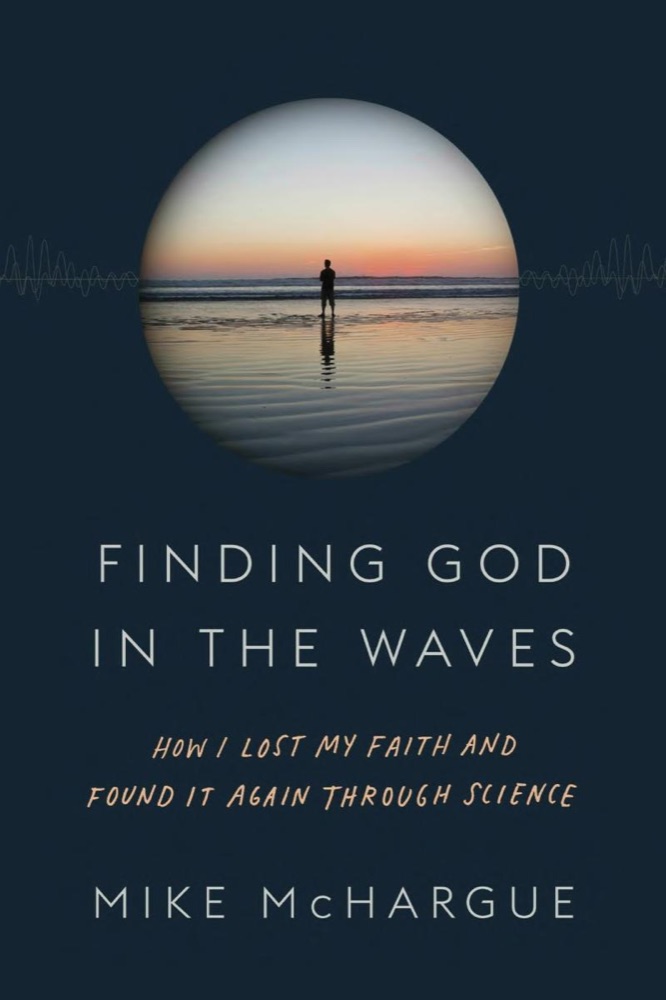 Finding God in the Waves: How I Lost My Faith and Found It Again Through Science
 Hope for the Troubled Heart: Finding God in the Midst of Pain