
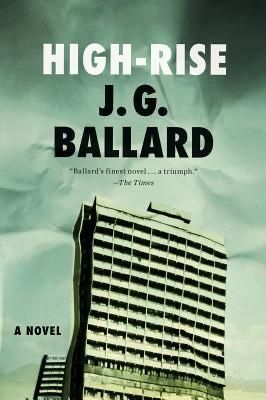
 High-Rise
Quotes from the Book
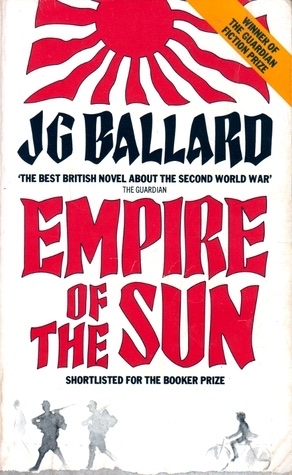
Jim knew that he was awake and asleep at the same time, dreaming of the war and yet dreamed of by the war.
All around them were the bodies of dead Chinese soldiers. They lined the verges of the roads and floated in the canals, jammed together around the pillars of the bridges. In the trenches between the burial mounds hundreds of dead soldiers sat side by side with their heads against the torn earth, as if they had fallen asleep together in a deep dream of war.
After a few minutes Jim was forced to admit that he could recognize none of the constellations. Like everything else since the war, the sky was in a state of change. For all their movements, the Japanese aircraft were its only fixed points, a second zodiac above the broken land.
To his surprise he felt a moment of regret, of sadness that his quest for his mother and father would soon be over. As long as he searched for them he was prepared to be hungry and ill, but now that the search had ended he felt saddened by the memory of all he had been through, and of how much he had changed. He was closer now to the ruined battlefields and this fly-infested truck, to the nine sweet potatoes in the sack below the driver's seat, even in a sense to the detention center, than he would ever be again to his house in Amherst Avenue.
Dr. Ransome marked the exercises in the algebra textbook and gave him two strips of rice-paper bandage on which to solve the simultaneous equations. As he stood up, Dr. Ransome removed the three tomatoes from Jim's pocket. He laid them on the table by the wax tray. 'Did they come from the hospital garden?' 'Yes.' Jim gazed back frankly at Dr. Ransome. Recently he had begun to see him with a more adult eye. The long years of imprisonment, the constant disputes with the Japanese had made this young physician seem middle-aged. Dr. Ransome was often unsure of himself, as he was of Jim's theft. 'I have to give Basie something whenever I see him.' 'I know. It's a good thing that you're friends with Basie. He's a survivor, though survivors can be dangerous. Wars exist for people like Basie.' Dr. Ransome placed the tomatoes in Jim's hand. 'I want you to eat them, Jim. I'll get you something for Basie.
His mother and father were agnostics, and Jim respected devout Christians in the same way that he respected people who were members of the Graf Zeppelin Club or shopped at the Chinese department stores, for their mastery of an exotic foreign ritual. Besides, those who worked hardest for others, like Mrs. Philips and Mrs. Gilmour and Dr. Ransome, often held beliefs that turned out to be correct.
Already a sizable traffic jam blocked the Bund. Once again the crush and clutter of Shanghai had engulfed its invaders.
Every night in Shanghai those Chinese too poor to pay for the burial of their relatives would launch the bodies from the funeral piers at Nantao, decking the coffins with paper flowers. Carried away on the tide, they came back on the next, returning to the waterfront of Shanghai with all the other debris abandoned by the city. Meadows of paper flowers drifted on running tide and clumped in miniature floating gardens around the old men and women, the young mothers and small children, whose swollen bodies seemed to have been fed during the night by the patient Yangtze.
Jim watched them eat, his eyes fixed on every morsel that entered their mouth. When the oldest of the four soldiers had finished he scraped some burnt rice and fish scales from the side of the cooking pot. A first-class private of some forty years, with slow, careful hands, he beckoned Jim forward and handed him his mess tin. As they smoked their cigarettes the Japanese smiled to themselves, watching Jim devour the shreds of fatty rice. It was his first hot food since he had left he hospital, and the heat and greasy flavour stung his gums. Tears swam in his eyes. The Japanese soldier who had taken pity on Jim, recognising that this small boy was starving, began to laugh good-naturedly, and pulled the rubber plug from his metal water-bottle. Jim drank the clear, chlorine-flavoured liquid, so unlike the stagnant water in the taps of the Columbia Road. He choked, carefully swallowed his vomit, and tittered into his hands, grinning at the Japanese. Soon they were all laughing together, sitting back in the deep grass beside the drained swimming-pool.
Watch on YouTube
About J.G. Ballard
We have collected 116 quotes from 7 books by J.G. Ballard on BookQuoters.
More about the author →

Book details
- Author
- J.G. Ballard
- Genre
- Fiction
- Goodreads rating
- 3.98 (23k ratings) →
Keep reading
 The Naked and the Dead
 Ghost Soldiers: The Epic Account of World War II's Greatest Rescue Mission
 Matterhorn
 The Forgotten Highlander: My Incredible Story of Survival During the War in the Far East
 The Road Back
 Alas, Babylon
 The House of Doors
 River of Smoke
 The Killer Angels
 Life and Death in Shanghai
 Hiroshima
 I, Zombie
 Tree of Smoke
 The Aquariums of Pyongyang: Ten Years in the North Korean Gulag
 Birdsong
 The Forgotten Soldier
 Wild Swans: Three Daughters of China
 The Wars
 One of Ours
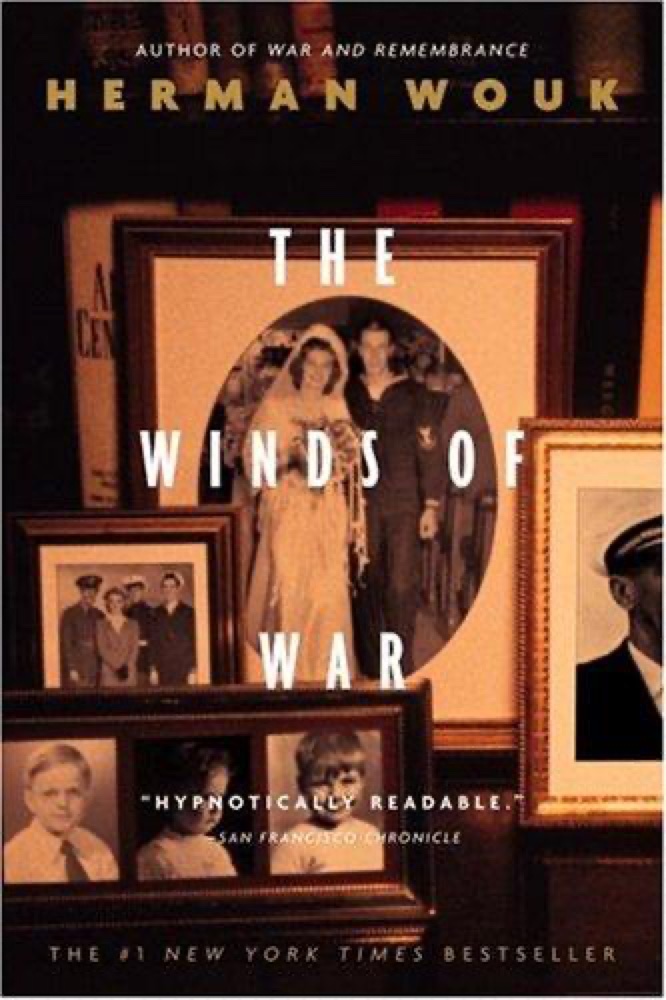 The Winds of War
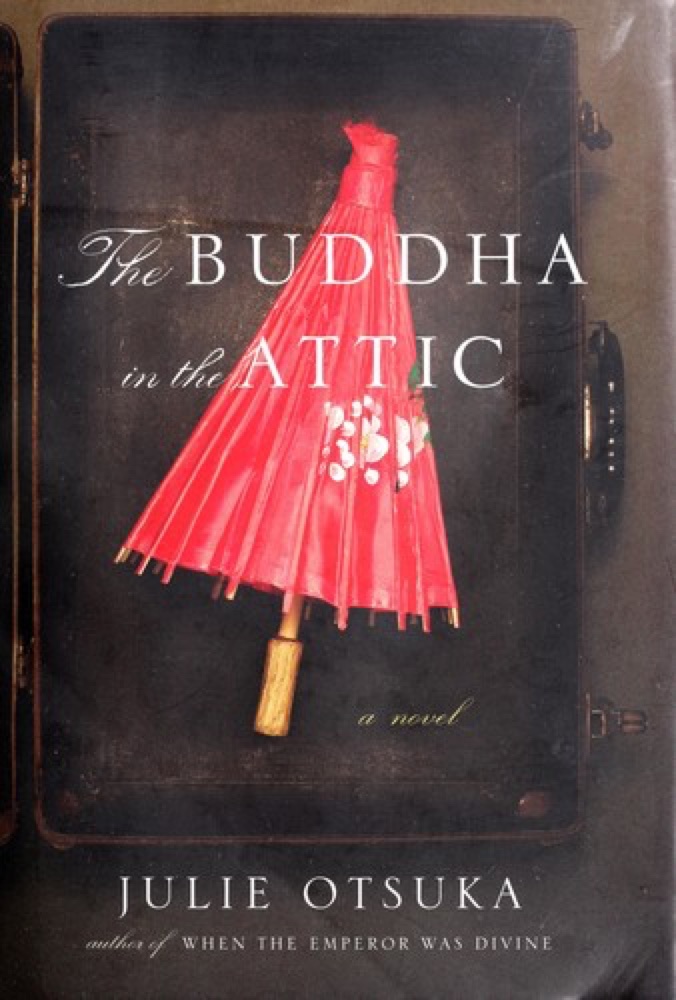 The Buddha in the Attic
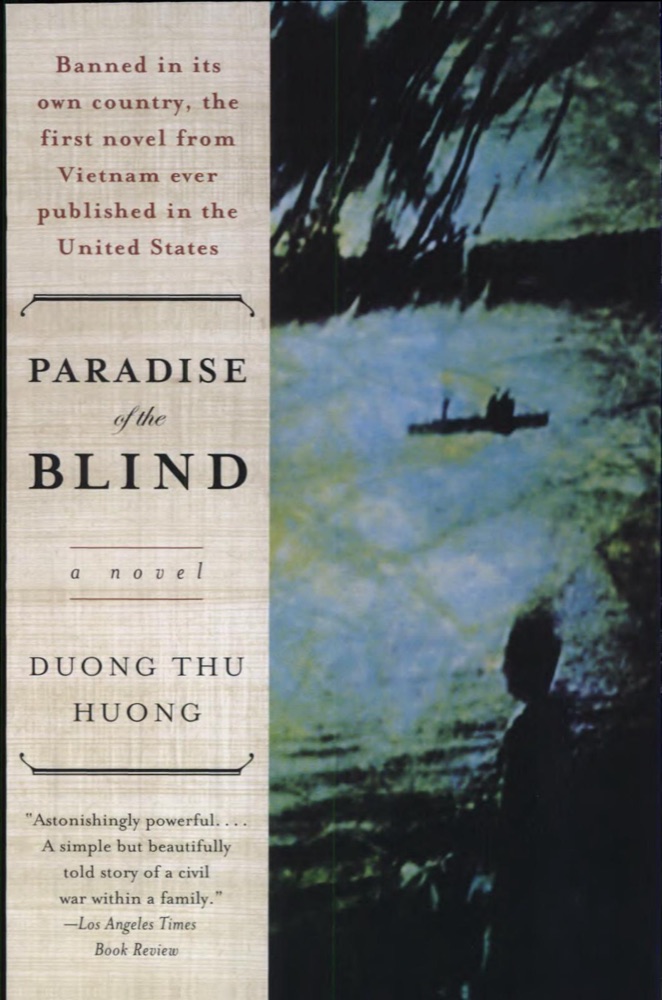 Paradise of the Blind
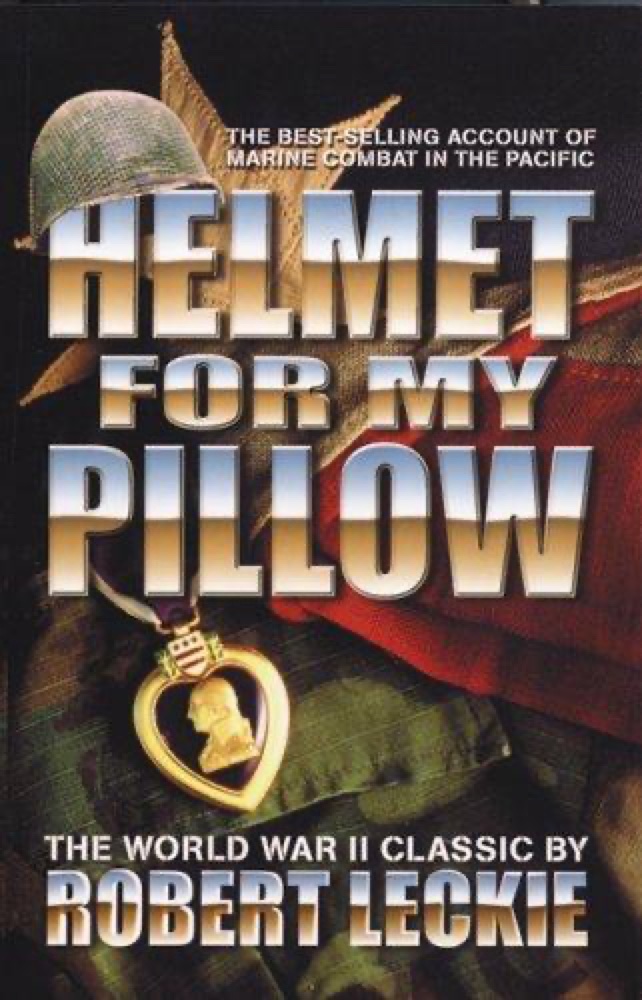 Helmet for My Pillow
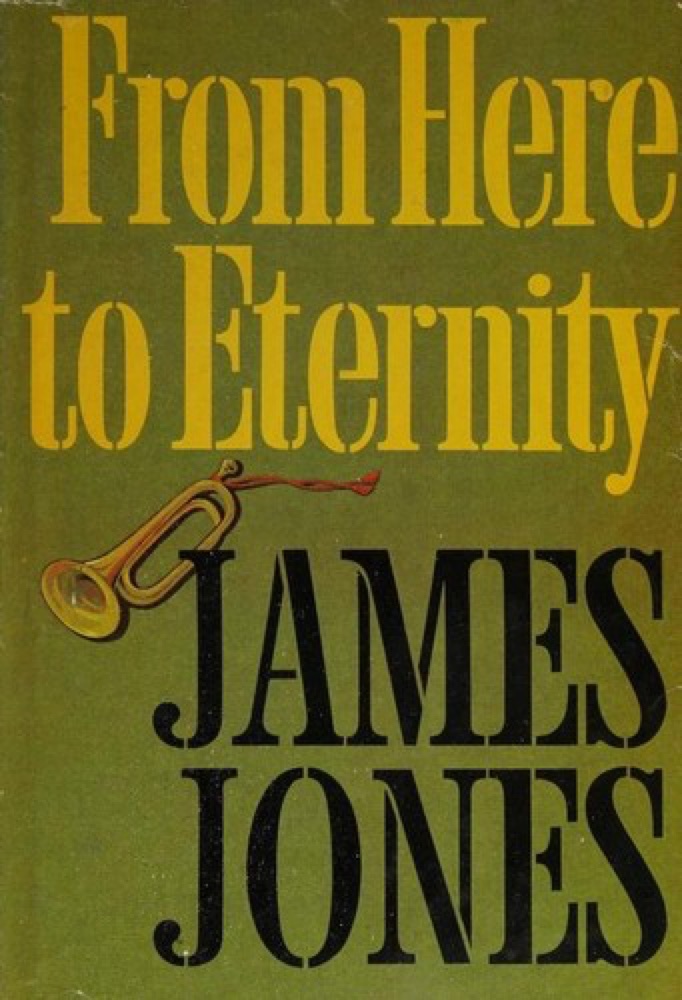 From Here to Eternity
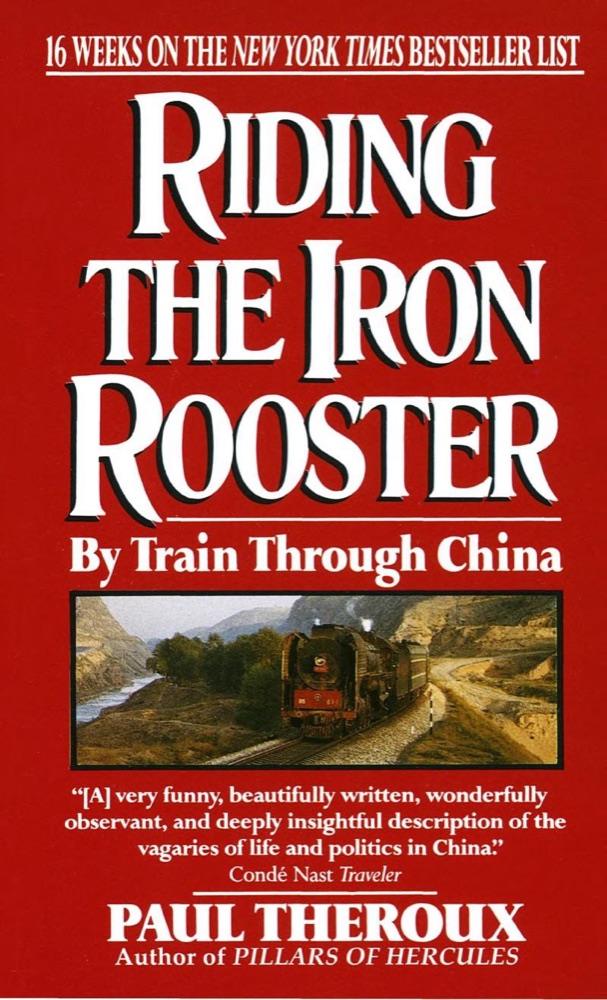 Riding the Iron Rooster: By Train Through China
 Dispatches
 The Collected Stories
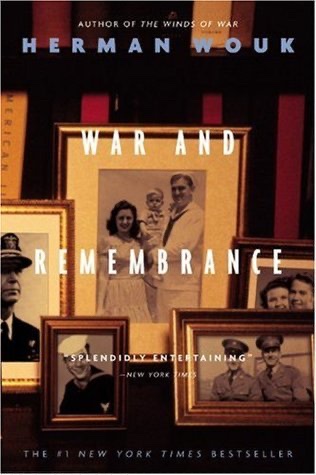 War and Remembrance
 Seven Pillars of Wisdom: A Triumph
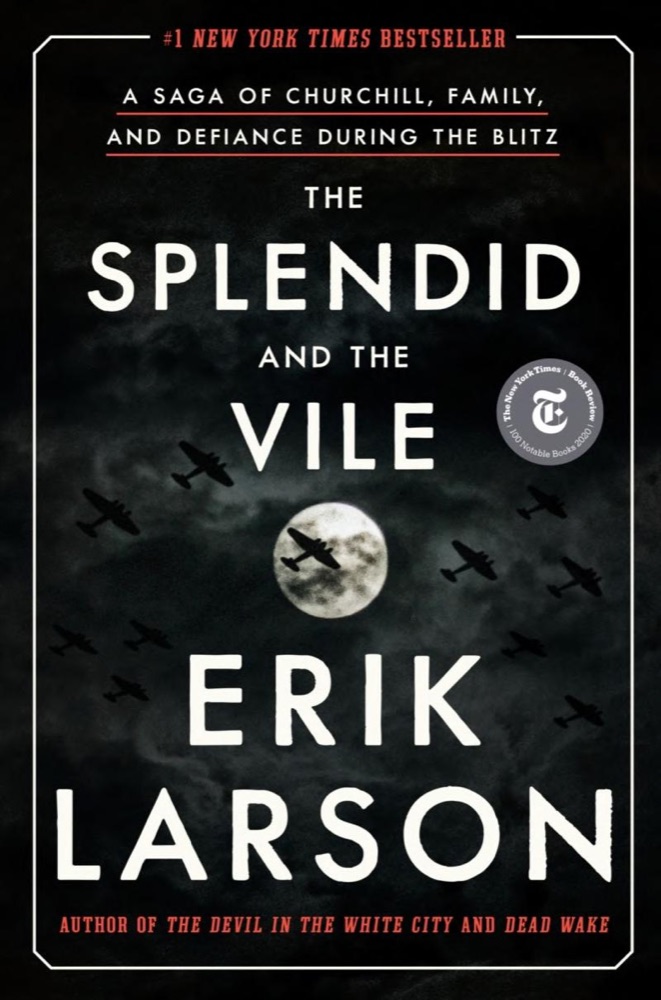 The Splendid and the Vile: A Saga of Churchill, Family, and Defiance During the Blitz
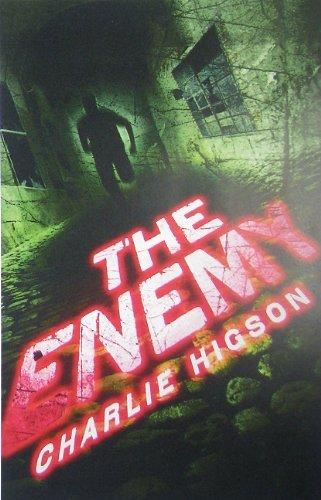 The Enemy
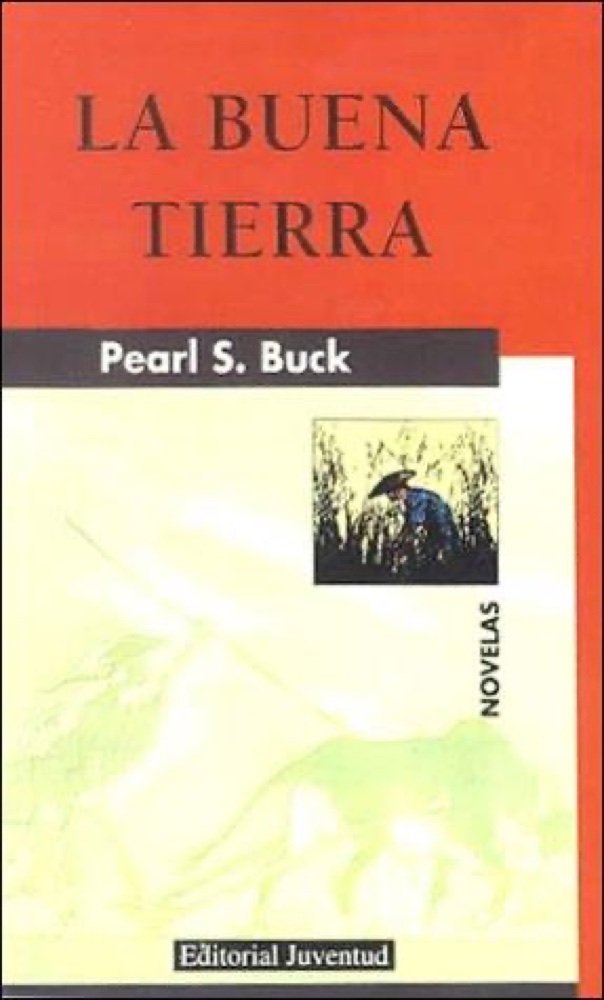 The Good Earth
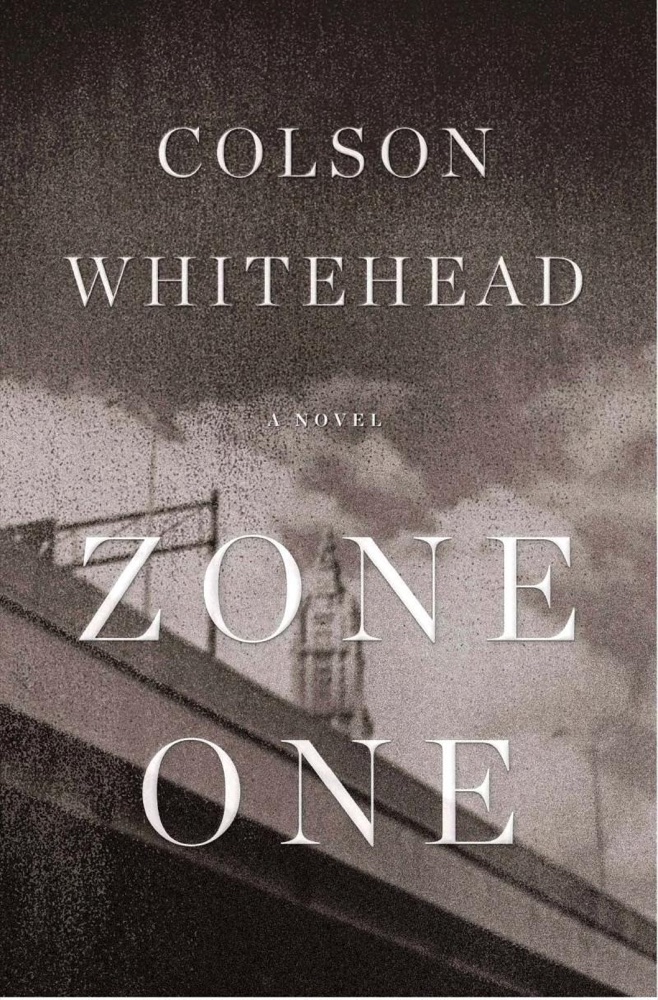 Zone One
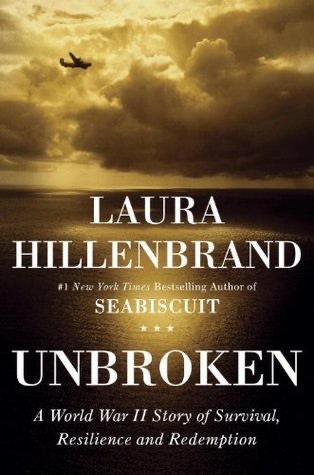 Unbroken: An Extraordinary True Story of Courage and Survival
 Another Country
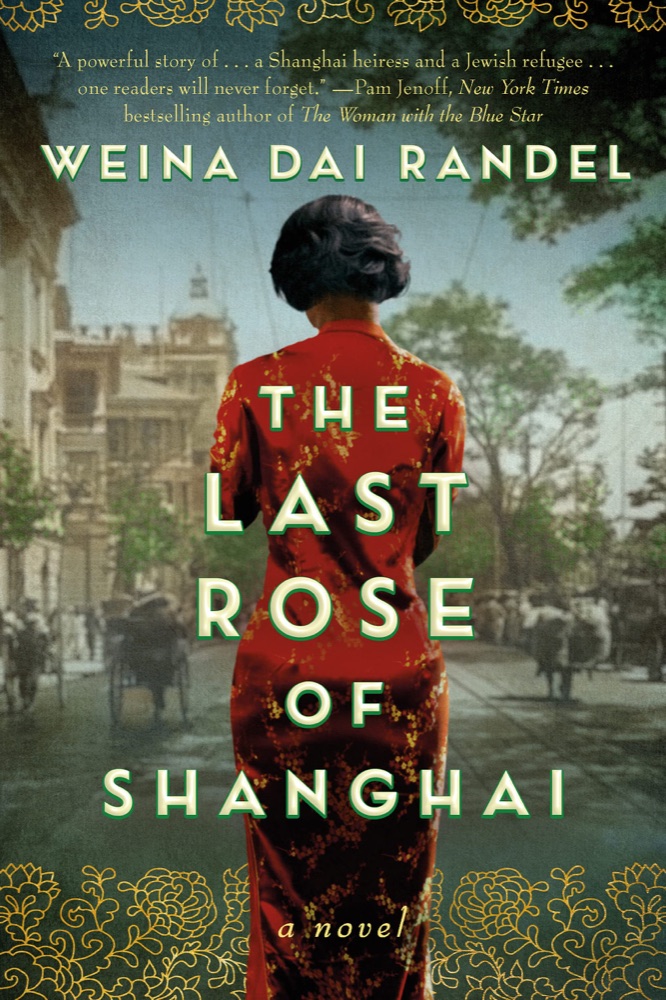 The Last Rose of Shanghai
 Selected Stories of Philip K. Dick
 Regeneration
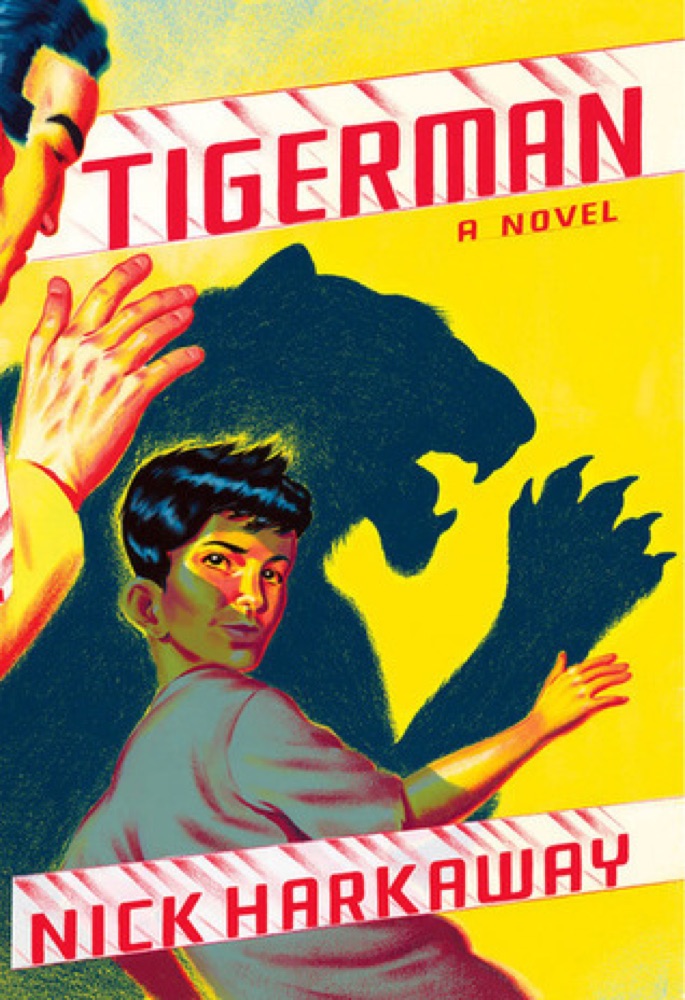 Tigerman
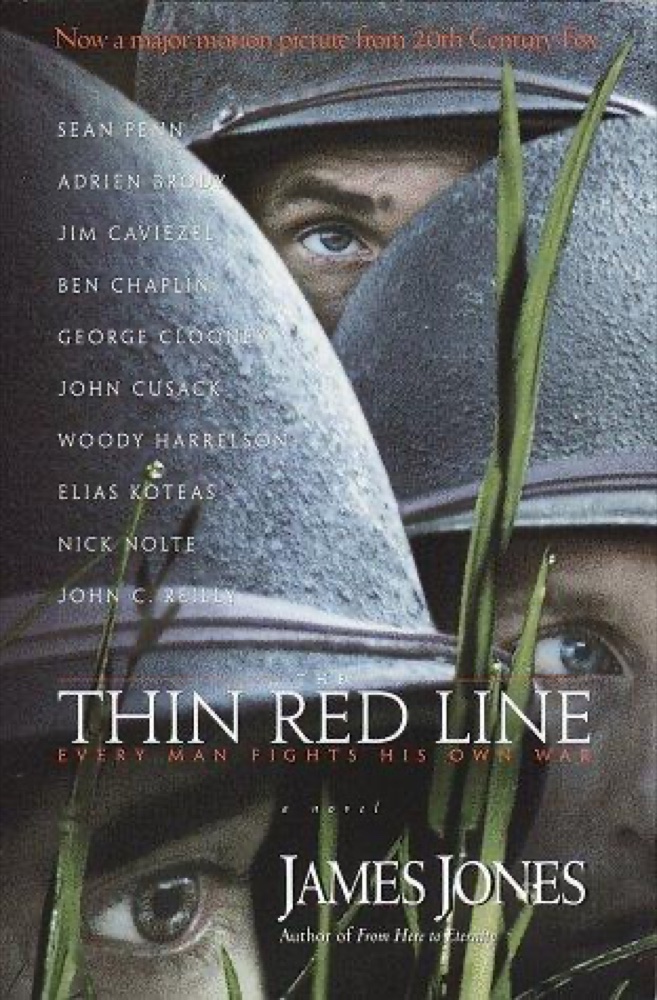 The Thin Red Line
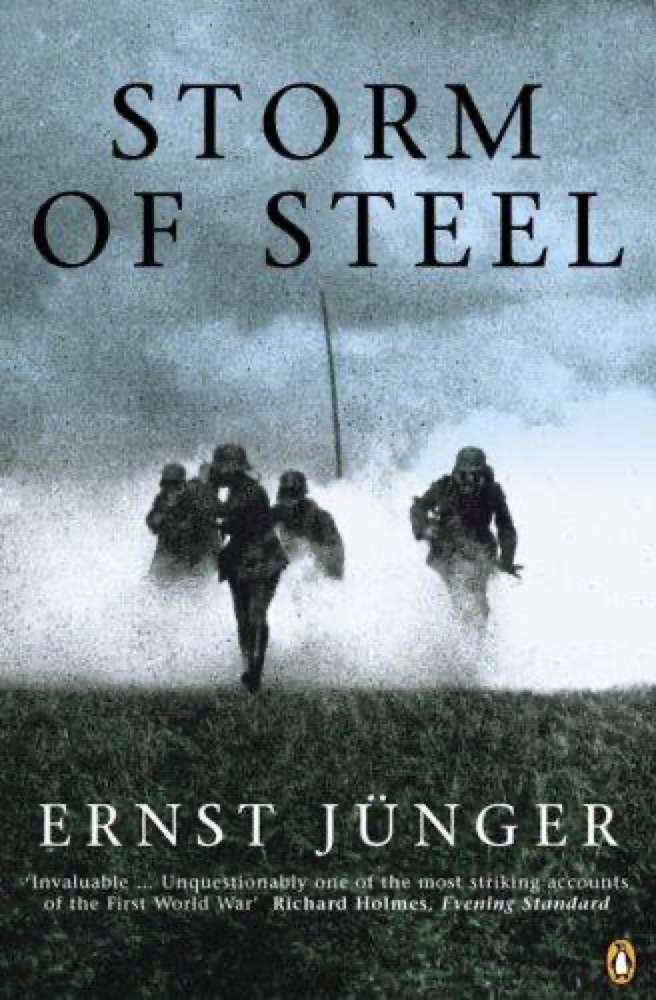 Storm of Steel
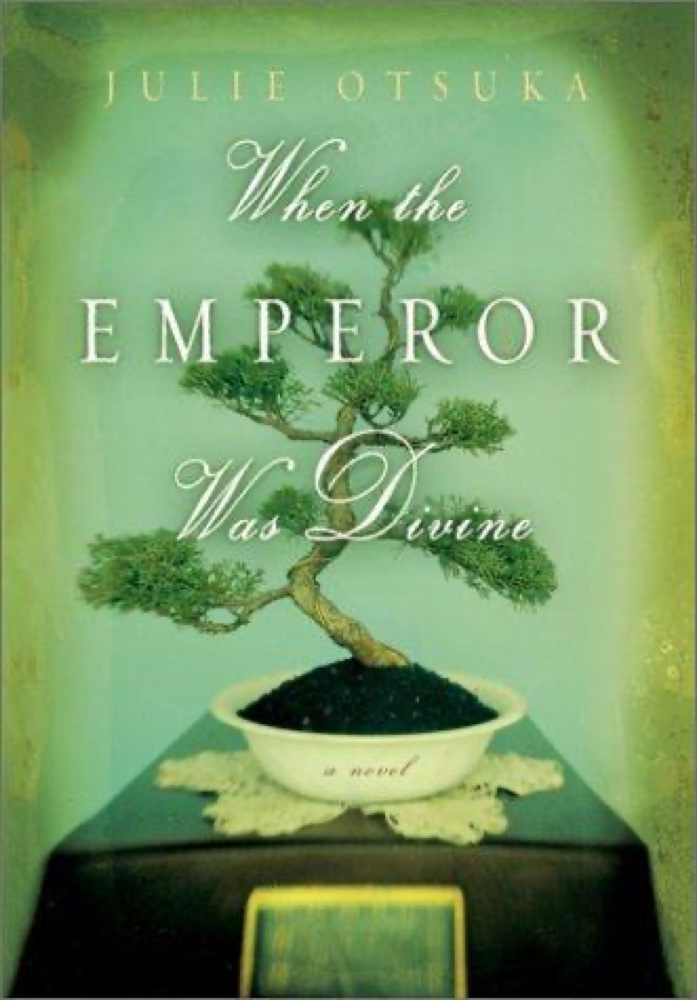 When the Emperor Was Divine
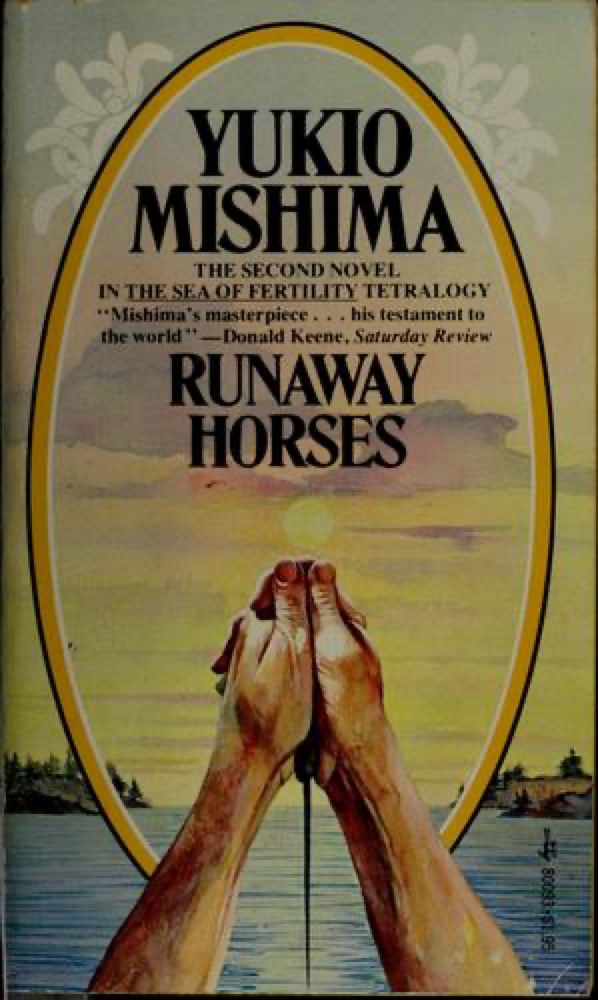 Runaway Horses
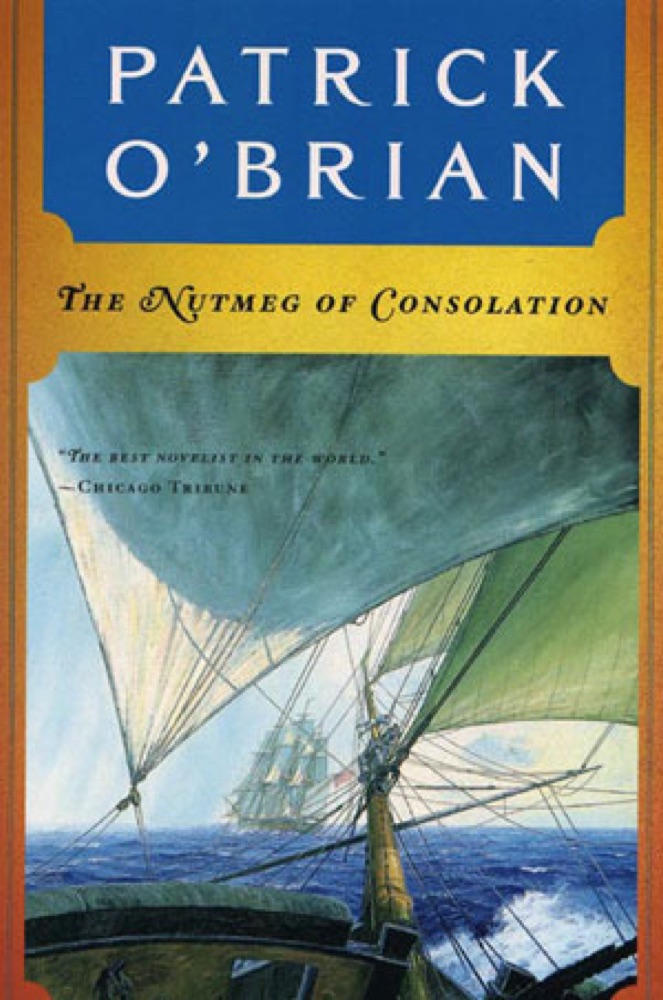 The Nutmeg of Consolation
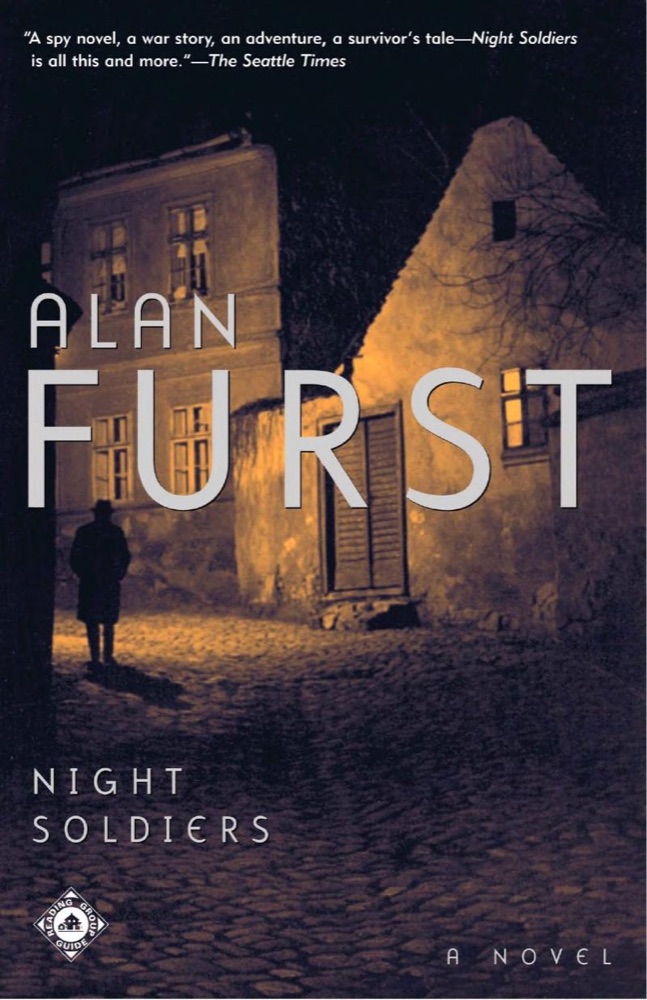 Night Soldiers
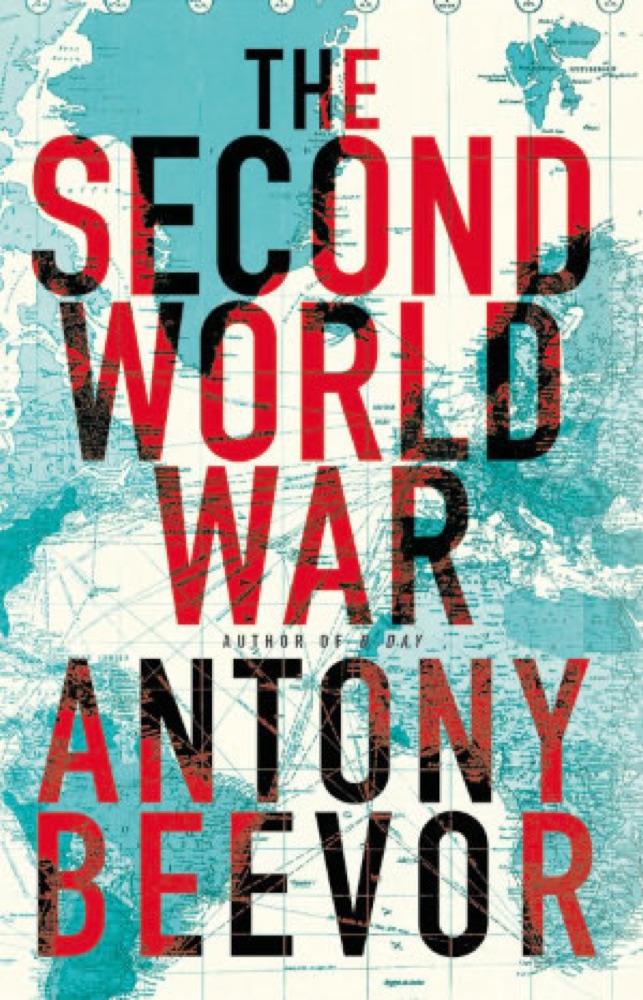 The Second World War
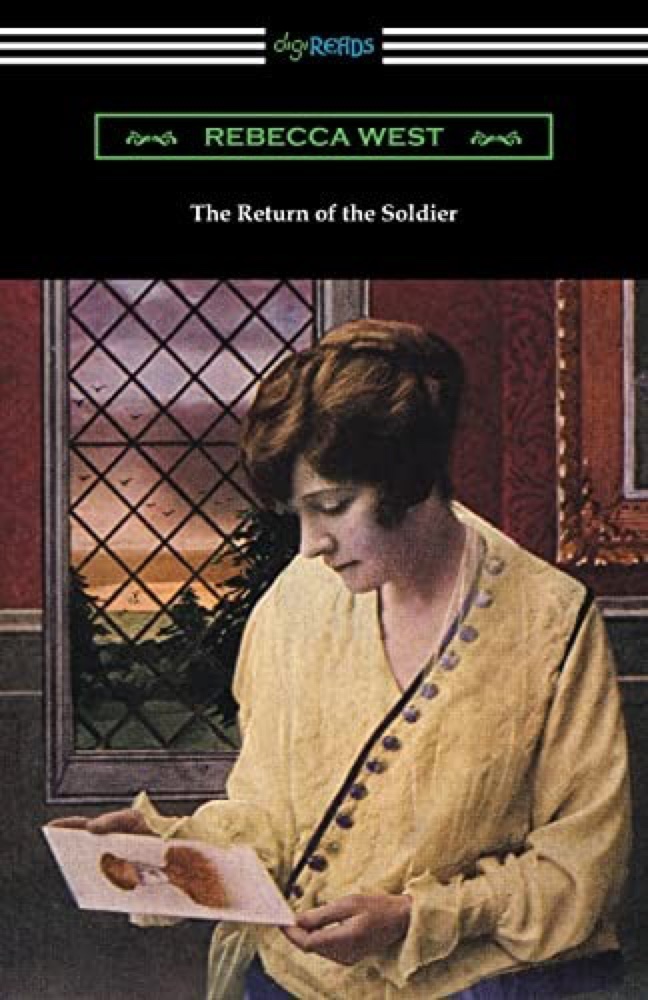 The Return of The Soldier
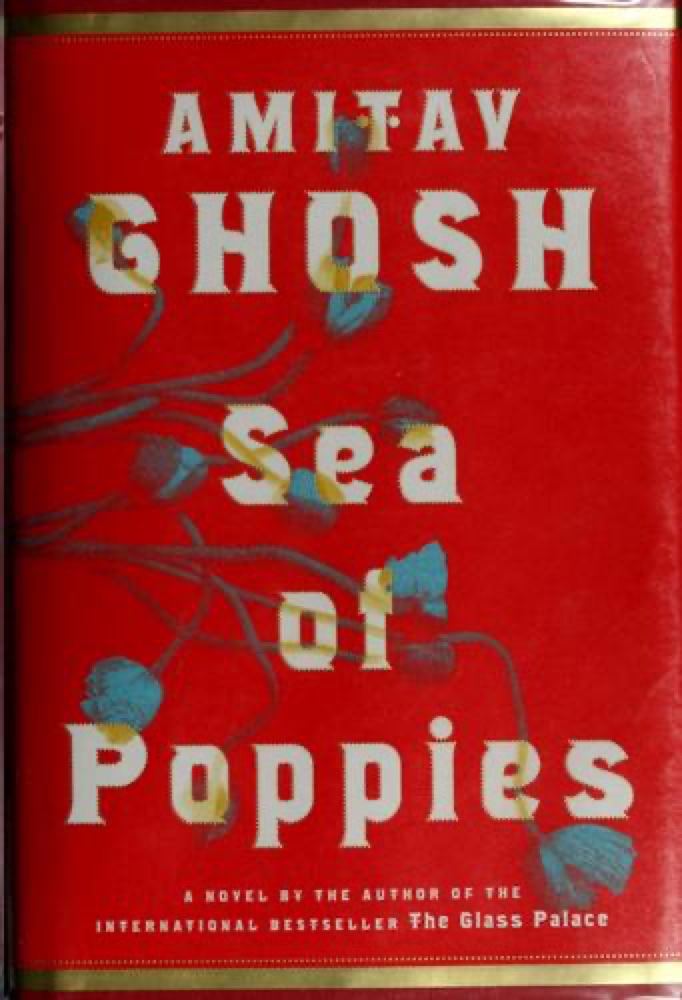 Sea of Poppies
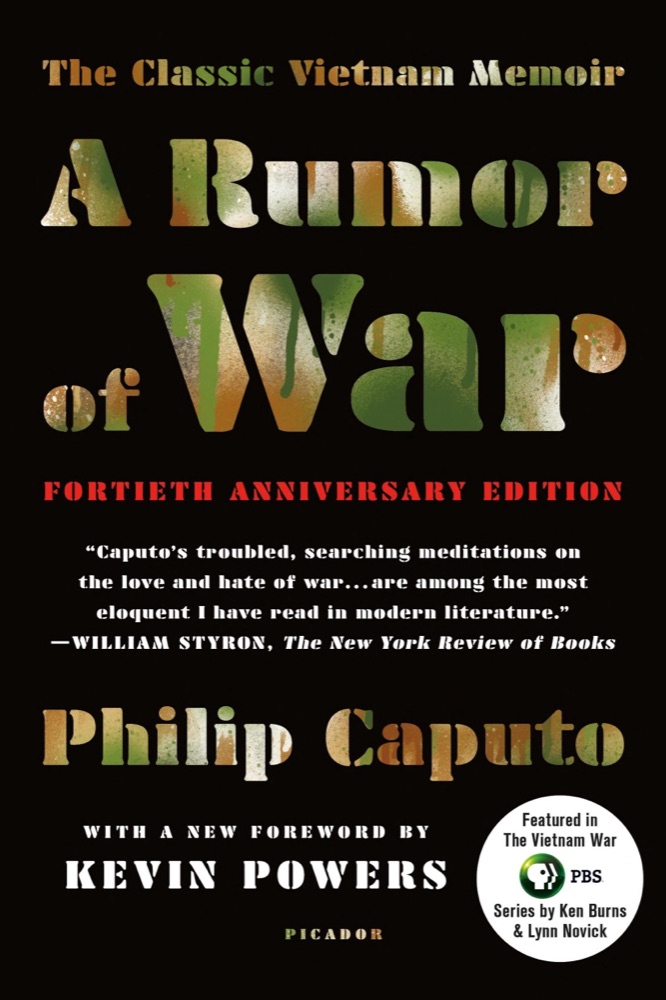 A Rumor of War: The Classic Vietnam Memoir
 The Ministry of Fear
 The Great Reclamation
 Brother, I'm Dying
 Auschwitz: A Doctor's Eyewitness Account
 Provinces of Night
 The Lighthouse
 Life & Times of Michael K
 The Shipping News
 Cannery Row
 Epitaph for a Spy
 The Looking Glass War