

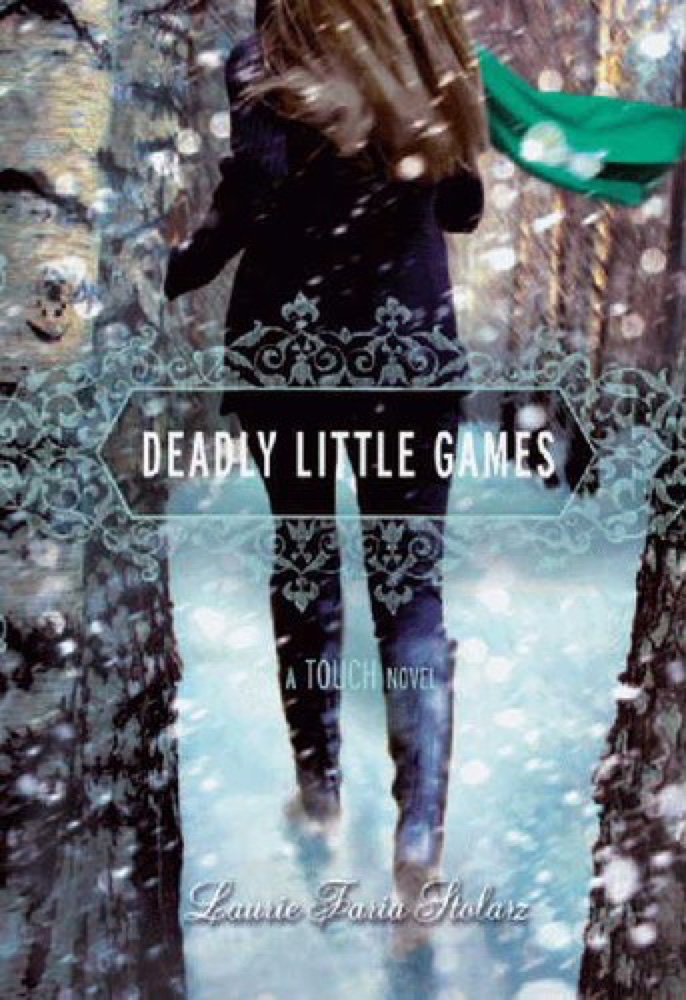
 Deadly Little Games
Quotes from the Book
You need to screw up to learn. You need to experience to create greatness.
If it were up to me, all boys would come with a label: Failure to take in small doses may result in irrational behavior, poor judgment, and estrangement from one's friends.
I do know that living in the past only messes up your present
You need to screw up to learn. You need to experience to create greatness. It’s not just about bowls, you know.
Dig a little, he continues. Search. Examine. Sculpt from the inside out, and not the other way around. Don’t be afraid to screw up along the way.
In other words, my pot doesn't work?" "It doesn't have a pulse," he says. "I have a pulse." Kimmie offers her wrist. "Wanna check?
Watch on YouTube
About Laurie Faria Stolarz
We have collected 38 quotes from 3 books by Laurie Faria Stolarz on BookQuoters.
More about the author →More by Laurie Faria Stolarz
Deadly Little Games
 White Is for Magic
Book details
- Author
- Laurie Faria Stolarz
- Genre
- Fantasy
- Goodreads rating
- 3.86 (23k ratings) →
Keep reading
 The Testing
 How to Be a Bawse: A Guide to Conquering Life
 The Last Lecture
 Excellent Advice for Living: Wisdom I Wish I'd Known Earlier
 Revenge of the Witch
 Imperfect Chemistry
 Shoe Dog: A Memoir by the Creator of NIKE
 Infamous
 The Nix
 Mostly Harmless
 Surely You're Joking, Mr. Feynman!
 The Undomestic Goddess
 Suspect
 The Art of Thinking Clearly
 The Resistance
 The 7 Habits Of Highly Effective Teens
 Do Epic Shit
 Riding the Elephant: A Memoir of Altercations, Humiliations, Hallucinations, and Observations
 The Intern's Handbook
 Shattered
 I Can't Make This Up: Life Lessons
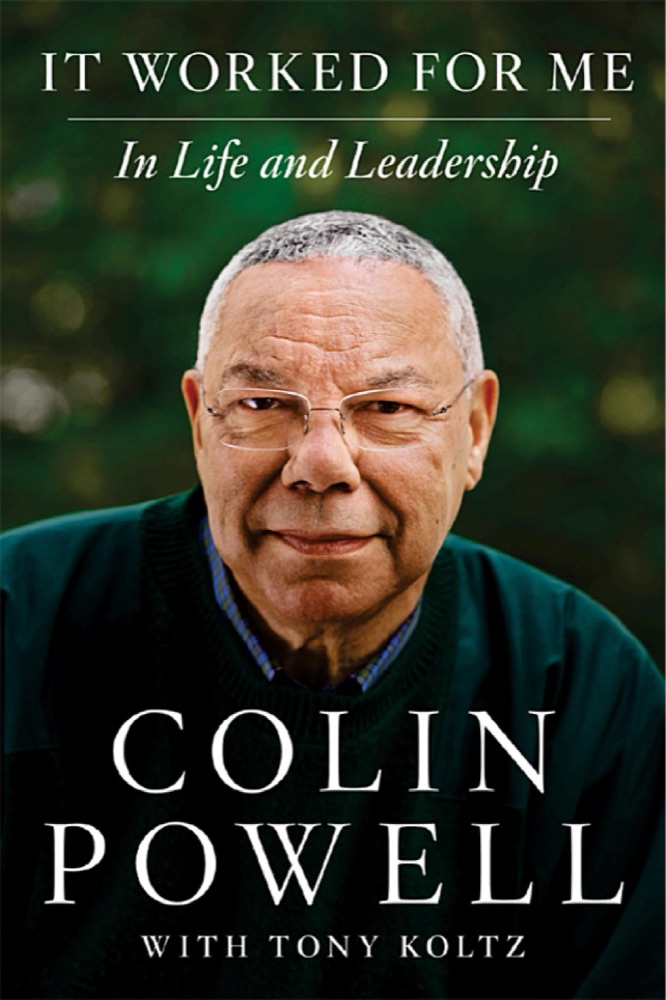 It Worked for Me: In Life and Leadership
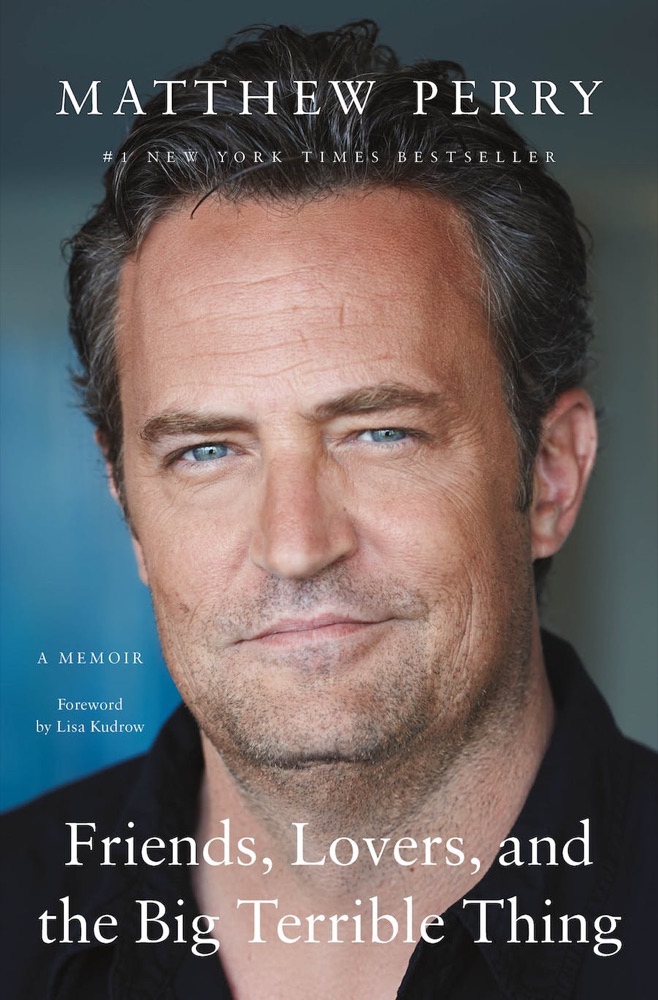 Friends, Lovers, and the Big Terrible Thing
 The Poisonwood Bible
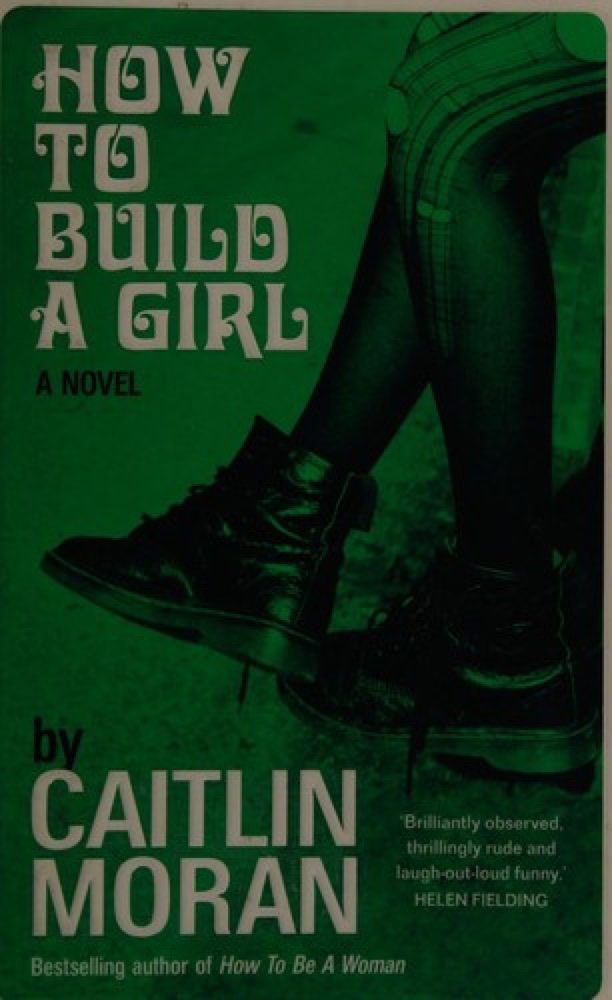 How to Build a Girl
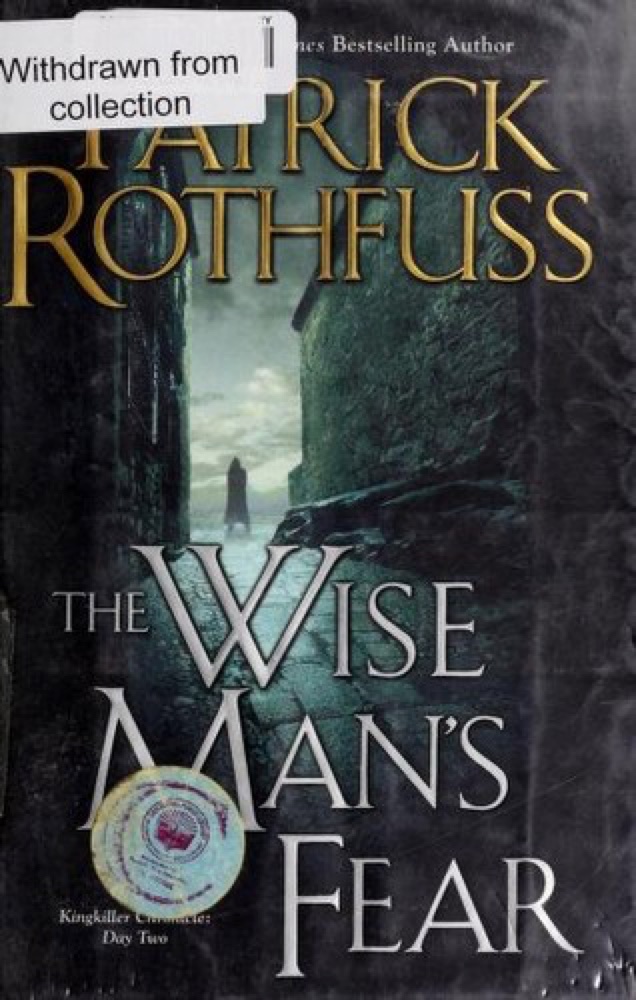 The Wise Man's Fear
 Creativity, Inc.: Overcoming the Unseen Forces That Stand in the Way of True Inspiration
 Don't Sweat the Small Stuff ... and it's all small stuff: Simple Ways to Keep the Little Things from Taking Over Your Life
 All I Really Need to Know I Learned in Kindergarten
 Duma Key
 Wooden: A Lifetime of Observations and Reflections On and Off the Court
 The Deep
 The Mystery Guest
 The Dude and the Zen Master
 The Anomaly
 Chicken Soup for the Soul
 Failing Up: How to Take Risks, Aim Higher, and Never Stop Learning
 The Power of One
 Time Enough for Love
 You Learn by Living: Eleven Keys for a More Fulfilling Life
 Perfect Match
 Slow Burn
 Lost and Found Sisters
 Do Over: Rescue Monday, Reinvent Your Work, and Never Get Stuck
 Greenlights
 A Work in Progress
 The Daily Laws: 366 Meditations
 Corrupt
 Yes Man
 Illusions: The Adventures of a Reluctant Messiah
 The Killer Inside Me
 Choose Yourself: Be Happy, Make Millions, Live the Dream
 The Creative Habit: Learn It and Use It for Life
 The Accidental Creative: How to Be Brilliant at a Moment's Notice
 Can't Hurt Me: Master Your Mind and Defy the Odds
 Going Vintage
 Moonwalk
 A Sudden Light
 Cutting for Stone