
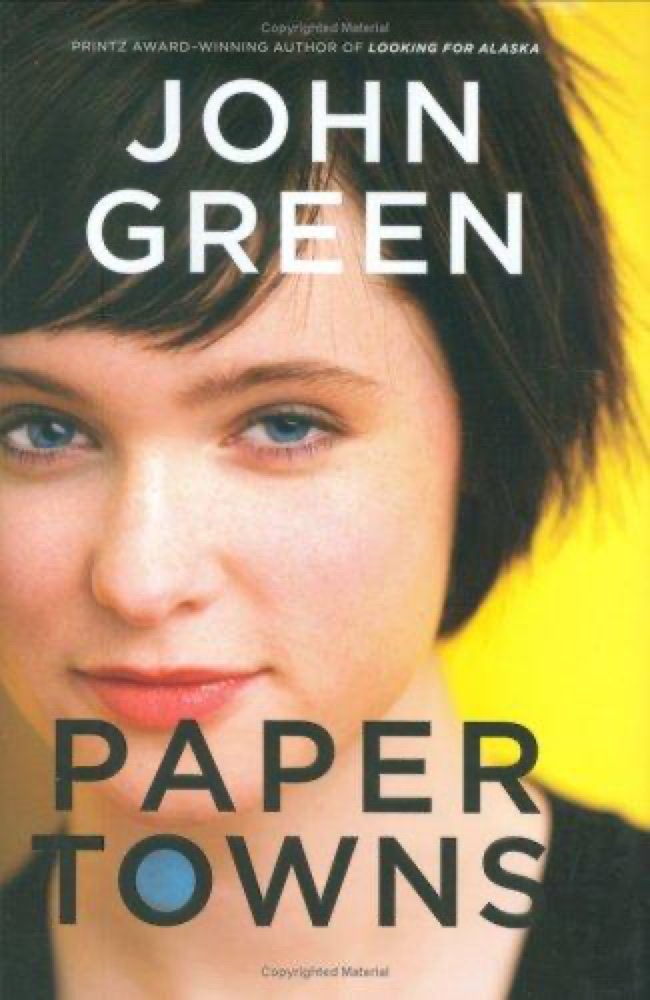
 Paper Towns
Quotes from the Book
The only way out of the labyrinth of suffering is to forgive.
When adults say, "Teenagers think they are invincible" with that sly, stupid smile on their faces, they don't know how right they are. We need never be hopeless, because we can never be irreparably broken. We think that we are invincible because we are. We cannot be born, and we cannot die. Like all energy, we can only change shapes and sizes and manifestations. They forget that when they get old. They get scared of losing and failing. But that part of us greater than the sum of our parts cannot begin and cannot end, and so it cannot fail.
Thomas Edison's last words were "It's very beautiful over there". I don't know where there is, but I believe it's somewhere, and I hope it's beautiful.
So I walked back to my room and collapsed on the bottom bunk, thinking that if people were rain, I was drizzle and she was a hurricane.
Imagining the future is a kind of nostalgia. (...) You spend your whole life stuck in the labyrinth, thinking about how you'll escape it one day, and how awesome it will be, and imagining that future keeps you going, but you never do it. You just use the future to escape the present.
When I look at my room, I see a girl who loves books.
I wanted so badly to lie down next to her on the couch, to wrap my arms around her and sleep. Not fuck, like in those movies. Not even have sex. Just sleep together in the most innocent sense of the phrase. But I lacked the courage and she had a boyfriend and I was gawky and she was gorgeous and I was hopelessly boring and she was endlessly fascinating. So I walked back to my room and collapsed on the bottom bunk, thinking that if people were rain, I was drizzle and she was hurricane.
What the hell is that?" I laughed. "It's my fox hat." "Your fox hat?" "Yeah, Pudge. My fox hat." "Why are you wearing your fox hat?" I asked. "Because no one can catch the motherfucking fox.
They love their hair because they're not smart enough to love something more interesting.
What is an "instant" death anyway? How long is an instant? Is it one second? Ten? The pain of those seconds must have been awful as her heart burst and her lungs collapsed and there was no air and no blood to her brain and only raw panic. What the hell is instant? Nothing is instant. Instant rice takes five minutes, instant pudding an hour. I doubt that an instant of blinding pain feels particularly instantaneous.
I may die young, but at least I'll die smart.
It always shocked me when I realized that I wasn’t the only person in the world who thought and felt such strange and awful things.
What you must understand about me is that I’m a deeply unhappy person.
Francois Rabelais. He was a poet. And his last words were "I go to seek a Great Perhaps." That's why I'm going. So I don't have to wait until I die to start seeking a Great Perhaps.
It's not because I want to make out with her." Hold on." He grabbed a pencil and scrawled excitedly at the paper as if he'd just made a mathematical breakthrough and then looked back up at me. "I just did some calculations, and I've been able to determine that you're full of shit
At some point, you just pull off the Band-Aid, and it hurts, but then it's over and you're relieved.
He was gone, and I did not have time to tell him what I had just now realized: that I forgave him, and that she forgave us, and that we had to forgive to survive in the labyrinth. There were so many of us who would have to live with things done and things left undone that day. Things that did not go right, things that seemed okay at the time because we could not see the future. If only we could see the endless string of consequences that result from our smallest actions. But we can’t know better until knowing better is useless. And as I walked back to give Takumi’s note to the Colonel, I saw that I would never know. I would never know her well enough to know her thoughts in those last minutes, would never know if she left us on purpose. But the not-knowing would not keep me from caring, and I would always love Alaska Young, my crooked neighbor, with all my crooked heart.
Have you really read all those books in your room?” Alaska laughing- “Oh God no. I’ve maybe read a third of ‘em. But I’m going to read them all. I call it my Life’s Library. Every summer since I was little, I’ve gone to garage sales and bought all the books that looked interesting. So I always have something to read.
And then something invisible snapped insider her, and that which had come together commenced to fall apart.
Sometimes you lose a battle. But mischief always wins the war
I am going to take this bucket of water and pour it on the flames of hell, and then I am going to use this torch to burn down the gates of paradise so that people will not love God for want of heaven or fear of hell, but because He is God.
I just did some calculations and I've been able to determine that you're full of shit.
That didn’t happen, of course. Things never happened the way I imagined them.
Sometimes I don't get you,' I said. She didn't even glance at me. She just smiled toward the television and said, 'You never get me. That's the whole point.
We are all going, I thought, and it applies to turtles and turtlenecks, Alaska the girl and Alaska the place, because nothing can last, not even the earth itself. The Buddha said that suffering was caused by desire, we'd learned, and that the cessation of desire meant the cessation of suffering. When you stopped wishing things wouldn't fall apart, you'd stop suffering when they did.
It's not life or death, the labyrinth. Suffering. Doing wrong and having wrong things happen to you. That's the problem. Bolivar was talking about the pain, not about the living or dying. How do you get out of the labyrinth of suffering?
We need never be hopeless because we can never be irreperably broken.
Y'all smoke to enjoy it. I smoke to die.
I wanted to be one of those people who have streaks to maintain, who scorch the ground with their intensity. But for now, at least I knew such people, and they needed me, just like comets need tails.
Did you know?
- The novel was inspired by John Green's own experience attending Indian Springs School in Alabama, though the story is fictional.
- Chapters are titled by their distance in days from a central event, dividing the book into "Before" and "After" sections.
- The title's search echoes Miles's quest for "the Great Perhaps," a phrase attributed to François Rabelais's last words.
- The "labyrinth" motif draws on Simón Bolívar's reported last words.
- It was John Green's first published book and won the Printz Award in 2006.
- Between 2021 and 2024 it was among the most frequently banned books in U.S. public schools.
About John Green
John Green is an American author and YouTube content creator, born in 1977. "Looking for Alaska" was his debut novel; he later wrote bestsellers including "The Fault in Our Stars," and with his brother Hank co-created the educational and vlog channels known as the Vlogbrothers.
More about the author →More by John Green
All books by John Green →
About the book
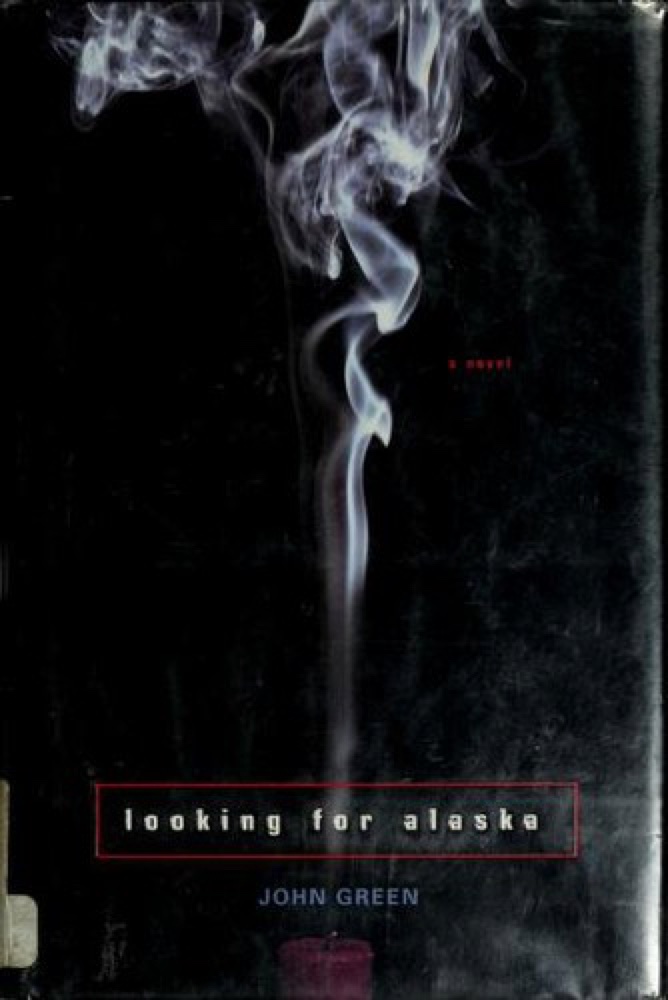
"Looking for Alaska" is John Green's debut young adult novel, published in 2005. It follows Miles "Pudge" Halter, a teenager obsessed with famous last words, who leaves his uneventful life to attend Culver Creek Boarding School in Alabama in search of what François Rabelais called "the Great Perhaps." There he falls in with a tight group of friends—his roommate the Colonel, Takumi, and the magnetic, self-destructive Alaska Young—and the novel is structured as a countdown of days "Before" and a reckoning of days "After" a pivotal tragedy.
The book explores coming-of-age themes of first love, friendship, grief, and the search for meaning. Drawing on Simon Bolívar's last words, Green uses the recurring metaphor of a "labyrinth" of suffering to frame his characters' attempts to understand loss and how to escape it. The two-part structure builds toward, and then grapples with, an event that forces Pudge and his friends to confront mortality, guilt, and hope.
The novel won the 2006 Michael L. Printz Award from the American Library Association and helped establish Green as a leading voice in contemporary young adult fiction. It has remained widely read and taught, though it has also been frequently challenged in schools for its mature content. A Hulu miniseries adaptation premiered in 2019.
Key characters
- Miles "Pudge" HalterThe narrator, a teenager obsessed with famous last words seeking "the Great Perhaps"
- Alaska YoungIntelligent, beautiful, and self-destructive girl who captivates Miles
- The Colonel (Chip Martin)Miles's roommate and the strategic mastermind behind the group's pranks
- Takumi HikohitoA friend in the group and hip-hop enthusiast
Book details
- First published
- 2005
- Length
- 297 pages
- Reading time
- 5 hours
- Author
- John Green
- Genre
- Fiction
- Goodreads rating
- 3.96 (1.8M ratings) →
Movie & TV adaptations
- IMDb
If you liked this, read…
- 1The Fault in Our StarsAnother John Green YA novel confronting love and mortality
- 2Paper TownsJohn Green story built around an enigmatic girl and a search for meaning
- 3The Perks of Being a WallflowerComing-of-age boarding-adjacent story of friendship, grief, and growing up
Keep reading
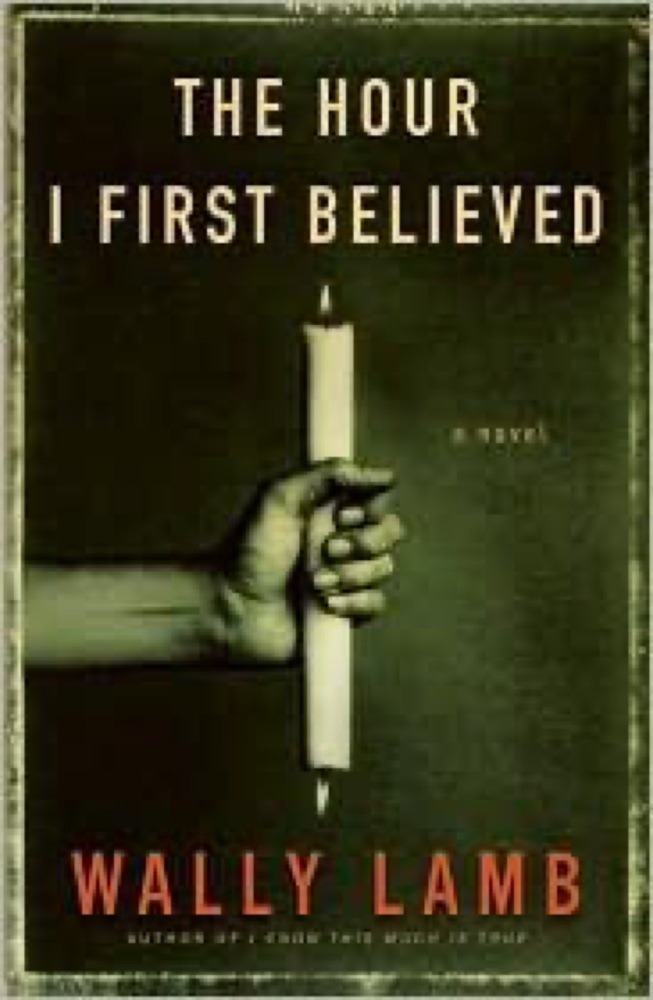 The Hour I First Believed
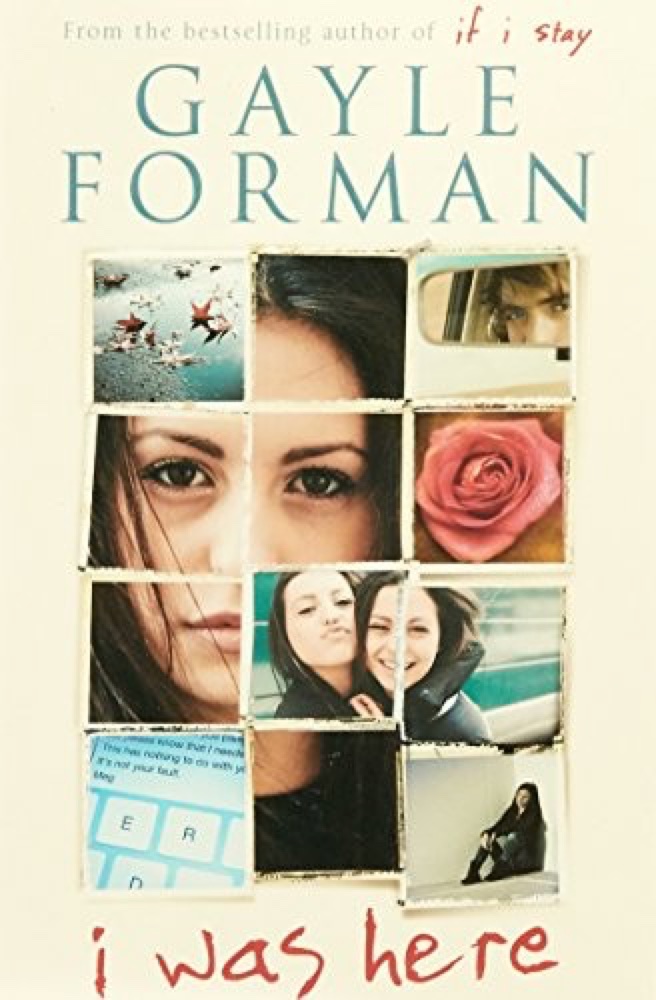 I Was Here
 Hard-Boiled Wonderland and the End of the World
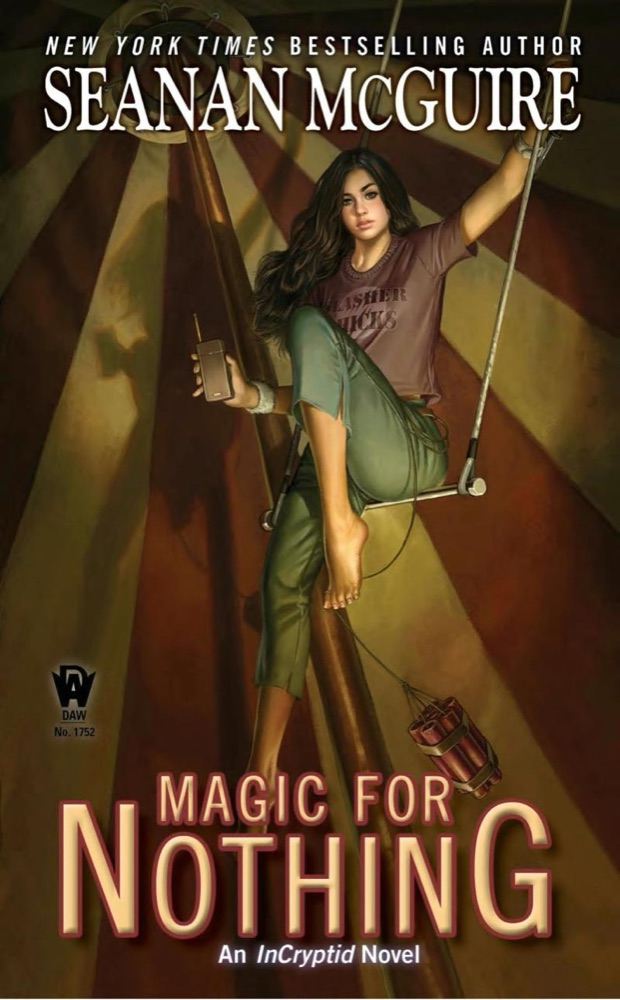 Magic for Nothing
 The Bone Season
 We Were Liars
 Norwegian Wood
 Super Sad True Love Story
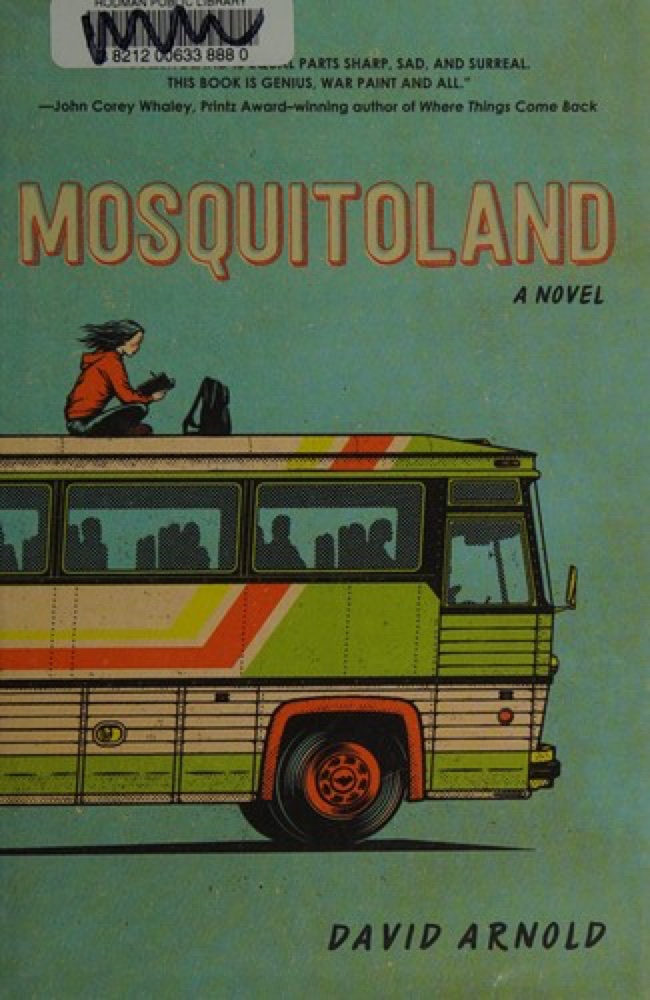 Mosquitoland
 Impulse
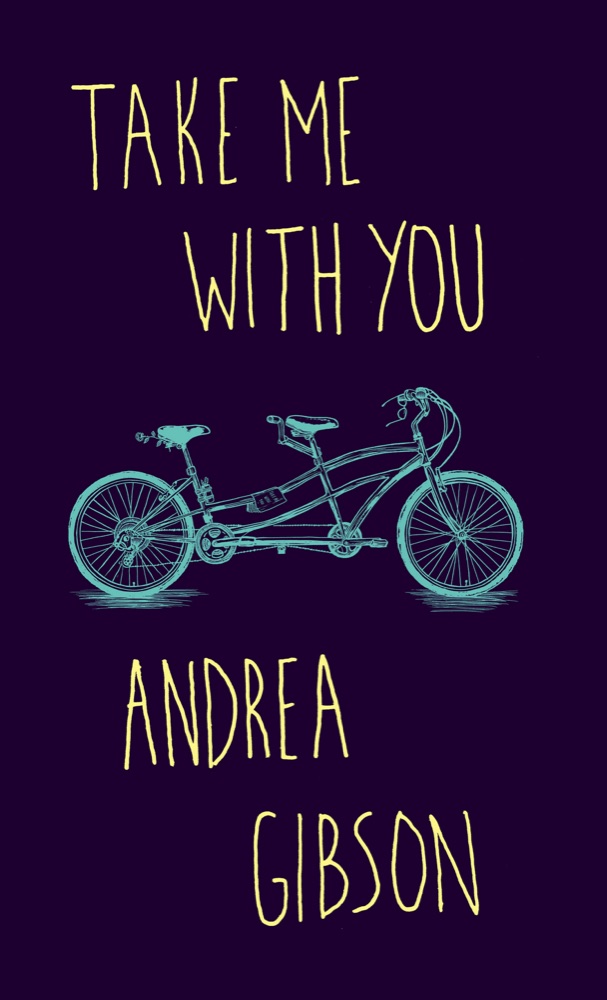 Take Me With You
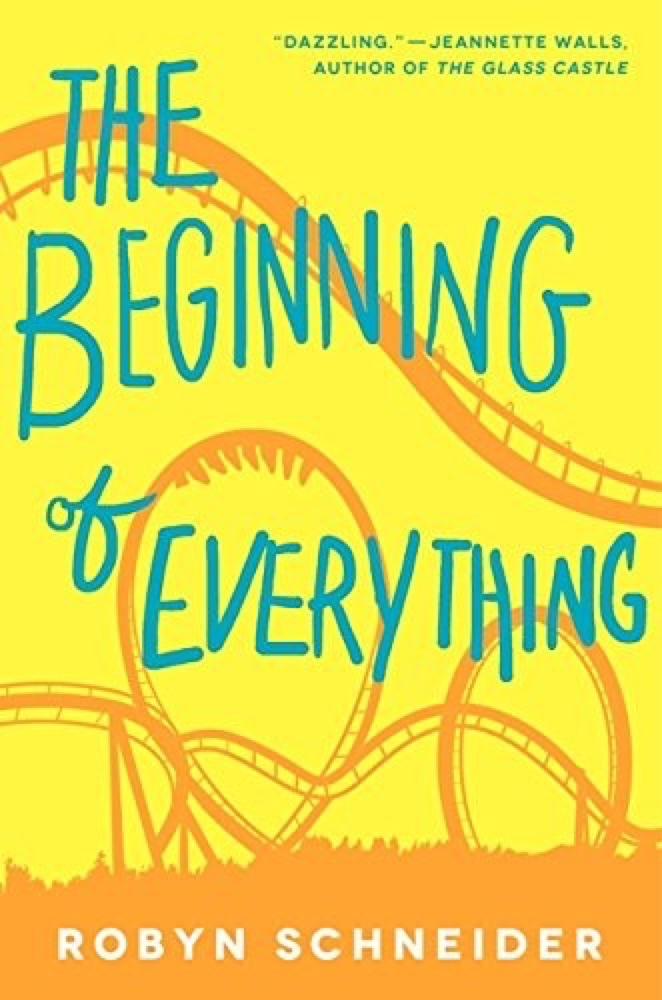 The Beginning of Everything
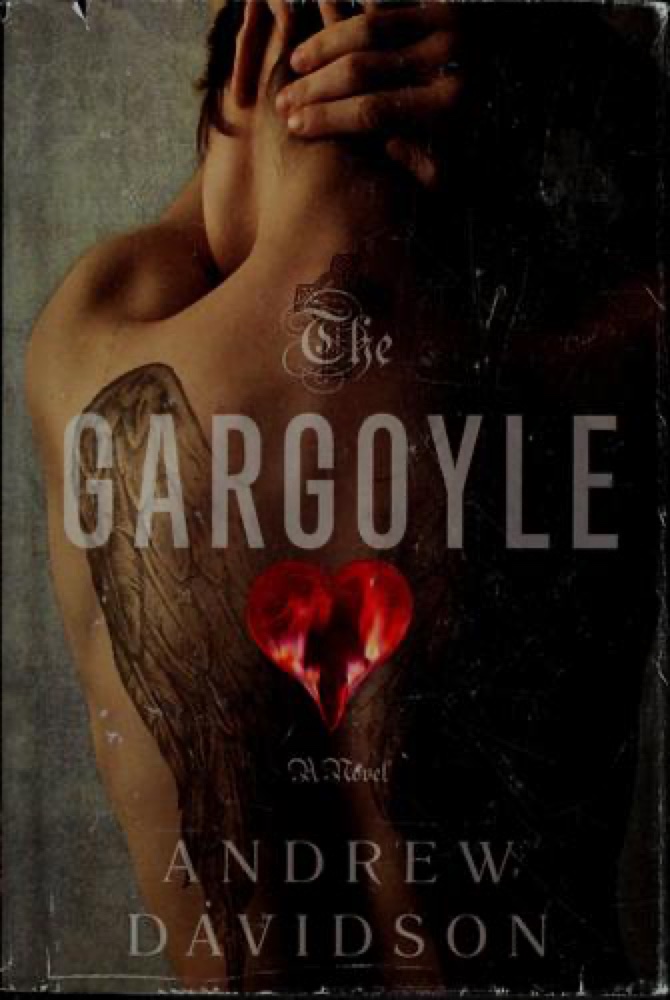 The Gargoyle
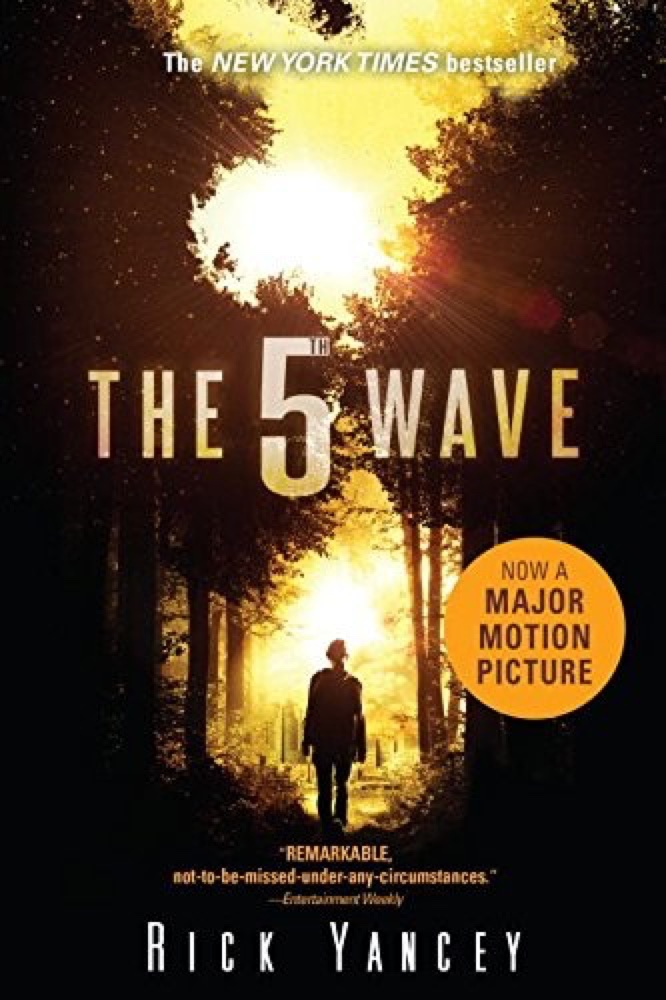 The 5th Wave
 Looking for Alibrandi
 Extraordinary Means
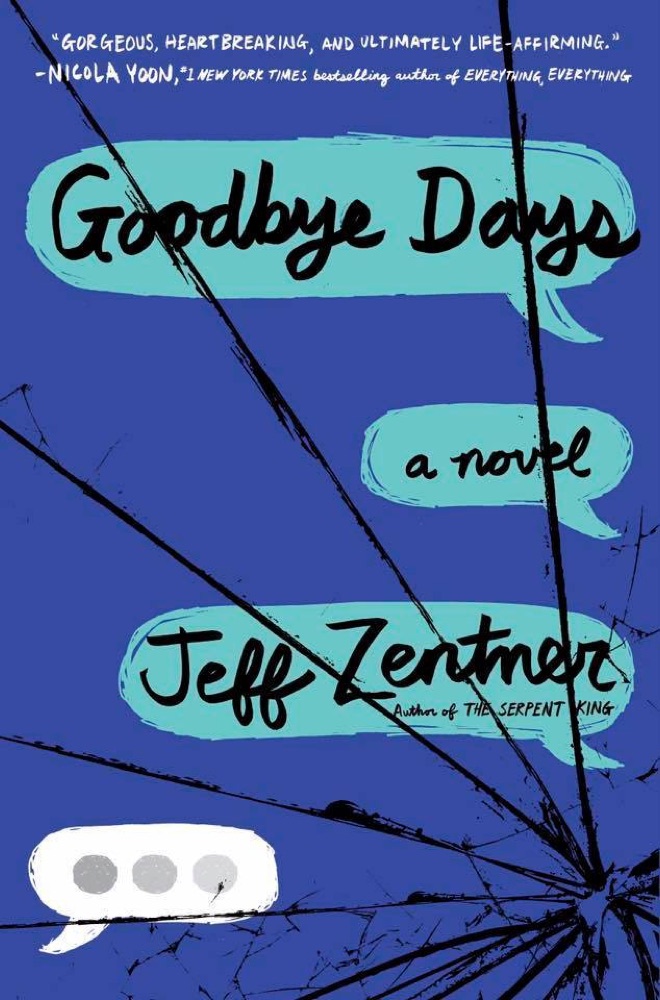 Goodbye Days
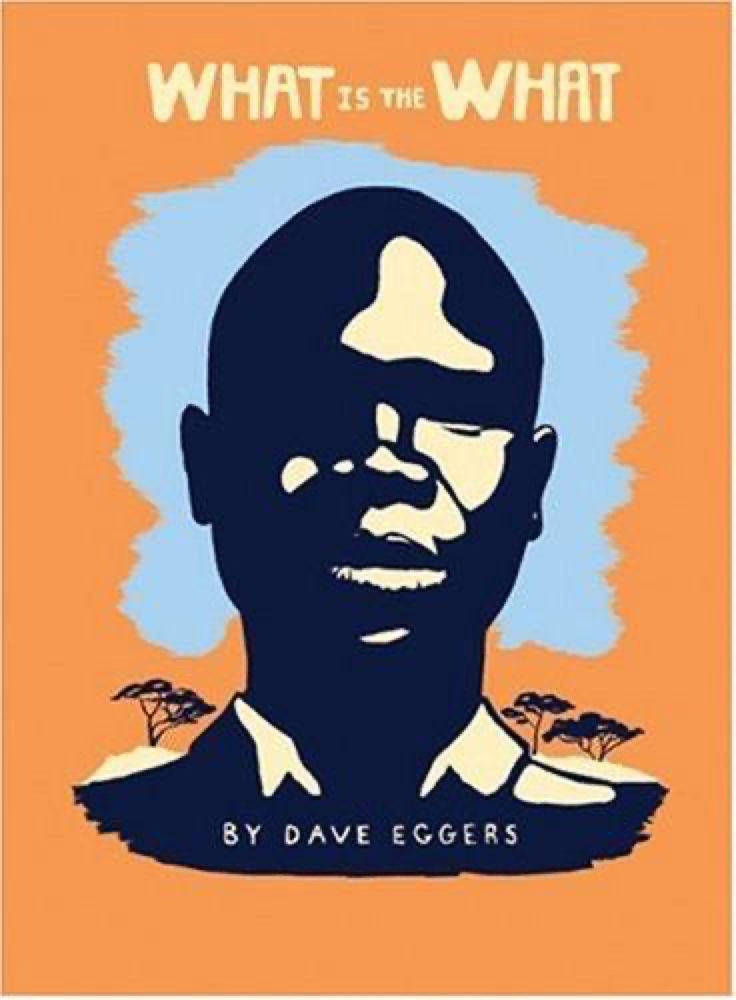 What Is the What
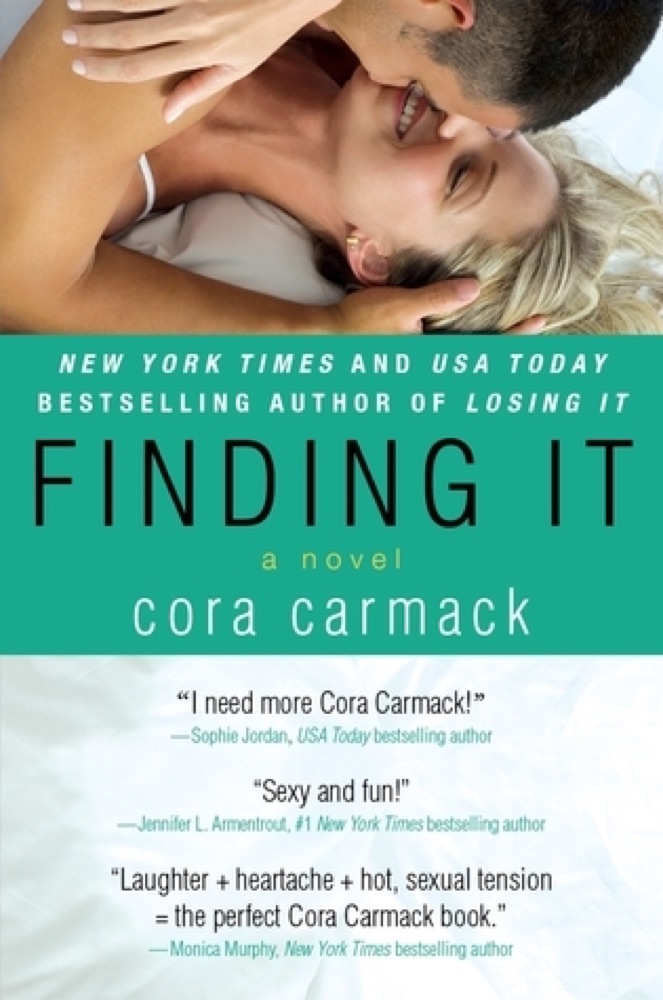 Finding It
 No One Belongs Here More Than You
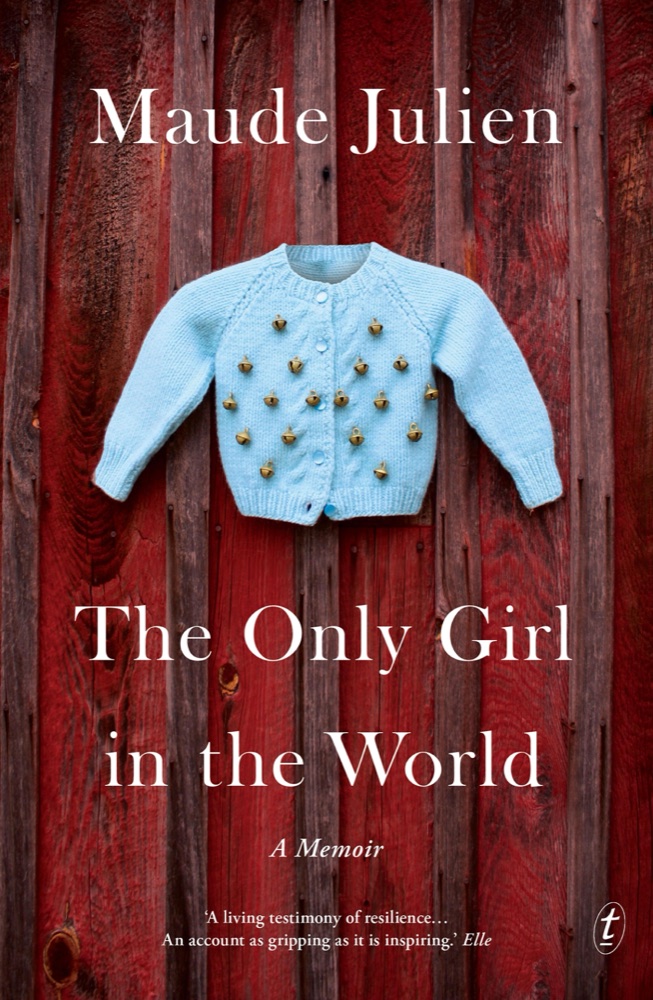 The Only Girl in the World
 Hey Nostradamus!
 Bruiser
 Hollow City
Paper Towns
Hollow City
Paper Towns
 After the Quake
 Wolf in White Van
 Scar Tissue
 Watermelon
 Anagrams
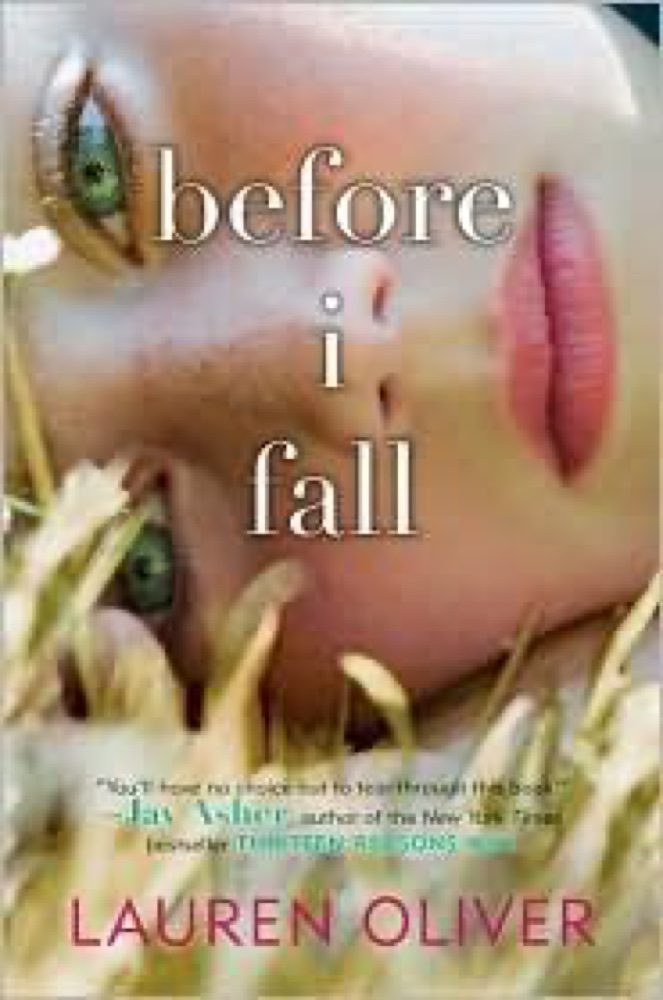 Before I Fall
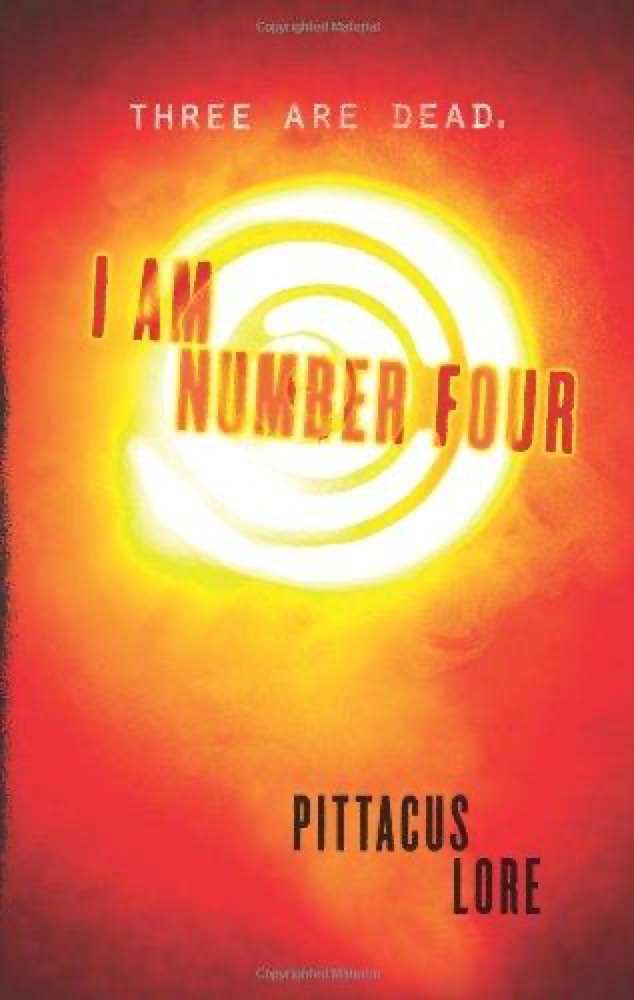 I Am Number Four
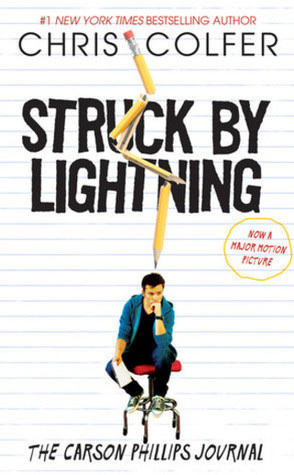 Struck by Lightning: The Carson Philips Journal
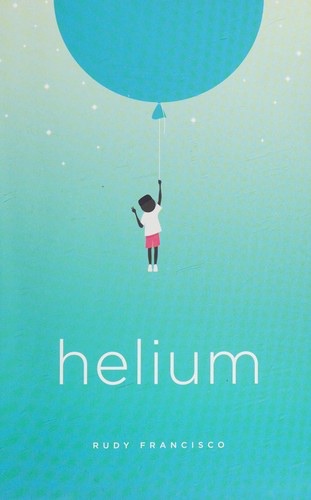 Helium
 She's Come Undone
 The Year of the Flood
 Lit
Lit
 A Visit from the Goon Squad
 Beautiful Darkness
 Making Faces
 Fragments
 The Fault in Our Stars
 This Is Where the World Ends
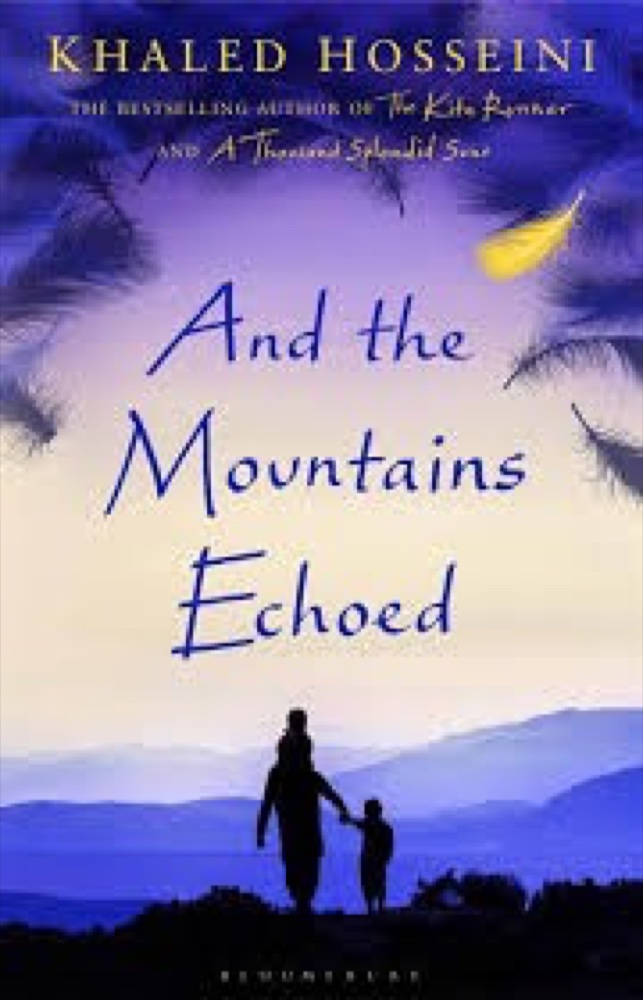 And the Mountains Echoed
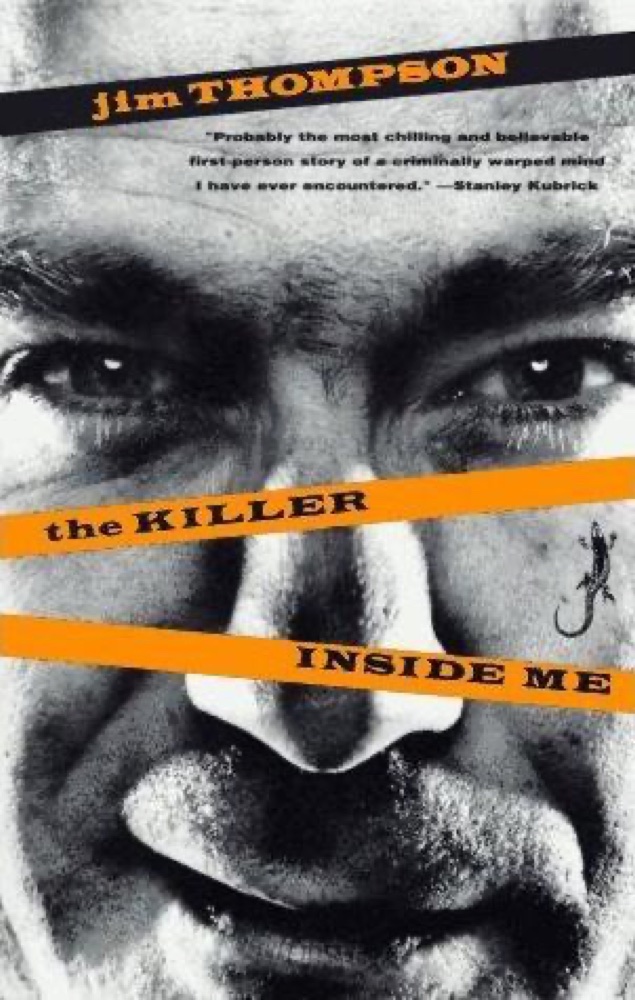 The Killer Inside Me
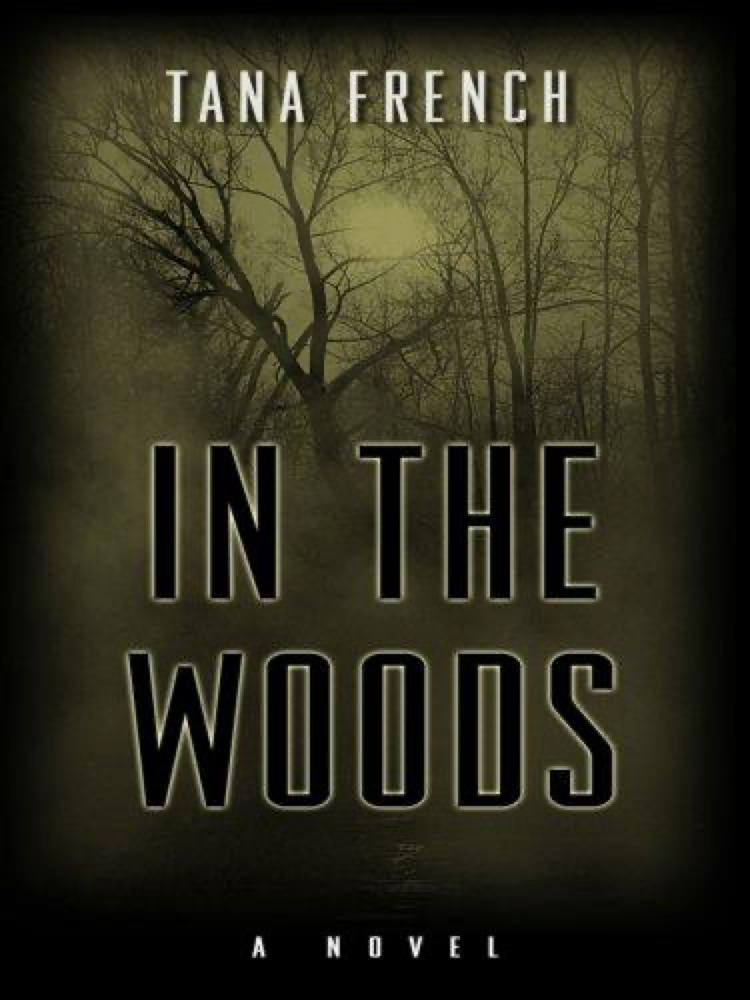 In the Woods
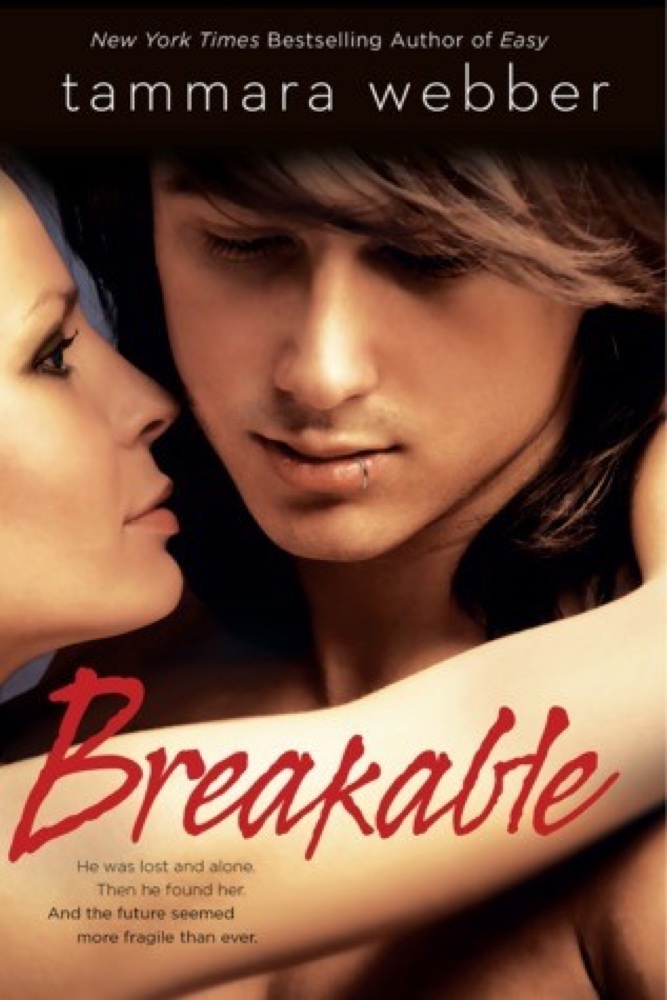 Breakable
 A Long Way Down
 Dept. of Speculation
 Belong to Me
 Beautiful Creatures
 Hemlock & Silver
 Drowning Instinct
 How to Say Goodbye in Robot
 Requiem
 Plain Truth
 White Oleander
 Relentless
 All My Puny Sorrows