
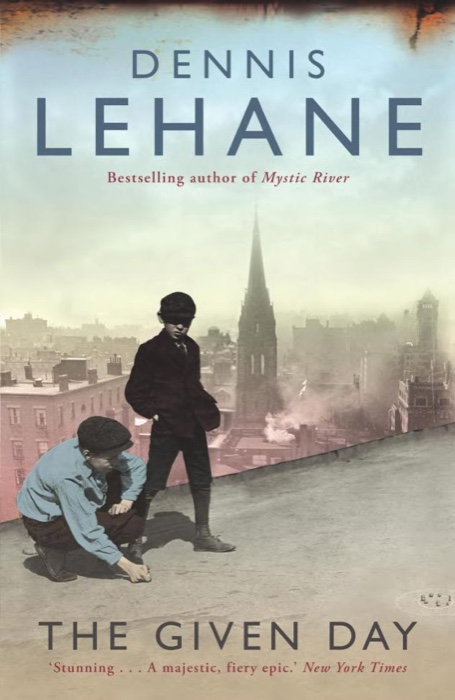
 The Given Day
Quotes from the Book
No land was ever acquired honestly in the history of the earth.
The difference between a brave man and a coward is very simple. It is a problem of love. A coward loves only himself... [...] ...a coward cares only for his own body," Toshaway said, "and he loves it above all other things. The brave man loves other men first and himself last. Nahkusuaberu?" I nodded. "This" - he tapped me - "must mean nothing to you." The he tapped me again, on my face, my chest, my belly, my hands and feet. "All of this means nothing.
I might be killed any day, by whites or hostile Indians, I might be run down by a grizzly or a pack of buffalo wolves, but I rarely did anything I didn't feel like doing, and maybe this was the main difference between the whites and the Comanches, which was the whites were willing to trade all their freedom to live longer and eat better, and the Comanches were not willing to trade any of it.
A man, a life - it was barely worth mentioning. The Visigoths had destroyed the Romans, and had themselves been destroyed by the Muslims. Who were destroyed by the Spanish and Portuguese. You did not need Hitler to see that it was not a pleasant story. And yet here she was. Breathing, having these thoughts. The blood that ran through history would fill every river and ocean, but despite all the butchery, here you were.
Wild Spanish cattle were easily acquired with a rope - within a year we had a hundred head. Hogs and mustang horses were also for the taking. There were deer, turkey, bear, squirrel, the occasional buffalo, turtles and fish from the river, ducks, plums and mustang grapes, bee trees and persimmons - the country was rich with life the way it is rotten with people today. The only problem was keeping your scalp attached.
People like him think you can apologize things away, that you can confess over and over until you are free to repeat your crime.
If you hate me it is because I have morals.
It had become clear to me that the lives of the rich and famous were not so differ from the lies of the Comanches: you did what you pleased and answered to no one.
Perhaps another great ice will come and grind all this into dust. Leaving no trace of our existence, as even fire does.
The entire history of humanity is marked by a single inexorable movement - from animal instinct toward rational thought, from inborn behavior toward acquired knowledge. A half-grown panther abandoned in the wilderness will grow up to be a perfectly normal panther. But a half-grown child similarly abandoned will grow up into an unrecognizable savage, unfit for normal society. Yet there are those who insist the opposite: that we are creatures of instinct, like wolves.
Unlike the white, billions of whom shared the same handful of names, all interchangeable in the end, a Comanche name lived and died with a single person.
Follow your footprints long enough and they will turn into those of a beast.
Only bullets and walls make for honest neighbors.
once people grew used to free money, to laboring only when the mood struck them, they began to think there was something low about work. They became desperate to excuse their own laziness.
They could not seem to grasp that what mattered was what you did. Not what you said or thought about.
I had never known there were so many people on earth.
I went upstairs to my office. Lay in the dark among my books. The only comforting thing I have. An exile in my own house, my own family. Maybe in my own country.
My brother began to cry out in his sleep; I started to shake him, then stopped. There wasn’t any dream he could be having that would be as bad as waking up.
Impossible to believe we are truly in God's image. Something of the reptile in us yet, the caveman's allegiance to the spear. A vestige of our time in the swamps. And yet there are those wish to return. Be more like the reptile, they say. Be more like the snake, lying in wait. Of course they do not say snake, they say lion, but there is little difference in character between the two, only in appearance.
Of course you wanted your children to have it better than you had. But at what point was it not better at all?
There’s no sense kissing the Devil till you’ve met him
The blood that ran through history would fill every river and ocean, but despite all the butchery, here you were.
She knew why the Colonel had hated talking about the old days. Because the moment you looked back, and began to make your tally, you were done for.
The strong took from the weak, only the weak believed otherwise.
I don't have to tell you what this land used to look like," he said. "And you don't have to tell me that I am the one who ruined it. Which I did, with my own hands, and ruined forever. You're old enough to remember when the grass between here and Canada was balls high to a Belgian, and yes it is possible that in a thousand years it will go back to what it once was, though it seems unlikely. But that is the story of the human race. Soil to sand, fertile to barren, fruit to thorns. It is all we know how to do.
Toshaway had been right: you had to love others more than you loved your own body, otherwise you would be destroyed, whether from the inside or out, it didn't matter. You could butcher and pillage but as long as you did it for people you loved, it never mattered.
If a man has done it, so can you: that is what our father used to tell us.
IT OCCURS TO me that we are entering an era in which the human ear will cease to distinguish sounds. Today I barely heard the drillers. What other things am I not hearing?
I have always found it interesting that white children take so quickly to Indian ways, while Indian children, when brought to be raised in white families, never take to it at all.
It had been a turning point in her life, in some sense it's most important moment; she had seen the world and retreated.
About Philipp Meyer
We have collected 30 quotes from 1 book by Philipp Meyer on BookQuoters.
More about the author →Book details
- Author
- Philipp Meyer
- Genre
- Fiction
- Goodreads rating
- 4.04 (39k ratings) →
The buzz
- The New York TimesReview in The New York Timesprofessional review (via Book Marks)
- The Washington PostReview in The Washington Postprofessional review (via Book Marks)
- The GuardianReview in The Guardianprofessional review (via Book Marks)
- NPRReview in NPRprofessional review (via Book Marks)
- LA Review of BooksReview in LA Review of Booksprofessional review (via Book Marks)
- The Boston GlobeReview in The Boston Globeprofessional review (via Book Marks)
Keep reading
The Given Day
 The Son
 Homegoing
 A Thousand Moons
 The Once and Future King
 Native Son
 The Kite Runner
 The Broken Eye
 The Wars
 Red Country
 Tomorrow, When the War Began
 Dreams from My Father: A Story of Race and Inheritance
 The Damnation Game
 The Naked and the Dead
 Whiskey When We're Dry
 The Hour I First Believed
 Rot & Ruin
 Surfacing
 A Bend in the River
 Cage of Souls
 How Beautiful We Were
 Black Leopard, Red Wolf
 The Prophets
 The Brutal Telling
 I Am Pilgrim
 The Whisper Man
 In Cold Blood
 All the King's Men
 Babylon's Ashes
 Pachinko
 Wayfaring Stranger
 Another Country
 World Gone By
 Close
Close
 Familiaris
 Last Argument of Kings
 The Sympathizer
 The Quiet American
 A Rule Against Murder
 A Death in the Family
 Xenocide
 Mother Night
 Soul of the Fire
 The Water Dancer
 A Separate Peace
 James
James
 The Invasion of the Tearling
 Son of a Witch
 Go Set a Watchman
 The Stand
 The Testaments
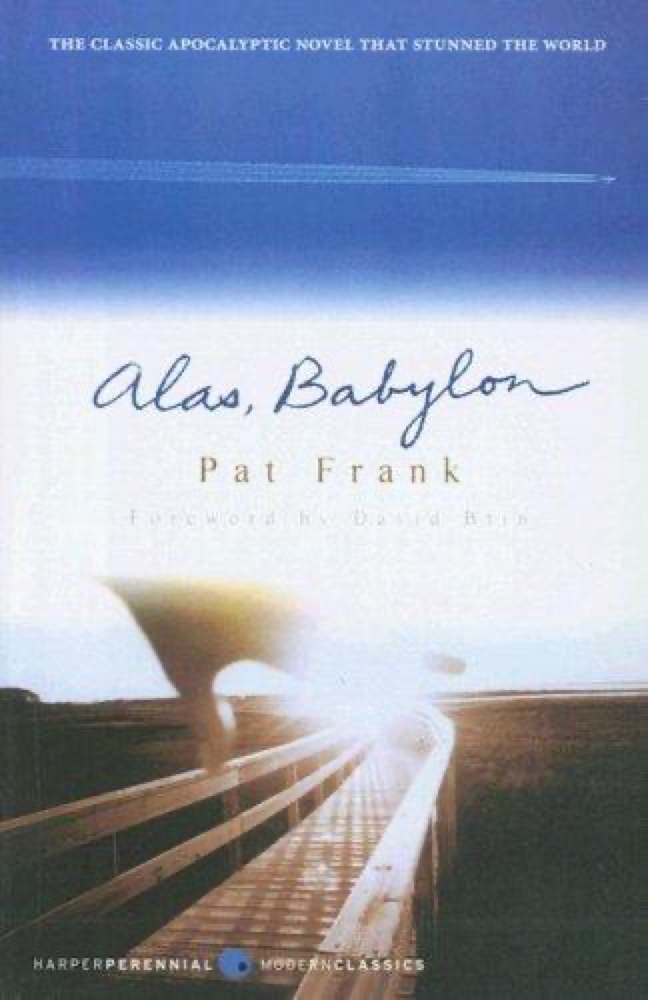 Alas, Babylon
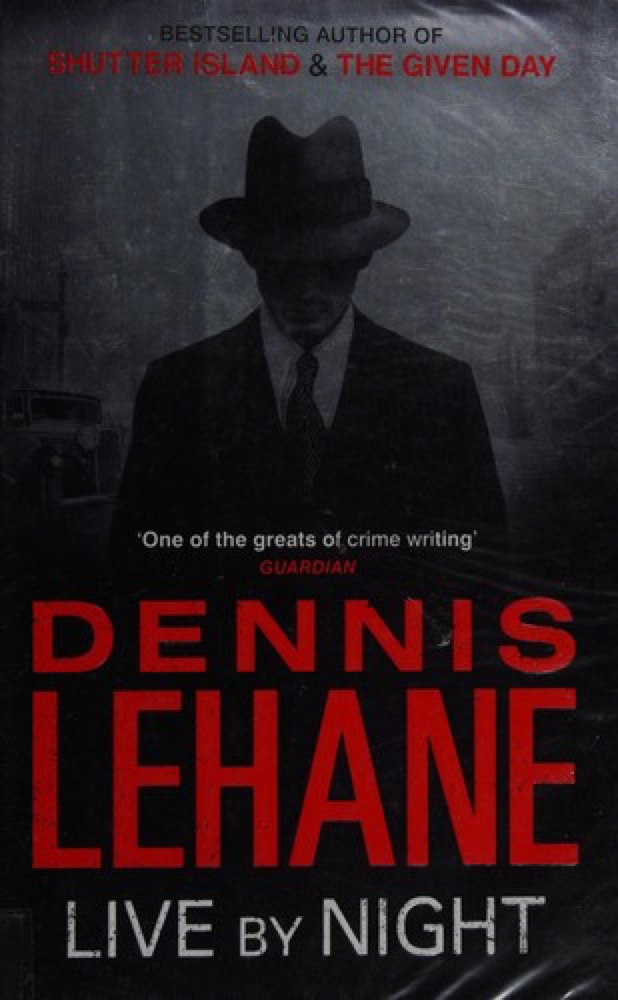 Live by Night
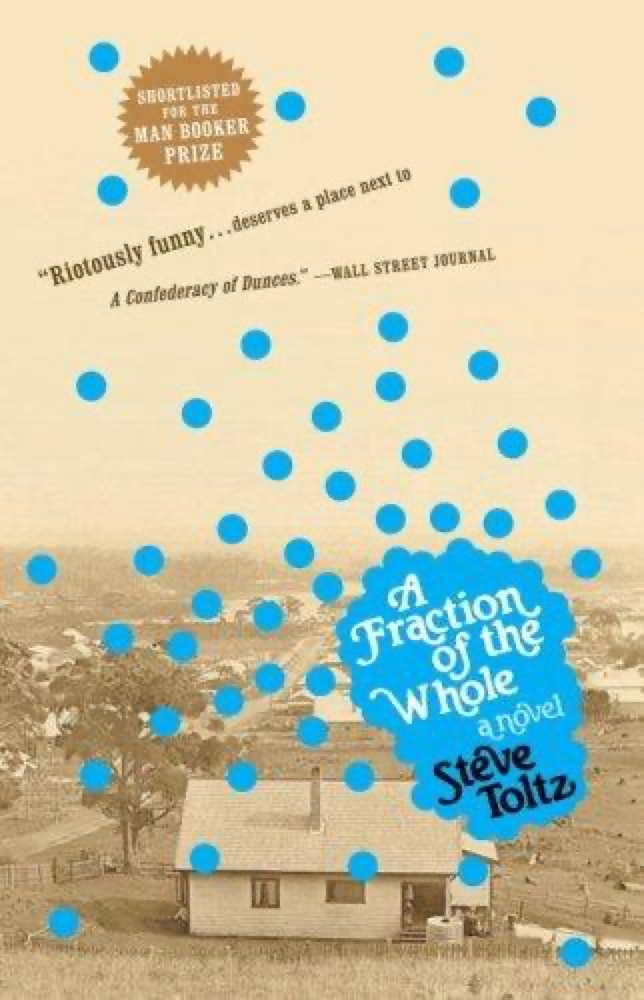 A Fraction of the Whole
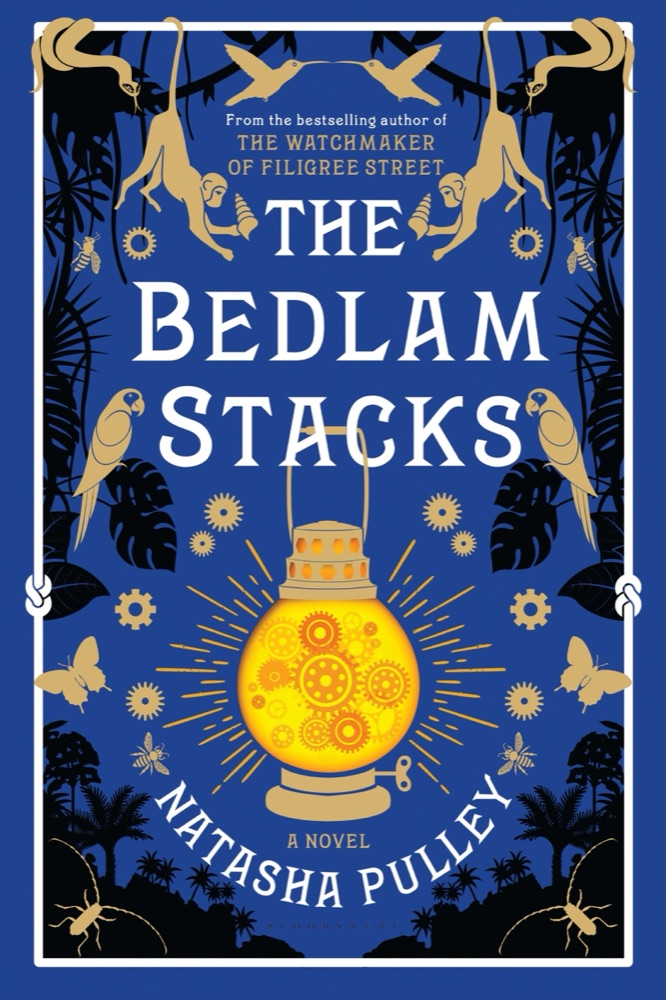 The Bedlam Stacks
 The Jewel in the Crown
 Ancillary Sword
 The Fall of Babel
 J
J
 Wayward