 Don't Let's Go to the Dogs Tonight
Quotes from the Book
You learn not to mourn every little thing out here, or you’d never, ever stop grieving.
47
Surely until all of us own and honor one another's dead, until we have admitted to our murders and forgiven one another and ourselves for what we have done, there can be no truce, no dignity and no peace.
10
....The mind I love must have wild places: a tangled orchard where damsons drop in heavy grass, an overgrown little wood, a chance of a snake or two, a pool that nobody has fathomed the depths of and paths threaded with flowers planted by the mind.
6
...but the pathos and the gift of life is that we cannot know which will be our defining heartbreak, or our most victorious joy.
5
She treated Vanessa and me as if we were visiting budgerigars that needed to be fed and then put somewhere dark for the night.
2
Waternish Estate was sold to a Dutchman in the 1960s when Bad-tempered Donald died. In turn, the Dutchman sold a part of the estate to the Scottish singer-songwriter Donovan. Donovan was the first of the British musicians to adopt the flower-power image. He is most famous for the psychedelically fabulous smash hits “Sunshine Superman,” “Season of the Witch” and “The Fat Angel,” and for being the first high-profile British pop star to be arrested for the possession of marijuana. Donovan has a history of being deeply groovy and of being most often confused with Bob Dylan, which reportedly annoys Donovan quite a lot. “Sometime in the early seventies, Bob Dylan bought part of the estate,” Mum tells me. “But he put a water bed on the second floor of the house for whatever it is these hippies get up to, and it came crashing through the ceiling.” “Not Bob Dylan,” I say. “Donovan.” “Who?” Mum says.
1
Wisely, Vanessa has grown up to be an inscrutable artist—fabric, graphics and exuberant, tropical canvases all expressed with a kind of noncommittal chaos—so no one can really pin anything on her.
If she had known then the score and depth of the tragedy that was to come, Mum might have borne the insults of her childhood with more fortitude, but the pathos and the gift of life is that we cannot know which will be our defining heartbreak, or our most victorious joy. And so for a few years from around the time Mum turned three, an accumulation of what she considered truly dreadful events occurred. And because they were the first real insults of her so-far small life, they remain vivid and searing for her even now.
In retrospect, of course, everyone should have expected this outcome. We should have seen that a story begun with such one-sided, unconscious joviality - jewel-colored liqueurs and Portuguese wine on a rain-washed Rhodesian October morning - would end less than a decade later in defeat and heartbreak. But in the glow of love, in the heat of battle, in the cushioned denial of the present, how few have the wisdom to look forward with unclouded hindsight. Not my parents, certainly. Not most of us. But most of us also don't pay so dearly for our prejudices, our passions, our mistakes. Lots of places, you can harbor the most ridiculous, the most ruining, the most intolerant beliefs and be hurt by nothing more than your own thoughts.
And for the majority of the country, Freedom did not include access to the sidewalks, the best schools and hospitals, decent farming land or the right to vote. It now seems completely clear to me, looking back, that when a government talks about “fighting for Freedom” almost every Freedom you can imagine disappears for ordinary people and expands limitlessly for a handful of people in power.
Watch on YouTube
About Alexandra Fuller
We have collected 54 quotes from 3 books by Alexandra Fuller on BookQuoters.
More about the author →More by Alexandra Fuller
Don't Let's Go to the Dogs Tonight
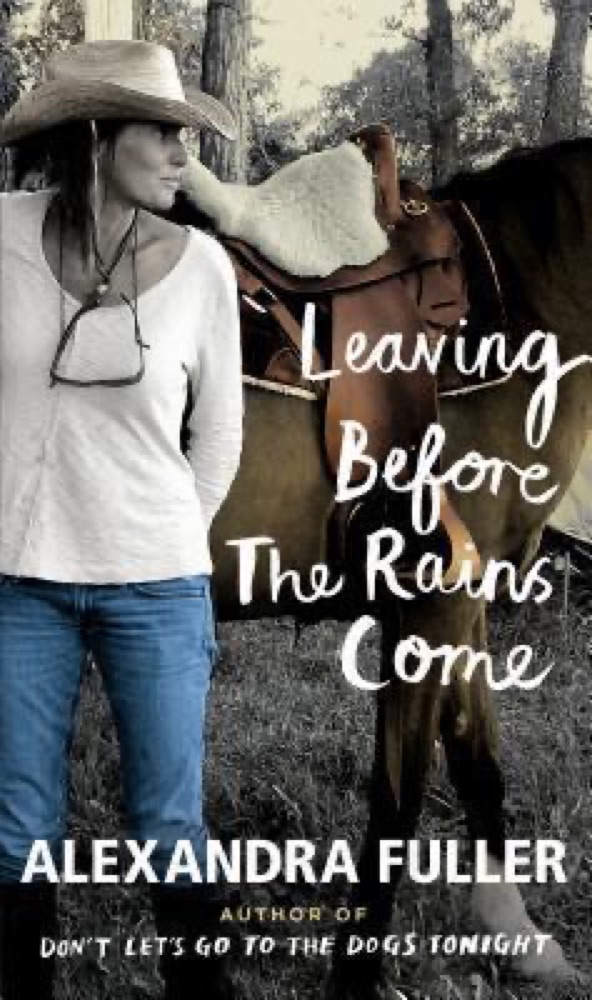 Leaving Before the Rains Come
About the book
In this sequel to Don't Let's Go to the Dogs Tonight, Alexandra Fuller returns to Africa and the story of her unforgettable family.
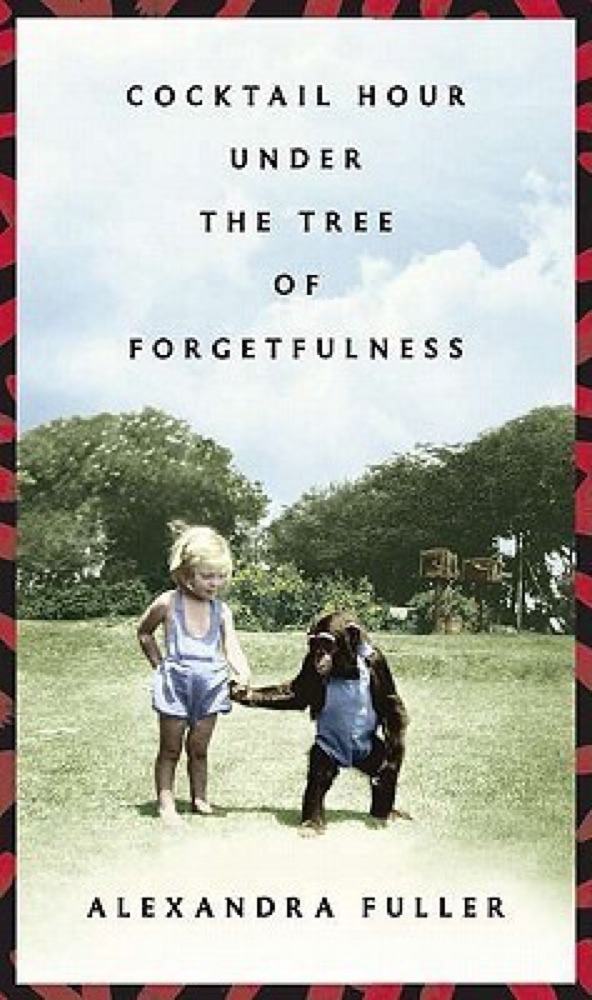
In Cocktail Hour Under the Tree of Forgetfulness, Alexandra Fuller braids a multilayered narrative around the perfectly lit, Happy Valley-era Africa of her mother's childhood; the boiled cabbage grimness of her father's English childhood; and the darker, civil war-torn Africa of her own childhood. At its heart, this is the story of Fuller's mother, Nicola. Born on the Scottish Isle of Skye and raised in Kenya, Nicola holds dear the kinds of values most likely to get you hurt or killed in Africa: loyalty to blood, passion for land, and a holy belief in the restorative power of all animals. Fuller interviewed her mother at length and has captured her inimitable voice with remarkable precision. Cocktail Hour Under the Tree of Forgetfulness is as funny, terr
Book details
- First published
- 2011
- Author
- Alexandra Fuller
- Genre
- Biography
- Goodreads rating
- 3.92 (13k ratings)
Keep reading
 The Sweet Taste of Muscadines
 Warlight
Leaving Before the Rains Come
Warlight
Leaving Before the Rains Come
 The Golden Hour
 The Mill on the Floss
 The Island of Missing Trees
 The Sea Keeper's Daughters
 The Prince of Tides
 Banyan Moon
 The Book of Goose
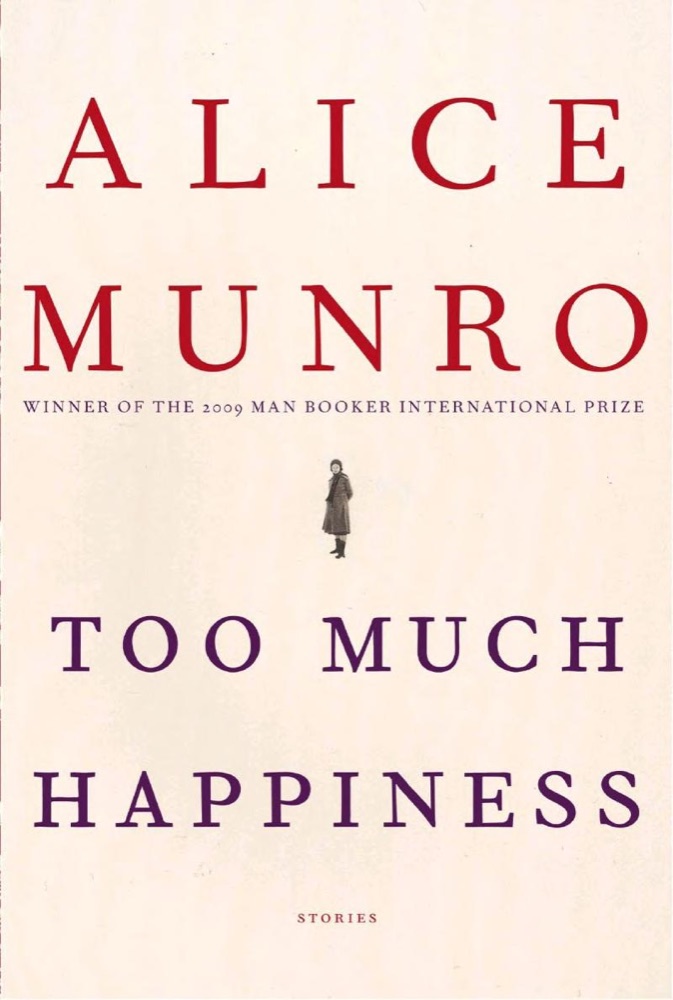 Too Much Happiness: Stories
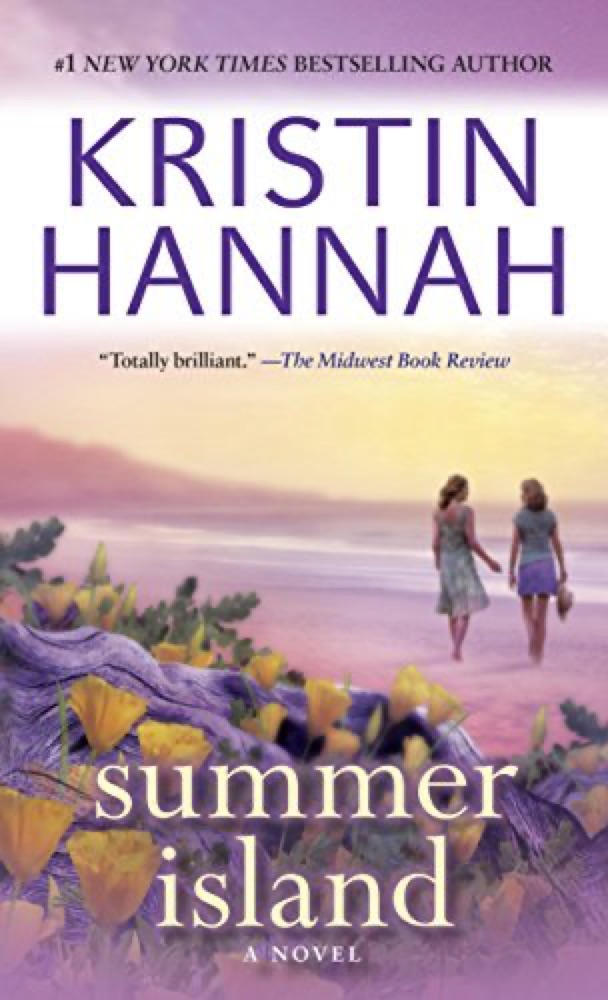 Summer Island
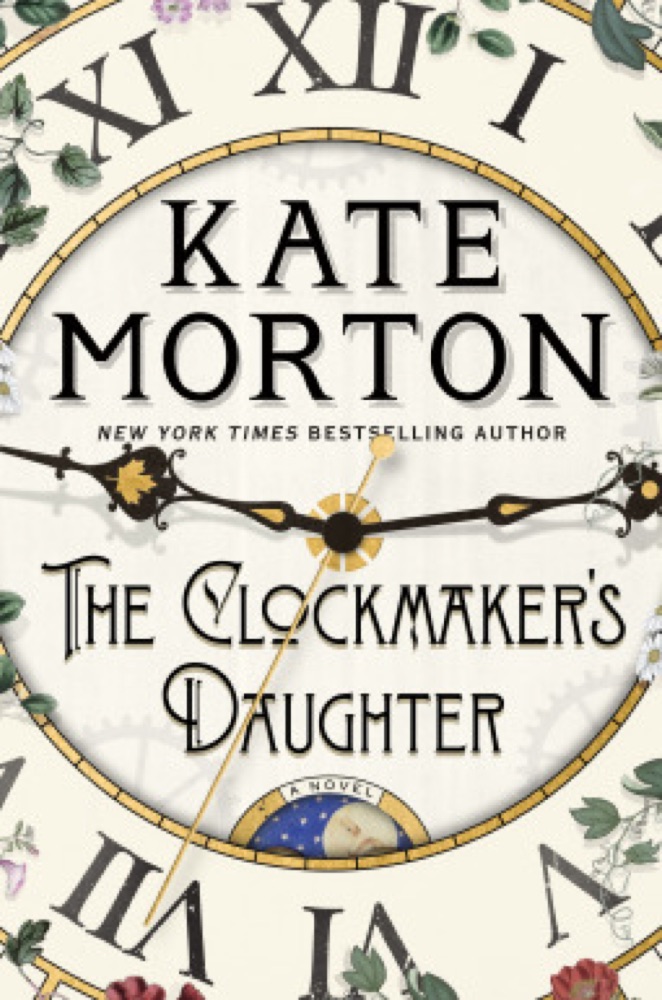 The Clockmaker's Daughter
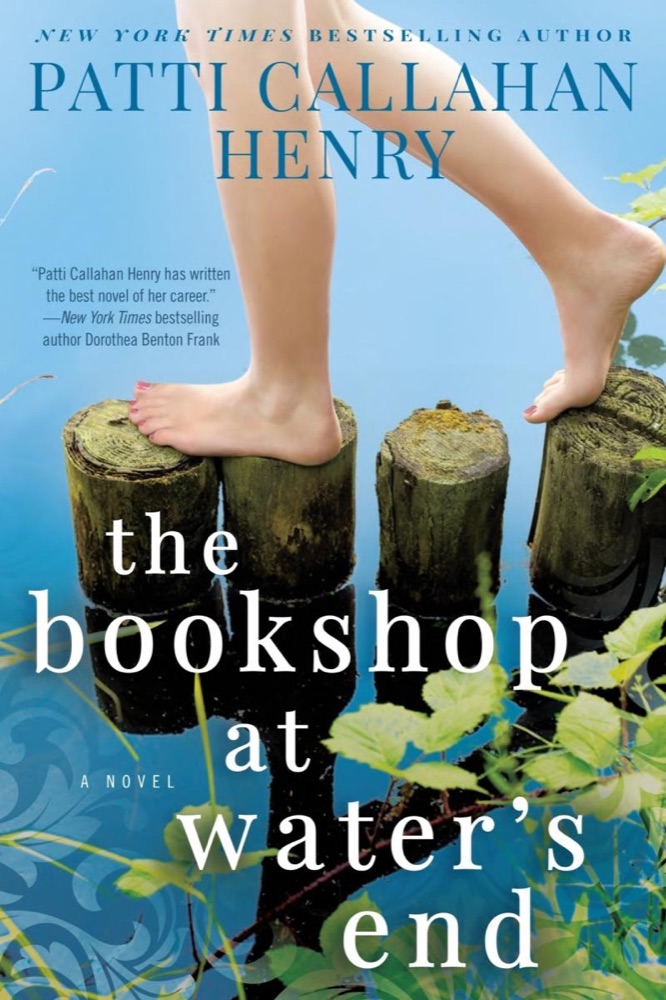 The Bookshop at Water's End
 The Summer Children
 What Is Not Yours Is Not Yours
 Chances Are...
 House of Glass
Don't Let's Go to the Dogs Tonight
House of Glass
Don't Let's Go to the Dogs Tonight
 10 Minutes 38 Seconds in This Strange World
 First Person Singular: Stories
 Out of Oz
 The Story of the Lost Child
 Brideshead Revisited: The Sacred and Profane Memories of Captain Charles Ryder
 Lisey's Story
 Library of Souls
 The Secret History
 When Women Were Dragons
 The Eighth Life
 Saint X
 Biography of X
 The House at Riverton
 Old Babes in the Wood: Stories
 Tell No One
 They Call Her Dirty Sally
 The Novel Habits of Happiness
 Varina
 Junie
Junie
 My Darling Dreadful Thing
 The Blythes Are Quoted
 Journey to Munich
 Good Dirt
 The End of Men
 Let's Take the Long Way Home: A Memoir of Friendship
 Ohio
Ohio
 Running in the Family
 The Forgotten Garden
 A Brightness Long Ago
 The Valley of Amazement
 Dreams of Falling
 The Bright Years
 The Bone Clocks
 The Likeness
 House of Trelawney
 I Hold a Wolf by the Ears: Stories
 NW
NW
 Speaking Bones
 The Book of Love
 Dream Count