
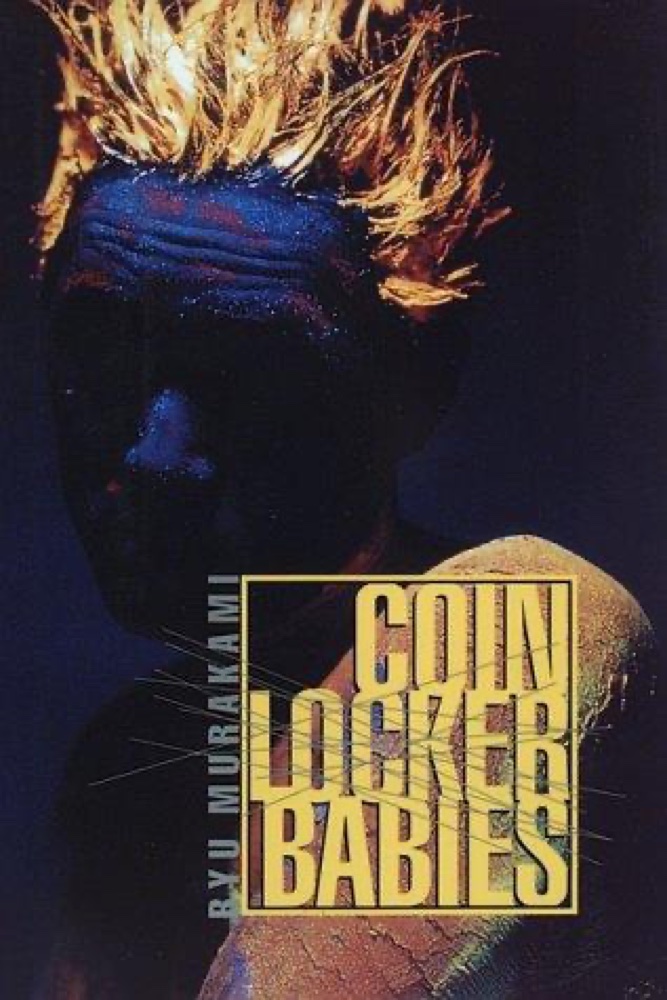
 Coin Locker Babies
Quotes from the Book
Yeah, he'd said, maybe it's just my idea, but really it always hurts, the times it don't hurt is when we just forget, we just forget it hurts, you know, it's not just because my belly's all rotten, everybody always hurts. So when it really starts stabbing me, somehow I feel sort of peaceful, like I'm myself again.
32
And just because I've written this book, don't think I've changed. I'm like I was back then, really.
20
I put the thin fragment of glass, dripping blood, in my pocket, and ran out into the misty road. The doors and windows of the houses were shut, nothing was moving. I thought I'd been swallowed by a huge living thing, that I was turning around and around in its stomach like the hero of some fairy tale.
10
The fragment of glass with the blood on its edge, as it soaked up the dawn air, was almost transparent. It was a boundless blue, almost transparent. I stood up, and as I walked toward my own apartment, I thought, I want to become like this glass. And then I want to reflect this smooth white curving myself. I want to show other people these splendid curves reflected in me.
6
Hey, take a good look, isn't the world still under your feet? I'm on this ground, and on this same ground are trees and grass and ants carrying sand to their nests, little girls chasing rolling balls, and puppies running. This ground runs under countless houses and mountains and rivers and seas, under everywhere. And I'm on it. Don't be scared, I'd told myself, the world is still under me.
6
When I went on anyway, my body began to grow cold, and I thought I was dead. Face pale, my dead self sat down on a bench and began to turn toward my real self, who was watching this hallucination on the screen of the night. My dead self came nearer, just as if it might want to shake hands with my real self. That's when I panicked and tried to run. But my dead self pursued me and finally caught me, entered me and controlled me. I'd felt then just the way I felt now. I felt as if a hole had opened in my head from which consciousness and memory leaked out and in their place the rash crowded in, and a cold like spoiled roast chicken. But that time before, shaking and clinging to the damp bench, I'd told myself, Hey, take a good look, isn't the world still under your feet? I'm on this ground, and on this same ground are trees and grass and ants carrying sand to their nests, little girls chasing rolling balls, and puppies running.
6
You're always trying so hard to see something, just like you're taking notes, like some scholar doing research, right? Or just like a little kid. You really are a little kid, when you're a kid you try to see everything, don't you? Babies look right into the eyes of people they don't know and cry or laugh, but now you just try and look right into people's eyes, you'll go nuts before you know it. Just try it, try looking right into the eyes of people walking past, you'll start feeling funny pretty soon, Ryū, you shouldn't look at things like a baby.
4
I remembered a friend who'd died of a bad liver, and what he'd always said. Yeah, he'd said, maybe it's just my idea, but really it always hurts, the times it don't hurt is when we just forget, we just forget it hurts, you know, it's not just because my belly's all rotten, everybody always hurts. So when it really starts stabbing me, somehow I feel sort of peaceful, like I'm myself again. It's hard to take, sure, but I feel sort of peaceful. Because it's always hurt ever since I was born.
4
I keep thinking, won't somebody make a movie like what's inside my head, I'm always thinking that.
3
I don't really know how to say it, but if you're really honestly having fun, you're not supposed to think and look for things right in the middle of it, am I right?
3
My play over, watching the sun go down, I'd frown and blow on the wound, and then I felt a sense of peace, as if I and the gray evening landscape were confiding in each other. Just the opposite from heroin or melting together in a woman's juices, the pain made me stand out from my surroundings, the pain made me feel as if I were shining. And I thought this shining self could get along well with the lovely orange light of the setting sun.
3
De toda esa miríada negra, cabalgándose y atropellándose, hacía una forma informe e inquietante, y me di cuenta, de súbito, que mi cuerpo estaba cubierto de piel de gallina. En la oscura pantalla, mis ojos turbios se reblandecieron como metal a punto de derretirse, y en voz baja le dije a aquel yo al borde de la licuefacción: '¿quién eres tú? ¿de qué estás hecho?
1
and then i felt a sense of peace, as if i and the gray evening landscape were confiding in each other.
The tomatoes were wet and wonderfully red in the darkness.They flashed on and off like the little light bulbs on fir trees or around windows at Christmas time. The numberless trembling red fruits, trailing sparks, were just like fish with luminous teeth swimming in the dark sea.
I could see into the kitchen from where I sat. A black bug, maybe a cockroach, was crawling around on the dirty dishes piled in the sink. Lilly talked on as she wiped peach juice off her bare thighs. She dangled a slipper from one foot, in which I could see the red and blue blood vessels. I always think these are lovely, seen through the skin.
Watch on YouTube
About Ryū Murakami
We have collected 115 quotes from 6 books by Ryū Murakami on BookQuoters.
More about the author →More by Ryū Murakami
All books by Ryū Murakami →
About the book
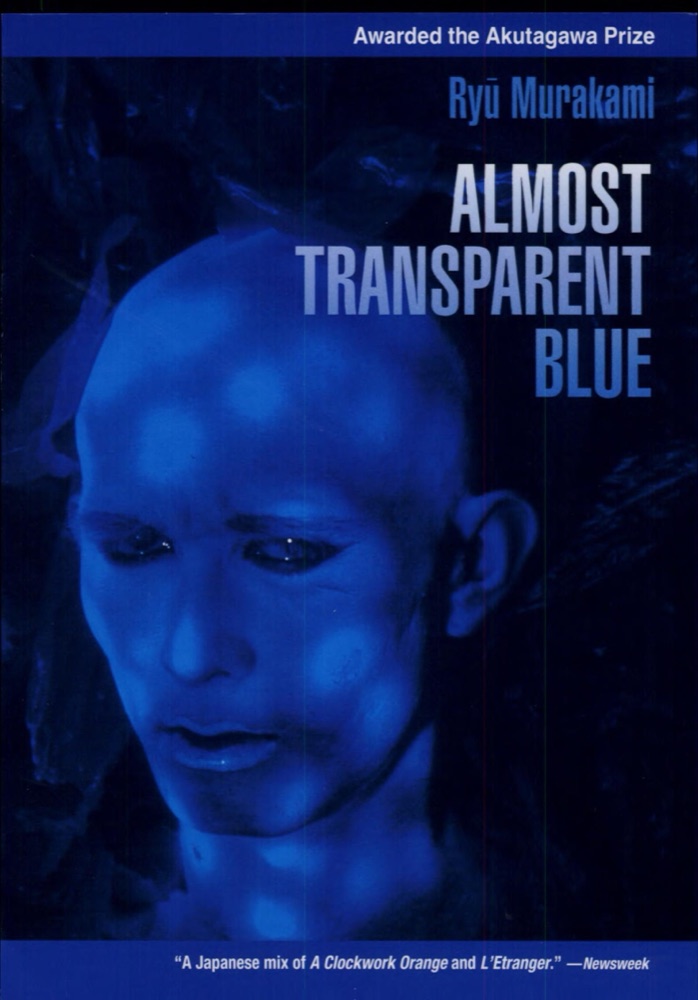
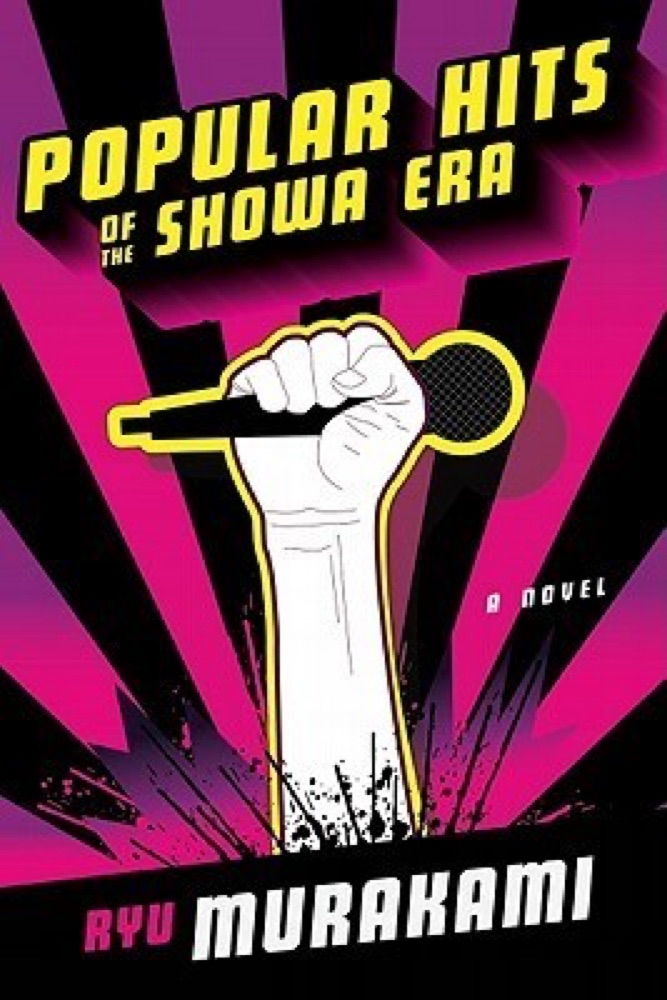
Almost Transparent Blue is a brutal tale of lost youth in a Japanese port town close to an American military base. Murakami's image-intensive narrative paints a portrait of a group of friends locked in a destructive cycle of sex, drugs and rock 'n' roll.
The novel is all but plotless, but the raw and often violent prose takes us on a rollercoaster ride through reality and hallucination, highs and lows, in which the characters and their experiences come vividly to life. Trapped in passivity, they gain neither passion nor pleasure from their adventures. Yet out of the alienation, boredom and underlying rage and grief emerges a strangely quiet and almost equally shocking beauty.
Ryu Murakami's first novel, Almost Transparent Blue won the coveted Akutagawa Literary Prize in 1976 and became an instant bestseller. Representing a sharp and conscious turning away from the introspective
Book details
- First published
- 1976
- Author
- Ryū Murakami
- Genre
- Fiction
- Goodreads rating
- 3.29 (14k ratings)
Keep reading
 Wild Awake
 In the Woods
 Asleep
 The Madness Underneath
 Out Stealing Horses
 After the Quake
 Edinburgh
 Wasteland
 The Wind-Up Bird Chronicle
 Underdog
 A Line Made By Walking
 South of the Border, West of the Sun
 All the Lovers in the Night
 The Body Electric
 Stay Awake
 Hunger
 The Raw Shark Texts
 Cat's Eye
 Honey
Honey
 Voyage in the Dark
 The Monsters of Templeton
 The Likeness
 Her Body and Other Parties
 The Pisces
 Marilou Is Everywhere
 Life After Death
 What I Was
 Getting the Girl
 Black Coffee Blues
 Scar Tissue
 The Blindfold
 Dear Medusa
 What I Loved
 Gut Symmetries
 The Graces
 Tropic of Capricorn
 Trigger Warning: Short Fictions and Disturbances
 Inferno
 The First Time She Drowned
 Imagine Me Gone
 Goodbye Days
 Glitterland
 Life Knocks
 The Sea
 We Are Okay
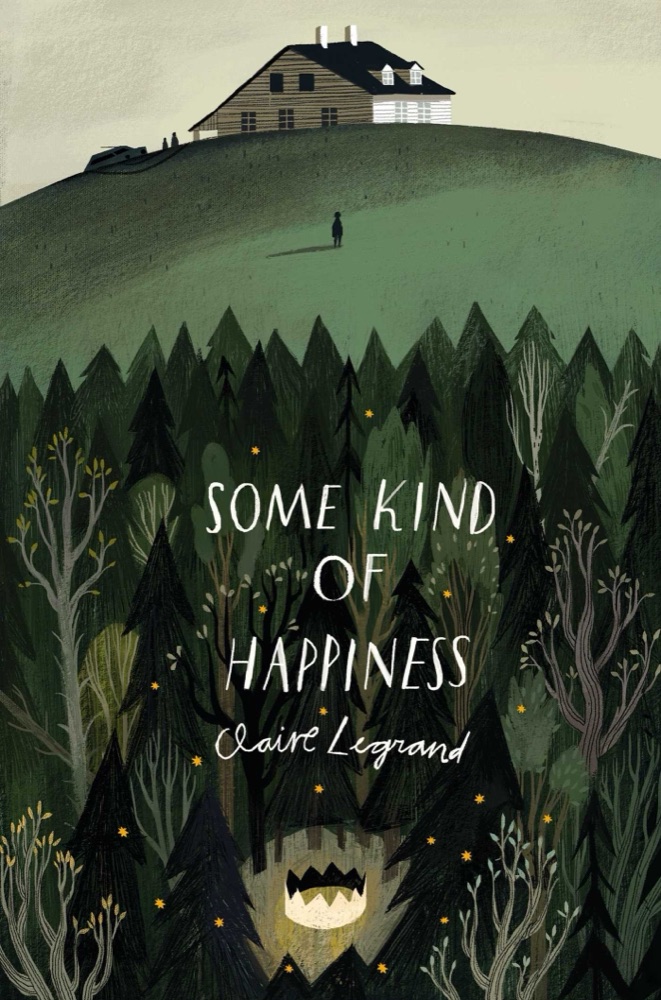 Some Kind of Happiness
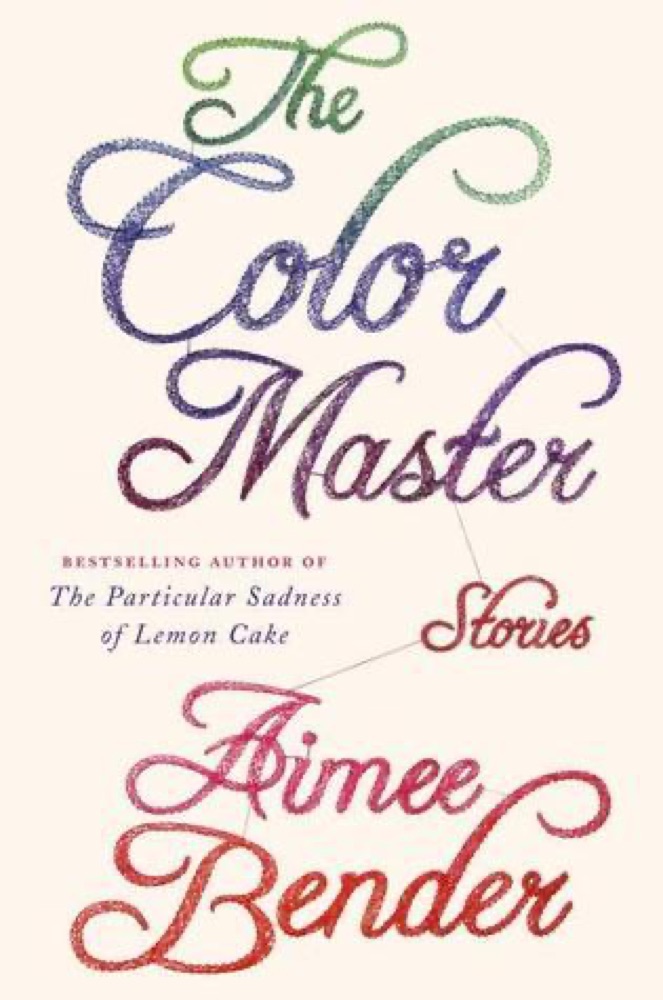 The Color Master: Stories
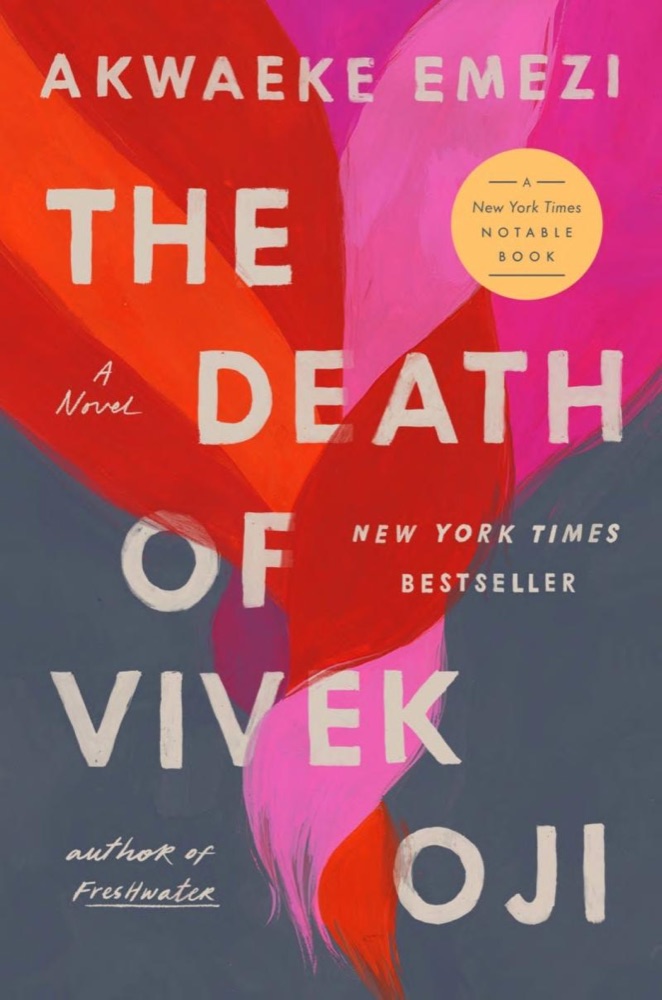 The Death of Vivek Oji
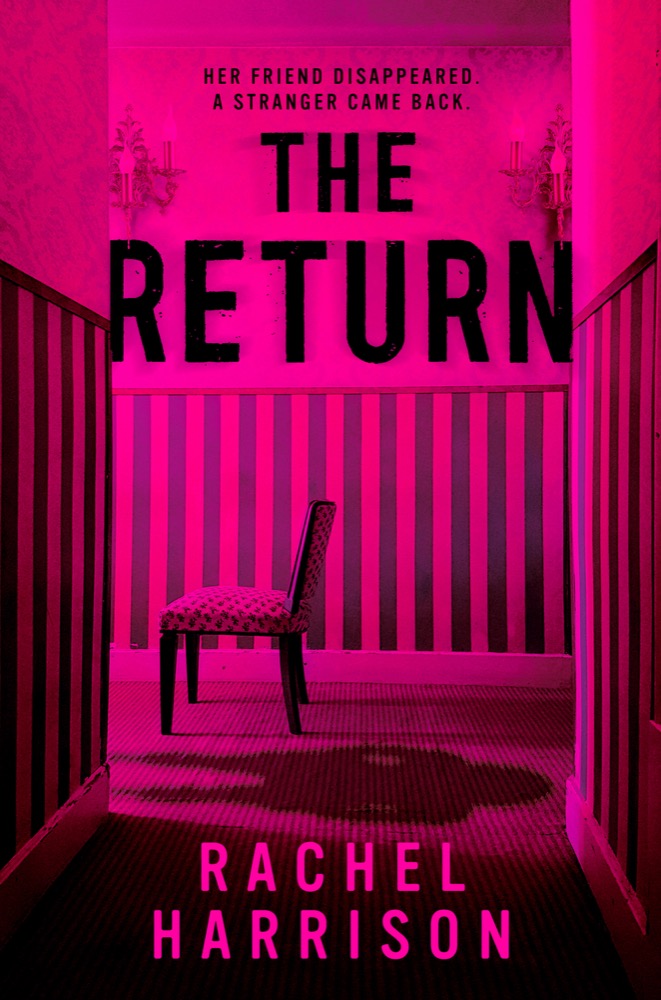 The Return
 When We Collided
 Nausea
 The Lake
 Sleepwalk
 Tell No One
 Moon Palace
 Tonight I'm Someone Else: Essays
 Dark Places
 The Book of Evidence
 American Psycho
 More, Now, Again: A Memoir of Addiction