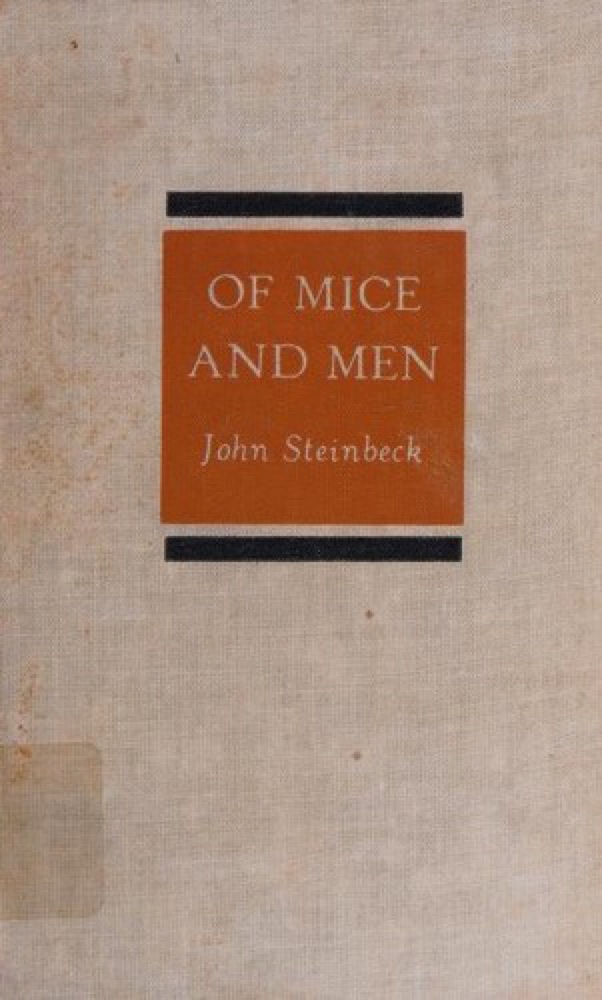
 Of Mice and Men
Quotes from the Book
After the bare requisites to living and reproducing, man wants most to leave some record of himself, a proof, perhaps, that he has really existed. He leaves his proof on wood, on stone or on the lives of other people. This deep desire exists in everyone, from the boy who writes dirty words in a public toilet to the Buddha who etches his image in the race mind. Life is so unreal. I think that we seriously doubt that we exist and go about trying to prove that we do.
It's almost impossible to read a fine thing without wanting to do a fine thing.
He is one of those whom God has not quite finished.
He did not often think of people as individuals, but rather as antidotes for the poison of his loneliness, as escapes from the imprisoned ghosts.
After the bare requisites to living and reproducing, man wants most to leave some record of himself, a proof, perhaps, that he has really existed. He leaves his proof on wood, on stone or on the lives of other people.
Everyone has to be an orphan some time.
Yaşamak ve üretmek için gerekli olanları elde etmekten başka insanoğlunun en en çok istediği şey geriye kendisinden bir iz bırakmaktır; belki de kendisinin gerçekten var olduğunu ispatlayacak bir kanıt bırakma peşindedir, bu kanıtı bir tahta üzerine, taş üzerine ya da diğer insanların yaşantıları üzerine bırakır. Bu derin istek herkes de vardır; tuvalet duvarlarına ayıp ifadeler yazan çocuktan kendi imajını insan soyunun zihnine kazıyan Budda’ya kadar Yaşam öylesine gerçek dışı ki… Var olduğumuz konusunda ciddi kuşkularımız olduğunu ve bunu kanıtlamaya çalıştığımızı düşünüyorum.
Watch on YouTube
About John Steinbeck
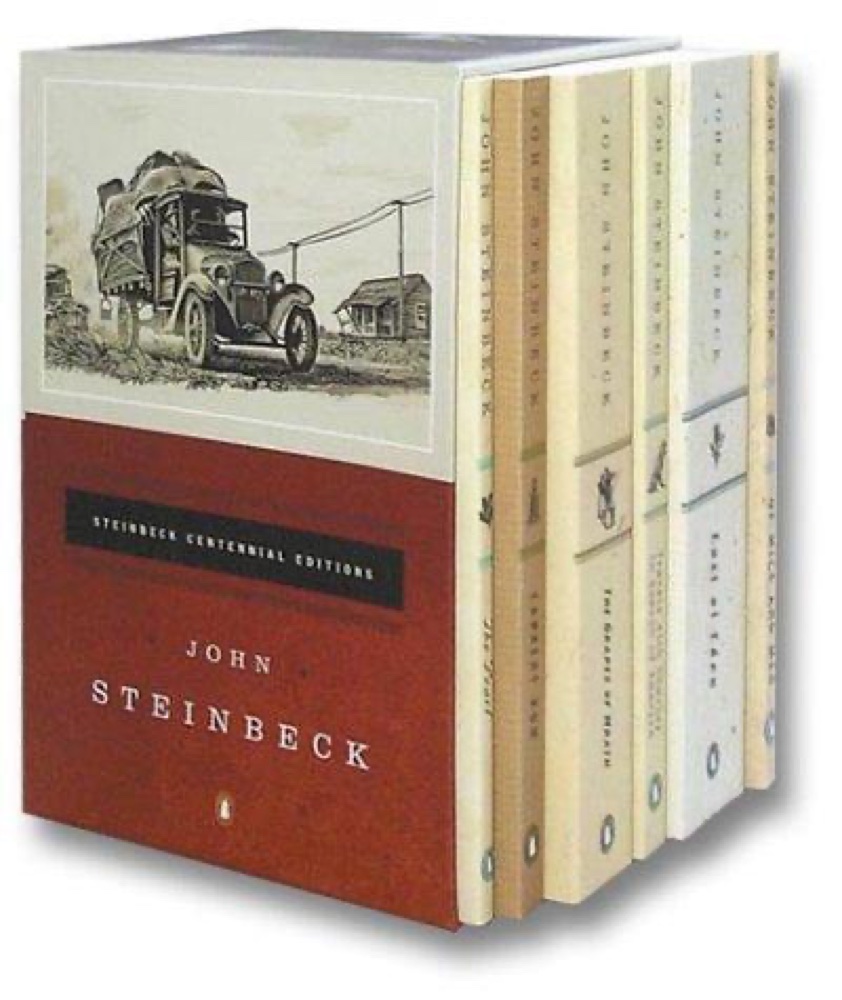
We have collected 423 quotes from 18 books by John Steinbeck on BookQuoters.
More about the author →More by John Steinbeck
All books by John Steinbeck →
Book details
- Author
- John Steinbeck
- Genre
- Classics
- Goodreads rating
- 4.08 (12k ratings) →
Keep reading
 Dead Souls
 The Shadow of the Wind
 The Prisoner of Heaven
 The Empusium
 The Secret Scripture
 The Signature of All Things
 Angel Time
 The Children of Men
 Cutting for Stone
 The Screwtape Letters
 The Fall
 Walden & Civil Disobedience
 A Passage to India
 The Man Without Qualities
 Elective Affinities
 The Fall of Babel
 Colorless Tsukuru Tazaki and His Years of Pilgrimage
 Crime and Punishment
 Complete Works of Oscar Wilde
 In Search of Lost Time
 Human, All Too Human
 The High Mountains of Portugal
 The Complete Short Novels
 Jubal Sackett
 Embers
 East of Eden
 The Lacuna
 Jayber Crow
 Fathers and Sons
 Independent People
 Libra
Libra
 The Zürau Aphorisms
 Daniel Deronda
 Adam Bede
 Six Characters in Search of an Author
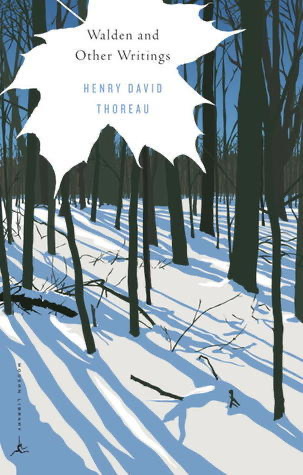 Walden and other writings
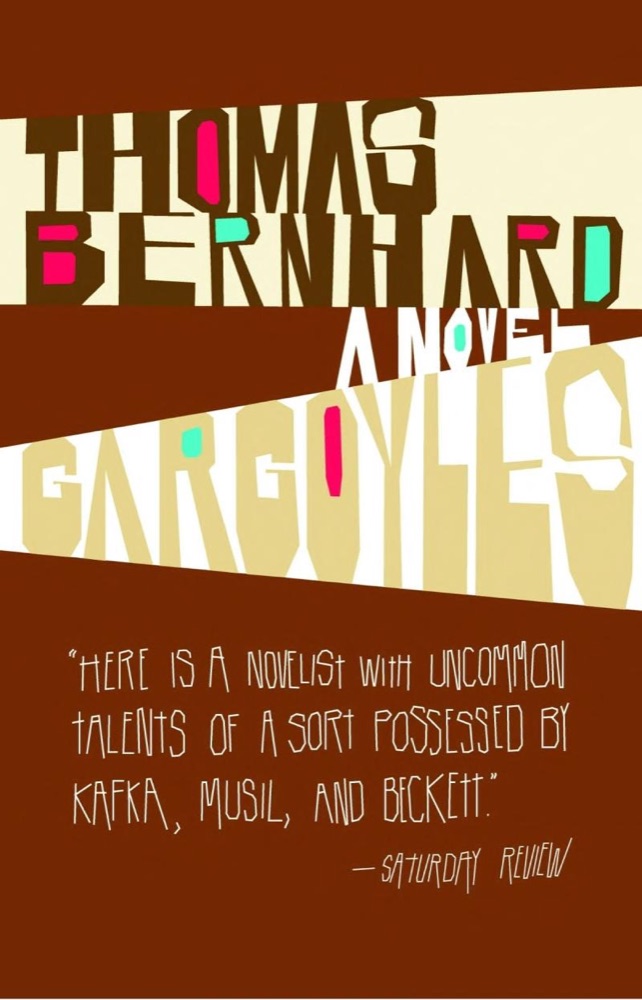 Gargoyles
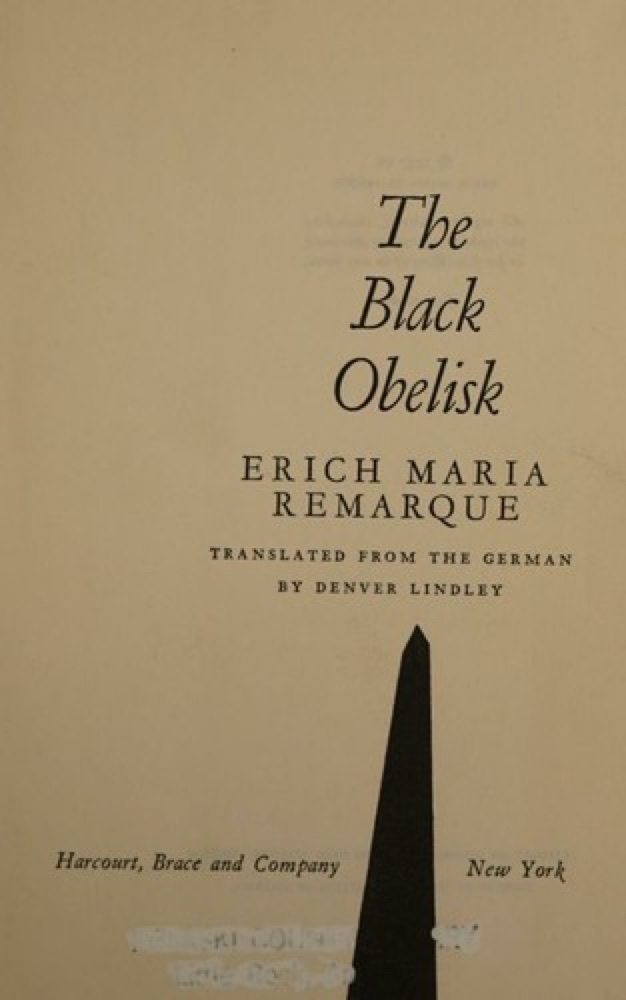 The Black Obelisk
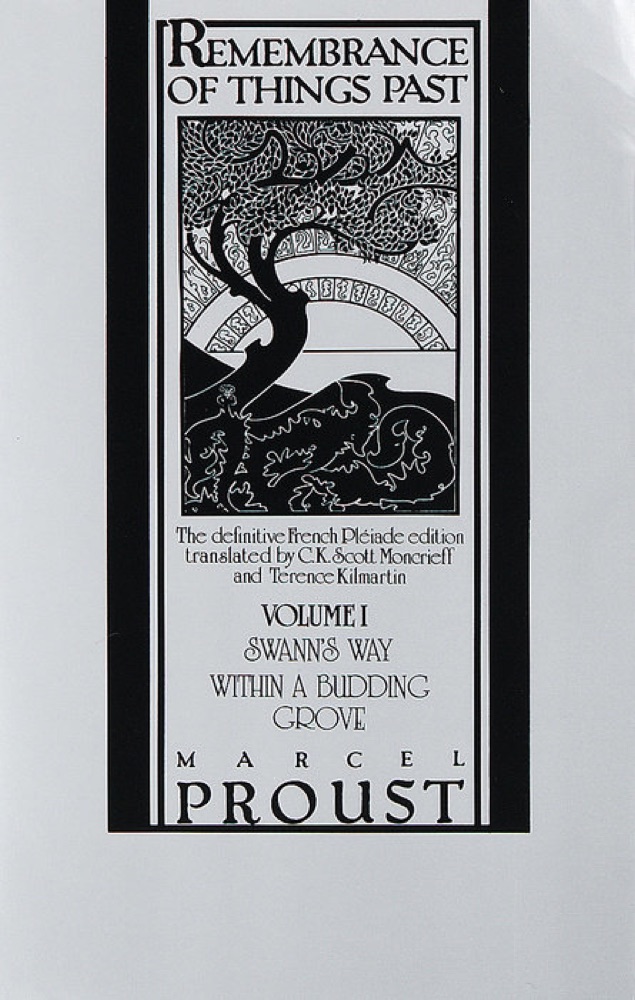 Remembrance of Things Past: Volume I - Swann's Way & Within a Budding Grove
 Blue Bamboo: Japanese Tales of Fantasy
 Beautiful Ruins
 The Count of Monte Cristo
 Under Western Eyes
 The Idiot
 Middlemarch
 The Man with the Compound Eyes
 The Narrow Road to the Deep North
 Beyond Good and Evil
 Ragtime
 The Recognitions
 1Q84
1Q84
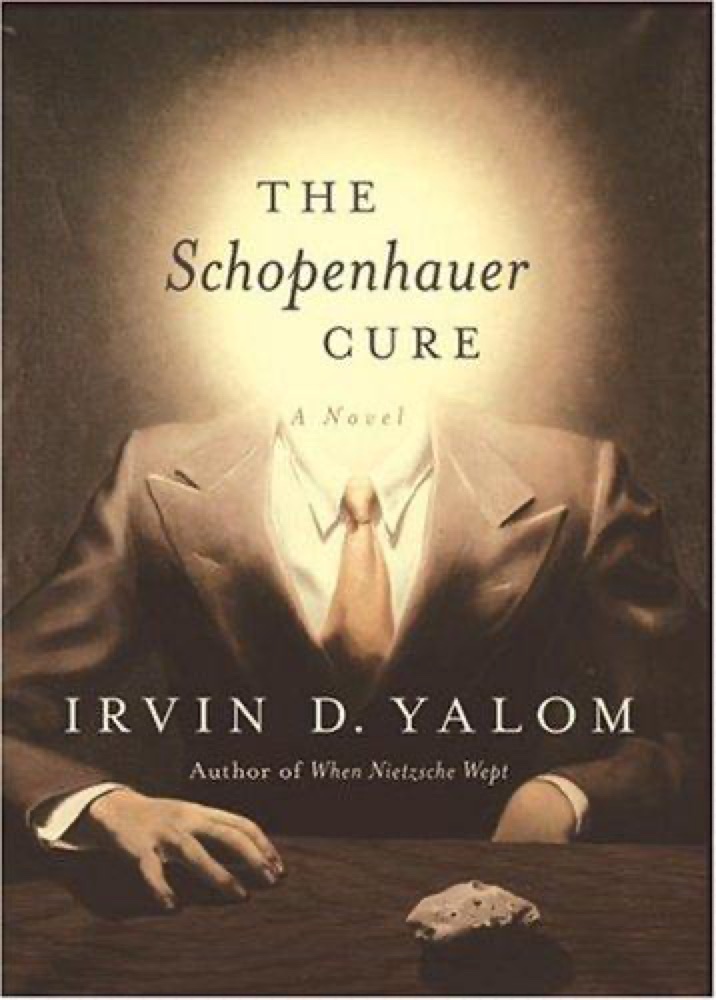 The Schopenhauer Cure
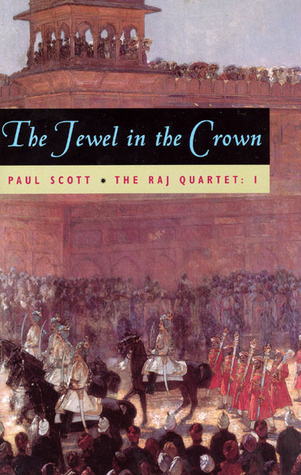 The Jewel in the Crown
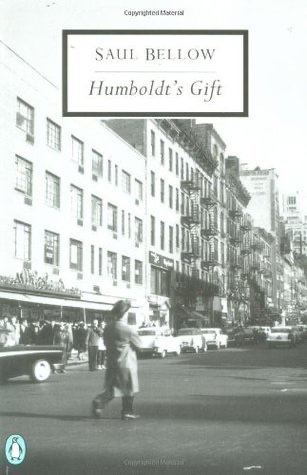 Humboldt's Gift
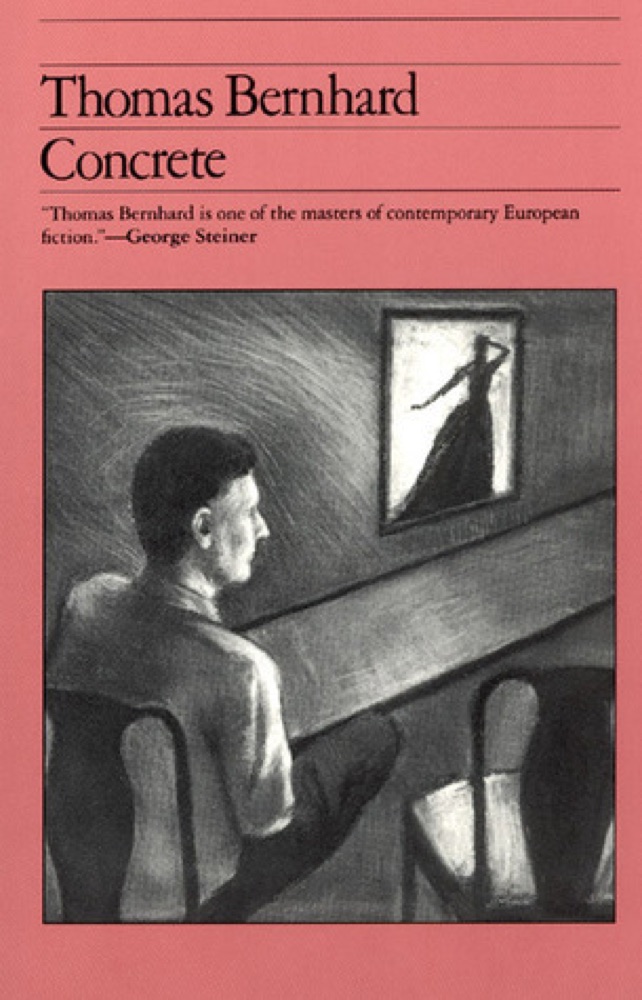 Concrete
 Demons
 Cuckold
 The Lincoln Highway
 Birds Without Wings
 The Death of the Heart