
 Crudo
Crudo
Quotes from the Book
At some point, you have to set down the past. At some point, you have to accept that everyone was doing their best. At some point, you have to gather yourself up, and go onward into your life.
37
You could go two ways from there. You could keep on marinating in blame, in helpless submission to your circumstance. Or you could stop, just clean stop, and take up the liberating burden of responsibility for yourself.
11
they’d even met, he recommended him to his own editor at Scribner, Max Perkins, suggesting Max sign up this promising young
2
People don't like to talk about alcohol. They don't like to think about it, except in the most superficial of ways. They don't like to examine the damage it does and I don't blame them. I don't like it either. I know that desire for denial with every bone in my body: clavicle, sternum, femur and phalanx.
2
(‘we can take your liver out and give it to the Princeton Museum, your heart to the Plaza Hotel’).
2
Physically, Echo Spring is nothing more than a nickname for a liquor cabinet, drawn from the brand of bourbon it contains.
2
As long as Frank was well, I was happy,’ he wrote in Memoirs. ‘He had a gift for creating a life and, when he ceased to be alive, I couldn’t create a life for myself.’ And in a letter, written to Windham early in 1964: ‘next to my work, Frankie was my life.
1
Watch on YouTube
About Olivia Laing
We have collected 65 quotes from 3 books by Olivia Laing on BookQuoters.
More about the author →More by Olivia Laing
About the book
Why is it that some of the greatest works of literature have been produced by writers in the grip of alcoholism, an addiction that cost them personal happiness and caused harm to those who loved them? In The Trip to Echo Spring, Olivia Laing examines the link between creativity and alcohol through the work and lives of six extraordinary men: F. Scott Fitzgerald, Ernest Hemingway, Tennessee Williams, John Berryman, John Cheever, and Raymond Carver.
All six of these writers were alcoholics, and the subject of drinking surfaces in some of their finest work, from Cat on a Hot Tin Roof to A Moveable Feast. Often they did their drinking together—Hemingway and Fitzgerald ricocheting through the cafés of 1920s Paris; Carver and Cheever speeding to the liquor store in Iowa in the icy winter of 1973.
Olivia Laing grew up in an alcoholic family herself. One spring, wanting to make sense of t
Book details
- First published
- 2013
- Author
- Olivia Laing
- Genre
- Nonfiction
- Goodreads rating
- 3.75 (4k ratings)
Keep reading
 Table for Two
 The Hotel New Hampshire
 The Tender Bar
 Varina
 Friends, Lovers, and the Big Terrible Thing
 A Fatal Grace
 Born to Run
 Where My Heart Used to Beat
 Hope Was Here
 Barrel Fever: Stories and Essays
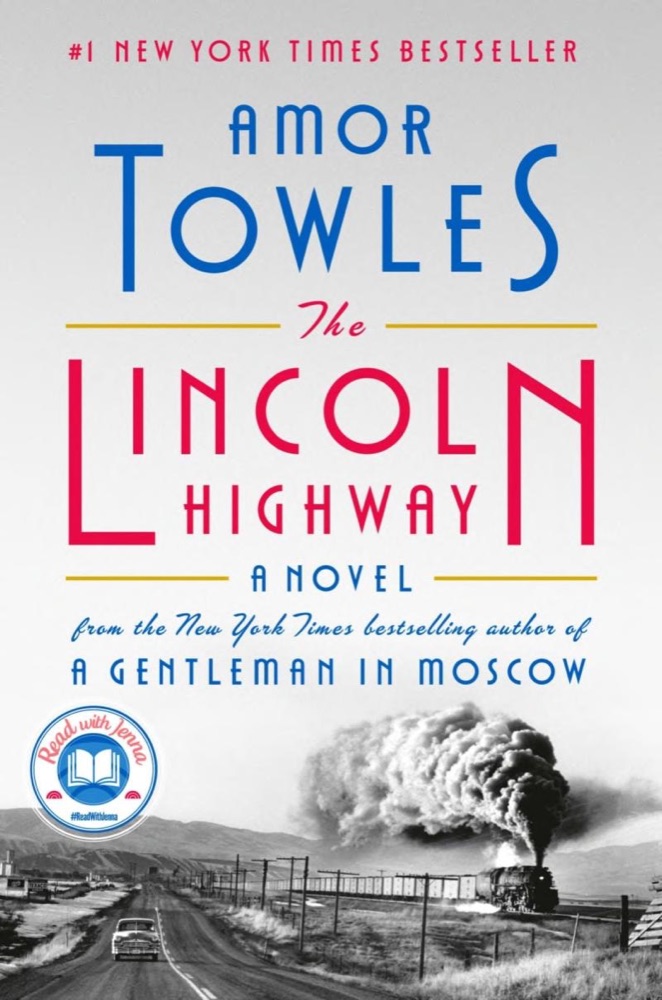 The Lincoln Highway
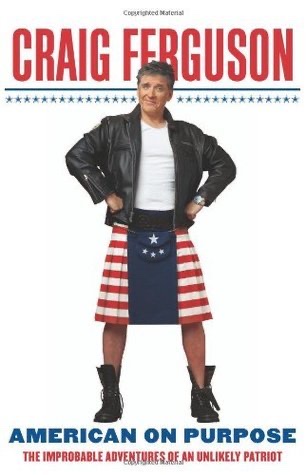 American on Purpose: The Improbable Adventures of an Unlikely Patriot
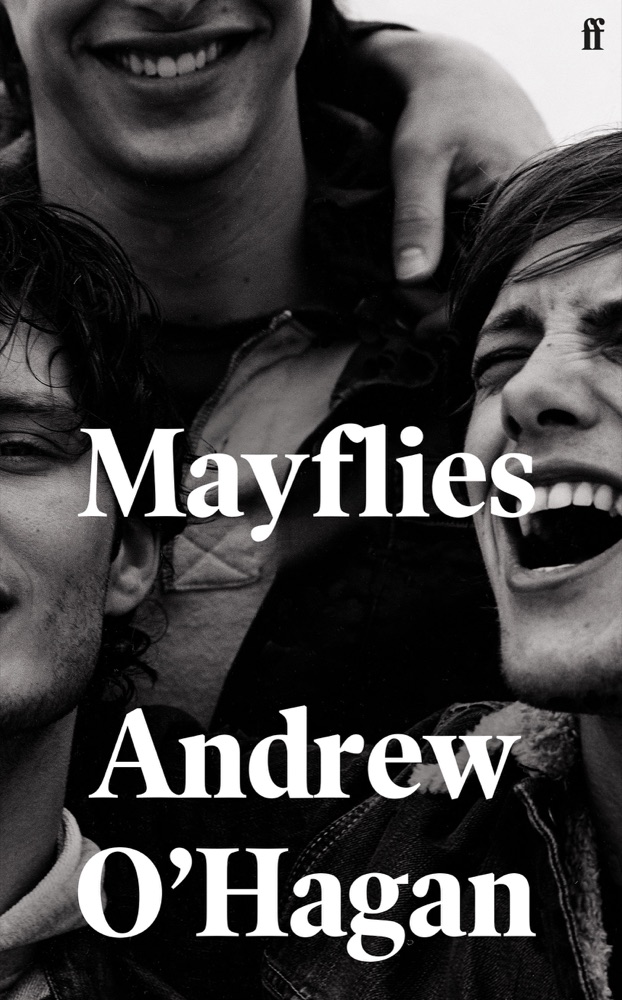 Mayflies
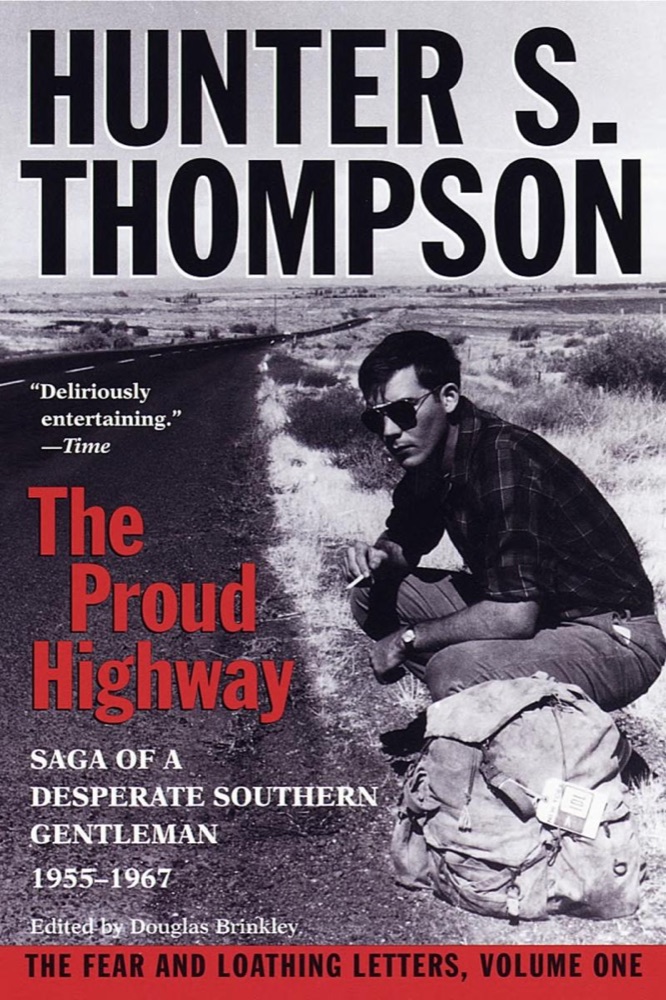 The Proud Highway: Saga of a Desperate Southern Gentleman, 1955-1967
 Whiskey When We're Dry
 It's So Easy: And Other Lies
 A Fraction of the Whole
 Rita Hayworth and Shawshank Redemption
 Where Things Come Back
 Cold Mountain
 Home
Home
 The Heart of the Matter
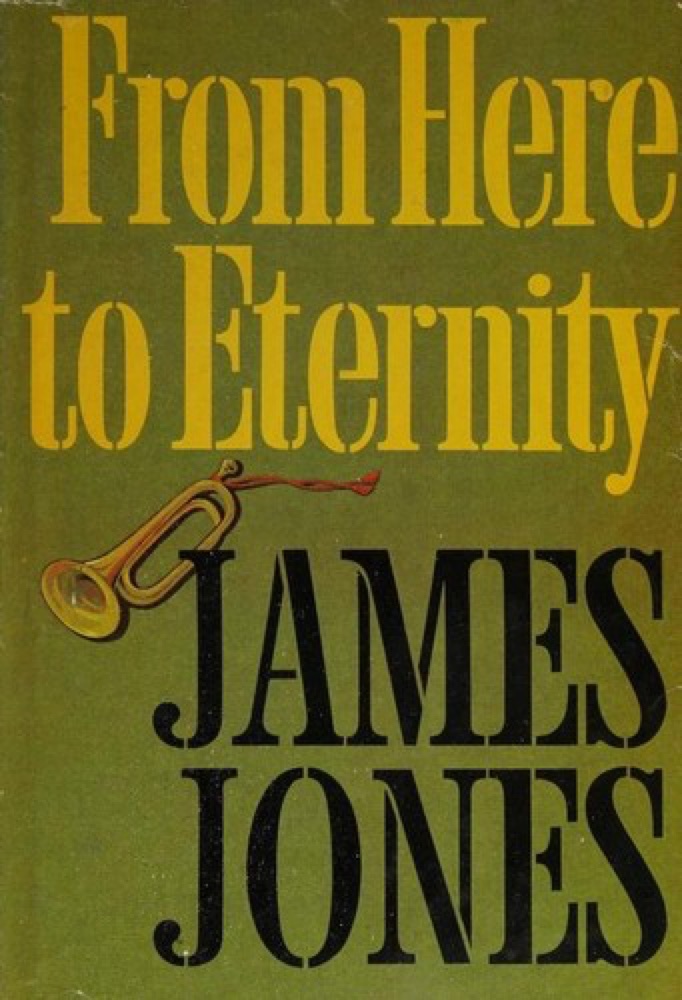 From Here to Eternity
 They Call Her Dirty Sally
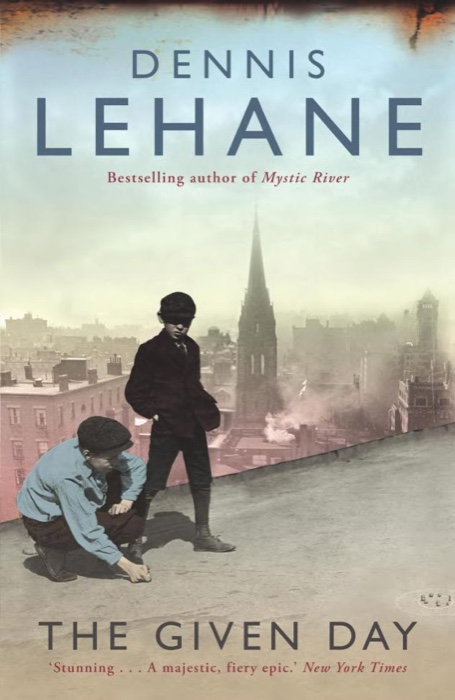 The Given Day
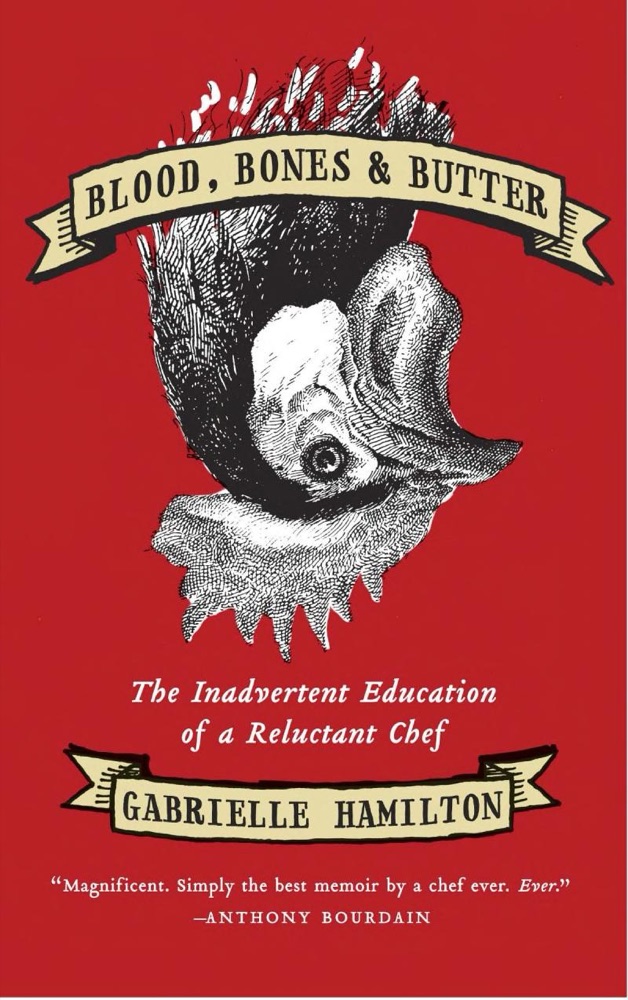 Blood, Bones, and Butter: The Inadvertent Education of a Reluctant Chef
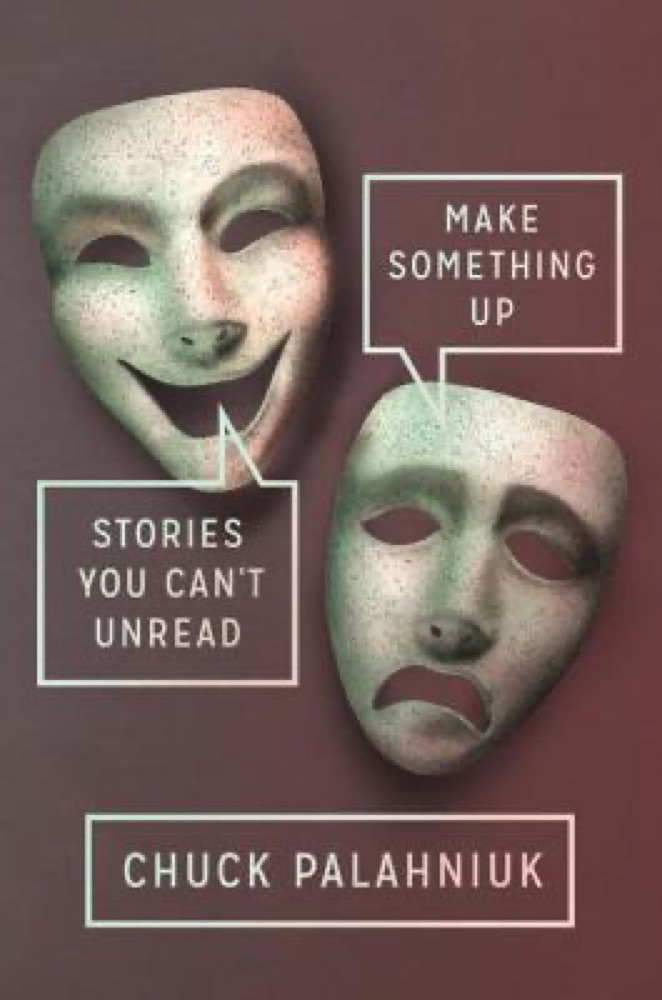 Make Something Up: Stories You Can't Unread
 Life Itself
 The Sea Keeper's Daughters
 Revolutionary Road
 Orient
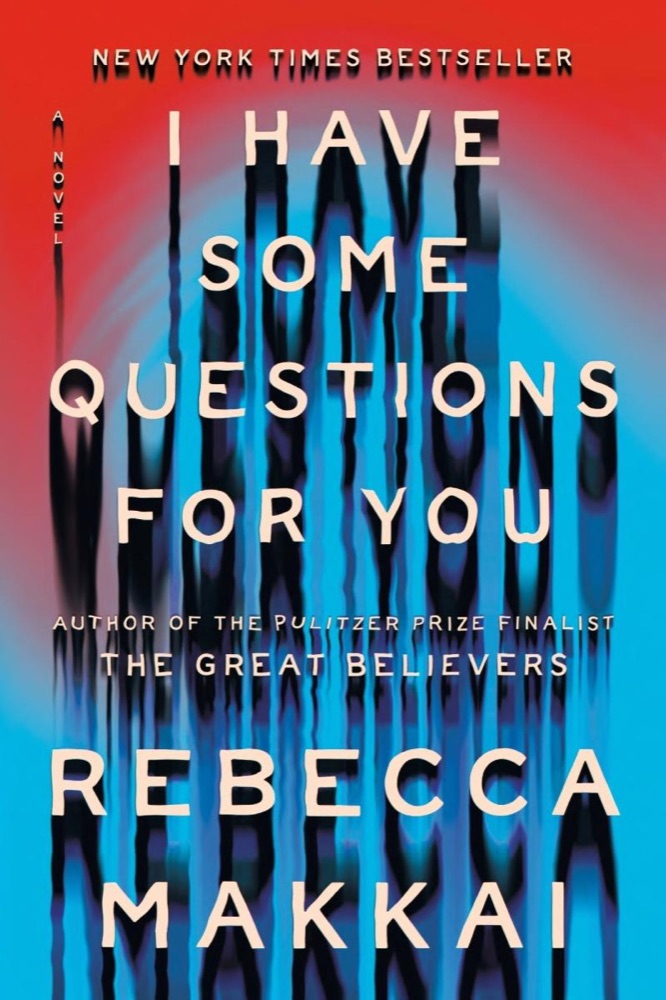 I Have Some Questions for You
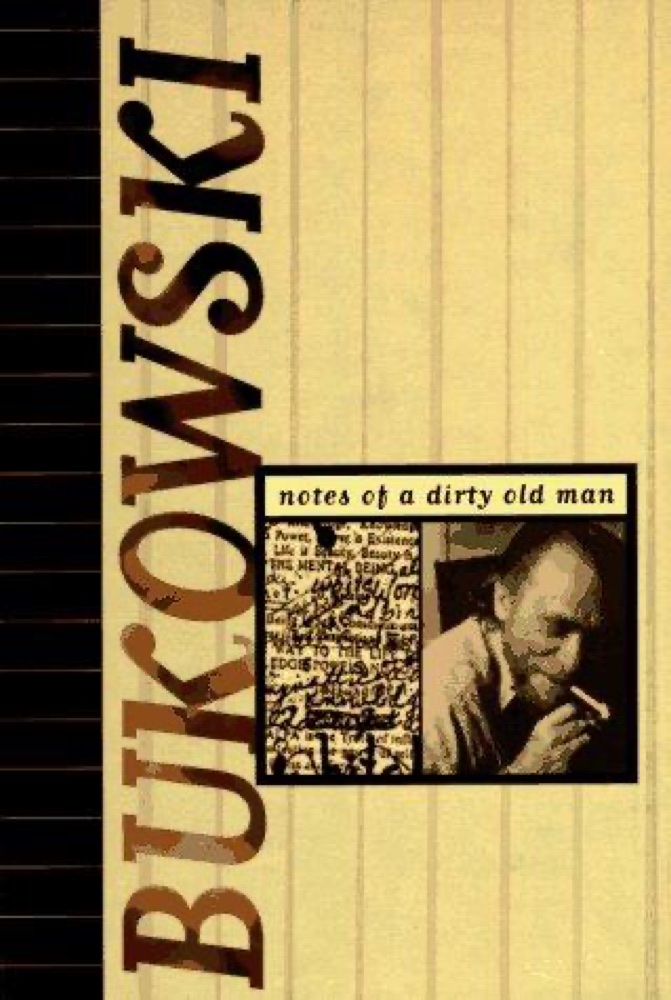 Notes of a Dirty Old Man
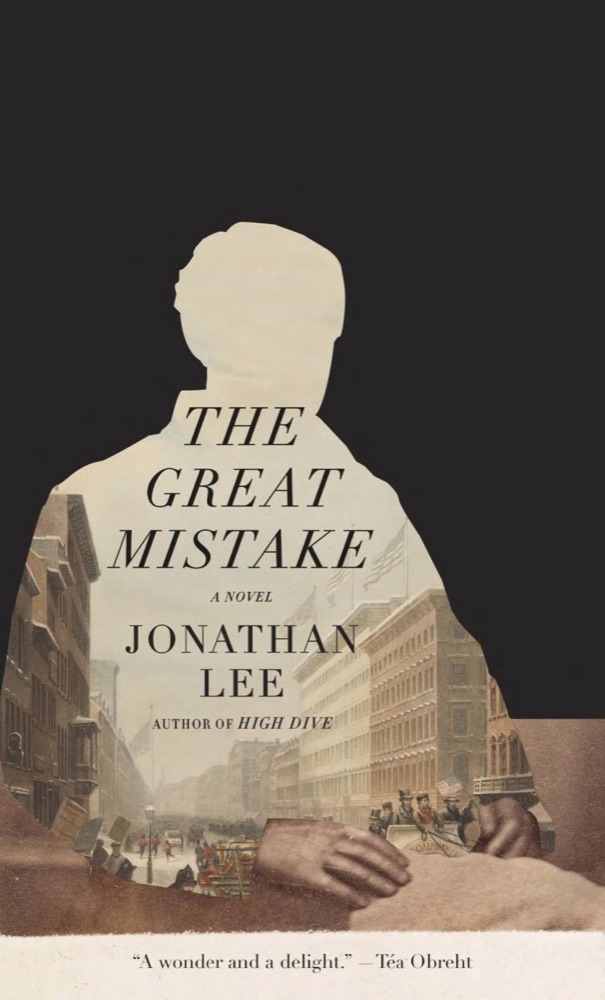 The Great Mistake
 The Night in Question
 The Killer Inside Me
 The Brooklyn Follies
 All Over But the Shoutin'
 The Uncool
 A Ladder to the Sky
 Betting on the Muse: Poems & Stories
 Lit
Lit
 Borrowed Time: An AIDS Memoir
 The Naked and the Dead
 The Quick and the Dead
 The Hour I First Believed
 Mohawk
 The House of God
 All the Colors of the Dark
 The Long Goodbye
 A Great Reckoning
 Sonny Boy
 Another Bullshit Night in Suck City
 The Crack-Up
 I Know This Much Is True
 The Short and Tragic Life of Robert Peace: A Brilliant Young Man Who Left Newark for the Ivy League
 The Sportswriter
 Speedboat