
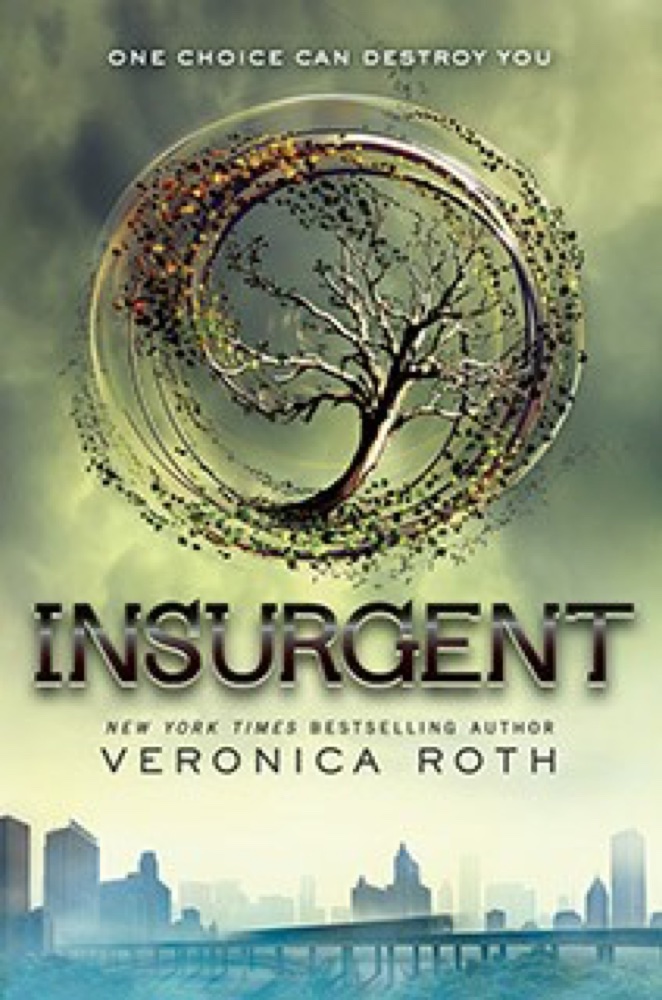
 Insurgent
Quotes from the Book
Maybe you were cut out for Candor, Four, because you're a terrible liar.
Panic and terror aren't the only kinds of fear. There are deeper kinds, more terrible kinds. Apprehension and heavy, heavy dread.
When she’s close enough, she extends her hand. “Hello, my name is Natalie. I’m Beatrice’s mother.” Beatrice. That name is so wrong for her.
She's right, she hardly knows me. But still: Her heart is racing.
It's over," I say, wincing- she punches harder than she realizes. I ignore the pain and run a hand over her hair, because I'm stupid, and inappropriate, and stupid...
I am not a perfect Dauntless member; I am someone who believes that more than one virtue should be prized; I am Divergent.
Fear doesn't shut you down, (...) it wakes you up. I've seen it. It's fascinating.
I thought that when I spilled one secret, the rest would come tumbling after, but openness is a habit you form over time, and not a switch you flip whenever you want to, I'm finding,
I thought that when I spilled one secret, the rest would come tumbling after, but opened is a habit you form over time, and not a switch you flip whenever you want to, I'm finding.
Watch on YouTube
About Veronica Roth
We have collected 204 quotes from 10 books by Veronica Roth on BookQuoters.
More about the author →More by Veronica Roth
All books by Veronica Roth →
Book details
- Author
- Veronica Roth
- Genre
- Fiction
- Goodreads rating
- 4.13 (6k ratings) →
Keep reading
 Four: A Divergent Collection
 Divergent
Insurgent
Divergent
Insurgent
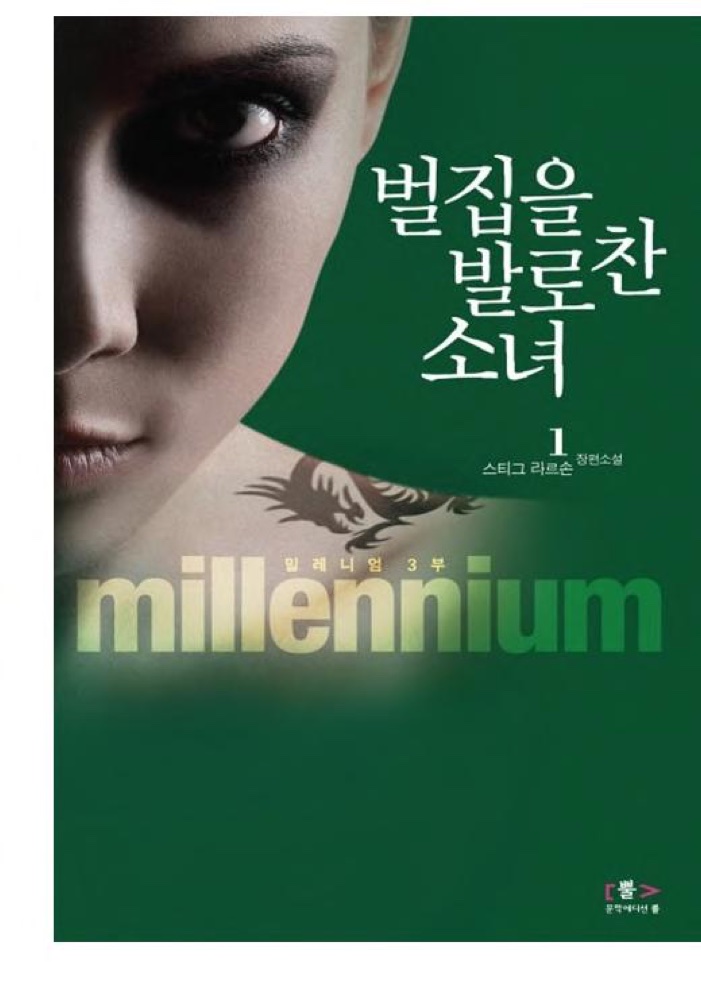 The Girl Who Kicked the Hornet's Nest
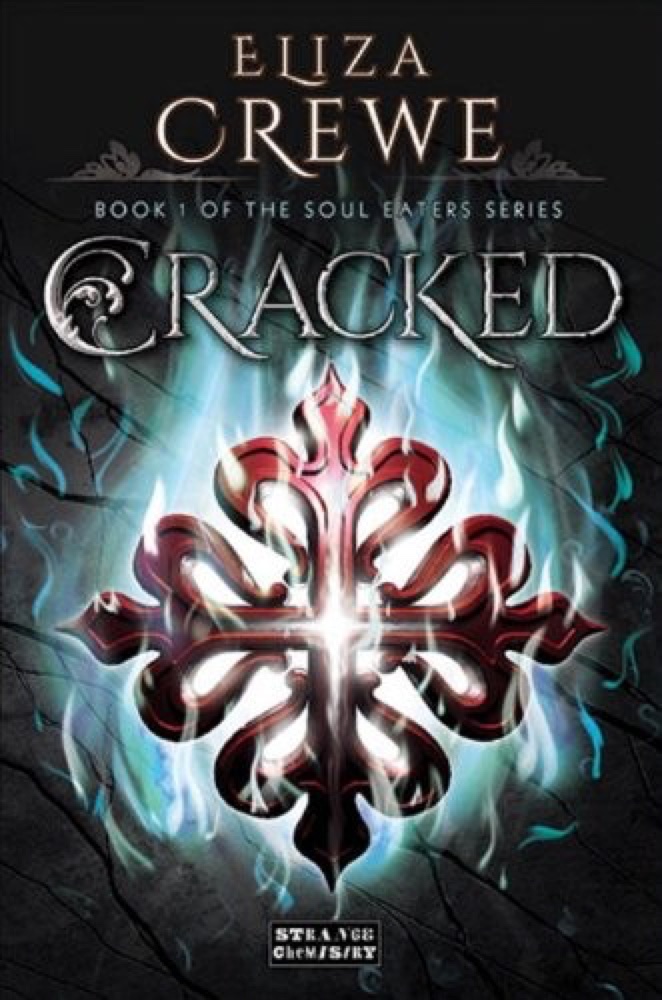 Cracked
 The Basic Eight
 Don't Judge a Girl by Her Cover
 Say What You Will
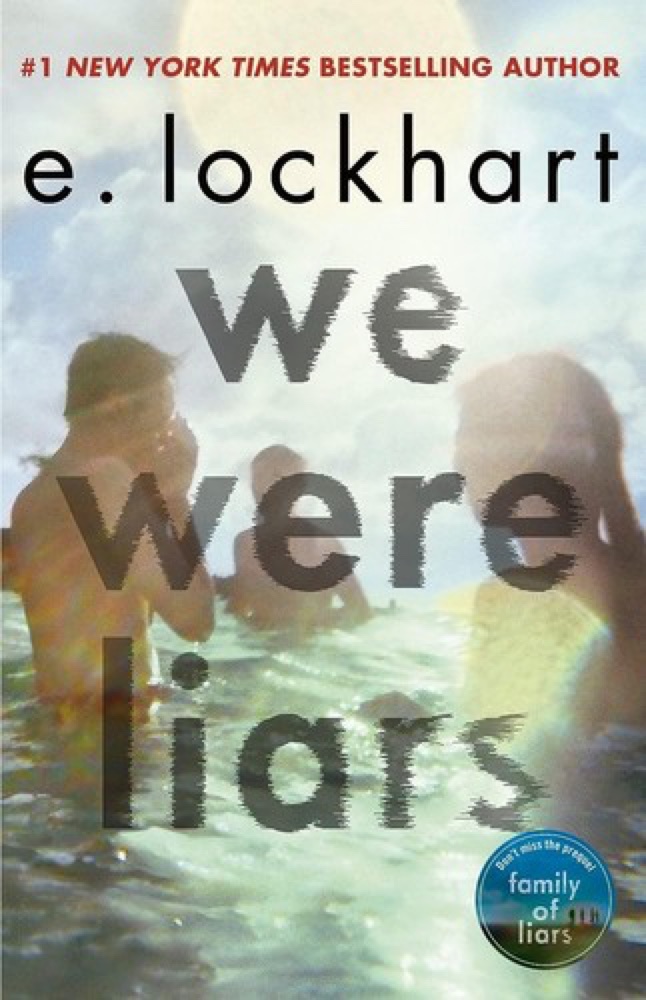 We Were Liars
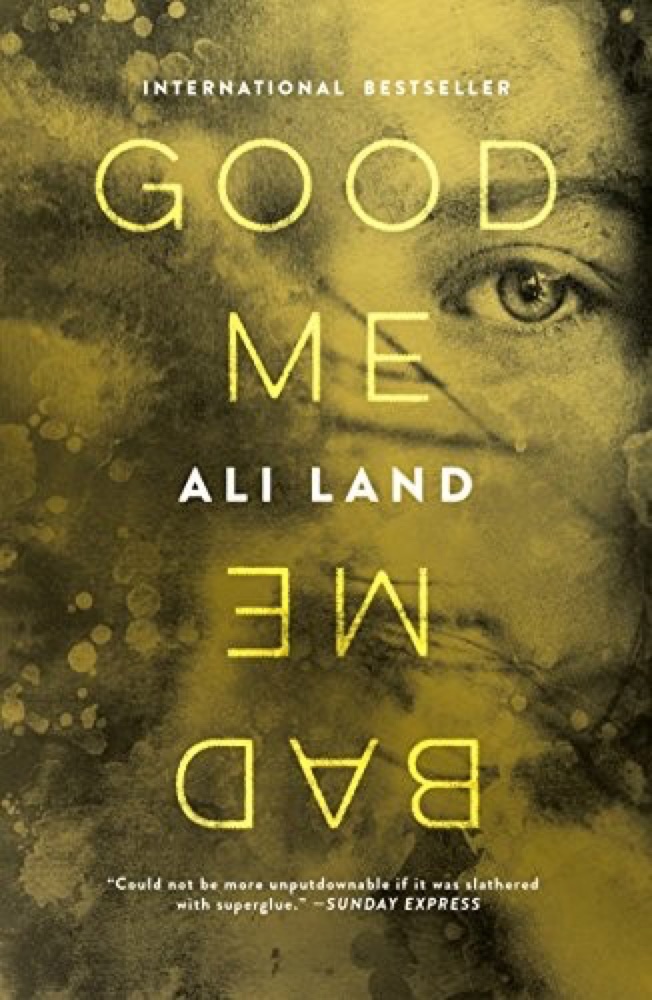 Good Me, Bad Me
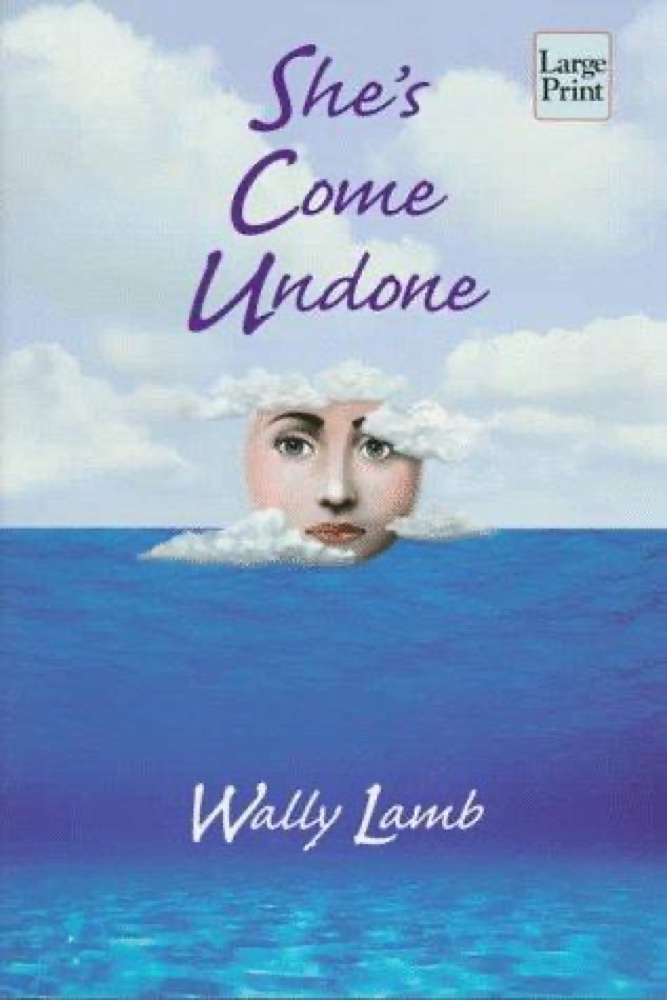 She's Come Undone
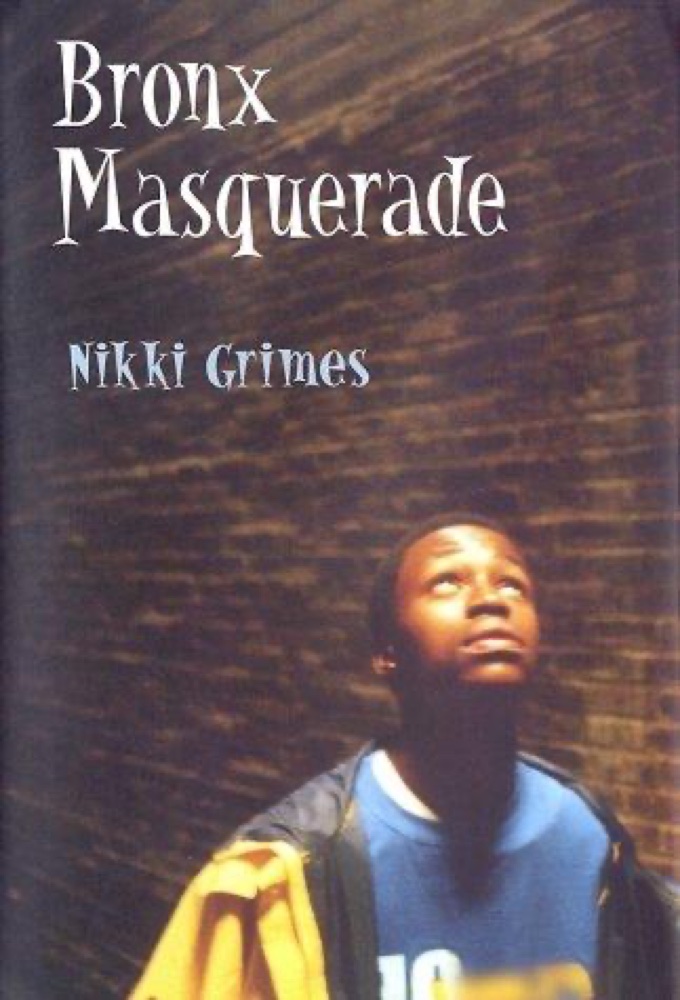 Bronx Masquerade
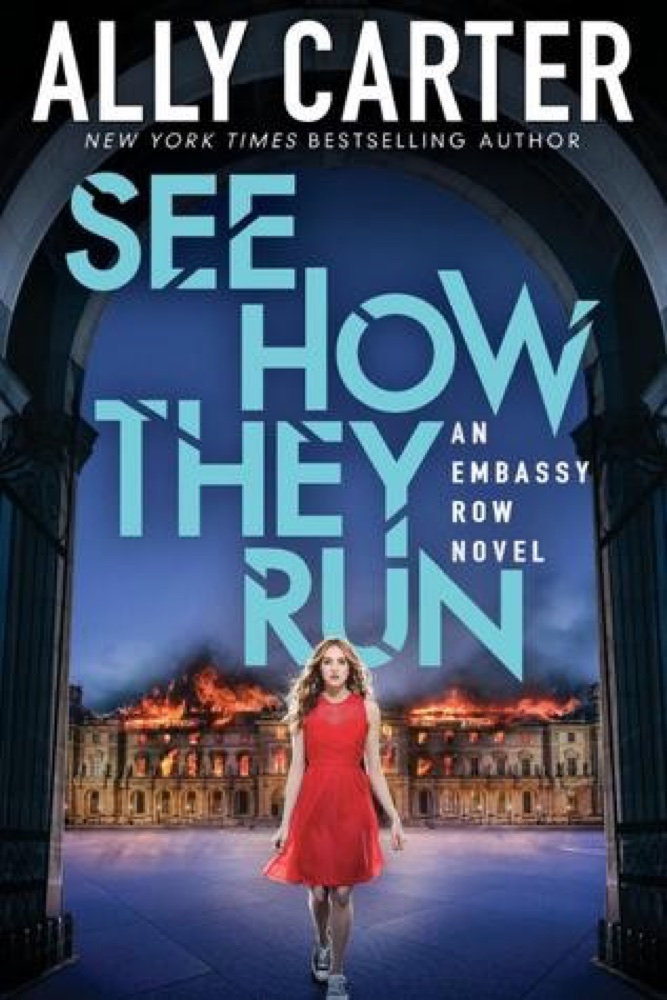 See How They Run
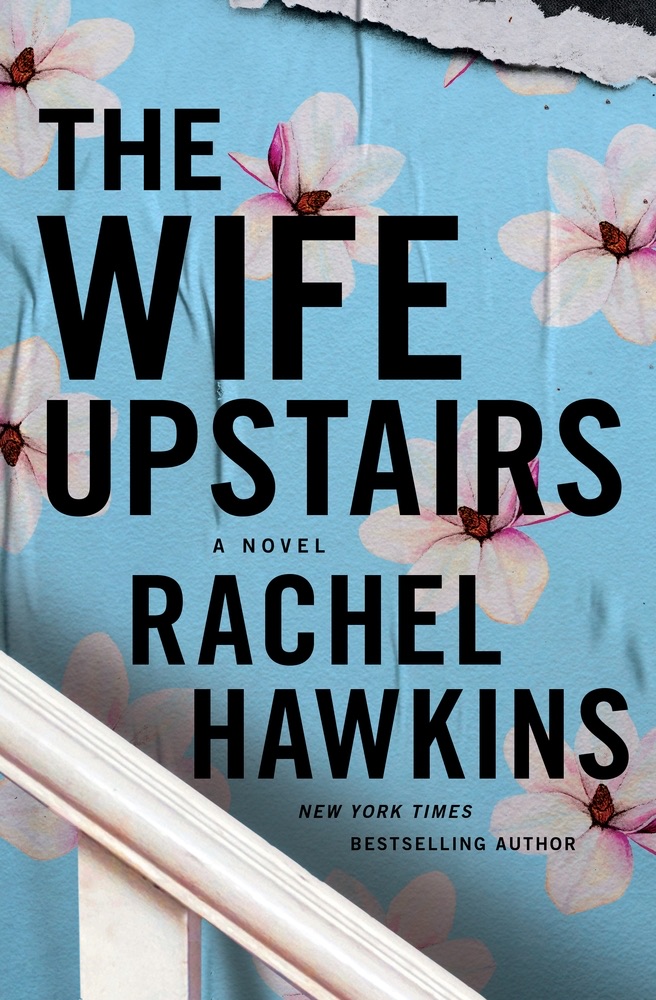 The Wife Upstairs
 One of Us Is Lying
 First Year
 Some Quiet Place
 The Girl in 6E
 Magic for Liars
 Call It What You Want
 The Hour I First Believed
 Defiance
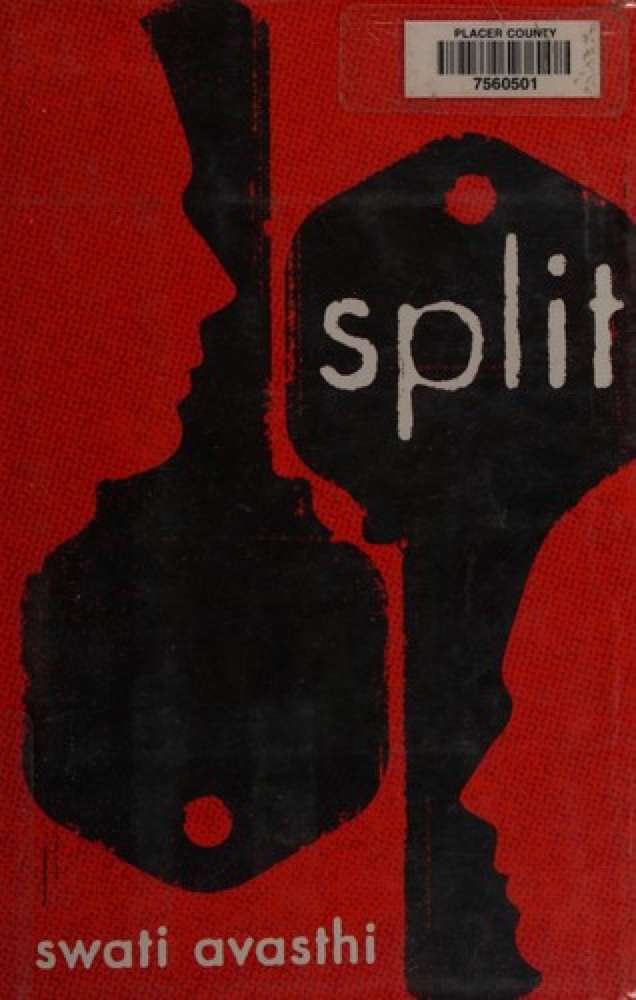 Split
Split
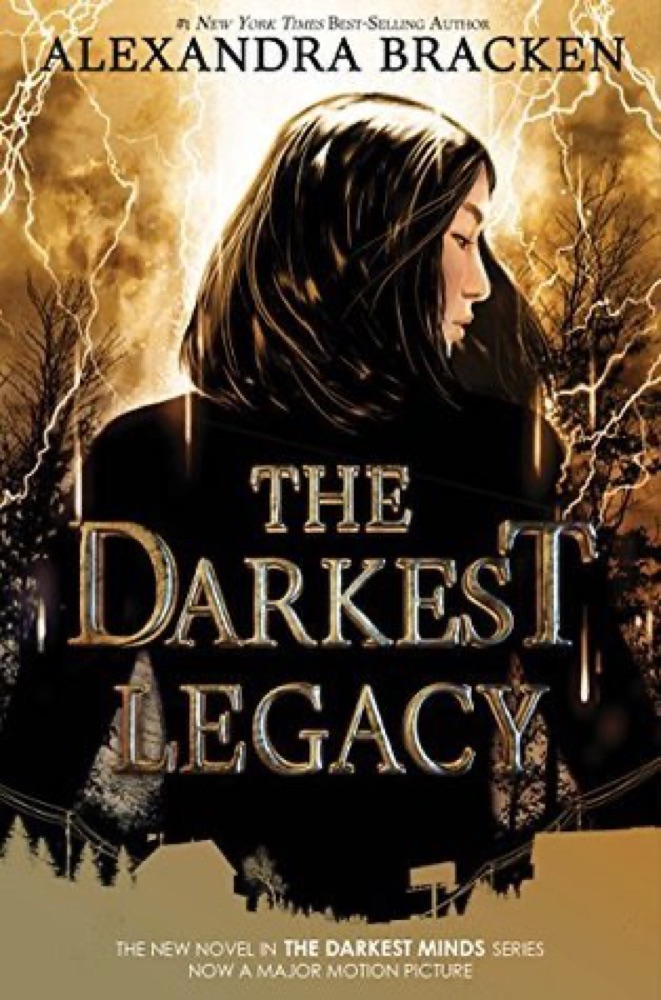 The Darkest Legacy
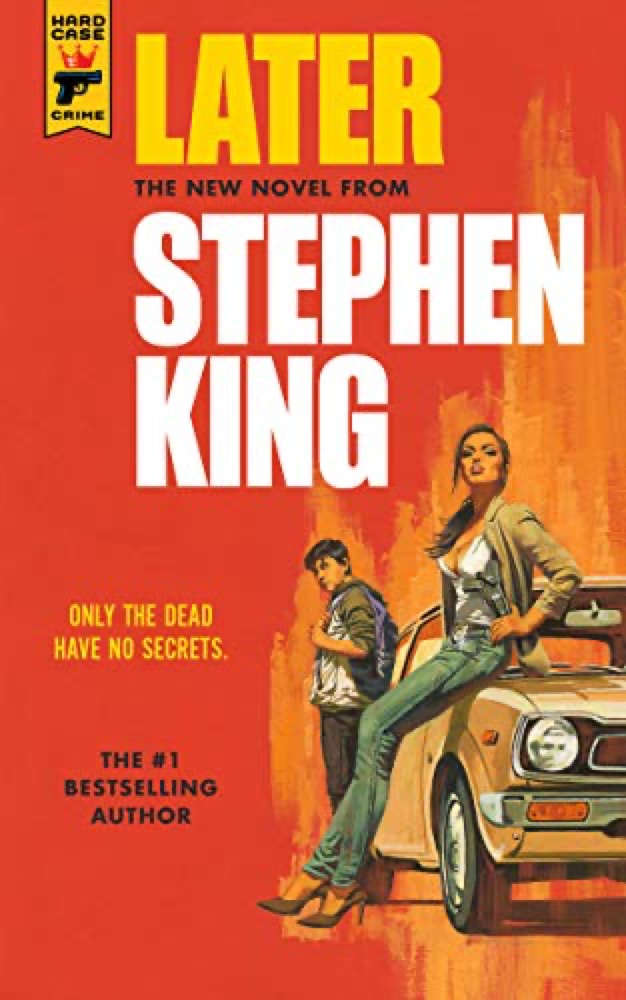 Later
Later
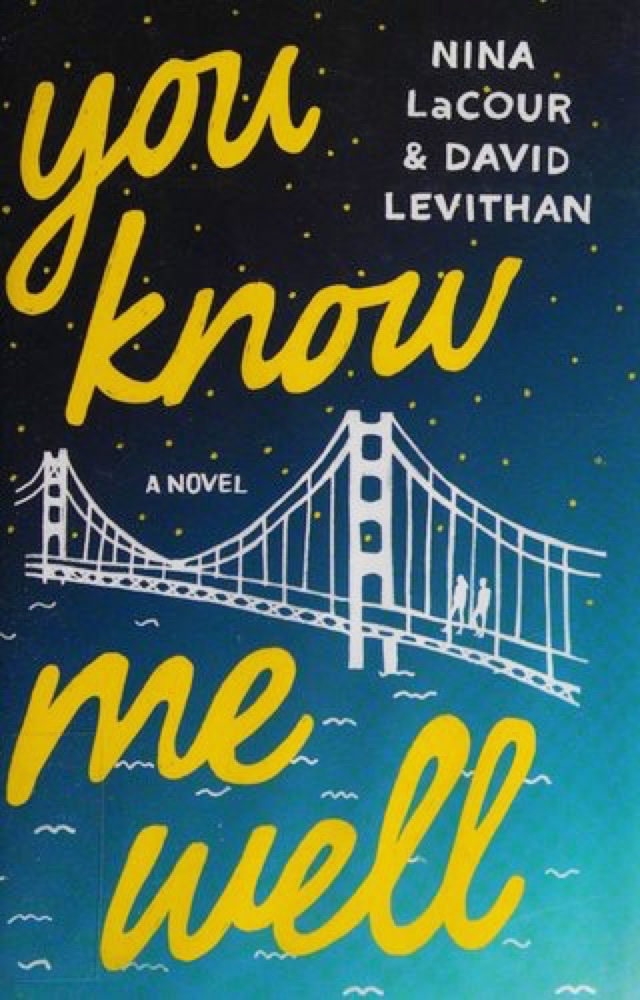 You Know Me Well
 The Liar's Key
 Ace of Spades
 Sybil: The Classic True Story of a Woman Possessed by Sixteen Personalities
 Glint
Glint
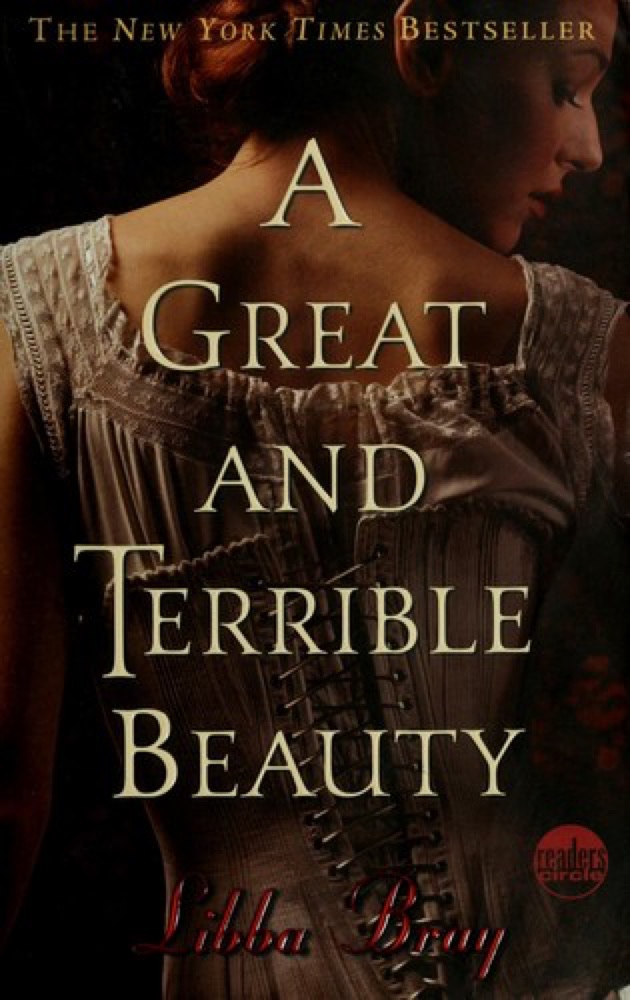 A Great and Terrible Beauty
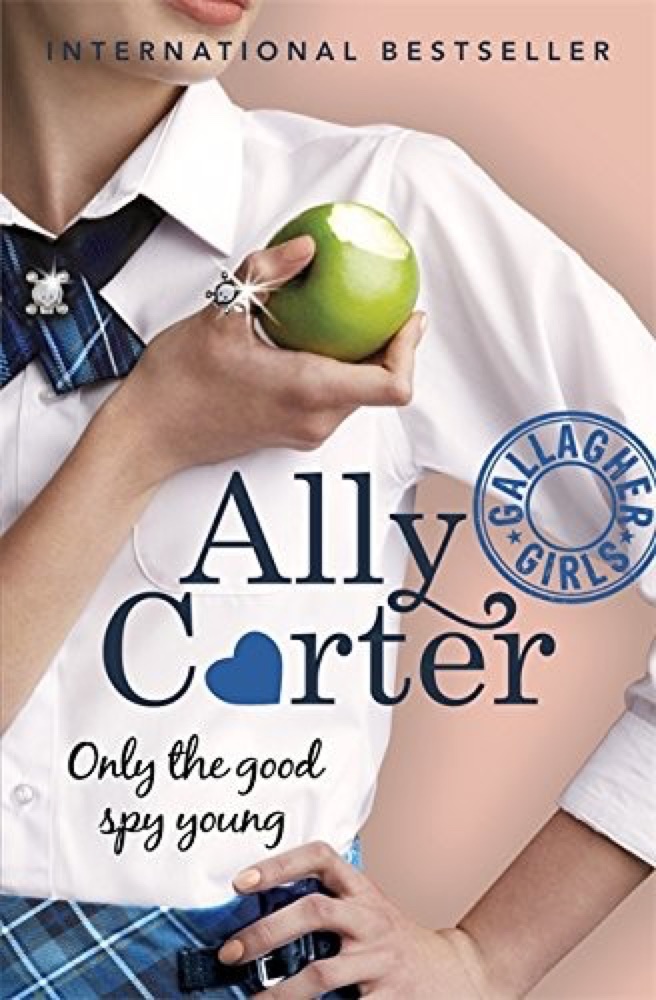 Only the Good Spy Young
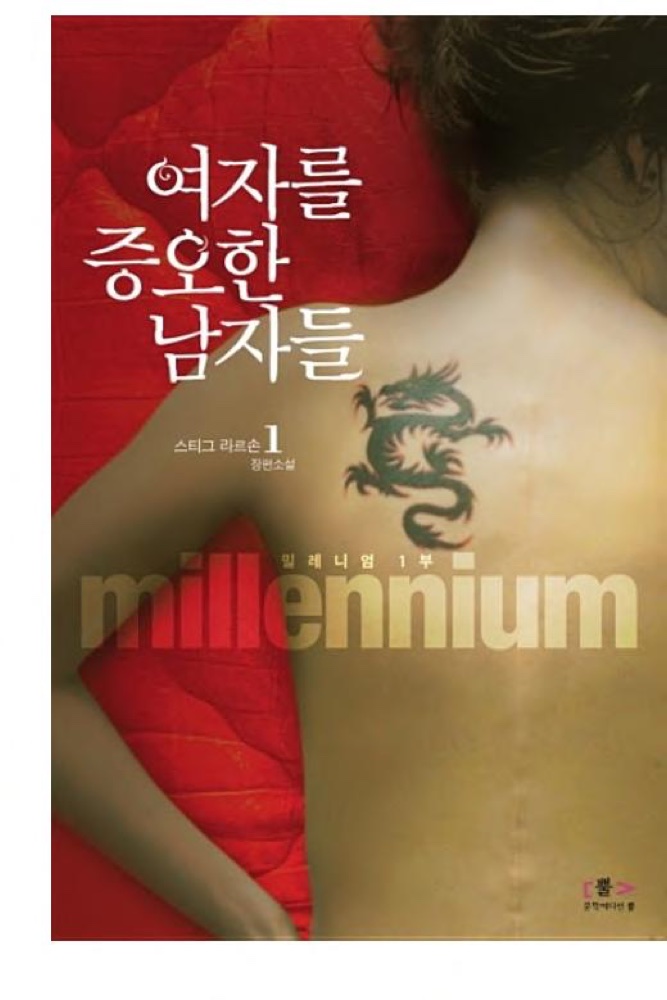 The Girl with the Dragon Tattoo
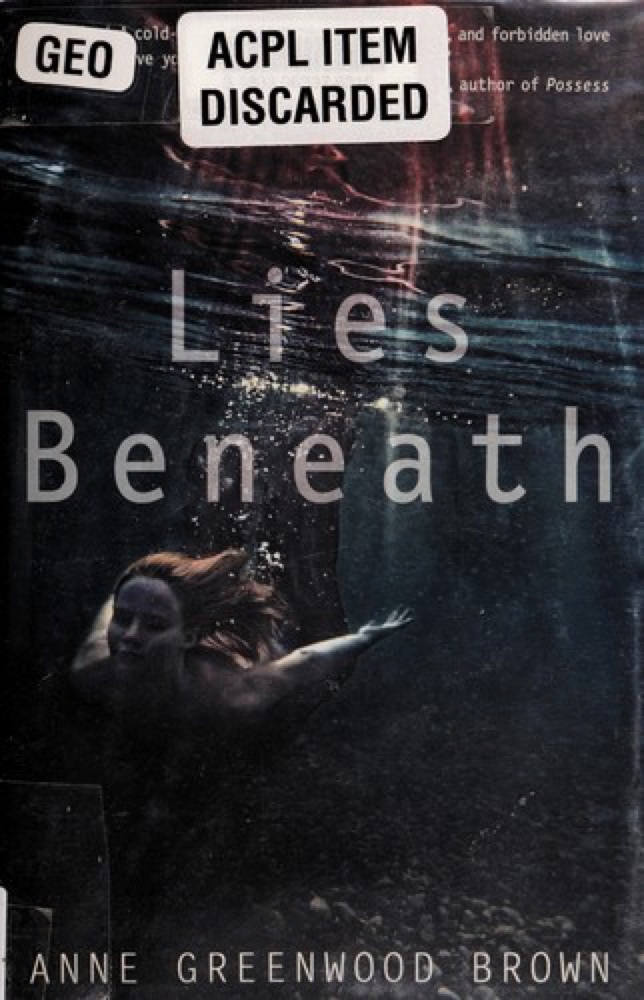 Lies Beneath
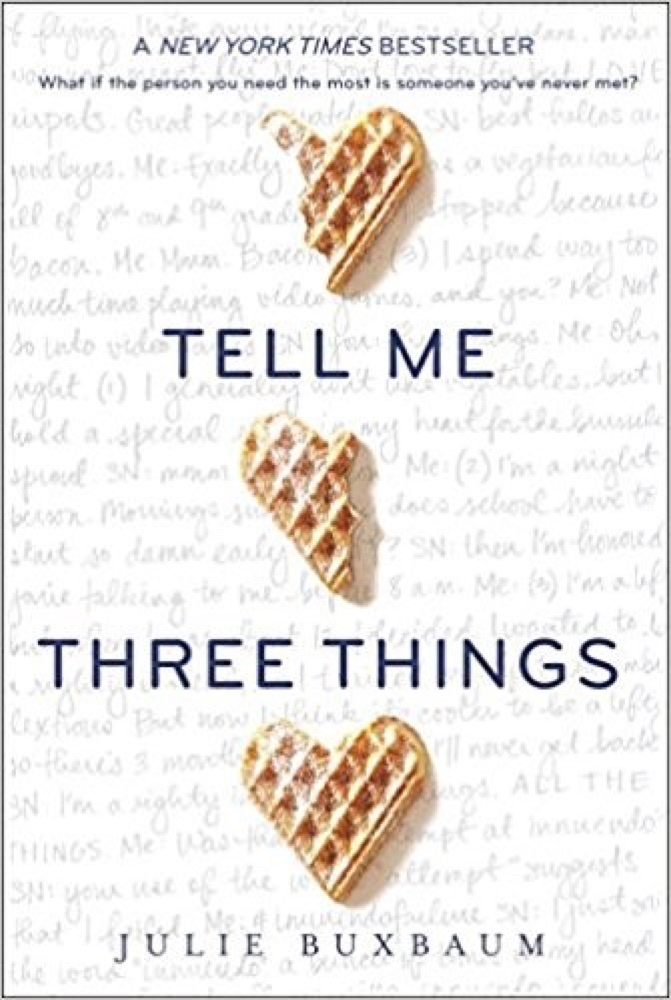 Tell Me Three Things
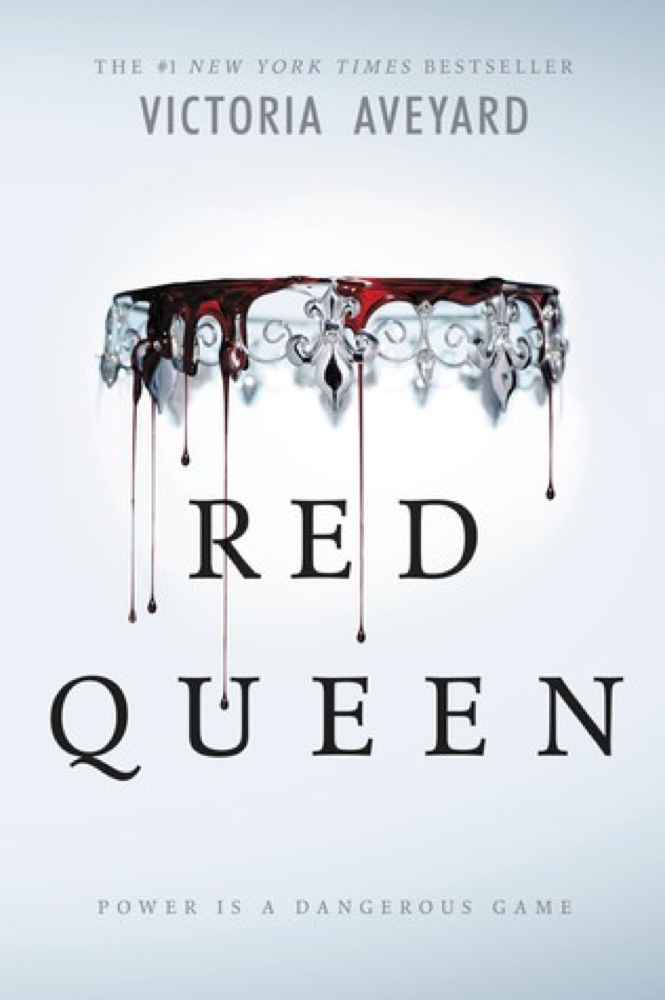 Red Queen
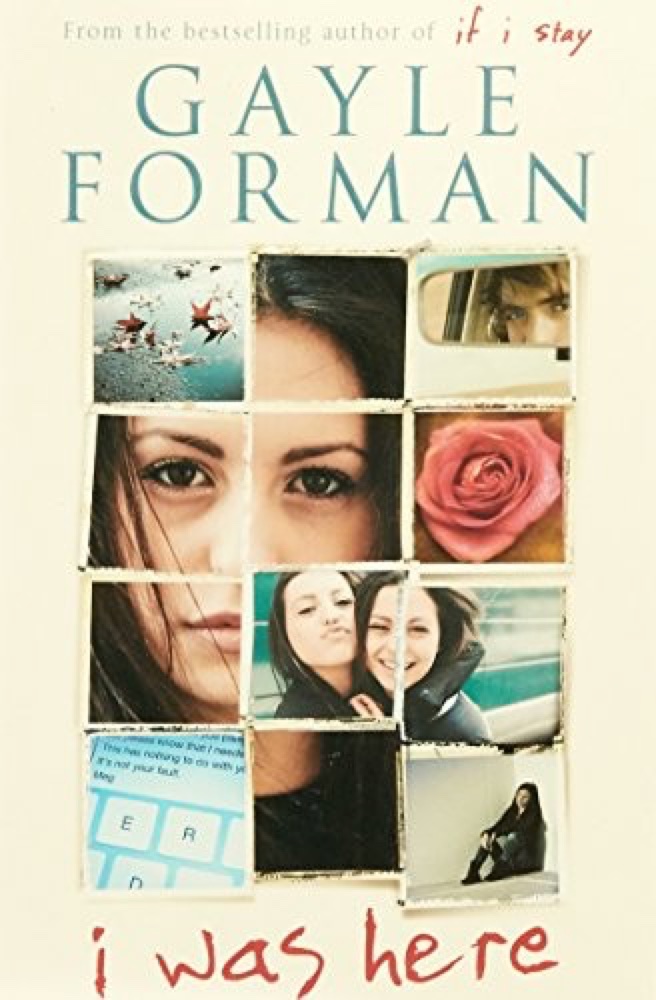 I Was Here
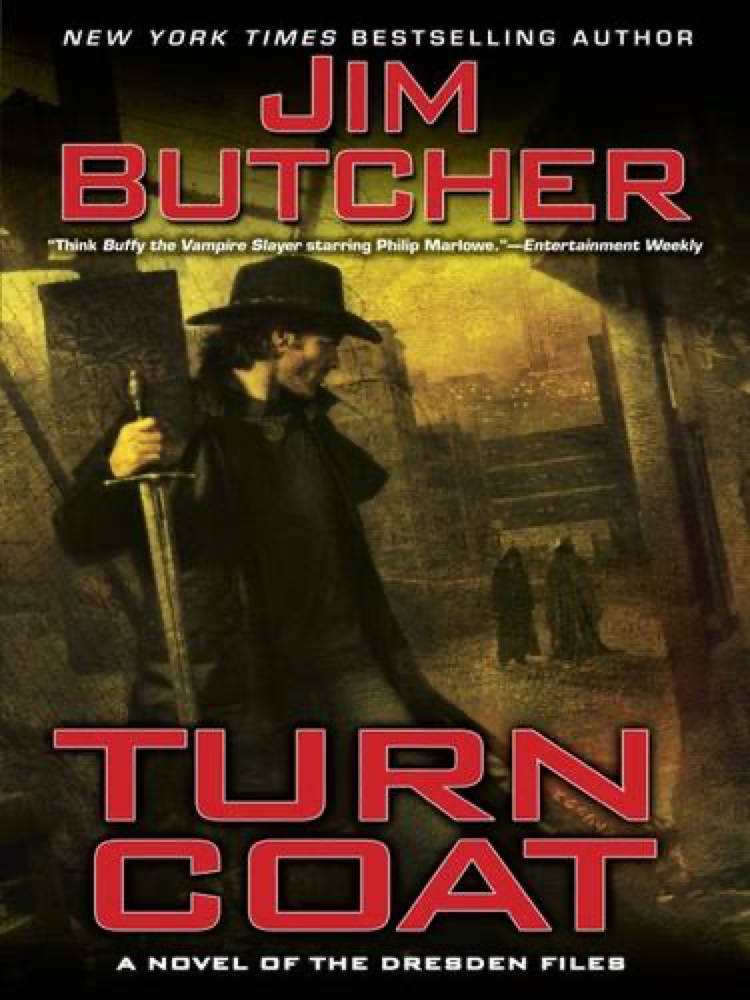 Turn Coat
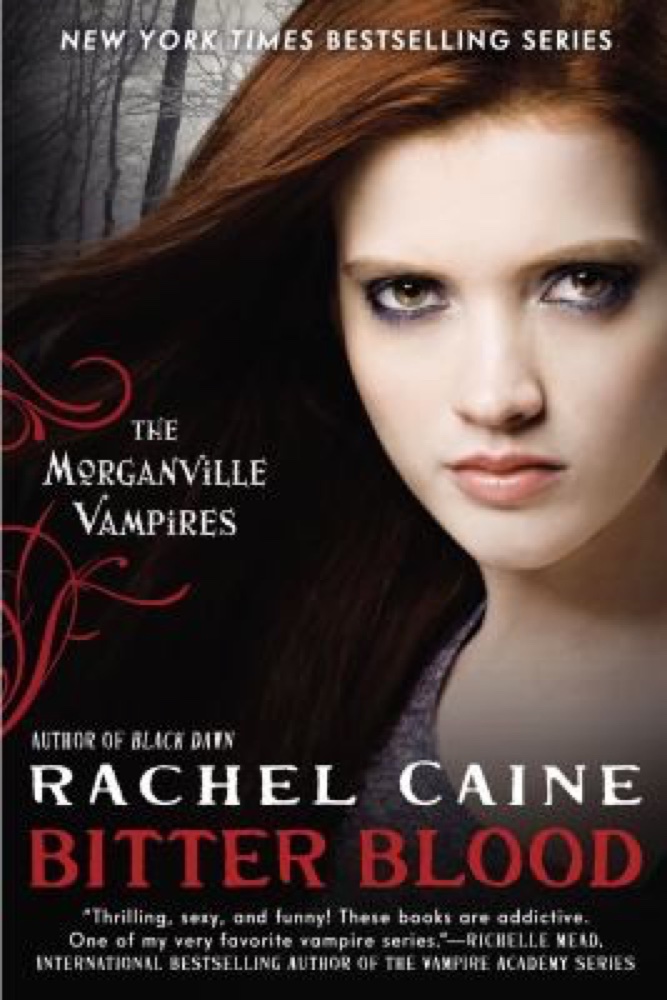 Bitter Blood
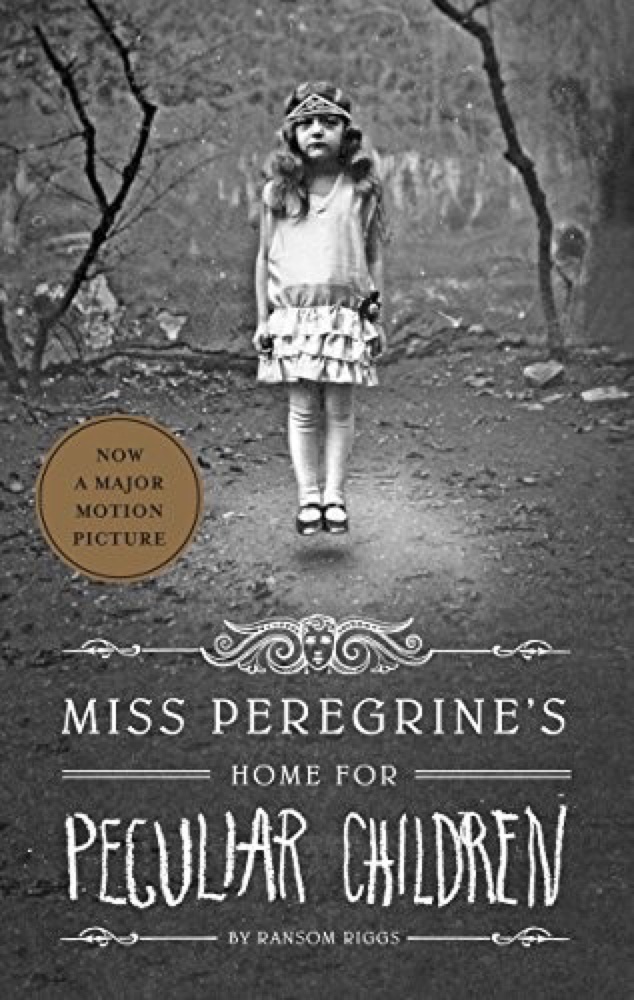 Miss Peregrine’s Home for Peculiar Children
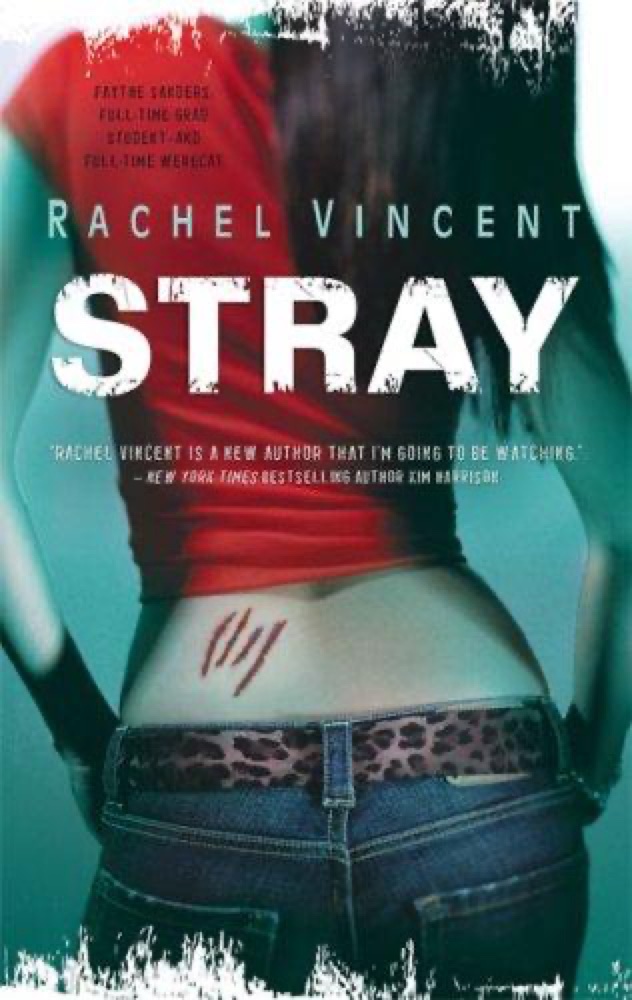 Stray
Stray
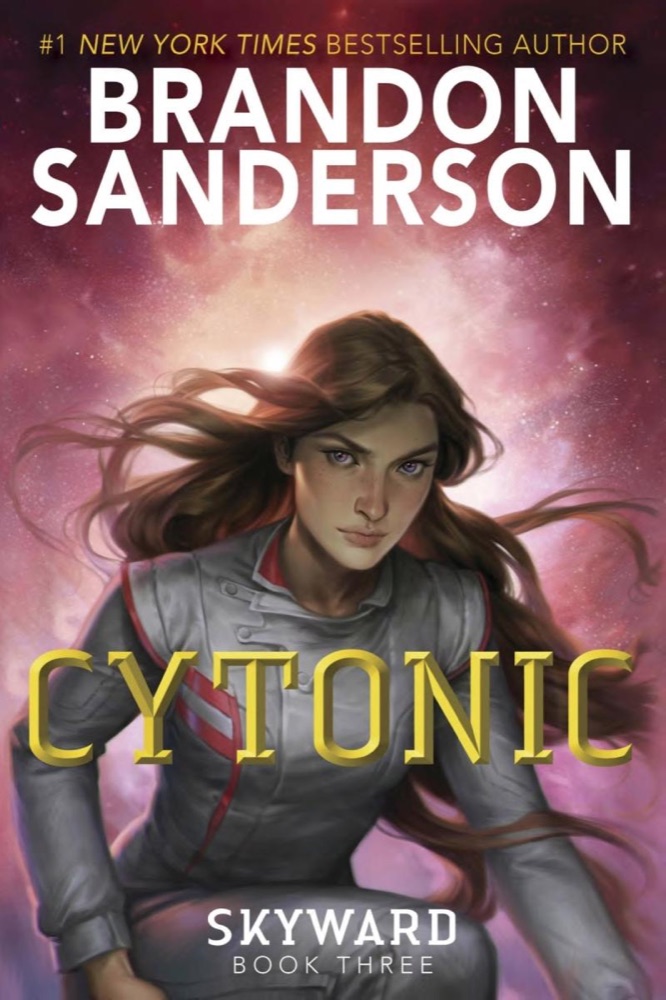 Cytonic
 Moonlight Mile
 False Memory
 Rainbow Black
 Assassin's Apprentice
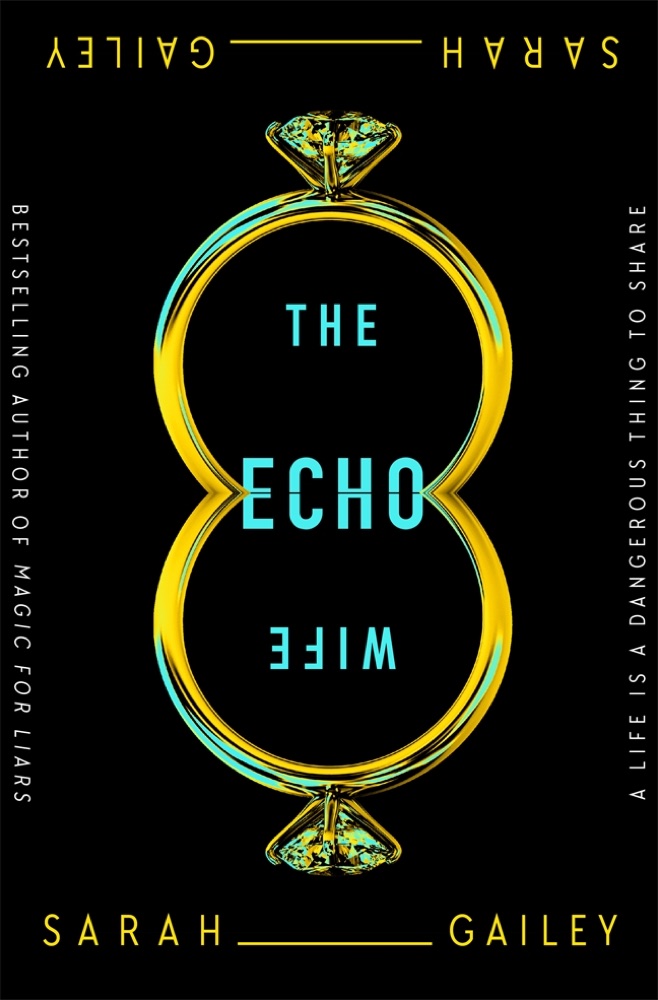 The Echo Wife
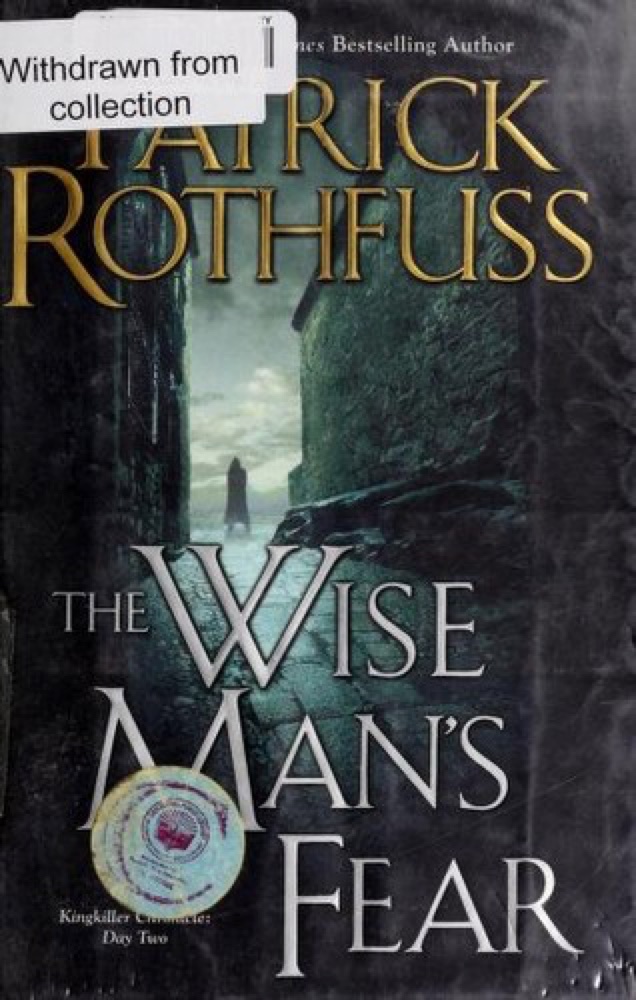 The Wise Man's Fear
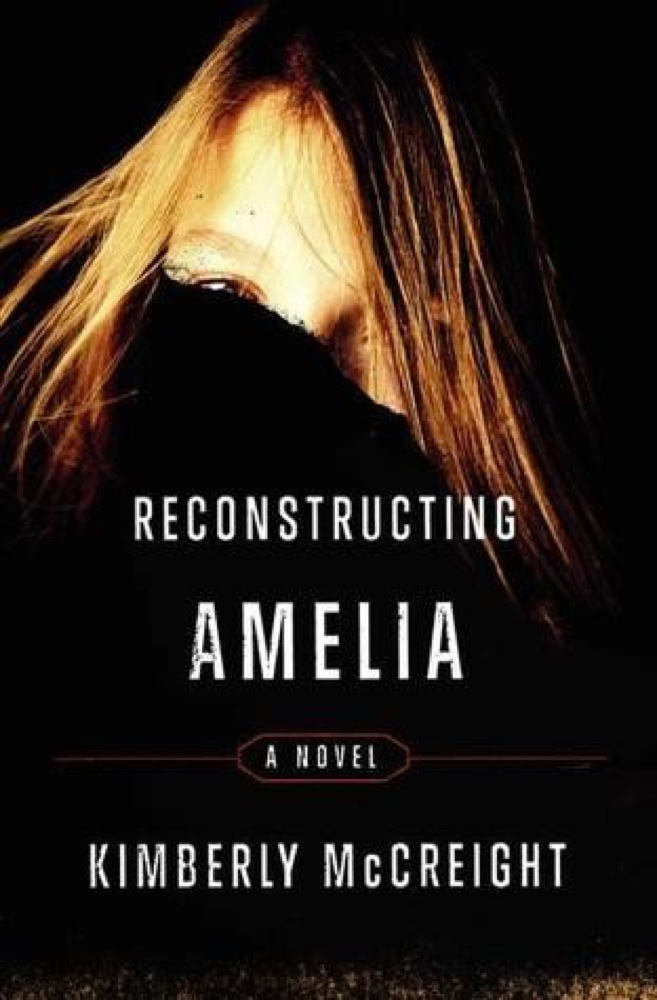 Reconstructing Amelia
 The Wrong Side of Right
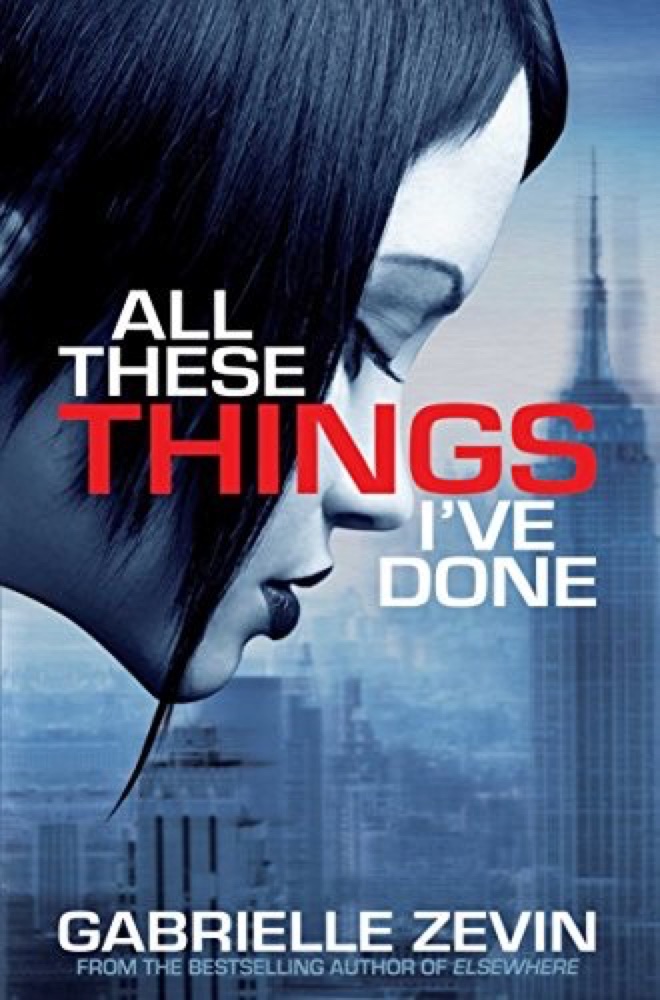 All These Things I've Done
 I'm Not Her
 Dangerous Creatures
 Every Other Day
 A Curse So Dark and Lonely
 A Little Something Different
 I Am Number Four
 Charm & Strange
 Bone Crossed